

Winter Baking Ideas
Cold weather turns the kitchen into the warmest room in the house, and the oven becomes a small heater as well as a cooking tool. Flour on the counter, butter softening by the stove and a tray of something sweet rising behind glass make winter days feel slower and kinder.
Families often look for winter baking ideas when the evenings draw in early and everyone wants a project that ends with something warm to eat. Baking fills spare hours with measuring, mixing and waiting together, and the reward arrives smelling of spice, fruit and brown sugar.
Planning matters more than skill, because winter suits bakes that forgive a little guessing and welcome whoever wanders in to help. Choose a few reliable favourites, keep the cupboard stocked with basics and let each cold weekend bring one small project to the table.
What Are the Cosiest Winter Baking Ideas for Cold Days?
Short answer first, the cosiest winter baking ideas are the ones that warm the whole house while they cook, such as slow bread, spiced biscuits, fruit crumbles and trays of muffins. Anything that bakes gently, smells wonderful and feeds a crowd without fuss earns its place in winter.
Warmth comes from the oven and from the gathering around it, so pick bakes that people can help with at every age. Children can stir, grandparents can shape dough and everyone can argue happily about who gets the corner piece with the most crumble.
Simple recipes with short ingredient lists suit the season best, because winter shopping trips are nobody's favourite errand. Cupboard staples like flour, oats, sugar, dried fruit and spices cover most projects, and one bag of apples or a bunch of ripe bananas can start the rest.
Slow Sunday Bread Baking Morning
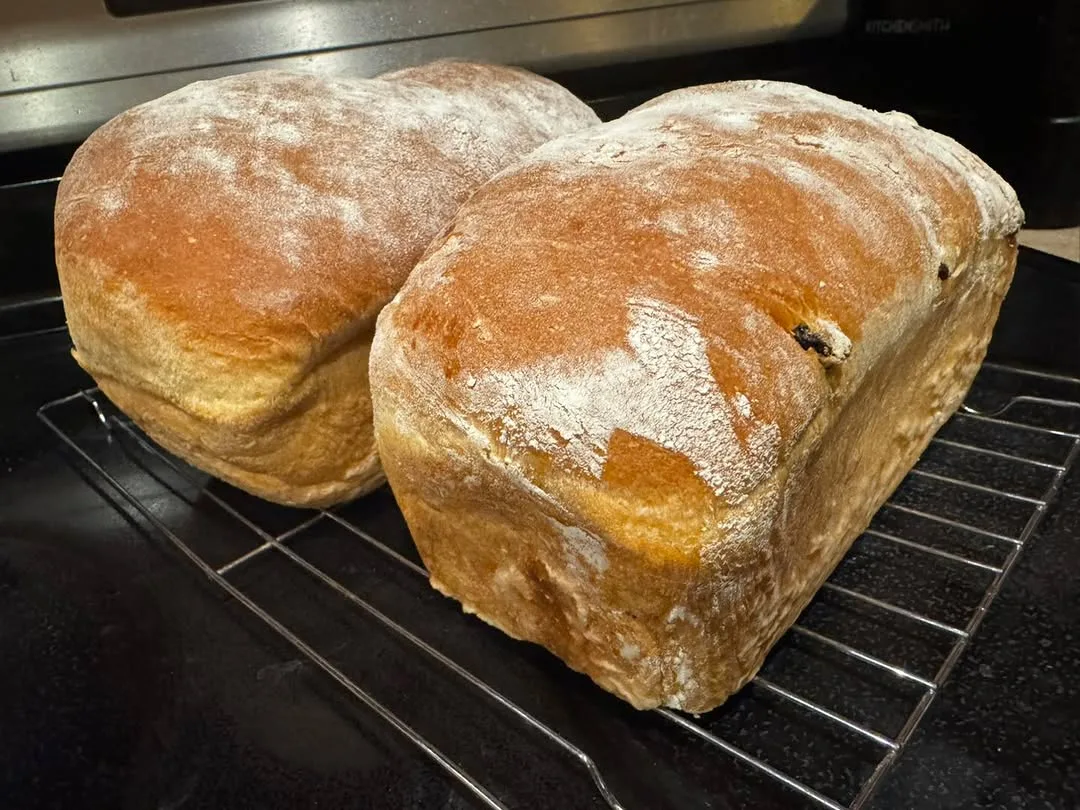
Baking a loaf of bread on a slow Sunday turns the whole morning into a gentle ritual of mixing, waiting and watching dough rise. Bread suits winter perfectly because the warm kitchen helps the rise and the smell drifting through the house promises a lunch worth waiting for.
Choose one forgiving loaf style and keep it the same for several weeks, because repetition builds confidence faster than variety. Set out the bowl and ingredients the night before, let the dough take its time in the morning and plan lunch around whatever the loaf becomes.
Beginners gain the most from bread baking, since one simple loaf teaches timing, patience and the feel of good dough. Households that eat lots of toast, soup and sandwiches also benefit, because a homemade loaf stretches across several meals and snacks.
Slice the loaf thickly and serve it warm with butter and jam while everyone is still gathered in the kitchen, because the first slices always taste best. Leftover slices toast beautifully the next day and make excellent breadcrumbs once they go stale.
Rushing the rise is the mistake that spoils more loaves than any other, since dough pushed into a cold oven stays heavy and dense. Give the loaf the full time it asks for, keep it away from draughts and let the kitchen warmth do the slow work.
Cosy Cinnamon Rolls for a Cold Morning

Soft cinnamon rolls bring swirls of spice and sugar to the breakfast table, and their sweet smell wakes the house more kindly than any alarm. Warm rolls with a simple glaze feel like a treat from a bakery while costing a fraction of the price.
Prepare the dough the evening before and let the shaped rolls wait in the fridge overnight, so the morning asks only for the oven to warm up. Cold mornings feel far easier when the hard work is already done and breakfast is mostly a matter of waiting.
Weekend guests and sleepy teenagers suit cinnamon rolls especially well, because nobody refuses a warm roll placed in front of them. Families celebrating a birthday or a snow day at home also find rolls festive without needing a cake.
Serve the rolls in the pan they baked in, straight onto the middle of the table, so everyone can pull one away with the steam still rising. Hot tea, coffee or cocoa beside them completes a breakfast that keeps people full until lunch.
Skipping the second rise leaves rolls tight and bready instead of soft and pillowy, so patience matters here as much as with bread. Cold filling also tears the dough, so let butter soften fully before spreading it across the rolled out sheet.
Spiced Ginger Biscuits for Gifting

Crisp ginger biscuits carry the deep warmth of ground ginger, cinnamon and dark sugar, and they keep well for weeks in a tin. Among winter baking ideas, few travel better, because sturdy biscuits survive posting, packing into lunchboxes and stacking into gift jars without crumbling.
Bake two batches on one afternoon, one for the house and one for giving away, since the oven is hot anyway and the mixture doubles easily. Cool the biscuits completely before packing them, and tuck a little tissue or paper between layers to protect the edges.
Neighbours, teachers and anyone who deserves a small thank you suit ginger biscuits perfectly, because a jar of homemade biscuits feels personal without costing much. People who claim they never bake still manage biscuits, since the dough forgives rough shaping.
Tie the jar or tin with string and a handwritten label naming the bake and the day it was made, because small details turn a simple gift into a keepsake. Adding the recipe on a card invites the receiver to bake a batch in return.
Overbaking turns spiced biscuits bitter and hard, and dark sugar hides the colour change until it is too late. Watch the first tray closely, pull the biscuits out while the centres still look slightly soft and let the tray finish the job.
Hearty Fruit Cake for Sharing
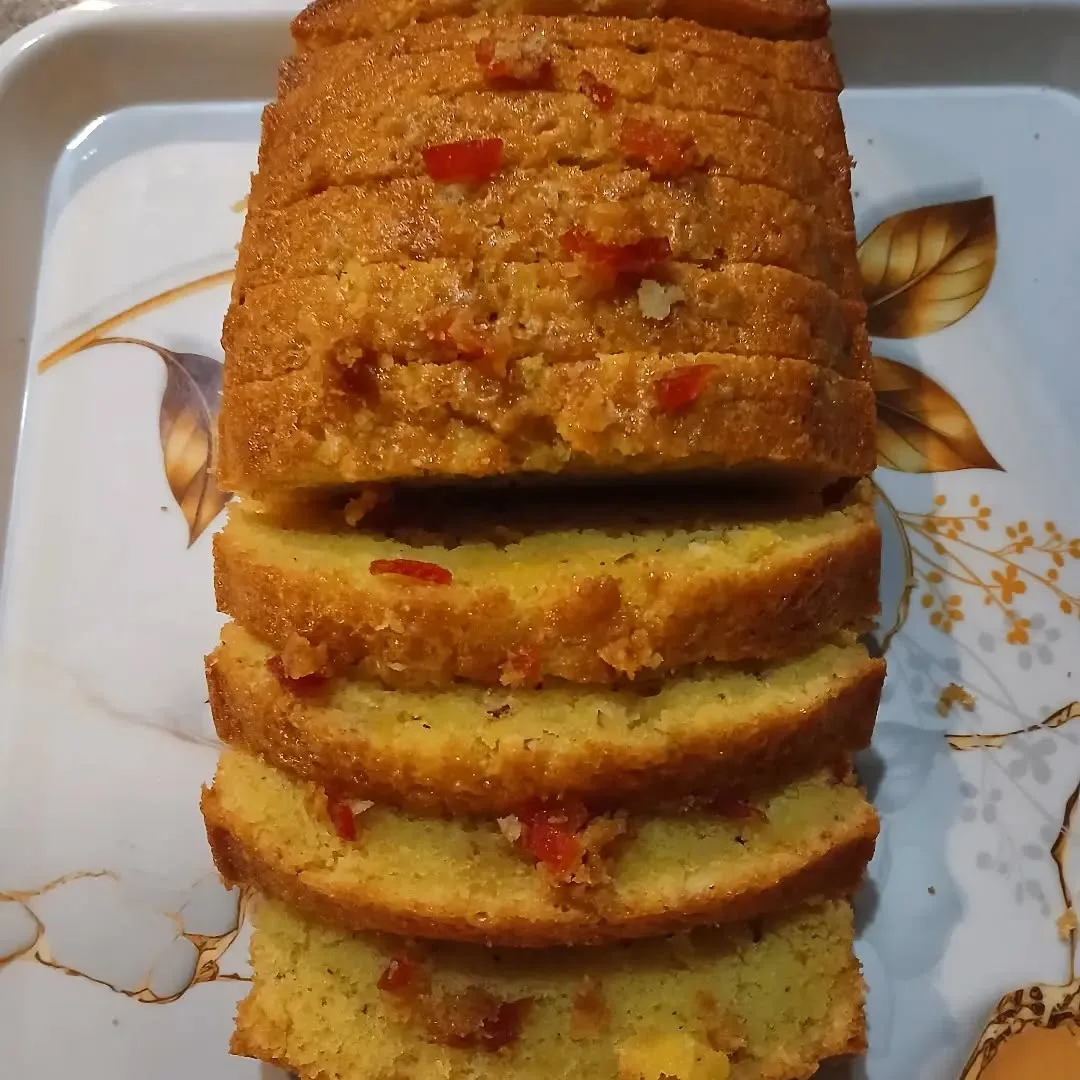
Dense fruit cake packed with dried fruit and spice belongs to winter like no other bake, because one slice satisfies like a small meal. Fruit cake improves as it rests, so a cake baked early in the season can feed visitors for weeks.
Soak the dried fruit in strong tea or fruit juice well ahead of mixing, since plump fruit keeps the crumb moist and spreads flavour through every slice. Plan the bake for a quiet day, because a big cake asks for a long, slow stay in the oven.
Households expecting visitors across the season suit fruit cake best, since a ready cake turns any knock at the door into an occasion. Older relatives often hold strong opinions about fruit cake and happily share advice, slices and second helpings.
Wrap the cooled cake tightly and store it somewhere cool and dark, then unwrap it weekly to check the texture and enjoy the deepening smell. Thin slices serve more people than thick ones, and a slice warmed gently beside the fire tastes like new.
Cutting into the cake on the day it is baked is the classic mistake, because the crumb needs time to settle and the flavours need time to marry. Rest the cake at least overnight, and give it a week if you can bear the wait.
Warm Apple Crumble for Family Suppers
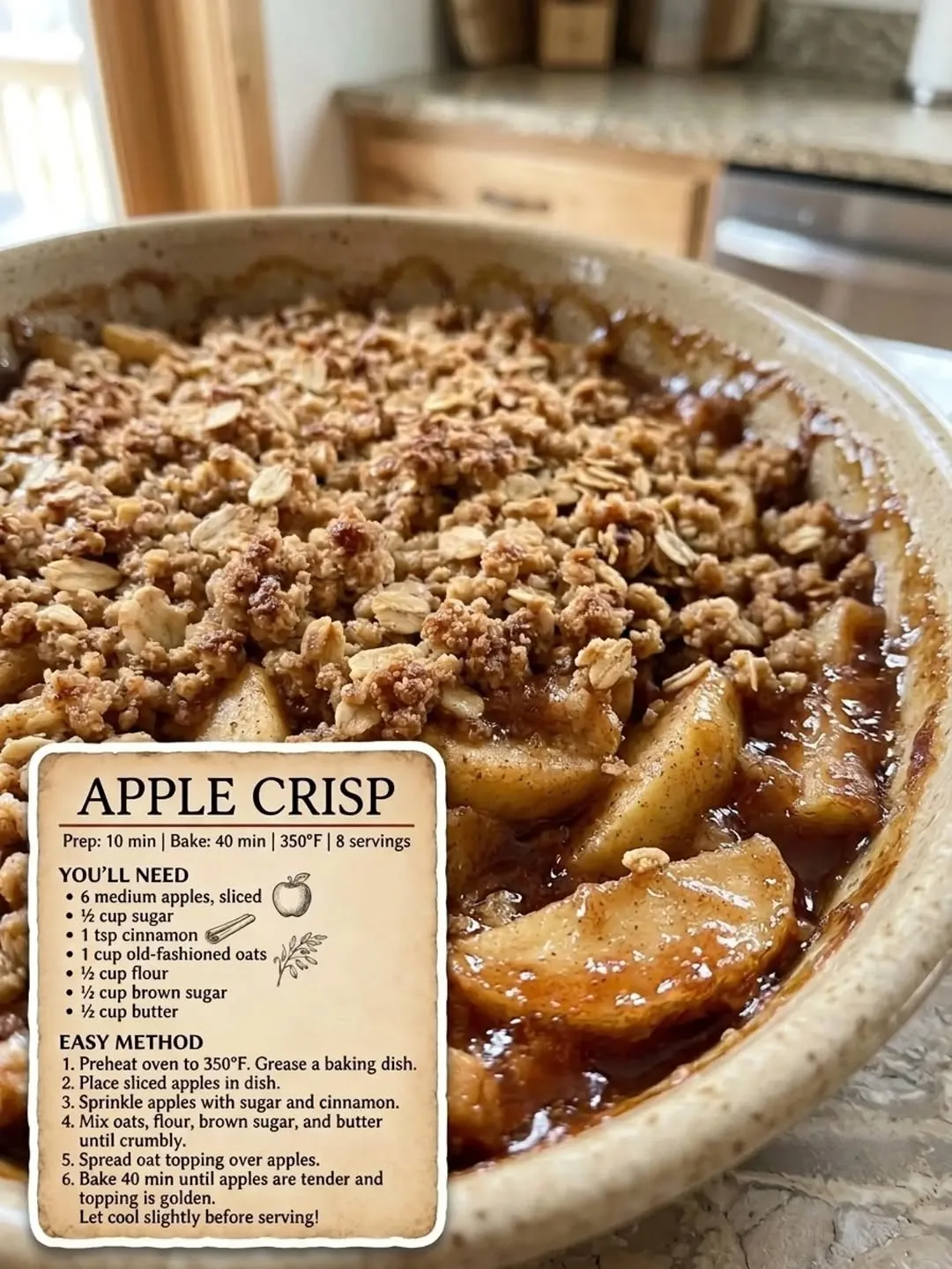
Tender baked apples under a rubbly golden topping make crumble the pudding winter suppers deserve, especially after a plain main course. Apples soften into sauce while the topping crisps, and the whole dish asks for nothing fancier than a bowl and a spoon.
Use whatever apples the fruit bowl holds, mixing sharp and sweet ones if you can, because variety gives the filling more depth. Make the topping in a big batch and freeze the spare portion, so the next crumble comes together in minutes.
Children suit crumble making perfectly, since rubbing butter into flour with fingertips is a job small hands genuinely enjoy. Families who cook a roast or a stew on Sundays gain a pudding that uses the same oven heat and the same relaxed pace.
Pour custard, cream or plain yoghurt over each serving at the table, because crumble tastes best when hot filling meets something cool. Leftovers reheat well for breakfast the next day, and nobody in most houses complains about that arrangement.
Forgetting to sweeten sharp apples leaves the filling mouth puckering and the topping carrying all the flavour alone. Taste a piece of raw apple first, adjust the sugar to the fruit rather than the recipe and add a pinch of spice for warmth.
Homemade Pizza Dough Night
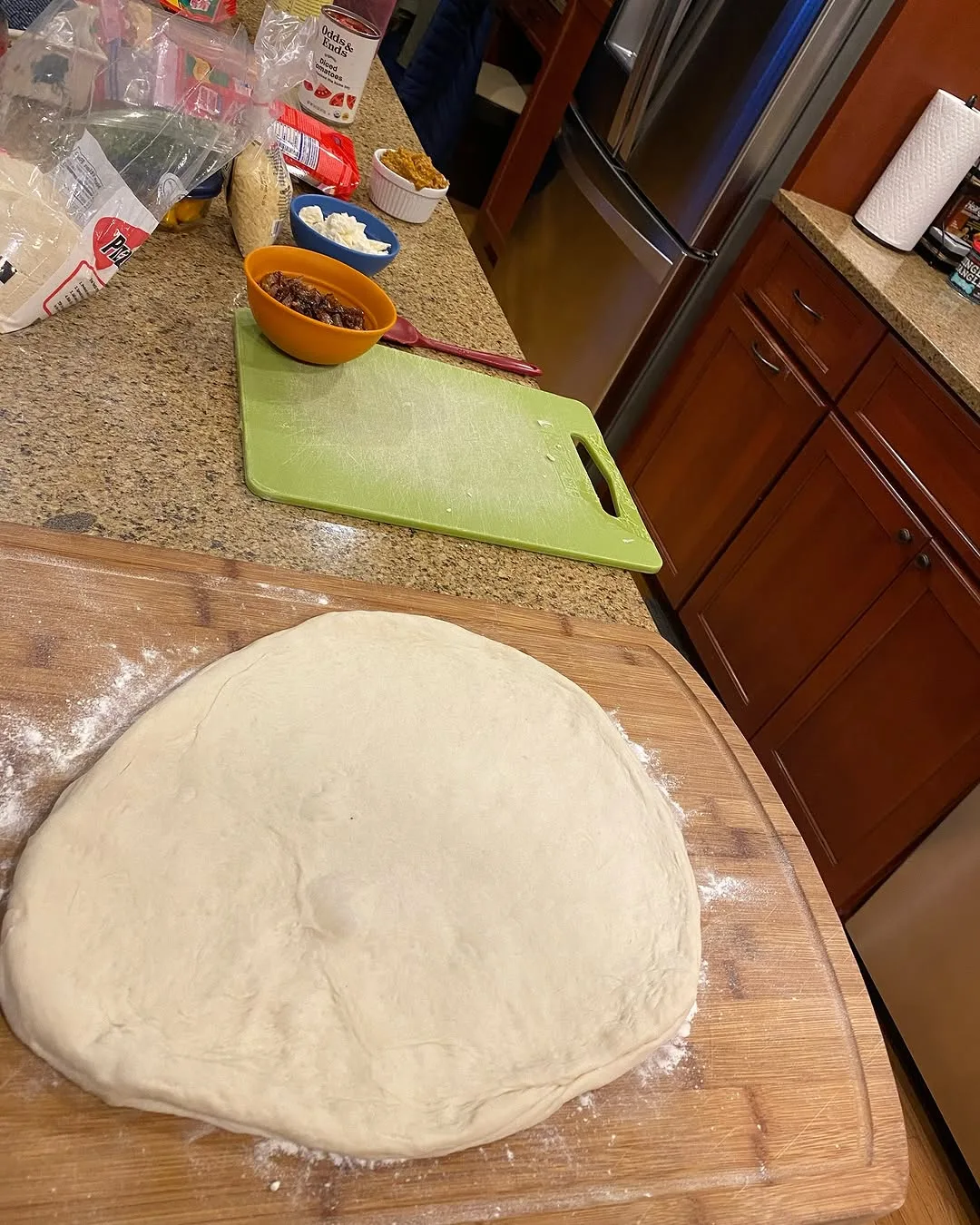
Stretchy homemade dough turns an ordinary evening into pizza night, with everyone shaping a base and choosing toppings from bowls in the middle of the table. Baking pizzas at home costs far less than ordering them and keeps fussy eaters happy.
Mix the dough in the afternoon and let it rise somewhere warm while you prepare toppings and set the table. Keep the oven as hot as it safely goes and bake pizzas one or two at a time so each base crisps properly.
Teenagers suit pizza night best of all, because they eat enthusiastically and enjoy competing over the most daring topping combination. Students and young families also gain, since dough ingredients cost pennies and leftover slices pack into lunches.
Flour the work surface generously and let each person stretch their own base by hand, because uneven edges and odd shapes are part of the fun. Keep one plain cheese pizza in reserve for anyone who loses a topping argument.
Loading a base with too many wet toppings makes the middle soggy and the slices impossible to lift. Spread sauce thinly, drain watery vegetables and remember that a lighter pizza bakes faster and tastes cleaner than a crowded one.
Soft Pretzels for a Snowy Afternoon

Golden soft pretzels with their chewy crust and soft middle make a snow day project that ends with warm snacks for everyone. Twisting the dough into knots and loops keeps hands busy while the weather does its worst outside the window.
Work in pairs if you can, one person shaping ropes of dough and the other twisting and arranging them on trays. Keep the shapes roughly the same size so they bake evenly, and sprinkle the tops with coarse salt before they meet the heat.
Families stuck indoors by bad weather suit pretzel making perfectly, because the project fills an hour and the snacks fill the afternoon. Anyone who enjoys hands on cooking more than delicate decorating will also take to pretzels quickly.
Brush the warm pretzels with a little melted butter and serve them with mustard, soup or hot chocolate, depending on the hour. Pretzels stale quickly, so plan to eat them the same day or warm leftovers briefly before serving.
Twisting the ropes too thin makes pretzels that bake hard and dry instead of chewy, so keep each rope plump and even. Uneven shaping also causes thin spots to scorch while thick parts stay pale, so roll with patient, even pressure.
Banana Bread From Overripe Bananas
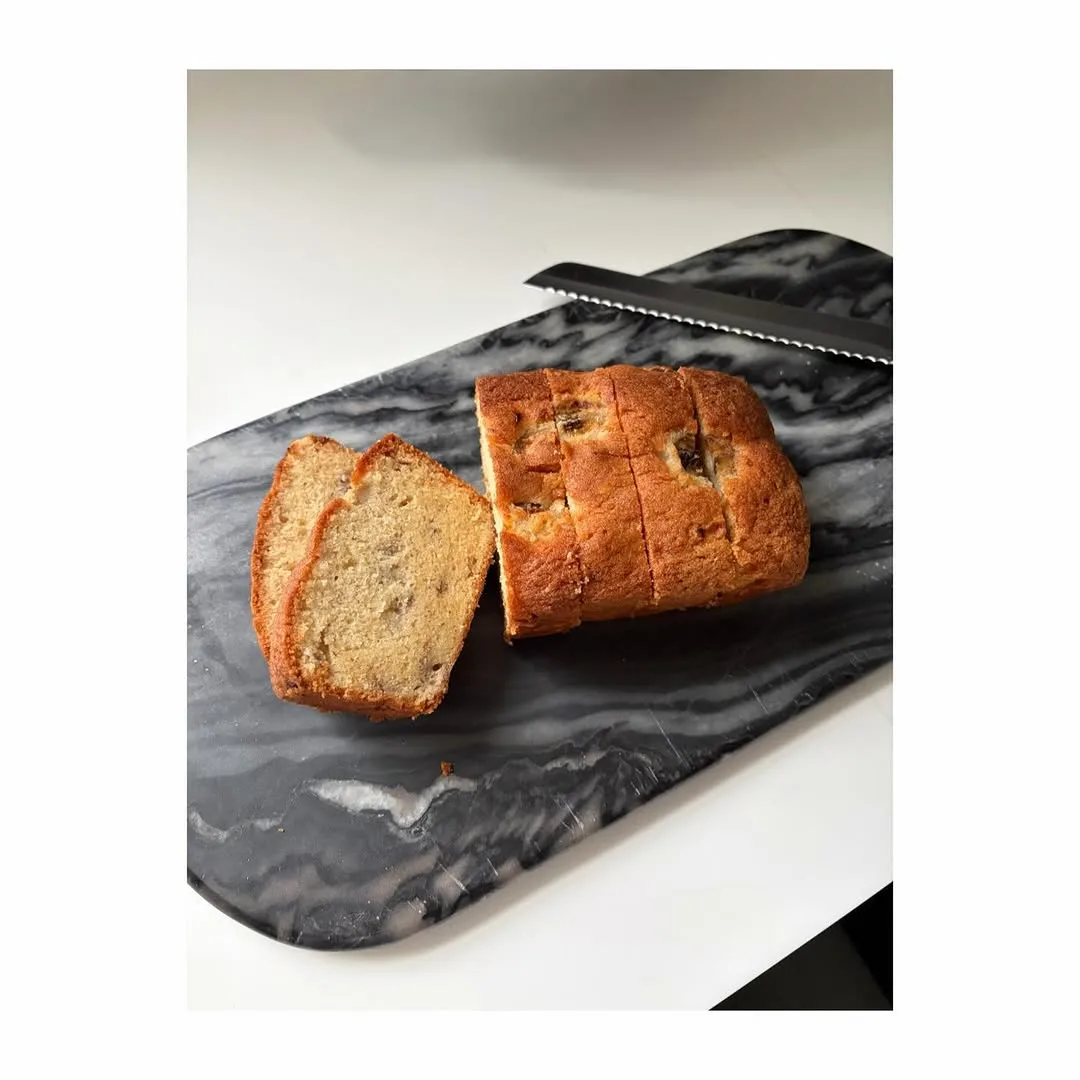
Speckled bananas too soft for eating mash into the sweetest banana bread, turning a weekly waste problem into a teatime favourite. Banana bread slices well, toasts well and keeps for days, which explains why so many winter kitchens smell of it.
Save bananas that pass their best in the freezer, skins and all, until three or four have gathered for a loaf. Freezing deepens their sweetness and softness, and thawed bananas mash in seconds with nothing more than a fork.
Busy households suit banana bread best, because one bowl, one loaf tin and no fancy equipment cover the whole job. People who dislike waste also love it, since the recipe rescues fruit that shops would throw away and families forget.
Add a handful of chopped nuts, seeds or dark chocolate pieces when the cupboard offers them, because plain winter baking ideas often hide in small additions like these. One spoon of cocoa in the mixture turns the loaf into a chocolate version for film nights.
Opening the oven door repeatedly to check the loaf lets heat escape and can sink the middle before it sets. Look through the glass, trust the timing you planned and test once near the end with a skewer or a thin knife.
Baked Oat Bars for Lunchboxes
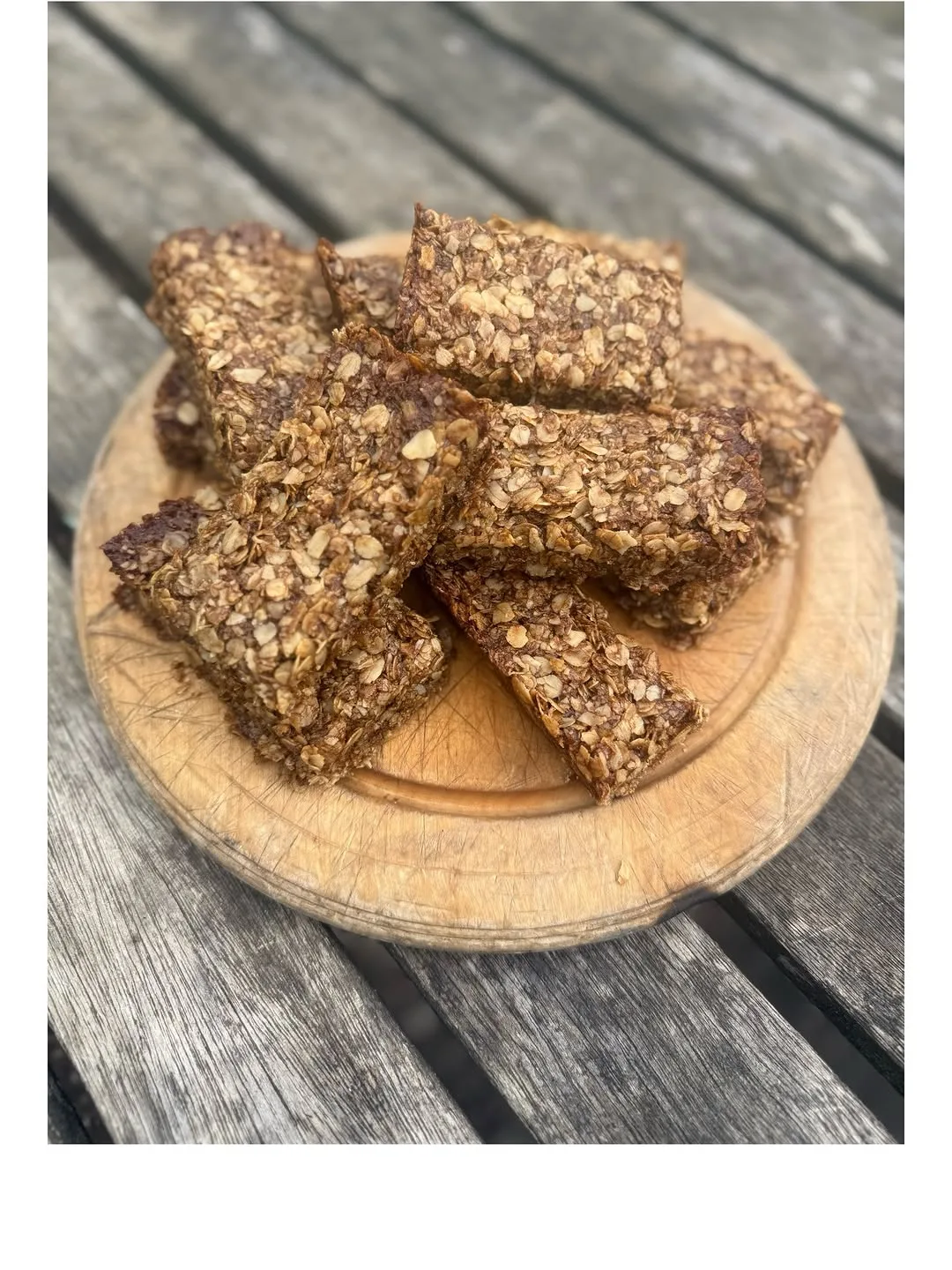
Chewy oat bars baked in one tray give lunchboxes, coat pockets and desk drawers a homemade snack that beats shop bought bars on price and taste. Oats, fruit and a little honey or sugar bake into bars that travel anywhere without falling apart.
Press the mixture firmly and evenly into the tin before baking, because firm pressing is what holds the bars together when sliced. Line the tin with paper so the slab lifts out cleanly and cools on a rack before cutting.
Parents packing school lunches suit oat bars perfectly, since one tray covers most of the week and children can help stir the mixture. Walkers, commuters and anyone facing a long shift also appreciate a bar that survives a bag.
Swap the dried fruit to match the season and the cupboard, using raisins, chopped apricots, cranberries or dates in any combination. A little orange zest or cinnamon changes the whole tray, so one base recipe can taste new every fortnight.
Cutting the slab while it is still warm crumbles the edges and breaks bars into rubble, however sharp the knife. Wait until the bake cools completely, then slice with a long knife in one confident stroke per line.
Savoury Cheese Scones for Soup Nights

Flaky cheese scones turn a simple bowl of soup into a proper supper, and they come together faster than almost any other bake. Strong cheese, flour and a hot oven deliver golden tops and soft middles in the time soup takes to simmer.
Handle the dough as little as possible, mixing just until the flour disappears and patting it flat instead of rolling it hard. Cut the scones straight down without twisting the cutter, because twisted edges seal the sides and stop the rise.
Soup makers suit cheese scones best, since the two dishes share an evening and the scones mop up every last spoonful. Vegetarian households also lean on scones to make a meatless supper feel generous rather than plain.
Freeze unbaked scones on a tray when you make a double batch, then bake them from frozen on a night when cooking energy runs low. Warm scones beside even a tin of soup make the meal feel cooked rather than assembled.
Working the dough like bread is the mistake that turns scones tough and flat, because warm hands and long kneading melt the butter and develop the flour. Cold ingredients, quick hands and a hot oven keep the crumb light.
Simple Shortbread for Gifting
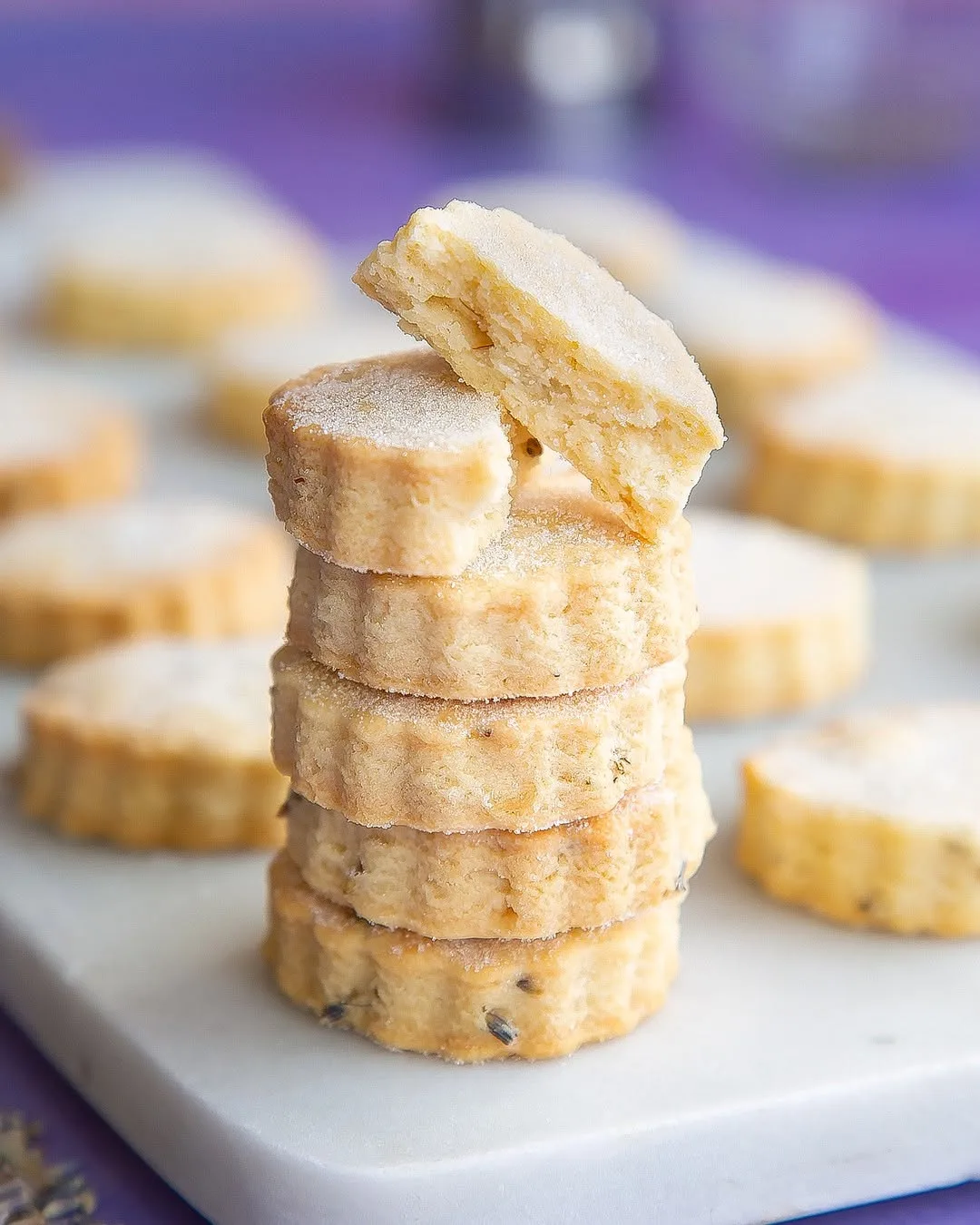
Buttery shortbread needs only three cupboard ingredients, yet it tastes rich enough to give away with pride in a tin or a paper bag. Shortbread keeps for weeks, travels without breaking easily and suits tea at any hour of the day.
Rest the dough in the fridge before shaping, because cold dough cuts cleanly and holds its shape in the oven. Roll or press it to an even thickness so every finger or round bakes at the same pace.
Gift givers on a budget suit shortbread perfectly, since butter, flour and sugar become a present that looks generous for very little money. Older bakers often guard family shortbread habits fiercely and enjoy teaching them to grandchildren.
Prick the surface with a fork before baking to keep the shortbread flat and to give it the traditional dotted look. Dusting the warm fingers with a little sugar adds sparkle without any icing or decoration skills.
Baking shortbread until it turns deep golden ruins the pale, delicate crumb that makes it special. Watch for the faintest colour at the edges, take the tray out early rather than late and let the biscuits firm up as they cool.
Chocolate Brownies for a Film Night
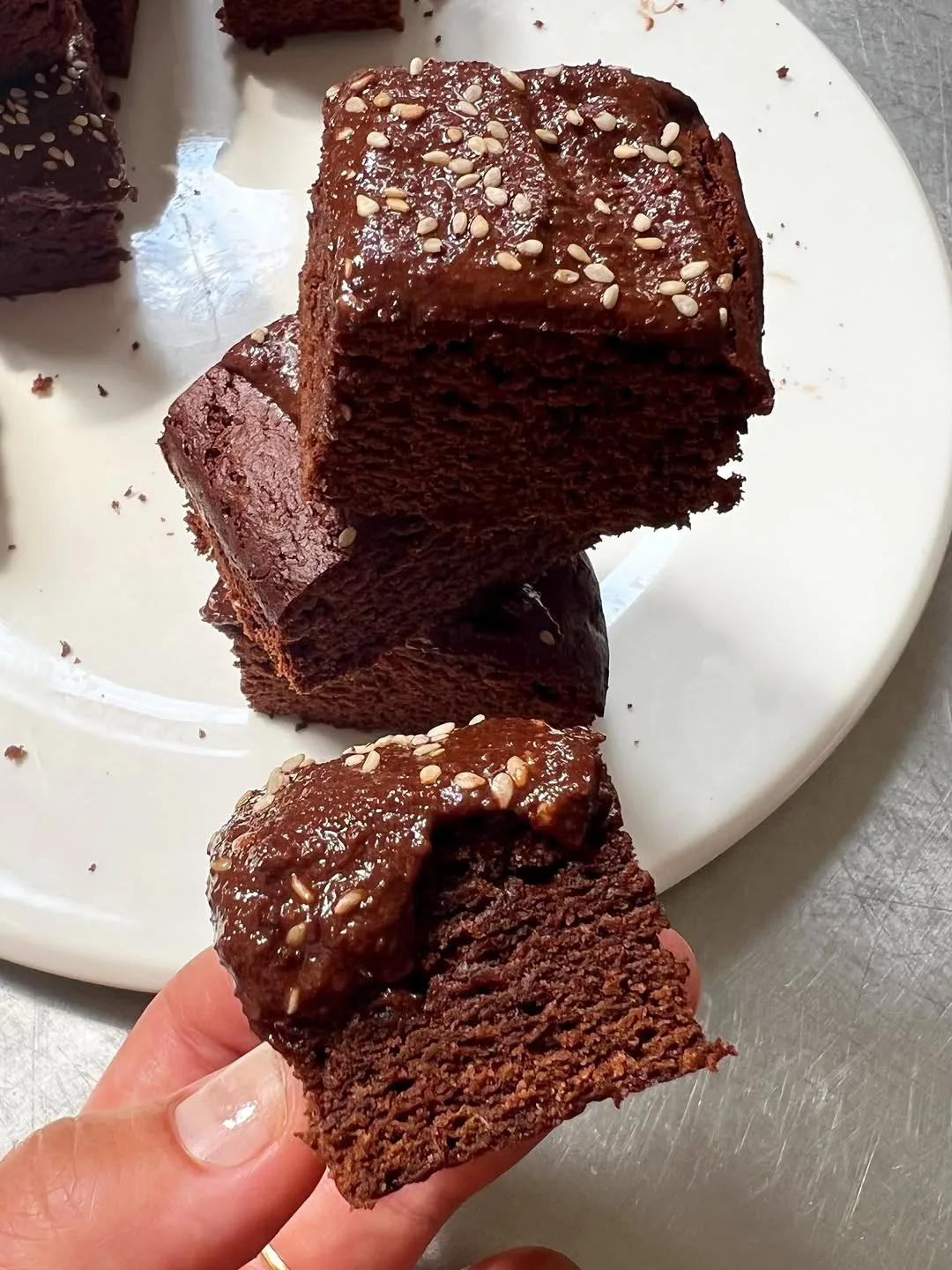
Fudgy brownies with crackled tops make film night feel like an event, and one tray divides into generous squares for a crowd on the sofa. Chocolate also lifts dark January evenings better than almost any other flavour in the baking tin.
Melt the chocolate and butter together gently and let the mixture cool a little before it meets the eggs, because rushing scorches chocolate and scrambles eggs. Fold the flour in last and stop stirring the moment the streaks disappear.
Film lovers and sleepover hosts suit brownies best, since squares need no plates, no cutlery and no pause in the story. Brownies also rescue a plain evening cheaply, because cocoa powder works when the chocolate shelf stands empty.
Warm a square briefly and serve it with a scoop of ice cream or a spoon of cream when the film night deserves a pudding course. Salty popcorn on the side balances the sweetness and keeps hands busy between squares.
Expecting brownies to look firm in the middle leads many bakers to overbake them into cake. Brownies set as they cool, so a slight wobble in the centre at oven time usually means a perfect fudgy finish later.
Baked Stuffed Apples for a Light Pudding

Whole apples baked until soft, filled with oats, dried fruit and spice, give winter a pudding that feels light after heavy meals. Stuffed apples use the fruit bowl, the store cupboard and nothing else, which keeps them cheap and easy.
Core each apple carefully and score a thin line around its middle so the skin can stretch instead of bursting in the heat. Pack the filling firmly, stand the apples snugly in a dish and add a splash of water to the base.
People watching their sugar suit stuffed apples well, because the fruit brings most of the sweetness and the cook controls the rest. Households with a glut of orchard or garden apples gain a pudding that uses fruit before it softens.
Serve the apples warm with yoghurt, custard or a drizzle of cream, and spoon the spiced juices from the dish over the top. Cold leftovers chop neatly into porridge the next morning, so nothing from the bake goes to waste.
Choosing soft eating apples is the mistake that collapses the pudding, because dessert apples slump into sauce before the filling cooks. Firm cooking apples hold their shape, and a mixture of sizes looks charming rather than wrong.
Make Ahead Muffins for Busy Mornings

Sturdy muffins baked on Sunday rescue weekday mornings all winter, because breakfast becomes a matter of grabbing, warming and eating. Muffins accept almost any fruit, spice or leftover ingredient, which makes them the most forgiving bake in the winter kitchen.
Fill the cases only two thirds full and rotate the tray once if your oven browns unevenly, since muffins forgive most things except a scorched bottom. Cool them fully before boxing, because trapped steam turns proud tops soggy overnight.
Commuters, school runners and early shift workers suit make ahead muffins best, because breakfast leaves the house when they do. One batch also covers snacks, which saves money at station kiosks and school canteens across the week.
Vary the batch by splitting the mixture and flavouring half with berries and half with apple and cinnamon, so nobody tires of the same muffin by Wednesday. Frozen berries work straight from the bag and bleed pretty streaks through the crumb.
Stirring muffin mixture until it looks smooth is the mistake that bakes it tough, because overworked batter loses its lightness. Lumpy mixture is correct mixture here, so count a dozen gentle strokes and put the spoon down.
Flatbreads Cooked in a Pan

Puffed flatbreads cooked in a dry pan bring fresh bread to the table without heating the whole oven, and they take minutes from bowl to plate. Flatbreads suit winter stews, curries and soups, and children love watching them blister and balloon.
Roll each piece of dough thin and even, then lay it into a hot dry pan and watch for bubbles before flipping it once. Keep finished breads wrapped in a clean cloth so they stay soft and warm while the rest cook.
Small kitchens and anyone cooking for one or two suit flatbreads best, because the batch size bends to match the meal exactly. Campers and students with a single ring also gain fresh bread without an oven at all.
Brush the warm flatbreads with a little oil or butter and scatter over herbs, garlic or seeds when the meal wants extra flavour. Day old flatbreads crisp into dippers for soups and spreads, so leftovers never feel like a burden.
Fearing the hot pan leads bakers to cook flatbreads too gently, and gentle heat gives pale, leathery bread instead of blistered softness. Let the pan heat properly, commit each round of dough with confidence and keep a cloth ready for stacking.
Common Mistakes
Ignoring the temperature of ingredients quietly ruins texture, because icy butter refuses to rub in and cold eggs can curdle a cake mixture. Leave key ingredients out of the fridge for a while before baking days, and winter kitchens will stop fighting your plans.
Many winter baking ideas fail at the measuring stage, where generous scoops and guessed spoonfuls unbalance a recipe beyond rescue. Weigh flour and sugar properly, level your spoons and treat baking as the one kind of cooking where precision genuinely pays.
Peeking into the oven every few minutes drops the temperature and sinks rising cakes, however tempting the window looks. Trust the plan, watch through the glass and save the first real look for the final stretch of baking.
Buying special ingredients for one bake fills cupboards with expensive packets that stale before their second use. Favour recipes built on staples you already own, share unusual ingredients with a friend or swap them for something similar in the cupboard.
Leaving bakes to cool in their tins for hours steams the crusts soft and sticks the bottoms fast to the metal. Give cakes and loaves a short rest, then move them to a rack where air can reach every side.
Budget Friendly Winter Baking Ideas From the Store Cupboard
Flour, sugar, oats and oil cost little per bake, and a winter of home baking usually costs less than a month of shop bought cakes and biscuits. Buying the largest bag of plain flour you can store pays back across breads, scones, pancakes and puddings.
Seasonal fruit keeps baking cheap, because apples, pears and frozen berries cost less than imported summer fruit in the cold months. Market stalls often sell slightly bruised fruit cheaply at closing time, and baking forgives every bruise once the fruit softens.
Energy costs less when several bakes share one hot oven, so plan a baking session instead of a single tray. Bread can follow biscuits, muffins can share with a crumble and the last of the heat can dry out breadcrumbs for later.
Gifts from the oven replace bought presents kindly, since a tin of shortbread or a jar of ginger biscuits carries more thought than most wrapped objects. Baking gifts also spread costs across the season instead of landing in one December shopping trip.
Freezing spare portions protects the budget, because tomorrow's snack is already paid for and nobody needs the shop. Slice loaves before freezing, wrap bars and muffins individually and label everything with the date so nothing hides until it spoils.
Tips for Calm and Happy Baking Days
Keep one notebook page for bakes that worked, noting the recipe source, the oven behaviour and what the family asked for again. Memory fades by the next cold snap, while a few honest notes turn this winter's experiments into next winter's certainties.
Warm the kitchen before you start by running the oven briefly or closing doors against draughts, because dough rises better and bakers work happier in a warm room. Cold hands also handle pastry badly, so comfort counts as a baking tool.
Rotate your winter baking ideas through the month, bread one week, biscuits the next, a pudding after that, so the kitchen stays interesting without growing expensive. Rotation also spreads the washing up and keeps any single recipe from wearing out its welcome.
Invite help whenever it is offered, because baking days double as visiting days when guests wash up, stir mixtures or simply keep the cook company. Children who help bake also eat more bravely, especially when the bake contains fruit or vegetables.
Clean as you go in the gaps while dough rests and trays bake, since a tidy counter keeps baking calm and a mountain of washing up sours the whole project. Warm soapy water waiting in the sink makes the habit effortless.
Taste with the people who will eat the bake, adjusting sweetness and spice to your household rather than to a stranger's recipe. Families develop strong loyalties to their own versions, and those small preferences become the recipes worth writing down.
Frequently Asked Questions
What is the easiest bake for a complete beginner?
Scones, muffins and oat bars forgive beginners more than any other bakes, because they need no rising, no special tins and no delicate handling. Start with one of them, bake it twice in a fortnight and confidence arrives faster than any book can deliver it.
How do I keep baking cheap through winter?
Staples do the heavy lifting, so build your baking around flour, oats, sugar, oil and seasonal fruit rather than costly special ingredients. Share one hot oven between several bakes, freeze the spares and let homemade gifts replace bought ones wherever they can.
Can I bake without an oven?
Flatbreads cook happily in a dry pan, scones manage in a heavy lidded pan and steamed puddings suit the stove top, so an oven is helpful rather than essential. Slow cookers also bake simple cakes and breads in many homes, using gentle steady heat.
How long do winter bakes keep?
Biscuits and shortbread keep for weeks in a sealed tin, fruit cake improves for a month or more and bread freezes for a whole season. Soft cakes and muffins taste best within days, so freeze whatever the household cannot finish by the third day.
What should I bake as a homemade gift?
Shortbread, ginger biscuits and fruit cake travel best and keep longest, which makes them the safest gifts to post or carry across town. Pack them in a tin or jar with a handwritten label, and add the baking date so the receiver knows it is fresh.
How can children help safely in the kitchen?
Washing fruit, stirring cool mixtures, rubbing butter into flour and decorating cooled biscuits all suit children well and teach real skills. Keep little hands away from the oven, sharp knives and hot trays, and give one clear job at a time with plenty of praise.
More Ideas to Explore
Baking fills only part of the winter kitchen story, and plenty more cosy cooking waits nearby for keen home bakers. Browse our christmas baking ideas for festive favourites, plan suppers from the winter dinner ideas, then pour something soothing from the hot chocolate bar ideas. Slow mornings are covered too, with winter breakfast ideas for the whole family.
Conclusion
Winter rewards bakers who keep things simple, warm and shared, because the season asks for comfort rather than show. One loaf, one tray of biscuits or one crumble already changes the mood of a house on the darkest afternoon.
Most winter baking ideas in this guide ask for staples, patience and people to feed, not special equipment or rare skill. Pick the bake that suits your household this week, whether that means bread for soup nights or brownies for a film.
Costs stay low when the cupboard leads the plan, the oven hosts several bakes at once and leftovers find their way into lunchboxes and freezers. Baking at home also replaces small shop trips, which saves money and cold walks in equal measure.
Gather whoever is home, put the kettle on and let the oven warm the room while something good slowly turns golden. Baking days become the memories families retell, long after the last crumb of the season has been eaten. Simple winter baking ideas like these keep the kitchen busy and the whole house feeling warm and welcoming.