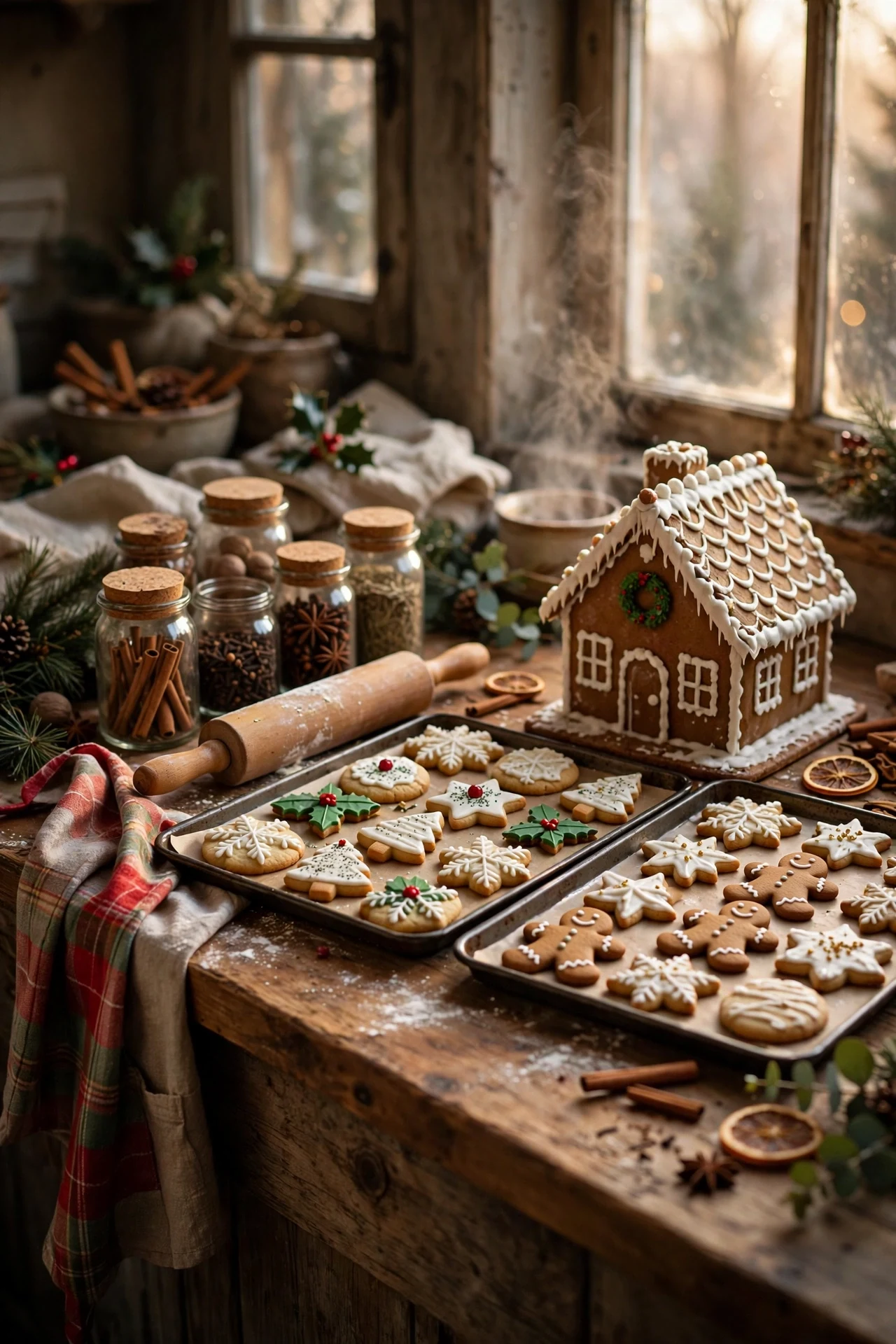
Christmas Baking Ideas That Fill the Kitchen with Holiday Smells
December turns the kitchen into the busiest room in the house, with trays rotating, children hovering, and gifts quietly taking shape on the counter. Simple christmas baking ideas keep that happy chaos organised, so baking feels like part of the celebration instead of a chore squeezed between errands.
Kitchens work better during the holidays when every bake has a purpose, whether it feeds guests, fills a gift box, or gives children something proud to carry to the table. Planning stations, tools, and storage before the rush starts saves money, counter space, and patience all month long.
Inside this guide you will find fifteen christmas baking ideas built around stations, displays, swaps, and wrapping, plus honest notes on cost and timing. Each idea explains why it works, how to set it up well, who it suits best, one real example, and one mistake worth skipping from the start.
What Should You Bake and How Should You Plan It?
Short answer first: pick a short list of bakes your household truly loves, then spread them across the month instead of attempting everything in one exhausting weekend. Two or three reliable favourites, one gift bake, and one fun project for children cover almost every December occasion without stress.
Planning works best on paper, with baking days, gift deadlines, and party dates written down before any shopping happens. Good christmas baking ideas match the calendar, because fresh bakes belong near the day they will be eaten, while sturdy gift bakes can be finished early and stored calmly.
Gingerbread House Building Station
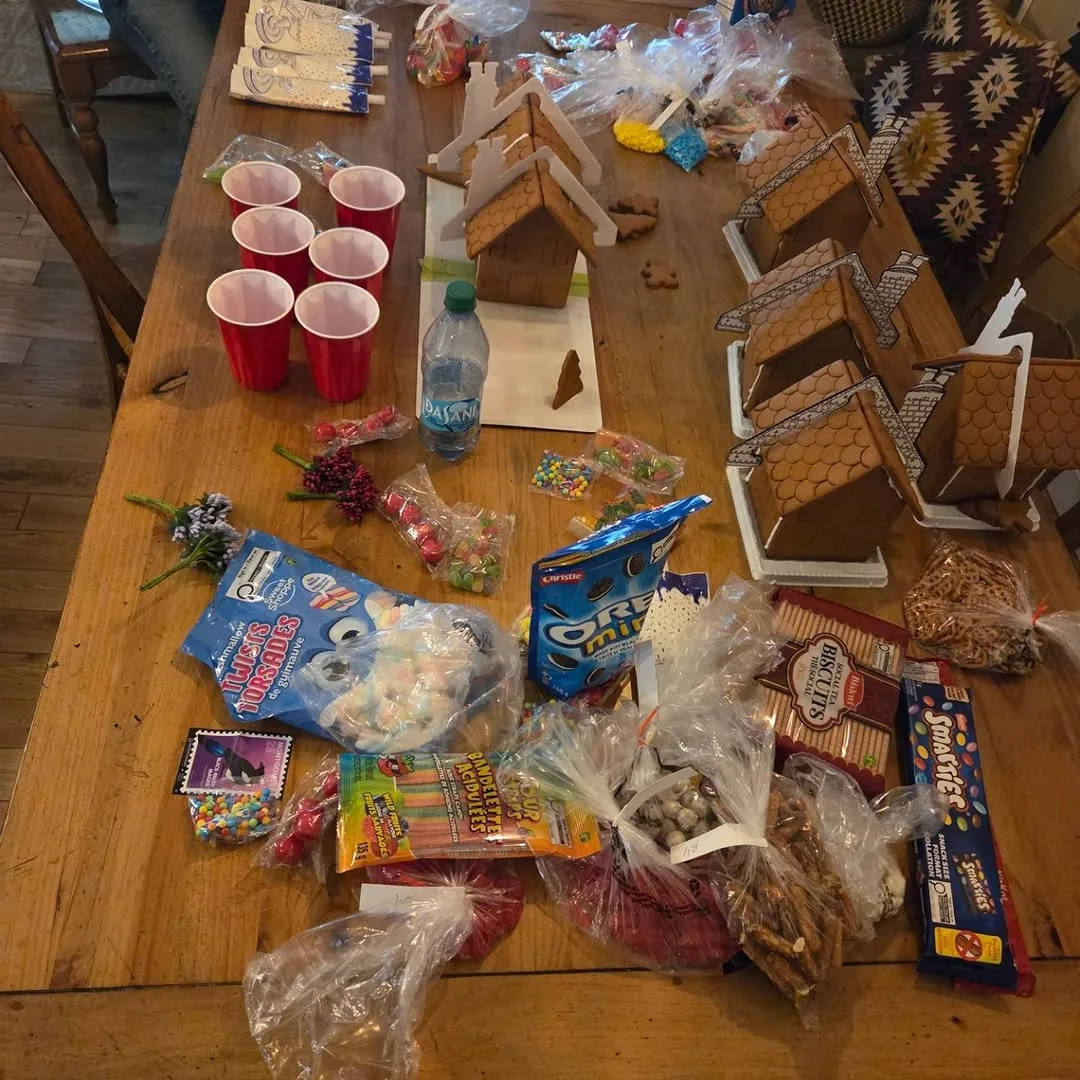
Children remember building gingerbread houses long after the houses themselves are eaten, because the activity gives them a table, a project, and full creative control for an hour. Houses also double as decoration while they stand, filling the kitchen with spice smells and colour at the same time.
Set the station on the largest table you have, with one house kit or prebuilt house per child and shared bowls of sweets, icing tubes, and small decorations down the middle. Cover the surface with a washable cloth or paper first, because icing travels further than anyone expects during excited building.
Families with children between roughly four and twelve suit this station best, since younger children enjoy decorating while older ones attempt proper construction. Grandparents also join in happily, because building needs patience more than skill. Rainy afternoons and school holiday days give the station its best audience.
Last December, my sister seated six children around her kitchen table with one house each and a strict rule that every roof needed a sweet pattern before eating began. Building lasted nearly two hours, the houses lined the windowsill for a week, and nobody asked for a screen all afternoon.
Letting children build directly on the bare table guarantees sticky surfaces and houses that stick fast where they stand. Give every builder a tray, a board, or a large plate as a base from the beginning. Finished houses then move easily to a shelf for display or a box for the trip home.
Sugar Cookie Baking Day with Kids
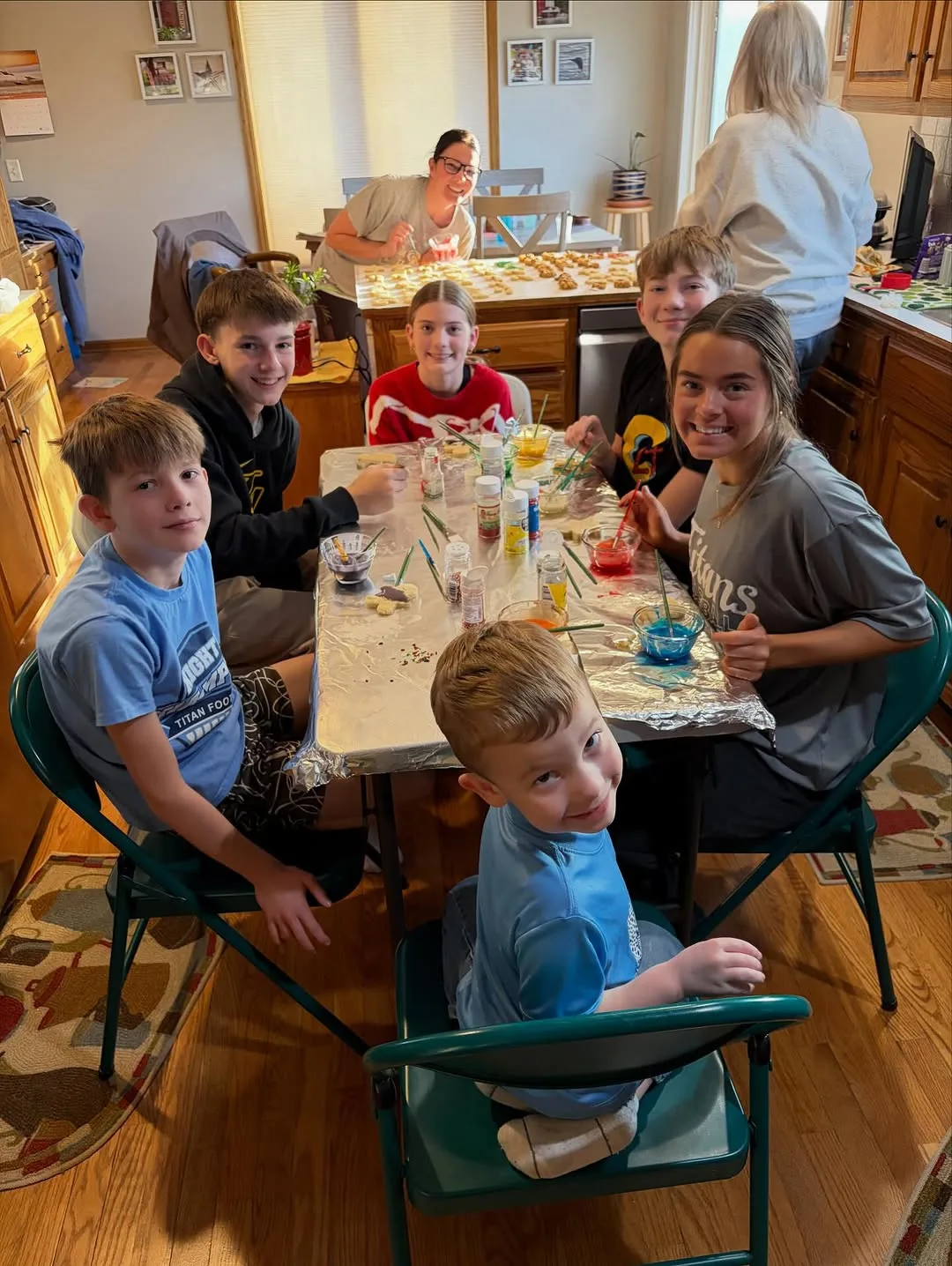
Kids treat a cookie baking day like a party, because they get real jobs, warm trays coming out in turns, and a plate of finished cookies with their name on it. Baking together also teaches measuring, patience, and tidying in a way children accept happily when cookies are involved.
Give each child one clear job matched to their age, like stirring, cutting shapes, moving cookies to a cooling board, or adding sprinkles once trays cool. Keep the group small, ideally one adult for every two or three children, and set out chairs so helpers can sit between tray turns.
Parents and grandparents suit hosting this day best, especially when cousins or neighbours join and turn it into a small tradition. Children who bake once usually ask for the same day again every year. Homes with limited space should invite fewer children and bake in two smaller rounds instead.
One neighbour hosts a cookie day every December for four grandchildren, and each child decorates a small box to take home at the end. Parents receive the boxes like treasures, the kitchen smells wonderful for hours, and the host sends most of the mess home in those same boxes.
Crowding too many children around one counter causes spills, arguments, and trays forgotten while adults manage the queue. Keep numbers low, give every child a seat and a job, and bake in rounds so nobody waits idle. Calm turns produce better cookies and far better memories than one big rush.
Christmas Cupcake Decorating Table
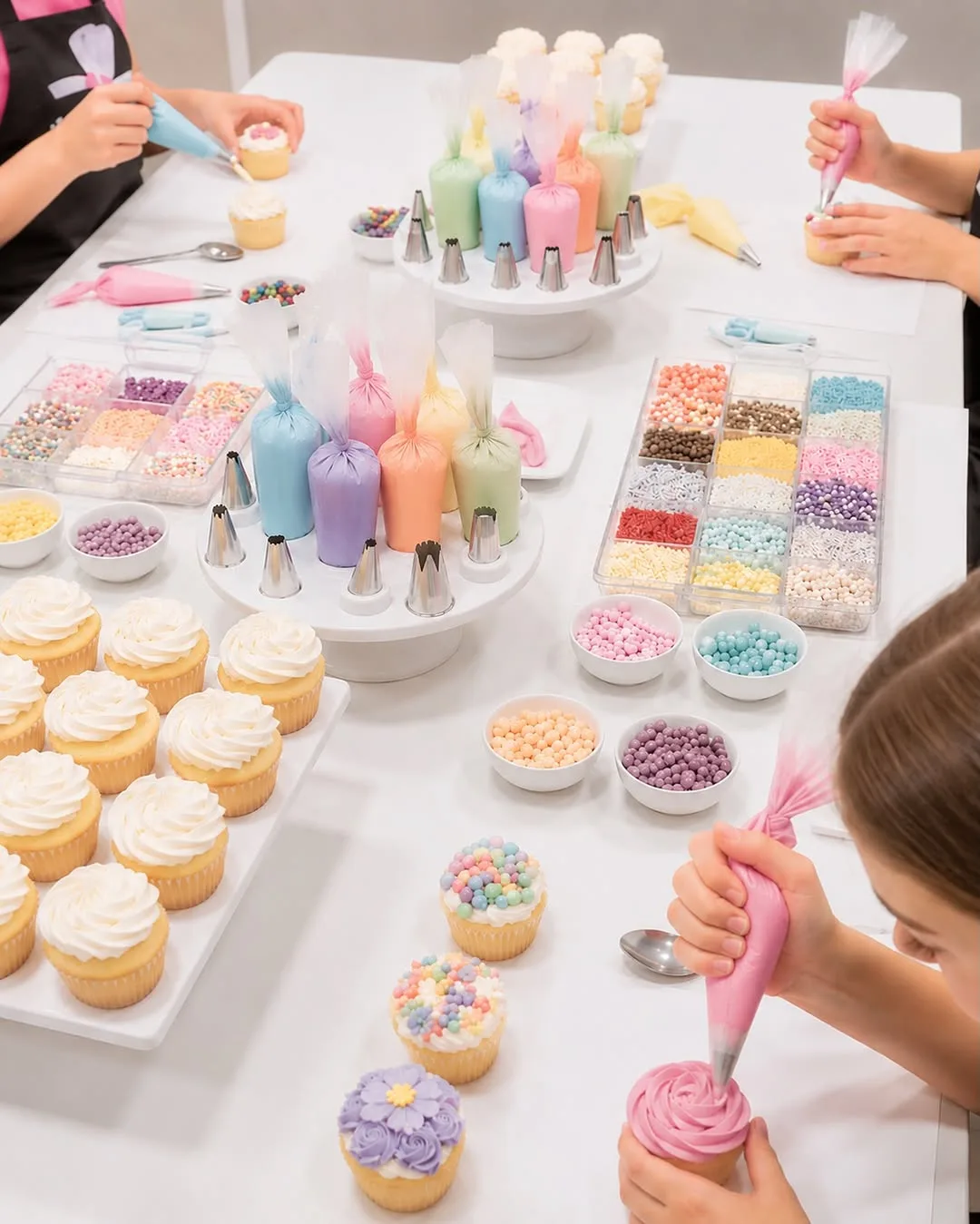
Cupcakes make decorating easy for every age, because each small cake is a personal canvas and nobody worries about ruining a large centrepiece. Finished cupcakes also portion themselves, travel well to parties, and let shy decorators work at their own pace without an audience watching every move they make.
Lay out plain cooled cupcakes in rows on a tray, with icing in a few colours, sprinkles, small sweets, and cherries in bowls along the table. Provide paper cases in festive colours for finished cakes, plus a box or plate per person so decorated cupcakes stay separate and easy to carry home.
Hosts who want an activity and a dessert in one plan suit a decorating table perfectly. Birthday style gatherings, school friends visiting, and office parties all work well with this setup. People who claim they cannot bake still enjoy decorating, which makes the table friendly for mixed confidence groups.
During one office party, a plain decorating table with red, green, and white icing kept twenty adults happily busy for half an hour before lunch. People photographed each others creations, traded sprinkles like currency, and ate the evidence. The host washed only bowls and one tray afterwards.
Putting warm cupcakes on the table melts icing into puddles and ruins every decoration within minutes. Cool cakes completely before the table opens, and keep spare icing covered so the surface stays smooth. Small bowls refreshed in rounds look generous longer than one huge bowl drying out at the edges.
Baking Ingredient Prep Bowls Display
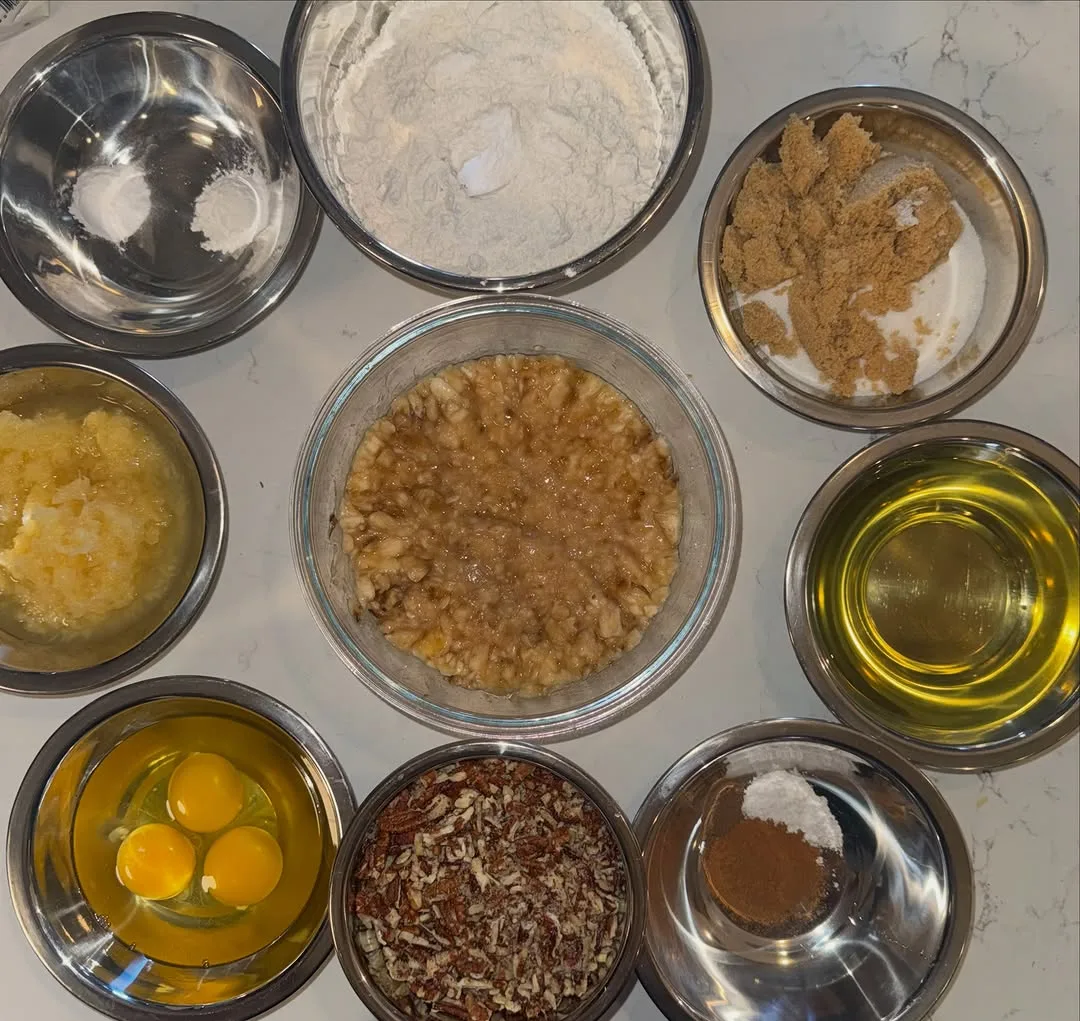
Bowls of ready ingredients lined up before baking begins turn a scattered job into a calm one, because everything sits visible, measured, and within reach. Displays also look beautiful on the counter, with flour, sugar, spices, and dried fruit showing the colours of the season before any mixing starts.
Line up bowls from largest to smallest along the back of the counter, keeping the items you use first closest to your main work space. Cover each bowl with a small plate or cloth while it waits, and group baking powder, spices, and flavourings together so small jars never hide behind big bowls.
Organised bakers who cook several bakes in one session gain the most, because prep done once serves every tray that follows. People learning to bake also benefit, since checking a bowl line is easier than hunting through cupboards mid recipe. Photographers in the family will enjoy the display too.
My aunt preps every bowl the night before her big December baking day and covers the row with a clean cloth. Morning baking starts instantly, nothing gets forgotten, and her grandchildren read the bowl labels like a menu. She says the quiet preparation hour is her favourite part of the season.
Keeping prep bowls uncovered for hours invites dust, spills, and curious fingers, and small children will sample anything sweet within reach. Cover every bowl, keep the row away from the counter edge, and move finished bowls to the sink promptly. Clear order only works when the line stays clean and labelled.
Cookie Baking Tray Rotation System
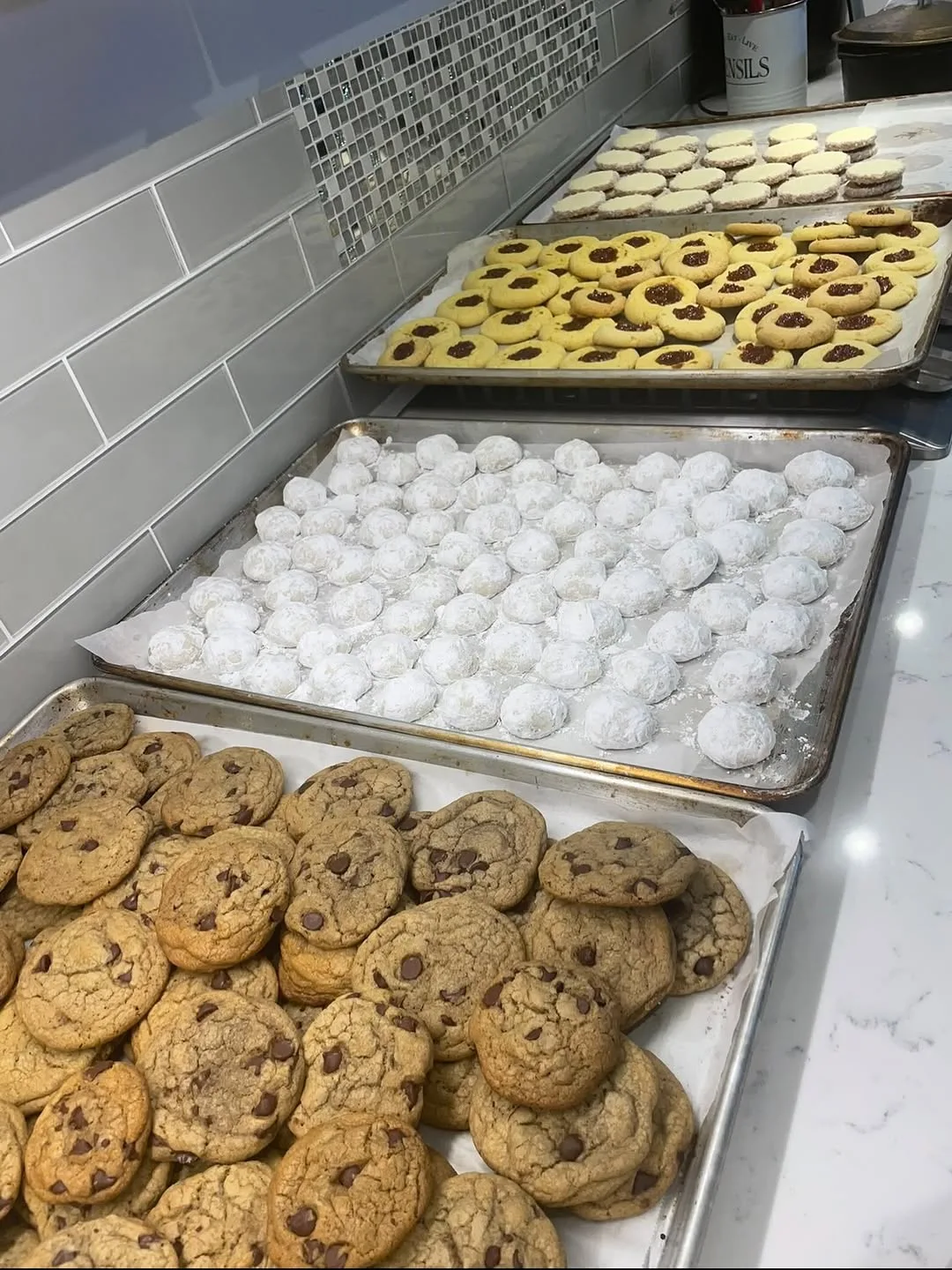
Trays rotating in a steady rhythm keep big cookie batches moving without burnt bottoms or raw centres piling up at the end. One tray bakes, one cools, and one gets loaded, so the baker always knows the next job and the counter never drowns in half finished work during busy afternoons.
Label three stations with simple signs or coloured cloths: loading, cooling, and finished. Move trays in one direction only, from loading area to oven to cooling board to storage box, so nothing circles back into the wrong pile. Keep a timer visible where the baker stands, not across the room.
Busy bakers handling gifts, party trays, and family supplies in one weekend suit a rotation system best. Methodical people love the rhythm, and even relaxed bakers find big batches less tiring when the system carries the thinking. Two bakers working together can run the stations like a small friendly production line.
When my brother baked cookies for a school fair, he set three trays in rotation and finished four batches without a single burnt tray. His daughter ran the cooling station and packed boxes at the end of the line. They finished an hour earlier than the previous year and sat down together for cocoa.
Waiting until a tray fully cools before reloading it breaks the rhythm and doubles the time a big batch takes. Move cooled cookies onto boards or racks promptly so trays return to the loading station empty. Warm trays also need a short rest, because very hot metal can spread soft dough too thin.
Festive Apron and Oven Mitt Set
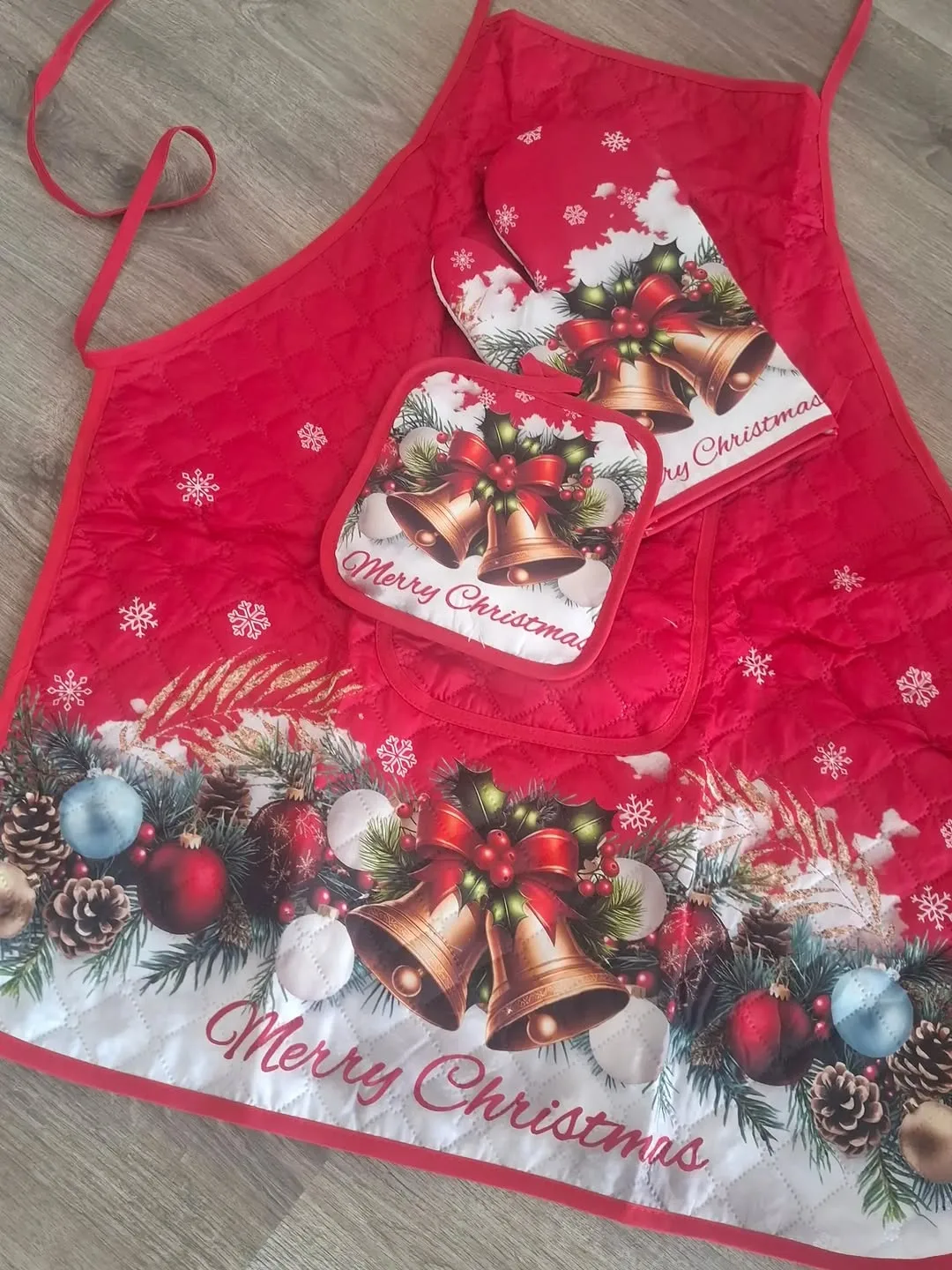
Matching aprons and mitts in Christmas colours make everyday baking feel like an occasion, and they protect clothes through the messiest month of the kitchen year. Photographs look instantly festive too, which matters when December baking becomes part of family celebrations and gift making sessions with children.
Hang the apron and mitts on hooks near the oven rather than burying them in a drawer, because tools within reach actually get used. Choose thick mitts that cover the wrist, and an apron with a pocket for a timer or phone. Washable fabric matters more than novelty prints that fade after two washes.
People who bake often through December gain most from a set they enjoy wearing, and children love a smaller apron of their own. Hosts who bake with guests can keep two spare aprons for helpers. Matching sets also make practical gifts for keen bakers who already own every gadget.
Every year my mother puts on the same red apron her sister gave her, and the whole family reads it as the official start of Christmas baking. Her grandchildren now argue over the spare apron with the pockets. Small rituals like that cost almost nothing and quietly hold the season together.
Buying thin novelty mitts that look cute but protect poorly leads to burns and dropped trays on the busiest days. Test grip and thickness in the shop, and choose mitts long enough to guard forearms when reaching into a deep oven. Safety beats pattern every single time in a working kitchen.
Cookie Mix Gift Jars in Layers
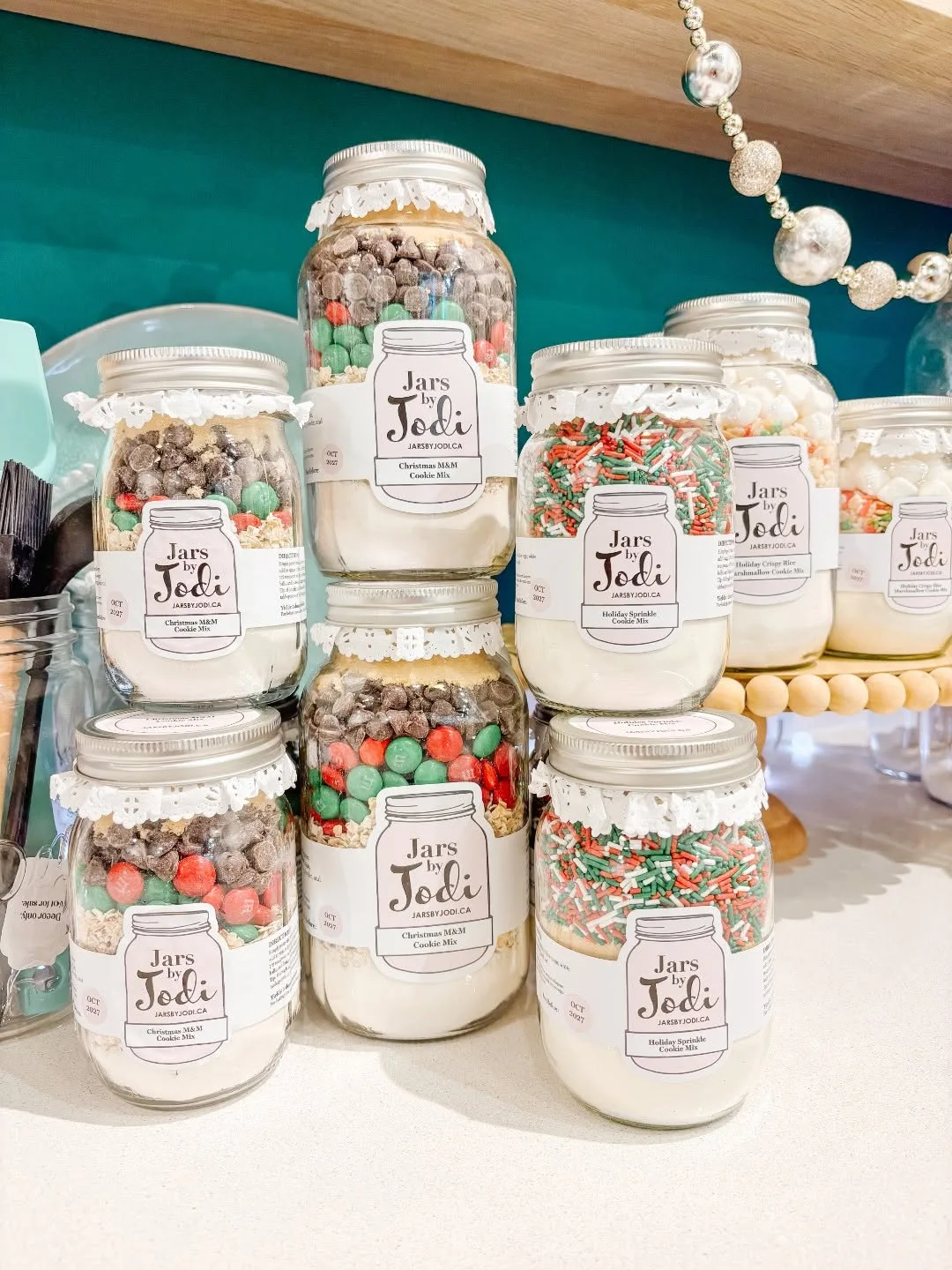
Jars of layered dry mix make thoughtful gifts because they look beautiful on a shelf, cost little to assemble, and let the receiver bake fresh cookies whenever they choose. Among the easiest christmas baking ideas to prepare ahead, jars wait patiently for weeks without losing quality or taking fridge space.
Choose clean jars with tight lids, and layer the dry ingredients in contrasting colours so the stripes show clearly through the glass. Pack each layer down gently before adding the next, and finish with a fabric cover or ribbon plus a handwritten card listing what fresh items the baker adds later and simple serving notes.
Neighbours, teachers, workmates, and hosts suit jar gifts perfectly, because the gift feels personal without being expensive or perishable. Children enjoy helping with the layering and ribbon tying, which turns gift making into another holiday activity. People posting gifts also gain, since jars travel better than finished bakes.
In our street, one family delivers a jar to every house each December with a card signed by their children. Several neighbours bake the cookies on the same weekend and compare results over the fence. The jars cost little, yet people talk about them more than far pricier presents.
Filling jars right to the rim leaves no room for the receiver to shake or add anything, and loose lids spill layers into a grey mix during travel. Leave a small gap at the top, seal lids firmly, and test one jar by turning it gently before wrapping the whole batch.
Christmas Cake Decorating Corner
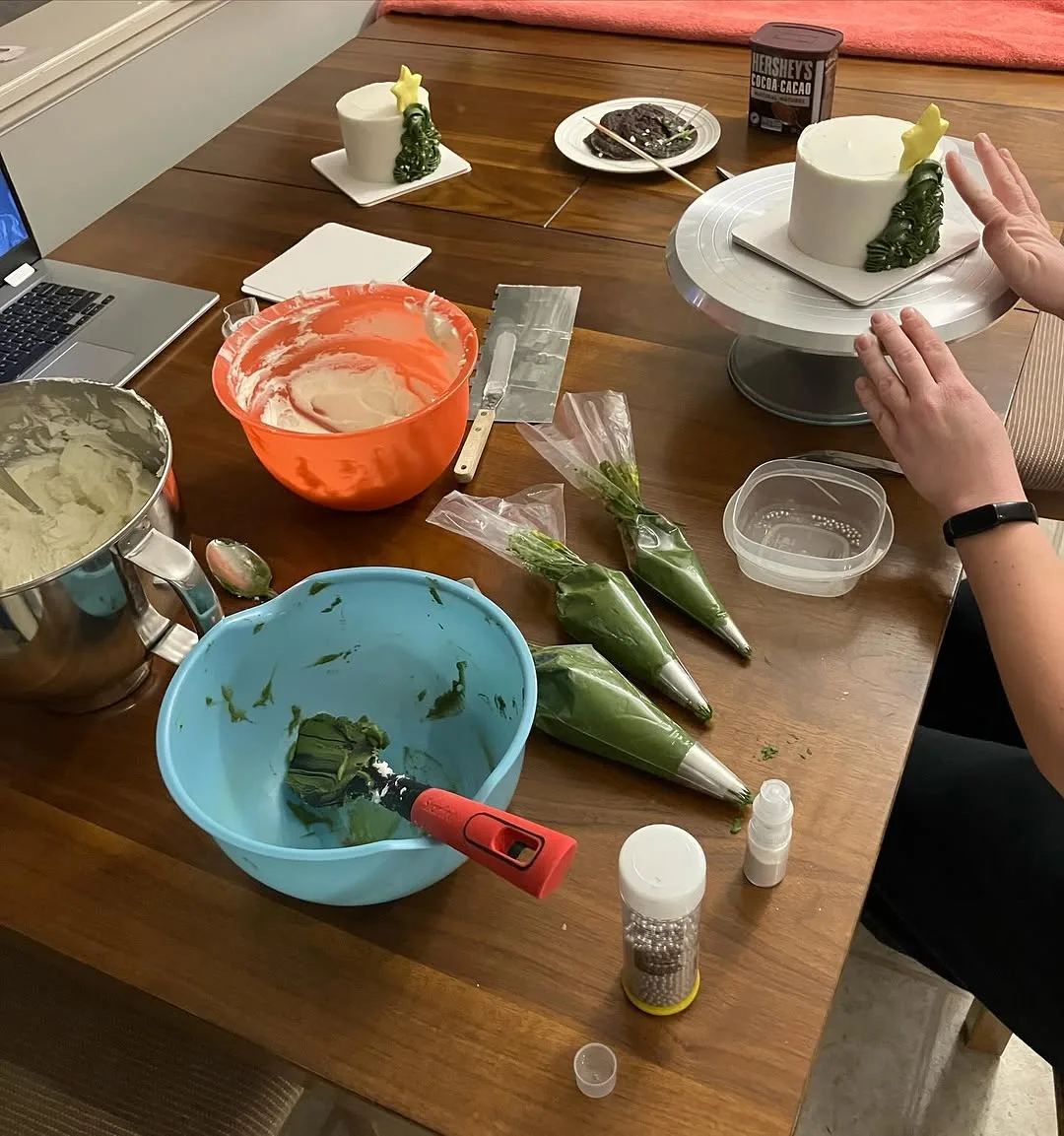
Cakes deserve a calm corner of their own, because decorating needs steady hands, good light, and freedom from the traffic of a busy cooking zone. One cleared corner with tools laid out turns decorating from a rushed afterthought into the most enjoyable hour of the whole baking session.
Keep the corner stocked with a turntable or flat board, palette knives, icing bags, a small bowl of warm water for cleaning tools, and decorations sorted into little dishes. Work near a window or under the best light in the kitchen, and keep finished decorations covered while they wait.
Home bakers making a centrepiece cake for Christmas Day or a family gathering suit a dedicated corner best. Patient decorators gain the most, since the setup rewards slow, careful work. Small kitchens can create the corner temporarily on a cleared table end rather than giving up permanent counter space.
For her mothers birthday last winter, a friend decorated a fruit cake in one quiet corner while the rest of the kitchen handled dinner. Almond paste figures, tiny trees, and careful lettering all survived because nobody bumped the table. Guests assumed a bakery had finished the cake for her.
Covering a freshly decorated cake with tight wrap pressed against the icing ruins hours of careful work in seconds. Use a tall box, a large upturned container, or a cake dome so nothing touches the surface. Store the cake somewhere cool and level, away from curious pets and swinging cupboard doors.
Hot Chocolate and Fresh Bakes Serving Table
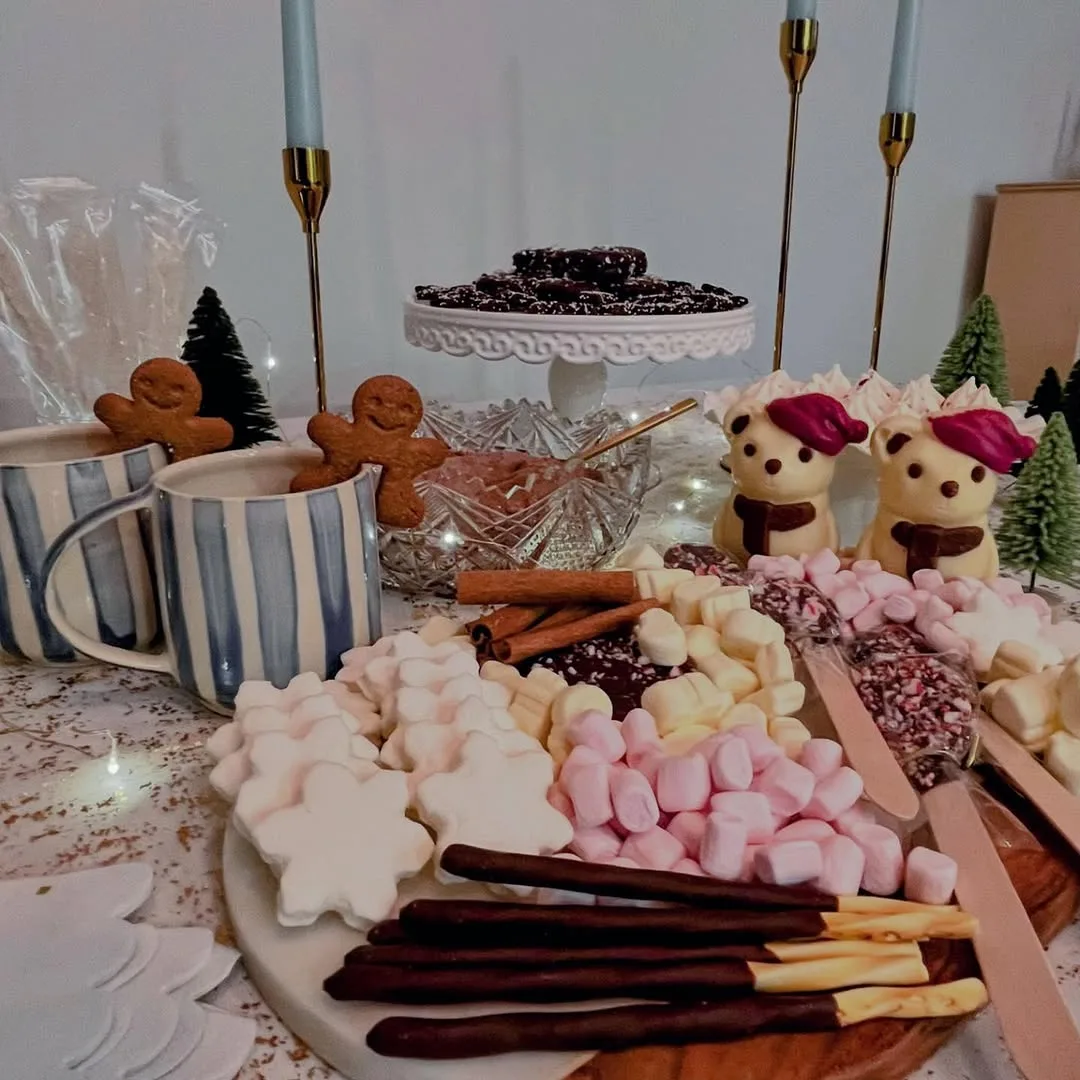
Warm drinks served beside fresh bakes turn an ordinary afternoon into a small celebration, because guests can help themselves and linger near the kitchen smells. Cocoa suits children and adults alike, and a serving table keeps everyone out of the bakers working space while trays still move.
Place a slow cooker, insulated pot, or large teapot of hot chocolate at one end of the table, with mugs, spoons, marshmallows, and cream in a neat row. Set fresh bakes on raised plates or boards beside the drinks, and add small tongs so guests serve themselves without touching every piece.
Guests arriving after walks, carol singing, or tree decorating suit this table best, because cold hands and warm cocoa belong together. Hosts gain too, since the table runs itself once set up. Evening gatherings benefit most, when low light and warm drinks slow everyone down pleasantly.
On the coldest evening last December, our neighbours set cocoa and warm bakes on a hallway table for everyone returning from a village walk. People stayed an extra hour, children refilled mugs twice, and the baker received more compliments than any dinner party had earned her all year.
Serving every bake at once leaves late guests facing empty plates and cold crumbs while drinks still flow. Hold back a third of the bakes and refresh the table in rounds, and keep the cocoa covered so the top stays smooth. Small top ups keep the table looking generous all evening.
Wooden Cooling Boards for Fresh Bakes
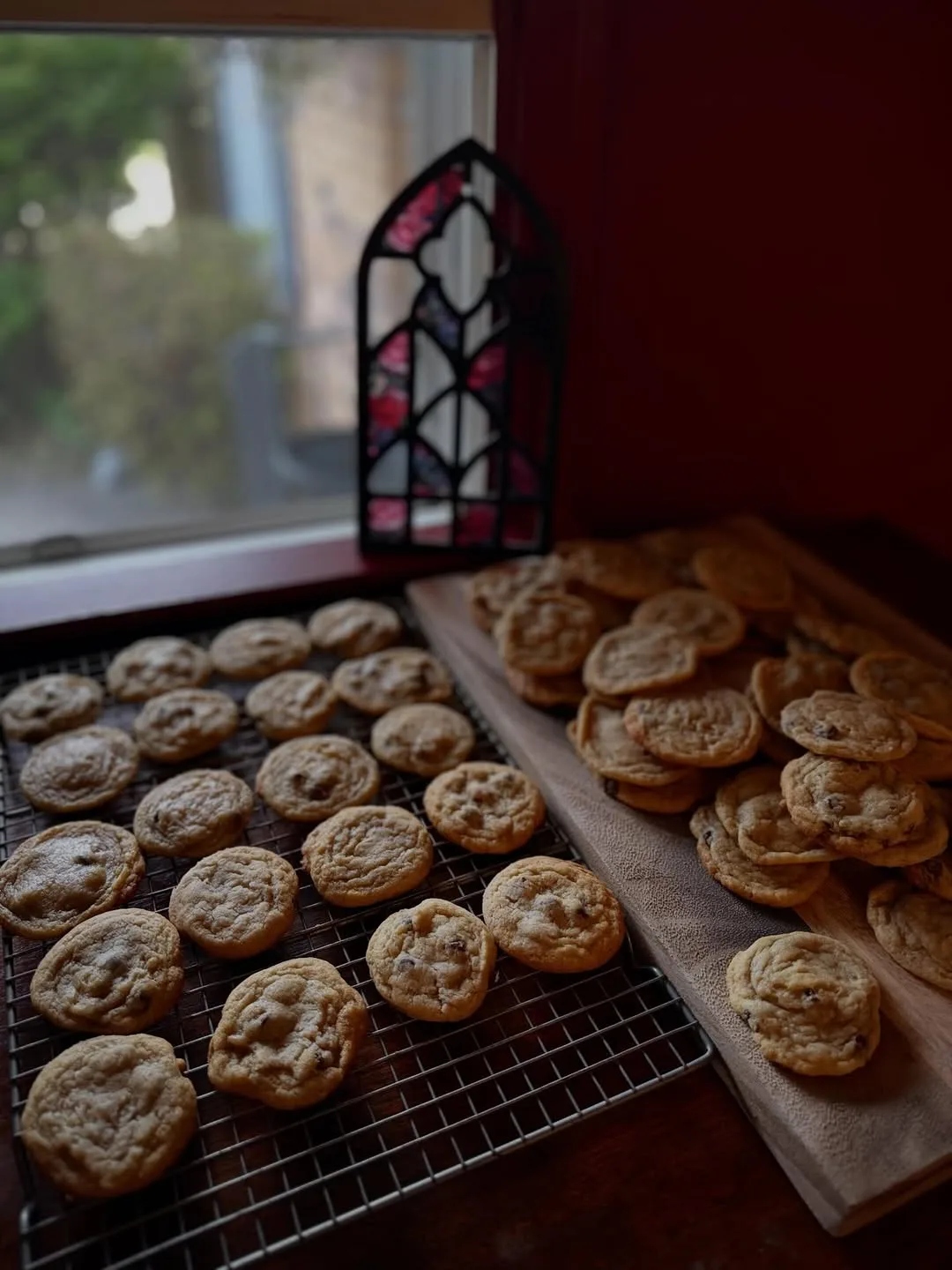
Boards give hot trays and fresh bakes a safe landing place, protecting counters from heat marks while air moves around the food as it cools. Wood also looks warm and natural on the counter, so cooling bakes become part of the kitchen display instead of clutter pushed into a corner.
Set boards along one stretch of counter reserved only for cooling, away from raw ingredients and washing up water. Choose boards thick enough to sit steady under a heavy tray, and keep two sizes ready, one for trays and one for cakes or loaves. Wash and dry boards upright so they last for years.
Hosts baking several items in one session gain the most, because cooling space runs out faster than oven space in most kitchens. People with delicate countertops also benefit, since boards take the heat and scratches instead. Gift bakers use boards as a staging area before wrapping begins.
In my kitchen, one long board beside the oven holds every bake for its first hour, and the rule is simple: nothing leaves the board until it feels cool underneath. Cookies stay crisp, cakes slice cleanly, and the counter has survived five Decembers without a single heat ring.
Stacking warm bakes on top of each other to save board space traps steam and turns crisp edges soft within minutes. Cool everything in a single layer, even when space feels tight, and move finished items to boxes before the next tray lands. Crowded cooling always shows in the final texture.
Spice Jar Row for Holiday Baking
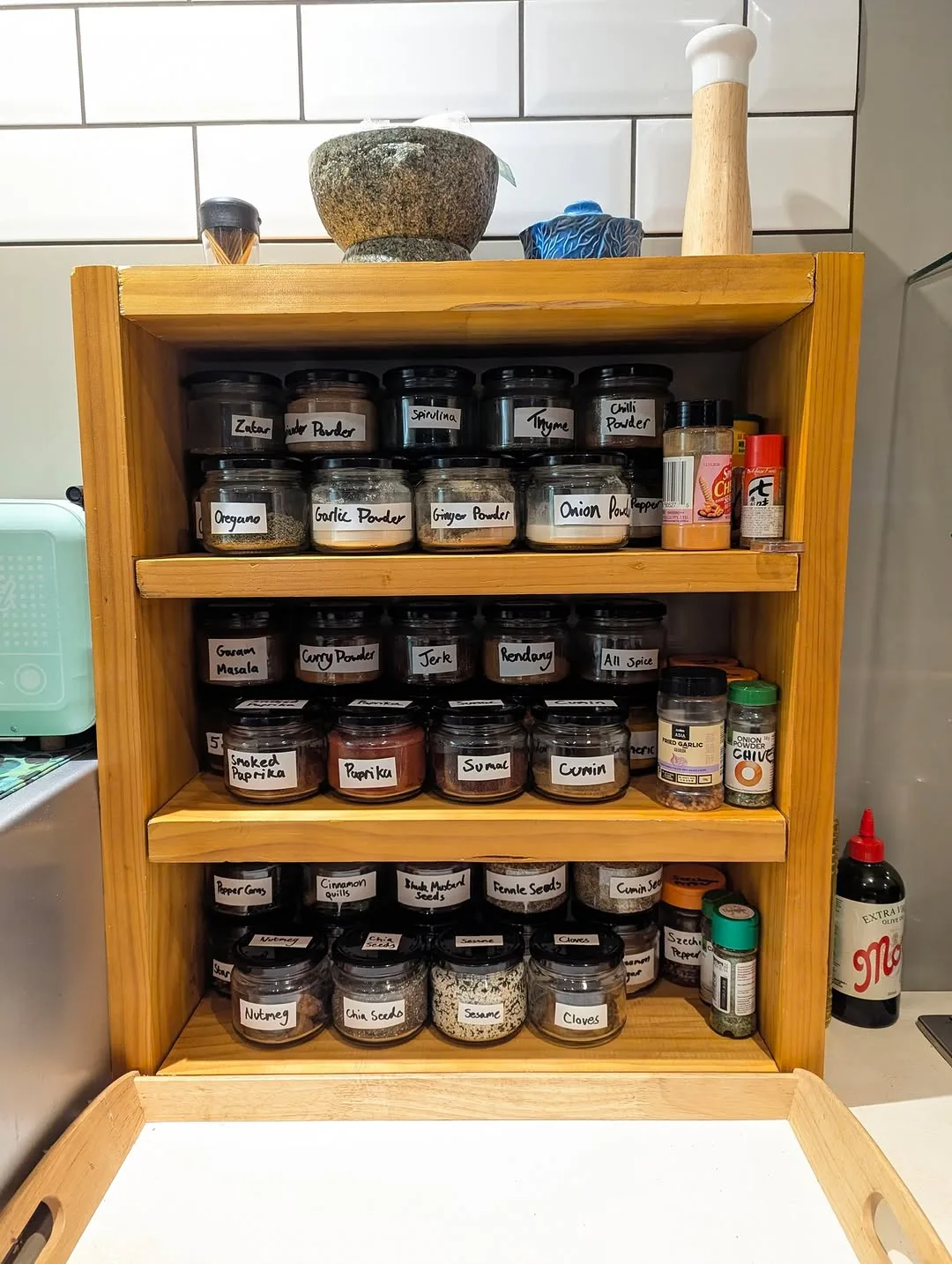
Spices define the smell of Christmas baking, and a tidy row of jars keeps cinnamon, ginger, nutmeg, and cloves visible, fresh, and easy to grab. Lined up jars also stop the classic mid bake hunt through a dark cupboard while a tray waits and the oven loses heat.
Stand jars on a narrow shelf, a stepped rack, or a tray near your main prep area, labels facing forward in the order you use them most. Keep lids tight, store the row away from direct steam and sunlight, and check dates before December begins so tired spices get replaced before the big baking days arrive.
Bakers who make spiced bakes, gingerbread, and mulled drinks through the season gain the most from a ready row. People with small kitchens benefit too, because one slim tray of spices frees a whole cupboard shelf. Gift makers use the same row when filling mix jars for neighbours.
Each November, my neighbour lines her spice jars on the windowsill and writes the baking list directly from what she sees. Nothing runs out mid recipe, guests comment on the smell before she bakes anything, and the row itself becomes part of her Christmas kitchen decoration.
Buying large jars of spices you use once a year wastes money and guarantees stale flavour by next December. Purchase small amounts of the festive spices, share a larger pack with a friend who bakes, or split one purchase between households. Fresh small jars beat impressive big ones every time.
Baking Swap Table for Neighbours and Friends
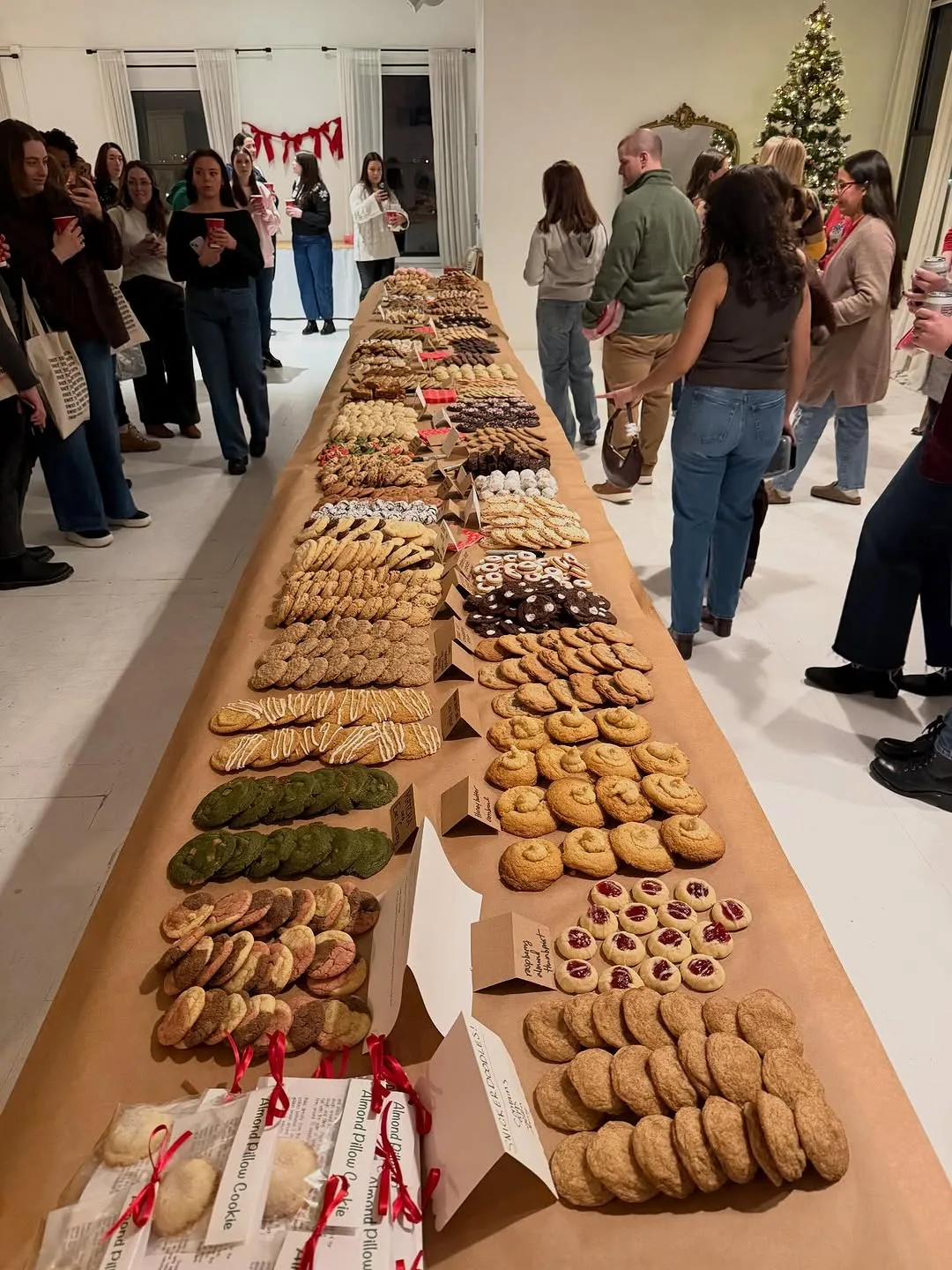
Swaps let every household bake one thing well and taste many, because neighbours trade trays and boxes on one cheerful table. Events like this turn christmas baking ideas into a shared project, spreading cost, effort, and variety across the whole street or friendship group without anyone baking all week.
Send invitations early with a simple promise: each household brings one bake in portions ready to trade, plus a copy of the name card listing ingredients for guests with allergies. Set the table with empty plates and boxes at one end so people pack their selections as they move along.
Large families, streets with friendly neighbours, and workplaces suit swap tables best, because more bakers means more variety for everyone. Hosts gain a table full of treats while baking only one recipe themselves. New neighbours meet people naturally over the table, which quietly builds the street community.
During one swap at our community hall, twelve households produced thirty different bakes between them, and everyone carried home a mixed box that looked professionally planned. Children traded favourites like football cards. The organiser baked a single tray and still hosted the richest table of the season.
Letting guests guess ingredients risks real harm for anyone with allergies, and vague cards help nobody once boxes mix at home. Insist on clear ingredient cards for every bake, keep nut heavy items at one end of the table, and remind children to check with adults before tasting anything new.
Mini Pie Baking Afternoon
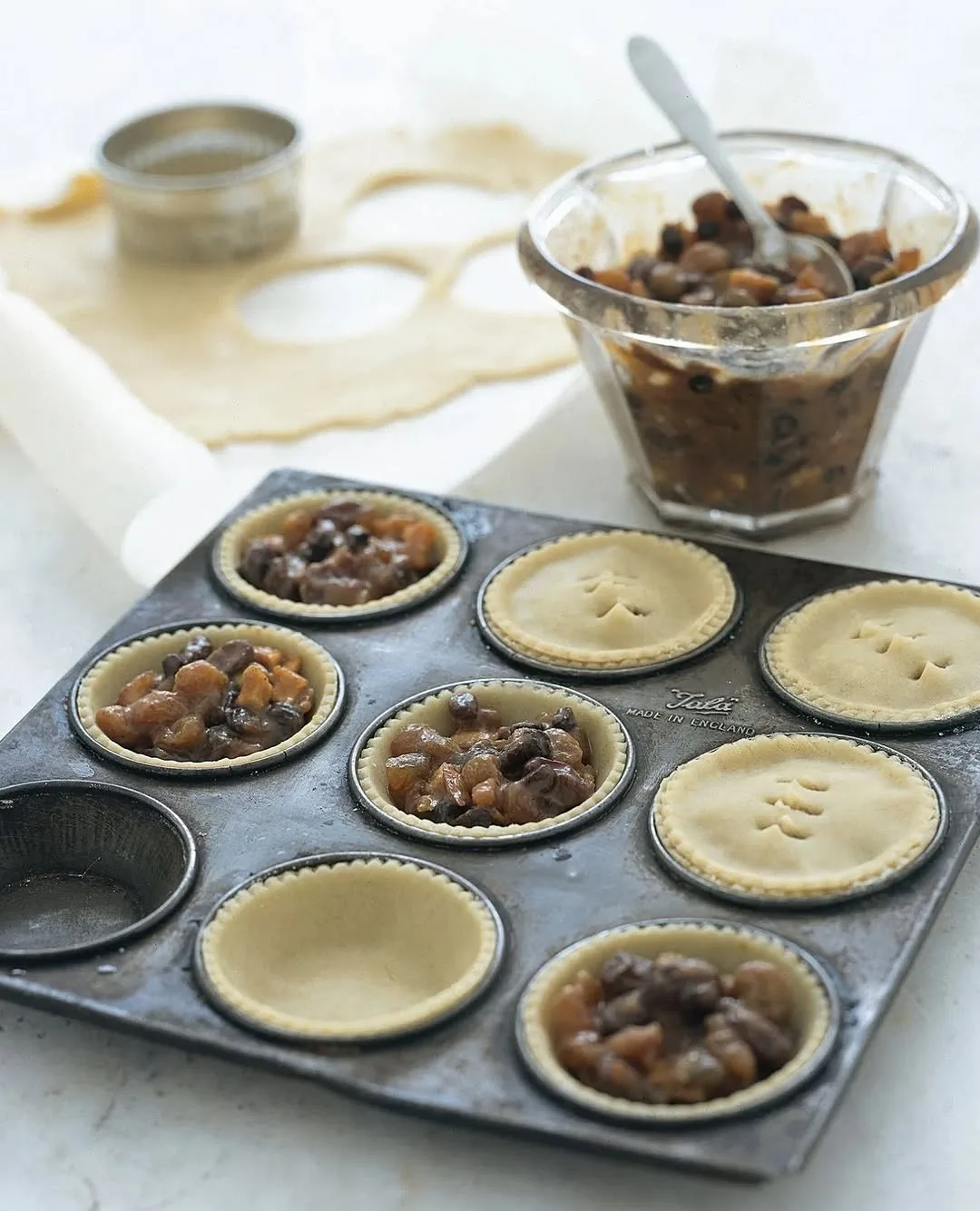
Small pies feel generous and personal, because every guest receives a whole one and nobody negotiates over slicing. Baking an afternoon batch together also suits slow December days, with filling bowls, pastry, and conversation sharing the table while trays come and go in a relaxed rhythm.
Give each baker a small set of tins and a choice of two or three fillings prepared in advance, sweet and savoury side by side. Keep finished pies on a board in the order they were made, marked with a tiny flag or initial so everyone finds their own work at the end.
Groups of friends, older children, and grandparents suit a pie afternoon best, because the pace stays gentle and the results feel impressive. Hosts who dislike decorating fiddly cakes often prefer pies, since lids, lattice strips, and simple crimped edges forgive rough handling.
Last year, four friends spent a Saturday making small pies at one kitchen table, talking through the whole afternoon while trays rotated slowly. Everyone left with six pies, two recipes in their heads, and flour on their sleeves. They booked the same Saturday again before leaving the house.
Making every pie the same size and filling removes the fun of choosing and the pride of recognising your own work later. Keep at least two fillings, vary the lids and tops, and mark each batch clearly. Personal touches are the whole point of small pies in the first place.
Festive Baking Tool Drawer Setup
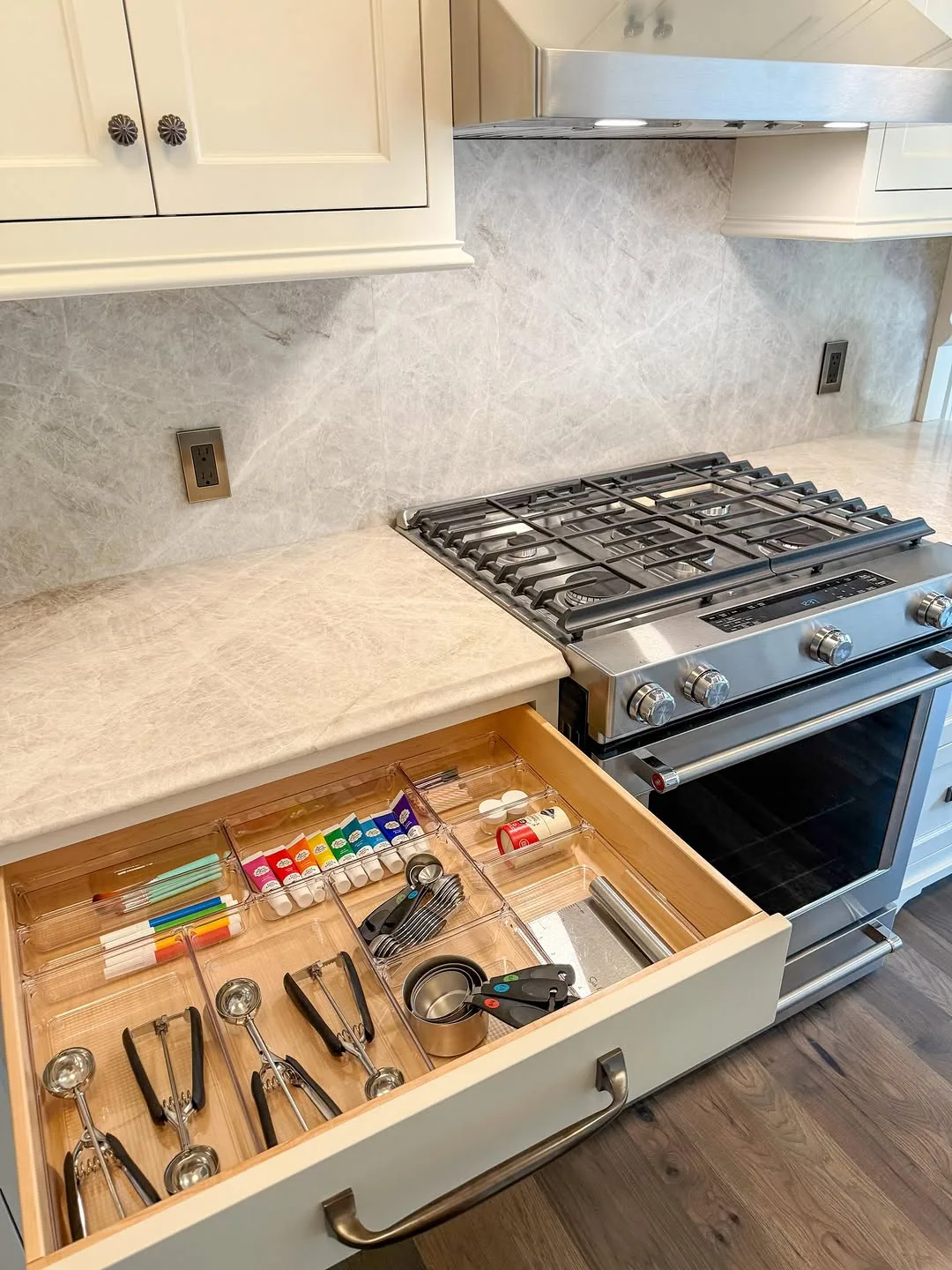
Drawers set up for the season keep cutters, nozzles, rolling pins, and brushes together, so baking starts in minutes instead of after a scavenger hunt. One organised drawer also shows what you already own, which stops the yearly purchase of duplicate cutters still hiding at the back of a cupboard.
Sort tools into shallow trays or boxes inside the drawer, grouped by job: cutting, decorating, measuring, and moving hot trays. Keep sharp items in one covered section, and store cookie cutters nested or strung on a ribbon so shapes stay together. Place the drawer nearest your main work surface if the kitchen allows a swap.
Frequent bakers gain the most, because setup time shrinks on every single session through December. People sharing a kitchen benefit too, since an agreed drawer ends arguments about missing tools. Small kitchens with one deep drawer can still run the system using boxes stacked neatly inside.
Before her first December bake, my cousin emptied the tool drawer, washed everything, and rebuilt it with four labelled boxes. She found three cutters she had planned to rebuy and finished her first session twenty minutes faster than usual. The drawer has stayed organised through two Christmases now.
Cramming every gadget you own into the baking drawer buries the daily tools under items used once a year. Keep the drawer for December essentials only, and move rare gadgets to a box elsewhere. Fast access matters more than impressive completeness when a tray is waiting and hands are floury.
Fresh Bakes Gift Wrapping Station
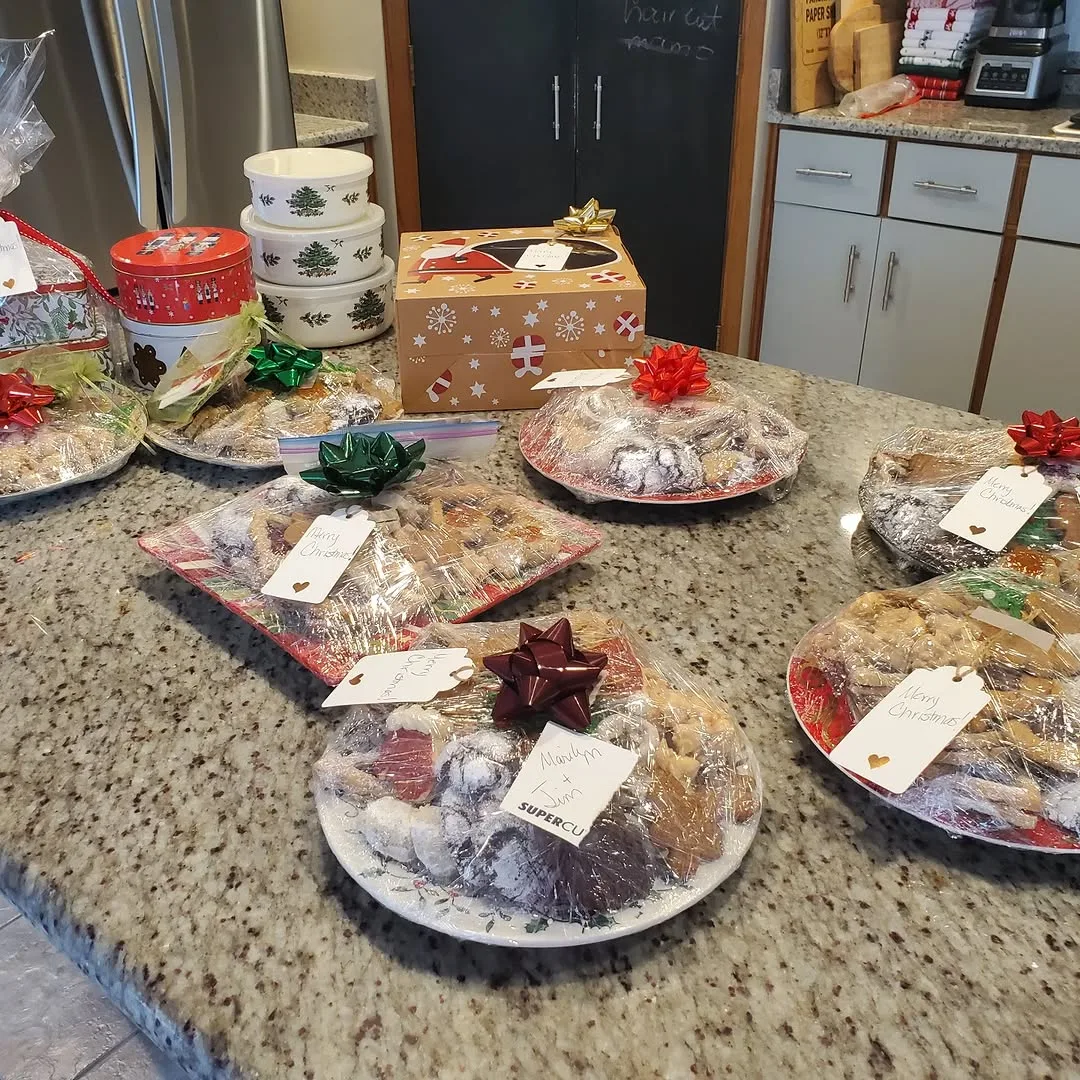
Wrapping deserves its own station because finished bakes deserve better than a rushed bag at the door, and good packaging keeps food fresh, safe, and gift worthy. Boxes, bags, ribbon, and cards gathered in one place turn the final step of baking into a calm pleasure instead of a scramble.
Keep the station on a side table or cleared counter section, stocked with boxes in two sizes, greaseproof paper, clear bags, ribbon, labels, and a pen that works. Pack bakes only when fully cool, line boxes with paper, and write the bake name and date on every label so receivers know what waits inside.
People giving many food gifts suit a wrapping station best, because packaging twenty gifts from one setup takes half the time of improvising each one. Sellers at small local fairs also gain, since consistent wrapping looks professional. Children enjoy the ribbon and label jobs and feel part of the giving.
My wrapping station lives on the dining table for the last week before Christmas, and neighbours now recognise my boxes by their red ribbon and handwritten labels. Packing each evening takes ten quiet minutes, gifts stack neatly by the door, and nothing leaves the house looking rushed or forgotten.
Leaving wrapping until the hour before delivery guarantees crushed boxes, missing labels, and gifts handed over in whatever bag survives the cupboard. Wrap in small daily batches as bakes cool and boxes fill. Calm packaging protects both the food and the reputation of the baker.
Common Mistakes to Avoid
Most December baking stress comes from attempting too many bakes with too little planning, until the kitchen, the budget, and the baker all run out at once. Reliable christmas baking ideas work the opposite way: short lists, early preparation, and stations that keep tools, cooling space, and wrapping ready before the first tray moves.
Trying to bake everything on one or two days exhausts the cook and crowds the oven, so quality slips exactly when guests and gifts matter most. Spread baking across the month, match each bake to the day it will be eaten or given, and protect rest days on the calendar like appointments.
Forgetting labels causes more quiet disasters than any oven problem, because unmarked boxes mix flavours, dates blur, and allergy information gets lost between households. Label every box and jar as it is packed, with the bake name, the date, and key ingredients. Future you will be grateful every single time.
Starting shopping without a list turns December into repeated small trips, rising costs, and cupboards full of the wrong things while essentials run out. Write one master list from your baking plan, check cupboards against it honestly, and buy shelf stable items early when shops stay calm and prices stay fair.
Budget Friendly Christmas Baking Ideas
Home baking already saves money against shop bought celebration food, because flour, sugar, eggs, and seasonal fruit cost little compared with finished cakes and boxed biscuits. Spend the savings on one or two quality items where flavour truly shows, like good spices or real butter for the centrepiece bake.
Seasonal fruit and store cupboard staples keep costs honest through December, since apples, oranges, dried fruit, and oats stay cheap while novelty items climb in price. Building the baking list around what winter offers cheaply also improves flavour, because familiar ingredients behave predictably in family favourite bakes.
Packaging quietly drains baking budgets when every gift gets a new tin, box, and ribbon set bought at full price. Save clean tins and sturdy boxes through the year, buy ribbon and labels in January sales, and let brown paper with one bright ribbon carry most gifts beautifully.
Borrowing trays, tins, cutters, and cooling racks from neighbours costs nothing and solves the equipment gaps that push bakers into panic buying before big days. Swap skills too, because one friend with neat piping can trade help with another who wraps beautifully. Shared tools and shared talents stretch every budget further.
Tips for Stress Free Christmas Baking
Write the whole season on one page before December starts: baking days, gift list, party dates, and the bakes matched to each one. Paper plans end the mental juggling that exhausts bakers before any flour comes out. Cross off each finished bake and watch the month visibly shrink.
Set up stations the evening before a baking day, with bowls, tools, and ingredients ready on the counter when you wake. Morning work then shrinks to baking and enjoying the smells, which changes the entire feel of the day. Waking to a ready kitchen puts the baker in a generous mood.
Keep one simple backup ready for surprises: plain biscuits in a tin, a frozen cake, or ingredients for a quick batch of cupcakes. Extra guests, a burnt tray, or a forgotten gift all lose their power to panic you when a quiet backup waits in the cupboard or freezer.
Rotate helpers through small clear jobs instead of letting one person carry the whole day, because most family members gladly wash, pack, label, or deliver when asked directly. Specific requests succeed where vague hints fail. Shared work also shares the compliments when gifts land well.
Plan a gentle finish to every baking day, with tools washed, boxes labelled, and the last tray out before evening so the kitchen rests too. Protecting the end of the day protects the next one. Baking should add to the season, never swallow it whole.
FAQ
What should I bake first in December?
Early bakes should be the sturdy ones that store well, like gift jars, spiced biscuits, and cakes that improve with keeping, while delicate items wait until closer to their day. Working backwards from parties and gift dates keeps every bake fresh at the moment it matters most to the people receiving it.
How many different bakes should I plan?
Variety matters far less than reliability, so three or four bakes your household loves beat ten experiments nobody asked for. Repeat favourites across the month for different guests and gifts, and let one new bake join the list each year if energy allows. Confidence tastes better than novelty.
Can children join every baking session?
Yes, children can join almost any session when jobs match their age and the hot work stays with adults. Stirring, cutting shapes, decorating cooled bakes, packing boxes, and writing labels all suit young helpers. Sessions stay happiest when each child has one clear job and a seat at the table.
How should I store fresh bakes before gifting?
Cool bakes fully on boards first, then pack them into clean tins or boxes lined with paper, labelled with the name and date. Keep boxes in a cool dry cupboard away from strong smells, and gift delicate items quickly while sturdy bakes wait happily for their delivery day.
When should I start Christmas baking?
Two or three weeks before Christmas suits most households, giving time for gift bakes, party trays, and family favourites without one crushing weekend. Starting the plan in late November, with shopping done early, spreads cost and effort so December itself stays enjoyable.
What can guests bring to a baking day?
Guests often love contributing one ingredient bag, a tin of decorations, extra cooling racks, or help with washing and packing afterwards. Hosts should name the item clearly when inviting, because open offers usually end in five bags of flour. Thank contributors at the table so generosity feels noticed and shared.
More Ideas to Explore
Dress the room around the oven with our christmas kitchen decor ideas, and plan a swap afternoon with our christmas cookie exchange ideas once the trays cool. Sweet finishes for the table sit in our christmas dessert ideas, and better light for early morning bakes comes from our kitchen lighting ideas.
Conclusion
Good December baking rests on planning rather than pressure, with short lists, tidy stations, and bakes matched to real dates in the month. Honest christmas baking ideas repeat yearly because families ask for them by name, and the kitchen stays a happy place for the baker as well as the guests.
Start with two or three favourites from this guide and run them well before adding anything new next year. One station, one swap, and one wrapping corner already cover gifts, guests, and children with room to spare. Simple plans finished calmly beat grand plans abandoned halfway every single time.
Keep notes after each December about what vanished first, what lingered, and what stressed the kitchen, because next year you will thank yourself for the honesty. Small written notes improve christmas baking ideas quietly year by year, turning good Decembers into traditions the whole street looks forward to.
Enjoy the slow mornings, full tins, and warm smells you built, coffee in hand, while family and neighbours drift toward the kitchen. Food baked and given with ease becomes the part of Christmas people remember longest. Start early, keep the list kind, and let the kitchen carry the season.