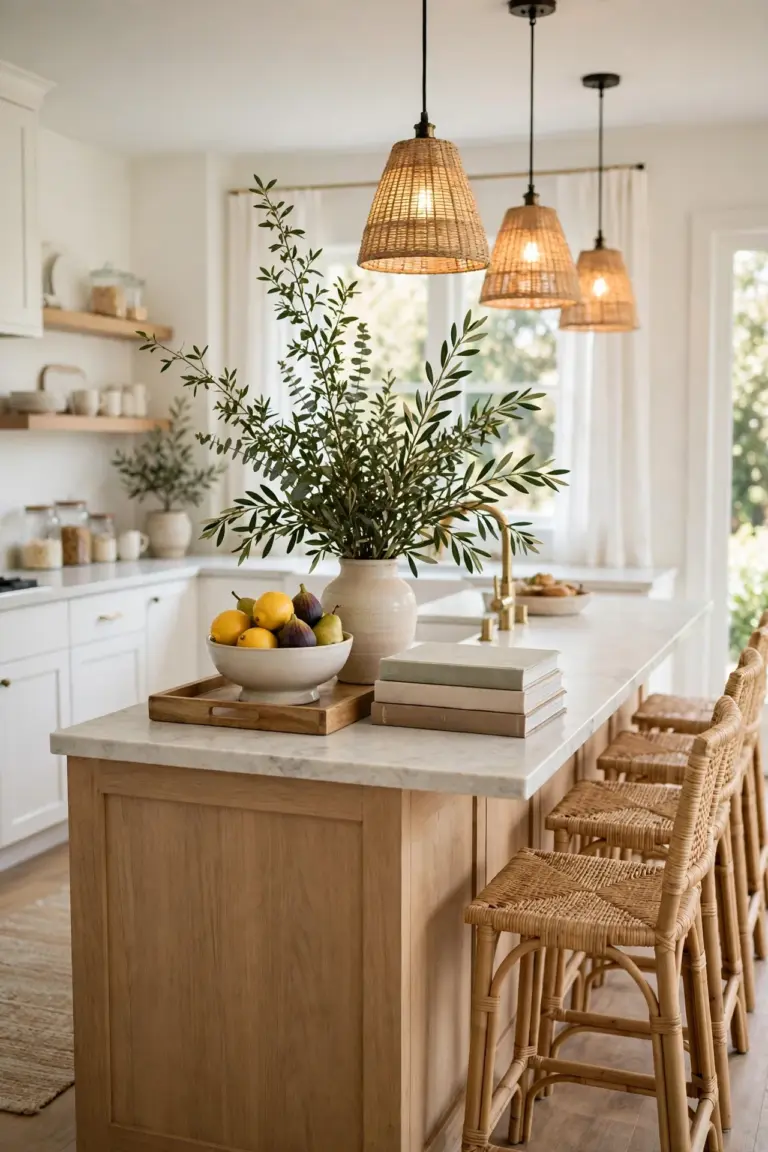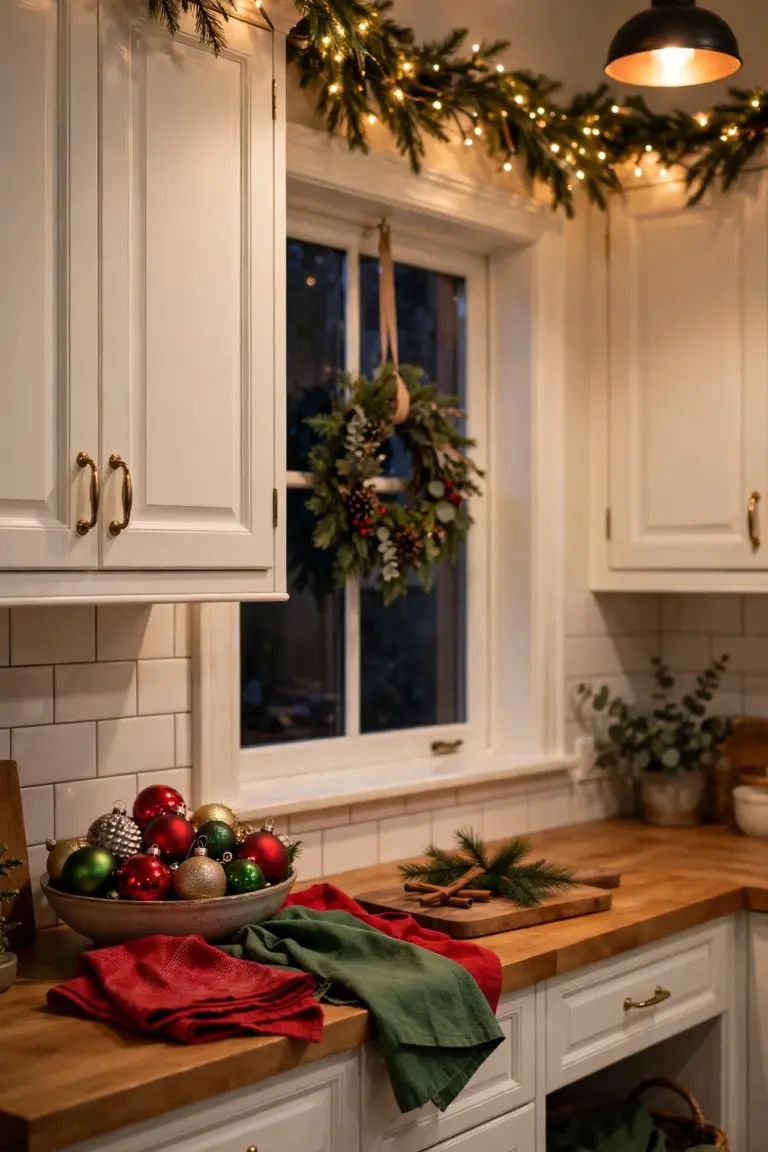
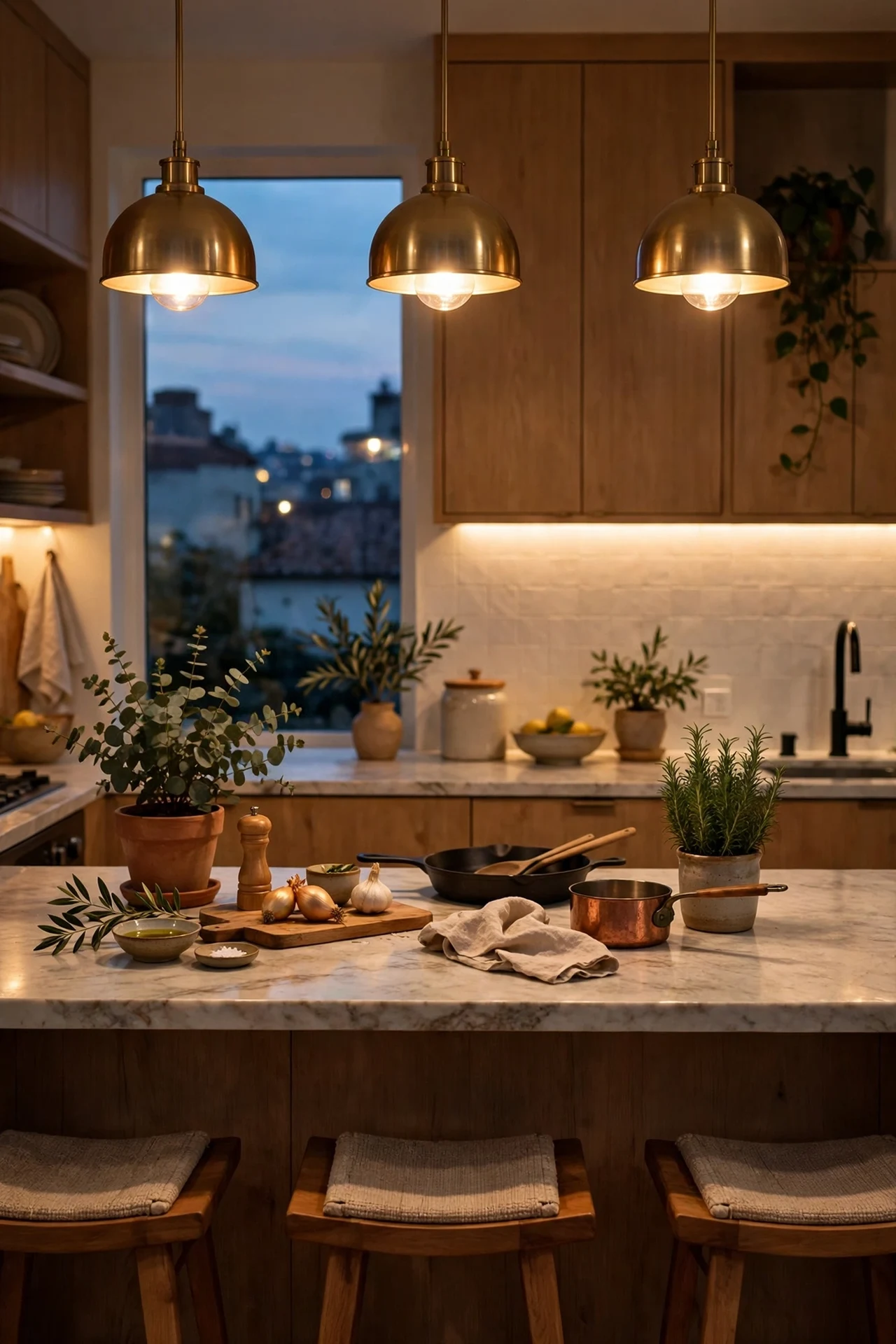
Kitchen Lighting Ideas That Make the Whole Room Glow
Most kitchens depend on a single ceiling light, and the room still feels dull at the counters where real work happens. Shadows fall across chopping boards, cupboards hide their contents, and evening cooking feels harder than it should. Better light fixes all of that without changing the layout.
Good kitchen lighting ideas treat the room in layers instead of relying on one bright source. Bright light goes over worktops, softer light fills the middle of the room, and small accents warm shelves and corners. Each layer does one job well, so the whole kitchen feels calm and clear.
Inside this guide you will find fifteen practical ways to light a kitchen, with honest notes on cost, fitting, and daily use. Every idea explains why it works, how to set it up, who it suits, one real example, and one mistake worth avoiding. Pick two or three and start there.
What Are the Best Kitchen Lighting Ideas for Busy Cooks?
Short answer: the strongest kitchen lighting ideas combine three layers in one room. Strong light points down at worktops and the hob, a ceiling source spreads soft light everywhere, and one or two warm accents stop the room feeling flat. Dimmers then let you change the mood in seconds.
Picture a cook chopping herbs under a clear strip light while pendants glow gently over the island and the rest of the room stays soft. Nobody squints, nobody works in their own shadow, and guests still feel welcome. Simple planning creates that balance far more than expensive fittings do.
Pendant Lights Over the Kitchen Island
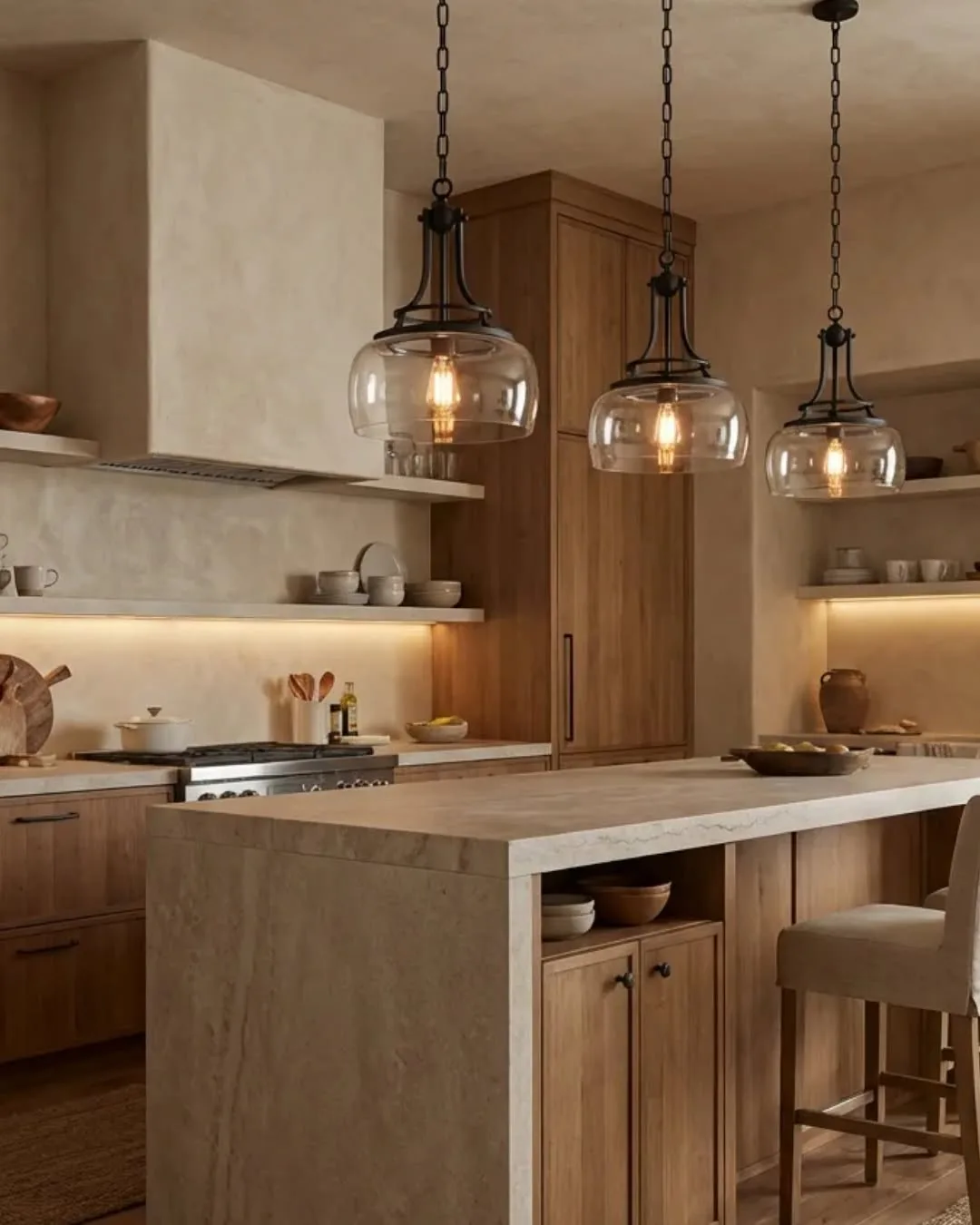
Pendants pull light down to island level, exactly where people chop, roll dough, and gather with coffee. Hanging lights also mark the island as the heart of the room, so the kitchen gains a clear centre. Guests naturally drift toward the glow and settle there.
Hang pendants so the bottom of each shade sits about seventy five to ninety centimetres above the worktop. Two pendants suit a short island and three suit a long one, spaced evenly along its length. Fitting pendants into an existing ceiling point is simple, but moving the wiring point needs an electrician.
Homes with an island or a breakfast bar gain the most, because pendants give those surfaces their own pool of light. Open plan kitchens also benefit, since the hanging lights separate the cooking zone from the sitting area without any wall. Families who eat at the island will use them daily.
When Sara replaced one dull ceiling light with two glass pendants over her island, homework, baking, and morning coffee all moved to the same spot. Her children now read recipes under the pendants while dinner cooks beside them. She says the island finally feels like the centre of the house.
Hanging shades too low blocks sight lines across the room and invites bumped heads during busy cooking. Measure from the worktop, not from the floor, and check the height with the tallest person in the house standing at the island. Raise the shades before fixing them in place.
Under Cabinet Strip Lights for Worktops
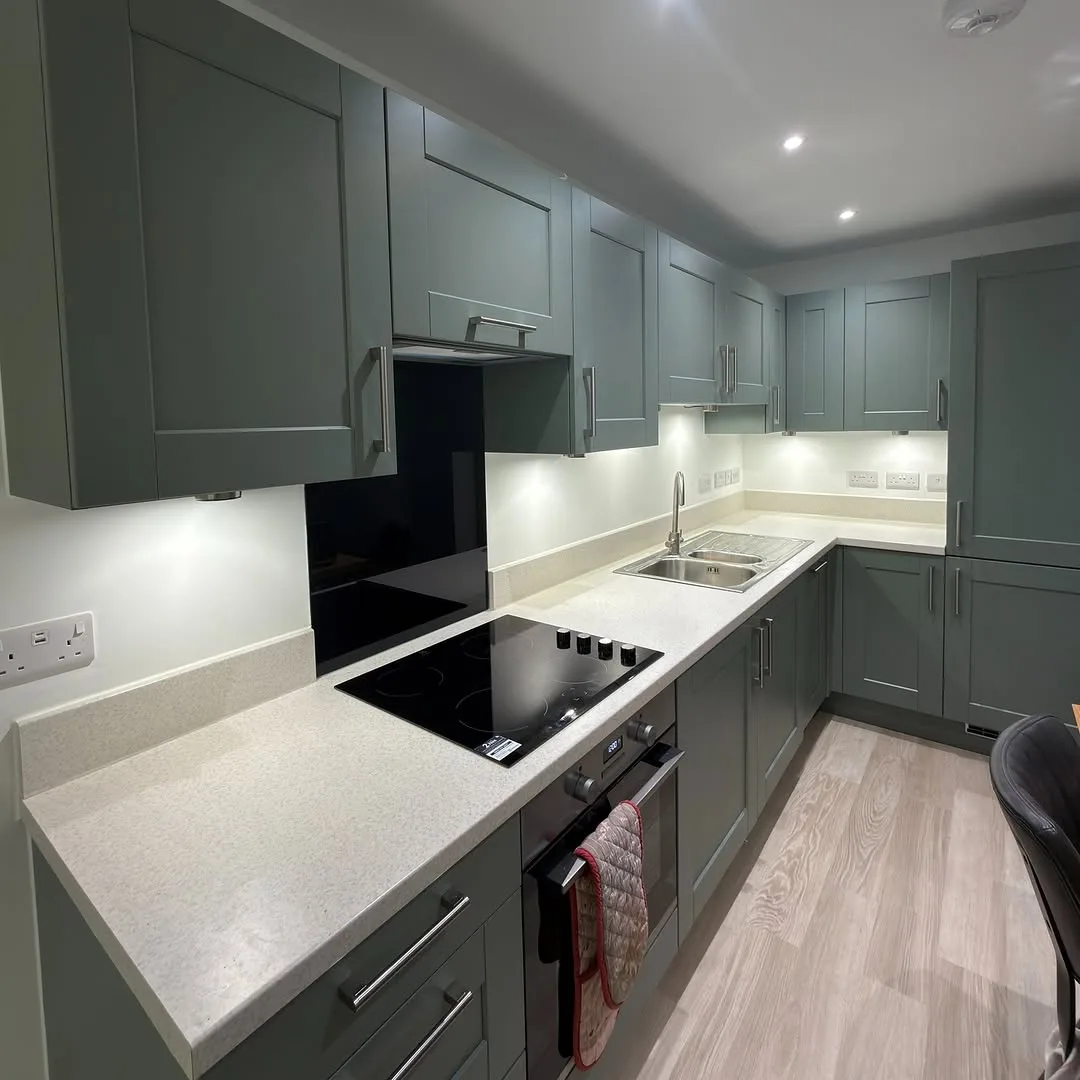
Worktops sit in shadow in most kitchens because wall cabinets block the ceiling light. Strip lights fixed under those cabinets shine straight onto boards and bowls, so chopping feels safer and recipes stay easy to read. Food colours also look true, which helps when you judge cooking by eye.
Stick on strips with a plug suit simple kitchen lighting ideas because anyone can fit them in ten minutes with no wiring at all. Fix the strip near the front edge of the cabinet underside so light falls on the worktop, not the wall. Hardwired strips look neater, but an electrician should fit those.
Anyone who cooks after dark feels the benefit first, since evening prep happens under these strips every single day. Small kitchens gain a lot too, because strips add strong light without taking counter or ceiling space. People who struggle to read small print on packets will love the clearer view.
Mark fitted a warm strip under the cabinets in his narrow galley kitchen and stopped moving the chopping board toward the window. Onions, herbs, and spice jars all became easy to see at six in the evening. His energy bill barely changed because the strip uses very little power.
Placing the strip at the back of the cabinet throws light onto the splashback and leaves the front of the worktop dim. Bring the strip forward, test the angle with tape before fixing, and keep it clear of steam from the kettle. Steam and sticky fixings part company quickly.
Ceiling Panels for Even Overall Light
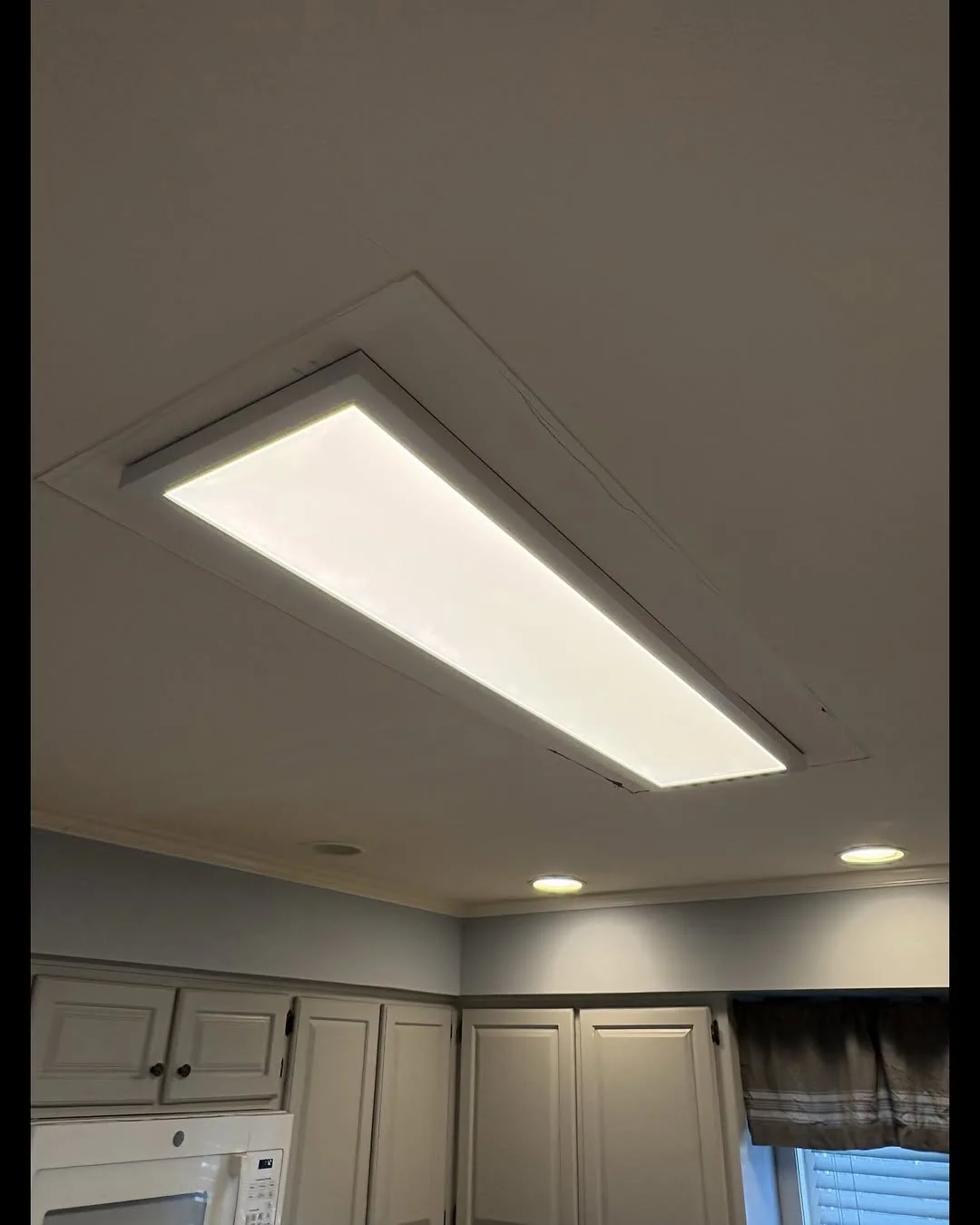
Every kitchen needs one source that lifts the whole room evenly, and a flat ceiling panel does that job without glare or hot spots. Panels spread light into corners that spotlights miss, so the floor, doors, and far wall all look clean. Morning cleaning becomes far easier under even light.
Choose a panel sized for the room, with a small kitchen needing less output than a large open plan space. Most panels wire into the existing ceiling point, and an electrician can swap one safely in under an hour. Pick a model with a simple cover you can remove for cleaning.
Low ceilings suit panels perfectly because the fitting sits almost flat and never hangs into head space. Dark kitchens with small windows also gain, since the panel replaces missing daylight on grey mornings. Busy family kitchens benefit as well, because one strong panel lights homework, cooking, and cleaning without extra lamps.
After Rosa swapped an old dome light for a slim panel, her whole kitchen looked freshly painted even though only the light had changed. Grease marks near the hob showed up clearly, so she cleaned more honestly for a week. The room now feels bigger at breakfast time.
Buying the brightest panel in the shop often leaves the room feeling like a hospital corridor. Match brightness to room size, and pair the panel with warmer lamps for evening so the kitchen still feels homely after dark. One harsh source on its own rarely flatters food or faces.
Recessed Downlights Across the Ceiling
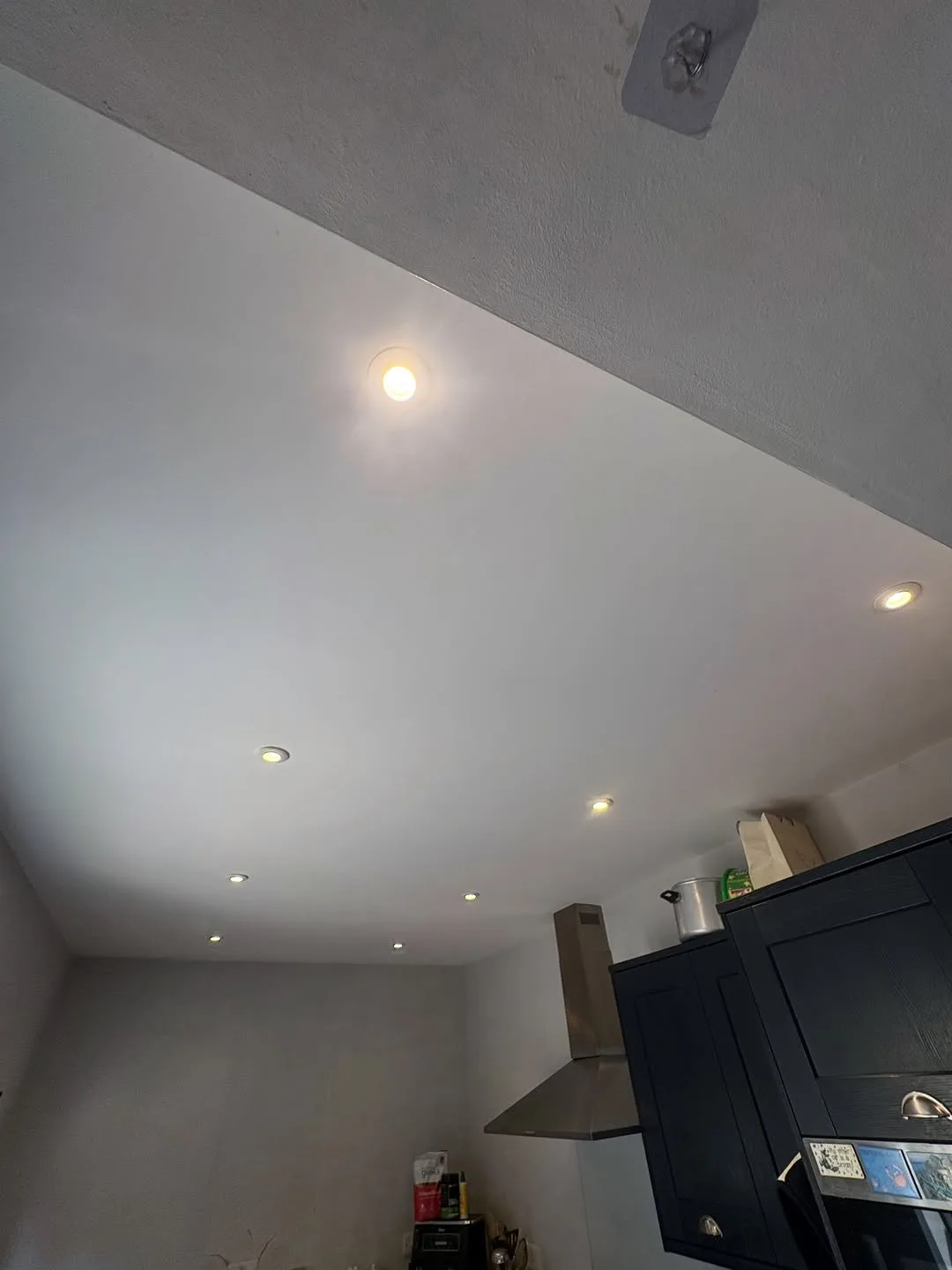
Downlights hide inside the ceiling and send neat pools of light onto the floor and work areas below. Rows of them make a kitchen feel tidy and modern because no fitting hangs down or collects grease. Used well, they support the main lights instead of fighting them.
Spacing decides whether downlights look calm or patchy, so plan gaps of roughly one to one and a half metres and keep them in straight lines. Cutting new holes and wiring new points is electrician work, full stop. Ask for warm white bulbs and check the fittings suit a steamy room.
New kitchens and full refits suit downlights best, because the ceiling work happens before decorating finishes. Large rooms also gain, since several small sources cover wide floors better than one central light. People who hate cleaning pendant shades will enjoy having nothing hanging in the steam.
During their extension build, the Ahmed family chose six downlights over the cooking run and two over the table area. Cooking zones stay bright while the eating corner feels softer, even though every light shares one ceiling. Guests always ask which fitting gives such even light.
Fitting downlights in a random scatter leaves bright pools beside dark gaps, and the room feels restless. Draw the ceiling plan on paper first, line the lights up with cabinets and walkways, and keep switches simple. Random patterns also waste money on holes you later regret.
Light Above the Sink
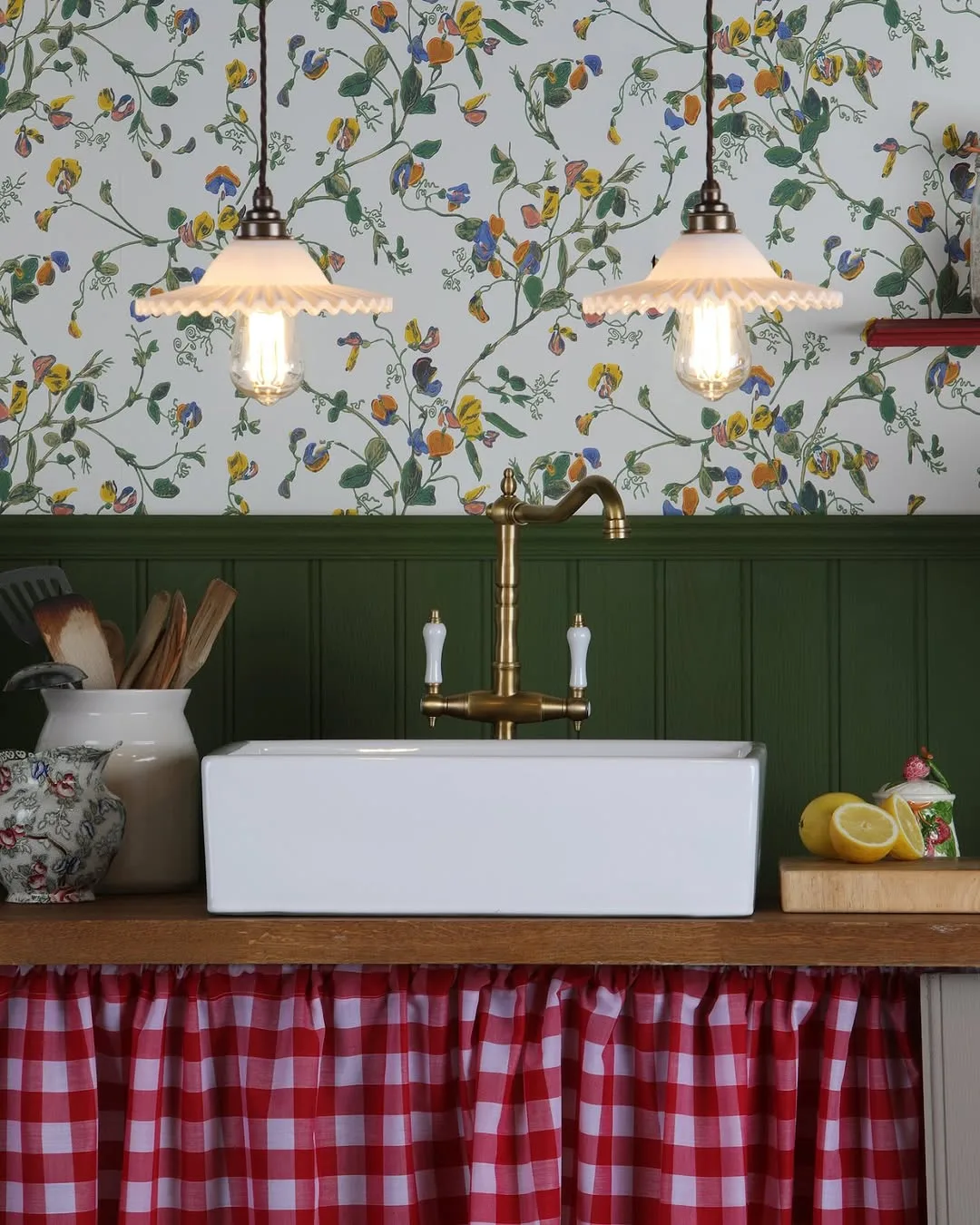
Washing up happens at the sink every day, yet many sinks sit in the dimmest corner of the kitchen. One clear light above the sink shows grease on pans, helps you spot chips in glasses, and makes the dullest chore feel quicker. Dirty water also looks honest under proper light.
Fit a small spotlight or a short strip on the wall or cabinet above the sink, aimed down into the bowl. Choose fittings rated for splashes, and keep switches within dry reach. Adding a new wired point near water is a job for an electrician, while battery lights need no wiring.
Kitchens with the sink under a window gain on dark evenings, when the glass gives back nothing but black. Homes without a window over the sink gain even more, because the corner never sees daylight at all. Anyone who washes delicate glasses by hand will value the clearer view.
Tom added a small warm spotlight above his sink and finally stopped rewashing pans he thought were clean. Evening washing up now takes half the time, and his children can check their own mugs properly. He calls it the cheapest improvement in the whole house.
Pointing the light straight down from directly overhead puts your own head between the lamp and the bowl. Angle the fitting slightly forward from the wall so light lands in front of you. Test the angle at night before tightening the screws for good.
Small Spotlights for Open Shelves
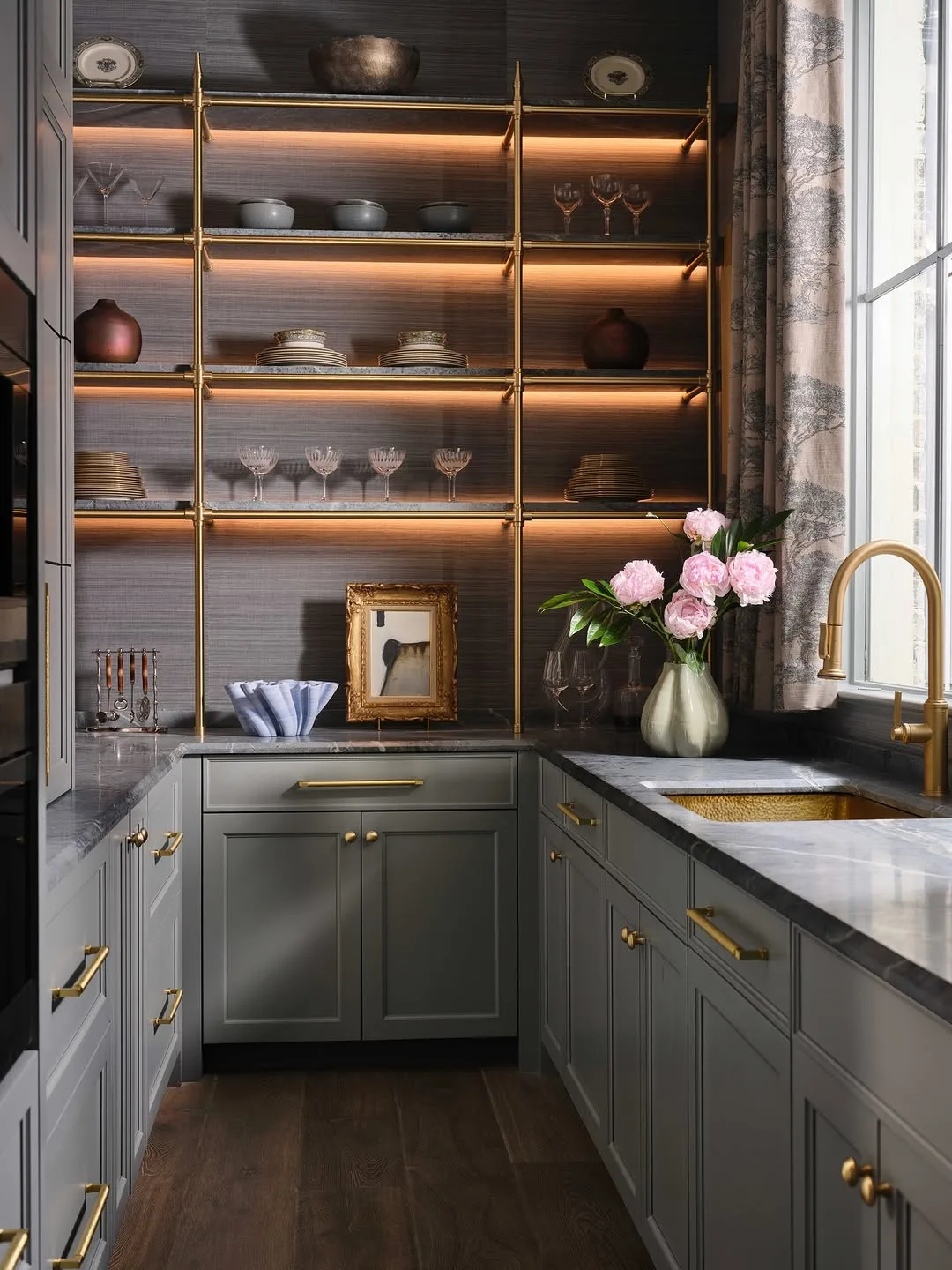
Open shelves look lovely in daylight and gloomy after dark, when jars and bowls fade into shadow. Small spotlights under each shelf turn stored items into a display and help you find spices without digging. Shelves also stop looking dusty when light shows them honestly.
Battery puck lights press onto the underside of a shelf in seconds and need no wiring, which suits a quick weekend fix. Rechargeable models save money on batteries over time. Wired shelf lights give steadier power, but hiding the cables takes planning and sometimes an electrician for new points.
Collectors of jars, bowls, and pretty tins gain the most, because their shelves become a feature instead of storage. Dark kitchens with few windows also benefit from the gentle glow at eye level. Anyone who cooks from open shelves daily will reach items faster.
Priya stuck three warm puck lights under her shelves and her spice jars finally stopped hiding behind each other. Evening cooking feels calmer because every label faces the light. Friends now photograph her shelves more than any other corner of the kitchen.
Cool blue light on shelves makes jars look like a shop fridge and kills the warm mood of the room. Match shelf lights to the warm tone used elsewhere in the kitchen. Mixed tones in one small room always look like an accident.
Dimmer Switches for Flexible Brightness
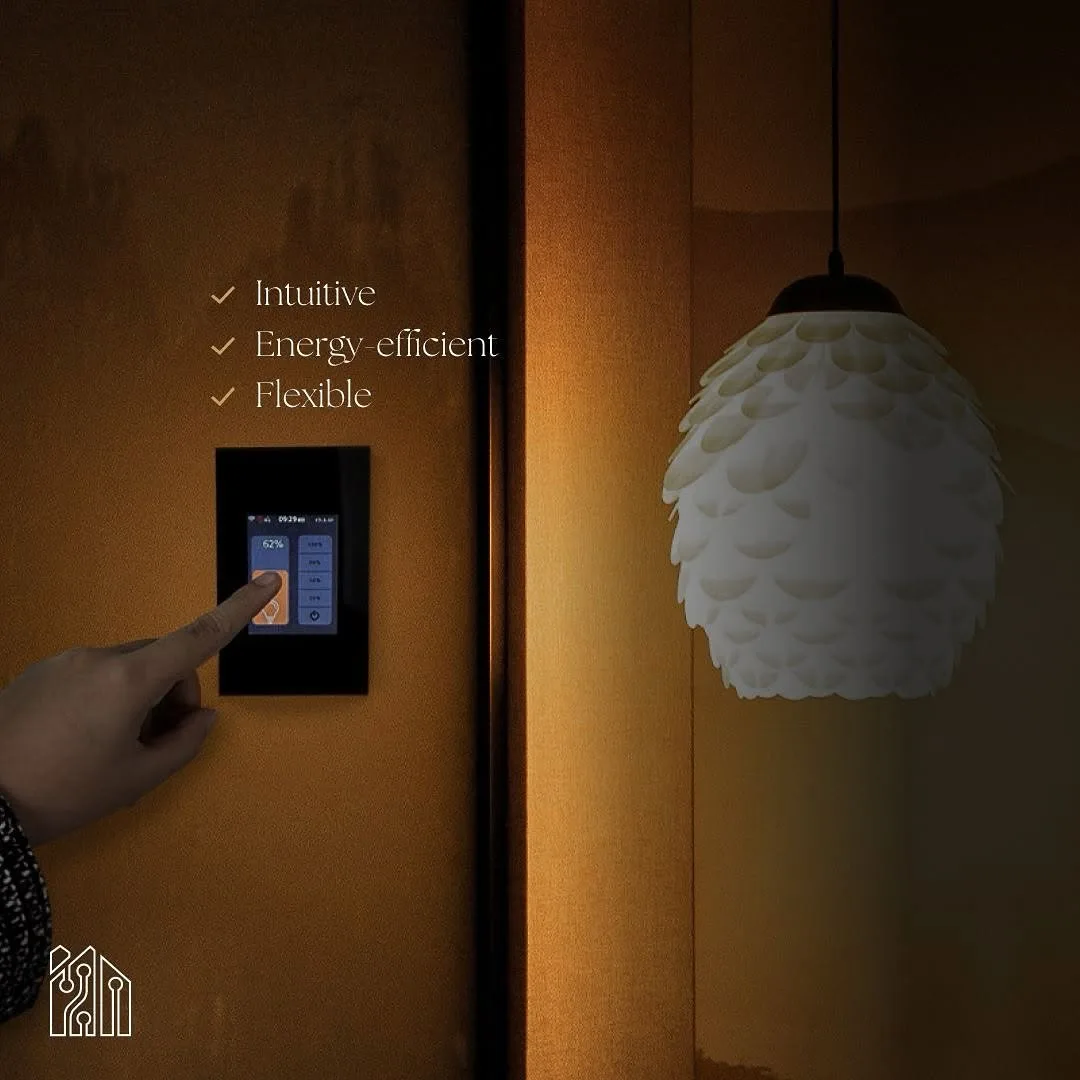
Cooking needs strong light at noon and gentle light at dinner, and one fixed brightness rarely suits both. Dimmer switches sit at the heart of flexible kitchen lighting ideas because they change one fitting into several moods. Breakfast stays bright, while late suppers soften in seconds.
Check that your bulbs and fittings accept dimming before buying any switch, because older bulbs may flicker or buzz. Swapping a normal switch for a dimmer is quick work, but wiring rules vary, so many households book an electrician for safety. Label each switch when several control one room.
Families who eat in the kitchen gain most, because the same room must serve homework, cooking, and slow dinners. Open plan homes also benefit, since dimmed kitchen light stops the cooking zone glaring into the sitting area. Night owls love a low glow for late snacks.
Since adding a dimmer to her pendant lights, Ana cooks at full brightness and turns everything down when friends sit at the island. The same fittings now work for chopping onions and for birthday cake. She wishes she had fitted the switch years earlier.
Pairing a dimmer with bulbs that cannot dim causes flicker, buzzing, and early bulb failure. Read the bulb box, test one bulb first, and keep the receipt until every light behaves. Flickering light tires eyes faster than honest darkness ever will.
Warm White Bulbs for Evening Cooking
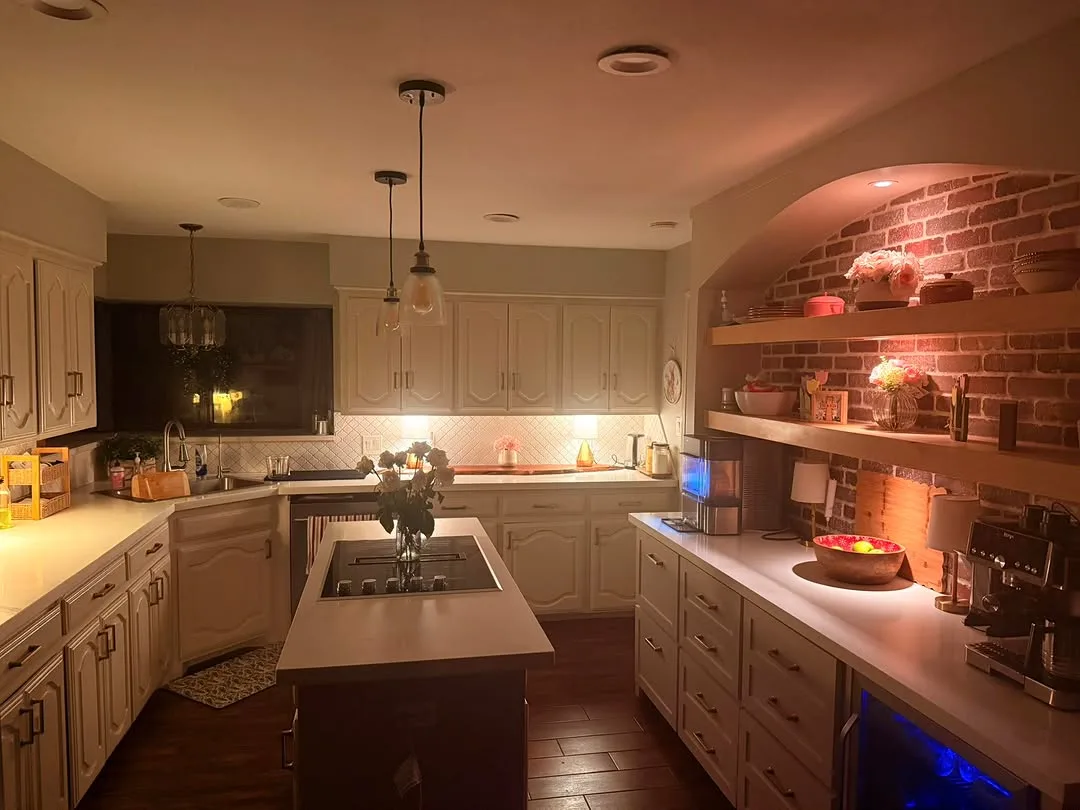
Bulb colour changes how food and faces look more than most people expect. Warm white light flatters skin, makes wood and bread tones look rich, and helps a kitchen feel calm after a long day. Cold blue light does the opposite and suits very few homes.
Look for numbers on the bulb box between twenty seven hundred and three thousand kelvin for a warm kitchen glow. Keep one tone across the whole room so fittings agree with each other. Buy spare bulbs from the same range, because tones vary between brands.
Evening cooks and families who gather in the kitchen after dark feel the difference most. Homes with wooden cabinets or warm painted walls also suit warm bulbs, since the tones support each other. Anyone who finds their kitchen harsh at night should start here.
George replaced cold bulbs over his table with warm ones and stopped eating dinner under what he called office light. Meals feel slower now, and guests linger longer without knowing why. His roast dinners even look better in family photos.
Mixing warm bulbs in one fitting and cold bulbs in another splits the room into two clashing halves. Change every bulb in the room during one weekend so the tone stays even. Keep the old cold bulbs for a garage or store room instead.
Battery Stick On Lights for Dark Corners
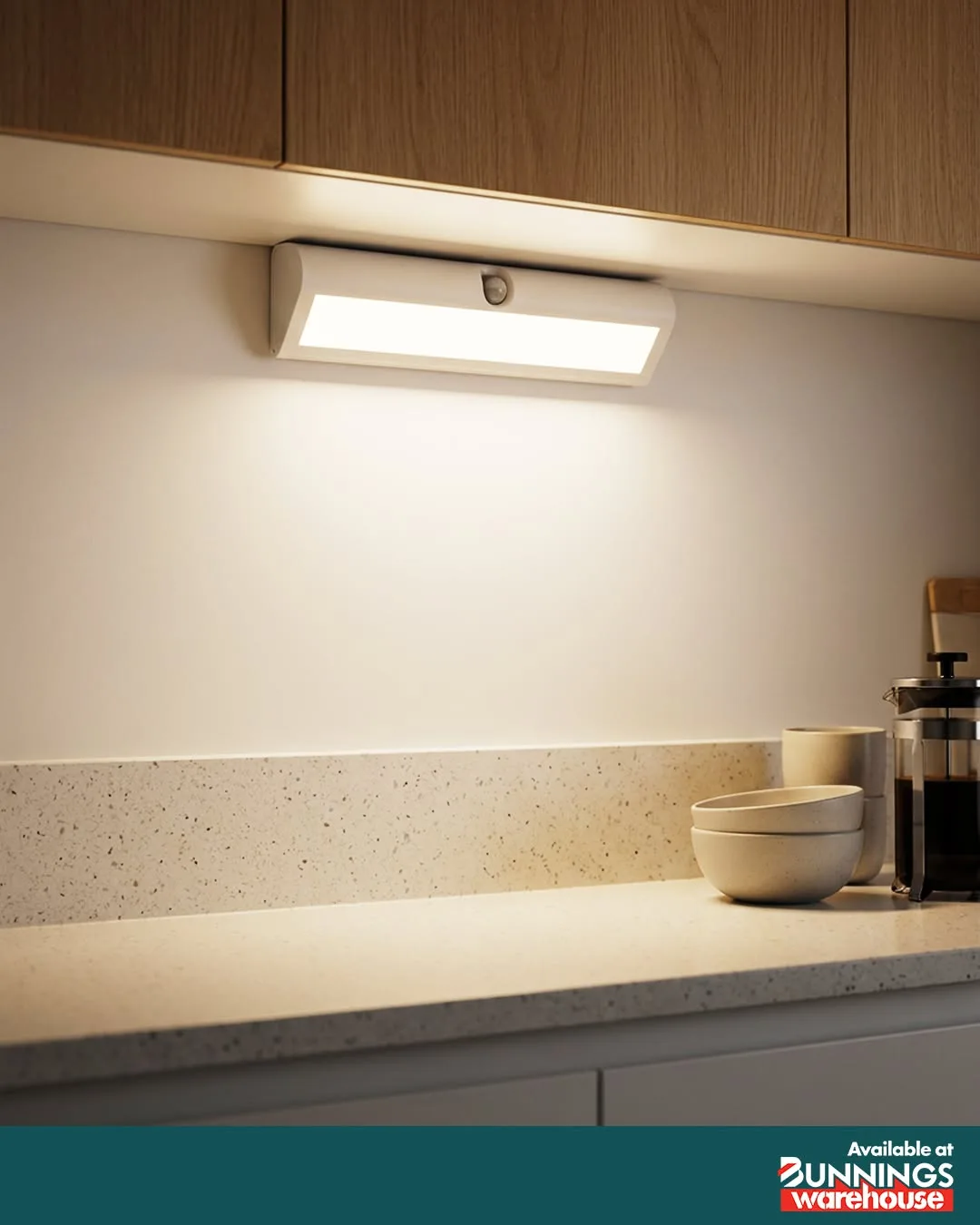
Dark corners hide inside deep cupboards, under stairs pantries, and below wall cabinets where no socket exists. Battery lights fix those spots in minutes because they need no cable and no socket at all. Finding the right tin or jar stops being a guessing game.
Choose rechargeable lights where you use them daily, and simple battery models for spots you open once a week. Clean the surface before sticking the pad, because grease weakens every adhesive. Keep one spare set charged so a dead light never stays dead for long.
Deep cupboards and corner cabinets gain the most, since ceiling light never reaches their backs. Homes with few sockets also benefit, because battery lights ignore wiring completely. Anyone fed up with using a phone torch while cooking will enjoy the upgrade.
Inside her corner cabinet, Leila stuck one small light to the underside of the shelf above. Pots that hid for years now show at a glance, and she stopped buying duplicate baking trays. The light cost less than one takeaway coffee.
Forgetting spare batteries or a charging cable turns a handy light into dead plastic within weeks. Keep supplies in the same drawer as the light and add charging to a weekly routine. A simple habit keeps every corner light ready when you need it.
Track Lighting for Long Kitchens
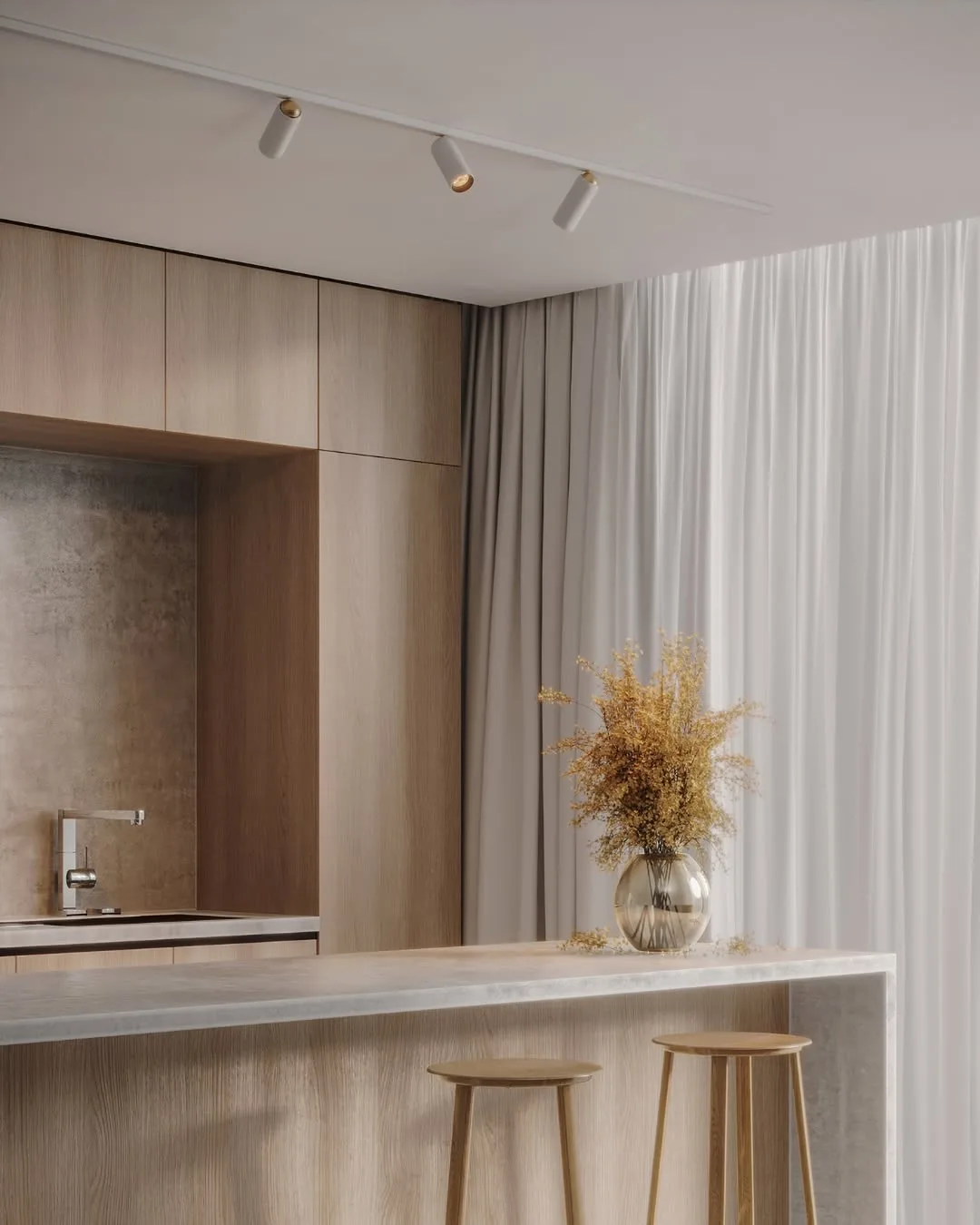
Long galley kitchens defeat a single ceiling light, because one end always ends up dim. Track lighting runs a row of adjustable heads along the ceiling, so light follows the worktop from sink to hob. Each head turns where you need it, which one fixed fitting cannot do.
One ceiling point can feed a whole track, which often means no new wiring holes across the ceiling. An electrician should still fit the track if the existing point needs moving or the circuit needs checking. Aim each head at a work zone rather than straight down the walkway.
Galley kitchens and long narrow rooms suit track systems best, because the shape matches the room. Homes where the layout changes often also gain, since heads swivel to follow new furniture. Cooks who move between several work zones will feel covered everywhere.
Our neighbour fitted a four head track along his narrow kitchen and aimed one head at the sink, two at the worktop, and one at the hob. Every corner finally works at night, and no single spot feels painfully bright. He adjusted the heads twice in the first week and never again.
Aiming every head at the floor wastes the main benefit of a track and leaves worktops in shade. Angle heads toward counters, the sink, and the hob where hands actually work. Stand at each zone at night and adjust until your own shadow disappears.
Making the Most of Window Daylight
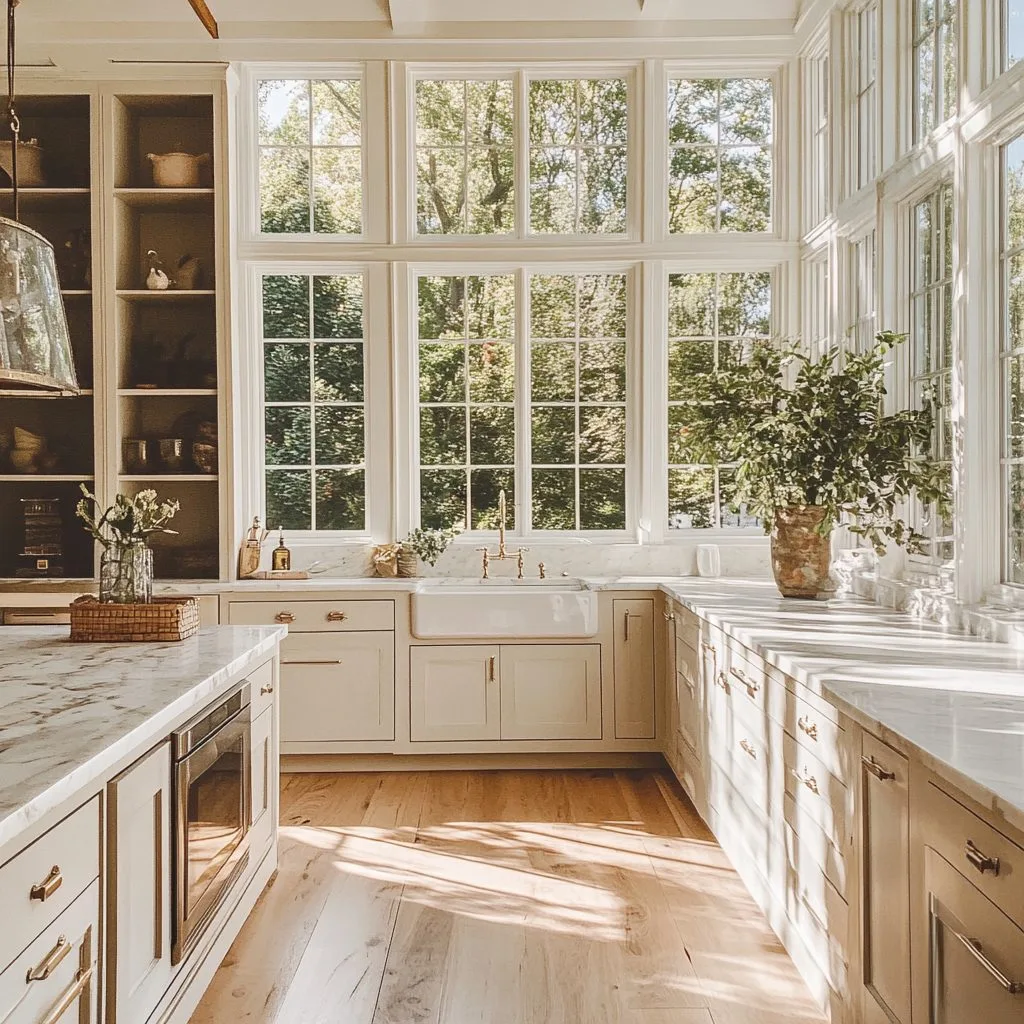
Daylight costs nothing and shows food colours more honestly than any bulb, yet many kitchens block their own windows with clutter and heavy blinds. Clear glass, light sills, and pale surfaces bounce sunshine deep into the room. Morning cooking feels better in natural light than under any fitting.
Keep the window sill clear of bottles and plants that steal light, and choose blinds that roll fully away from the glass. Pale splashbacks and light worktops reflect daylight instead of swallowing it. Clean the glass inside and out twice a year, because kitchen grease dims windows slowly.
North facing kitchens gain the most from these small changes, because their daylight stays weak all day. Small windows also benefit, since every centimetre of glass matters. Anyone who cooks breakfast early will feel the room wake up faster.
Simple changes gave Marta the kitchen lighting ideas she needed without buying a single fitting. She cleared the sill, swapped a dark blind for a pale one, and watched morning light reach the worktop for the first time. Breakfast prep now happens with the lights off until winter.
Blocking half the window with tall herbs, bottles, or a drying rack quietly steals the best light in the house. Move tall items to a shelf beside the window and keep the glass area open. Plants still thrive nearby without shading your chopping board.
Low Lights Along the Cabinet Base
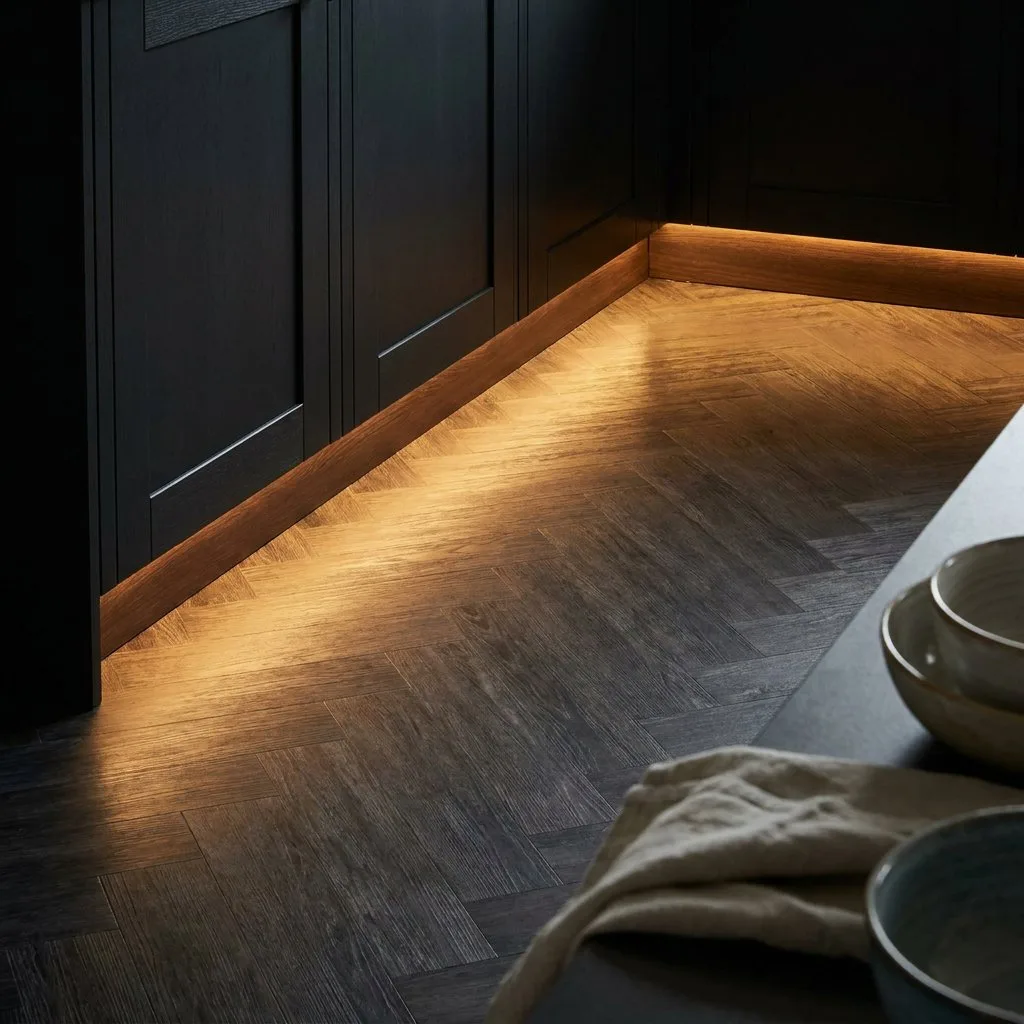
Low lights along the cabinet base wash the floor with a soft glow and guide feet during night visits to the fridge. The gentle level of light wakes nobody and still shows spills and obstacles clearly. Guests also notice the calm effect as soon as evening comes.
Flexible strip lights stick along the plinth under the cabinets and plug into a nearby socket in most kitchens. Choose strips rated for floor level use and keep the plug where mops and spills cannot reach it. A timer or sensor can run them only after dark.
Households with children or older relatives gain most, because night trips to the kitchen become safer without blinding ceiling lights. Open plan homes also suit base lights, since the soft line marks the kitchen zone after dark. Anyone who hates stubbed toes will approve.
Ben fitted a warm strip along his cabinet base and his midnight water trips stopped waking the whole flat. The floor glows just enough to find the tap, fill a glass, and return to bed. His partner now refuses to switch the strip off at night.
Running bright white strips at floor level looks like a shop display and ruins the gentle purpose. Pick warm low output strips and test brightness at night before fixing them permanently. Soft light guides feet, while strong light only glares off tiles into tired eyes.
Display Lights Inside Glass Cabinets
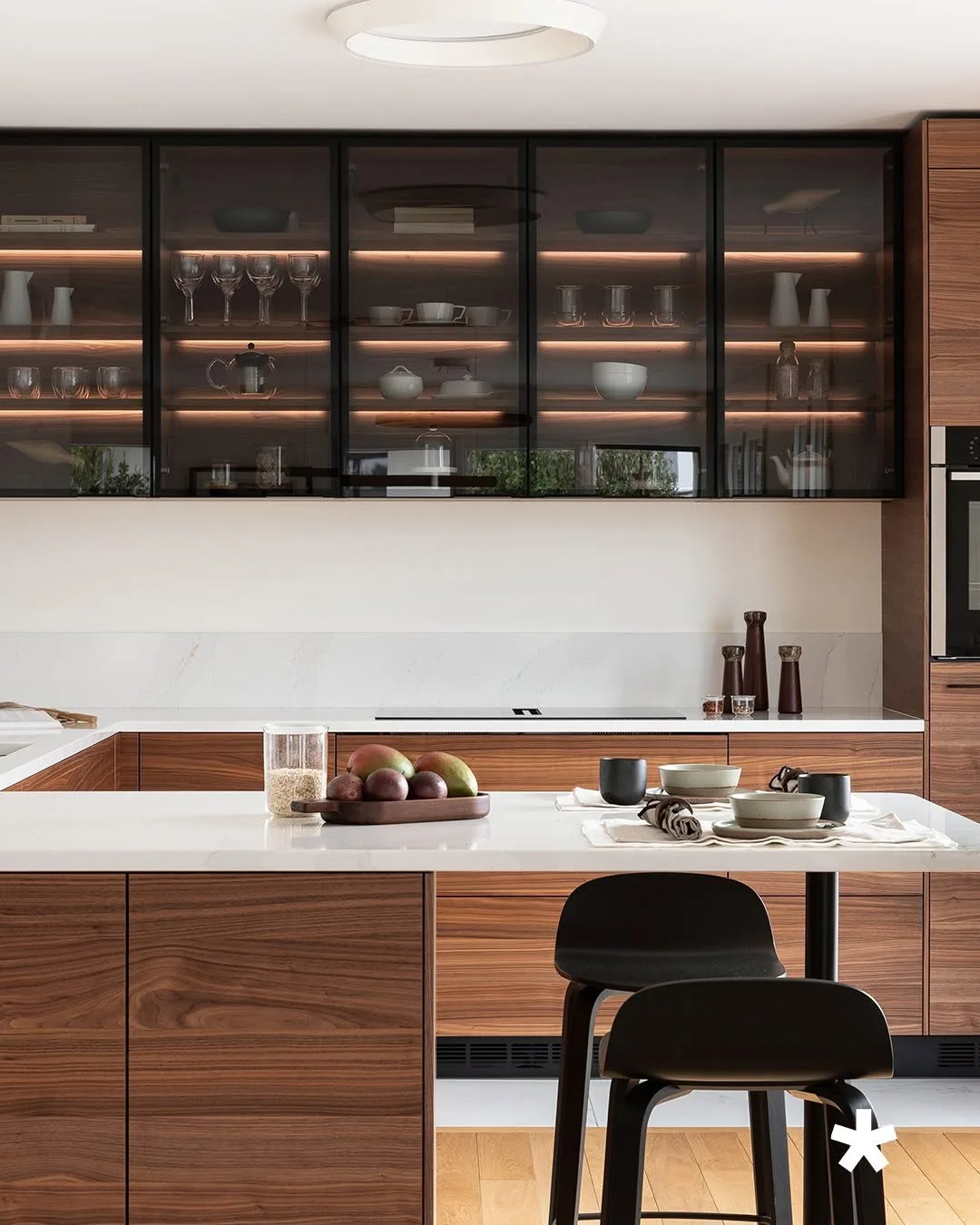
Glass front cabinets hide their contents in shadow once evening comes, which wastes their whole purpose. Small lights inside the cabinet turn glasses and bowls into a calm display and help you find the right dish quickly. The glow also adds gentle background light to the room.
Slim battery lights stick to the top inside edge of the cabinet and shine down through the shelves. Glass shelves let light reach every level, while wooden shelves need one light per level. Wired options hide cables better, but new points inside cabinets call for an electrician.
Owners of pretty glassware and inherited china gain most, because their best pieces finally stay visible. Dark kitchens also benefit from the soft extra glow at eye level. Anyone who hosts dinners will enjoy choosing dishes without a torch or guesswork.
Helen lit the glass cabinet holding her mother’s china and now uses those plates every Sunday instead of saving them for rare guests. Guests ask about the soft glow each time they visit. Finding the right serving bowl takes seconds now.
Overloading lit shelves with every cup and plate you own turns a display into a crowded cupboard again. Keep space around each group so light can travel and pieces can shine. Edit the shelves twice a year and store plain spares elsewhere.
Sensor Lights for Night Time Trips
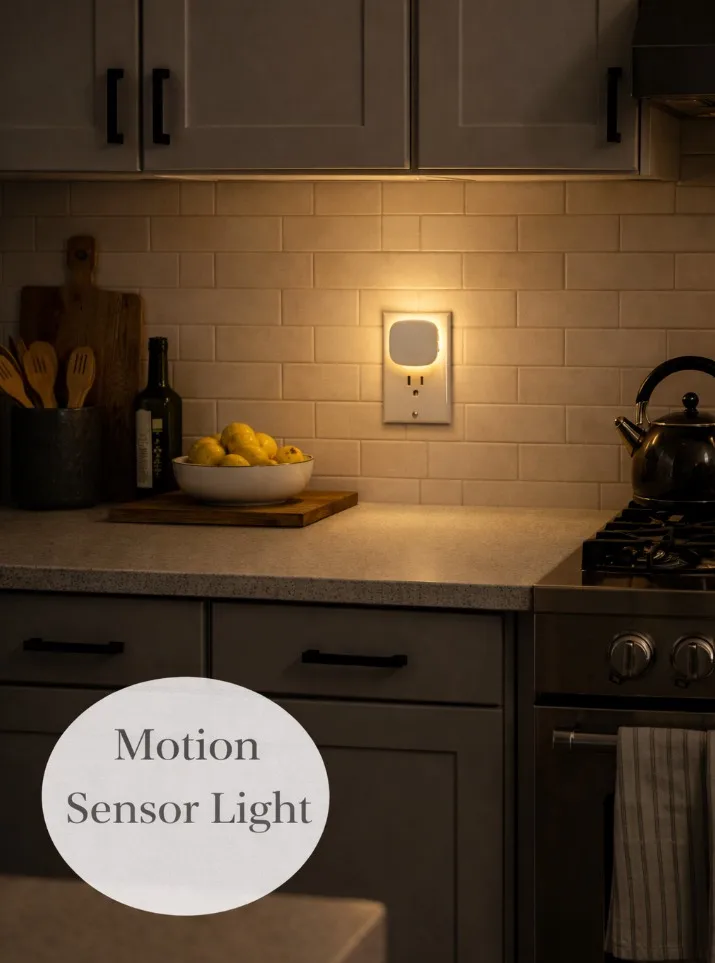
Night trips to the kitchen for water or medicine feel harsh under the main ceiling light. Sensor lights wake gently as you enter, give enough glow to move safely, and switch off behind you. Nobody fumbles for switches in the dark or leaves lights burning until morning.
Place one sensor light near the door and another near the sink or fridge, at about waist height for a clear signal. Battery models stick on in minutes, while plug in models suit kitchens with a spare socket near the floor. Adjust the timer so light lasts one full visit.
Parents fetching night feeds and anyone caring for older relatives will feel the benefit first. Homes where the kitchen sits on the way to the bathroom also gain, since the glow guides the whole route. Light sleepers appreciate never facing full brightness at midnight.
Two small sensor lights changed night time in the Khan household more than any gadget they owned. Their toddler now walks to the kitchen door safely, and nobody switches on the big light anymore. The batteries last for months between changes.
Mounting a sensor where cooking steam or passing pets trigger it all evening wastes batteries and patience. Aim the sensor across the doorway path instead of toward the hob. Test the position over two evenings before fixing the pad for good.
Smart Bulbs You Can Control by Phone
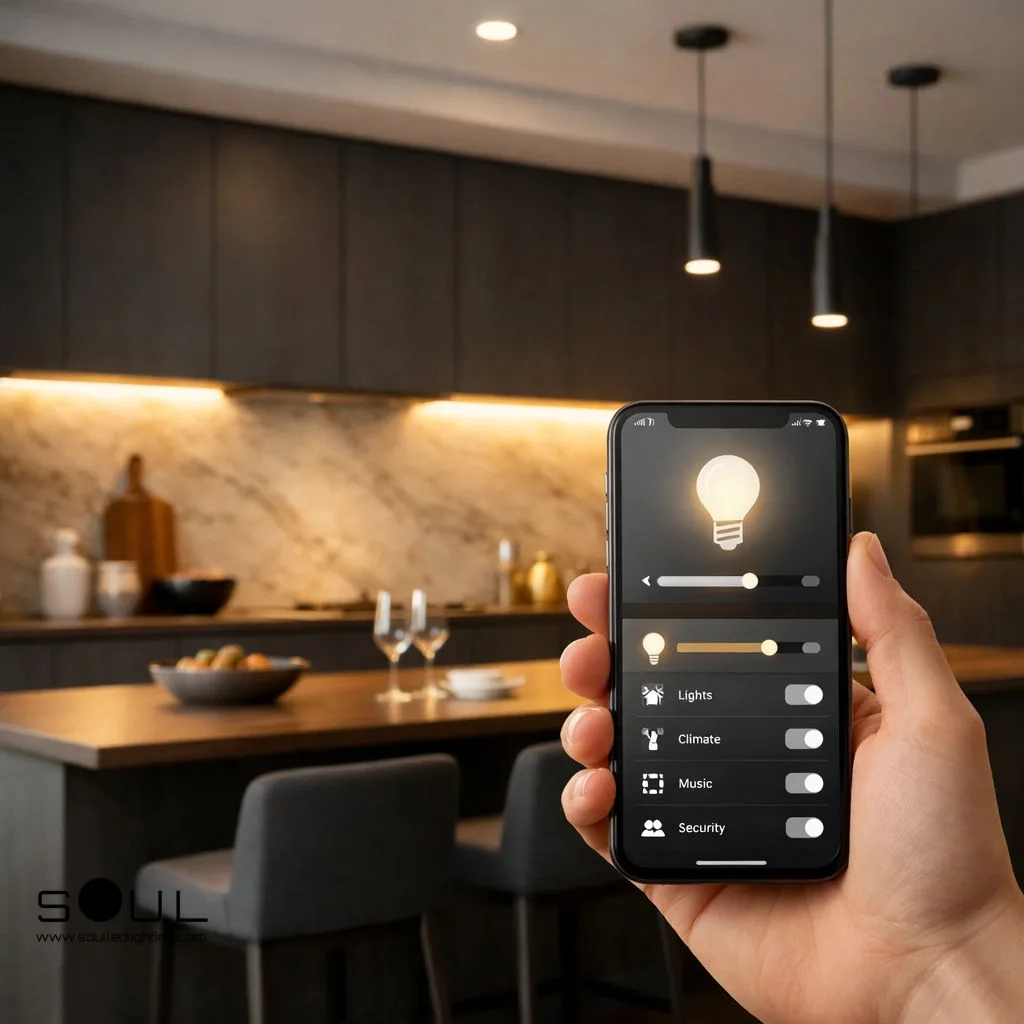
Smart bulbs let you change brightness and tone from your phone or by voice, so the kitchen adapts without new wiring or switches. Bright cool light helps morning prep, while warm dim light suits dinner at the same table. Scenes save your favourite settings for one tap.
Start with two or three bulbs in the fittings you use most, and check they match your home internet hub or speaker system. Most smart bulbs screw into standard fittings with no electrician needed at all. Keep one normal switch routine in mind for guests who prefer a wall switch.
Busy households gain most, because timers can warm the kitchen before anyone comes downstairs. People with limited mobility also benefit, since lights answer voice commands from a chair or bed. Anyone who loves gadgets will enjoy building scenes for cooking, eating, and cleaning.
Omar set a morning scene that brings his kitchen to full brightness at seven and a dinner scene that warms everything at six. Cooking feels organised from the moment he walks in, and guests think he renovated. Only the bulbs changed, nothing else.
Filling every fitting with smart bulbs from day one costs a lot and confuses the whole house. Begin with the main ceiling light and one lamp, learn the app properly, and add more later. Slow steps keep the system simple enough for everyone to use.
Common Mistakes to Avoid
Relying on one ceiling light is the mistake behind most dull kitchens, because it leaves worktops in shadow and faces looking tired. Add at least one light aimed at the work surface before changing anything else. Layers fix more rooms than any single expensive fitting.
Cold blue bulbs in a warm room make food look grey and guests look unwell, even when the cooking tastes fine. Check the kelvin number on every box and keep the whole kitchen in the warm range. One wrong bulb can undo three good ones.
Ignoring steam and grease ruins fittings near the hob faster than owners expect. Choose lights rated for kitchen use, keep shades you can wipe, and clean covers every few months. Grease film quietly steals brightness long before a bulb actually fails.
Skipping the electrician on new wiring points saves money once and risks safety for years. Moving sockets, adding ceiling points, and hardwiring strips belong to qualified hands. Battery and plug in options cover most needs safely while you save for proper work.
Budget Friendly Kitchen Lighting Ideas
Second hand lamps and shades from charity shops cost very little and often bring more character than new budget ranges. Clean them well, fit a warm efficient bulb, and test the flex before use. Old fittings with damaged cables belong in recycling, never in a kitchen.
Paint is not a light fitting, but pale paint on walls and cabinet sides bounces existing light around the room. One tin can lift a dark kitchen more than a new lamp in the wrong place. Wash walls first, because grease dulls even fresh paint quickly.
Simple kitchen lighting ideas often start with moving one lamp you already own into the darkest corner. Shops inside your own home come first, because a spare lamp costs nothing and shows results tonight. Spend money only on the gaps that remain after rearranging.
Spend first on the light above the worktop, because that fitting works hardest every single day. Save on decorative extras, where a plain shade looks fine and nobody notices the price. Small savings on extras protect the budget for bulbs you will not regret.
Tips for Choosing Kitchen Lighting
Walk through your kitchen at night before buying anything and note exactly where shadows fall on boards, the hob, and the sink. Photos on your phone help you remember the dark spots in the shop. Honest notes stop impulse buys that solve the wrong problem.
Match each light to one clear job, whether that job is chopping, eating, finding jars, or guiding night steps. Fittings that try to do everything usually do nothing well. Write the job beside each item on your shopping list before spending anything.
Test bulb tone in one fitting before replacing every bulb in the room. Live with the new tone for two evenings of real cooking and eating. Your eyes will tell you more in two days than any shop display ever could.
Keep switches simple enough for guests and children to understand without a tour of the kitchen. Label dimmers and zones with small neat tags during the first month. Simple controls mean the good light actually gets used every day.
Plan the whole room on paper, even when you only buy one fitting this month. A simple sketch stops clashing tones, doubled brightness in one corner, and dark gaps in another. Slow steps in the right order beat one big rushed spend.
FAQ
How many lights does a kitchen need?
Most kitchens feel right with three kinds working together: one overall ceiling source, light aimed at the worktops, and one softer accent. Small rooms may need only the first two done well. Count jobs, not fittings, when you judge whether the room has enough.
Which bulb colour suits cooking best?
Warm white between twenty seven hundred and three thousand kelvin suits most kitchens, because it shows food honestly and still feels calm. Cooler tones can help a worktop strip where fine detail matters. Keep one tone family across the room to avoid clashes.
Can I fit new kitchen lights myself?
Plug in strips, battery lights, and bulb swaps are safe jobs for most adults with basic care. Anything that adds or moves a wired point belongs to an electrician under the rules in most places. When doubt appears, the safe answer always wins.
How do I light a kitchen with no ceiling point over the island?
Track systems solve this problem neatly, because one existing point can feed several heads aimed at the island and worktops. Pendants on a track give the island look without new ceiling holes. An electrician can confirm whether your circuit suits the extra load.
What is the cheapest way to brighten a dark kitchen?
Cleaning the window, clearing the sill, and wiping existing light covers costs nothing and often surprises people. Next comes one strip light over the main worktop, which changes daily cooking more than any decoration. Pale paint follows when time and budget allow.
Do dimmers really save energy?
Dimmed lights draw less power than full brightness ones, so evening hours at low level do save some energy. The bigger saving comes from using only the layer you need instead of lighting the whole room. Good habits matter as much as the fittings themselves.
More Ideas to Explore
Good light changes how the whole kitchen feels, so dress it for the season with our christmas kitchen decor ideas, then keep the warmth going with our cozy kitchen decor ideas for the rest of winter. A drinks corner benefits most from a focused glow, so try our kitchen coffee bar ideas next, and finish the room with our kitchen island decor ideas for the center of the space.
Conclusion
Good light changes a kitchen more quietly and more completely than most renovations, and the best kitchen lighting ideas simply put the right brightness in the right place. Worktops glow, faces relax, and everyday cooking feels easier from morning to midnight. Small steps done well beat one grand plan.
Start with the darkest corner or the hardest working surface and fix that one spot properly this week. One strip, one pendant, or one warm bulb can show you what the rest of the room needs. Early wins make the next step obvious and cheap.
Keep tones warm and even, keep switches simple, and keep fittings clean enough to do their job. Kitchens collect grease and steam, so light needs the same small regular care as every surface. Ten minutes of cleaning can restore brightness you thought was lost.
Enjoy the room you cook in every day, from first coffee to late night washing up. Clear light over real work, soft light over real people, and one warm corner to sit in. That simple balance is what every good kitchen deserves.