Christmas Gift Ideas for Kids of Every Age
Finding gifts that children truly love takes thought, listening, and a list that starts early. Parents, grandparents, and family friends all want the same smile on Christmas morning, and christmas gift ideas for kids work best when they match the child standing in front of you rather than the loudest advert on television.
Children grow and change so quickly that the favourite toy of last year may sit untouched this year. Toddlers want to push, stack, and bang, early school children want to make and pretend, and older children want challenge and something to share with friends.
Inside this guide you will find fifteen gift types with guidance on choosing well, the ages each one suits, one example, and one mistake worth avoiding. Money saving sections and calm planning tips follow, so your christmas gift ideas for kids stay joyful from the first list to the final wrapped parcel.
How Do You Choose Christmas Gifts Kids Will Love?
Short answer first: pick gifts that match the child age, interests, and energy, then buy the best quality your budget allows. Great christmas gift ideas for kids invite open ended play, grow a skill, or bring the family together, and they rarely need batteries or a screen.
Watch what the child reaches for during ordinary weeks, because free time reveals real interests faster than any wish list written under pressure. Ask gentle questions, listen to teachers, and note hobbies that survive longer than a month.
Safety and fit matter as much as fun, so check age guidance on the box, look for sturdy parts, and think where the gift will live. One well chosen present beats five rushed ones, and a calmer buyer almost always chooses better.
Building Sets and Construction Toys
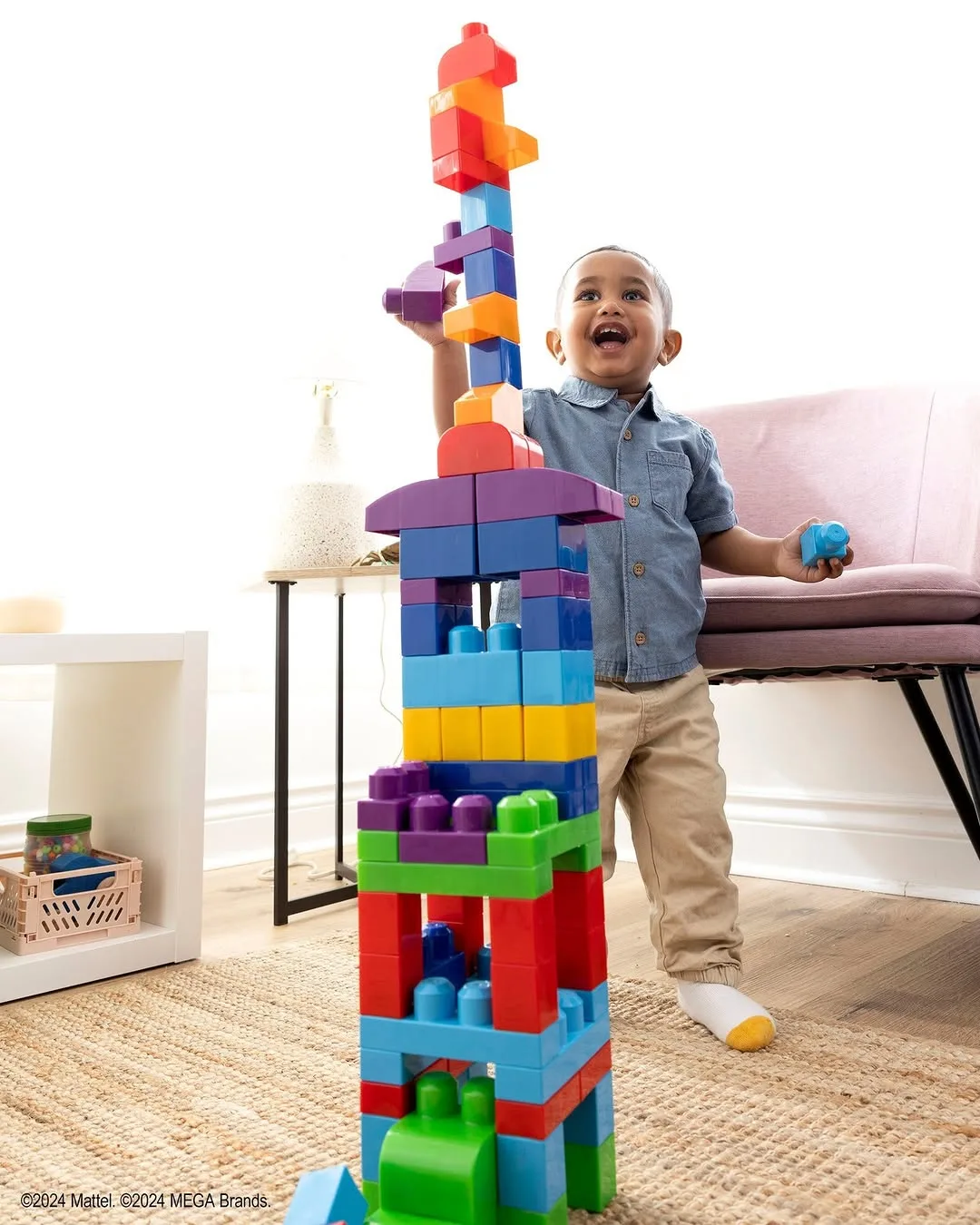
Blocks, bricks, magnetic tiles, and wooden tracks all belong to this beloved family of gifts, and they invite children to plan, build, topple, and begin again. Construction play strengthens small hands, patience, and early maths thinking while feeling like pure fun.
Choose sets with generous piece counts and parts that connect smoothly, because frustration ends play faster than anything else. Beginners do well with larger pieces and simple picture guides, while confident builders enjoy complex models with moving parts and room to invent.
Toddlers suit big soft blocks and chunky stacking pieces, while children in the early school years love themed sets and marble runs. Older children and patient teenagers often enjoy display models, bridges, and machines they can rebuild in new ways all year.
One smart move is buying a plain mixed set before themed ones, because open pieces feed imagination long after a single model is finished. Storage tubs with lids keep the collection tidy and make the gift feel complete.
Buying the biggest box without checking piece size is the classic mistake here, since tiny parts frustrate small children and vanish into carpets. Match the set to small hands and patience, and keep spare pieces in one labelled box.
Art and Craft Kits for Creative Kids
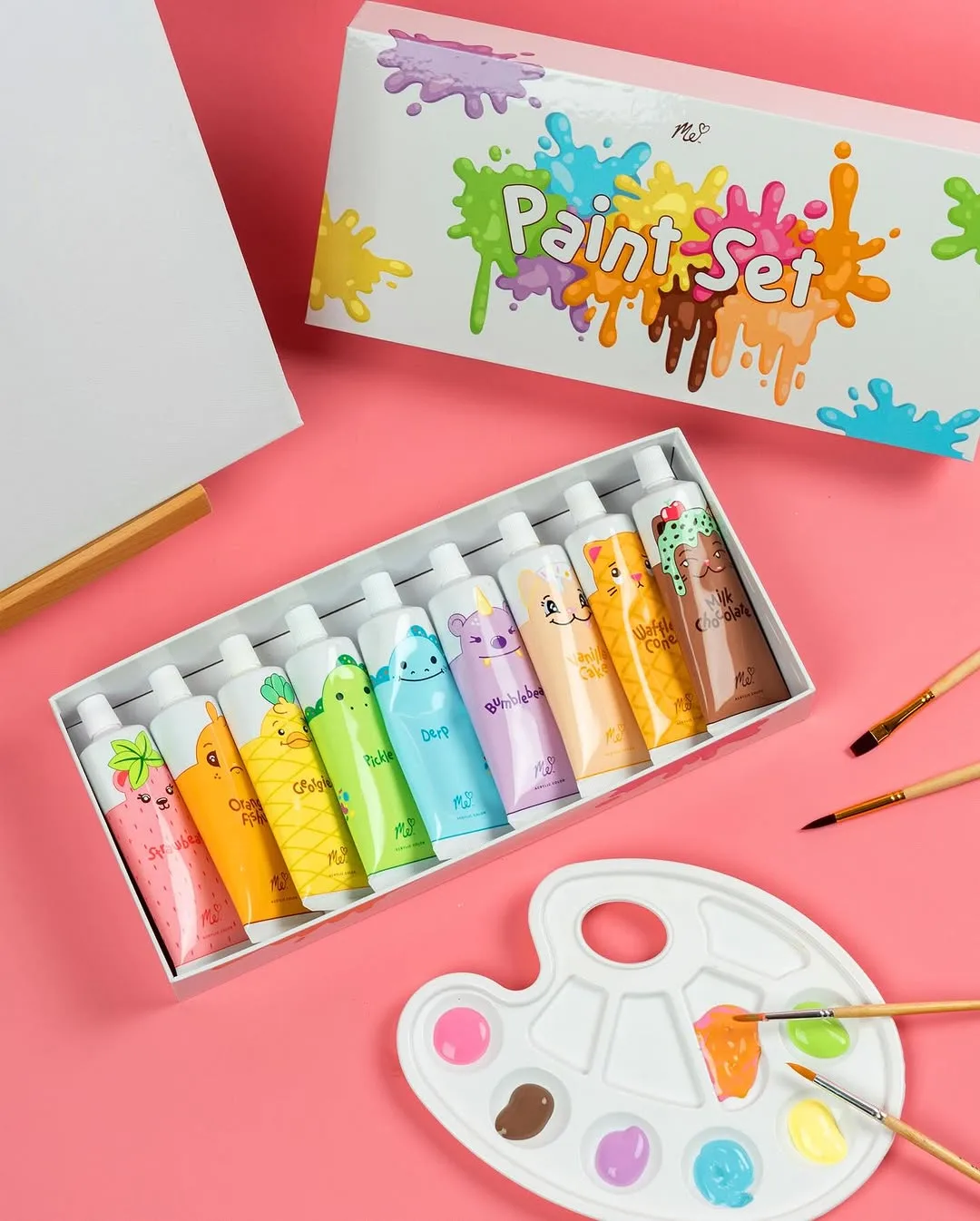
Paints, crayons, clay, beads, and paper turn quiet afternoons into proud displays on the fridge door. Craft gifts give children a way to express feelings, practise patience, and make presents for other people, which doubles the joy of the gift.
Look for kits with enough materials for several sessions, clear simple instructions, and refills that shops stock through the year. Washable paints and low mess options suit busy homes, while older children enjoy tools such as watercolour sets, sewing cards, and simple looms.
Messy play lovers in the toddler years suit finger paints and big chunky crayons, and early school children adore sticker scenes, simple sewing, and bead threading. Older children enjoy jewellery making, model painting, calligraphy practice, and kits that produce gifts for friends.
Pair the kit with a plain apron or a lidded craft box and the present instantly feels generous and ready to use. Grandparents often add a small sketchbook with a kind note inside the cover, turning a simple kit into a keepsake.
Glitter heavy kits with weak glue and tiny parts are the usual disappointment, because half the project ends up on the floor. Choose honest materials, check the age on the box, and keep one spare glue stick ready.
Board Games for Family Game Night
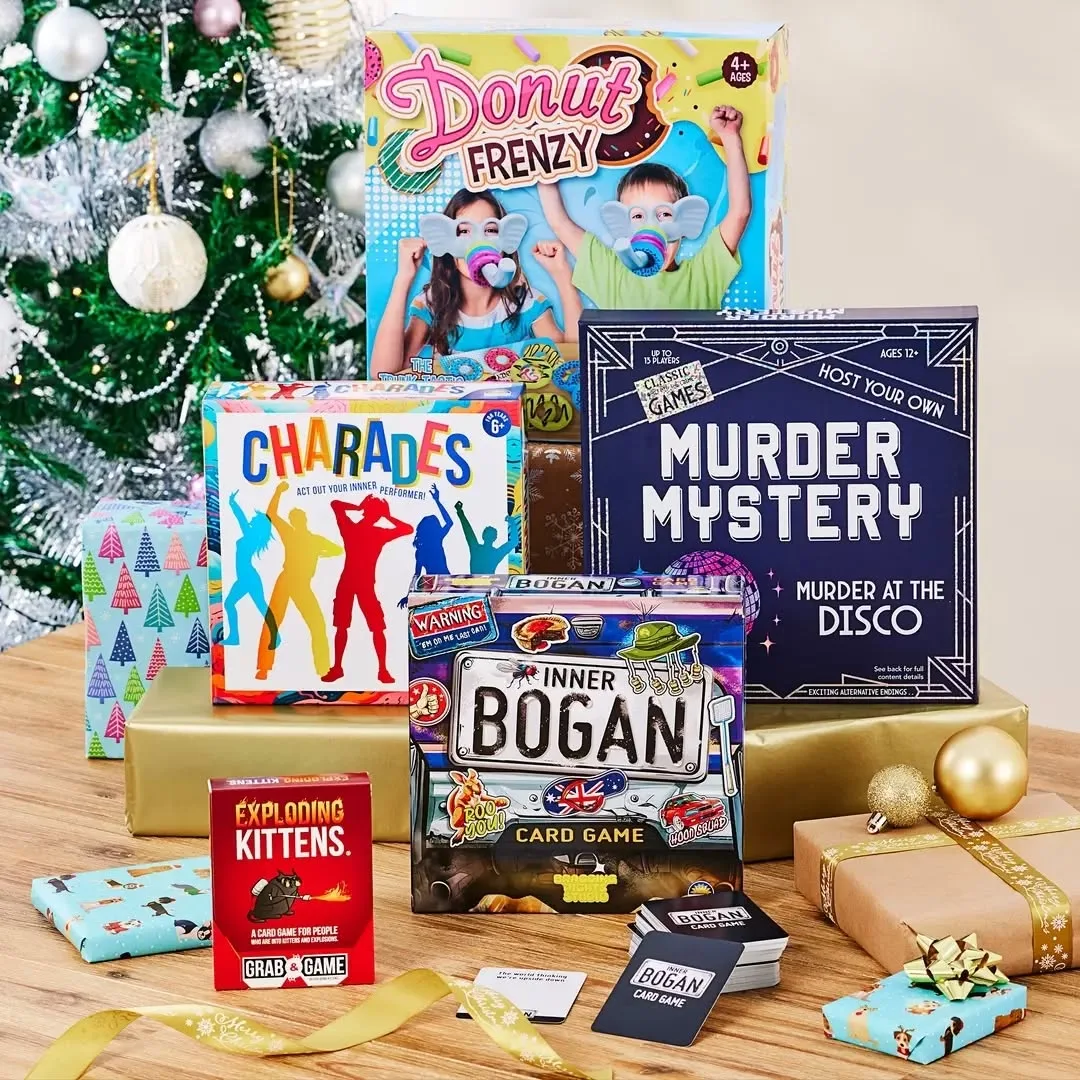
Family game night gifts keep giving long after Christmas, because every match brings laughter, gentle rivalry, and time together without screens. Modern games cover memory, matching, strategy, and teamwork, so nearly every household finds one to fit.
Read the player count and playing time on the box before buying, since a game needing four players fails in a household of two. Cooperative games where everyone wins or loses together suit mixed ages beautifully and keep younger children included.
Gentle matching and memory games suit toddlers and the early school years, while simple strategy and word games delight older children who like outsmarting adults. Teenagers often enjoy bluffing games, quick card rounds, and trivia sets they can play with friends as well as family.
Wrap the game with a small snack selection and a handwritten invitation to the first family match on Boxing Day evening. Scheduling the first game while wrapping paper still covers the floor turns the gift into a lasting weekly habit.
Choosing a game far above the youngest player reading level is the mistake that leaves boxes unopened by February. Check the age guide honestly, favour rounds under thirty minutes for young families, and store pieces in zip bags.
Ride On Toys and Outdoor Play Gifts
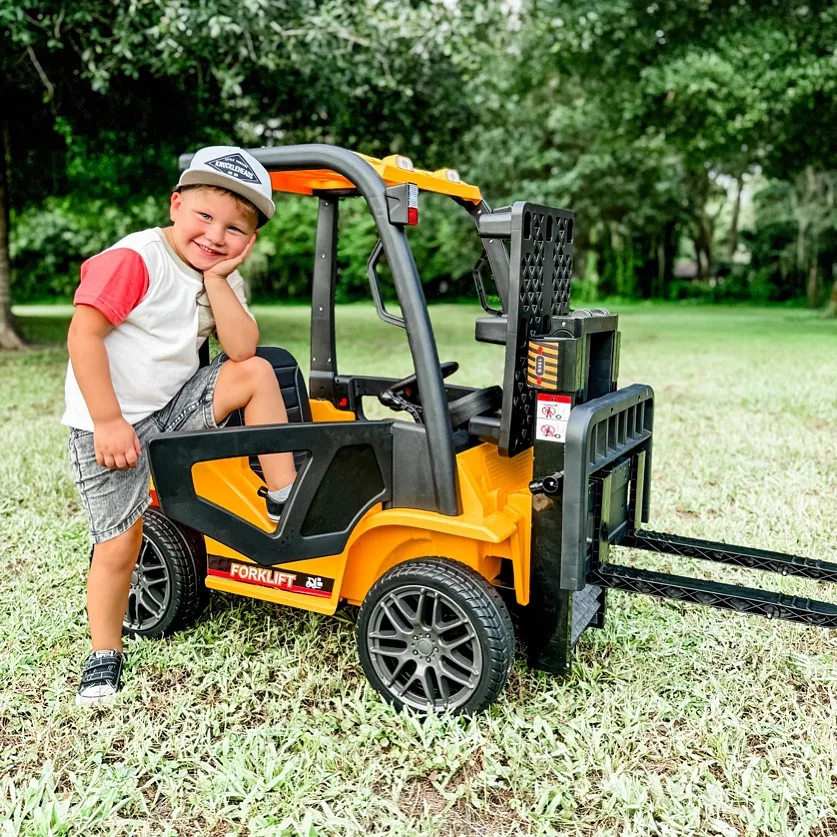
Bikes, scooters, balance boards, and garden games get children moving, and fresh air gifts balance the indoor toys that pile up every December. Outdoor presents suit energetic children beautifully and often become the most photographed gift of the season.
Measure the child rather than guessing, because ride on toys only feel safe when feet reach the ground or pedals comfortably. Helmets and simple pads belong in the same purchase conversation, and sturdy frames outlast flimsy bargains by years.
Toddlers suit stable four wheel riders and push along toys, while early school children love scooters, skipping ropes, and simple ball sets. Older children enjoy bigger bikes, skateboards with proper safety gear, and garden games the whole street can join.
Families with small gardens often choose folding scooters or compact games such as ring toss that store neatly in a shed corner. Planning the first Boxing Day outing gives the present a story before the child opens it.
Forgetting the helmet to save money is the error that turns a joyful gift into a delayed one, because sensible parents then hold the toy back. Buy the safety gear first if the budget feels tight, and let the wheels arrive at a birthday instead.
Books and Story Collections for Kids
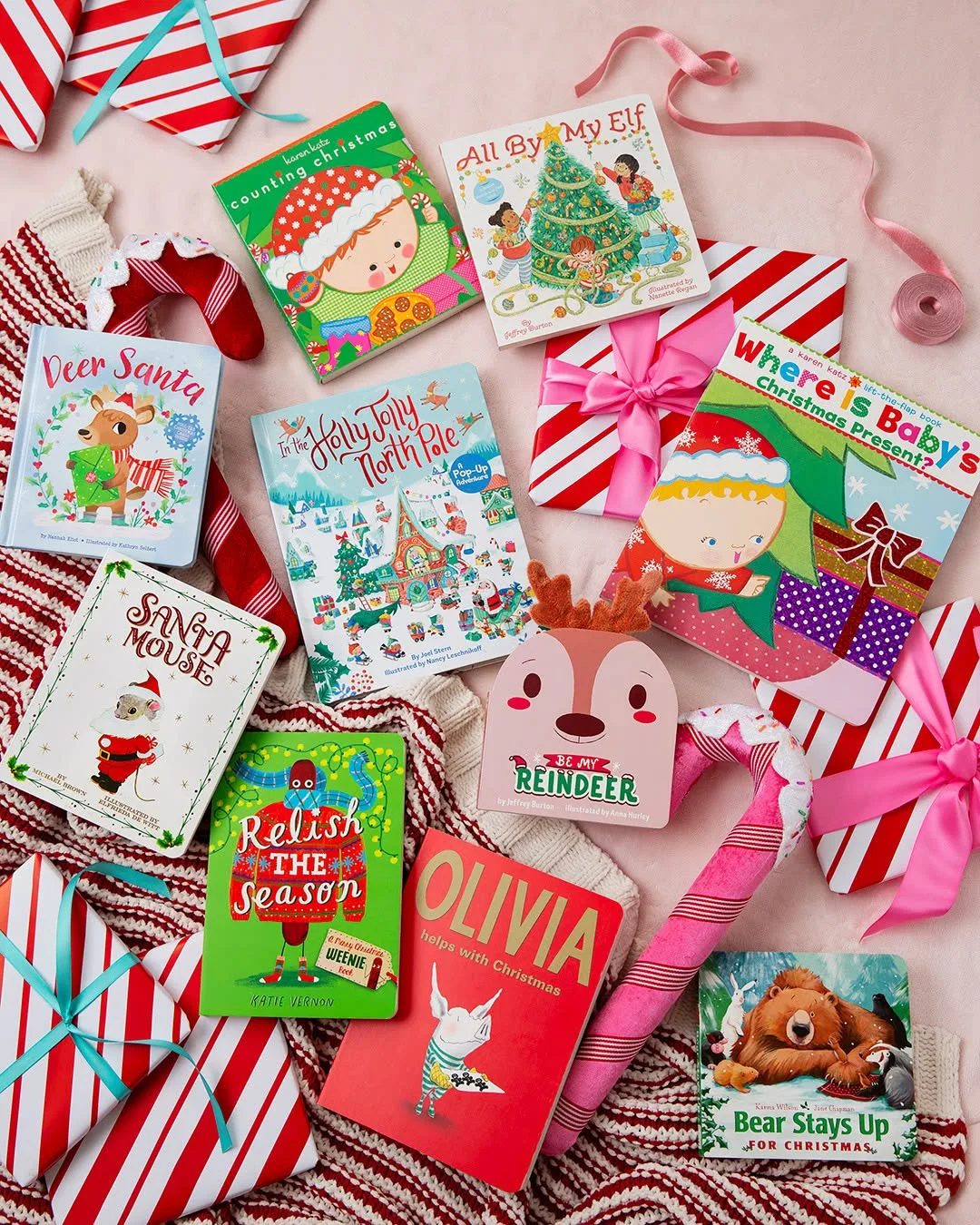
Stories never need charging, never break at the hinge, and travel happily from bedroom shelves to the homes of grandparents. Picture books, chapter adventures, poetry, and fact collections all earn their place, and books remain among the most loved christmas gift ideas for kids.
Match the book to the reader rather than the shelf, because a story slightly below reading level gets finished with pride while one far above it gets abandoned. Series books work, since a child who loves book one will happily read the whole set.
Babies and toddlers suit sturdy board books with flaps and textures, while early school readers enjoy short chapters, jokes, and animal facts. Older children dive into mystery series, sport stories, and big illustrated guides, and teenagers treasure beautiful editions of books they love.
Write a short message inside the front cover with the year and the giver name, and the book becomes a keepsake long after the story is outgrown. Book tokens paired with one wrapped book suit choosy readers who enjoy picking the sequel themselves.
Buying a whole series before the child has tried book one wastes money when tastes differ from expectations. Start with one or two volumes, watch the reaction, and let birthdays and library visits fill the gaps gently.
Plush Toys and Cuddly Comfort Gifts
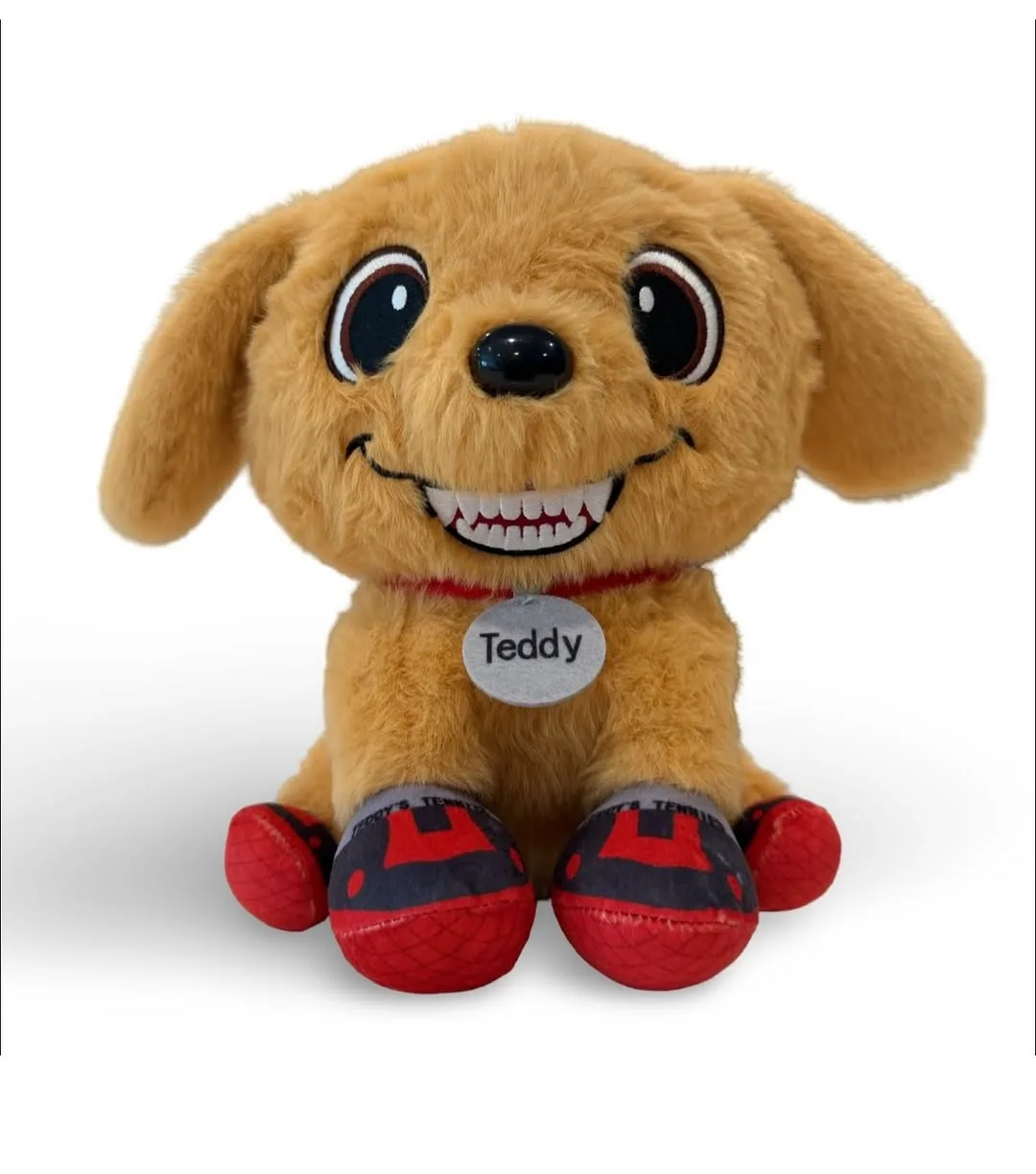
Soft toys offer comfort that few other gifts can match, especially for children facing new schools, new siblings, or long journeys. One well made cuddly friend can anchor bedtime routines for years, and many adults still keep theirs from childhood.
Feel the filling and seams before buying, because firm stitching and washable fabric decide whether the toy survives real life. Sizes around the length of the child forearm hug best, and simple faces with stitched eyes suit babies better than plastic parts.
Babies and toddlers gain the most comfort from plush toys, though plenty of older children quietly love them too. Children who feel deeply or struggle with sleep often bond with one special soft friend rather than a whole shelf.
Matching a plush version of the animal from a favourite storybook creates instant delight and encourages retelling. Grandparents sometimes record a short story in their own voice to go with the toy, and that pairing becomes the gift children remember longest.
Adding a tenth soft toy to a crowded bed is the common mistake, because each new arrival gets less love than the last. Choose one special character with a reason behind it, and let quality and meaning do the work that quantity cannot.
Science Kits and Discovery Sets
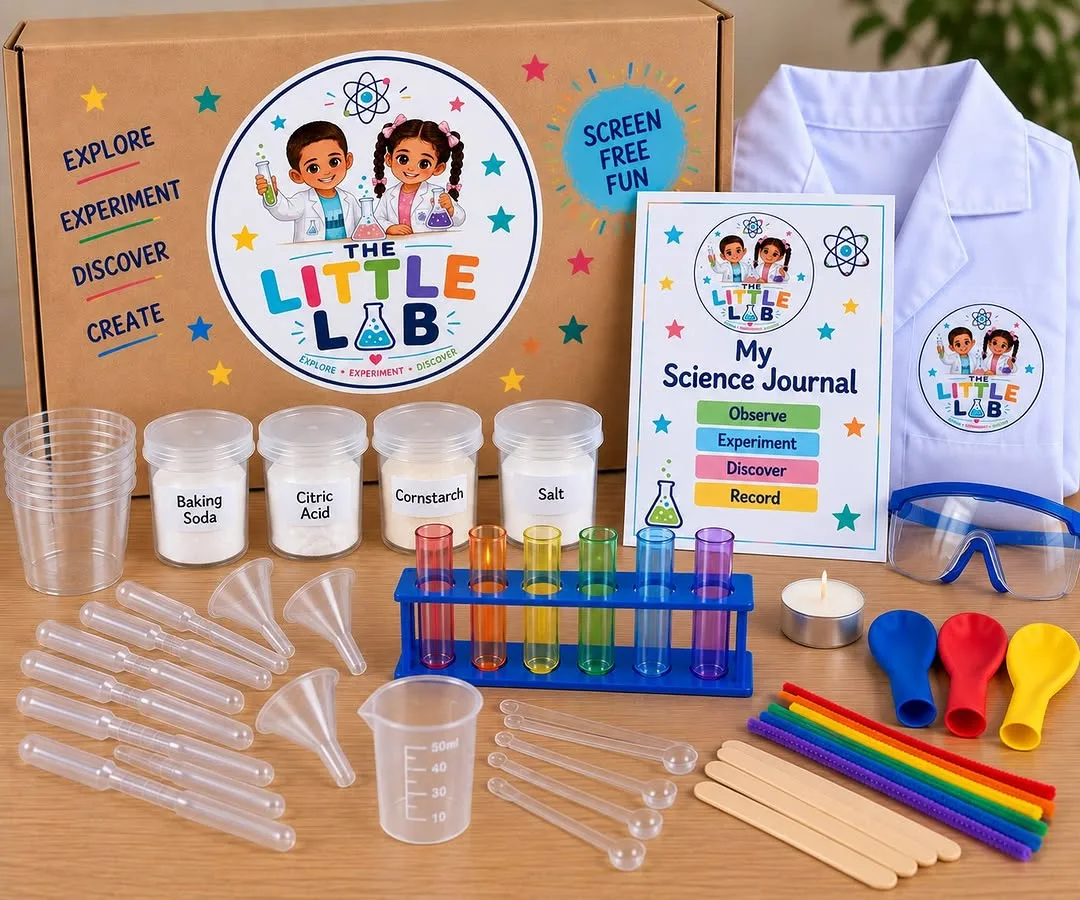
Curious children light up when a gift lets them mix, build, erupt, and discover why things happen. Crystals, simple circuits, weather sets, and nature kits turn kitchen tables into small laboratories and feed the questions that school lessons sometimes leave unanswered.
Check how many experiments the kit truly includes and whether home items complete the rest, because some boxes promise plenty and deliver three quick tricks. Refillable sets and open ended tools such as magnifiers and simple telescopes keep working after the first week.
Younger children suit nature kits, magnets, and colour mixing sets with close adult help, while early school children enjoy volcano kits and simple growing projects. Older children and teenagers handle chemistry sets, robotics starters, and astronomy tools with the patience those projects demand.
Grown ups who promise to join the first experiment give the real gift here, because shared discovery is what children remember. Clearing one shelf or tray for ongoing projects keeps experiments safe and encourages the child to return daily.
Kits with single use powders and no refills disappoint fastest, since the fun ends before the curiosity does. Read the contents list carefully, favour sets with reusable tools, and keep a notebook beside the kit so young scientists record every result.
Dress Up Costumes and Pretend Play Gifts
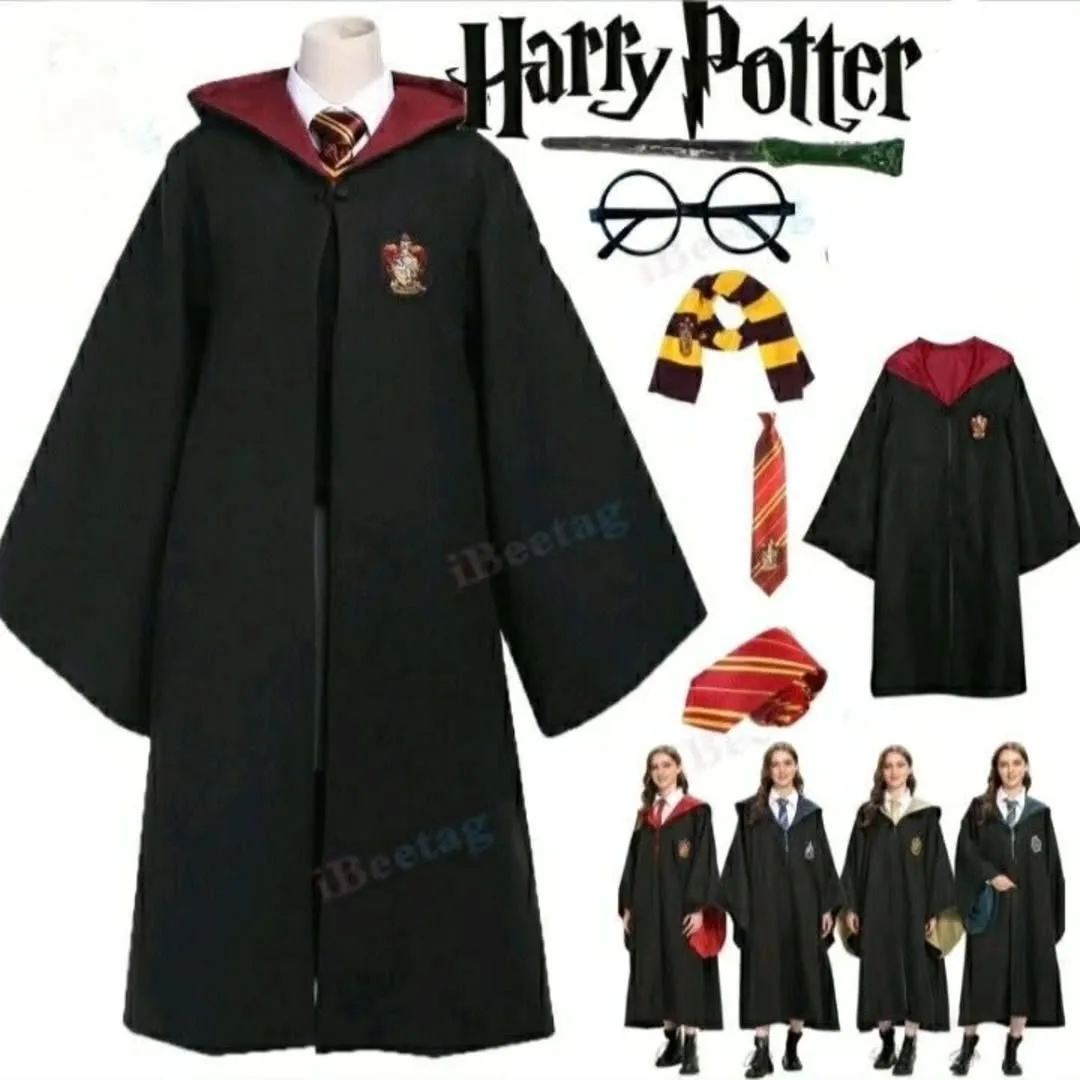
Costumes turn ordinary afternoons into royal courts, rescue missions, and theatre stages in the living room. Pretend play builds language, confidence, and empathy, and a good outfit serves birthdays, school events, and rainy weekends long after the tree comes down.
Choose costumes with simple fastenings children manage alone, because independence keeps play flowing. Adjustable waists, soft fabrics, and room to grow matter more than glitter, and washable materials save the day after outdoor adventures.
Toddlers suit simple capes, hats, and animal ears, while early school children adore full outfits with props such as wands, shields, and tool belts. Older children enjoy theatre style costumes, historical outfits, and pieces they can mix into their own invented characters.
Open ended pieces beat single character outfits for lasting value, since a plain cape becomes a hero, a wizard, and a vampire across one month. One sturdy storage box or a row of hooks keeps the collection inviting instead of crumpled under the bed.
Sizing down to catch a bargain is the mistake that ends play by February, because children grow faster than costumes forgive. Buy the size the child will be in spring, roll sleeves with pride, and choose fabrics that tolerate enthusiastic washing.
First Musical Instruments for Kids
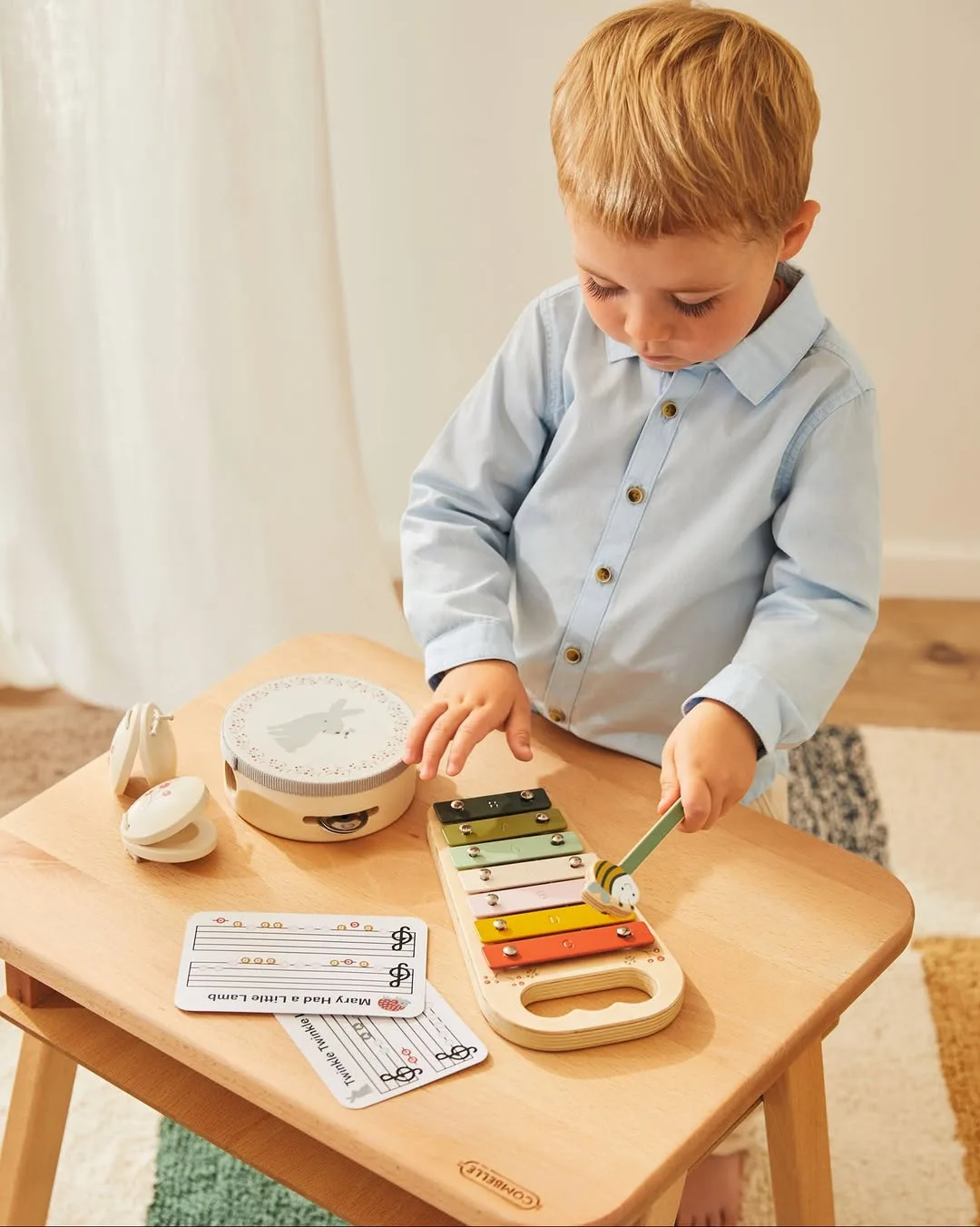
Music gifts open a door that can stay open for life, from a first shaken rhythm egg to a first teenage melody on strings. Small instruments suit Christmas perfectly because they ask for ears and enthusiasm long before they ask for formal lessons.
Start with instruments that sound pleasant in beginner hands, such as ukuleles, harmonicas, small keyboards, and quality hand drums. Borrowed instruments and good second hand finds from trusted sellers let families test interest before spending heavily, and starter lessons make a thoughtful companion gift.
Babies and toddlers suit shakers and soft drums, early school children handle recorders, ukuleles, and small keyboards, and older children with patience enjoy guitars, violins, and beginner drum pads. Children who hum and tap every table are telling you the answer already.
Lessons arranged with a kind local teacher turn an instrument from an object into a journey, and even four starter sessions build real confidence. Songbooks, a simple stand, and a carry case complete the gift without stretching the budget.
Loud instruments bought as a joke rarely stay funny in a small home by the second week of January. Think about neighbours, practice times, and headphone options for electronic instruments, and favour pleasant tones the whole household can enjoy hearing every day.
Jigsaw Puzzles for Every Age
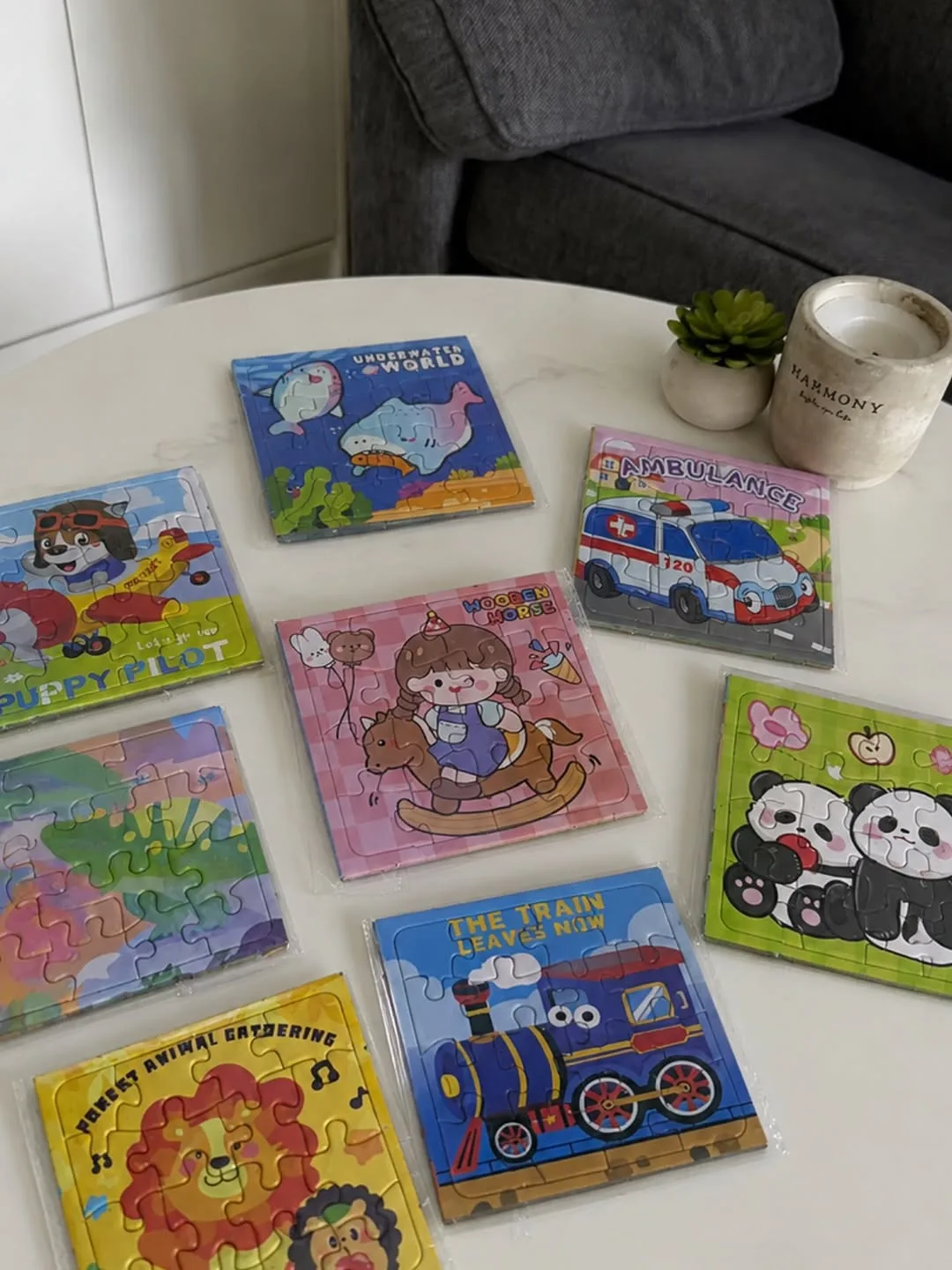
Puzzles reward patience quietly, piece by piece, and they suit children who love order, pictures, and satisfying clicks of success. Few christmas gift ideas for kids serve grandparents and grandchildren together as gracefully as a beautiful puzzle spread across the table during the holidays.
Count pieces honestly against the child age and patience, because a puzzle slightly too easy gets finished with pride while one far too hard gets swept aside. Large pieces suit small hands, and sturdy board prevents early frustration.
Toddlers suit knob puzzles and two piece matching sets, early school children manage fifty to one hundred pieces, and older children tackle several hundred pieces happily. Patient teenagers often enjoy thousand piece landscapes they can frame when finished.
Family puzzles left on a spare table or board invite everyone to add a few pieces across the week, turning one gift into a slow shared project. Photographing the finished scene before breaking it up gives a proud record of the work.
Pretty boxes with flimsy pieces and missing corners are the usual puzzle disappointment, and they teach children to avoid the next one. Buy from ranges known for clean cutting, keep pieces in a sealed bag, and check charity shop puzzles are complete before wrapping.
Sports Gear for Active Kids
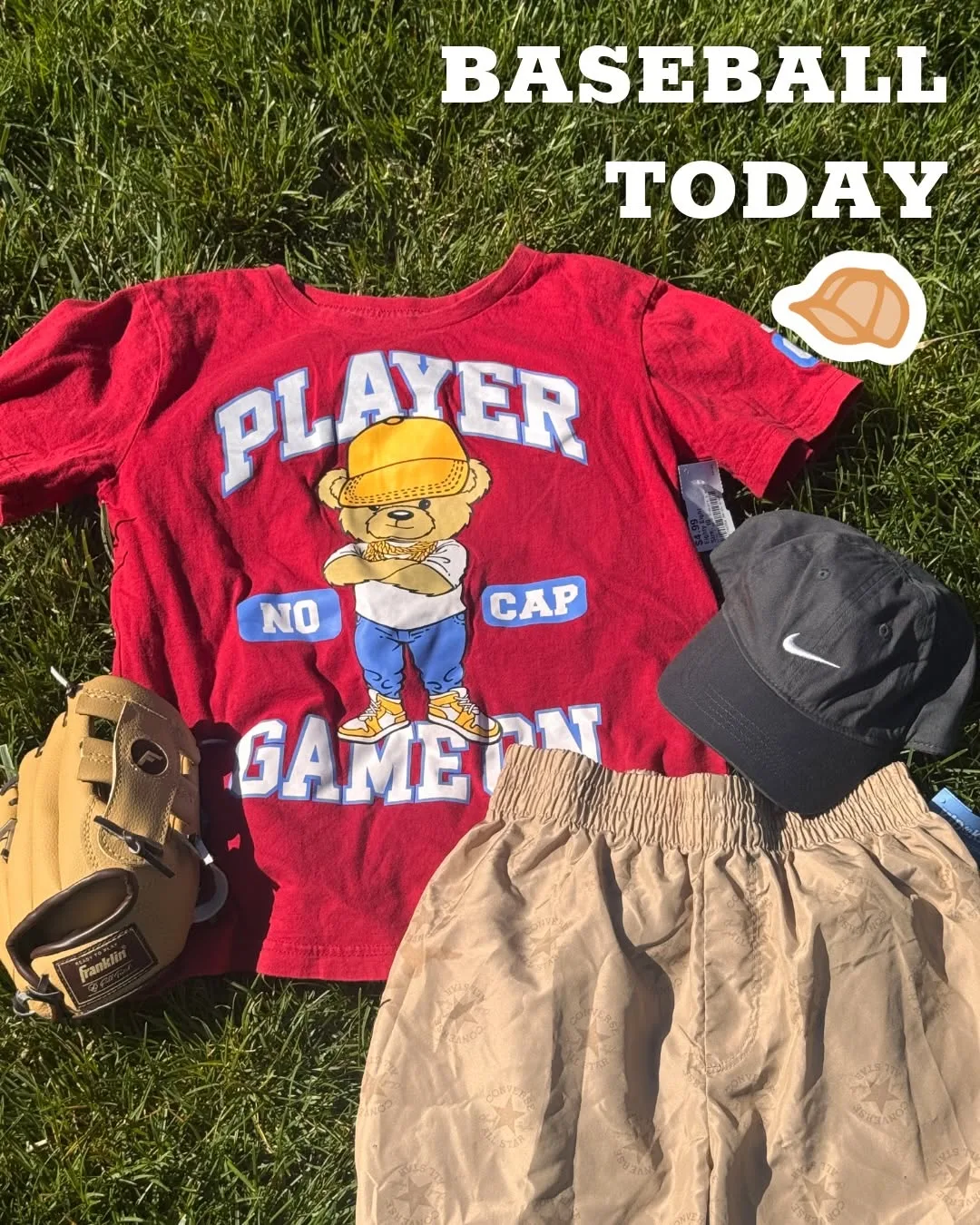
Active children treasure gifts that send them outdoors with friends, from balls and bats to skipping ropes and simple target games. Sports presents support health, teamwork, and confidence, and they often cost less than electronic toys while lasting longer.
Notice which games the child joins willingly at school or in the park, because enthusiasm matters more than parental hopes. Correct sizing decides safety and comfort, so measure feet and hands, choose adjustable gear, and include protective basics the sport requires.
Energetic toddlers suit soft balls, first bats, and mini goals, while early school children enjoy footballs, dance ribbons, and beginner rackets. Older children and teenagers appreciate quality gear for the sport they already love, plus training aids for solo practice.
Club fees for a January taster term make a memorable partner gift, pairing new gear with real coaching and new friends. Even a simple practice diary or a wall chart for personal bests adds motivation that keeps the present alive through spring.
Pushing a child toward a sport only the adult enjoys is the mistake that leaves expensive gear gathering dust by spring. Follow the energy of the child, keep first purchases modest, and let enthusiasm justify bigger spending later.
Dolls and Imaginative Play Sets
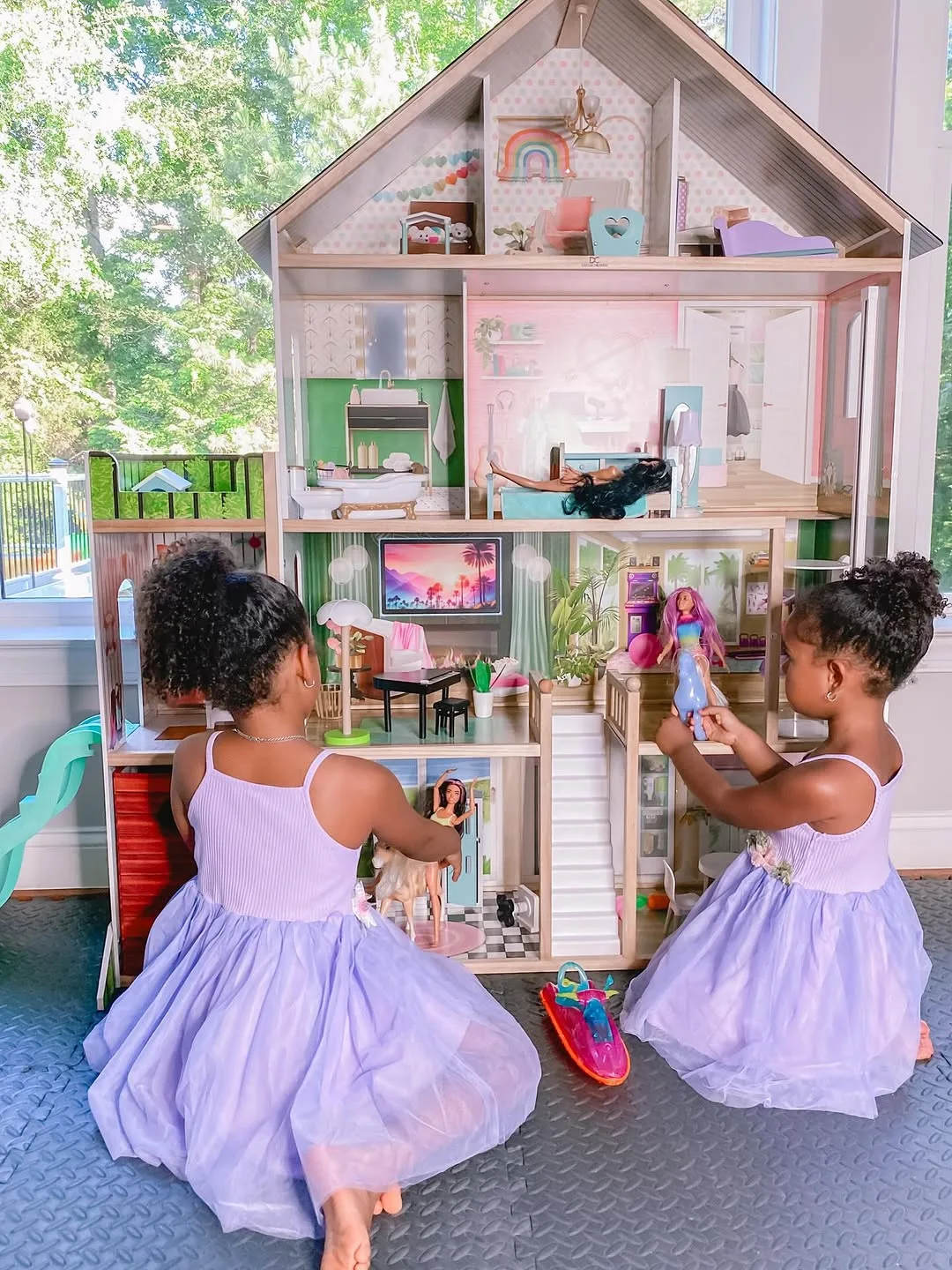
Dolls, figures, and small world play sets let children rehearse kindness, courage, and everyday life through stories they control. Imaginative gifts suit quiet children and dramatic children alike, and the best sets grow as the child invents new chapters.
Think about the stories the child already tells, because a doll that matches those worlds gets played with daily. Sturdy figures with few accessories beat huge sets with fragile parts, and washable dolls survive nursery, travel, and garden adventures.
Gentle toddlers suit soft first dolls with simple faces, while early school children love figures, play houses, and sets with moving parts. Older children often enjoy collectable dolls, detailed miniature worlds, and figures from stories they read, displayed between play sessions.
Handmade dolls and locally stitched clothes carry a warmth that factory sets rarely match, and they often become the keepsake saved for the next generation. Adding one outfit sewn by a grandparent turns a shop bought doll into a family treasure.
Huge play sets that dominate a bedroom floor are the frequent regret, because storage runs out and pieces wander everywhere. Measure the space first, favour sets that pack away, and expand slowly with small additions at birthdays instead of one giant December purchase.
Kids Baking Kits and Cooking Sets
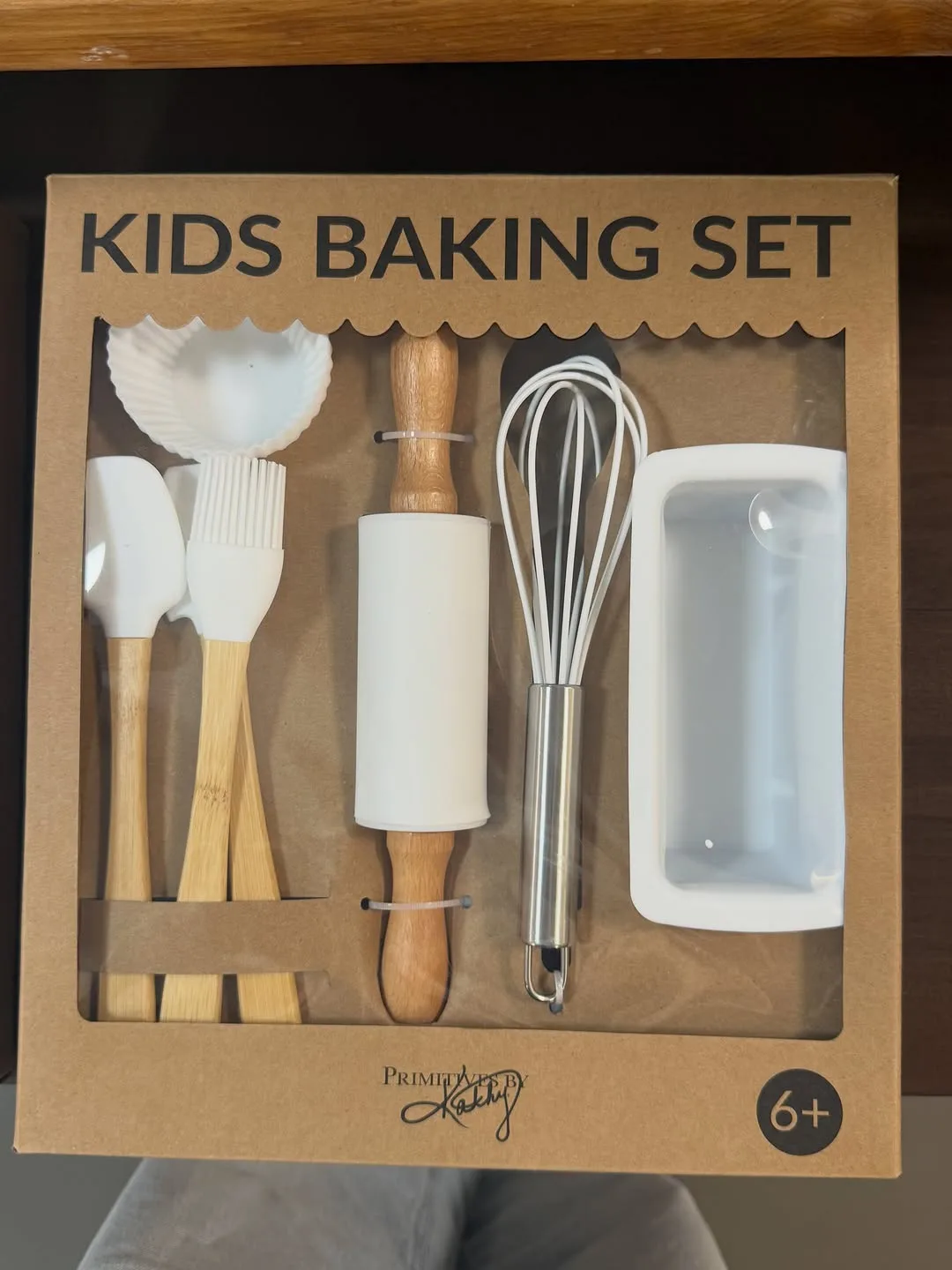
Baking gifts fill the house with good smells and give children the pride of serving something they made themselves. Rolling pins in small sizes, shaped cutters, and simple recipe cards turn a free afternoon into a celebration the family can taste.
Pick tools sized for small hands and ingredients lists that ordinary shops stock all year, because exotic items delay the first bake for weeks. Aprons, mixing bowls in cheerful colours, and a sturdy step stool complete the setup for safe kitchen time.
Young toddlers help with stirring and cutter pressing beside patient adults, while early school children measure, pour, and decorate with growing skill. Older children follow full recipes and bake gifts for friends, and teenagers enjoy decorated cake challenges.
Grandparents score lasting points by pairing a baking set with a promised baking afternoon in January, recipe chosen together in advance. Photographing the first finished batch and printing the picture for the kitchen wall keeps the gift present all year.
Complicated kits needing special tins and rare flavourings frustrate beginners and waste money when they sit half used. Start with biscuits and cupcakes, master simple skills first, and let success at easy bakes build the appetite for fancier projects later on.
Personalized Gifts with Their Names
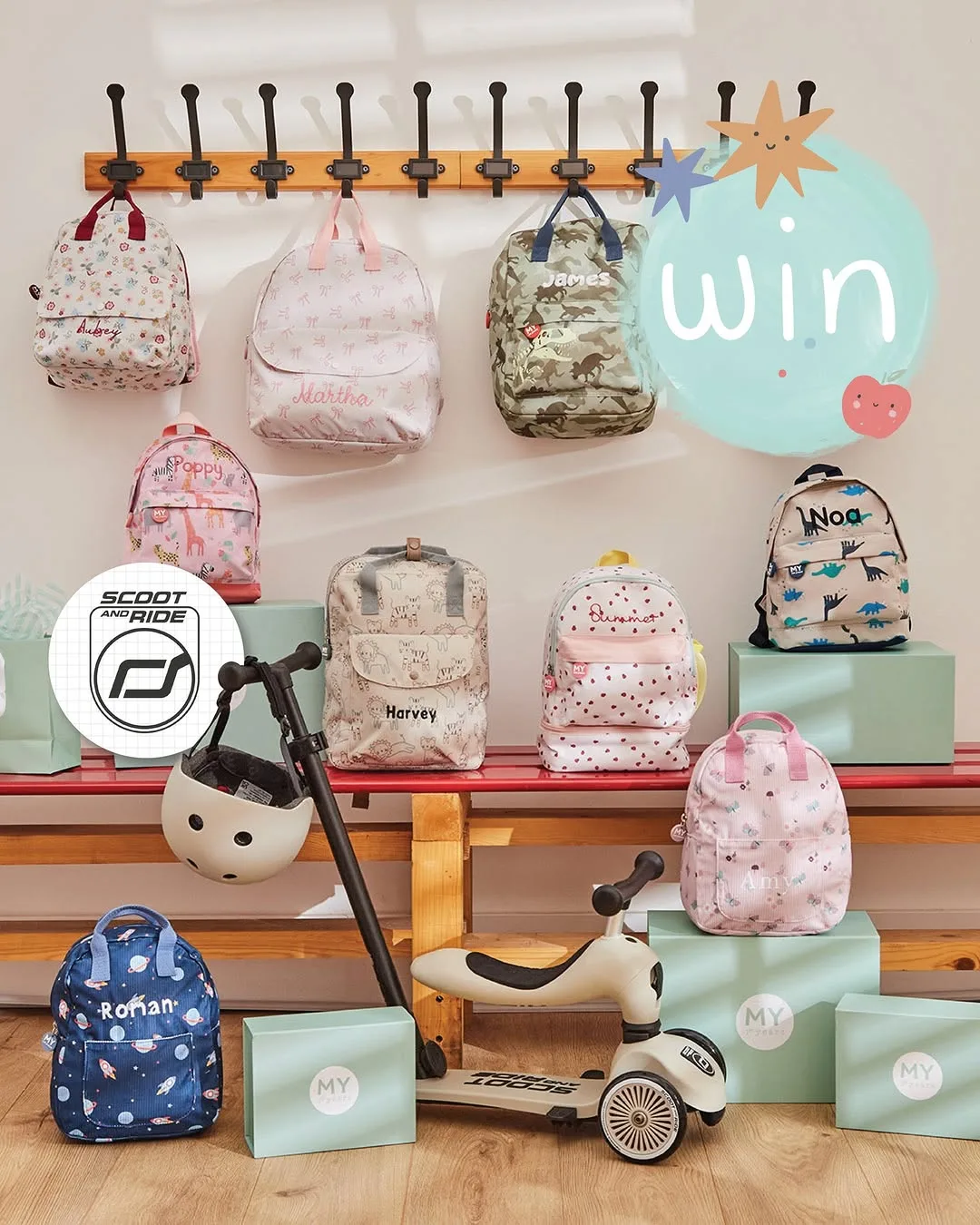
Names carry magic for children, and seeing their own letters on a bag, book, or blanket makes an ordinary present feel made only for them. Personalized gifts suit children who love ownership and order, and they photograph beautifully under the tree on Christmas morning.
Order early in December or late November, because personal making takes longer and busy workshops close their books fast. Double check spelling with another adult before confirming, and choose classic colours and fonts the child will still enjoy in three years.
Proud toddlers adore named towels, cups, and storybooks starring them as heroes, while early school children love named school bags and pencil cases. Older children appreciate named sports bottles, book plates, and room signs, and teenagers enjoy subtle initials on journals and bags.
Storybooks that print the child name and home town inside the adventure delight children every single reading, especially at bedtime with grandparents. Pairing the book with a named bookmark keeps the present small and within a modest budget.
Ordering in the final week before Christmas is the classic personalized gift mistake, because delays leave an empty space under the tree. Keep a small backup present wrapped and hidden, order with weeks to spare, and confirm delivery dates in writing.
Experience Gifts and Family Day Out Vouchers
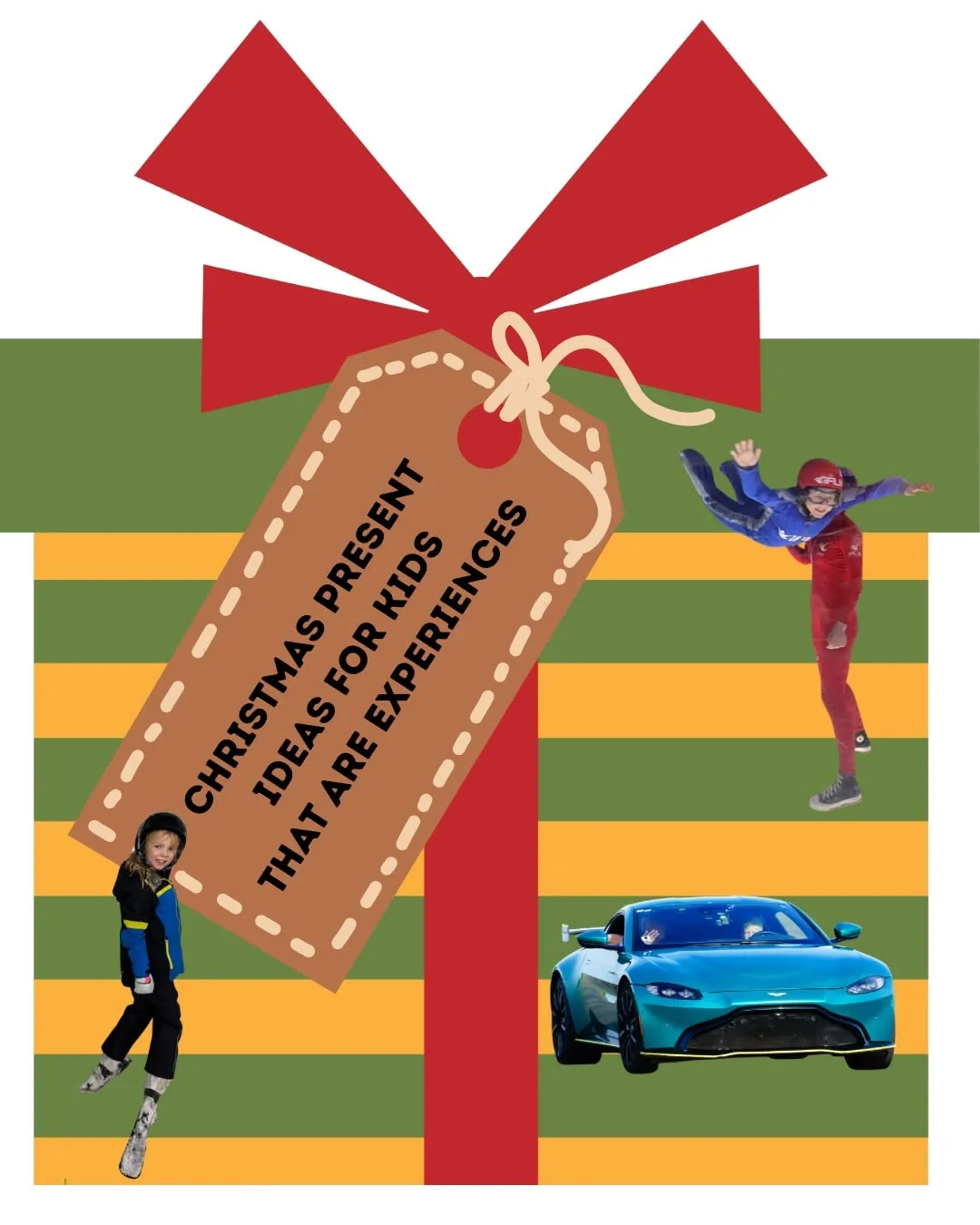
Days out, shows, and shared adventures give children memories instead of objects, and many families treasure them above everything under the tree. Experience presents suit children who already own plenty, and they spread Christmas joy across January and February.
Match the experience to what the child loves, whether that means animals, trains, swimming, theatre, or a favourite museum with dinosaurs. Check travel time, booking rules, and expiry dates before paying, and choose flexible vouchers when plans change often.
Every age can enjoy an experience when grown ups plan it kindly, from toddlers meeting farm animals to older children tackling climbing walls and escape rooms. Teenagers value choice most, so a voucher they steer beats a surprise never asked for.
Wrap a small clue with the voucher, such as a toy animal for a zoo trip or a paper ticket you make together at the kitchen table. Anticipation becomes part of the present, and children talk about the coming day for weeks beforehand.
Vouchers bought without checking expiry dates and travel costs are the mistake that quietly wastes generous money. Read the small print, book the date soon after Christmas, and photograph the day so the memory outlives the voucher.
Common Mistakes to Avoid
Buying for the child you wish you had, rather than the one in front of you, sits behind most disappointing presents. Listen longer, watch real play, and let go of the perfect educational gift when the heart of the child clearly points somewhere else.
Overspending to compete with other relatives or the pile from last year creates January stress and teaches children that love is measured in boxes. Set one honest budget per child, and remember children count thought far more than price.
Ignoring age guidance on boxes causes more tears than almost any other error, because small parts, sharp edges, and hard rules genuinely matter. Treat printed ages as friendly warnings, and save advanced gifts for later birthdays.
Forgetting batteries, chargers, wrapping paper, and gift receipts until Christmas Eve turns calm evenings into midnight scrambles. Keep a small December drawer stocked with the boring essentials, and most festive emergencies quietly disappear before they can start.
Comparing presents between siblings by size or cost invites rivalry on a morning meant for gratitude and shared joy. Fairness means matching thought to each child, not matching price tags, and children accept different gifts happily when each one clearly fits its owner.
Budget Friendly Christmas Gift Ideas for Kids
Second hand bargains in excellent condition stretch every December budget, especially for bikes, games, and construction sets that children outgrow quickly. Charity shops, local selling groups, and family swaps reward patient hunters who start in October.
Homemade gifts carry love that shops cannot sell, from knitted scarves and sewn bags to jars of baking mix with handwritten instructions. Children treasure a present made slowly at home, and one crafting weekend in November can cover several names on the list.
Sharing one larger gift between siblings, such as a game, a puzzle, or a construction set they build together, often delights everyone more than two smaller ones. Agree the plan kindly, and add one tiny personal item for each child.
Books, art materials, and baking ingredients stay kindly priced and suit nearly every name on a family list. Watch for three for two offers in autumn, collect them slowly, and your christmas gift ideas for kids remain generous without a frightening December bill.
Setting a spending cap per child and writing it down before shopping begins keeps kindness from turning into debt. Cash envelopes work beautifully for many families, and stopping when one empties protects January.
Tips for Gift Buying Without the Stress
Start the list in October, noting ideas beside each child name as hints appear in ordinary conversation. Early notes beat December panic every time, and they spread the cost across three pay packets.
Keep one shared note on your phone where grandparents and godparents can see which gifts are already claimed. Duplicates vanish, surprises survive, and nobody repeats a present another relative bought in secret.
Ask children for three wishes rather than one long list, because short lists force real thinking and leave room for your own thoughtful additions. Children feel heard, and buyers gain freedom to choose quality within budget.
Shop on quiet weekday mornings when staff have time to advise and shelves still hold the good sizes. Online baskets benefit from a one day pause, since impulse choices look less charming after sleep.
Wrap presents as they arrive instead of facing one mountain on the final evening before Christmas. Ten calm minutes across several weeks feels pleasant, protects surprises, and leaves Christmas Eve free for family time.
Remember that presence beats presents on the day itself, because children recall who played the game, read the story, and joined the bake far longer than they recall packaging. Calm adults, warm food, and unhurried time are the christmas gift ideas for kids that never appear in any catalogue.
FAQ
How many gifts should a child receive at Christmas?
Quality beats quantity for most families, and many parents follow a gentle pattern of something wanted, something needed, something to wear, and something to read. Four thoughtful presents feel generous without overwhelming young children.
What if a child asks only for one expensive gift?
Families often club together for one big wish, with grandparents and aunts adding smaller surprises around it. Clear agreement in November prevents disappointment, and a shared savings jar teaches patience while the present becomes possible.
How do I choose gifts for children I rarely see?
Books, craft kits, and experience vouchers forgive distance best, because they suit wide age bands and post easily. One short call with the parents reveals sizes, obsessions, and duplicates already hiding at home.
Are gift cards a good present for children?
Older children and teenagers often love the freedom of choosing, while younger children prefer opening something real on the day. Pair a modest card with one small wrapped item and both joys arrive together.
When should I start buying Christmas gifts?
October and November offer the calmest shelves, fairest prices, and widest choice of sizes and colours for patient buyers. Spreading purchases across autumn also spreads the cost, and early buyers avoid the December rush that empties both shops and tempers.
What makes a gift memorable for a child?
Thought is the ingredient children remember, the sense that the giver noticed exactly who they are this year. A modest present matched to a real passion, plus time spent enjoying it together, outshines expensive guesses every Christmas.
More Ideas to Explore
Pretty wrapping makes any present feel more special, and these christmas gift wrapping ideas turn paper and ribbon into part of the gift. If your family or office runs a swap this year, these christmas gift exchange ideas keep the game fair, fun and simple to organise. Little stocking fillers deserve thought too, so browse these christmas stocking ideas for small surprises that delight children and adults. And if you love giving edible presents, these christmas baking ideas fill jars and boxes with homemade treats.
Conclusion
Choosing well comes down to knowing the child, trusting honest observation, and buying the best quality your budget allows. Fifteen gift types in this guide cover toddlers to teenagers, and each rewards thought far more than hurried December spending.
Lists written early, budgets kept kindly, and family members working from one shared plan remove most of the stress from December. Mistakes shrink, duplicates disappear, and buyers reach Christmas week calm enough to enjoy the season too.
Children remember the feeling around a gift long after the object itself wears out, breaks, or gets outgrown. Warm mornings, shared games, stories read aloud, and adventures form the memories that carry into adulthood.
Keep this guide beside your list, trust your knowledge of each child, and let your christmas gift ideas for kids be guided by love rather than pressure. May your wrapping be easy, your budget be safe, and your Christmas morning be full of the right smiles. Share these christmas gift ideas for kids with grandparents and godparents too, so every gift under the tree feels chosen with care.