

Christmas Gift Exchange Ideas That Keep Everyone Laughing
Gift exchanges sound simple on paper, yet anyone who has hosted one knows the small chaos that follows. Someone brings a joke gift, someone else brings a luxury candle, and one person forgets the whole plan until the morning of the party. Good planning turns that chaos into the funniest part of the evening.
Strong christmas gift exchange ideas share three things: clear rules, a fair spending limit, and a format that keeps everyone involved from start to finish. Nobody wants to sit and watch other people open presents for an hour. You want laughter, a little friendly stealing, and gifts people actually enjoy taking home.
Inside this guide you will find fifteen christmas gift exchange ideas for families, friends, coworkers, and kids. Each idea explains how the game works, what you need to prepare, who enjoys it most, one real example, and one mistake that can spoil the fun. Pick the format that fits your group and set the rules early.
What Are the Best Christmas Gift Exchange Ideas for a Mixed Group?
Simple answer: Secret Santa with a wish list, a White Elephant swap, and a dice game suit almost any mixed group. Each of the best christmas gift exchange ideas keeps the budget clear, gives everyone a turn, and ends with every guest holding a gift they chose or fought for fairly.
Picture a family party with grandparents, teenagers, and three coworkers who barely know each other. Secret Santa covers the thoughtful gifts, White Elephant brings the laughter, and one quick dice round at the end lets shy guests join in without pressure. Groups that mix two formats rarely run out of energy.
Secret Santa with a Wish List
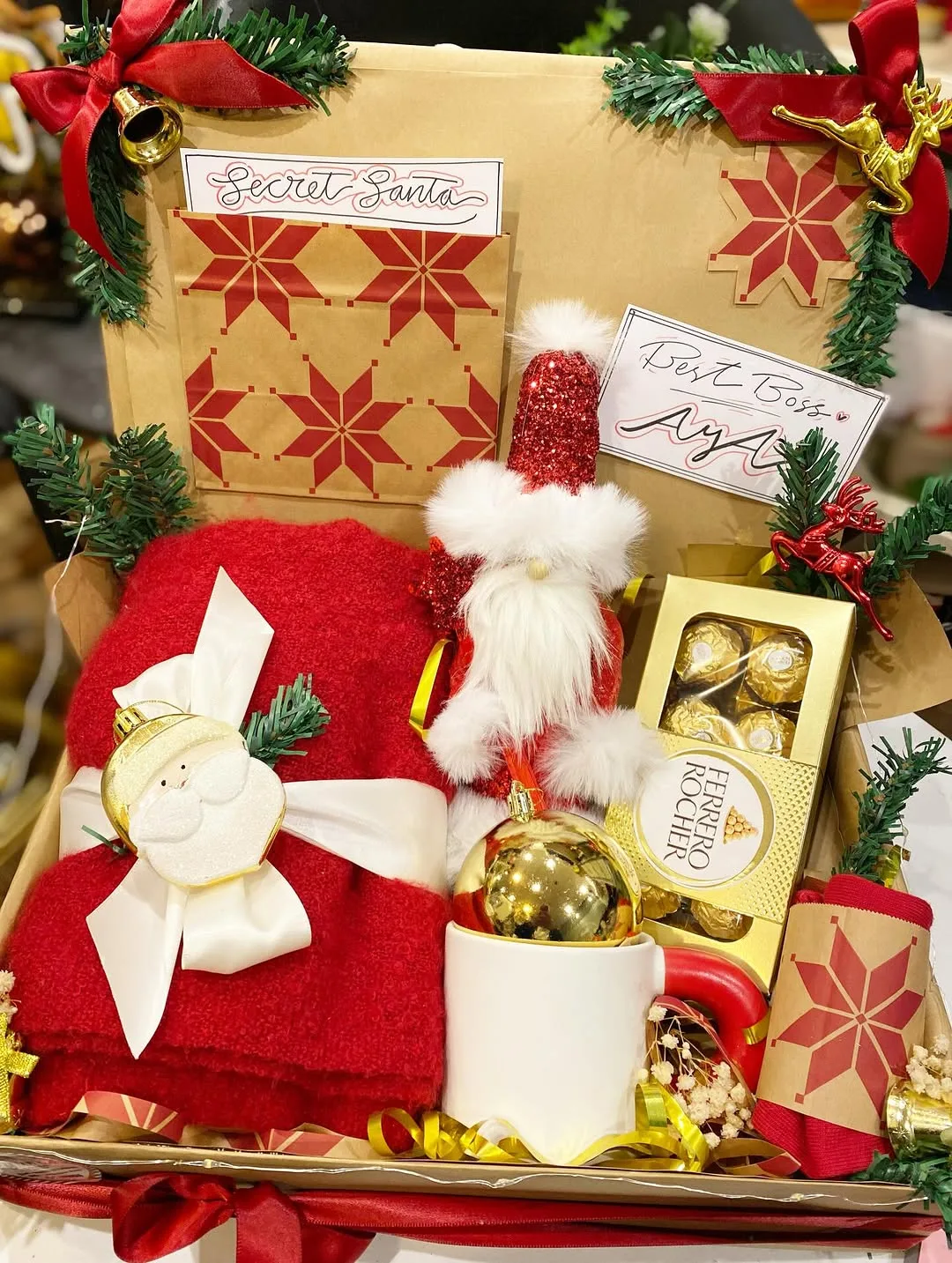
Drawing names in secret gives every guest one clear job and keeps spending fair across the whole group. Each person buys for one person only, so guests can put real thought into a single gift instead of grabbing small things for everyone. Wish lists remove the guessing and raise the quality of every present in the pile.
Set the spending limit before anyone draws a name, and share three wish list ideas from each guest with the group chat or a folded note. Draw names at least two weeks early so people can shop calmly. Keep one spare generic gift in a drawer in case somebody drops out at the last moment.
Close families, office teams, and friend groups who know each other fairly well suit Secret Santa best. People enjoy hunting for one perfect item, and shy guests relax because nobody watches them open a gift in front of a crowd. Groups bigger than twenty people should split into smaller circles so names stay manageable.
Last year my cousin drew our uncle, checked his wish list, and found a request for a warm scarf and dark chocolate. He opened both at the table, wore the scarf all evening, and told everyone it was his favorite gift of the season. Three other guests quietly asked who had organized the draw.
Forgetting to share the wish lists ruins the whole point of the format and sends buyers back to blind guessing. Send the lists the same day as the draw, not the night before the party. One reminder message a week later keeps late shoppers on track without nagging anyone in front of the group.
White Elephant Swap with Stealing Rules

Every guest brings one wrapped gift, and players take turns opening a new present or stealing one that somebody else already opened. Stealing creates the drama, and the drama creates the laughter. Nobody knows who will go home with the funny gift, the useful gift, or the strange one nobody can explain.
Explain the stealing rules before the first gift opens, especially how many steals one gift can suffer in a single round. Most groups allow three steals per round, then the gift locks. Place all gifts in the center where everyone can see them, and draw numbers from a hat to fix the order fairly.
Friends, coworkers, and adult family groups suit White Elephant best because the teasing stays friendly and quick. People who enjoy games and gentle competition light up during the stealing rounds. Keep very young children out of the steal pile, since losing a gift they just opened can end in real tears.
One office party turned legendary when a rubber duck in a Santa suit got stolen eleven times across the evening. The final holder took it home proudly, and the duck now sits on her desk all year. People still talk about that duck more than any expensive gift exchanged that night.
Letting one gift get stolen endlessly stretches the game until guests stop caring and start checking their phones. Cap the steals, set a loose time limit, and keep the pace moving. End the game while people still laugh, then let the first player swap once at the very end as a final twist.
Gifts in a Mug Exchange
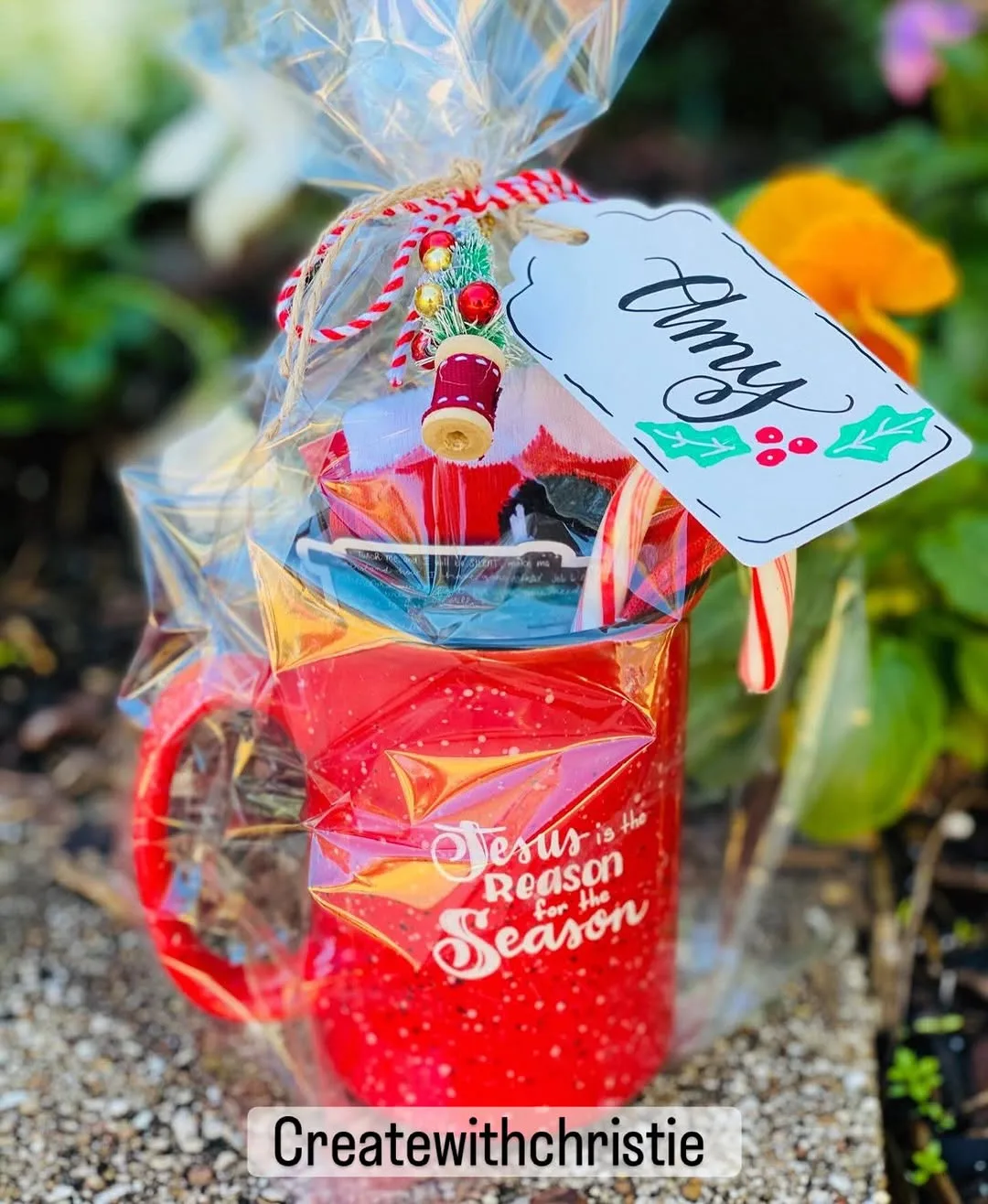
Each guest fills one mug with small treats and tiny gifts, wraps the whole thing, and brings it to the swap pile. Mugs keep every present roughly the same size and value, which removes the awkward gap between generous gifts and tiny ones. Opening a mug feels like opening five little presents at once.
Choose sturdy mugs that survive hot drinks, then fill them with candy, tea bags, lip balm, socks, or a small ornament. Wrap each mug in clear film or a gift bag so the shape stays hidden and parts stay together. Remind guests to skip anything that melts fast or leaks during the party.
Small gatherings, book clubs, and workplace teams suit the mug exchange because shopping takes one quick trip. People with tight budgets also relax, since a mug and small fillers cost little yet look generous. New neighbors or new coworkers join easily because nobody needs deep knowledge of the person receiving the gift.
During our street party last December, one mug held hot chocolate mix, a candy cane, and a tiny notebook with a kind note inside. The teenager who opened it read the note aloud, and the whole table agreed it beat the pricey gifts. Two guests asked for the idea to use at their own parties.
Packing mugs with fragile items invites breakage before the gift even reaches the party. Cushion the inside with tissue paper, keep heavy items at the bottom, and carry mugs upright in a box. Hosts should keep two spare mugs ready in case one arrives cracked and a guest feels embarrassed.
Home Made Gifts Only Exchange

Banning shop bought gifts sounds strict, yet the rule sparks more creativity than any other exchange format. Guests bake, build, sew, paint, or write something small, and every present carries a story. People treasure a jar of home made jam or a knitted scarf far longer than a generic candle from a store shelf.
Give guests at least three weeks of warning, because home made gifts take time and nobody enjoys panic crafting at midnight. Suggest easy options in the invitation, like baked biscuits, bath salts, photo frames, or a playlist with a handwritten track list. Set a rough value guide based on ingredient or material costs only.
Crafty families, sewing circles, and close friends suit this exchange best because skills and humor matter more than money. Grandparents shine here, since their recipes and handmade pieces carry real family value. Competitive cooks also love the format, and the tasting alone can turn into a friendly side contest.
My neighbor knitted a slightly crooked scarf, apologized for the wobbly edge, and watched it become the most fought over gift of the night. The winner wears it every winter and calls the wobble its signature. Meanwhile the expensive looking gift sat unclaimed until the final round of the evening.
Judging home made gifts harshly kills the spirit faster than any other mistake on this list. Keep comments kind, praise effort over polish, and ban scoring or rankings completely. Remind guests that a simple gift made with care beats a fancy gift made with stress, especially for younger makers.
Book Swap with Wrapped Covers
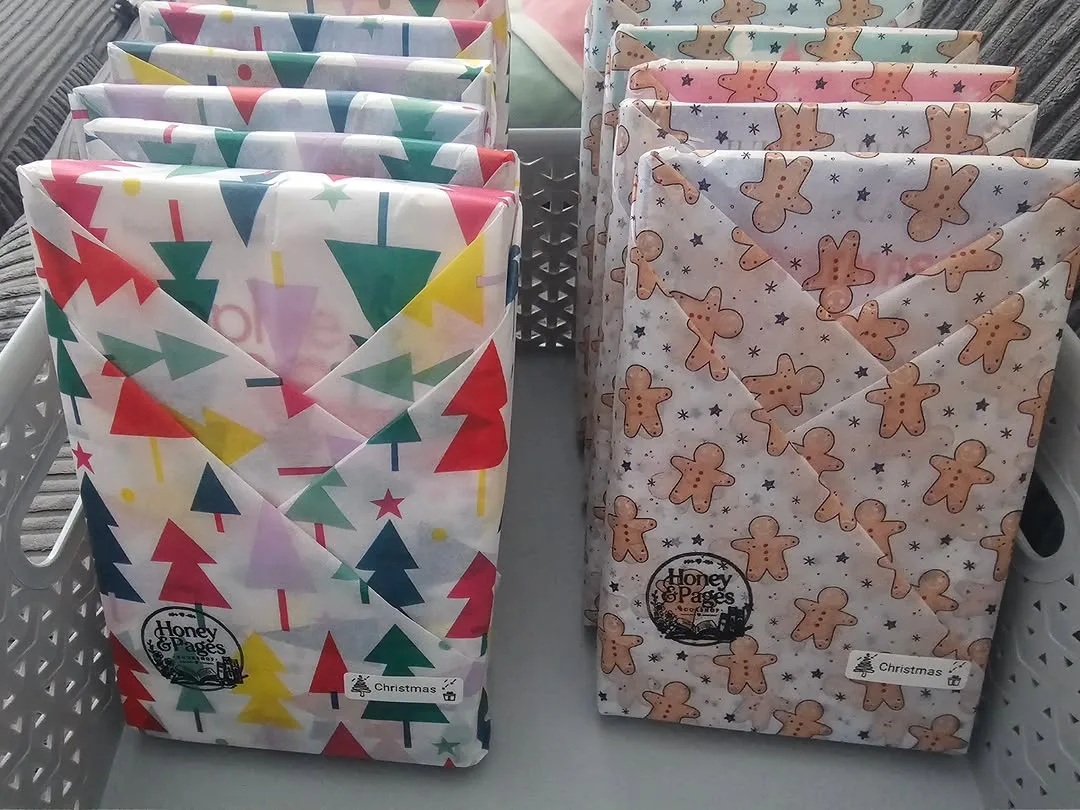
Wrapping book covers in plain paper hides titles and authors, so guests choose by instinct, size, and the short clue written on the front. Mystery does the entertaining here. Readers love the gamble, and non readers often join because the guessing game feels fair for everyone at the table.
Ask each guest to bring one book they enjoyed and would happily pass on, wrapped with a three word clue like funny, sad, or adventure. Used books from home shelves work perfectly and cost nothing. Keep a small pile of spare books ready for guests who forget or arrive straight from work.
Reading groups, teachers, and families with older children suit the book swap best. People who trade recommendations all year finally get a game built around their habit. Quiet guests also thrive, because choosing a mystery parcel feels easier than performing in a loud stealing game.
At my sisters party, a heavy parcel labeled short and strange turned out to be a book of ghost stories that passed through four hands before settling. The final reader finished it by New Year and lent it back around the group. That single book started a small reading circle in January.
Bringing damaged or dull books as a joke backfires, because the receiver feels mocked instead of amused. Set one simple rule: bring a book you would gift to a friend, not one you want to throw away. Hosts can quietly swap out any sad looking parcel before the game begins.
Gift Auction with Play Money
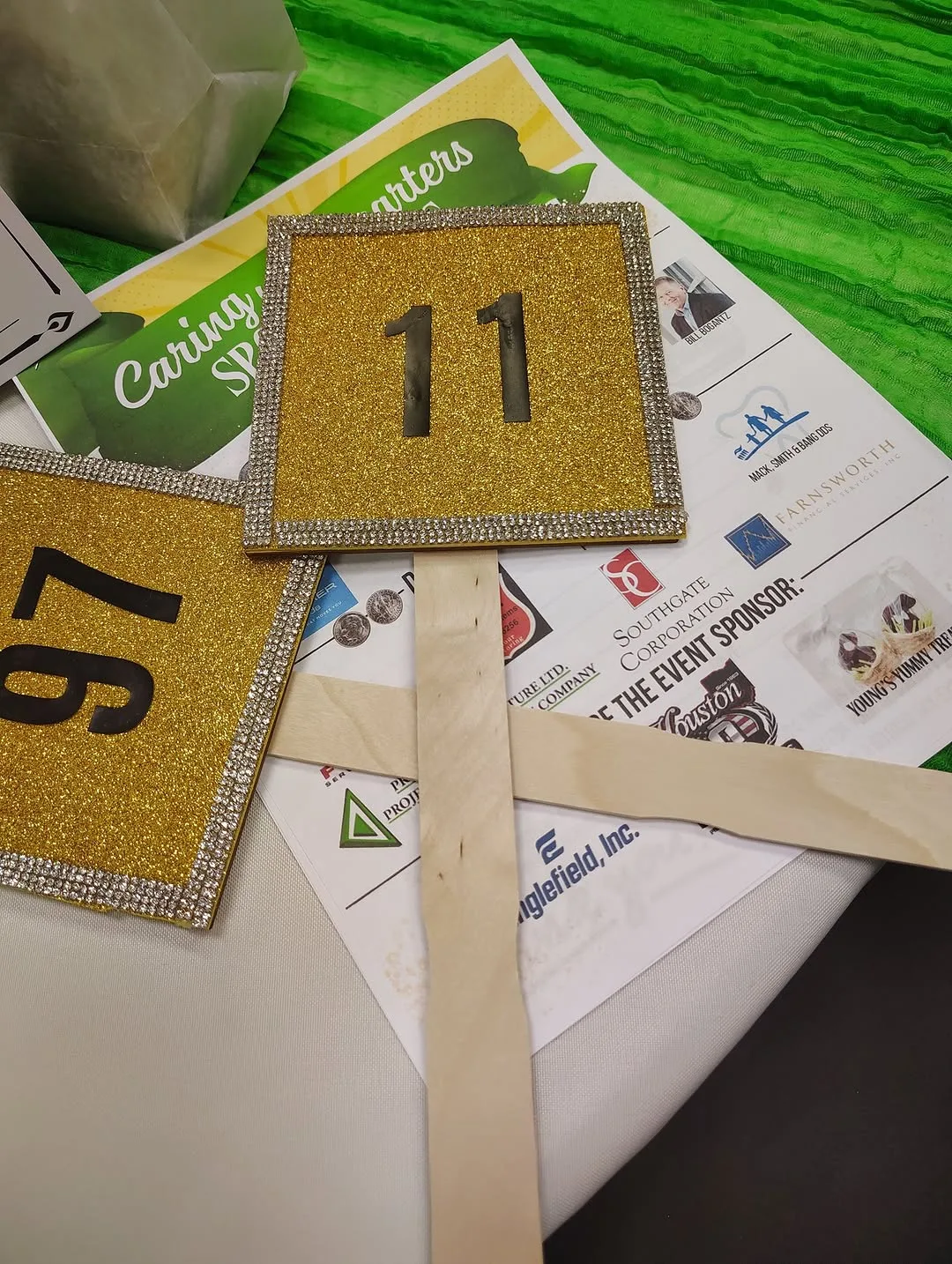
Handing every guest the same stack of play money turns the exchange into a cheerful auction where wrapped gifts go to the highest bidder. Bidding wars over mystery parcels create huge laughs, and quiet guests can win big with smart timing. Nobody needs real money, so the stakes stay fun and fair.
Print simple paper notes or use poker chips, and give everyone an equal pile before the first parcel appears. The host auctions gifts one at a time, shaking each parcel and offering one tiny clue about weight or sound. Set a quick countdown for final bids so the game keeps moving all evening.
Loud friend groups, student parties, and big family gatherings suit the auction best because bidding needs energy and crowd noise. People who love game shows settle in fast. Smaller children may struggle with the bidding pace, so pair them with an adult who shares the play money pile.
One Christmas our family auctioned a mysterious long parcel that rattled, and cousins pooled their notes to outbid everyone. Inside sat a wooden spoon set and a note saying master chef starter kit. The whole room howled, and the winners still use those spoons every single week.
Starting bids too high drains play money early and leaves late parcels selling for almost nothing, which flattens the ending. Begin low, let bids climb naturally, and save two or three funny parcels for the final rounds. Auctioneers should also cap joke bidding wars with a friendly final call.
Left Right Story Game Exchange

Guests sit in a circle holding wrapped gifts while one person reads a funny story packed with the words left and right. Every time the story says left, gifts pass left, and right sends them the other way. The passing speeds up, gifts blur, and nobody knows which parcel they will hold when the story ends.
Find a ready made left right story online or write a short one about your own group, full of names and silly moments from the year. Keep the story near five minutes long so arms stay fresh. Everyone opens the gift in their hands at the final line, at the same moment, which makes a great photo.
Big mixed groups suit this game best, especially parties where guests barely know each other and need one shared activity. Church groups, school staff parties, and family reunions all use it well. Because luck decides everything, nobody can feel targeted or outplayed by stronger personalities.
When our team played last year, one gift traveled around the circle nine times before landing with the newest staff member. She opened a puzzle set, laughed that luck had trained her already, and finished it by Boxing Day. The story now gets read every year by popular demand.
Reading the story too slowly kills the chaos that makes the game funny, so practice the pace once before the party. Print two copies in case the reader loses a page in the noise. Keep fragile gifts out of this round, because parcels get dropped and squeezed in the passing frenzy.
Charity Exchange for a Local Shelter

Instead of swapping gifts with each other, guests bring presents that go to a local shelter, food bank, or children home after the party. Many groups find that giving together feels better than receiving another candle. Among christmas gift exchange ideas, the charity format gives the evening a warm center that guests remember all year.
Contact the shelter first and ask what they truly need, then share that list with guests so every gift lands well. Warm socks, gloves, toiletries, toys, and tinned treats usually top the lists. Set one table for donations, photograph the pile, and deliver everything together before Christmas Eve.
Schools, workplaces, faith groups, and big families suit the charity exchange best because many hands fill a donation table fast. People who say they need nothing gain a way to join the season without clutter at home. Children also learn the habit early when they help choose and wrap the gifts.
Our office collected forty small gifts last year after the manager shared the shelter wish list in November. Staff wrapped them during lunch breaks, and two volunteers delivered the boxes on the final workday. The thank you photo from the shelter now hangs in the office kitchen all year round.
Skipping the shelter wish list leads to kind but useless donations that staff cannot hand out. Always ask first, respect age and safety rules for toys, and avoid used items unless the shelter accepts them. One quick email in November saves the shelter hours of sorting in December.
Food and Treats Only Exchange

Limiting gifts to food and treats makes shopping simple, wrapping easy, and the results delicious. Guests bring biscuits, chocolates, jams, nuts, or small cakes, and the swap pile smells wonderful before anyone opens a thing. Nobody goes home with clutter, and the host gains a dessert table almost by accident.
Share a short list of banned items, like alcohol or nuts, when allergies or house rules matter, and ask guests to label anything home baked. Keep gifts small enough to swap fairly, roughly the size of a shoebox or less. Chill anything that needs a cold bag until the moment of the exchange.
Bakers, snack lovers, and families with mixed budgets suit the treats exchange because a small spend still brings real pleasure. Office groups enjoy it too, since food gifts feel safe for coworkers you barely know. People who travel light after the party also win, because treats vanish happily within days.
One guest wrapped a small jar of spiced nuts with a ribbon and a joke label warning about heat. The jar passed through three steals in the swap, and the final holder guarded it like treasure. Empty by the next morning, the jar now holds buttons and a story.
Ignoring expiry dates and storage needs spoils food gifts faster than any other mistake in this format. Remind guests to check dates, seal jars well, and keep cream based treats in the fridge. Hosts should set one cool corner for the swap pile, away from radiators and curious pets.
Dice Game That Moves the Gifts

Rolling dice to decide who swaps, steals, or passes gives the exchange a burst of energy that quiet groups often need. Every roll changes the pile, and even guests holding plain gifts stay hopeful until the final throw. Dice remove hard feelings too, because chance, not a person, takes your gift away.
Write the dice rules on one card before the party: roll a six and swap with anyone, roll a two and pass left, roll doubles and steal. Keep the card visible in the center so nobody argues mid game. Play three or four full rounds around the circle, then let everyone open gifts together.
Energetic families, youth groups, and parties with teenagers suit the dice game because movement keeps attention high. Groups that found Secret Santa too quiet last year often switch to dice and never go back. Hosts with limited space should clear the floor so people can reach across safely.
My brother printed the rules on a big card, and by round two even our quiet grandfather was plotting his next steal. He rolled doubles at the perfect moment and claimed the gift he had eyed all evening. Nobody believed his innocent smile for the rest of the night.
Changing rules mid game creates arguments that linger longer than the party itself. Fix every rule before the first roll, write the card clearly, and let the host act as referee for odd cases. Short rounds also protect the fun, so stop while energy is high rather than rolling on.
Ornament Exchange for the Tree

Each guest brings one wrapped tree ornament, and the swap takes minutes because every gift shares the same theme and rough size. Ornaments cost little, travel safely, and come out of the box every December for years. Hosts love the format because the whole exchange can happen before dinner even starts.
Encourage guests to pick ornaments with a story: a tiny landmark from a trip, an animal the family loves, or something handmade at home. Wrap ornaments in small boxes with padding so thin glass survives the journey. Keep a bowl of spare hooks nearby for anyone who wants to hang theirs right away.
Couples building their first tree, craft fair fans, and neighbors who meet yearly suit the ornament exchange beautifully. Sentimental guests enjoy adding one meaningful piece each season instead of buying a whole matching set. Small budgets stretch far here, because one lovely ornament can cost less than a coffee.
Every year the families on our street swap one ornament, and my tree now holds pieces from eleven different homes. Guests point at them during dinner and trade the stories behind each one. One glass bird from a neighbor who moved away still gets the best spot near the top.
Buying the cheapest glass ornaments in a rush leads to cracks, sharp edges, and glitter on every surface until spring. Choose sturdy materials like wood, metal, felt, or thick glass, and pack each gift in a firm box. Remind guests to skip scented ornaments, which clash with dinner smells.
Gift Card Envelope Draw

Sealed envelopes holding gift cards or small cash vouchers remove all size and taste problems from the exchange at once. Guests pin envelopes to a board or draw them from a stocking, and the mystery value keeps the room buzzing. Coffee shops, book stores, and bakeries suit nearly everyone on the list.
Fix one card value for everyone, write the shop names on a list, and let guests trade envelopes before opening them if they want extra drama. Pin each envelope with a number so the host can track trades fairly. Add two joke envelopes holding a funny note plus a tiny sweet, clearly within the same value.
Busy adults, long distance families, and last minute groups suit the envelope draw because shopping takes ten minutes. People who dread wrapping also relax, since an envelope needs no ribbon skills at all. Groups spread across offices use it well too, because envelopes travel through internal mail without damage.
During a cousins draw last year, three people traded envelopes for ten minutes chasing a rumor about a bookstore card. The envelope everyone fought over held a bakery card, and the quiet cousin holding the bookstore card smiled last. Trades now get a five minute limit at our family parties.
Mixing card values breaks trust in the draw, because one guest feels short changed while another celebrates a windfall. Keep every card at the same value, announce the value clearly in the invitation, and check receipts if the group worries. Equal stakes keep the trading fun and the friendships intact.
Puzzle and Game Night Gift Swap

Giving only puzzles, card games, and board games turns the exchange into entertainment that starts the moment wrapping paper hits the floor. Winners can open their new game and play it the same night, so the gift keeps working for hours. Groups leave with plans for the next game night already forming.
Tell guests the player counts and ages your group needs, because a two player strategy game fails at a party of twelve. Wrap games without price stickers, and keep one spare easy game ready for a surprise extra guest. After the swap, vote on one game to open and learn together.
Families with older children, board game clubs, and friend groups who already meet for games suit this swap perfectly. People who claim they are hard to buy for suddenly become easy. Quiet evenings after Christmas also benefit, since new games fill the slow days between holidays.
One uncle brought a cooperative card game, lost it in the swap to his teenage niece, and then begged to join her team after dinner. They won the first round together and demanded a rematch at New Year. The game now lives at her house and travels to every family gathering.
Choosing games with long rule books slows the night and leaves half the group watching two people read instructions. Pick games that teach in five minutes and finish within half an hour. Save the epic strategy boxes for your regular game club, where everyone arrives ready to learn.
Regift Exchange with Funny Rules

Everyone owns one unopened gift hiding in a cupboard, and the regift exchange gives those items a second chance with full honesty. Guests bring something they received, never used, and wrap it proudly instead of hiding the truth. Laughter comes from the stories, especially when donors confess where the gift began its journey.
Lay down kind ground rules in the invitation: items must be new, clean, and genuinely usable, never broken or stained. Ban anything from within the same guest circle if feelings could bruise, and add a prize for the funniest origin story. Keep one wrapped emergency gift ready for shy guests.
Old friends, siblings, and long running family groups suit the regift exchange because shared history makes the stories funnier. People who love honesty games thrive here, since confession is half the entertainment. Skip this format with new coworkers or sensitive guests, where a regifted item could land badly.
My aunt confessed that her elegant candle set had already passed through three family parties before landing back with her sister. The room roared, the sister claimed it proudly, and the candle finally got lit that same night. Nobody in the family can look at that candle now without laughing.
Hiding a truly unwanted or damaged item in the pile turns comedy into insult and can sting the person who gave it to you. Test anything with batteries, check for missing parts, and wrap only items you would accept with a smile yourself. Kindness keeps the regift pile funny instead of awkward.
Kids Only Exchange with Small Budgets

Children deserve their own exchange, run at their speed, with gifts small enough that nobody feels rich or left out. A kids only round keeps young guests busy during the long adult party and gives them a ceremony of their own. Small budgets also teach gentle lessons about choosing and giving.
Cap spending at a pocket money level, share the limit with parents early, and suggest sweets, stickers, small books, or craft bits. Run the exchange early in the evening before children grow tired and negotiations turn tearful. Seat young guests in a circle on the floor where every parcel stays easy to reach.
Parents organizing school class parties, cousins gatherings, and neighborhood events suit the kids exchange best. Children between five and twelve handle simple swap rules well with one adult guiding turns. Toddlers should watch and cheer instead, holding a small treat bag so nobody feels excluded.
At one school party, a boy traded his sticker pack three times and still cheered when he landed a small puzzle at the end. His teacher said the trading taught patience better than any lesson that term. Parents asked for the same format again before the evening even finished.
Allowing wide price gaps between gifts invites tears and comparisons that no speech can fix afterward. Repeat the limit to every parent, keep gifts wrapped so sizes stay hidden, and praise every present with the same warmth. One small prize for the kindest trader also rewards good spirit.
Common Mistakes to Avoid
Setting rules on the night itself guarantees confusion, hurt feelings, and at least one guest who brought the wrong thing entirely. Share the format, the limit, and the guest list at least two weeks early. Clear christmas gift exchange ideas in writing save the host from repeating instructions while holding a tray of drinks.
Spending limits fail when hosts announce them vaguely or let one generous guest ignore them quietly. Put the exact number in the invitation and repeat it once in the group chat. Equal budgets protect shy guests and keep the gift pile balanced enough for fair swapping and stealing.
Games stretch too long when hosts refuse to watch the clock or the energy in the room. Plan one main exchange and one short bonus round at most, then move on to food and talk. Ending while people still laugh leaves them asking for the same party next year.
Guests who sit out completely can feel invisible at a party built around one big group activity. Keep spare wrapped gifts ready, invite watchers to read stories, keep score, or run the music. Small roles keep everyone inside the fun, even people who forgot the date or lost their gift.
Budget Friendly Christmas Gift Exchange Ideas
Low limits often produce the funniest gifts, because people think harder when money cannot do the work for them. Set the limit where every guest feels comfortable, even students and grandparents on fixed incomes. Comfort matters more than impressive parcels, and relaxed guests play every game with better humor.
Home shelves hide plenty of swap worthy treasure: unread books, unopened games, spare mugs, and last years gifts still in their boxes. Check cupboards before shopping and half the group may spend nothing at all. Regift and book formats turn those shelves into the cheapest supply store in town.
Shared costs cut the price of party extras like wrapping paper, cards, and game prizes for everyone involved. Buy one big roll of plain paper as a group, decorate gifts with string and garden sprigs, and skip printed tags. Simple wrapping also hides gift shapes better than shiny paper ever could.
Food gifts stretch small budgets furthest, because home baking turns cheap ingredients into presents people genuinely want. A small jar of biscuits or spiced nuts costs little and still feels generous at the swap table. Pair food formats with the mug exchange and every guest leaves happy on very little money.
Tips for a Smooth Gift Exchange
Send one clear message with the format, the spending limit, the date, and any banned items, then pin it where everyone can find it. Hosts who collect christmas gift exchange ideas all year can paste their chosen rules into that message in seconds. One written plan ends most arguments before they start.
Keep two spare wrapped gifts in a cupboard for forgotten parcels, surprise guests, or a gift that arrives broken. Spare gifts save feelings quietly and keep game numbers balanced for draws and circles. Choose neutral items like candles, treats, or a small game that suit almost anyone at the party.
Explain the rules out loud once, slowly, before anyone touches a gift, and ask one confident guest to repeat the tricky parts. Thirty seconds of clarity prevents ten minutes of mid game debate. Write stealing limits and turn order on a card in the center for the whole evening.
Watch the quiet guests during the game and invite them in with small roles, trades, or the next roll of the dice. Parties feel warm when everyone plays a part, not only the loudest voices near the gift pile. Hosts who notice people early rarely deal with early departures later.
End the exchange with one cheerful group moment, like opening gifts together, voting for the funniest present, or photographing the whole pile. Shared endings turn a simple swap into a memory people talk about on the way home. Then serve dessert while the stories are still fresh.
FAQ
How much should each person spend on exchange gifts?
Most groups feel comfortable between five and twenty five units of local currency, depending on incomes and the guest list. Pick one number, write it in the invitation, and treat the limit as a rule rather than a suggestion. Lower limits with funny formats often beat high limits with plain ones.
What happens when a guest forgets to bring a gift?
Spare wrapped gifts solve the problem in seconds and spare the guest a red face in front of everyone. Keep two neutral gifts ready, hand one over quietly, and let the forgetful guest join the game without a speech. Kindness in that moment sets the tone for the whole room.
How many people do you need for a gift exchange?
Four guests can run a simple draw or a book swap, while stealing games grow funnier with eight or more players. Very large groups over twenty five should split into two circles so nobody waits too long between turns. Match the format to the head count before sending invitations.
Can guests join the exchange over a video call?
Online guests can join Secret Santa easily when one host handles posting and opens gifts on camera for them. Dice and story games also adapt when someone at the party moves gifts for the remote player. Mail gifts two weeks early so parcels arrive before the party night.
When should you set the theme and the spending limit?
Set both at least two or three weeks before the party, earlier for home made or charity formats that need preparation time. Early rules let guests shop calmly, hunt second hand treasures, or craft without panic. Late announcements always produce uneven gifts and stressed shoppers.
What gift suits a person you barely know?
Safe choices include good chocolate, a small plant, a puzzle, a quality notebook, or treats from a local bakery. Gifts people can eat, use, or share rarely miss, even between strangers. Skip scented items, clothing sizes, and joke gifts when the receiver remains a mystery.
Conclusion
Good christmas gift exchange ideas do not need big budgets or complicated rules; they need clarity, fairness, and one format that suits the people in the room. Pick early, write the rules down, and keep the pace lively. Most guests remember the laughter long after they forget what they took home.
Choose the format your group will still enjoy in the final hour, not only the one that sounds exciting in November. Families lean toward wish lists and dice, friends lean toward stealing, and generous groups lean toward giving. Match the game to the people and the night almost runs itself.
Invite guests early, remind them kindly once, and keep spare gifts ready for surprises. Small preparation beats big spending every time in December. Your calm as host becomes the mood of the whole room, so plan enough to relax.
Years from now, nobody will recall the exact candle or scarf, yet everyone will remember the duck, the auction war, or the scarf with the wobbly edge. Build your exchange around moments like those. Laughter is the real gift, and every guest takes it home for free.