Small Living Room Decor Ideas That Make a Tiny Space Feel Bigger
Small rooms punish random decorating faster than any other space in the house. One oversized sofa, one dark rug, or one crowded shelf can shrink the whole room in a single afternoon. People often blame the square footage, when the real problem is usually a few pieces fighting each other for space and light.
Good news is that small rooms respond quickly to simple changes. Light colors, raised furniture, and clear surfaces make a room feel larger within a weekend, often without buying a single large piece. Comfort stays intact, because feeling bigger and feeling welcoming come from the same calm choices.
Inside this guide, you will find small living room decor ideas for compact apartments, narrow houses, and rooms that double as offices or guest space. Each idea comes with practical details, a note on who it suits best, one worked example, and one mistake worth avoiding. Pick three or four ideas that fit your room, and let the rest wait.
How Can You Make a Small Living Room Feel Bigger?
Light colors, visible floor, and furniture that lets light pass underneath do most of the work. Strong small living room decor ideas keep the palette calm, lift pieces off the floor, and leave some surfaces empty on purpose. Rooms feel bigger when the eye can travel across them without stopping at clutter or dark blocks.
Picture a living room that measures eleven by thirteen feet. Pale walls, a low sofa on slim legs, one light rug, and a mirror over the mantel make the space feel open the moment you step in. Nothing in the room is expensive, yet every guest assumes the room is larger than it is.
Pale Paint Colors That Open Up the Walls
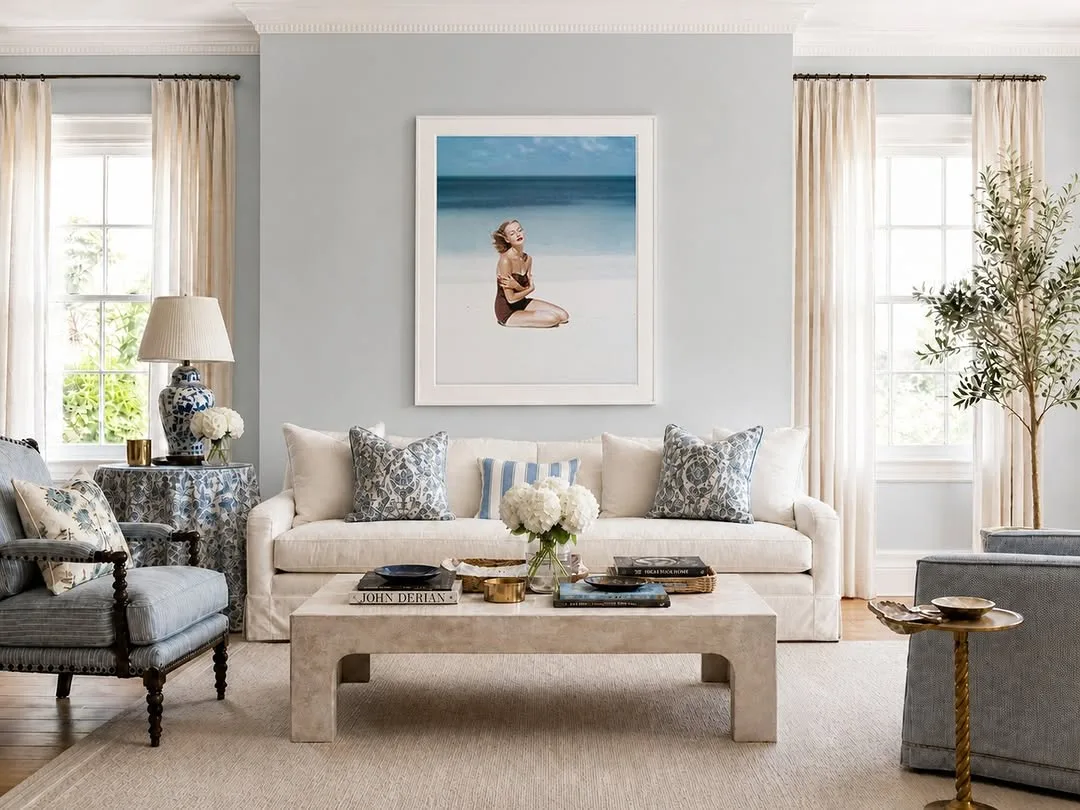
Pale walls bounce daylight around the room instead of swallowing it. Soft white, warm cream, and pale grey all push the walls back visually and give the eye fewer hard edges to stop on. Color still matters, but gentle shades carry it without closing the room in.
Paint the walls and the ceiling in the same pale shade to blur the line where the wall ends. Choose a finish with a slight sheen in darker rooms, since eggshell reflects more light than flat paint. Test two or three samples on the largest wall and watch them at morning and evening before you commit.
Rooms with small windows or north facing light gain the most from pale paint. One couple repainted a dim sitting room in warm white over a single weekend and kept every piece of furniture they owned. Friends kept asking which wall they had knocked down, though only the color had changed.
Pure bright white can feel cold and bare in a room with little sunlight. Warm whites with a hint of cream or beige keep the space feeling soft instead of clinical. Test samples beside your sofa fabric, because a white that fights the upholstery will look wrong no matter how much light it reflects.
Large Mirror Above the Sofa
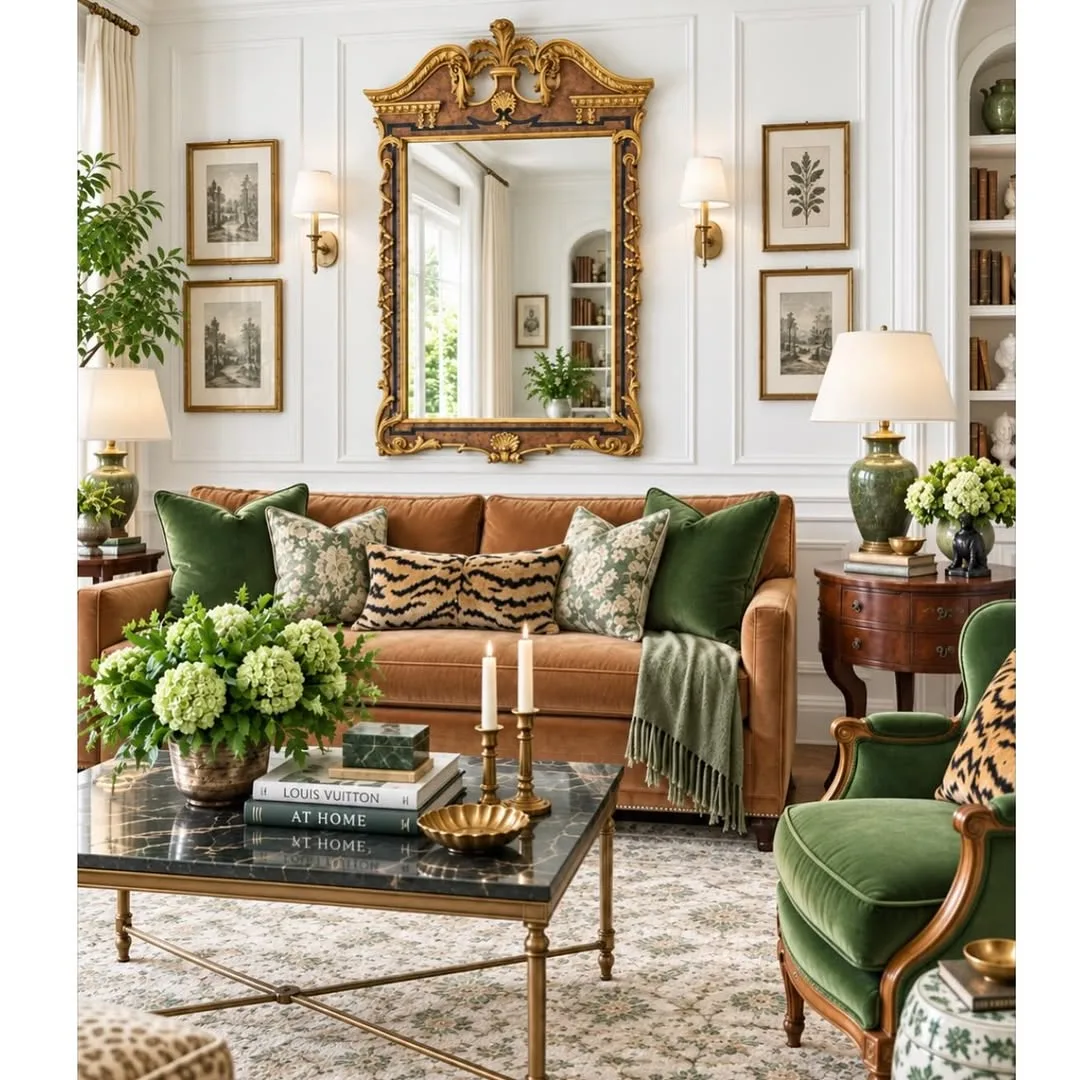
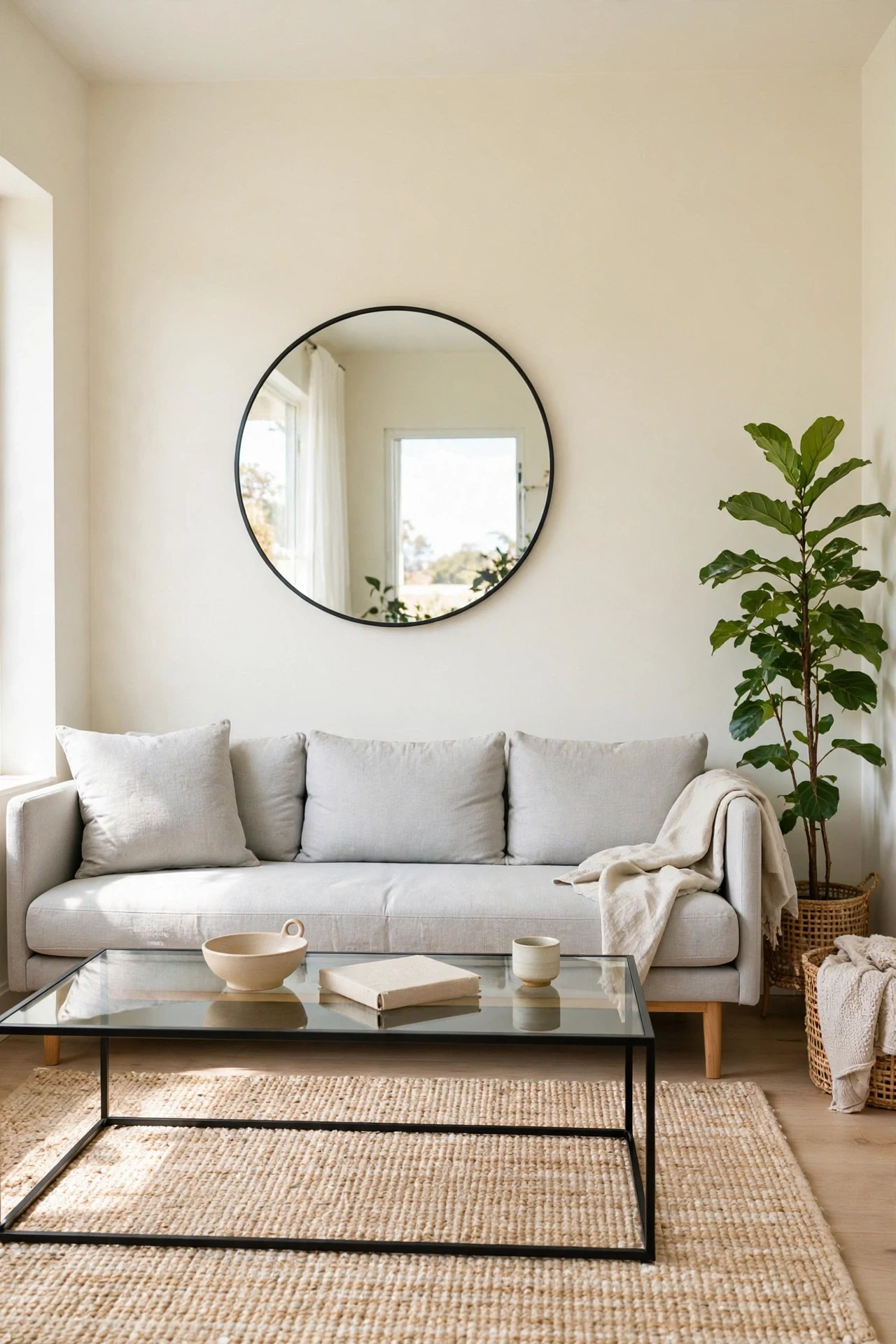
Mirrors double the light and the view in one simple step. One large mirror reflects the window, the lamps, and the room itself, so the wall feels like an opening instead of a barrier. Guests rarely notice the trick, but everyone feels the extra brightness.
Hang the mirror so its center sits near eye level when you stand, roughly fifty seven inches from the floor. Choose a frame in a slim profile and a finish that matches one metal already in the room. Place the mirror opposite or beside a window so it catches daylight rather than reflecting a blank wall.
Dark rooms and rooms with a single small window benefit most from a well placed mirror. One homeowner hung a tall second hand mirror above her sofa in a basement level flat and the room gained the feel of a second window. Evening lamplight doubled too, so the space stayed bright after sunset.
Oversized mirrors leaning on the floor can overwhelm a truly tiny room and eat floor space you need for walking. Wall mounted mirrors stay safer around children and pets. Keep the reflection in mind as well, because a mirror facing a cluttered shelf only doubles the clutter.
Low Profile Sofa with Slim Arms
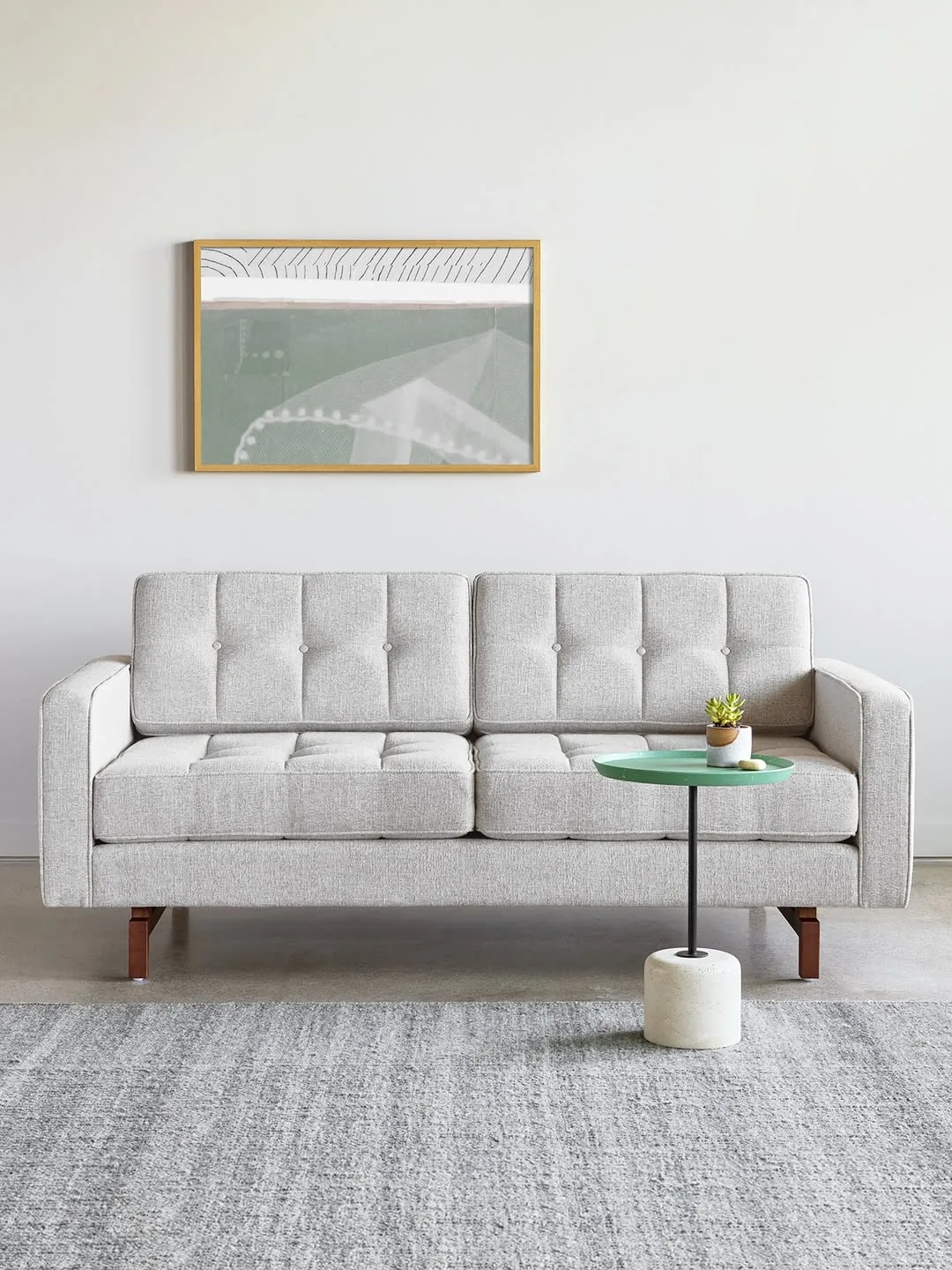
Bulky sofas swallow small rooms because their tall backs and wide arms block sight lines in every direction. Low profile sofas sit closer to the floor, show more wall above them, and let the room breathe. Seating stays just as comfortable when the cushions are deep and the back angle is kind.
Measure the wall before you shop and leave at least a hand width of space at each end of the sofa. Slim arms give you more sitting room inside the same overall width. Pick firm seat cushions that hold their shape, and choose legs you can see, because visible floor under the sofa adds to the open feel.
People replacing a worn sofa gain the most from this change, because the sofa sets the scale for everything else. One family swapped a deep, dark three seater for a low pale grey model of the same length. Seating stayed at five, yet the room suddenly showed a full extra band of wall and floor.
Deep seats tempt buyers, but they push the sofa front far into the room and steal the walking path. Test the seat depth in the shop by sitting with your back fully against the cushions. Feet that dangle or a back that slumps will annoy you daily, no matter how good the sofa looks in photos.
Layered Lighting from Three Sources
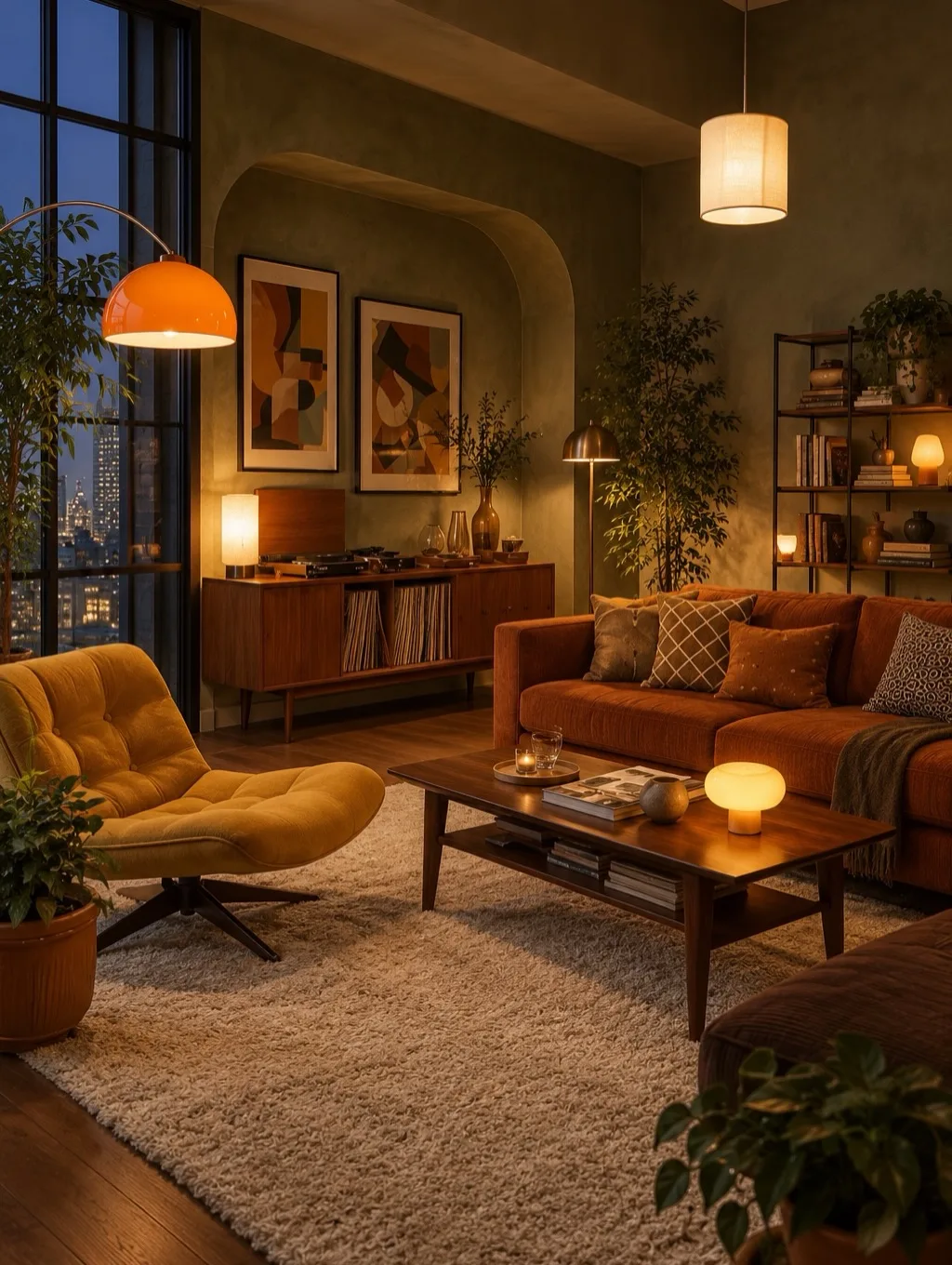
Single ceiling lights flatten a small room and leave the corners in shadow, which makes the walls feel closer. Layered lighting spreads soft pools of light at different heights, so the room reads as larger and calmer. Evenings benefit most, because warm lamplight hides the true size of the space.
Combine one ceiling light or pendant with a floor lamp beside the sofa and a small table lamp or wall light near the reading chair. Choose bulbs in the same warm tone so the layers blend instead of fighting. Put the lamps on separate switches or use smart plugs, so you can light only the corner you are using.
Evening heavy homes and rooms with weak daylight gain the most from layered light. One homeowner added a slim floor lamp and one table lamp to a gloomy living room for under eighty dollars in total. Guests began choosing the lamp lit corners, and the room felt used in full instead of only near the window.
Harsh white bulbs ruin the effect even when the lamps are well placed. Bulbs sold as daylight often glare in small rooms and turn pale walls blue. Choose warm white bulbs, keep shades slightly below eye level when seated, and never leave a bare bulb visible from the sofa.
Light Colored Rug That Anchors the Seating
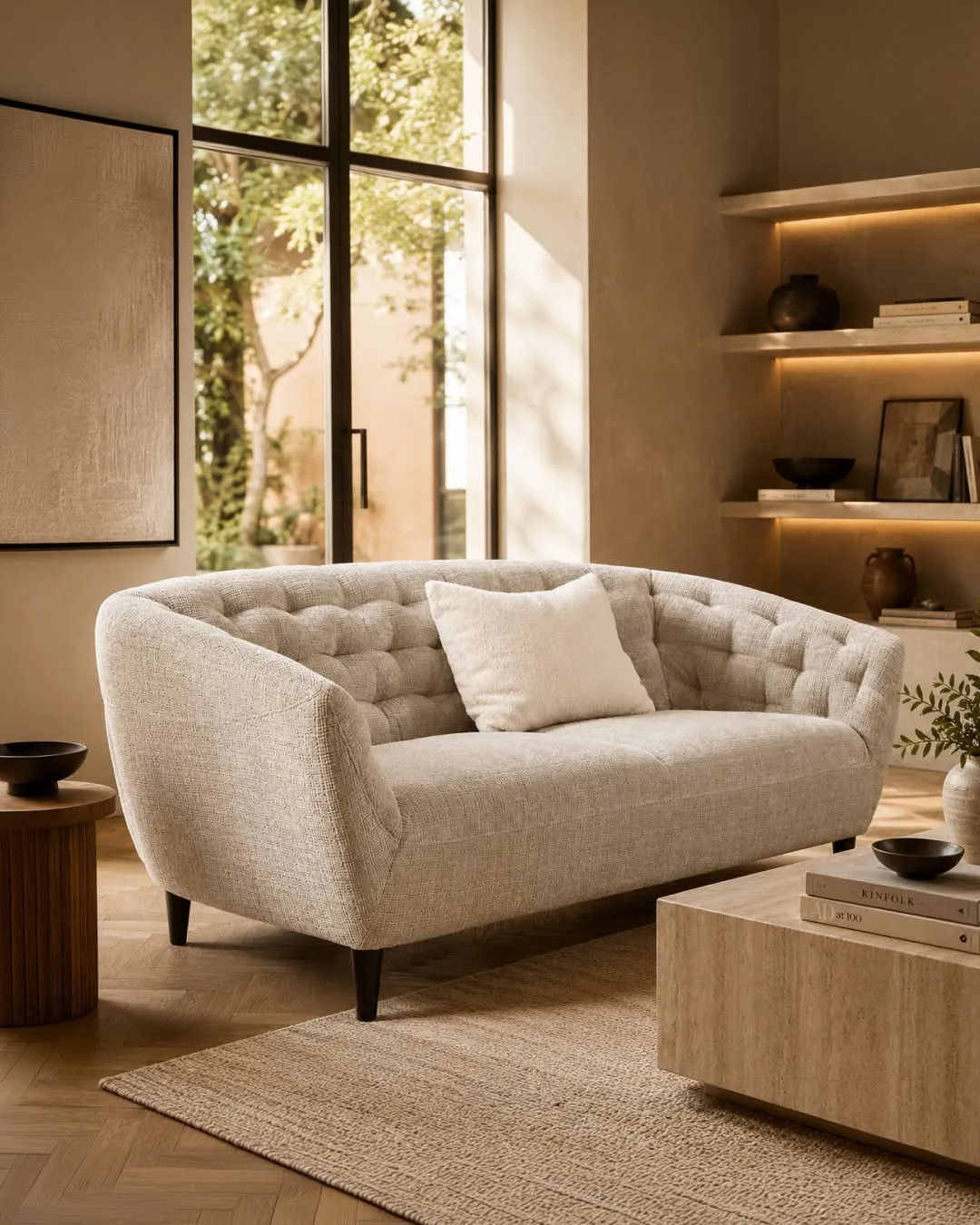
Rugs define the seating zone and pull scattered furniture into one calm group. Light colored rugs keep the floor feeling open, reflect a little light upward, and soften the sound of a small hard floored room. Pattern can still appear, as long as the overall tone stays pale.
Choose a rug large enough for the front legs of the sofa and both armchairs to rest on it. Leave a border of visible floor around the edges, roughly eight to twelve inches, so the room edges stay clear. Flat weave rugs slide less, clean more easily, and let doors swing freely.
Families with children and pets often avoid pale rugs, yet modern washable weaves handle spills well. Multitoned pale patterns hide crumbs and paw prints better than one flat color. Among the small living room decor ideas in this guide, a washable rug is the one young families praise most, because it changes the feel of the room without adding one piece of furniture.
Tiny rugs floating in the middle of the floor make the room look smaller, not bigger. Scatter rugs under the coffee table alone break the floor into patches. Measure before you buy, tape the outline on the floor for a day, and only then order the size that truly fits the seating group.
Curtains Hung High and Wide
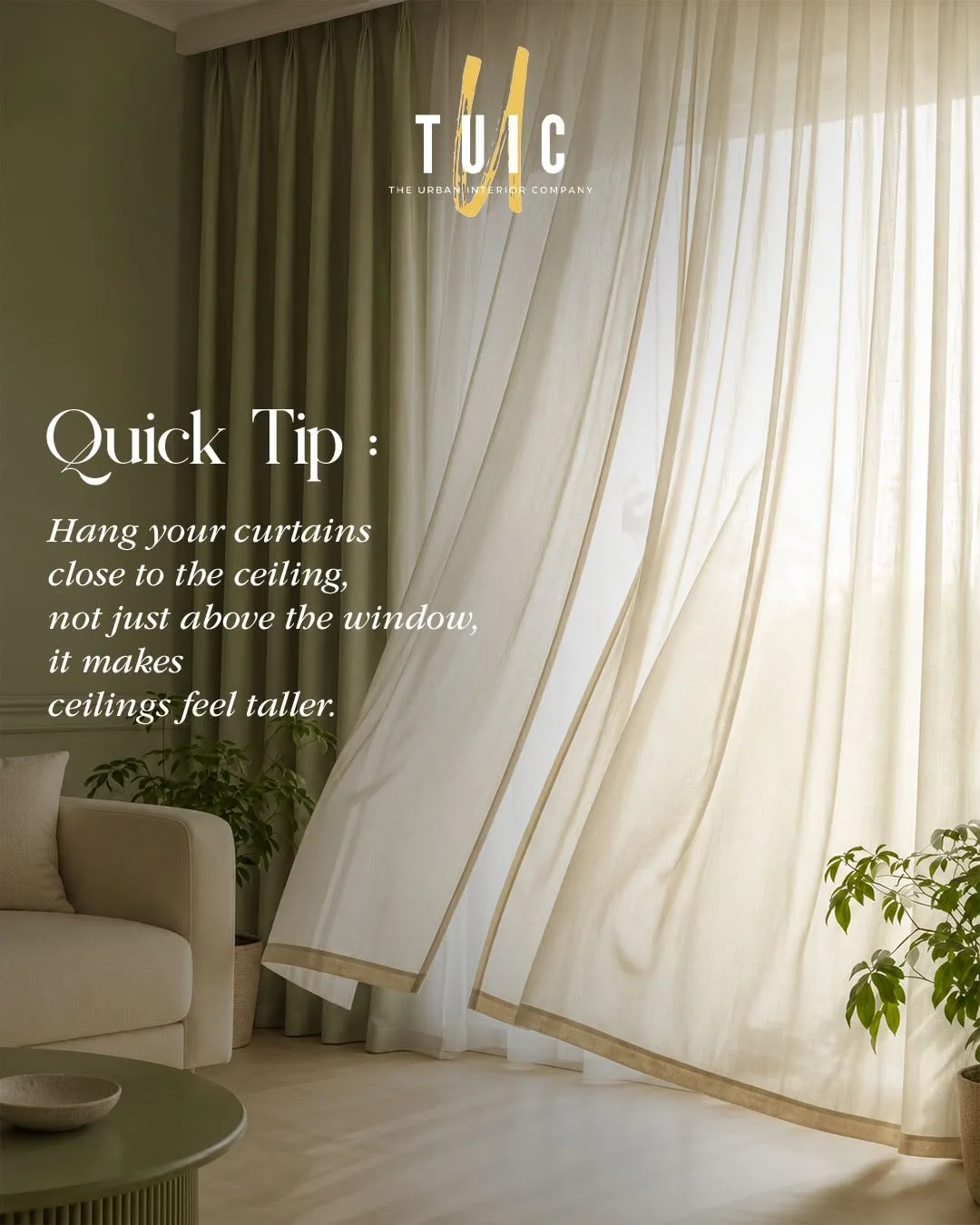
Curtains set the height of the room in the eye of every guest. Panels hung just above the window frame make the ceiling feel low and the window small. Panels that start near the ceiling draw the eye upward and lend the whole wall extra height.
Fix the rod close to the ceiling, or at least four to six inches above the frame, and extend it ten to twelve inches beyond each side of the window. Panels should just touch the floor or hover a finger width above it. Lightweight fabrics in pale tones let daylight filter through while still giving privacy.
Low ceilinged rooms and narrow windows gain the most from this change, because the eye reads the tall fabric as wall height. One homeowner moved her rods up by eight inches and swapped heavy drapes for simple linen panels. Visitors assumed she had raised the ceiling during a renovation.
Heavy dark curtains defeat the purpose even when they hang high. Thick fabric eats the light at the exact place the room needs it most. Keep blackout linings for bedrooms, and choose softer lined or unlined panels for the living room, with tiebacks that open the glass fully during the day.
Floating Shelves Instead of a Bookcase
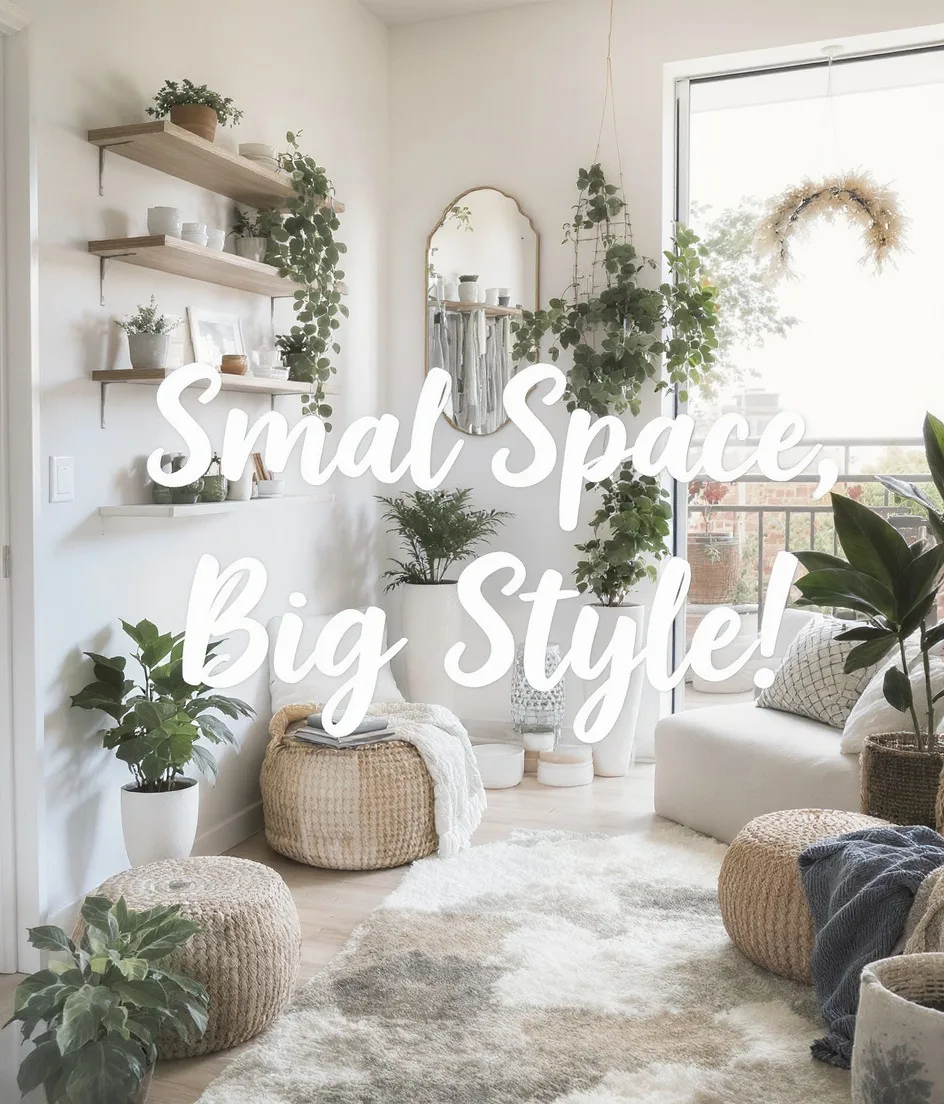
Bookcases stand deep, dark, and heavy against the wall, and their frames eat floor space even when the shelves hold little. Floating shelves carry the same books and objects with no visible frame, so the wall stays light and the floor stays clear. Storage moves upward, where small rooms have space to spare.
Install two or three shelves above the sofa or along the shortest wall, spaced about twelve to fifteen inches apart. Keep books in short runs with gaps between them, and mix in one plant or framed print per shelf. Stop each shelf display before it feels full, because empty space between groups is what keeps the wall calm.
Readers and collectors gain the most from floating shelves, since displays can change with the season. Several practical small living room decor ideas work this way, trading floor furniture for wall storage wherever the room allows. One collector moved forty books from a leaning bookcase onto three shelves and gained enough floor room for a reading chair.
Overloading floating shelves bends both the shelf and the look of the wall. Respect the weight limit on the packaging, fix shelves into studs or solid plugs, and keep the heaviest books on the lowest shelf. Crowded shelves also collect dust fast, so fewer objects also means faster cleaning.
Glass Coffee Table That Lets Light Pass
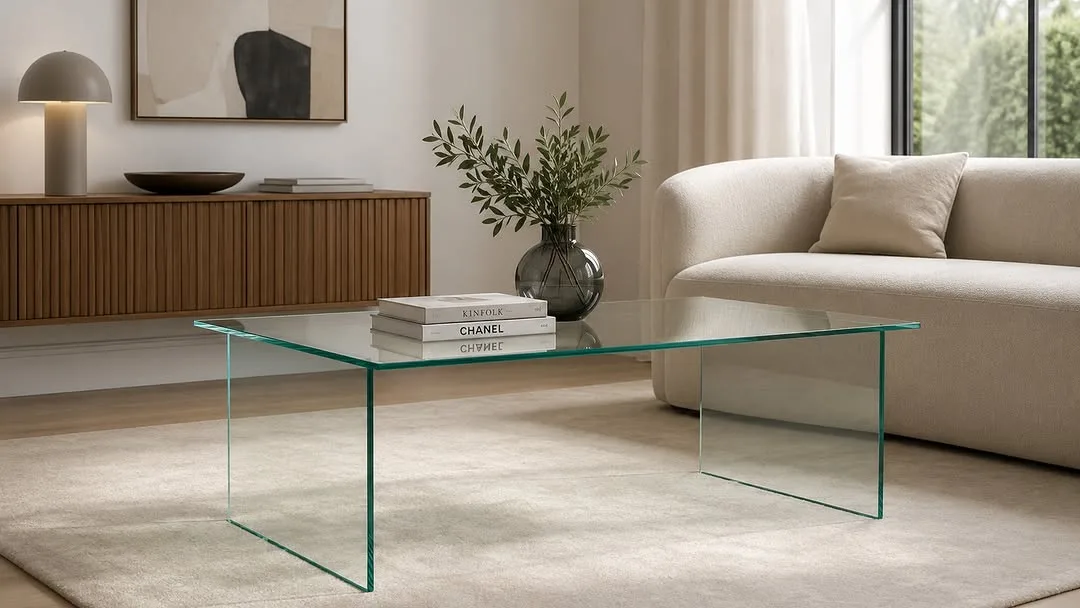
Solid wood coffee tables land in the middle of a small room like a dark island. Glass tops let light and sight pass straight through, so the rug and floor stay visible and the room keeps its open flow. Acrylic tables do the same job and weigh far less.
Pick a table with slim legs and rounded corners if children use the room often. Keep the top mostly clear, with one tray holding the remote, a book, and a small plant at most. Glass cleaner kept in a drawer nearby makes fingerprints a ten second job instead of a weekly chore.
Bright rooms with a rug you love suit glass tables best, because the pattern stays on show. One couple replaced a chunky oak table with a simple glass one and the patterned rug they had owned for years suddenly became the feature of the room. Nothing else changed, yet the space felt newly decorated.
Sharp corners and thin glass are the two real risks with this idea. Cheap glass chips at the edges and looks cloudy within a year. Buy tempered glass from a known maker, check the edge finish in person, and skip glass entirely if toddlers are learning to walk among the furniture.
Furniture with Raised Legs
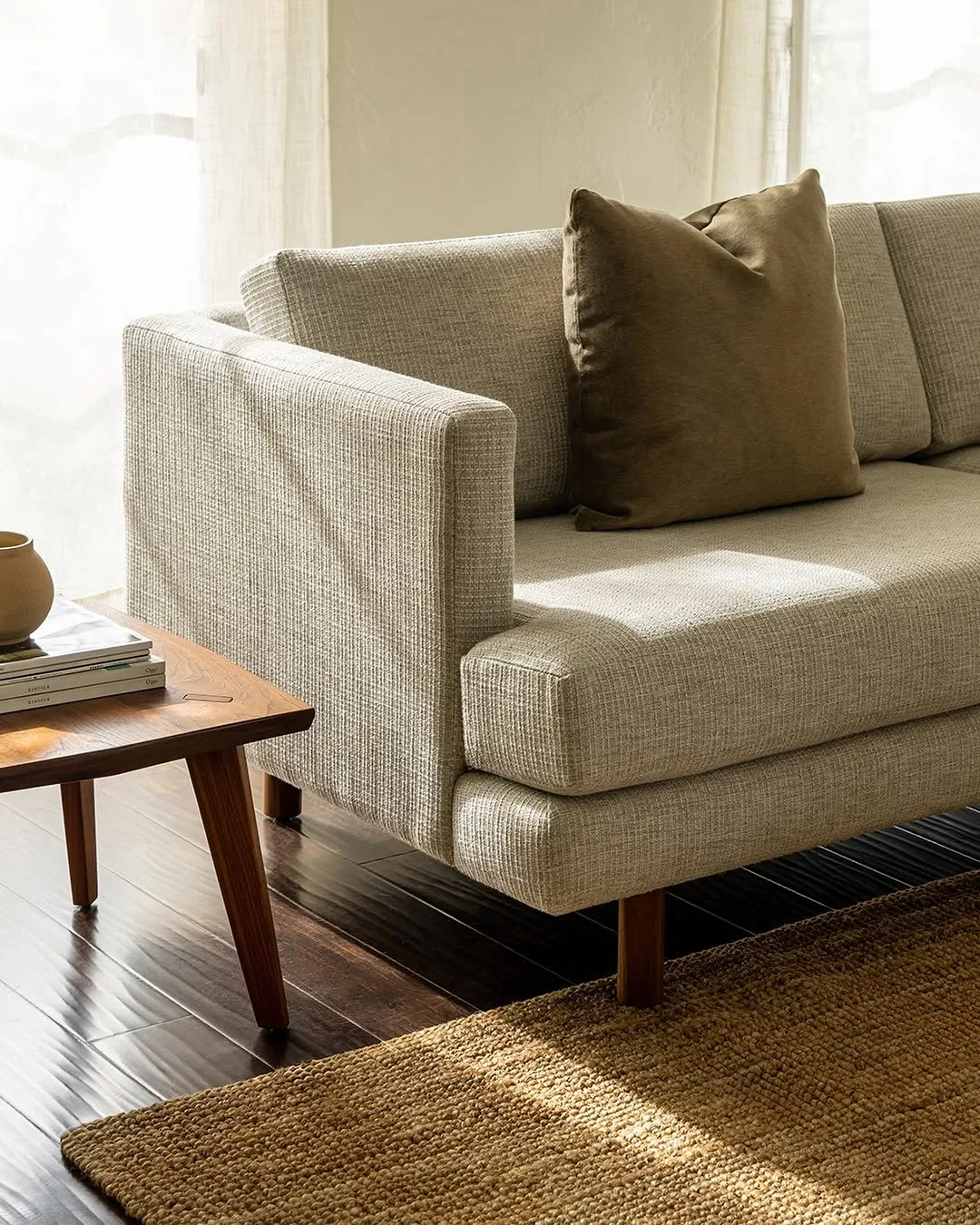
Furniture that sits flat on the floor reads as one heavy block, while pieces on legs show a band of floor beneath them. Visible floor tricks the eye into reading more space, and light reaches under the furniture instead of stopping at its base. Even a few inches of leg height change the feel of the room.
Look for sofas, armchairs, and media units with legs at least four to six inches tall. Keep the leg style similar across pieces so the room feels planned rather than gathered at random. Vacuum cleaners and robot cleaners also pass underneath easily, which keeps the hidden dust down.
Homes with dark flooring gain the most from raised furniture, because the eye travels further across the boards. Swapping the feet on an existing cabinet counts among the easiest small living room decor ideas, since screw on legs cost little and fit in an afternoon. One homeowner raised her media unit on new brass legs and the whole wall looked lighter by evening.
Wobbly legs undo the charm quickly and can damage floors. Fit felt pads under every foot, tighten fixings after the first week, and avoid tall thin legs under heavy storage pieces. Legs also expose the floor beneath, so a quick weekly sweep becomes part of the routine.
One Large Piece of Wall Art
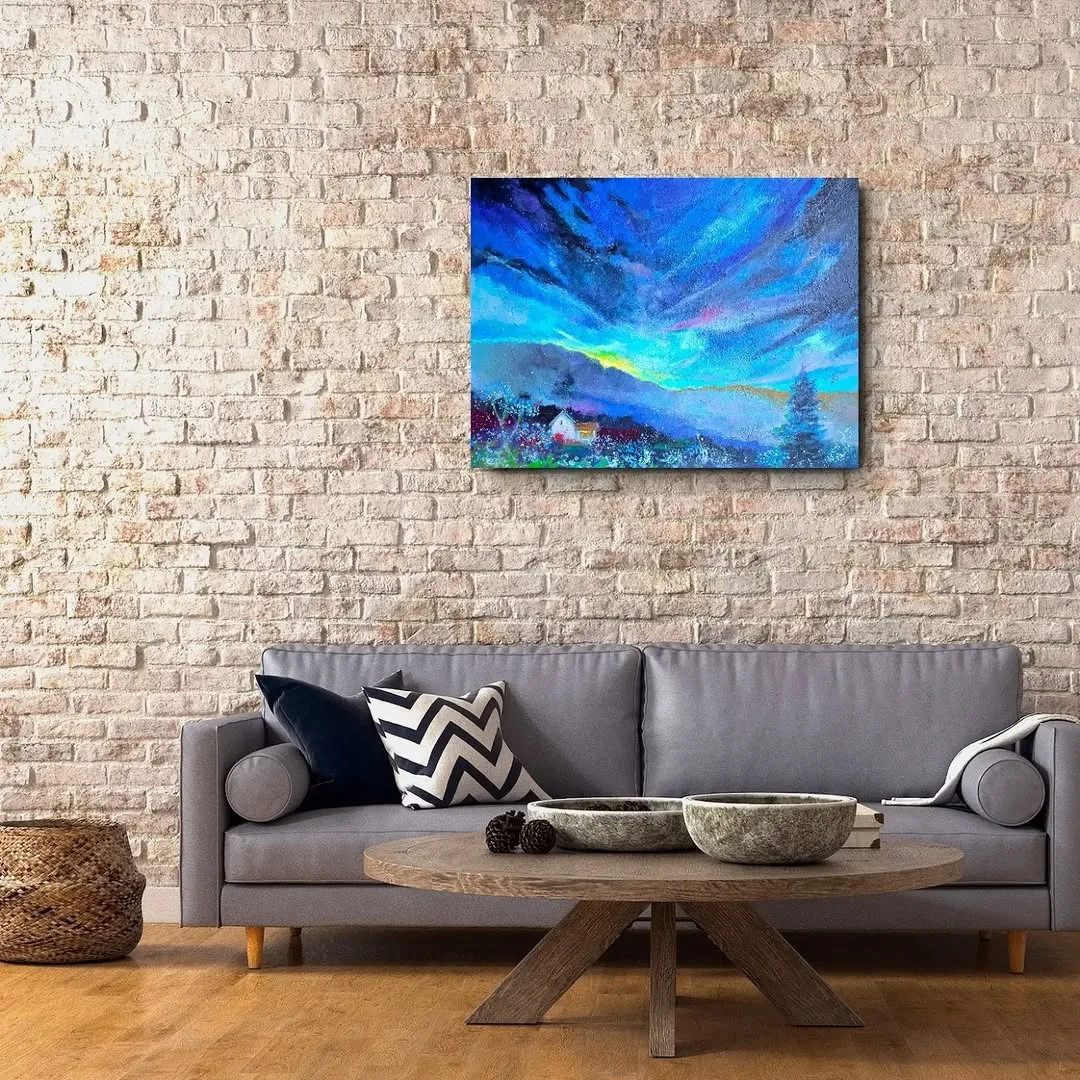
Clusters of small frames chop a wall into busy patches and make a small room feel restless. One large piece of art gives the eye a single calm place to land and makes the wall itself feel bigger. Scale surprises people, because generous art reads as confidence rather than crowding.
Choose a piece roughly two thirds the width of the sofa when it hangs above it, and keep the frame slim. Pale or softly colored art keeps the wall light, while one bold color can echo a cushion or throw. Hang the center of the piece near eye level, not halfway to the ceiling.
Bare walls above long sofas suit this idea best, since the space already waits for one strong feature. One homeowner printed a favorite landscape photo at large size and framed it in plain oak from a discount store. Guests asked which gallery it came from, and the whole project cost less than a night out.
Galleries of tiny frames creep back in when every gift and photo demands wall space. Keep family photos on one shelf or one side table instead, and let the main wall stay simple. Art hung too high is the other common slip, because it floats away from the furniture it belongs with.
Tall Plants in Empty Corners
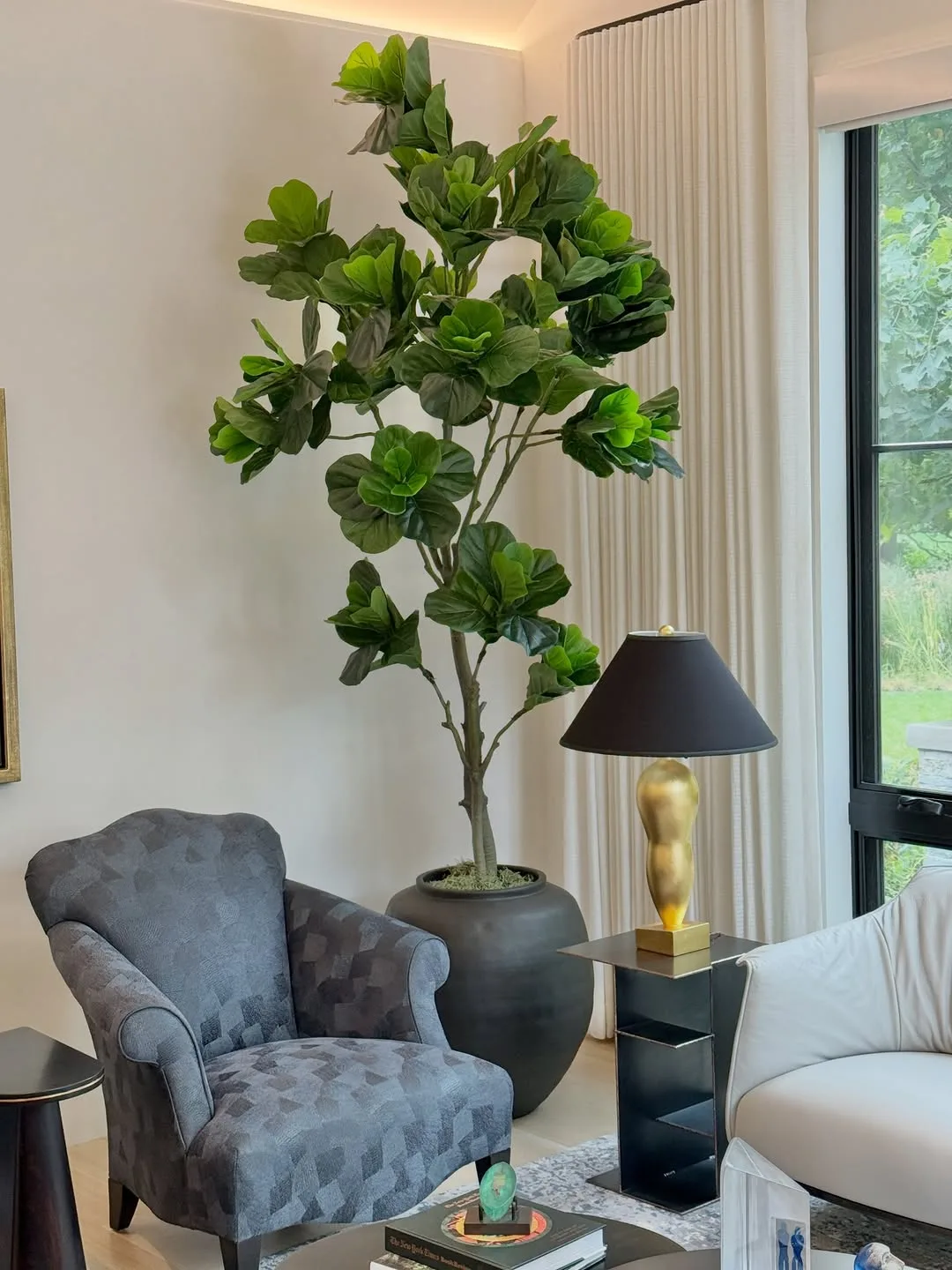
Corners collect shadows and dead space in small rooms, and a tall plant turns that waste into life. Vertical leaves draw the eye upward, soften hard angles, and add color without touching a single wall. Greenery also makes pale rooms feel warm rather than plain.
Set one tall plant in the corner beside the sofa or near the window, in a pot raised on a simple stand if the plant is still short. Fiddle leaf figs, snake plants, and palms all grow upward more than outward. Keep the pot color within the room palette so the corner stays calm.
Plant lovers with one dark corner gain the most, but shy gardeners do well too, because snake plants forgive missed watering. Of all the small living room decor ideas shared by readers, corner plants get mentioned most, since they cost little and ask for almost no floor space. One reader rescued a gloomy corner with a tall palm in a woven basket and now reads beside it every evening.
Oversized pots crowd the floor and block walking paths, which defeats the purpose in a small room. Match pot size to the plant, leave a clear path past the corner, and wipe leaves monthly so they keep shining. Plants that lean toward the window need turning every few weeks for even growth.
Storage Ottoman That Hides Clutter
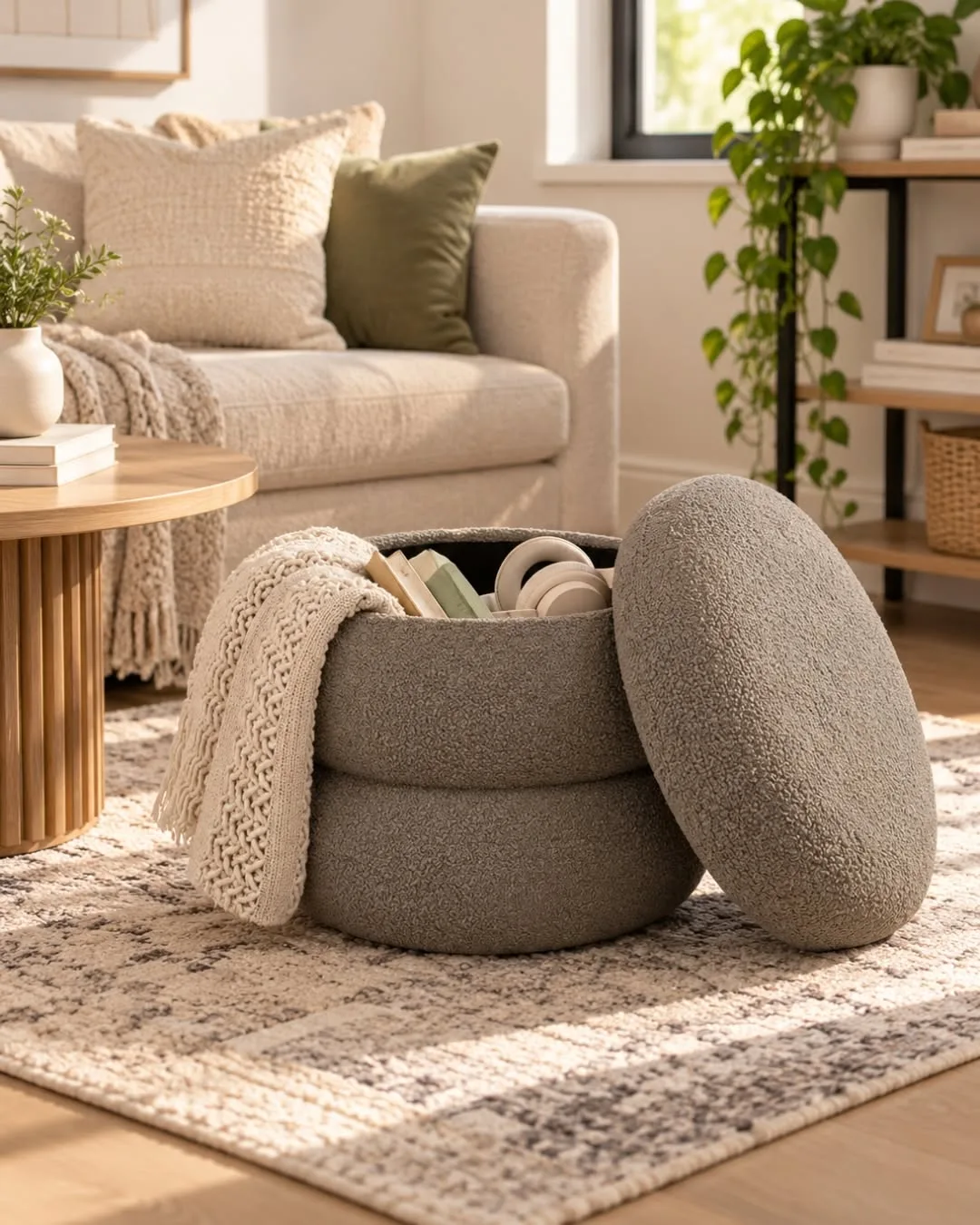
Ottomans earn their floor space three ways at once, as footrest, extra seat, and hidden storage. Blankets, games, chargers, and toys vanish inside in seconds, so open surfaces stay clear. Soft edges also make the seating group feel relaxed instead of rigid.
Pick an ottoman in a fabric close to the sofa color, or one calm pattern if the room needs interest. Hinged lids open more safely than loose ones around children. Use the ottoman as the coffee table with a tray on top when guests visit, then clear it back in minutes.
Families with toys, craft gear, or gaming kit gain the most storage from this swap. One father replaced a fixed coffee table with a large storage ottoman in a room shared with two toddlers. Floor toys disappeared before dinner each night, and guests never guessed where the clutter went.
Storage only works if the inside stays sorted. Ottomans become junk drawers at eye level when everything lands in one pile. Use two or three small boxes or fabric cubes inside, one for remotes and chargers, one for blankets, and one for toys, and empty anything unused every few months.
Matching Baskets for Everyday Clutter
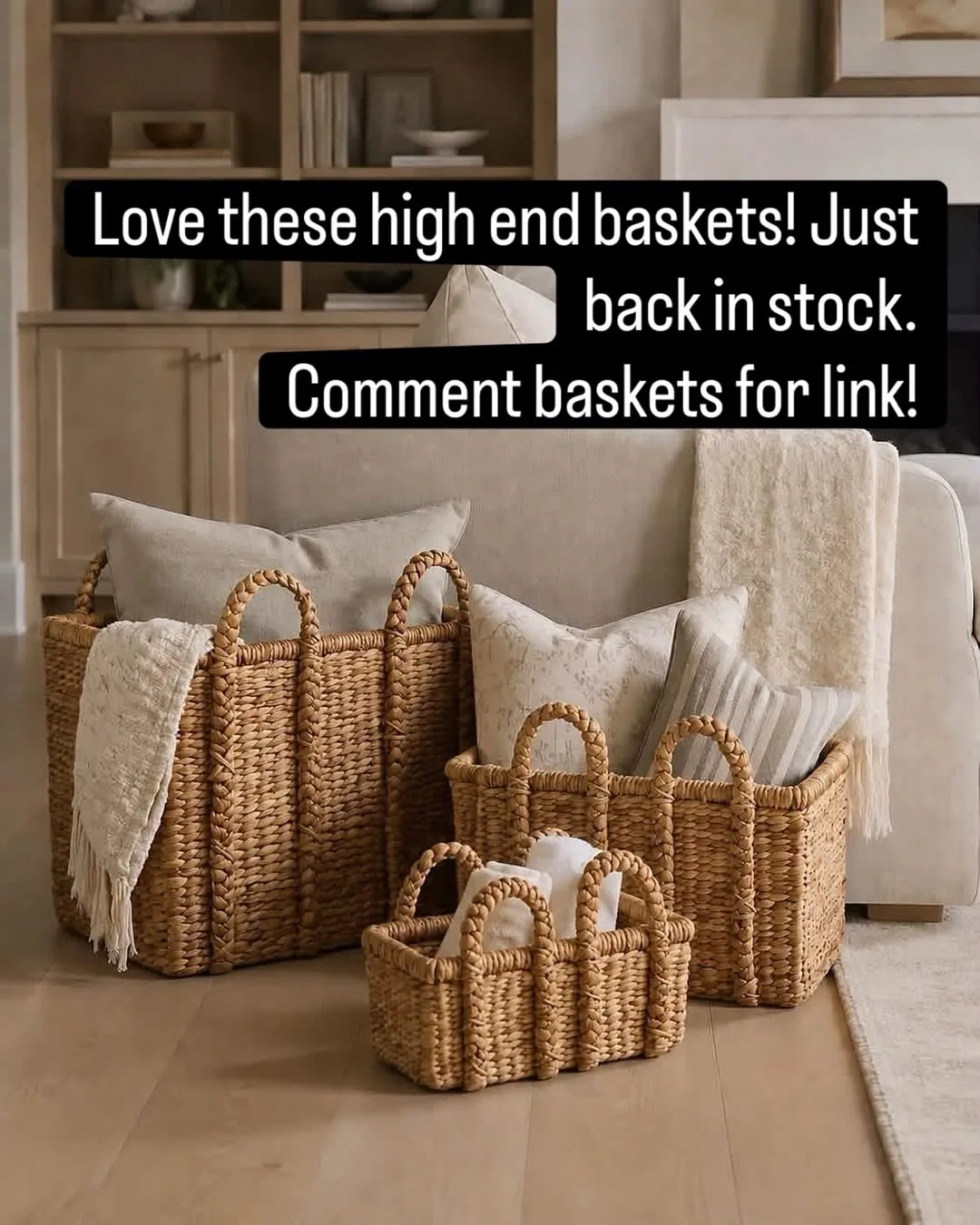
Loose clutter makes small rooms feel messy long before they feel small. Matching baskets gather the daily mess into a few calm shapes, so shelves and floors read as tidy even on busy days. Repeating one material, like woven seagrass or pale fabric, ties the storage into the decor instead of fighting it.
Place one basket beside the sofa for throws, one near the door for shoes or mail, and one under the console or side table for magazines and remotes. Label nothing and add nothing decorative on top, because baskets work best when they stay grab and go simple. Empty each basket back to its home once a week.
Busy households and open plan sitting areas gain the most from matched baskets, since clutter arrives from every direction. One mother of three placed four seagrass baskets at the room corners and taught the children one rule, toys land in baskets before dinner. Tidying dropped from a daily battle to five quiet minutes.
Mixed baskets in clashing colors and sizes look like clutter themselves. Buy baskets as a family in one trip, measure the shelves they must fit, and leave one basket empty for growth. Plastic tubs with bright lids belong in cupboards, not on show in the room where guests sit.
Narrow Console Table Behind the Sofa
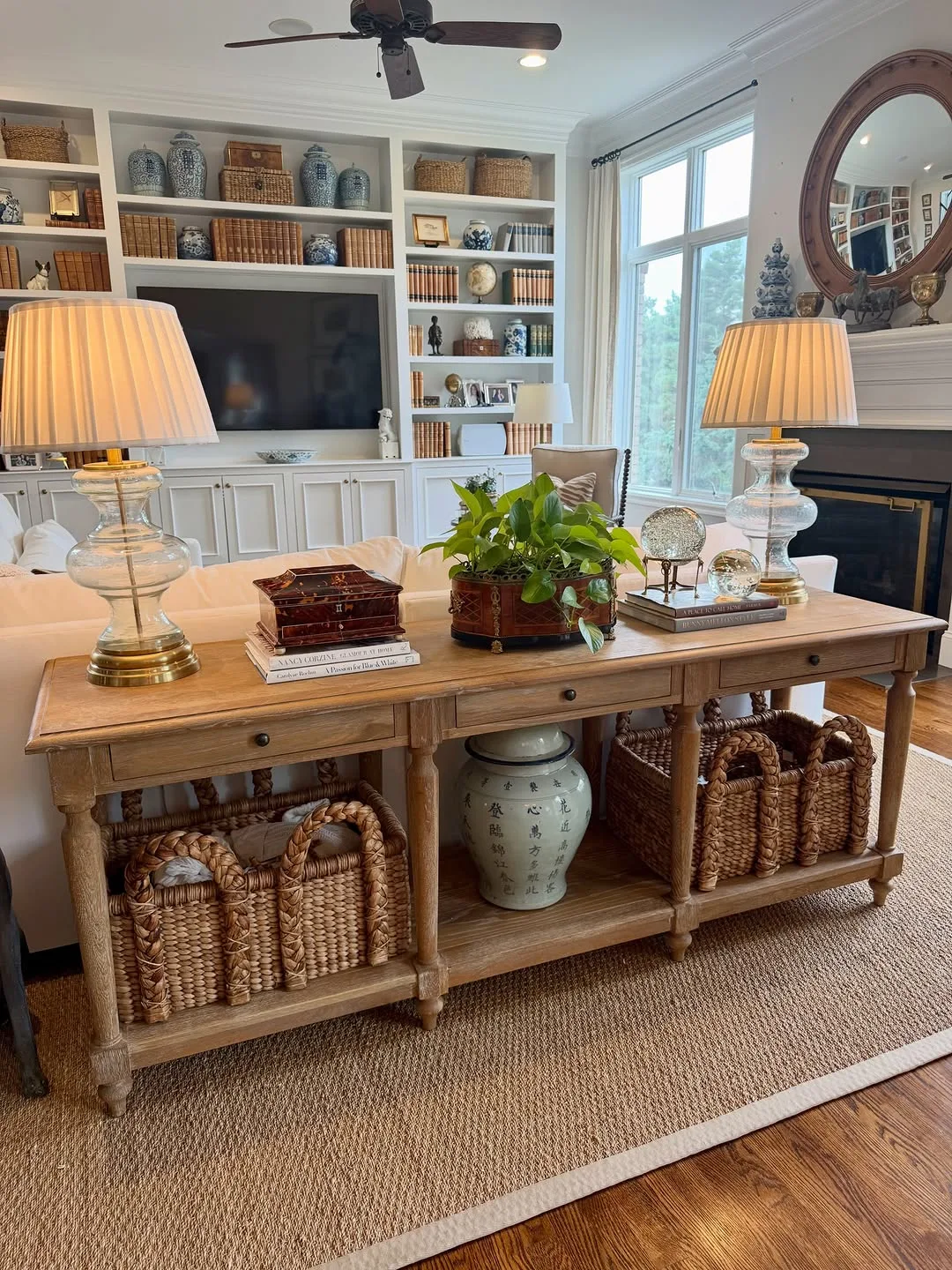
Dead space hides behind most sofas, even in small rooms. One narrow console table turns that strip into useful surface for lamps, books, and drinks, while also giving the sofa a finished back. Floating the sofa a few inches off the wall often makes the room feel planned rather than pushed into a corner.
Choose a console no deeper than ten to twelve inches and close to the height of the sofa back. Style the top with one lamp, a short stack of books, and one plant or bowl at most. Run lamp cords down one leg and along the wall so nothing dangles across the walking path.
Open plan rooms gain the most from a console, because it draws a gentle line between the sitting zone and the dining or hallway space behind it. One couple floated their sofa into the room, added a slim oak console, and placed two lamps on top. Evening light now reaches the seats from behind, and the walkway feels intentional.
Cramped rooms with the sofa hard against the wall cannot spare the inches, and forcing a console in will pinch the seating. Measure the full route around the furniture before ordering. Consoles also collect keys and post, so agree one small tray as the only landing spot and clear it weekly.
Clear Surfaces with Breathing Room
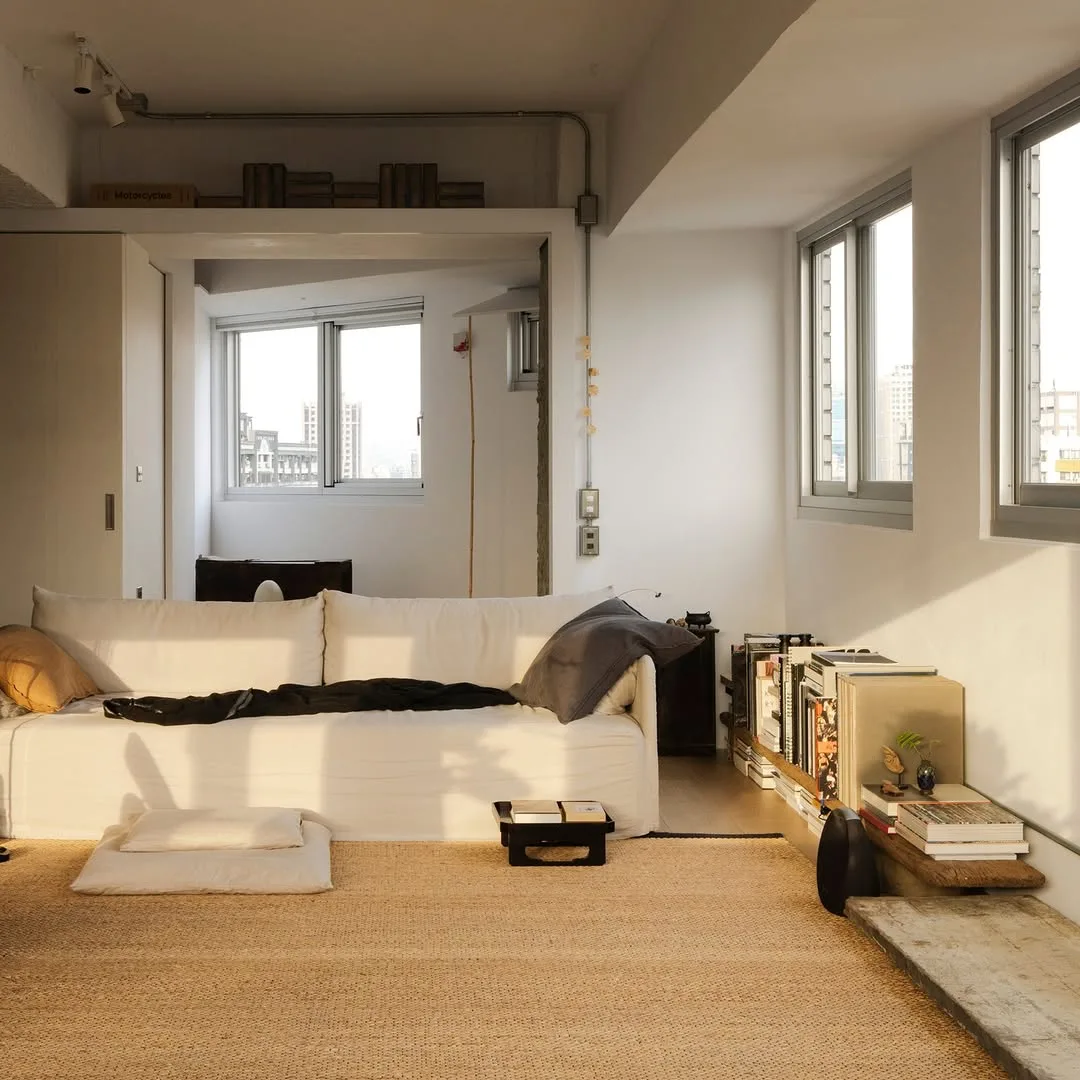
Empty space is a decorating tool in small rooms, not a sign that decorating failed. Surfaces left partly bare let the eye rest, make the objects that remain look chosen, and keep the whole room feeling calm. Rooms feel larger mostly because of what you leave out.
Follow a simple limit on each surface: one stack of books, one plant or candle, and one personal object at most. Keep the coffee table half empty, the mantel to three pieces, and shelves broken by gaps of bare space. Store or donate whatever the limits push out, rather than starting a new pile elsewhere.
Collectors and gift receivers gain the most from clear surface rules, because new objects arrive often. Rotating displays keep favorites in turn without crowding, and stored pieces feel fresh when they return. Guests notice and praise individual objects far more when each one has room around it.
Bare taken too far turns the room cold and hotel like. Keep warmth through texture instead of quantity, with a wool throw, a woven basket, and soft lamplight doing the cozy work. Photograph the room after each edit, because the camera shows clutter your eyes have stopped seeing.
Common Mistakes to Avoid
Pushing every piece of furniture against the walls feels logical, yet it leaves a dead empty middle and a cramped ring of objects. Floating the sofa even a few inches into the room, with a rug under the seating, usually looks warmer and larger. Walkways matter more than wall contact.
Many small living room decor ideas fail at the shopping stage, where small cute objects win over one useful change. Ten tiny ornaments scatter the eye and shrink the room more than one honest plain wall. Spend first on light, legs, and storage, and let ornaments come last if they come at all.
Dark heavy curtains, dark rugs, and dark furniture together will swallow the light in any small room, however good each piece looks alone. Break up dark choices with pale textiles between them. One dark hero piece works well, while a full set of dark pieces needs a very bright room to survive.
Buying furniture in matching showroom sets ignores the true shape of the room. Pieces bought one by one, measured each time, fit the corners and paths of real life far better. Keep a note of your room measurements on your phone, because most mistakes happen in the shop, not at home.
Budget Friendly Small Living Room Decor Ideas
Paint delivers the biggest change for the least money in almost every small room. One tin covers the walls of a typical small living room, and pale colors forgive beginner brushwork. Borrow ladders and dust sheets, buy decent brushes, and spend one weekend rather than paying a decorator.
Second hand shops and online marketplaces overflow with mirrors, lamps, and slim furniture at a fraction of shop prices. Solid older pieces often outlast new flat packed ones. Check measurements twice before you travel, and bring a tape measure, because bargains that do not fit are not bargains.
Moving what you already own costs nothing and often beats buying. Swap the rug with the bedroom one, trade lamps between rooms, raise a cabinet on new legs, and clear one shelf completely. Live with each change for a week before spending anything, because half of decorating is placement, not shopping.
Save the larger budget for the sofa and the rug, since those two pieces set the scale and comfort of the whole room. Everything else can arrive slowly, one lamp or basket at a time. Slow decorating also prevents the expensive mistake of buying a full room in one hurried afternoon.
Tips for Decorating a Small Living Room
Measure the room, the doorways, and every large piece before you buy anything new. Numbers on paper stop most small room regrets before they reach your credit card.
Keep one calm palette of two or three colors running through paint, fabric, and storage. Repetition makes small spaces feel planned, and planned spaces always feel bigger.
Build your small living room decor ideas around light first, storage second, and ornaments last. That order protects the budget and keeps every later choice simple.
Leave one surface in the room completely empty at all times. Breathing room is the cheapest size trick there is, and it costs nothing to maintain.
Test changes with your phone camera before you commit. Photos reveal crowding, dark corners, and crooked heights that your eyes forgive in person, and they let you compare before and after honestly.
FAQ
What Colors Make a Small Living Room Look Bigger?
Pale warm whites, soft creams, and light greys make walls recede and reflect the most daylight. Satin or eggshell finishes bounce a little more light than flat paint. Keep the ceiling the same shade or one step lighter, so the eye finds no hard line where the wall stops.
How Do I Arrange Furniture in a Small Living Room?
Start with the sofa on the longest wall, then face two chairs or one chair and a pouf toward it over one rug. Leave clear paths of roughly thirty inches where people walk. Pull the group slightly off the walls so the seating feels gathered rather than parked.
Should a Small Living Room Have a Coffee Table?
Yes, but choose one that respects the space, like a glass top, a slim oval, or a storage ottoman. Keep about fourteen to eighteen inches between the sofa edge and the table so legs stretch and people pass. Skip the table entirely if a pair of small side tables serves the room better.
How Many Decor Items Should a Small Living Room Have?
Fewer than you think, and each one should earn its place by being useful, beautiful, or loved. One large piece of art, one plant per corner at most, and a few objects per surface keep the room calm. Rotate stored pieces seasonally instead of displaying everything at once.
Can Dark Colors Work in a Small Living Room?
Dark colors can work as one strong accent, like a deep green armchair or a navy cushion set against pale walls. Whole rooms in dark shades need strong daylight and layered lamps to stay welcoming. Balance every dark piece with light textiles beside it, and test paint samples through a full day before committing.
What Is the Cheapest Way to Make a Small Living Room Feel Bigger?
Clearing surfaces and raising furniture on legs costs nothing and changes the feel of the room within an hour. Pale paint comes next in value, followed by one well placed mirror from a second hand shop. Spend on light and space first, because those two carry every later improvement.
More Ideas to Explore
Once the layout works, warm the room up with our cozy winter living room decor ideas for the cold months. The center of the room gets its own guide in our coffee table decor ideas, the walls are covered by our living room wall decor ideas, and shelving gets styled with our bookshelf decor ideas.
Conclusion
Small rooms reward calm choices far more than expensive ones. Light on the walls, floor visible under the furniture, storage that hides the daily mess, and surfaces with room to breathe will make almost any compact living room feel generous. None of these changes demand a large budget or a full renovation.
Start with the three changes your room needs most, and live with them for a week before adding more. Decorating in layers lets you feel each improvement and stops you buying pieces the room never needed. Guests will feel the difference long before they can name it.
Comfort should lead every decision, because a slightly larger feeling room that nobody enjoys helps no one. Keep the seats soft, the light warm, and the paths clear, and let beauty follow those honest basics. Small rooms done with care often become the favorite room in the house.
Pick one idea from this guide and try it this weekend, even if it is only clearing one shelf or raising one cabinet. Small steps build momentum, and momentum finishes rooms. Your living room does not need more space nearly as much as it needs space used with intention.