Coffee Table Decor Ideas That Balance Pretty and Practical
Living rooms tend to gather around the coffee table. Cups land there during long talks, feet rest near it during films, and guests read the room from whatever sits on its surface. One thoughtful arrangement quietly tells visitors that the home is cared for and comfortable.
Most tables, though, collect clutter by the end of the week. Remotes slide under magazines, coasters wander, and decorative pieces bought in a hurry stop matching anything. Clearing the surface helps for a day, but the mess returns unless each item has a reason to be there.
Below you will find fifteen simple arrangements built from books, trays, candles, plants, and pieces you may already own. Each idea explains why it works, how to set it up, who it suits, one example, and one mistake to skip. Start with two or three and let the rest wait.
What Are the Best Coffee Table Decor Ideas for Everyday Living?
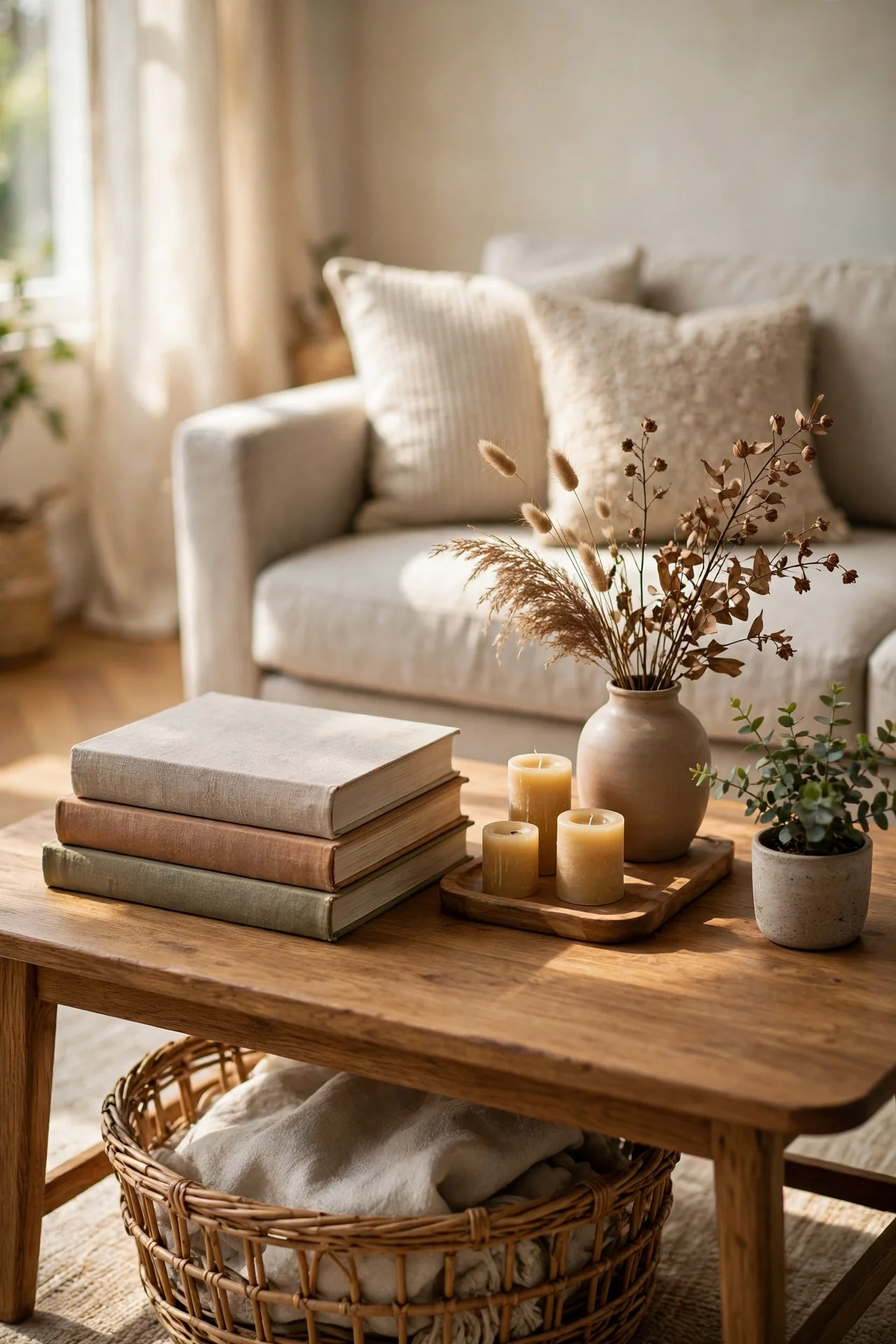
Simple coffee table decor ideas share three habits. Pieces group together instead of spreading out, heights vary so the eye moves, and clear space remains for cups, plates, and real life. One tray, one stack of books, and one living or sculptural piece cover most tables well.
Picture a plain wooden table on a Saturday morning. Books form a low base, a tray holds candles and coasters, and a small plant adds green beside them. Nothing cost much, yet the table looks finished, and half its surface still waits empty for breakfast trays and board games.
Stack of Large Books as a Base
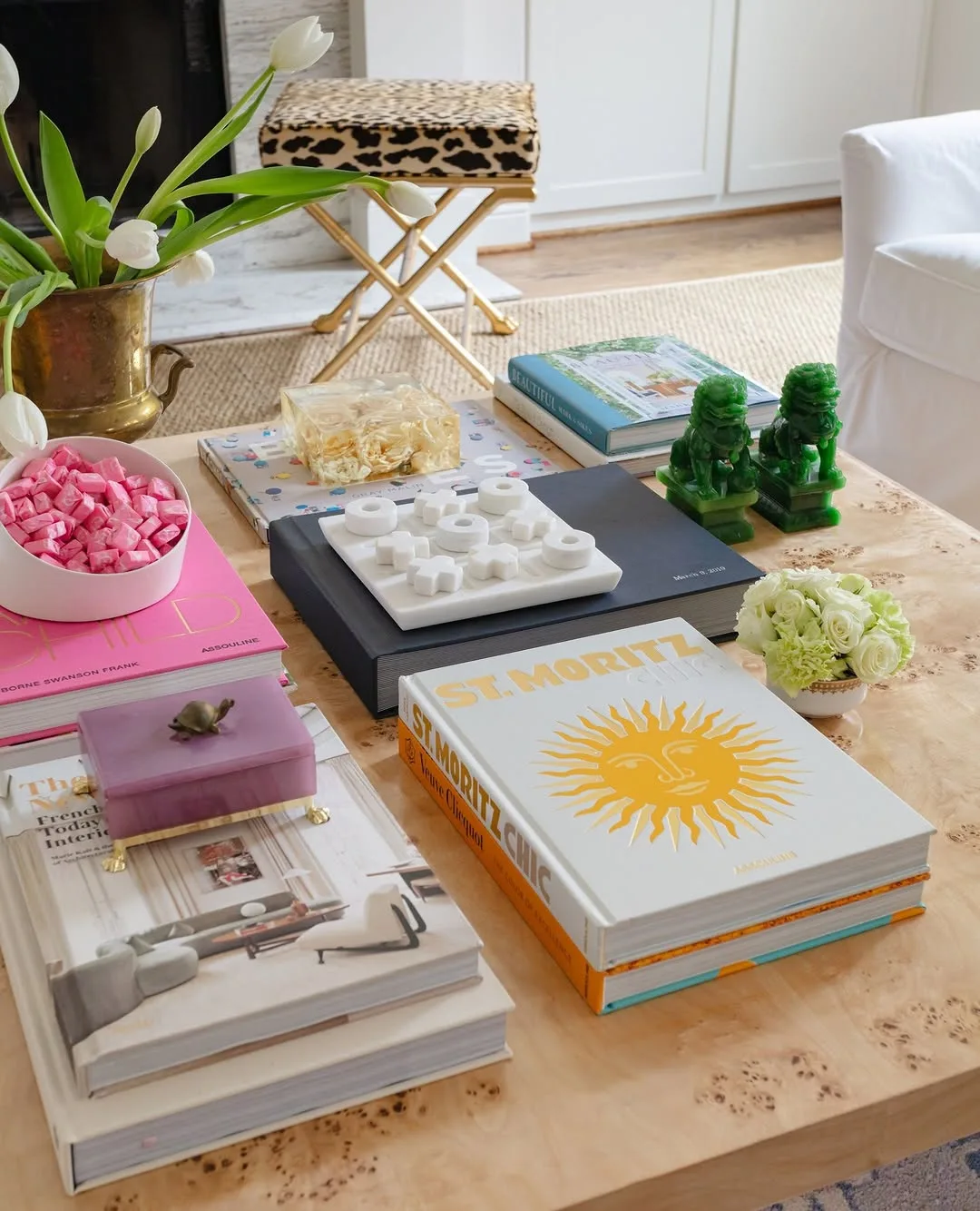
Books give an arrangement height, color, and a firm base in one move. Large covers act like small shelves, lifting candles, bowls, and plants above the table surface. Guests also enjoy flipping through a beautiful book while they wait for dinner or chat between courses.
Choose two or three oversized books with sturdy covers in colors that suit your sofa and rug. Stack the largest at the bottom and turn each spine slightly for a relaxed look. Keep the pile below seated eye level so people can still talk across the table.
Readers and collectors suit this idea best because their shelves already hold suitable volumes. Art, travel, gardening, and cooking books work especially well since their covers carry strong images. Households without big books can borrow the look with one or two volumes from a library sale.
One couple stacked three travel books on their table and placed a small brass bowl on top for keys and loose change. Visitors started opening the top book during visits, and the bowl ended the daily hunt for keys near the front door.
Too many books turn a base into a tower that wobbles and blocks views. Thin paperbacks bend under weight, and glossy dust jackets slide on smooth tables. Limit the stack, remove damaged volumes, and dust the edges weekly because pages collect dust faster than most people expect.
Wooden Tray That Groups Small Pieces
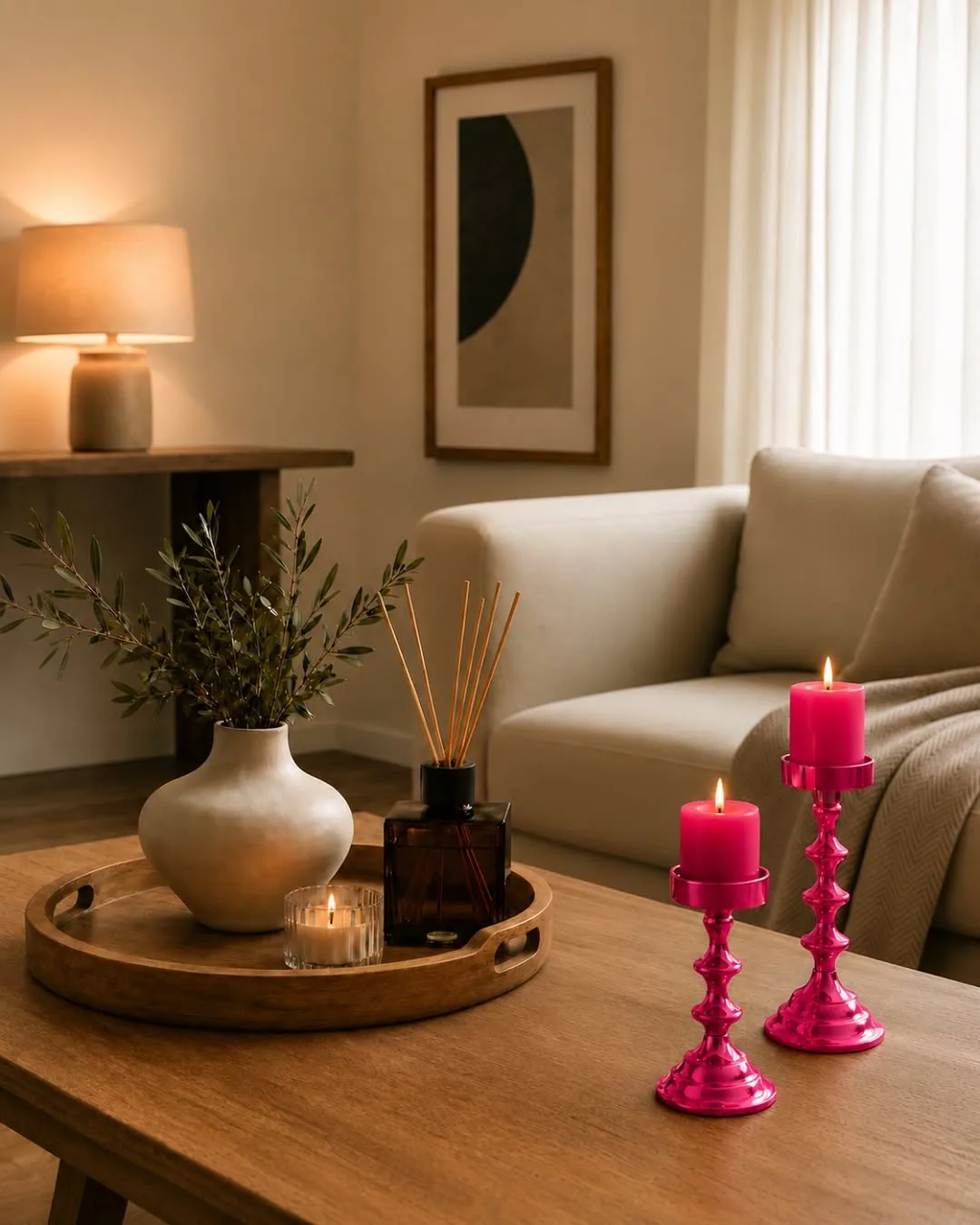
Trays gather small pieces into one calm group instead of letting them scatter. Candles, coasters, a small plant, and the remote all sit inside clear edges, so the table reads as one arrangement rather than five separate objects. Lifting the tray also clears the whole table in seconds.
Pick a tray that covers roughly one third of the table surface and leaves room on every side. Wood suits most rooms, though metal and woven trays work in modern or coastal spaces. Choose raised edges when children or pets bump the table often during the day.
Small tables suit trays best because grouping matters most where space is tight. Studio flats and narrow living rooms gain order without giving up any surface. Larger tables can hold a tray at one end and still keep the other end free for games and laptops.
Last spring, one homeowner placed a wooden tray on her table with three candles, a stack of coasters, and a tiny potted succulent. Movie nights became easier because everything lifted away in one trip, and the table looked styled again the moment the tray returned.
Loose items defeat the purpose when people keep adding pieces beside the tray instead of inside it. Overfilled trays also look like storage rather than decor. Edit the contents monthly, keep only what the household uses weekly, and leave some empty tray surface visible around the group.
Vase with Fresh or Dried Stems
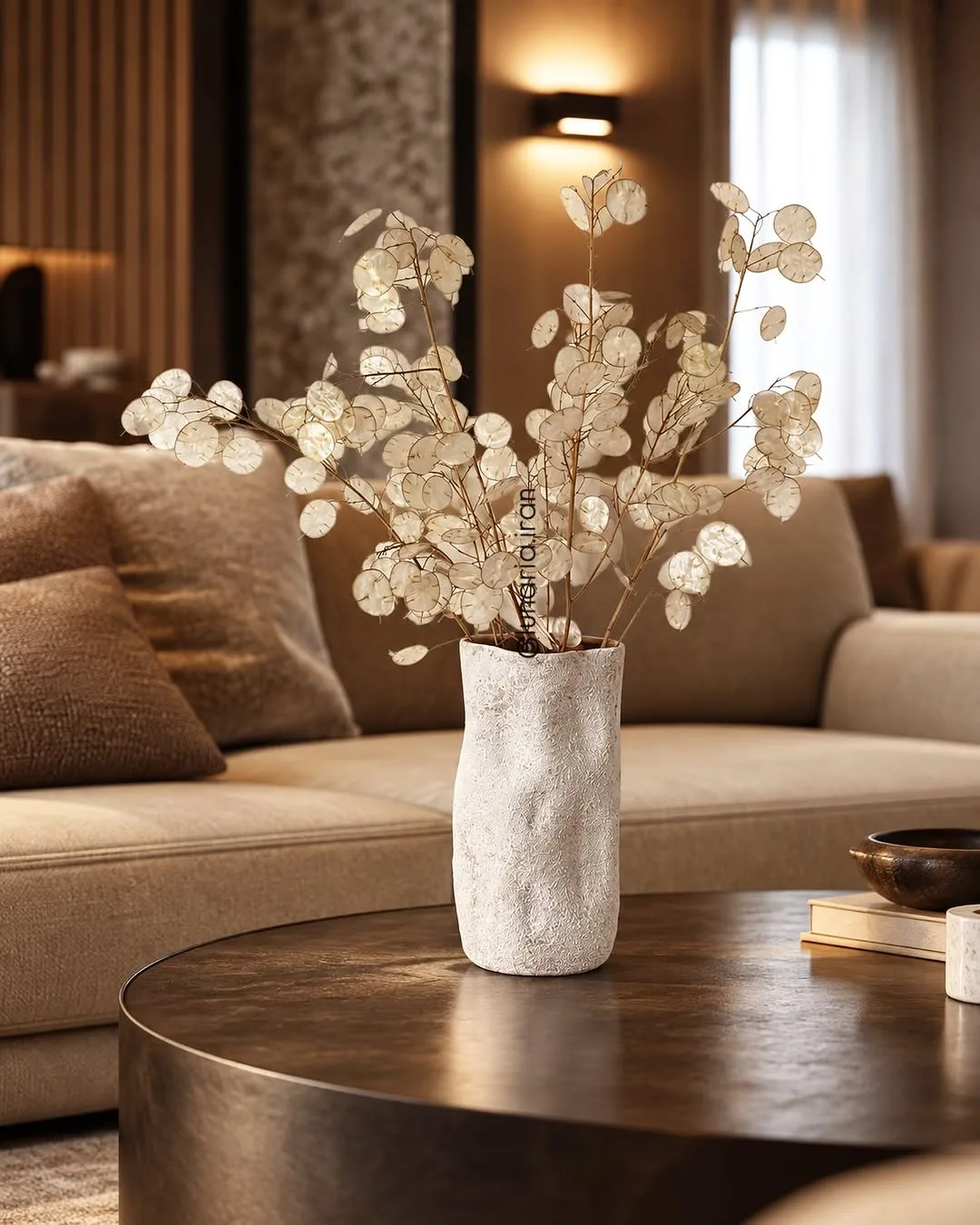
Stems bring height, softness, and a hint of the season into the center of the room. Fresh flowers add scent and color for a week, while dried grasses and branches last for months with almost no care. Either option softens the hard lines of furniture and screens.
Fresh flowers need clean water every two days and a quick trim at the stem base. Dried stems only need gentle dusting and a spot away from direct sun, which fades them. Keep the vase mouth narrow enough to hold stems upright without wide spreading.
Hosts who welcome guests often suit fresh stems because a new bunch marks the occasion. Gardeners enjoy cutting whatever blooms outside, from roses in summer to branches of berries in winter. People with busy schedules do better with dried stems that forgive weeks of neglect.
Every Friday, one woman buys a small bunch of whatever flowers cost least at her market and splits them between the table vase and the kitchen counter. Her living room feels new each weekend, and the habit costs less than one takeaway coffee.
Tall arrangements block sight lines and make conversation across the table awkward. Wide bouquets also crowd cups and plates during gatherings. Keep stems below the eye line of seated guests, use a low vase for dining and games, and save taller branches for side tables and corners.
Candle Group in Odd Numbers
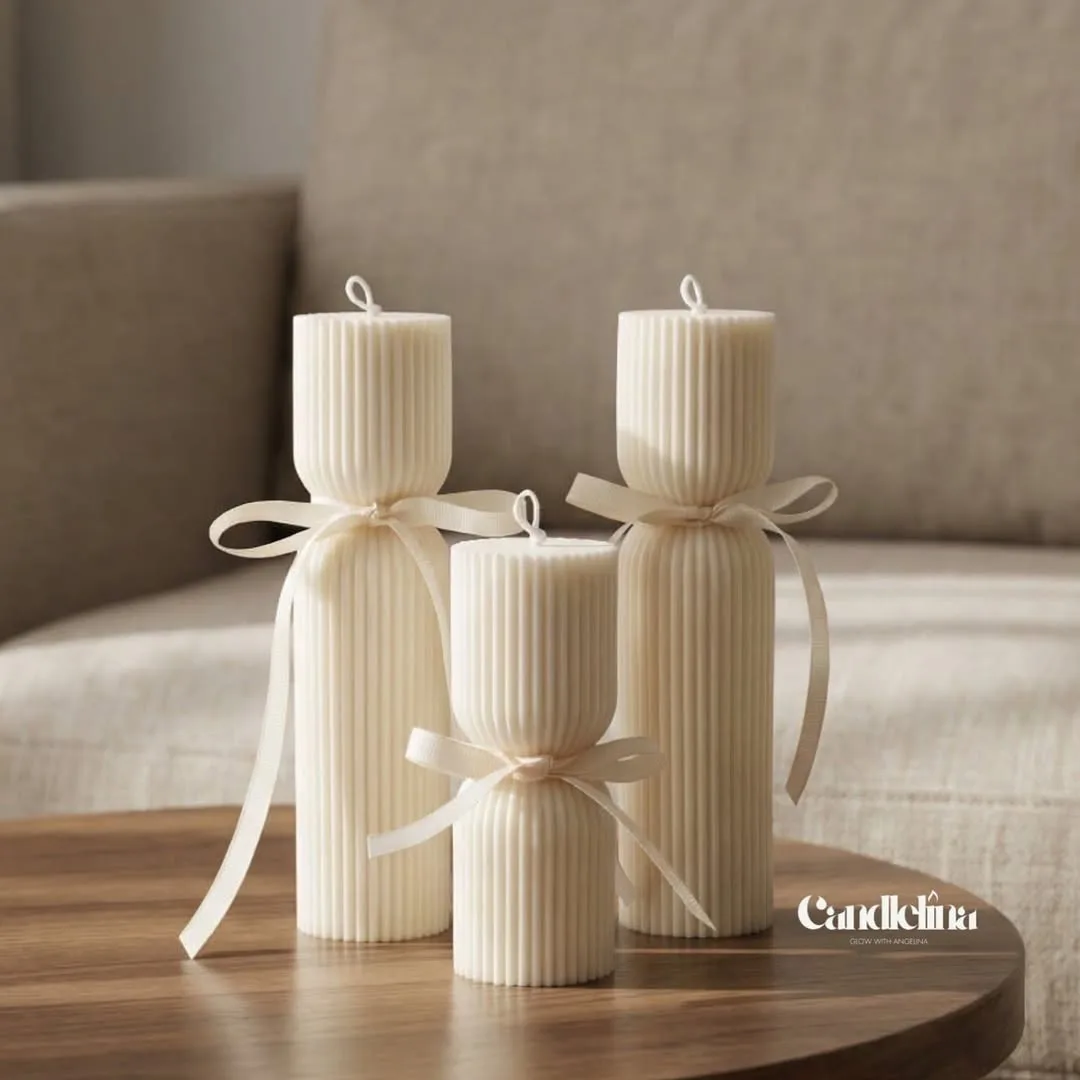
Candles add warm light at the height where people actually sit and talk. Groups of three or five look gathered and deliberate, while single candles often read as forgotten. Flickering light also flatters wood, fabric, and faces better than overhead bulbs during evening hours.
Group candles of different heights on a tray, a book stack, or a small plate. Mix pillar candles with tea lights in glass holders for layers of glow. Keep flames well away from books, curtains, and dried stems, and place the group where passing sleeves cannot brush it.
People who eat dinner in the living room or host evening drinks suit candle groups best. Battery candles with a warm flicker serve homes with small children or curious pets. Real wax suits quiet adult evenings when someone stays in the room the whole time.
After dinner, one family lights three pillar candles on their tray and turns off the main lamp. Phones stay in pockets longer, board games come out, and the room feels calmer within minutes. Their youngest child calls it the golden hour of the house.
Scented candles overwhelm small rooms when three perfumes burn at once. Strong fragrance also fights with food during meals. Burn one scented candle at most, keep the rest unscented, and blow candles out before leaving the room or going to bed every single night.
Small Plant or Succulent in a Pot
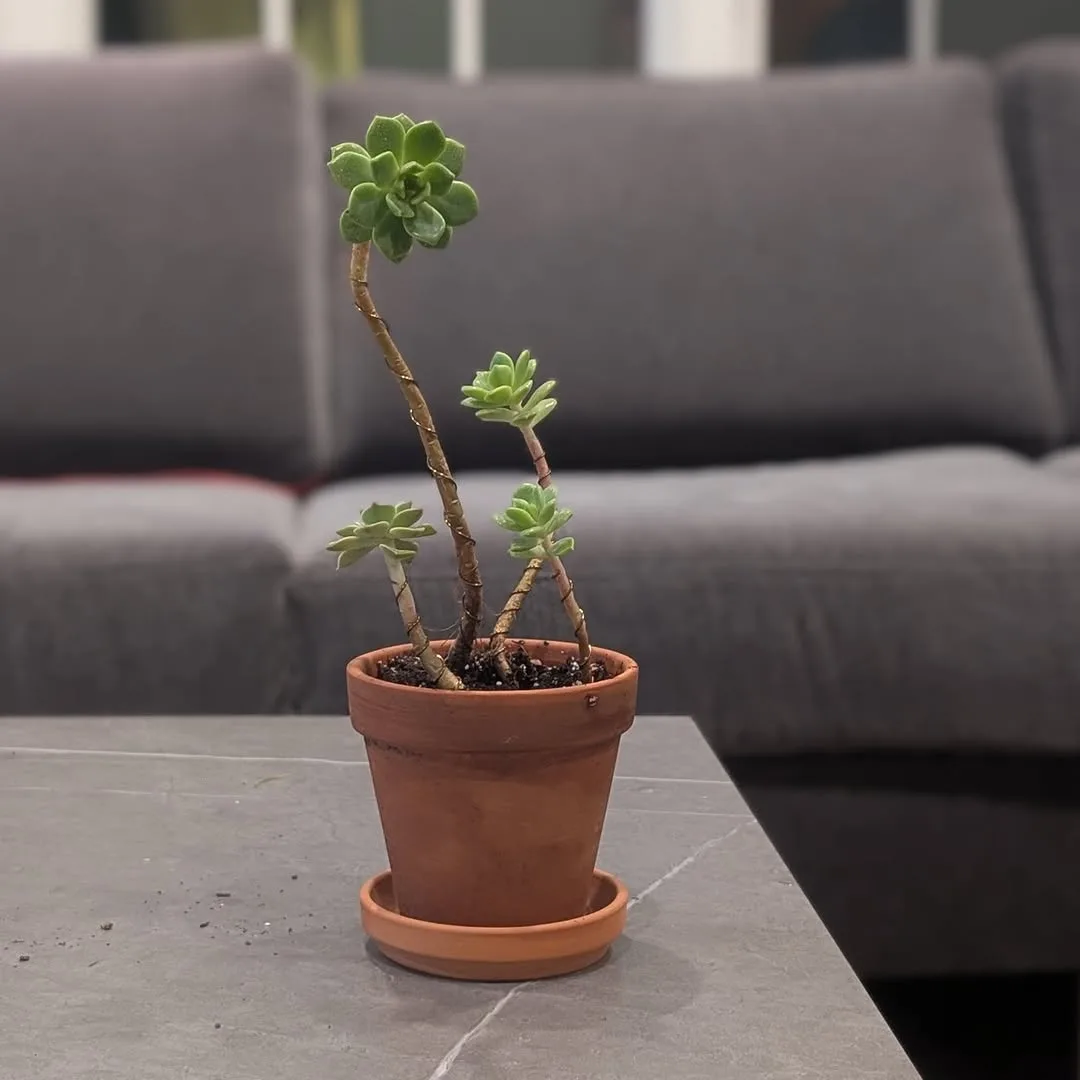
Plants add living color that no painted object can copy. Green leaves soften wood and glass, and a healthy plant signals a cared for room. Small pots suit coffee tables because they bring nature close without blocking views or stealing much surface.
Succulents ask for bright light and very little water, which suits forgetful owners. Leafy plants like pothos tolerate lower light and trail gently over a book stack. Choose a pot with drainage and a saucer, since water rings mark wood faster than almost anything else.
Beginners suit succulents and pothos best because both forgive missed waterings. Confident gardeners can rotate flowering plants through the table as seasons change. Homes with plant eating pets should check safety first and pick varieties known to be harmless to animals.
On her coffee table, one beginner kept a single jade plant in a clay pot beside her book stack. She watered it every second Sunday, turned it monthly toward the window, and the plant doubled in size within a year of slow, steady growth.
Overwatering kills more table plants than drought ever does. Soggy soil invites tiny flies, and leaking pots stain surfaces quietly under the saucer. Water sparingly, empty the saucer after each watering, and move struggling plants to a window sill until they recover strength.
Decorative Bowl for Remotes and Finds
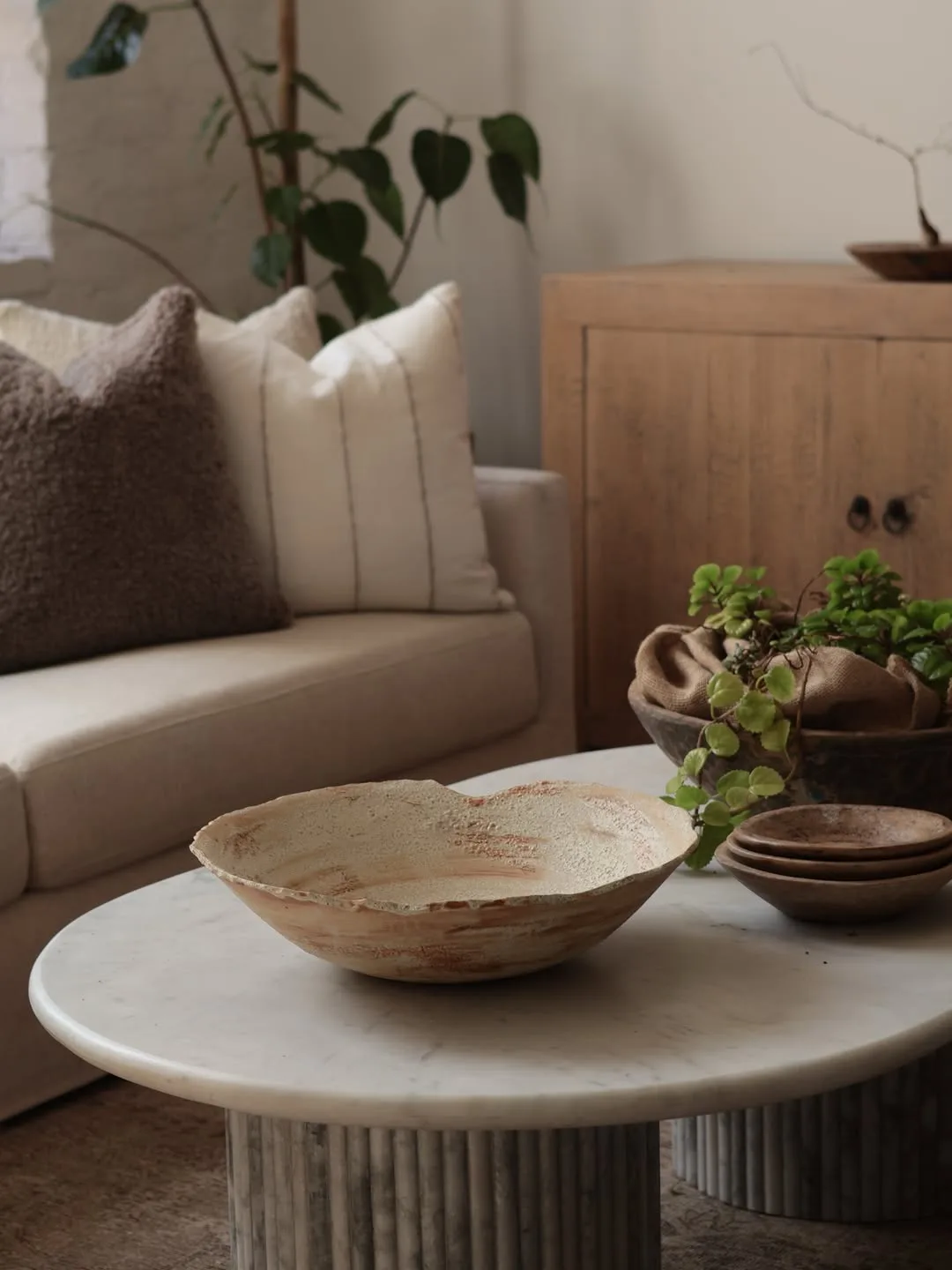
Bowls catch the small things that otherwise spread across the table. Remotes, keys, reading glasses, and loose coins land in one handsome place. Between jobs, a good bowl also stands as a simple sculptural piece with pleasing curves and color.
Place the bowl where hands naturally set things down, usually near the sofa edge of the table. Pick a bowl wide enough for two remotes and small finds, with some weight so it stays put. Ceramic, wood, and metal all work when the finish suits the room.
Busy households suit a catch all bowl best because tidying takes seconds at the end of the day. Families with children gain a clear rule about where small things belong. Guests also spot an obvious place for their keys instead of pockets and chair arms.
When guests arrived for a weekend, one host emptied her table bowl into a drawer and filled it with wrapped sweets instead. By Sunday the bowl held coins, hair ties, and one lost earring again, which proved how quickly the habit formed in her home.
Oversized bowls swallow remotes so deeply that people dig and scratch the glaze. Tiny bowls overflow within days and spill their contents back onto the table. Match the bowl to your real clutter, empty it weekly, and return every item to its proper home during the sort.
Woven Basket Under the Table
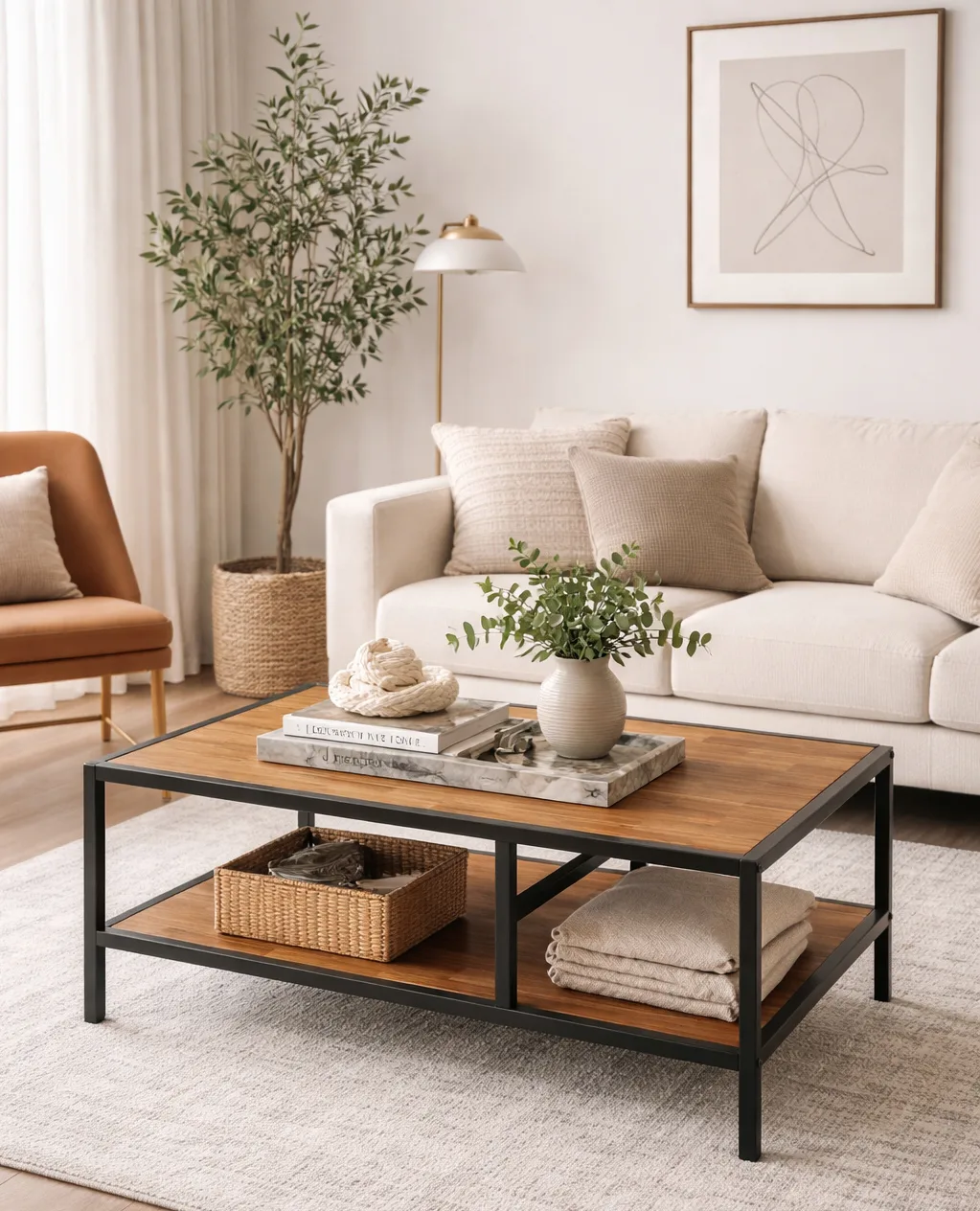
Under table space often goes to waste while the surface above it crowds. One woven basket slides into that gap and stores blankets, toys, or magazines out of sight. Natural fibers add warmth and texture that balance smooth wood, glass, and metal tables.
Measure the height and width beneath your table before buying anything. Choose a basket that slides freely with a finger of space above it, and prefer sturdy handles for pulling it out daily. Lined baskets protect delicate throws, while open weaves suit toys and magazines.
Families with young children suit under table baskets best because toys gather there anyway. People who knit or read in the evening also enjoy a basket within arm reach. Small flats gain hidden storage without adding another piece of furniture to the room.
In one small flat, a woven basket under the table holds two throws and a tangle of charging cables. Evenings feel tidier because the sofa stays clear, and guests never guess where the clutter went when the family tidies in a hurry before the doorbell.
Dust gathers quickly in open baskets, and forgotten snacks at the bottom attract pests. Damp items like wet gloves also sour natural fibers within days. Shake the basket outside weekly, keep food out of it entirely, and wash or air the contents on a regular rhythm.
Ceramic Vase in a Sculptural Shape
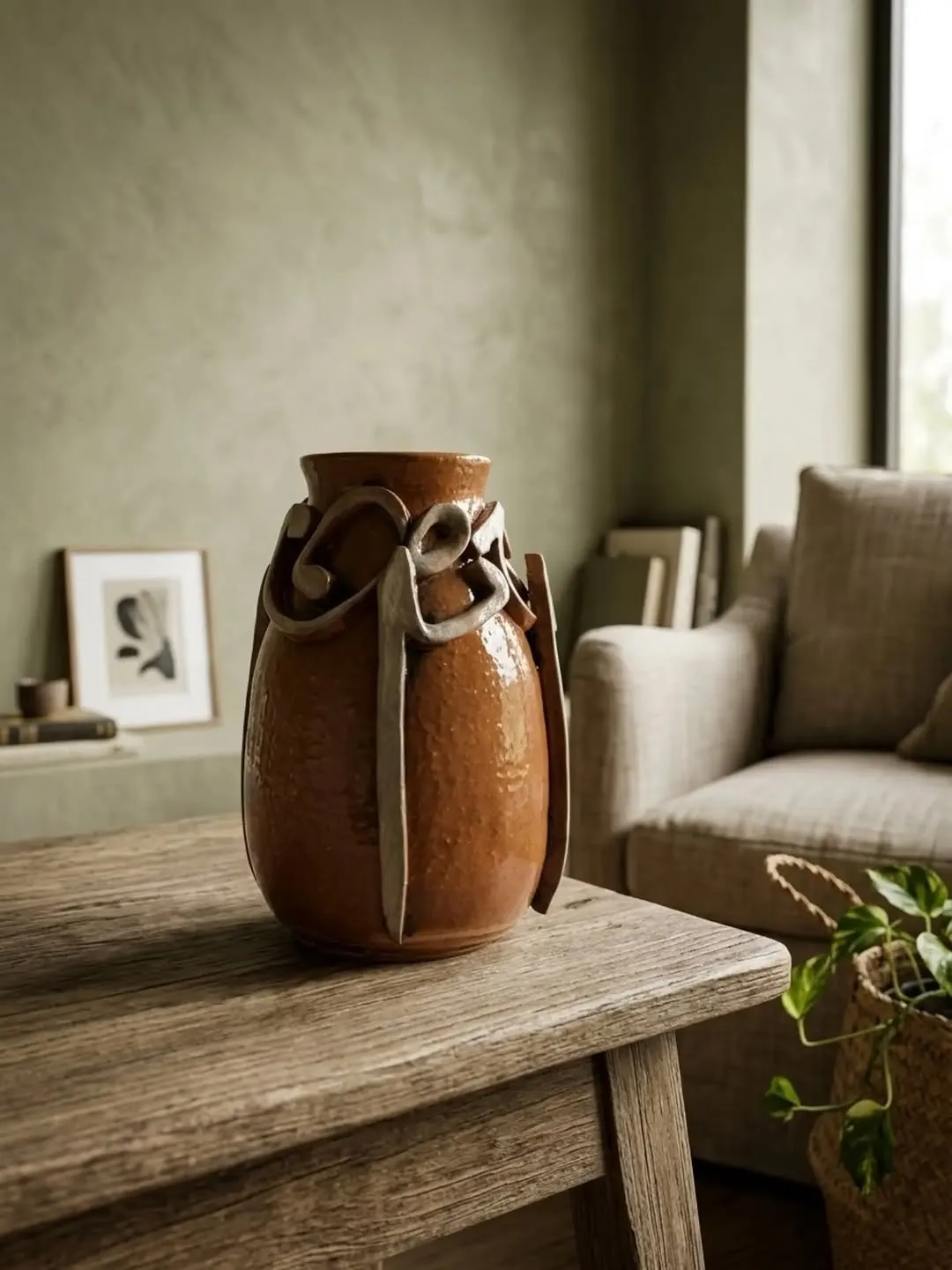
Sculptural vases decorate even when they stand completely empty. Ribbed, curved, or handmade shapes catch light and shadow across the day. One strong piece can carry a whole table when books and candles stay quiet beside it, and ceramic brings a crafted feel that factory made decor rarely matches in small rooms.
Leave the vase empty most of the time and let its shape do the work. Add one or two stems only on occasions when the table needs height. Matte glazes suit calm rooms, while glossy finishes add shine to darker corners that need light.
Modern rooms suit sculptural vases best because plain surfaces let strong shapes stand out. Traditional rooms can use handmade pottery with softer, uneven lines. Anyone who dislikes arranging flowers gains decor that never wilts, fades, or asks for fresh water.
Standing alone on a pale oak table, one ribbed cream vase anchors a room furnished mostly in beige and white. Its owner adds three dried stems in winter and leaves it bare through summer, and visitors ask about the piece more than any artwork nearby.
Fragile rims chip when heavy books or trays knock against them during cleaning. Thin ceramic also cracks if candles heat one side on cold evenings. Set the vase on a felt pad or a book stack, keep heat away, and lift it clear before wiping the table.
Small Sculpture or Hourglass as a Focal Point
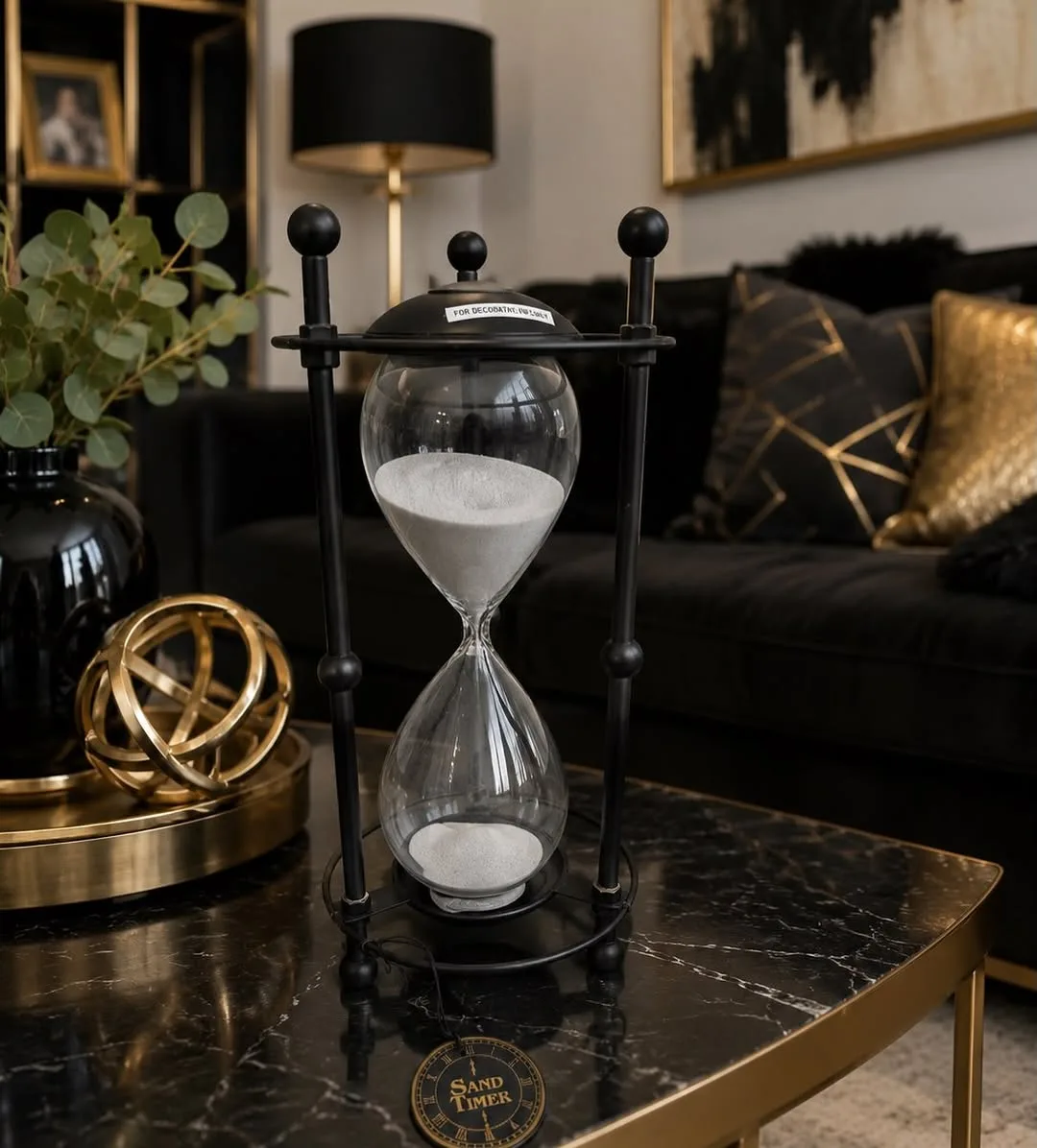
Every set of coffee table decor ideas benefits from one focal point that starts conversation. One small sculpture, an hourglass, or a carved stone piece gives the eye a place to land. Guests pick such pieces up, ask about them, and remember the room afterwards.
Hourglasses suit busy tables because sand keeps moving without any care at all. Small sculptures in wood, stone, or metal add weight and age beside soft furnishings. Keep the piece small enough to move with one hand when you clean or play games.
Collectors suit this idea best because shelves and trips already supply unusual pieces. Storytellers enjoy objects with history, like a stone carved by a grandparent. Calm rooms with few decorations gain the most from one brave, characterful object on the table.
During long phone calls, one man turns his brass hourglass and watches the sand instead of pacing the room. The habit calmed him so much that his family now flips the glass whenever anyone needs five quiet minutes to think through a problem.
Sharp edges and heavy bases can scratch glass and polished wood in seconds. Tall sculptures also topple when elbows knock the table during games. Choose rounded, stable pieces, set them on felt pads, and store fragile treasures on shelves where they stay safe.
Coasters Kept in a Neat Stack
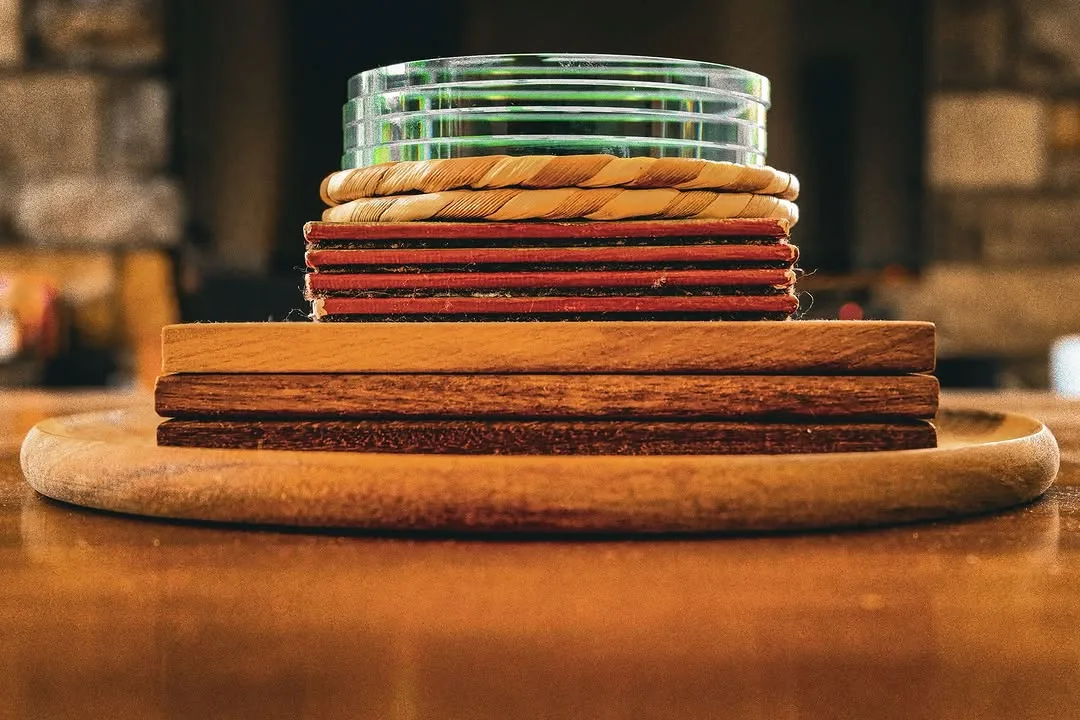
Coasters protect the surface while quietly decorating it at the same time. One neat stack signals that drinks belong here and rings do not. Materials like stone, cork, wood, and woven fiber add small patches of texture and color to the arrangement.
Keep four to six coasters stacked beside the tray or bowl where guests can reach them without asking. Wash stone and ceramic sets weekly because dried drink rings look grubby fast. Store spare sets in a drawer and rotate them with the seasons for small change.
People who serve drinks daily suit a permanent coaster stack best. Wood tables and pale surfaces gain the most protection from the habit. Households with children should choose cork or felt sets that survive drops and wash without fuss or noise.
Guests at one movie night used the stacked coasters without a single reminder because the pile sat right beside the popcorn bowl. By the end of the film, every glass rested on stone, and the pale table survived the evening without one new mark.
Cheap felt coasters soak through and stick to the bottom of glasses within weeks. Oversized novelty coasters also look like clutter rather than decor. Buy one decent set that suits the room, replace worn pieces promptly, and keep the stack small enough to look tidy.
Seasonal Swap with Fruit or Pinecones

Seasonal swaps keep coffee table decor ideas feeling fresh without new furniture or big spending. Fruit, pinecones, shells, and garden cuttings change the table with the calendar. Each swap also gives the household a small ritual that marks the turning of the year.
Lemons and limes fill a bowl with color through winter when rooms need brightness most. Autumn suits pinecones, acorns, and small pumpkins gathered on walks. Summer brings shells from trips and herbs cut fresh from pots or garden beds beside the door.
Gardeners and market shoppers suit seasonal swaps best because supplies arrive with their normal routines. Families with children enjoy collecting pinecones and shells together on weekends. Anyone bored by a static arrangement gains change without buying permanent decor at all.
Through autumn, one family kept a low bowl of pinecones and cinnamon sticks on their table. Visitors commented on the gentle scent, and the children added one new find from every walk until the bowl told the story of their whole season outdoors.
Forgotten fruit attracts flies and stains bowls when it softens unnoticed. Real pumpkins also mark wood if they sit directly on the surface for weeks. Check fresh items every few days, rest produce on cloth or plates, and compost anything past its best promptly.
Low Basket of Magazines and Throws
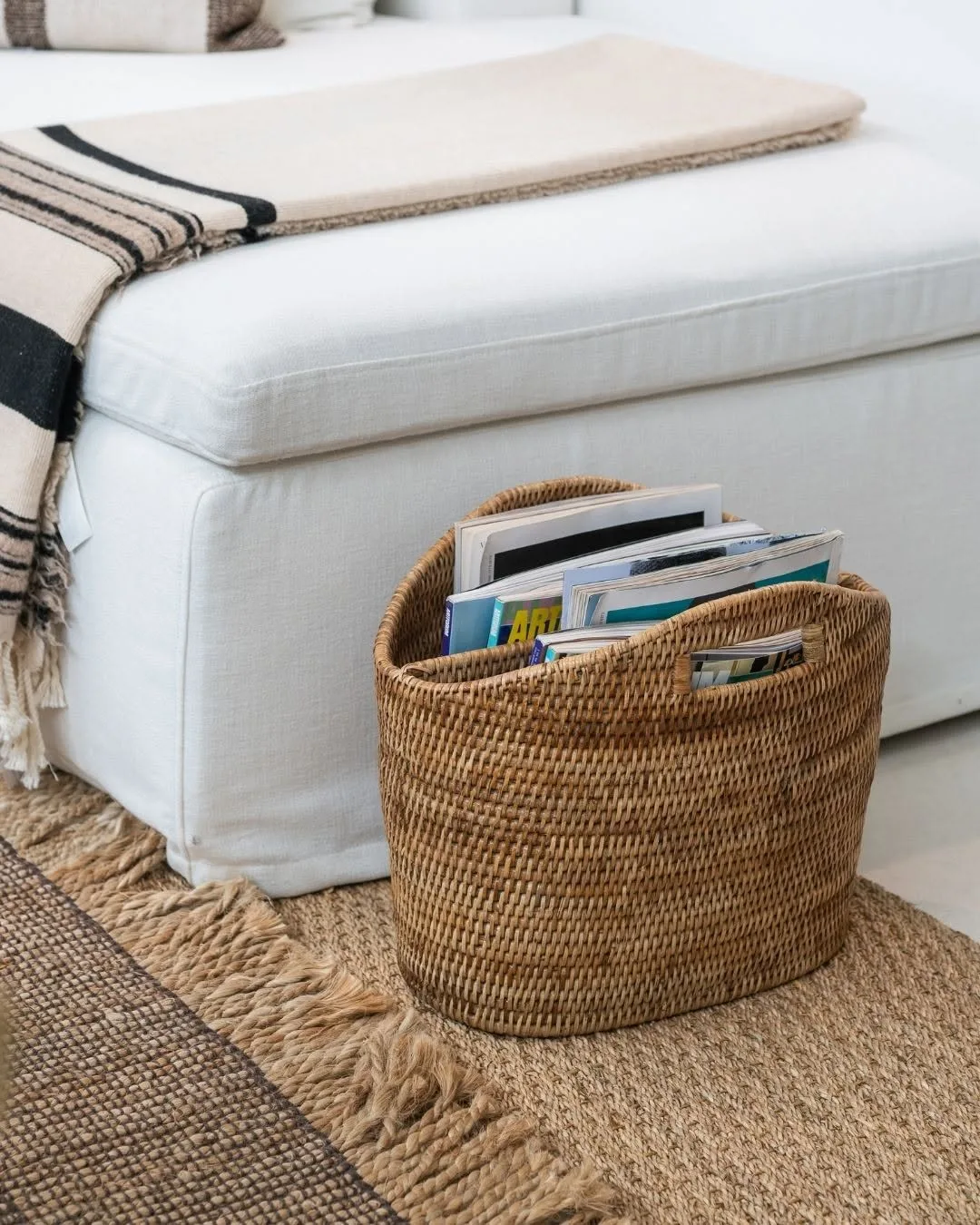
Magazines and throws belong near the sofa, yet they smother the table when they live on top of it. One low basket beside or beneath the table keeps reading and blankets close without crowding the surface. The arrangement also invites people to actually relax there.
Lay magazines flat in a neat pile inside the basket with covers facing up, and fold throws so their colors show at the top. Keep the basket low enough to slide under the table edge or sit neatly beside a leg. Limit contents to current issues and two throws.
Slow weekend readers suit this idea best because their papers and blankets gather in one place. Households that knit, crochet, or mend in the evening also enjoy supplies within reach. Guests benefit too, since a visible basket quietly offers a blanket without any asking.
Tucked beneath the table, one low basket keeps the Sunday papers and two wool throws ready in a home where the sofa hosts long reading mornings. Clearing the table for lunch now takes seconds, and nothing important hides under cushions anymore during the week.
Piled magazines slide into a messy fan when the basket stands too tall or too full. Old issues also gather dust and make the whole corner feel stale. Recycle read issues monthly, shake the basket outside, and let only pieces the household truly uses stay inside.
Glass Box or Cloche Display
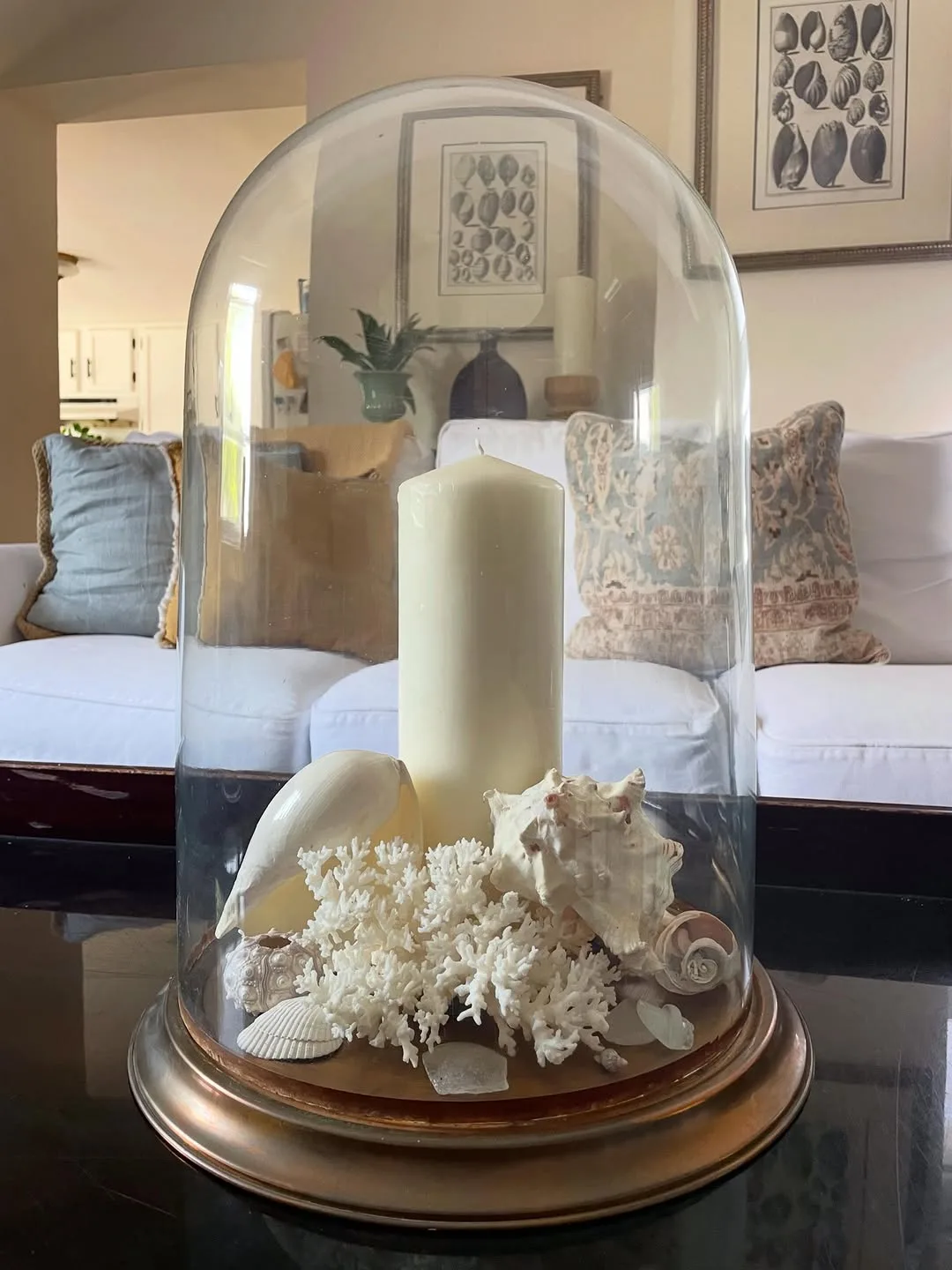
Glass pieces suit coffee table decor ideas because they add shine without adding visual weight. One glass box or cloche protects small treasures while keeping them visible. Light passes through, so even a full display leaves the table feeling open and calm.
Fill a glass box with shells, old letters, matchbooks, or jewelry that deserves daylight. Place a small plant, a candle, or a tiny sculpture under a cloche for a museum feel. Keep contents to one theme so the display reads as a story rather than storage.
Sentimental pieces suit glass display best because their owners enjoy seeing them daily. Travelers can show finds from trips without risking dust and knocks. Small tables gain decoration that adds interest upward while using very little surface space at all.
Inside one glass box, a grandmother keeps ticket stubs, a wedding photograph, and dried petals from her garden. Grandchildren lift the lid on every visit, and each object starts a story, which makes the small box the most loved piece in her living room.
Sunlight fades fabric, paper, and petals under glass faster than most people expect. Glass also shows fingerprints and dust sooner than wood or ceramic do. Set displays away from direct sun, wipe the glass weekly with a soft cloth, and rotate delicate contents seasonally.
Stone or Marble Object with Weight
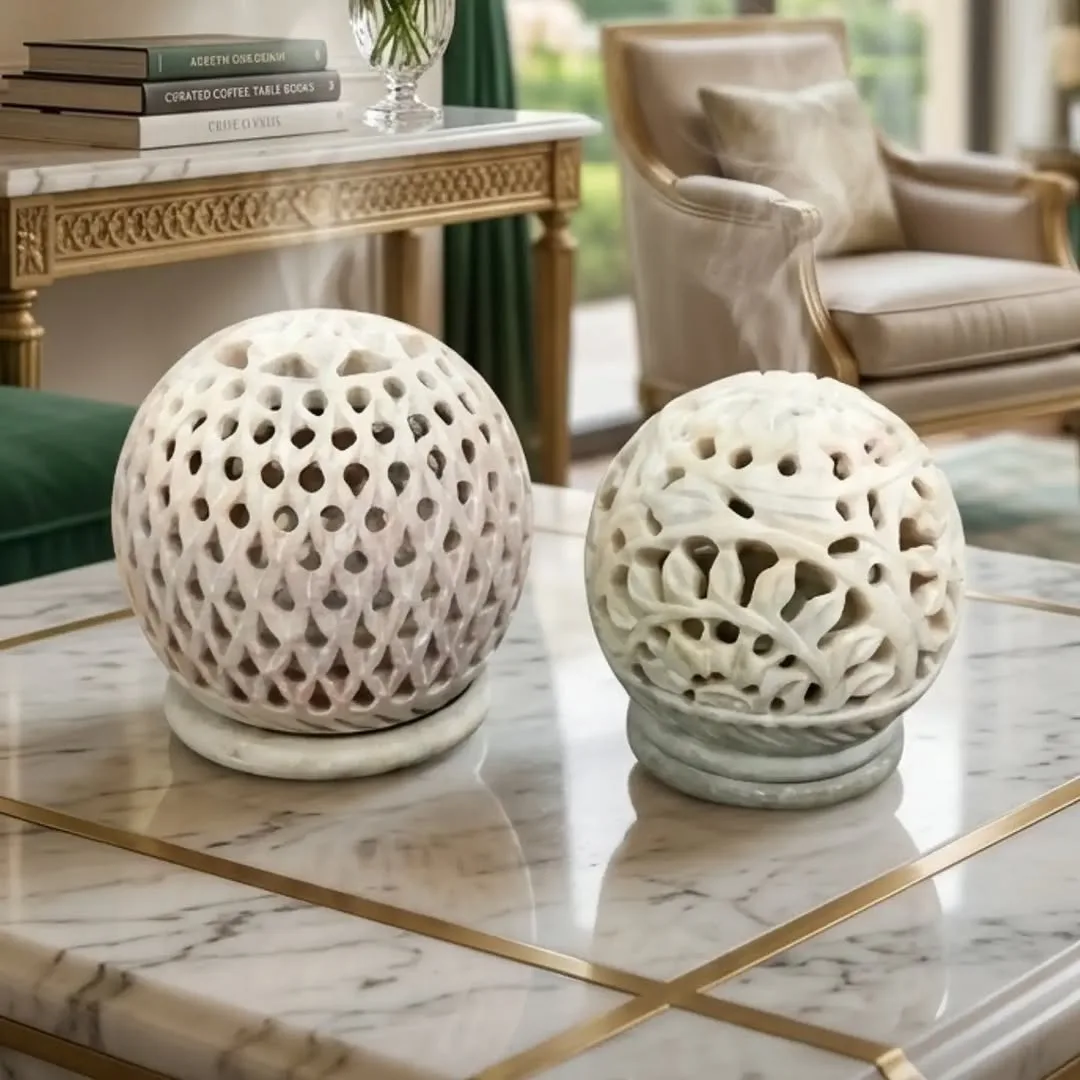
Weight anchors an arrangement and keeps light pieces from looking scattered. One stone sphere, a marble bookend, or a smooth river rock brings cool texture beside warm wood and fabric. Heavy pieces also stay put when the table gets bumped during busy gatherings.
Rest the object on felt pads or a folded cloth to protect the surface beneath it. Pair stone with softer items like a plant or candles so the table does not feel cold. One heavy piece per table is plenty for the effect.
Minimalists suit stone pieces best because one object can carry the whole arrangement. Modern rooms with glass and metal gain warmth from rough natural texture. Anyone tired of dusting many small ornaments will enjoy owning a single piece that wipes clean in seconds.
Centered on a linen runner, one marble sphere sits between two low candles in a quiet grey living room. The owner turns the sphere slowly when she thinks, and the cool stone has become her favorite object to hold during long evening conversations.
Heavy pieces damage weak tables and crack glass tops when people set them down carelessly. Stone also chips ceramic and scratches varnish when items slide together. Check the table strength first, lift rather than drag the piece, and keep stone away from delicate neighbors.
Simple Arrangement in Groups of Three
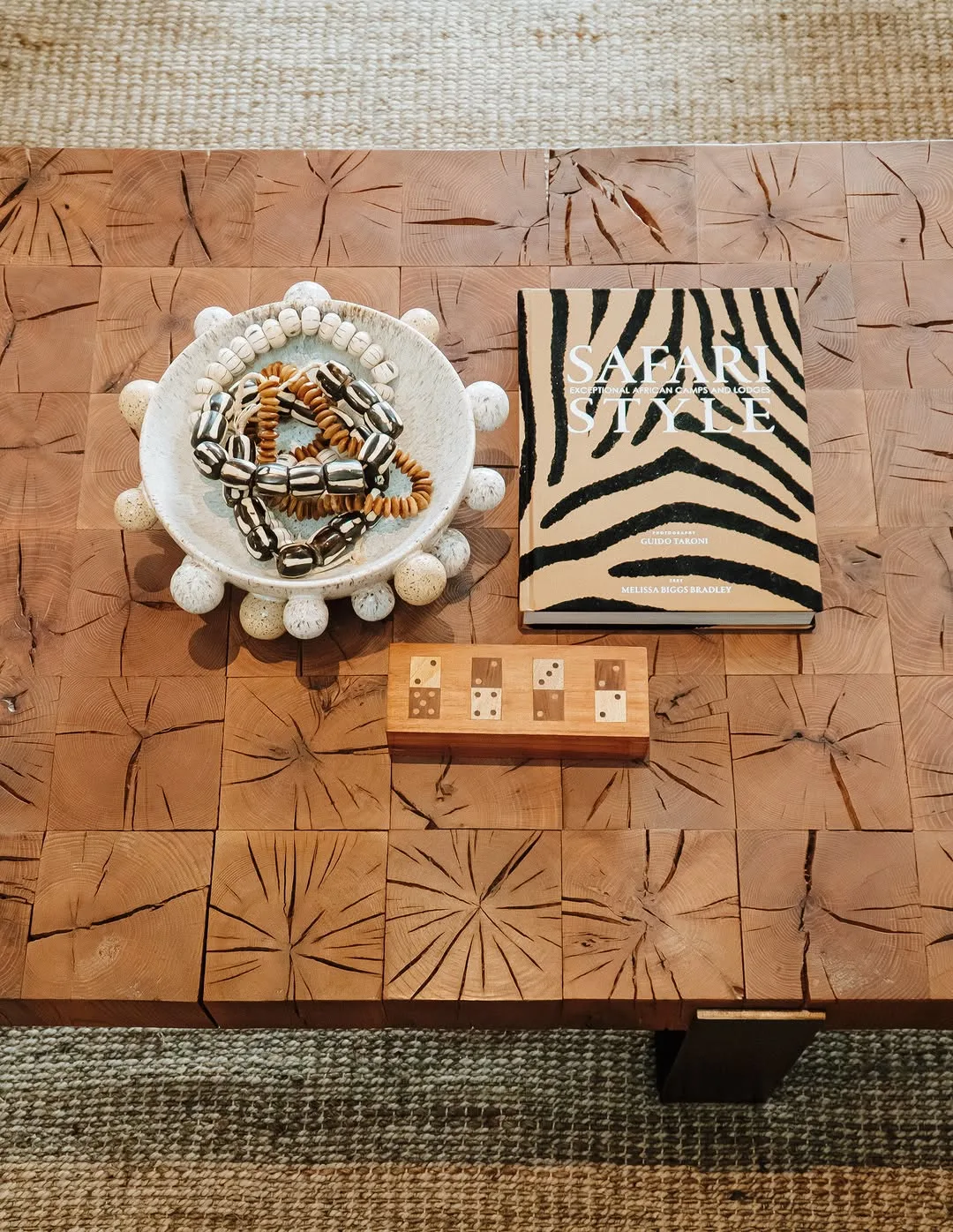
Groups of three please the eye because odd numbers feel gathered rather than lined up. One tall piece, one medium piece, and one low piece form a small scene with movement. The rule gives beginners a simple recipe that works on almost any table.
Vary heights, shapes, and materials inside each group so the pieces contrast gently. Try a vase, a stack of books, and a small bowl, or a candle, a plant, and one stone. Leave clear space around the group so it reads as one calm moment.
New decorators suit this rule best because it removes guessing from the first arrangement. Small tables need only one group, while long tables can carry two groups with space between. Anyone who keeps adding pieces one by one gains a stopping rule that protects the table.
Working with a tray, three books, and one candle, one couple arranged their first group in ten minutes. They removed two extra ornaments the same evening, and the table finally looked finished instead of nearly finished, which had bothered them for months.
Matching sets arranged in strict rows look stiff and shop like rather than lived in. Groups also fail when every piece stands the same height and the scene goes flat. Mix ages and materials, break perfect symmetry slightly, and step back to judge from the sofa.
Common Mistakes to Avoid
Crowding causes most styling failures because every added piece steals space from real life. Cups end up on the floor, plates balance on sofa arms, and the table stops serving the room. Remove pieces until drinks, books, and games all fit comfortably at once.
Ignoring scale makes small tables vanish under oversized trays and tall vases. Large furniture also swallows tiny ornaments that looked fine in the shop. Measure the table, choose pieces in proportion, and keep arrangements below seated eye level for easy conversation.
Buying everything in one trip leads to matching sets with no history and no character. Rooms look furnished rather than gathered, and mistakes cost more to fix. Add pieces slowly from trips, gifts, markets, and your own shelves, and let the table grow over time.
Neglecting cleaning quietly ruins good arrangements. Dust dulls glass and ceramic, candle wax marks wood, and dead leaves gather under plants. Lift every piece weekly, wipe the bare surface, and refresh one tired item so the whole table feels new again.
Budget Friendly Coffee Table Decor Ideas
Strong coffee table decor ideas rarely need new purchases at all. Books from your shelves, a bowl from the kitchen, and a plant from the window sill can style a table today. Shop your own home first and move pieces between rooms before spending anything.
Second hand shops and market stalls sell trays, vases, bowls, and candle holders for very little money. Solid older pieces often outlast cheap new imports and carry more character. Wash finds well, check for cracks and chips, and buy one piece at a time.
Library sales and book swaps supply large hardcover books for the price of a coffee. Retired atlases, cookbooks, and art volumes make perfect base stacks. Choose strong covers in colors that suit your room and leave damaged or dull volumes behind.
Rotate what you own before you shop again. Swap the table plant with one from the bedroom, trade bowls with the kitchen, and restyle with the seasons. Small rotations refresh the room for free and stop the urge to buy pieces you will tire of quickly.
Tips for Styling a Coffee Table
Start from empty every time you restyle. Clear the whole surface, clean it well, and add pieces back one group at a time. Stopping early becomes easier when you watch the table fill slowly instead of starting from clutter and trying to subtract.
Leave at least half the surface clear on most tables. Guests need room for cups, plates, feet, and games, and clear space makes the styled parts look deliberate. Treat empty surface as part of the design rather than space waiting to be filled.
Most coffee table decor ideas work better after one honest edit. Remove a third of what you placed, then judge the table from the sofa where people actually sit. Distance reveals crowding, height problems, and color clashes that close inspection always misses.
Test arrangements for a full week of real life before judging them. Notice where cups land, what gets moved aside, and which pieces gather dust untouched. Keep what earns its place through daily use and retire anything the household keeps working around.
Refresh one small thing with each season instead of restyling everything at once. Swap stems, fruit, candle colors, or the top book on the stack. Small changes keep the room feeling cared for without fresh spending or a full afternoon of work.
FAQ
How Much of the Table Should Stay Clear?
Roughly half the surface should stay clear in most living rooms. People need landing space for cups, plates, remotes, and feet during real evenings. Style the remaining half in one or two groups and resist filling gaps that appear when items move during the week.
How Do I Style a Very Small Coffee Table?
Scale everything down and keep only one group of three pieces. One small tray can hold a candle, a tiny plant, and the remote all at once. Skip book stacks and large bowls, and let the clear surface make the table feel bigger than it measures.
What Works Well on a Glass Coffee Table?
Felt pads and soft bases matter most because glass shows scratches and sounds harsh when objects land. Choose trays, books, and woven pieces that rest quietly. Arrangements also show from below, so keep undersides tidy and avoid clutter stored beneath the glass where everyone sees it.
How Often Should I Change the Arrangement?
Every few weeks is plenty for small swaps, with bigger changes each season. Fruit, stems, and candle colors refresh fastest and cost least. Core pieces like trays, books, and bowls can stay for years once they suit your routine and your room well.
Can I Use Candles Safely Around Children and Pets?
Battery candles with a warm flicker give the same glow without any flame risk. Place real candles only where adults stay present, well away from small hands, tails, and curtains. Glass holders protect surfaces and contain wax when real candles do burn during calm evenings.
Where Should I Start If the Table Feels Cluttered?
Empty the table completely and clean the bare surface first. Return only the pieces the household uses daily, grouped inside a tray or on a book stack. Live with the simpler version for a week before adding anything decorative back into the arrangement.
Conclusion
Pretty and practical can share one table when each piece earns its place. Books lift, trays gather, plants soften, and one personal object tells the story of the home. Clear space does as much work as any decoration you could buy for the surface.
Begin with two ideas from this guide and live with them for a week. Notice how the table handles mornings, guests, and quiet evenings before adding more. Honest daily use teaches faster than any photograph of a styled room ever could.
Simple coffee table decor ideas ask little and give back a calmer room. Group pieces, vary heights, protect the surface, and edit often. Small steady habits keep the table looking cared for long after the first styling afternoon ends.
Over time, the table will gather pieces with real meaning: a bowl from a trip, a book from a friend, a plant that keeps growing. Such tables welcome people better than any showroom arrangement. Let yours grow slowly and enjoy using it every day.