Bookshelf Decor Ideas That Mix Books, Art and Everyday Pieces
Bookshelves do far more than hold books. People read the whole story of a home from one shelf wall, from the novels someone loves to the photos they keep close. Yet many shelves end up crowded, dusty, and hard to use, with rows of spines pushed in any order and objects squeezed wherever they fit.
Simple bookshelf decor ideas fix that problem without new furniture or a big spend. You group books with breathing room, add a few objects with real meaning, and leave some shelves partly empty. Every shelf then looks calm from across the room and still works well for daily reading.
Inside this guide, fifteen styling ideas cover piles, color groups, plants, art, baskets, and small collections. Each idea explains why it works, gives practical steps, names the homes it suits best, shares one real example, and points out one mistake to skip. Pick three ideas, try them this week, and build from there.
What Are the Best Bookshelf Decor Ideas for a Balanced Look?
Balanced bookshelf decor ideas rest on contrast. Tall books stand beside low stacks, hard covers sit near soft baskets, and plain spines leave room for one bright object. Roughly two thirds books and one third objects keeps shelves useful and pretty at the same time.
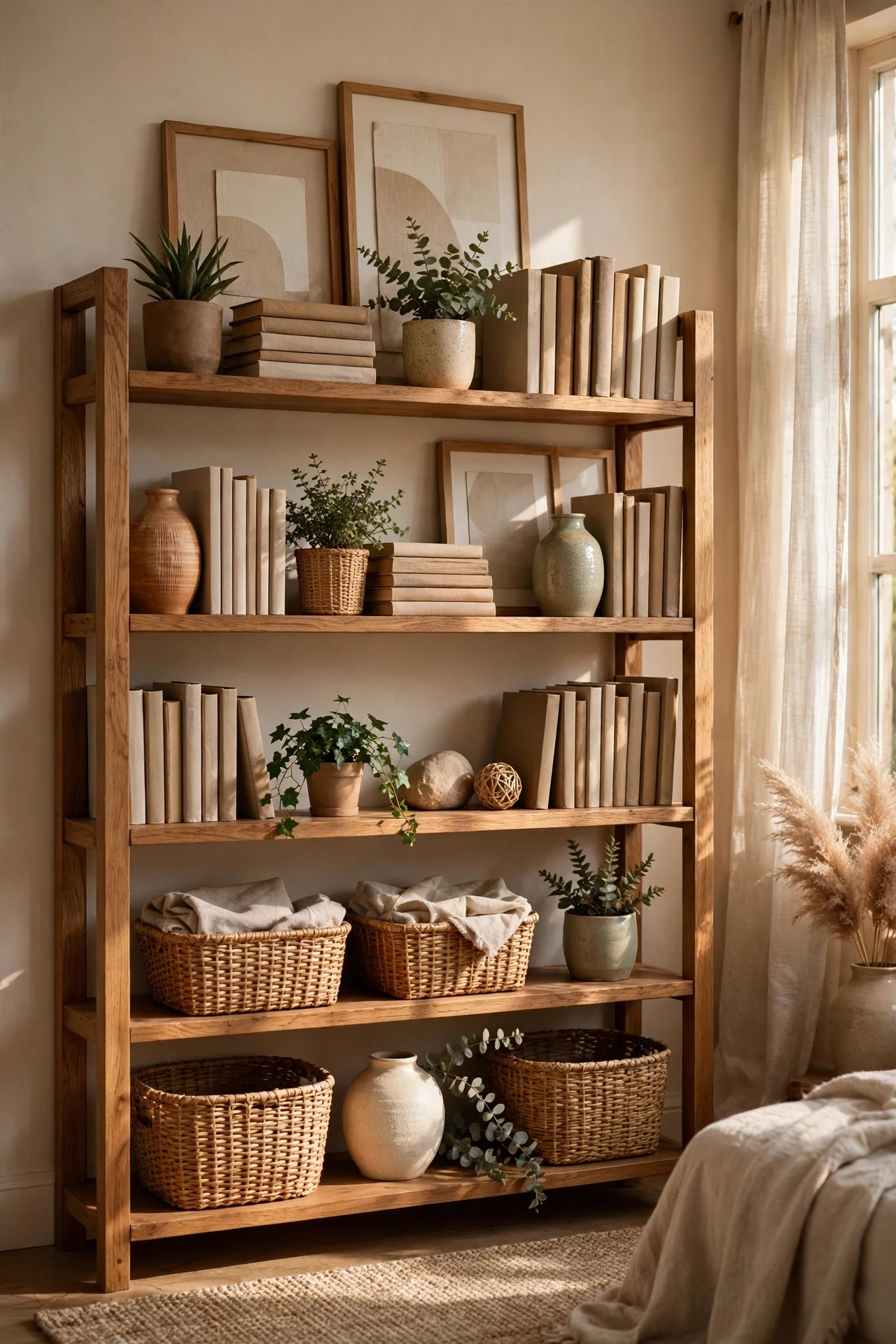
Picture one tall bookcase in a plain room. Books fill most shelves in short groups, a plant softens one corner, framed art leans behind a stack, and one shelf holds only a basket and a bowl. Nothing there cost much, yet the whole wall looks planned and welcoming.
Books Stacked in Short Piles
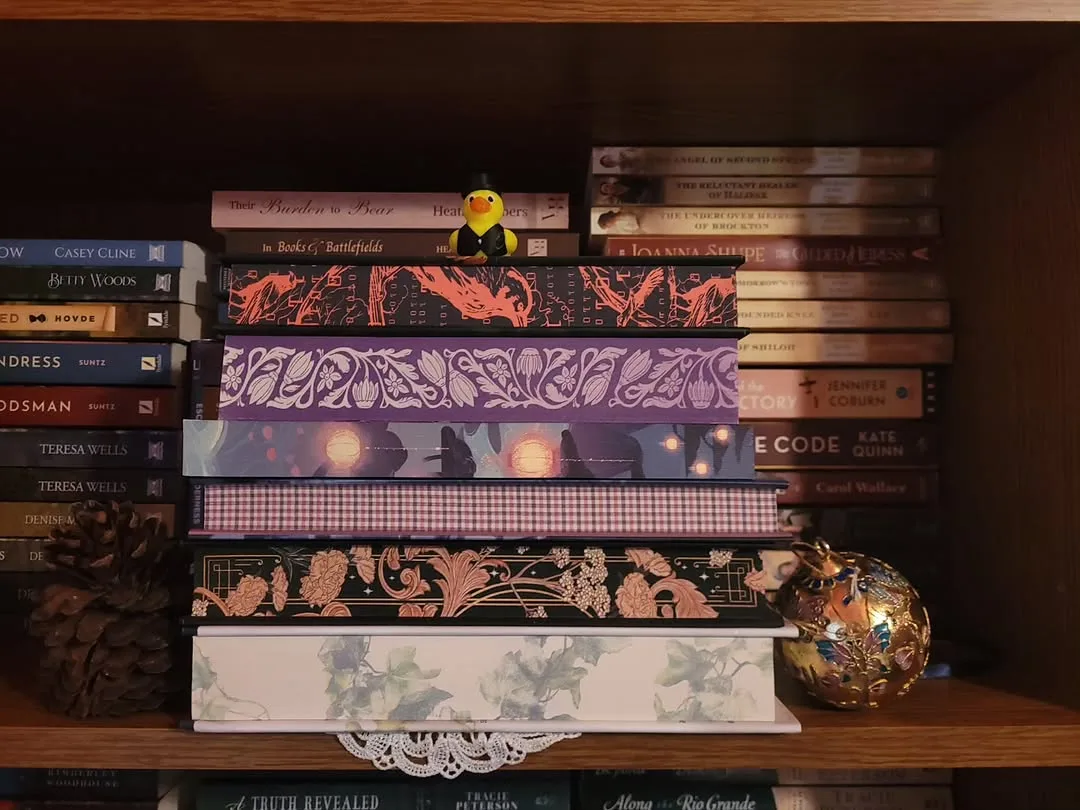
Short piles break up long rows of upright books and give the eye small places to rest. Horizontal stacks also create flat spots where a plant, a bowl, or a framed photo can sit. Shelves look styled instead of stored, even when the books themselves stay plain and well worn.
Keep each pile low, with three to five books of similar size stacked neatly. Place the largest book at the bottom and turn each spine slightly for a relaxed look. Leave a hand width of space beside each pile so people can lift the bottom book without pulling the whole stack apart.
Readers with deep shelves suit piles best, because wide shelves swallow upright rows and leave odd gaps. Coffee table books, art books, and cookbooks also stack well since their covers carry strong colors and titles. Homes with children gain too, because low piles stay easy for small hands to manage.
One couple moved their travel books from a cramped cupboard onto their living room shelves in four short piles. Guests started picking up the top books during visits, and the piles sparked more conversations than the television ever had. Their shelves finally showed what the family loved most.
Tall piles cause the classic failure with this idea. Stacks above six books lean, slide, and bury the bottom titles where nobody reaches them. Dust also settles deep between the pages of books nobody moves. Cap every pile, shift books around each season, and keep only loved titles on display.
Books Grouped by Color

Grouping books by cover color turns a mixed collection into one calm pattern. Red spines gather into a warm block, blues cool one corner, and plain cloth covers settle the spaces between. Shelves look ordered even when the titles jump across every subject under the sun.
Sort books on the floor first, making loose piles for each main color you own. Return the biggest color group to the middle shelves, where eyes land first, and place smaller groups above and below. Keep one shelf of mixed colors near the reading chair for books in daily use.
People who own books in every color suit this system well, because color gives instant order without buying anything new. Small homes gain most, since tidy looking shelves make a whole room feel larger. Book lovers who lend often should keep one honest mixed shelf for current reads.
When one teacher sorted her paperbacks by color along a single wall, friends assumed she had hired a decorator. She spent one rainy Sunday on the job and bought nothing at all. Her reading chair corner stayed mixed on purpose, so favorites stayed within reach every single evening.
Strict color rules backfire when finding one book turns into a hunt across the whole house. Guests and children also return books to the wrong block, and the system collapses within weeks. Group loosely, forgive odd covers, and judge the shelves by how calm they feel from the doorway.
One Shelf Left Half Empty
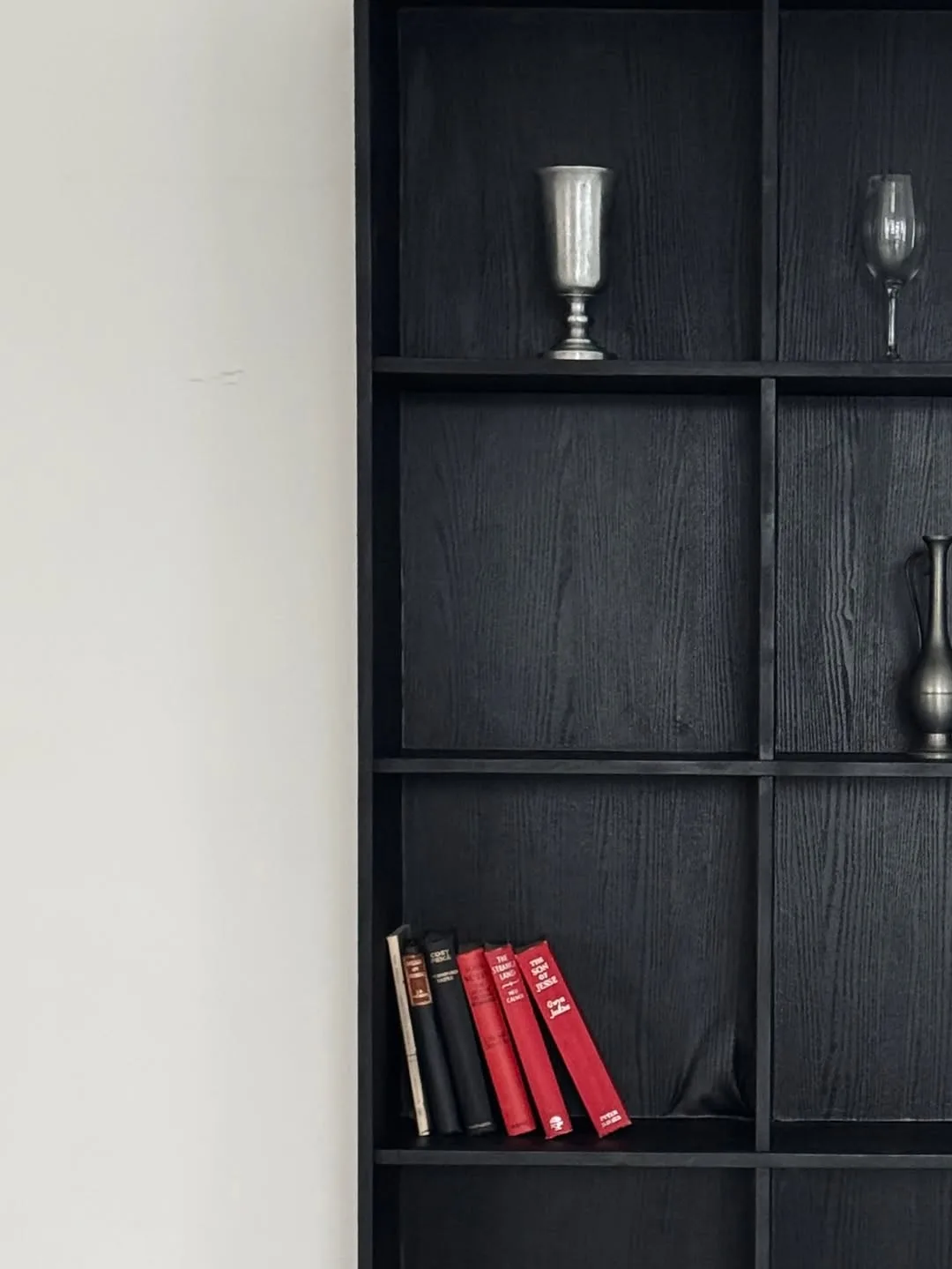
Empty space does more for a bookcase than any object you could buy. One shelf left half empty gives crowded shelves room to breathe and makes the filled shelves look richer by contrast. Eyes rest there, dust shows less, and the whole unit feels lighter without losing a single book.
Choose the emptiest shelf at eye level, since that shelf shapes how the whole bookcase feels. Move its books into gaps on other shelves, then place one single object at one end, such as a small plant or a plain bowl. Resist filling the gap for at least one full month.
Crowded rooms suit this idea best, because one calm shelf lowers the visual noise of the whole wall. Small flats gain space for future books without buying another bookcase. Anyone who keeps adding objects month after month also benefits, since one defended empty shelf breaks the habit gently.
After one family cleared the middle shelf of their tall bookcase, visitors began asking what had changed in the room. Nobody could name it at first, yet everyone agreed the room felt calmer. The family placed one green plant at the end and left the rest open for a year.
Filling the gap slowly defeats the whole point, because new purchases and stray objects creep back within weeks. Mail, keys, and charging cables land there first, then stay for months. Treat the empty shelf as finished decor, dust it weekly, and move stray items to their real homes the same day.
Small Plants Between Books
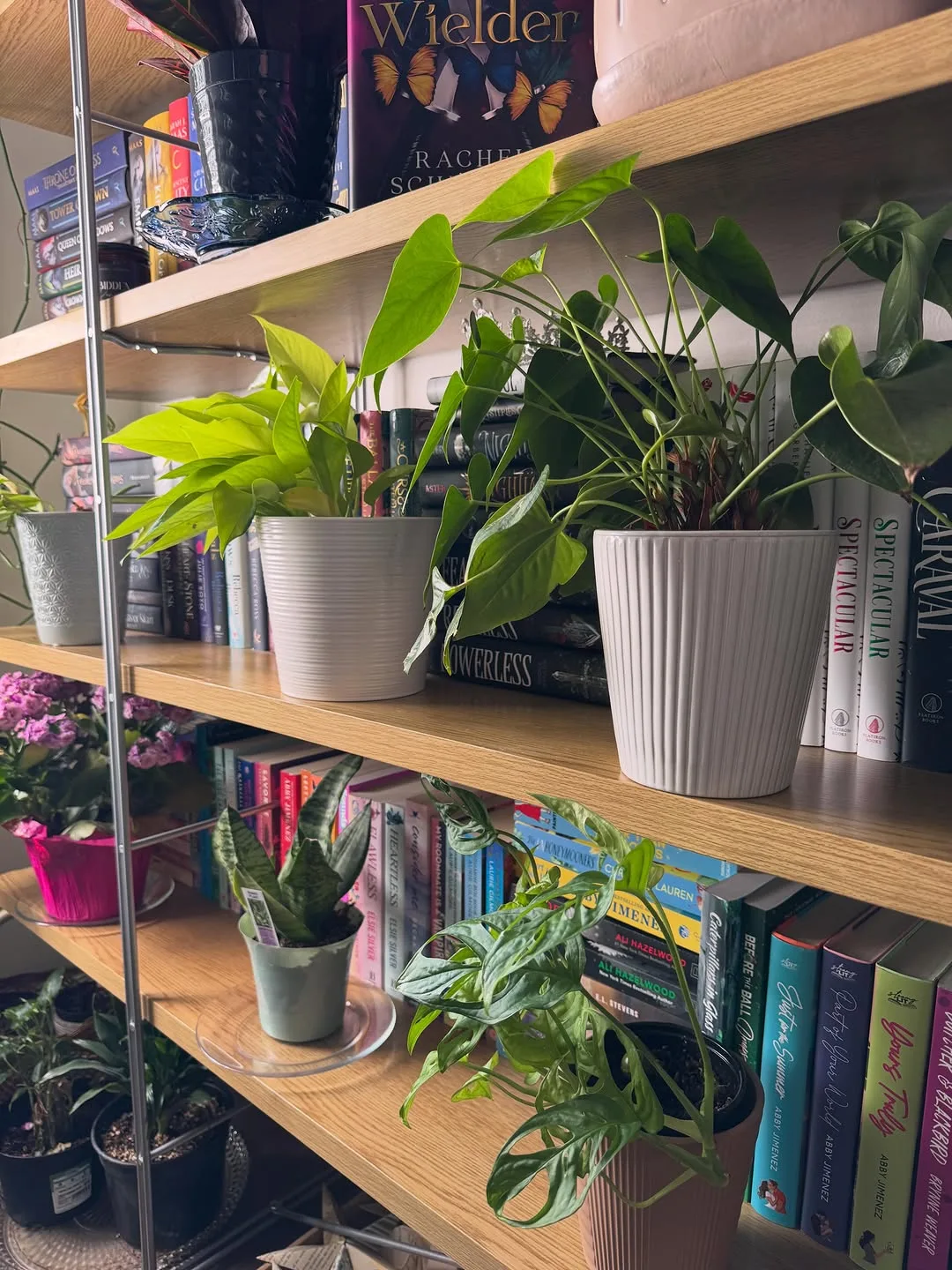
Plants soften the straight lines of books and shelves better than any other object. Green leaves break up rows of spines, add life at different heights, and make a bookcase feel like part of a garden room. Even one small pot changes how the whole wall feels at first glance.
Pick plants that forgive busy owners, such as pothos, snake plants, and small ferns. Use pots with drainage and a saucer or tray beneath each one to protect the shelf from water marks. Place plants where daylight reaches them, usually near the ends of shelves closest to a window.
Homes with bright living rooms suit shelf plants best, because light does most of the work for you. Gardeners enjoy this idea too, since cuttings root happily in small jars between books. Beginners should start with one hardy plant and add a second only after the first one thrives.
During one spring, a nurse placed three small pots along her bookcase, one on every second shelf. The trailing leaves softened the tall unit so much that friends asked where she bought her new furniture. She laughed and pointed at the plants, which had cost less than one takeaway meal.
Overwatering ruins more shelf plants than neglect ever does. Soggy soil invites tiny flies, leaks stain shelf boards, and roots rot quietly inside sealed pots. Water sparingly, empty saucers after each drink, and move any struggling plant to a brighter sill until it recovers its strength.
Framed Art Leaning at the Back
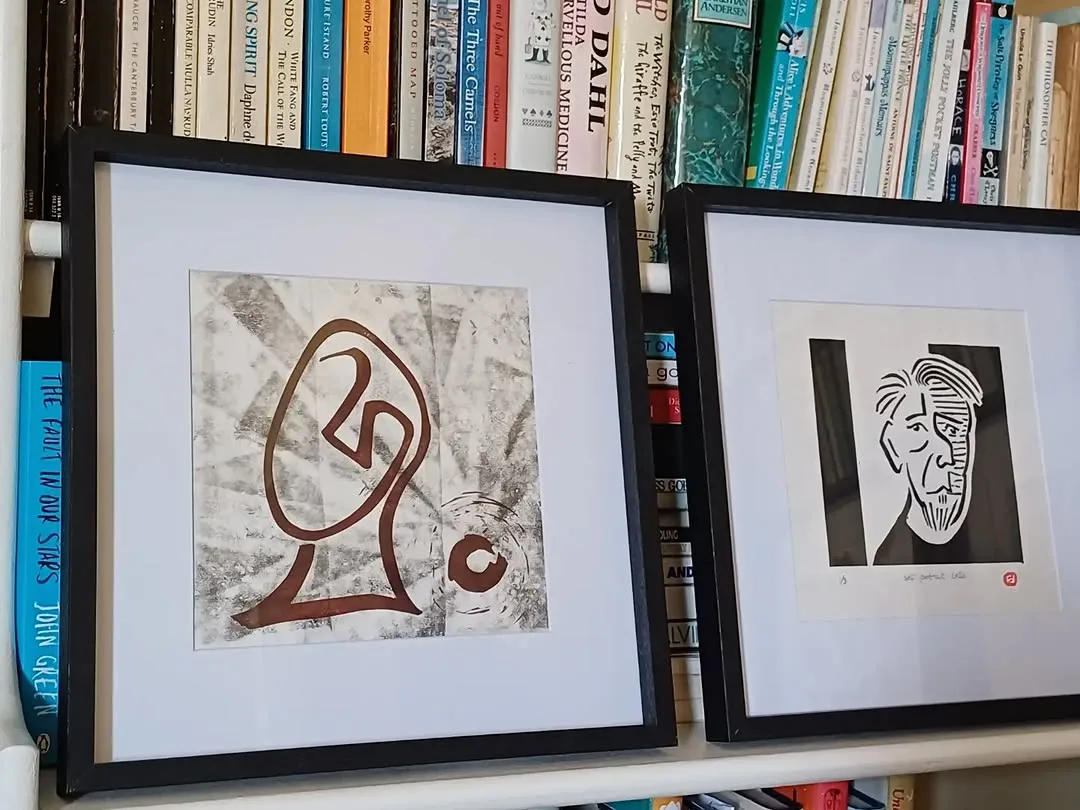
Leaning framed art at the back of a shelf gives bookshelf decor ideas their gallery feel. Prints and paintings add color and depth behind the books, and the frames turn plain shelves into small displays. Art also fills tall gaps where short books leave empty air above them.
Rest the frame against the wall or the back panel and let books or a heavy object hold the bottom edge in place. Choose one frame per shelf at most, sized to fit the shelf height with a finger of space above. Swap prints seasonally to keep the display feeling fresh.
Collectors of postcards, prints, and small paintings suit this idea best, because shelves give stored art a daily audience. People with deep shelves gain most, since frames need room to lean without pushing books off the front edge. Small rooms also benefit, because shelf art adds pictures without using any wall space at all.
One grandmother leaned three small watercolors behind her cookbooks, where her grandchildren could see them at eye level. The children began asking about the places in the paintings during every visit. Her shelves turned into a tiny gallery that changed whenever she swapped a frame from the hallway.
Glass fronts cause the sneaky problem here, because leaning frames slide on smooth shelves and can crack against bookends. Sunlight through windows also fades prints faster behind glass than on a shaded wall. Add small pads under frame corners, keep art away from direct sun, and check the lean each month.
Woven Baskets for Hidden Storage
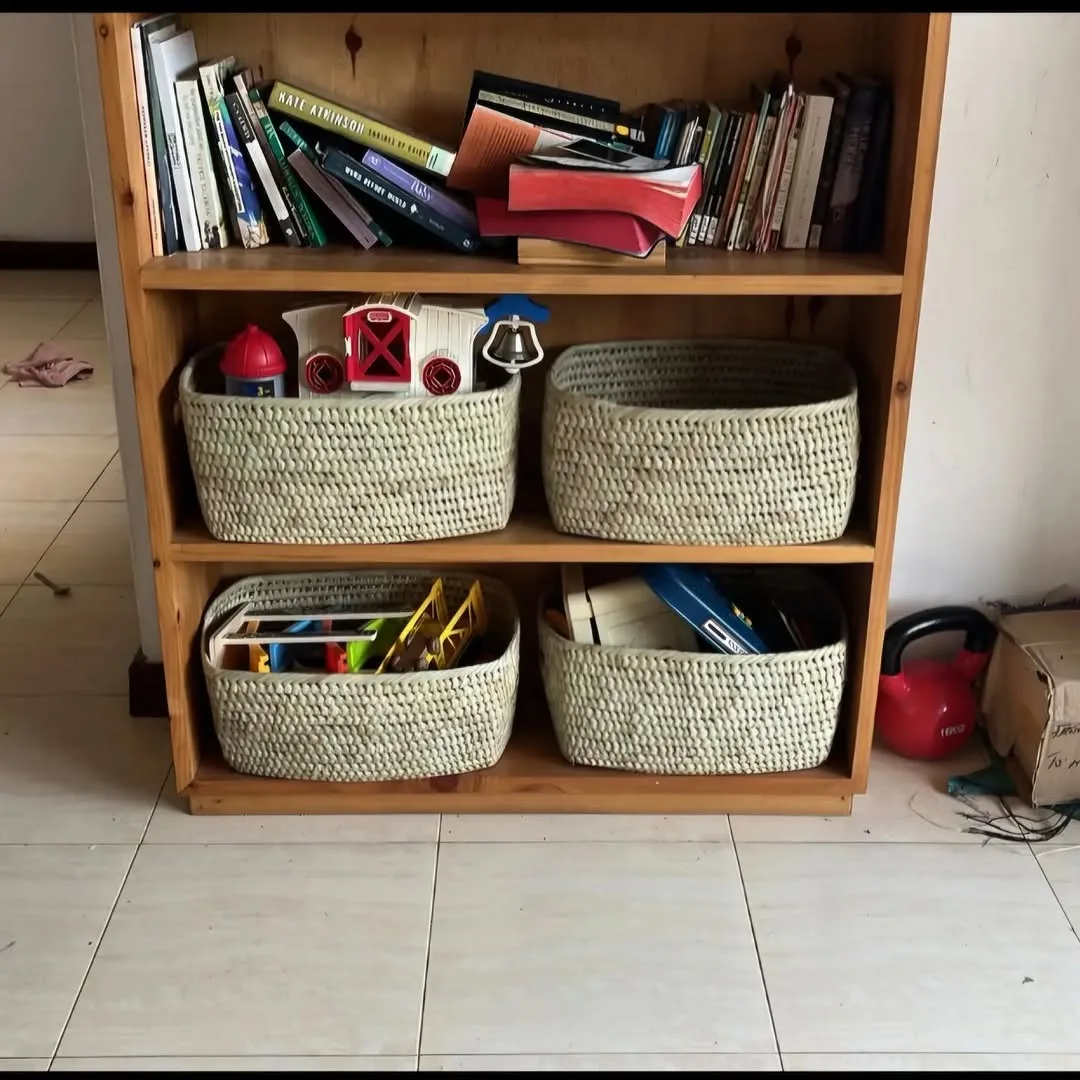
Baskets bring soft texture to hard shelves and hide the clutter nobody wants on display. Chargers, remotes, spare batteries, and odd cables vanish into one calm shape. Natural fibers also warm up painted bookcases and balance the straight lines of book spines beside them.
Measure the shelf height and depth before buying, because baskets that scrape the shelf above look squeezed and wear fast. Choose baskets with handles if you pull them down often, and add a small label inside the rim when several people share the shelf. One basket per shelf usually looks calmest.
Families suit shelf baskets best, because small objects multiply fastest in busy homes and need simple homes of their own. Craft supplies, game pieces, and school bits all gather neatly inside baskets. Guests also benefit, since tidy baskets keep private clutter out of sight during visits.
In one busy home, four woven baskets along the bottom shelf hold chargers, board game pieces, batteries, and sewing bits. Tidying the living room now takes five minutes before guests arrive. The children know exactly which basket takes their game pieces, so nothing small gets lost under the sofa anymore.
Deep baskets turn into junk drawers standing upright, where small items sink, tangle, and vanish at the bottom. Dust also collects inside open weaves faster than people expect. Choose baskets shallow enough to see into at a glance, empty each one every few months, and shake them outside to clear the dust.
Vases and Pottery as Bookends
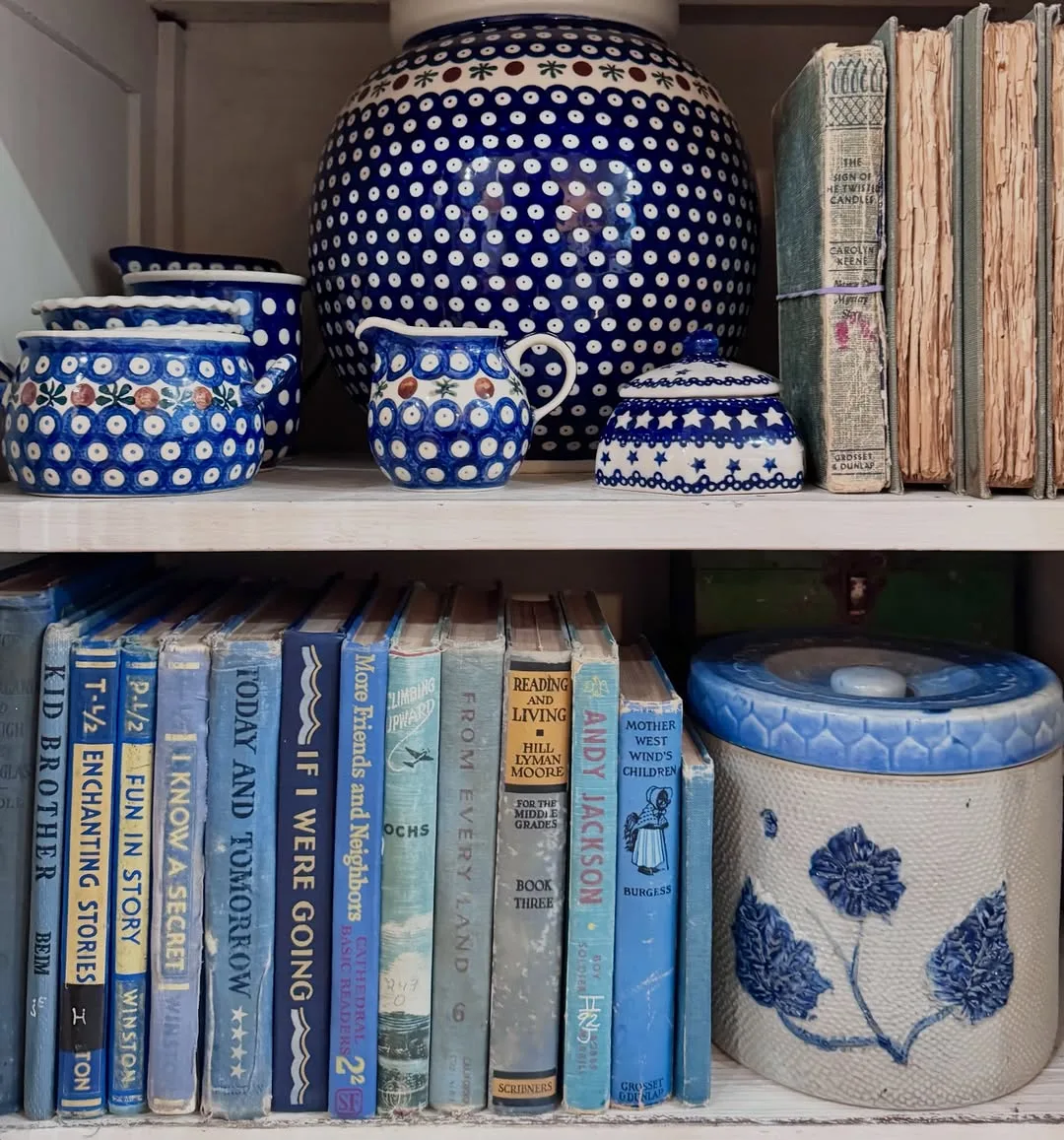
Heavy vases and pottery pieces hold books upright while adding shape and color at the same time. One sturdy jug at the end of a row does the work of a plain bookend with far more character. Handmade pieces also bring the marks and warmth of the person who shaped them.
Fill tall vases with sand, pebbles, or dried beans when they feel too light to hold a full row of books. Place the heaviest pieces at the outer ends of rows and keep fragile pottery away from shelves children reach. Leave some vases empty and let their shapes speak on their own.
Potters and market lovers suit this idea best, because shelves finally display the pieces they collect on trips and at fairs. Homes with plain white bookcases gain most, since colored pottery carries the whole display. Anyone short on bookends owns a free solution already sitting in a cupboard.
On her hallway shelves, one retired teacher uses a blue glazed jug her sister made to hold her poetry books. Visitors always ask about the jug before they notice the books at all. The shelf feels personal in a way no matching set of metal bookends ever managed for her.
Lightweight vases cause the common failure, because full rows of heavy hardbacks push them over slowly until books slide off the shelf. Thin pottery also chips when books knock against it during dusting. Test each piece with a firm push, add weight inside, and save delicate pieces for safer display shelves.
Books Lying Flat with an Object on Top
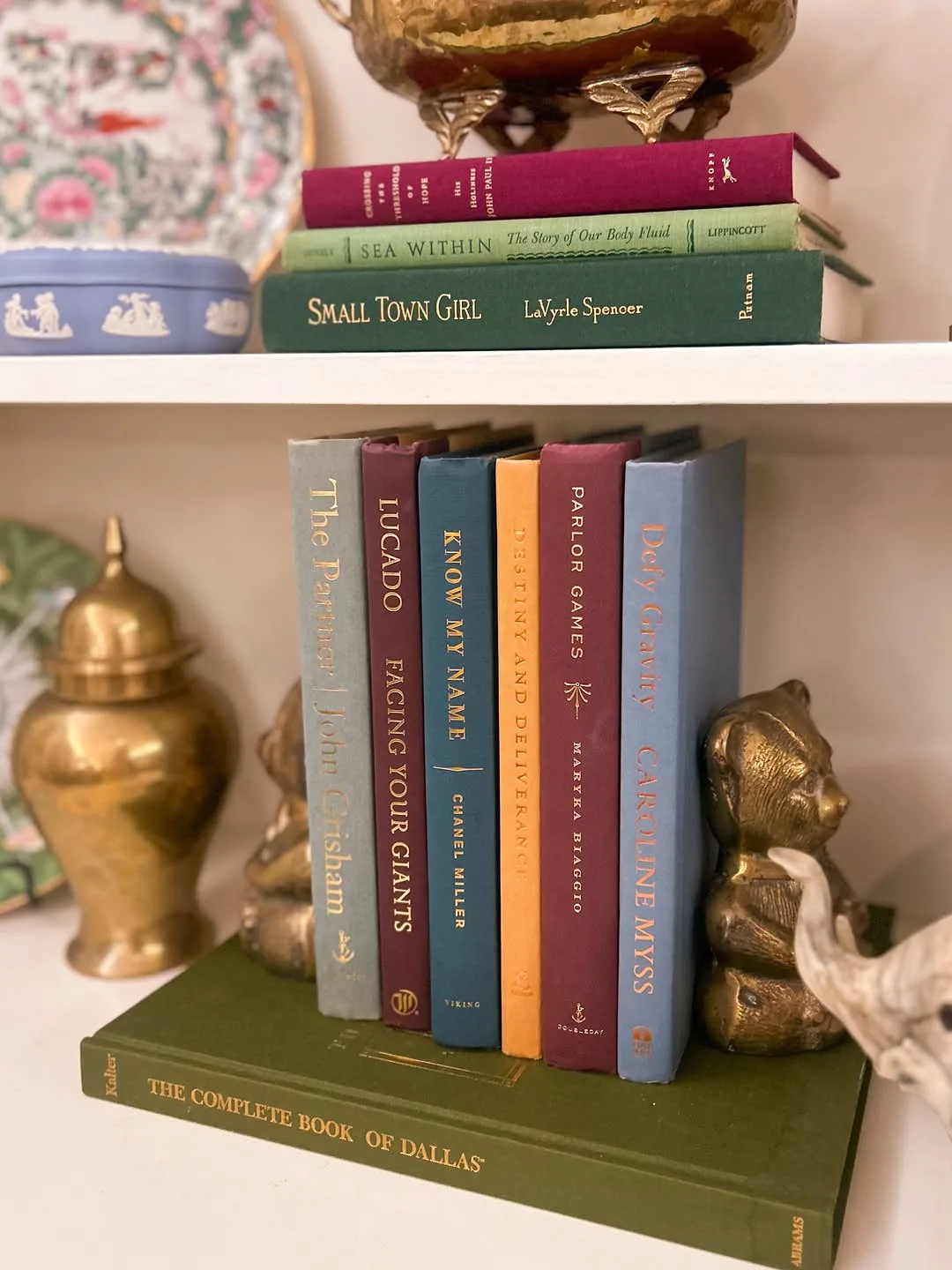
Flat stacks with one object on top create small finished scenes along a shelf. The books form a low platform, and the object above them becomes the picture. Scenes like this break up long rows and give shelves the layered look of a styled shop display at home.
Use two or three large books with strong covers as the base, keeping the stack below the height of the shelf above. Top the pile with one item only, such as a small plant, a candle in a holder, a stone, or a tiny framed photo. Rotate the object with the seasons.
Small shelves suit these scenes best, because one finished group fills a short shelf without any crowding. People who own beautiful art books gain too, since the top cover becomes part of the display. Bedside shelves work well, where one scene can hold a lamp, a clock, and current reading.
Beside her reading chair, one woman stacked three gardening books and set a small brass watering can on top. The scene made her smile every time she sat down with a cup of tea. Friends began copying the idea on their own shelves within weeks of seeing hers.
Heavy objects damage the books beneath them when stacks sit untouched for months. Covers bend, spines crack, and dust rings mark the top book where the object rests. Choose light objects, lift them during weekly dusting, and swap the base books around so no single cover carries the weight for long.
Matching Storage Boxes in a Row
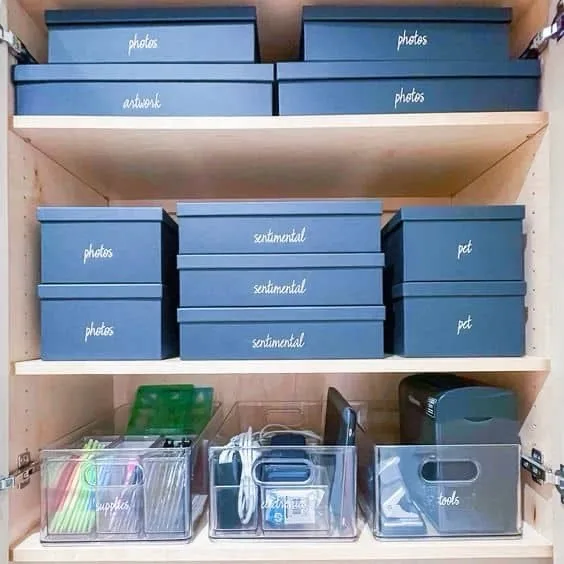
Rows of matching storage boxes bring instant calm to shelves that hold mixed odds and ends. Identical boxes hide visual noise behind one clean line, and labels turn the row into a simple filing system. Shelves look tidy even when the boxes hold gloriously untidy things inside.
Buy boxes in one size that fits your shelf depth with a small gap at the front for fingers. Cardboard, fabric, and woven boxes all work when the lids sit flat and the sides stay firm. Label every box on the front edge, even the obvious ones, so guests put things back correctly.
Households with shared shelves suit boxes best, because each person or each job gets a box of its own. Home offices gain most, since papers, cables, and supplies disappear behind matching fronts. Craft rooms also calm down fast when materials stop showing through open baskets.
One father labeled five boxes for school papers, art supplies, batteries and cables, photos, and keepsakes along the hallway shelves. School mornings stopped involving searches through drawers and bags. The row looks so tidy that visitors assume the boxes hold books, and nobody opens them to check.
Oversized boxes waste shelf space and sag when people stack heavy items inside them. Boxes without labels also fail quietly, because every search means opening three boxes and disturbing the row. Measure first, label always, and keep heavy contents in the lowest boxes where shelves carry weight best.
Personal Photos in Small Frames
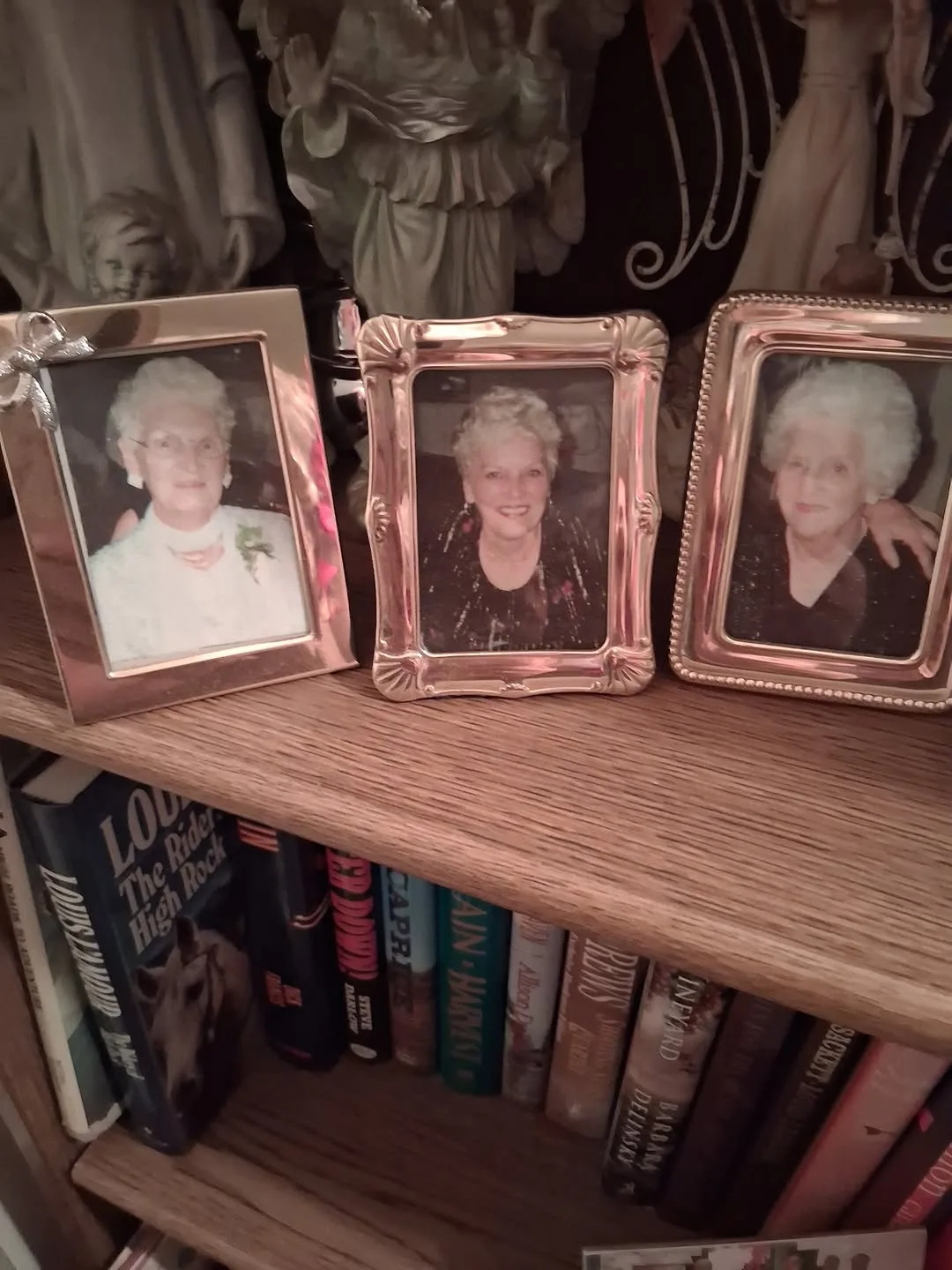
Photos in small frames bring faces and memories into shelves full of objects. One or two framed pictures per bookcase keep the display personal without turning shelves into a crowded gallery. Small frames also fill narrow gaps where books look thin and objects feel lost.
Stand frames upright between book groups or lean them against the back panel like small paintings. Keep frame finishes within one family, such as natural wood or simple black, so mixed photos still look planned. Place the most loved pictures at eye level on the shelf people pass most often.
Grandparents and new parents suit this idea best, because shelves keep growing family photos where everyone sees them daily. Among simple bookshelf decor ideas, photos cost the least and mean the most. People who print photos from their phones gain a reason to finally frame the best ones.
Every year on her birthday, one mother swaps the photo in the small frame beside her novels for a new picture of her children. The shelf quietly records the family growing up, one frame at a time. Guests always pause there, and the children love checking how much they changed.
Too many frames crowd shelves into a photo wall and leave no room for books to breathe. Glass also gathers fingerprints and glare when frames face bright windows. Limit frames to two or three per bookcase, angle them away from direct light, and store extra photos in an album nearby.
Vintage Finds Mixed with New Books
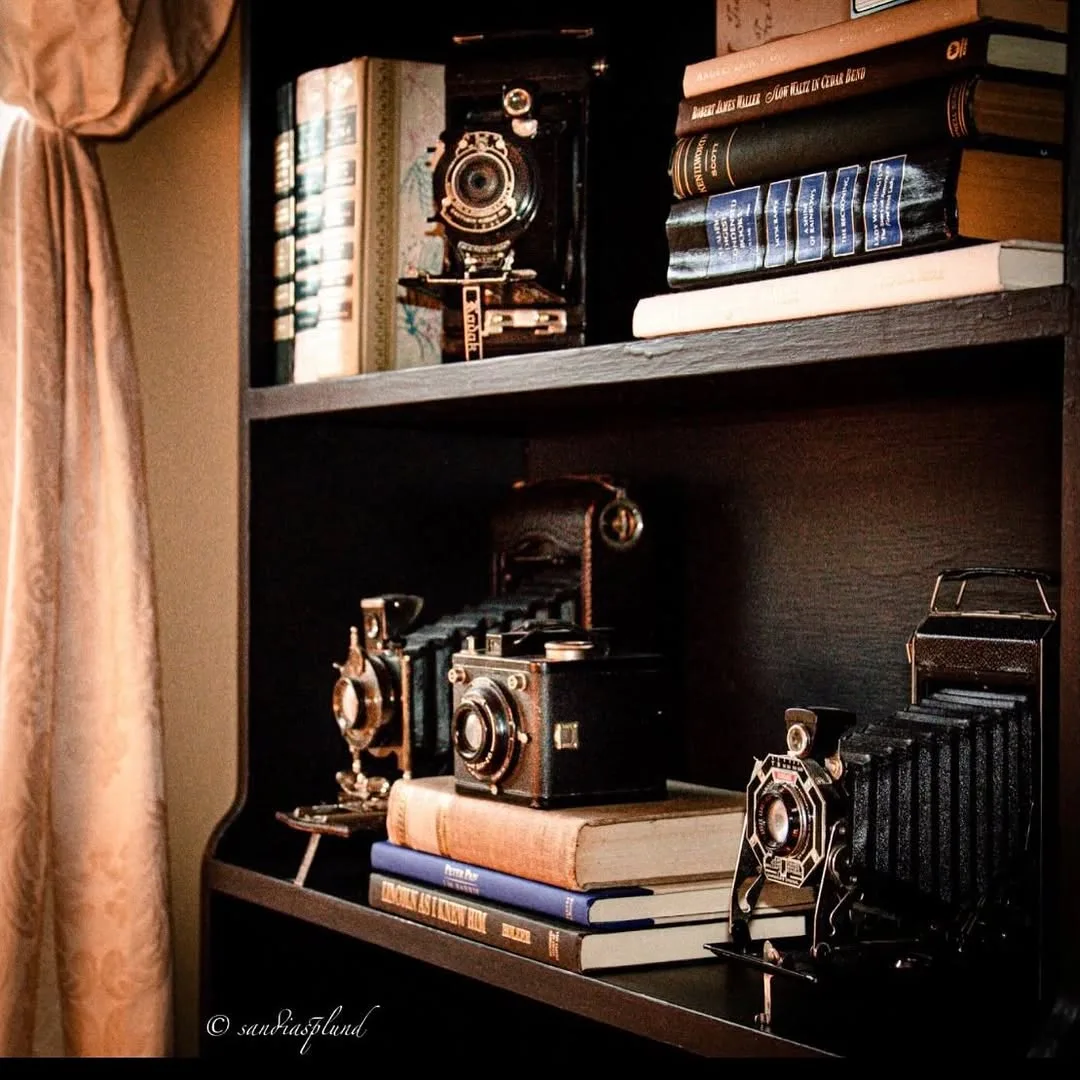
Vintage finds give new books a sense of history and keep shelves from looking bought in one afternoon. Old tins, worn cameras, brass candlesticks, and chipped enamel pieces carry stories that new decor cannot copy. Mixed shelves feel gathered over years, which is exactly how real homes grow.
Hunt slowly at flea markets, charity shops, and family attics, choosing pieces that still earn their place. Wash finds well, check for sharp edges and loose parts, and keep heavy items on low shelves. Pair each vintage piece with plain modern books so the old object stays the star of its shelf.
Sentimental owners suit this mix best, because loved objects finally live in the open instead of hiding in boxes. Small budgets gain too, since second hand pieces often cost less than new decor. Plain modern shelves warm up fastest, gaining character without any building work or paint.
Near the window of one small flat, a brass telescope from a market stall stands between astronomy books on the top shelf. The owner polishes it monthly and still uses it on clear nights. Visitors assume the whole shelf was planned around it, though the books came years earlier.
Fragile finds suffer when shelves double as daily storage, because elbows, books, and dusting cloths knock them weekly. Rust and old paint can also mark shelf boards over time. Keep delicate pieces on the highest shelf, add felt pads beneath metal bases, and photograph treasures so memories survive any accident.
Small Lamp on a Shelf
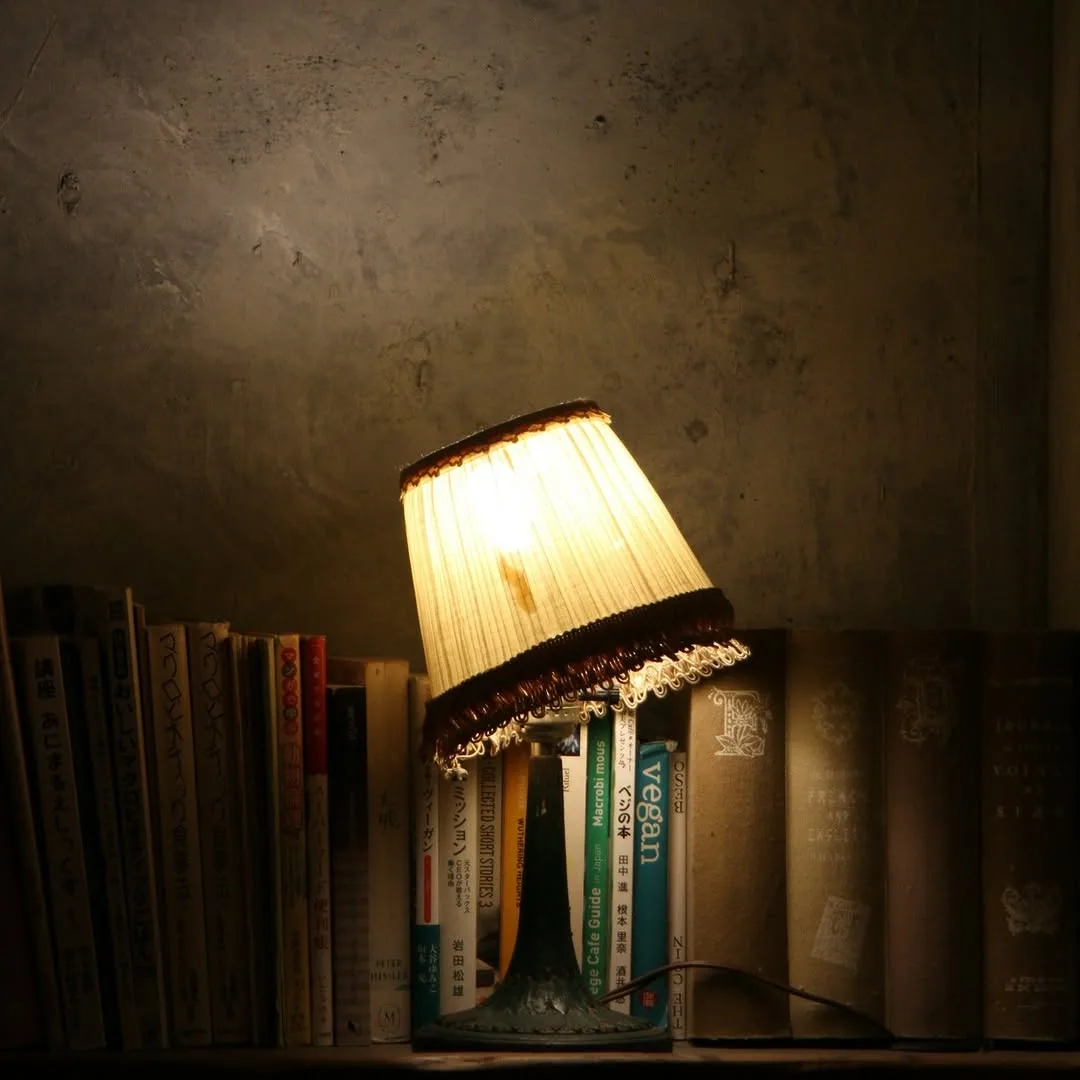
Shelf lamps add warm pools of light where ceiling lights never reach. Low light at book height flatters spines, frames, and faces, and makes evening reading corners feel calm. One small lamp also gives a tall bookcase a reason to glow after dark instead of fading into shadow.
Choose a lamp with a small base and a shade that throws light down and out rather than into eyes. Battery lamps solve the cord problem on shelves far from sockets, while corded lamps need the cord run neatly down the back panel. Keep bulbs warm in tone for a softer evening feel.
Evening readers suit a shelf lamp best, because soft light near the chair beats a bright ceiling lamp every time. Dark corners and north facing rooms gain most, since one lamp changes the whole mood after sunset. Hosts also love shelf lamps, because guests read the room as warm and welcoming.
When one student added a small brass lamp to the middle shelf of her bookcase, her whole studio flat felt warmer at night. She stopped using the harsh ceiling light in the evenings entirely. Reading in bed became easier too, because the soft glow reached her pillow without glare.
Hot bulbs near paper cause the real danger with shelf lamps, because old shades and dry pages sit close together for hours. Cords also trip people when they cross open floor to reach a socket. Use cool modern bulbs, keep shades clear of books, and run cords behind the bookcase where feet never go.
Collections Shown as One Group
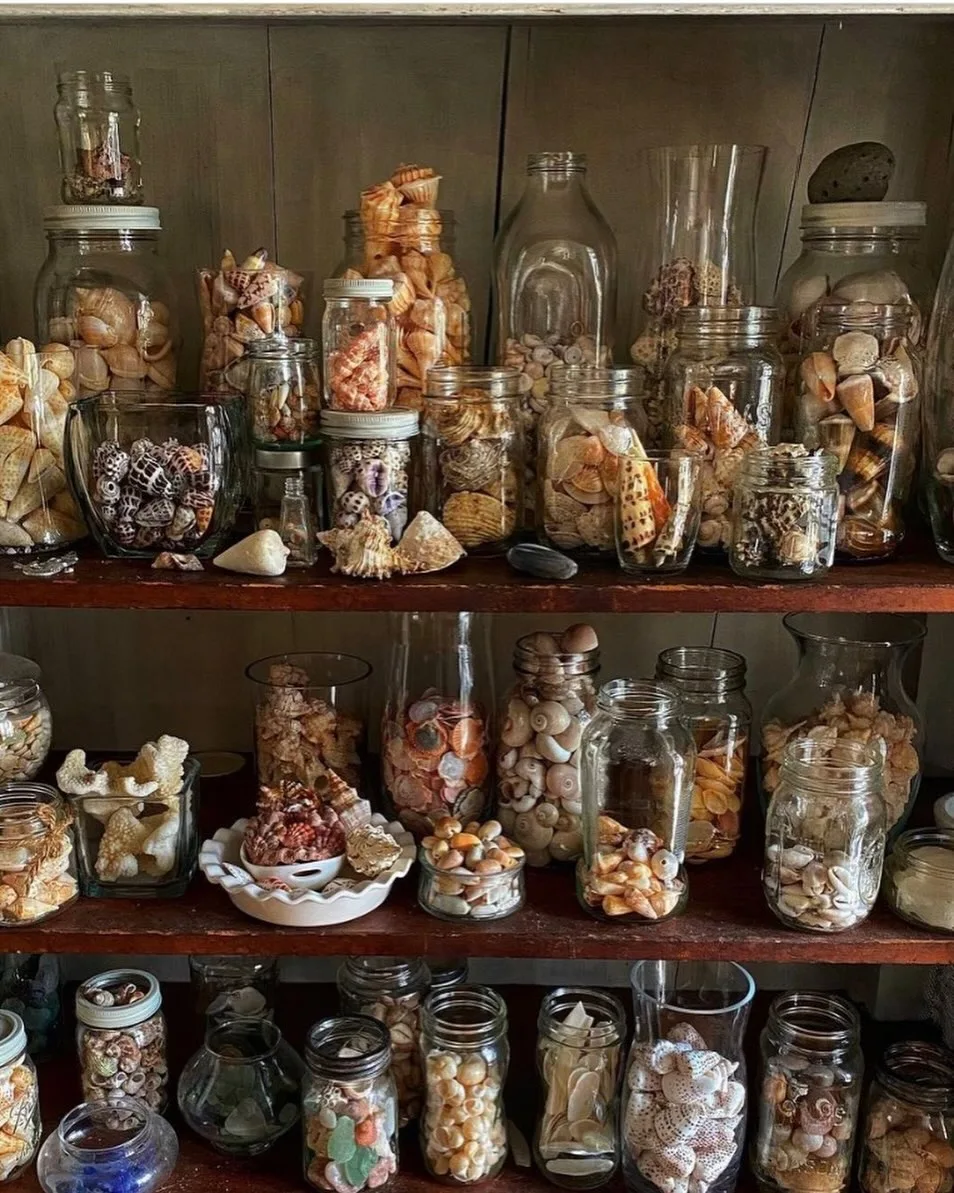
Collections look powerful when they stand together as one group instead of scattering across every shelf. Shells in one bowl, stones along one ledge, or mugs on one shelf read as a single story. Grouping also makes collections easier to dust, move, and enjoy at a glance.
Give the collection one shelf or one clear section, with a plain background behind it. Line pieces up by size or color so the group reads calmly, and leave space at both ends so the group feels chosen rather than stored. Add new pieces only when older ones leave or move elsewhere.
Walkers, travelers, and market hunters suit grouped collections best, because their finds finally tell one clear story. Children also love a single shelf of treasures they can visit and study. Homes with many small objects gain order, since one grouped shelf replaces clutter on every surface in the room.
Along one shelf in a coastal cottage, thirty shells from twenty summers of beach walks stand in a single line by size. Grandchildren count them on every visit and add one new shell each year. The line turns a simple shelf into the family record of every holiday they shared.
Scattering a collection across the whole bookcase weakens every piece, because single shells or stones look like forgotten clutter on their own. Groups also suffer when new finds squeeze in until nothing has room to breathe. Keep the group together, edit it yearly, and let beloved pieces leave with honor when space runs out.
Books Turned with Pages Facing Out
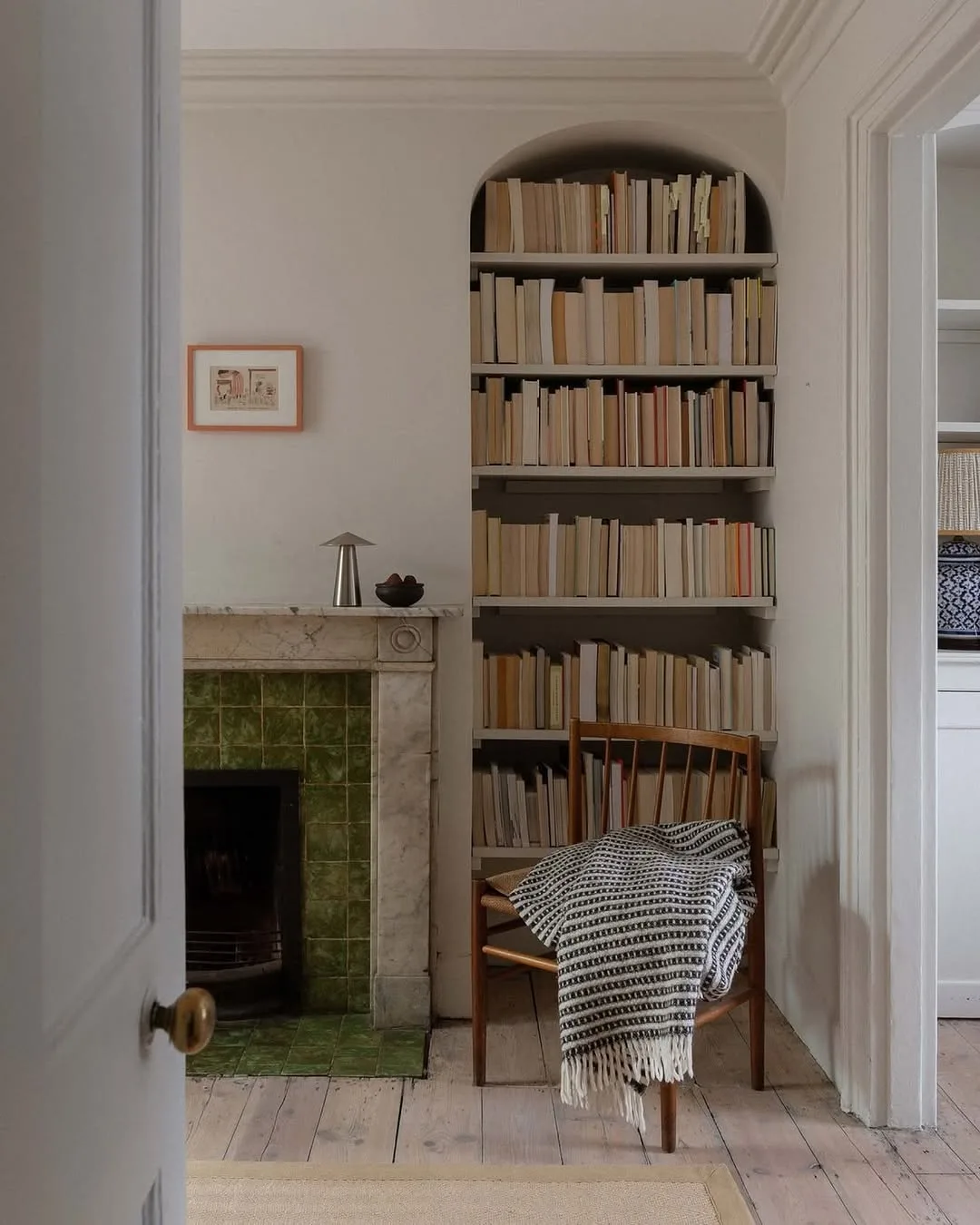
Turning some books so their pages face outward creates calm bands of cream and white along a shelf. Page edges soften bright or clashing covers and give busy shelves a quiet, unified look. Many styled shelves in magazines use this trick, and real homes can borrow it in small doses.
Turn only books you rarely open, such as spare copies, old reference sets, or decorative volumes bought for their size. Keep everyday reading with spines facing out, grouped near your chair where titles matter. Mix one turned section among normal rows so the effect looks gentle rather than staged.
Fans of calm, pale interiors suit page facing shelves best, because the soft color suits quiet rooms. People with clashing modern covers also gain, since page edges hide the loudest designs. Anyone styling shelves for guests or photos can use one turned row to settle a busy bookcase fast.
For her guest room, one host turned a row of spare novels page side out along the middle shelf. Visitors kept praising the calm, hotel like feel of the room without spotting the trick. Her everyday books stayed spine out in the living room, where finding titles still mattered daily.
Turning every book causes the obvious failure, because finding any title becomes a slow guessing game. Page edges also yellow faster in sunlight and gather dust along the ridges. Limit the trick to one section, label spare sets inside the front cover, and keep loved books proudly spine out.
Seasonal Swaps on One Shelf
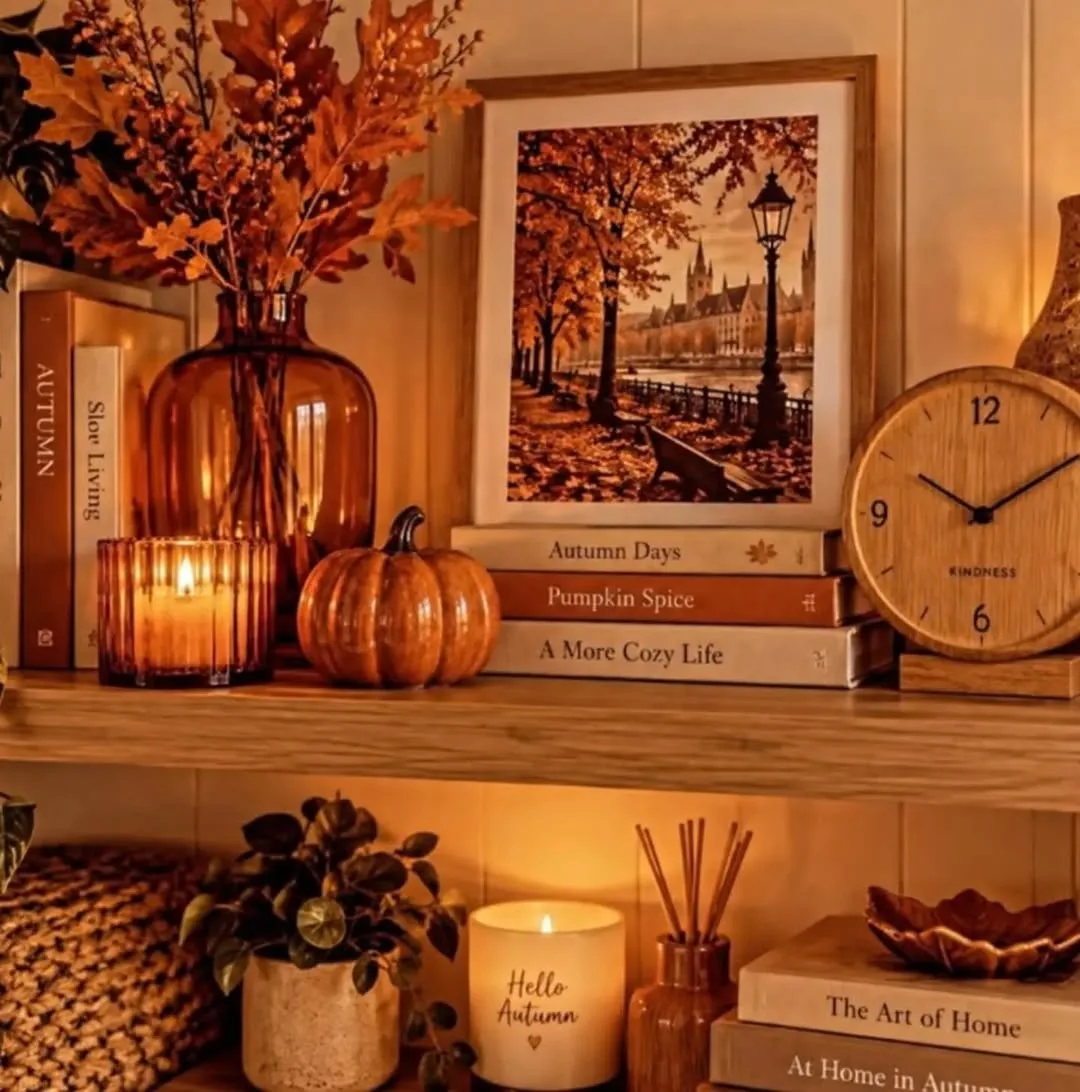
Seasonal swaps on one shelf keep a whole bookcase feeling fresh without restyling every row. Pinecones and candles suit winter, shells and pale linen suit summer, and fresh stems suit spring. One changing shelf gives the room a small ritual that marks the turning of the year.
Keep one storage box for out of season pieces so swaps take ten minutes and nothing gets lost. Change only the objects on the chosen shelf, leaving books, frames, and lamps untouched. Work with things you already own or gather outside, such as cones, stones, branches, and garden cuttings.
Hosts suit one seasonal shelf best, because the small change freshens the room before guests arrive without any fuss. Families with children also enjoy the ritual, since collecting swap pieces becomes part of each season. Anyone bored by a fixed display gains gentle change while the rest of the shelves stay settled.
Each autumn, one family fills the small bowl on their middle shelf with conkers and acorns the children gather on walks. Winter brings candles and a sprig of pine, while spring swaps in a tiny vase of garden stems. The shelf costs nothing and still marks every season in their home.
Buying new decor for every season fills cupboards with swapped out clutter and drains money quietly. Novelty also fades when every shelf changes at once and nothing feels settled. Limit swaps to gathered, edible, or already owned pieces, and let one small change carry the whole season with ease.
Common Mistakes to Avoid
Crowding causes most shelf styling failures, and many bookshelf decor ideas fail at this first step. Every added object steals space from books and calm alike, until shelves look like storage again. Remove pieces until each shelf holds books, breathing room, and only a few chosen objects.
Matching sets bought in one trip give shelves a shop window feel with no history and no warmth. Rooms look furnished rather than gathered, and mistakes cost more to fix later. Add pieces slowly from trips, gifts, markets, and your own cupboards, and let shelves grow the way real homes do.
Ignoring height and scale makes small objects vanish and large ones tower over the books beside them. Heavy pieces on high shelves also strain fixings and worry everyone who walks past. Vary heights within each shelf, keep heavy items low, and check that every piece suits the shelf depth.
Forgetting dust undoes good styling quietly, because shelves gather grime along spines, frames, and page edges faster than any other furniture. Dead leaves, candle wax, and faded photos also creep in unnoticed. Lift pieces monthly, wipe the bare shelf, and refresh one tired item so the whole bookcase feels new again.
Budget Friendly Bookshelf Decor Ideas
Strong shelf styling rarely needs new purchases at all. Books from other rooms, a bowl from the kitchen, and a plant from the windowsill can restyle a bookcase today. Shop your own home first, move pieces between rooms, and spend only on gaps that stay empty after honest trying.
Second hand shops overflow with frames, baskets, vases, and candle holders for very little money. Solid older pieces often outlast cheap new imports and carry more character into the bargain. Wash finds well, check for cracks and chips, and buy one piece at a time instead of filling shelves in one trip.
Paint refreshes tired bookcases for the price of one small tin. One coat in a calm color makes plain shelves look planned, and leftover paint from other rooms often covers a small bookcase fully. Back panels painted a shade deeper than the shelves add depth behind books for almost no extra cost.
Swap pieces with other rooms before you shop again. Trade the shelf plant with one from the bedroom, move a bowl from the hallway, and restyle with what you already own each season. Small rotations keep shelves feeling cared for, stop the urge to buy, and protect the household budget month after month.
Tips for Styling Bookshelves
Start every restyle from empty shelves, because bookshelf decor ideas work best when you add pieces back slowly. Clean the bare shelves, return books in groups, and stop while some space still shows. Stopping early feels hard at first and saves every display from slow crowding later.
Mix heights, shapes, and materials inside every group. Tall books beside low stacks, smooth pottery beside rough baskets, and glass beside wood keep shelves lively without noise. Step back to the doorway after each group and judge the balance from where guests actually see the shelves.
Keep everyday reading within easy reach of your chair and let display pieces fill the higher and lower shelves. Books you open weekly should never hide behind frames or baskets. Daily use keeps shelves honest, and honest shelves always look better than staged ones over time.
Repeat one color or material three times across the bookcase to tie separate shelves together. Wood tones, black frames, or green plants echoed in three places make mixed pieces feel planned. Small echoes do the quiet work that matching sets try to do loudly and at far greater cost.
Edit shelves little and often instead of restyling everything once a year. Remove one piece that stopped earning its place, wipe one shelf, and swap one object with another room. Ten calm minutes each month protect the whole display better than any big seasonal overhaul ever could.
FAQ
How Much of a Bookshelf Should Books Fill?
Roughly two thirds books and one third objects suits most shelves well. Books remain the point of the furniture, while objects add color, height, and breathing room. Very small bookcases can hold books alone happily when the books stand in short, varied groups with small gaps between them.
How Do I Style Shelves Without Buying Anything?
Begin by emptying the bookcase and grouping everything you own on the floor. Books from other rooms, kitchen bowls, spare frames, and plants from sills often fill the shelves beautifully. Return pieces slowly, keep one shelf partly empty, and live with the result for a week before judging it.
What Works Best on Very Deep Shelves?
Deep shelves suit leaning art, large books, and baskets, because small objects vanish in the shadows at the back. Place tall pieces behind and shorter books in front to build layers. One row of books with art behind often beats two rows of books where back titles stay hidden forever.
How Often Should I Restyle My Bookshelves?
Small changes every few weeks keep shelves feeling fresh without any fuss. Swap one object, move one plant, or change the seasonal shelf when the weather turns. Big restyles once or twice a year suit deep cleans, when every book comes down and only loved pieces go back up.
Can Bookshelves Look Good in a Small Room?
Yes, and small rooms often gain the most from well styled shelves, because one calm bookcase replaces several small pieces of furniture. Keep shelves shallow, leave real gaps, and use pale books and plain objects to keep the wall light. One tall narrow bookcase also draws the eye upward and lifts the room.
Where Should I Start If My Shelves Feel Chaotic?
Empty one shelf completely, clean it, and return only the books you love most in two or three calm groups. Add one object, then stop and live with that shelf for a week. Success on one shelf teaches the rhythm for the rest, and the bookcase calms down section by section.
Conclusion
Calm shelves come from simple habits repeated often. Books grouped with room around them, a few objects with real meaning, and one shelf left open will carry most bookcases in most homes. Beauty follows use closely here, because shelves that work well for reading almost always look good too.
Choose three bookshelf decor ideas from this guide and set them up properly before adding more. Short piles, one plant, and one leaning frame can change a whole wall in a single afternoon. Small finished changes beat one grand restyle attempted in a rush and abandoned halfway through.
Shelves stay lovely because someone edits them little and often. Remove what stopped earning its place, dust one shelf, and let gaps defend the calm against slow crowding. Ten minutes a month protects the whole bookcase better than any styling product or matching set ever could.
Enjoy the shelves you pass every day, the book you can always find, and the small objects that carry your stories. Good shelves welcome people into a room and invite them to stay a little longer. Start with one shelf today and let the calm spread across the whole bookcase.