
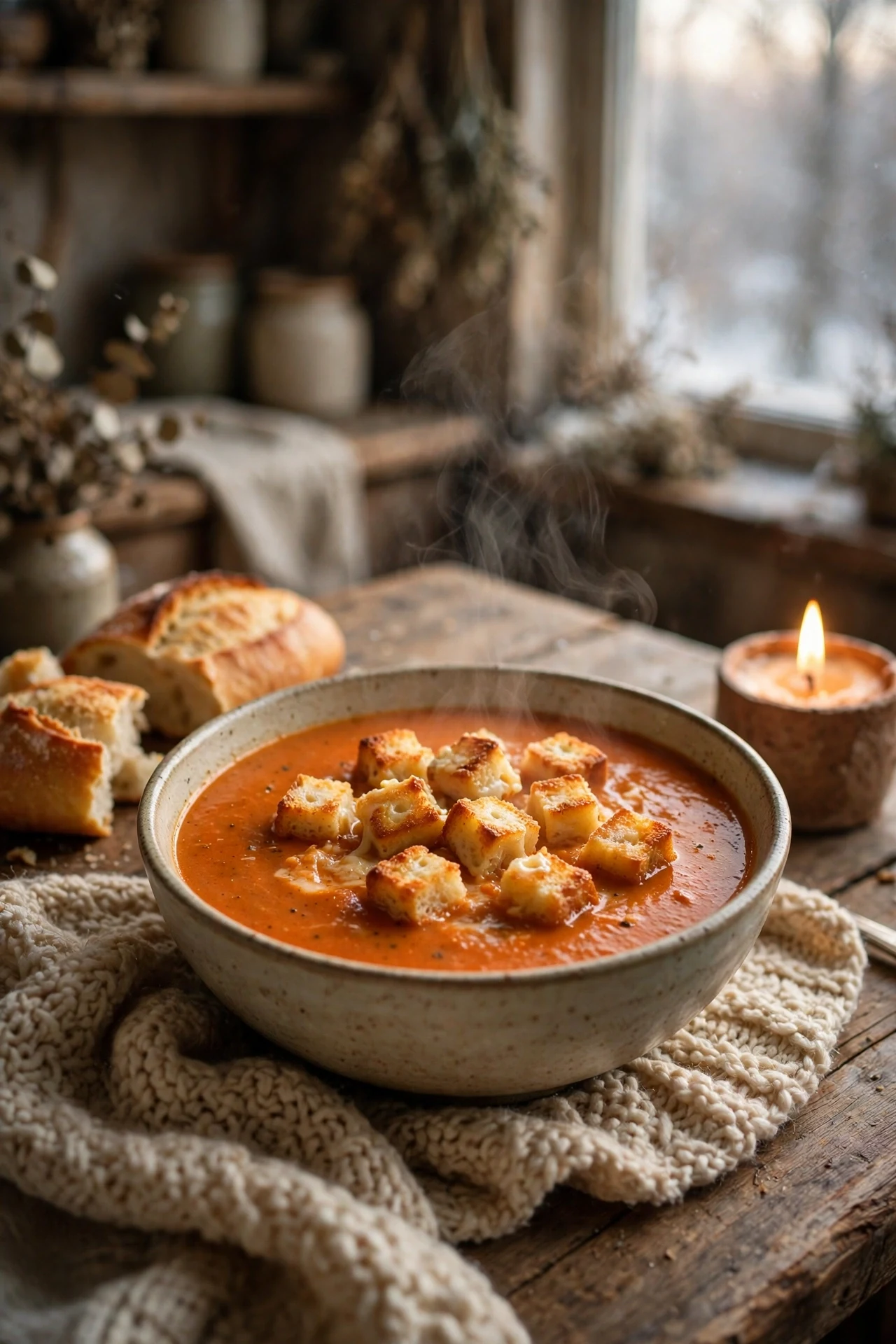
Winter Soup Ideas
Cold evenings call for food that warms the whole house, and good winter soup ideas deliver exactly that comfort in one generous pot. Steam rising from a bowl, rich flavour in every spoonful and bread waiting on the side make soup the meal people request most once frost arrives.
Soup suits winter better than almost any other meal because it welcomes whatever vegetables, grains and beans the cupboard already holds. One pot can feed a crowd, stretch across several days and turn simple ingredients into something that tastes generous and deeply satisfying.
You do not need advanced skills or expensive shopping to serve memorable bowls all season long. Every idea in this guide focuses on flavour, toppings, serving and planning, so you can choose soups that match your household, your budget and the mood of each evening.
What Are the Best Winter Soup Ideas?
Short answer first: the best bowls balance deep flavour, a pleasing texture and toppings that let every eater finish the bowl their own way. Creamy, brothy, chunky and spicy styles all earn a place, and rotating them keeps soup night interesting from the first frost to the last.
Variety matters more than any single famous bowl, because families tire of even a favourite soup when it appears too often. Plan a loose rotation across the week, moving between tomato, bean, vegetable and noodle styles so every soup night feels like a small event.
Keep your winter soup ideas flexible enough to suit changing appetites, surprise guests and whatever produce looks fresh at the market. Soups forgive substitutions kindly, welcome leftovers gracefully and scale up or down without fuss, which makes them the calmest cooking choice of the whole season.
Creamy Tomato Soup With Grilled Cheese Croutons

Creamy tomato soup blends ripe tomato flavour with a smooth, velvety texture that feels both familiar and special. Gentle sweetness from the tomatoes meets a soft richness in the base, and the result tastes like the best version of a childhood favourite.
Serve small grilled cheese croutons floating on top so every spoonful carries a crisp, golden bite beside the smooth soup. Torn basil leaves, a swirl of cream or cracked pepper on the surface make the bowl look cheerful before anyone lifts a spoon.
Families with children suit this soup especially well, because the flavour stays gentle while the croutons turn dinner into a game. Picky eaters who resist vegetables often accept tomato soup happily, especially when they can choose their own toppings at the table.
Try roasting the tomatoes first when you want deeper flavour, since roasting concentrates their sweetness and adds a gentle smokiness. Roasted red peppers blended into the base bring the same warmth, and both options keep the soup firmly in comfort food territory.
Avoid serving tomato soup completely plain when guests expect something memorable, because the bowl can taste flat without contrast. Add crunch, freshness or gentle heat on top, and the same simple soup suddenly feels complete, balanced and worth serving proudly to anyone.
Hearty Mixed Bean Soup

Hearty mixed bean soup layers several beans with vegetables, herbs and a savoury broth for a bowl that eats like a full meal. Different beans bring different textures, so every spoonful mixes creamy, firm and tender bites in a satisfying way.
Pair this soup with crusty bread for dipping, a sharp green salad or a plate of pickled vegetables for contrast. Grated hard cheese over the top melts into the hot broth, while a spoonful of herbed oil adds colour and freshness.
Busy households suit bean soup perfectly because it tastes even better the following day and welcomes whatever vegetables need using up. Students and new cooks also love it, since beans forgive rough chopping and relaxed timing better than most ingredients.
Consider cooking a double batch whenever bean soup is on the menu, because the extras freeze beautifully for future busy evenings. Portion the spare soup into flat containers, label them clearly and enjoy knowing a warming dinner waits in the freezer.
Overloading the pot with every bean in the cupboard muddles the flavour and turns the texture heavy and dull. Choose a few beans with different sizes and colours, season the broth well and let each ingredient keep its own character.
Roasted Vegetable Soup

Roasted vegetable soup celebrates root vegetables and squash at their sweetest, with caramelised edges giving the broth a deep, mellow flavour. Carrots, parsnips, peppers and onions bring natural sweetness, while a chunky texture keeps every bowl interesting and satisfying.
Serve roasted vegetable soup with toasted seeds scattered over the top for crunch, or with a spoonful of herbed yogurt for cool contrast. Warm flatbreads on the side turn the bowl into a complete supper that suits relaxed weekend cooking.
Gardeners and market shoppers suit this soup well, because it follows whatever vegetables the season offers cheapest and freshest. Anyone reducing food waste will also appreciate how forgiving it is toward odd shapes, small quantities and vegetables nearing their best days.
Blend only part of the soup when you want the best of both textures, keeping some roasted pieces whole for contrast. Leaving the soup fully chunky also works beautifully, especially when the vegetables hold their shape and their colours stay bright.
Bitterness ruins this soup faster than anything, because vegetables pushed past golden into dark scorching flavour the whole pot. Gentle caramel colour means sweetness, so treat dark edges as a warning sign rather than a source of extra flavour.
Classic Chicken Noodle Style Soup
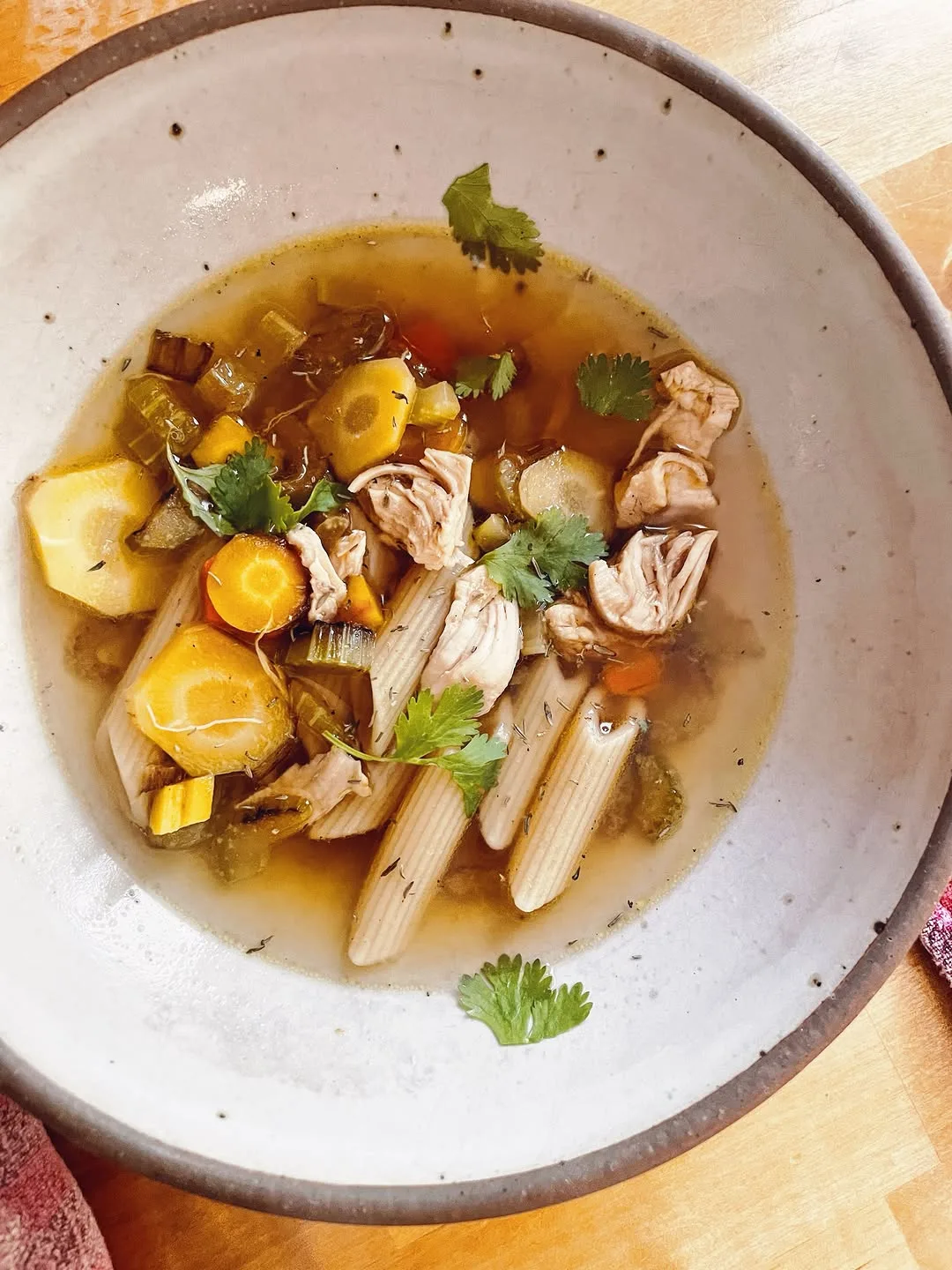
Few bowls bring comfort like chicken noodle style soup, with its golden broth, tender chicken pieces, soft noodles and sweet rounds of carrot. Gentle seasoning keeps the flavour clear and soothing, which explains why families reach for it whenever colds or cold weather arrive.
Offer lemon wedges and fresh herbs at the table so each person can brighten their own bowl before eating. Soft bread rolls suit the broth beautifully, and a simple green salad adds freshness beside such a gentle, warming main course.
Households nursing winter colds suit this soup more than any other, because the warm broth soothes and the flavour never overwhelms tired appetites. Children manage the soft noodles easily, and the whole bowl feels like care served in edible form.
Make the broth the star by choosing good stock, plenty of herbs and vegetables cut small enough to share each spoonful fairly. Clear, golden broth with visible herbs looks far more inviting than a cloudy bowl where noodles hide everything else.
Noodles left sitting in hot broth swell, soften and drink up the liquid until the soup turns stodgy and dull. Serve noodles freshly added or store them apart from the broth, and every bowl keeps the springy texture people love.
Red Lentil Soup With Warm Spices

Red lentil soup cooks into a naturally thick, golden bowl with gentle warmth from spices like cumin, coriander and smoked paprika. Lentils soften into the broth itself, giving body without cream, and the colour alone brightens a grey winter table.
Finish each bowl with a squeeze of lemon, a spoonful of yogurt or a drizzle of chilli oil for those who enjoy heat. Warm flatbread or toasted pitta on the side suits the spiced broth and makes the meal feel complete.
Vegetarian households suit this soup beautifully, because lentils bring satisfying body and the spices keep every spoonful lively. Budget cooks also rate it highly, since red lentils cost little, store well and need no soaking or complicated preparation beforehand.
Lemon juice added at the table transforms this soup more than any other single touch, lifting the spices and sharpening the lentil flavour. Keep wedges on a small plate beside the pot so everyone seasons their own bowl exactly right.
Skipping the finishing touches leaves lentil soup tasting worthy but plain, because its earthy flavour needs brightness for balance. Always plan one fresh element, whether citrus, herbs or yogurt, and the bowl changes from filling to genuinely enjoyable.
Potato and Leek Style Soup

Potato and leek style soup blends two humble ingredients into a bowl that tastes far richer than its shopping list suggests. Soft leeks bring gentle sweetness, potatoes give silky body and the whole soup carries a calm, old fashioned comfort.
Top each bowl with crisped leek greens, chopped chives or a swirl of cream to lift the pale colour. Soda bread or oatcakes on the side suit the gentle flavour of the soup and keep the meal feeling traditional and unhurried.
Traditional cooks suit this soup well, because it rewards simple ingredients handled with care rather than long shopping lists. Anyone feeding a crowd on a budget will also appreciate how far a bag of potatoes and a bunch of leeks can stretch.
Leave some potato pieces unblended when your household prefers texture, or blend the whole pot smooth for a more elegant bowl. Both versions accept toppings happily, and serving both styles across the season keeps a simple soup feeling fresh.
Grey, gluey texture is the classic failure here, usually caused by overworking the potatoes until they turn starchy and heavy. Gentle blending and a lighter hand keep the soup silky, while a splash of milk restores softness if it thickens too far.
Minestrone Style Vegetable Soup
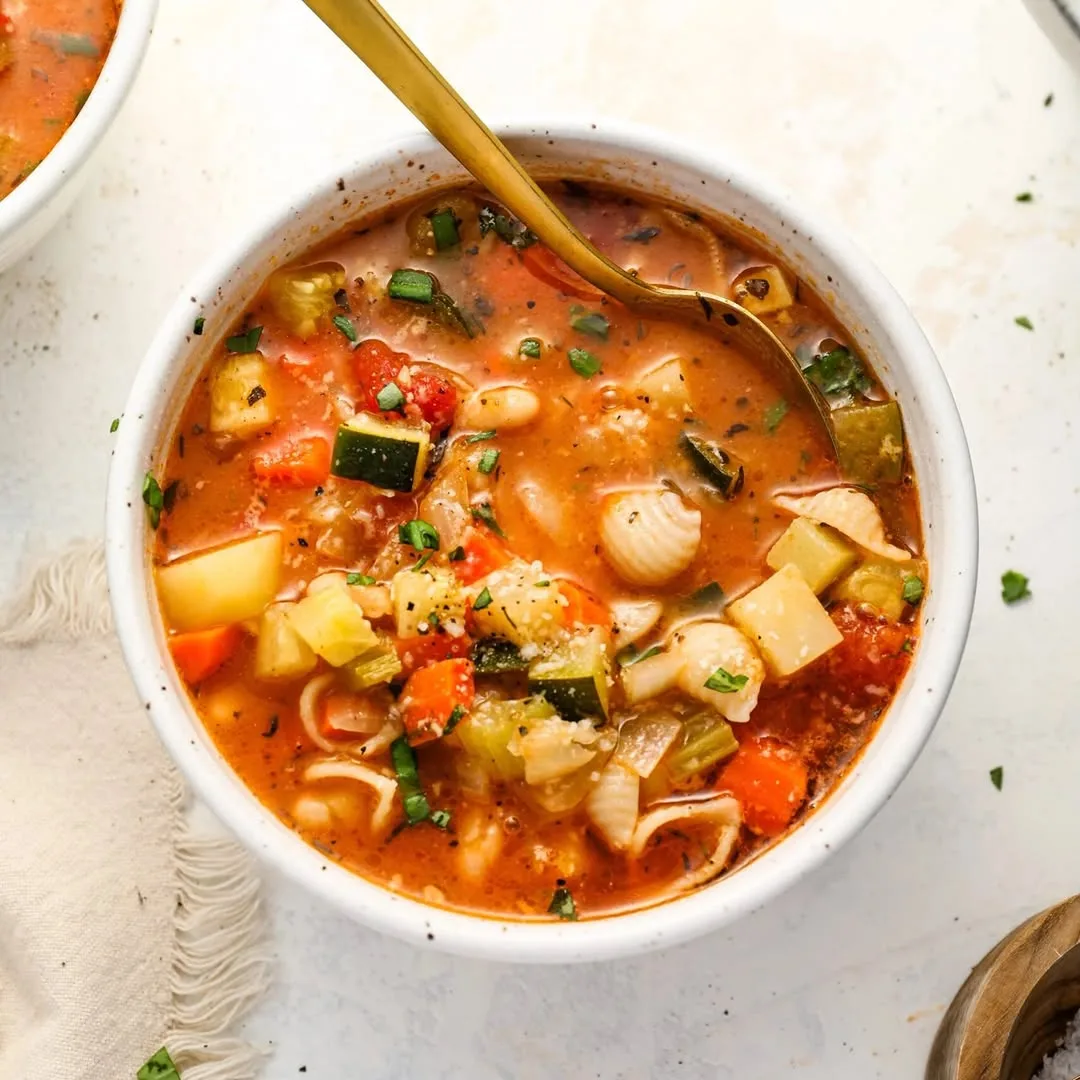
Minestrone style soup fills the bowl with vegetables, beans, small pasta shapes and tomato broth in cheerful abundance. Every spoonful offers something different, and the mix of colours makes it one of the most inviting soups to set before guests.
Pass grated cheese and torn basil around the table so everyone finishes their bowl personally, and serve good bread for mopping up the tomato broth. A bowl of olives or a simple chopped salad alongside keeps the Italian mood going.
Large families suit minestrone well because the pot welcomes extra vegetables, leftover pasta and odds and ends from the fridge without complaint. Cooks who hate waste love it too, since almost any vegetable finds a happy home in the broth.
Seasonal vegetables keep minestrone changing through winter, with roots and cabbage in the coldest weeks and greener additions toward spring. Planning the soup around market bargains keeps it cheap, colourful and different every single time you serve it.
Pasta shapes that swell unchecked will absorb the broth and leave the soup thick, heavy and short on liquid. Keep pasta modest, add extra broth when reheating leftovers and the bowl stays soup like rather than turning into a stew.
Creamy Mushroom Soup
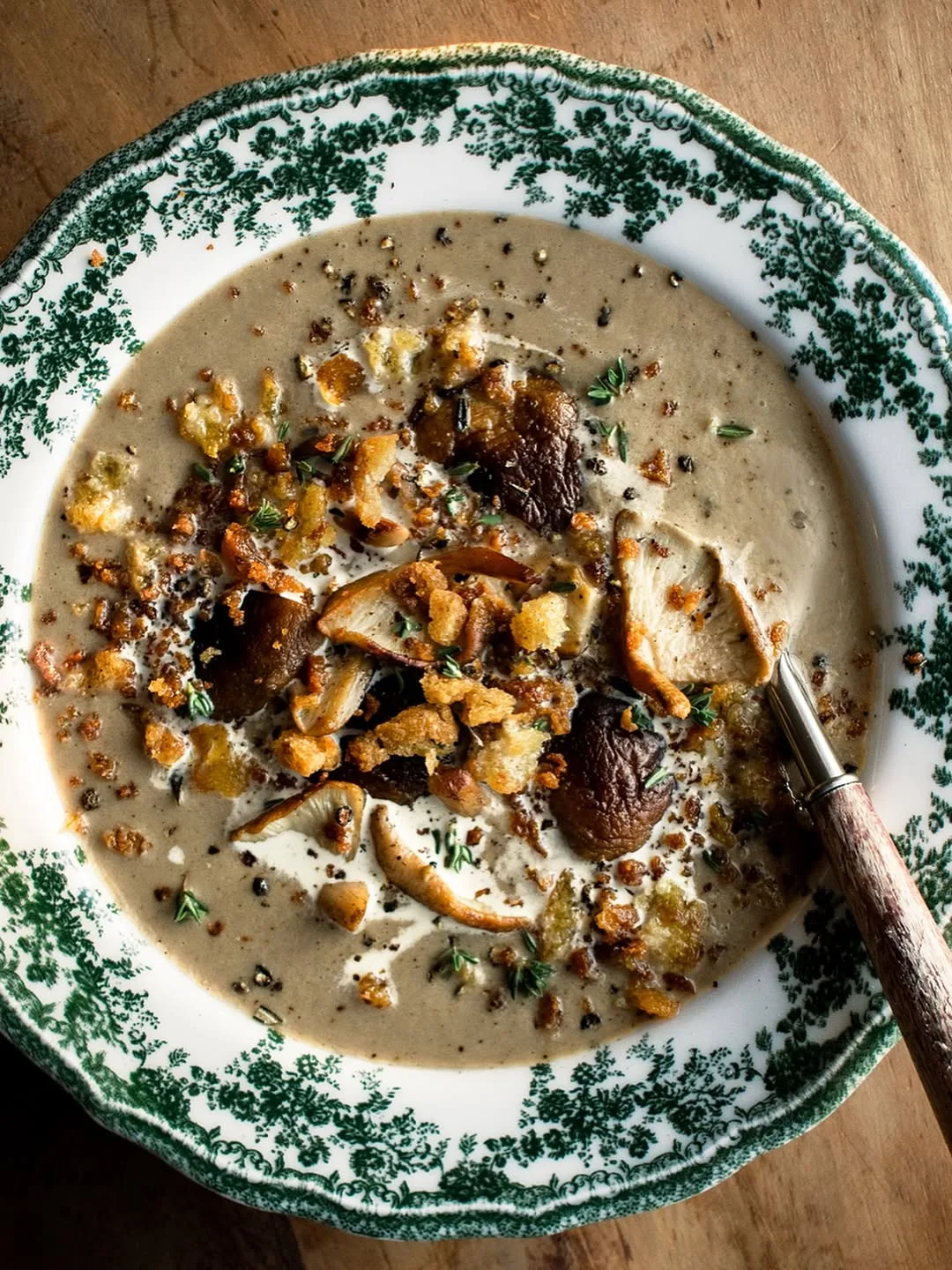
Deep, savoury flavour defines creamy mushroom soup, where mushrooms bring an earthy richness that feels almost meaty. A smooth texture with a few tender mushroom pieces left whole gives the bowl both elegance and substance at once.
Garlic toast soldiers turn mushroom soup into a meal worth lingering over, especially when the toast stays crisp at the edges. A few drops of truffle scented oil or a spoonful of sour cream on top adds a special occasion note.
Couples and small households suit this soup for quiet winter evenings, because it feels indulgent without needing a huge pot. Anyone who claims to dislike mushrooms often changes their mind after tasting the blended, mellow version served here.
Mixing mushroom varieties deepens the flavour more than using one type alone, and even a few dried mushrooms lift the whole pot. Serve the soup in warmed bowls so the creamy texture stays silky from the first spoonful to the last.
Pale, watery mushroom soup disappoints because mushrooms need proper browning and seasoning before they give up their best flavour. Rush that stage and the bowl tastes washed out, so patience at the start rewards every spoonful that follows.
Butternut Squash Soup With Sage

Golden butternut squash soup brings the colour of autumn leaves to the winter table, with natural sweetness balanced by savoury sage. Blended smooth, it pours like velvet and carries gentle spice beautifully, from nutmeg to a whisper of chilli.
Scatter toasted squash seeds or spiced chickpeas over each bowl for crunch against the smooth soup, and add crisp sage leaves for a fragrant garnish. Apple chutney served alongside brings a sweet, sharp contrast that suits the squash perfectly.
Hosts serving winter guests suit this soup well, because the colour looks festive and the flavour pleases almost everyone. Vegans and vegetarians at the table also feel properly considered, since the soup needs no adaptation to shine on its own.
Squash roasted until caramelised gives this soup a deeper sweetness than any other version, with mellow notes that suit winter spices. Planning this soup for the day after a roast dinner also works cleverly, because leftover squash finds a delicious second life.
Sweetness without balance is the usual problem, because squash alone can taste one dimensional and almost dessert like. Add savoury depth with sage, onion and good stock, plus a squeeze of citrus at serving, and the flavour rounds out beautifully.
Clear Broth Soup With Greens
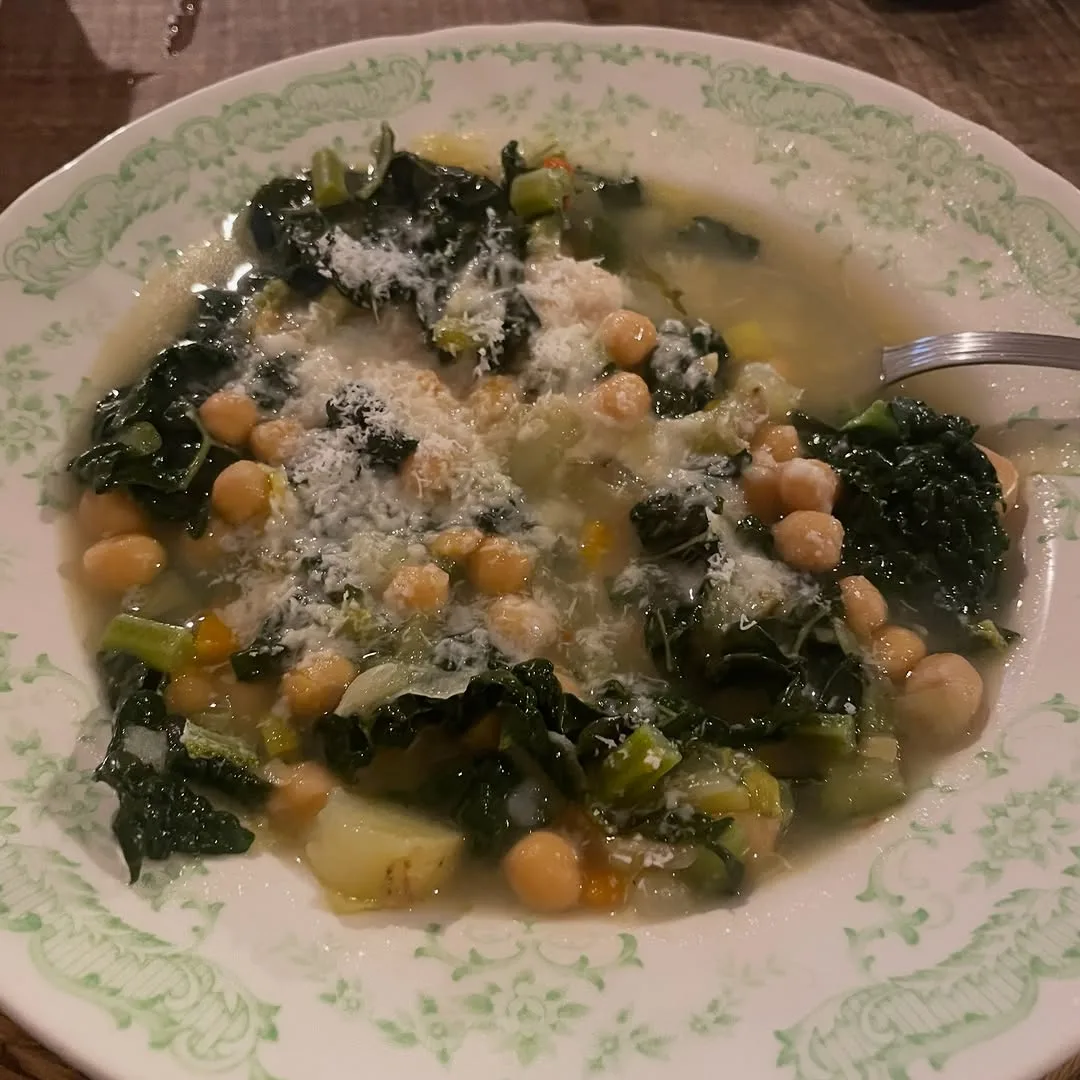
Clear broth soup with greens offers the lightest bowl in this guide, all clean flavour, bright colour and gentle warmth. Leafy greens, herbs and fine vegetables float in a well seasoned broth that refreshes rather than fills completely.
Pour the broth over bowls arranged with greens, noodles or small dumplings so the presentation stays fresh and lively. Serving it as a first course before a rich main dish gives guests warmth without stealing their appetite for what follows.
Light eaters and anyone recovering from heavy festive food suit this soup perfectly during the busiest eating weeks of winter. Older relatives often prefer it too, because the flavours stay clear and the bowl feels easy on the stomach.
Seasoning matters more here than in any creamy soup, because a clear broth has nowhere to hide blandness. Taste before serving, adjust with salt, citrus or herbs, and the simple bowl will taste deliberate rather than like an afterthought.
Greasy, cloudy broth spoils the whole idea, since clarity is exactly what makes this soup feel clean and restorative. Careful skimming and gentle handling keep the liquid bright, and the greens should stay vivid rather than dull and overcooked.
Spicy Noodle Soup Bowls
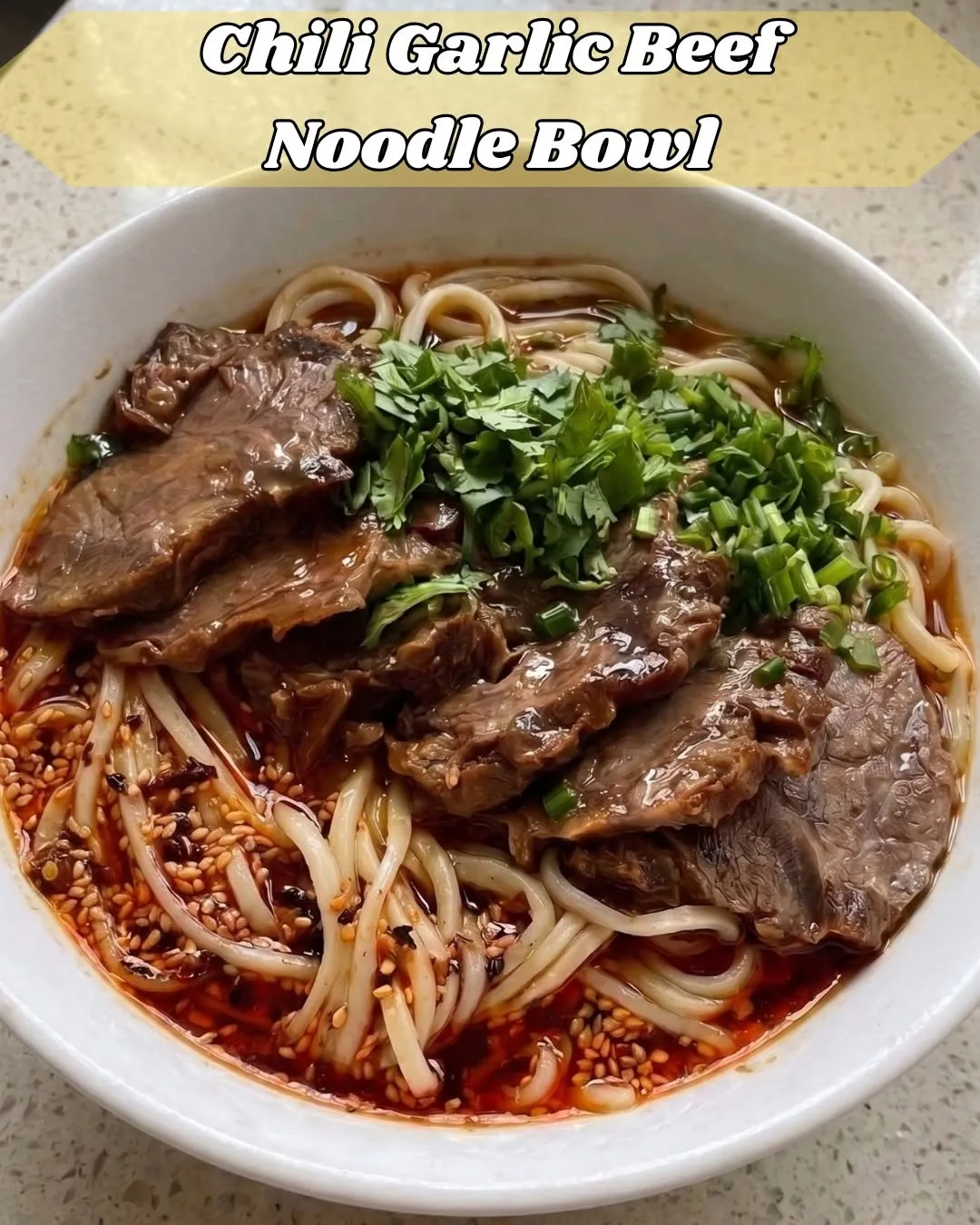
Spicy noodle soup bowls bring heat, slurp and theatre to the winter table, with springy noodles swimming in a broth layered with chilli, ginger and garlic. Fresh toppings cool the fire, and every eater can tune the heat personally.
Set out bowls of fresh herbs, bean sprouts, lime wedges and extra chilli so guests build their own perfect balance of heat and freshness. Spring rolls or simple dumplings served alongside turn the soup into a feast worth remembering.
Teenagers and adventurous eaters suit these bowls best, because the interactive toppings and bold flavours make dinner feel like an event. Groups of friends also love them, since everyone customises their bowl and compares combinations across the table.
Heat should warm rather than punish, so keep the base broth flavourful and let chilli oil at the table supply the extra fire. Planning a cooling drink or a mild side dish nearby keeps spice shy guests comfortable too.
Soggy noodles and limp toppings are the twin failures here, because noodle soup depends on freshness and contrast in every bite. Serve promptly once bowls are assembled, keep herbs and sprouts raw and crisp, and the texture stays exciting.
Soup Bar for Family Serving

Soup bars turn winter soup ideas into a relaxed event, with one or two big pots in the middle and a spread of toppings around them. Bowls, breads and garnishes wait in a line, and everyone builds a meal that suits their own taste.
Lay out toppings in small bowls with clear variety: grated cheese, crunchy croutons, fresh herbs, yogurt, chilli flakes and lemon wedges cover most tastes. Warm bread baskets and a simple salad complete the spread without stretching the cook at all.
Big gatherings suit a soup bar better than any plated meal, because guests serve themselves and the host stays part of the party. Birthday suppers, club nights and family Sundays all work, especially when appetites and preferences vary widely.
Two soups, one creamy and one brothy, make the bar feel generous while keeping the cooking manageable for one person. Label each pot clearly, note the spicy one honestly and guests will navigate the choices happily without repeated questions.
Running out of bread or toppings halfway through is the classic soup bar failure, because the extras are half the fun. Stock more garnishes than seems necessary, refill little and often and the table looks abundant from start to finish.
Freezer Friendly Batch Soups

Batch soups reward one afternoon of cooking with a freezer full of ready comfort for the busiest winter weeks. Bean, lentil, vegetable and tomato styles freeze especially well, and their flavour often deepens after a rest in the cold.
Portion soups flat in strong bags or boxes so they stack neatly, thaw evenly and take up far less freezer space. Single portions suit solo lunches, while family sized packs answer the eternal question of what dinner will be tonight.
Working parents, students and anyone with unpredictable evenings suit batch cooking more than any other strategy in this guide. Coming home to a homemade soup waiting in the freezer removes the temptation of expensive, disappointing takeaway food entirely.
Labels save batch cooking from becoming freezer roulette, so note the soup name and the month it was made on every container. Eating the oldest packs first keeps rotation honest and prevents good food hiding until it loses quality.
Dairy rich soups and potato heavy soups freeze less happily, sometimes turning grainy or separating when they return to the table. Choose broth based and bean based batches for the freezer, and add cream fresh when serving instead.
Smoky Split Pea Style Soup

Split pea style soup delivers old fashioned depth, with peas melting into a thick, savoury bowl touched by gentle smokiness. The texture sits between soup and stew, which makes it one of the most filling bowls of the winter season.
Mustard, sharp pickles or a splash of vinegar at the table cut through the richness and wake the whole bowl up. Thick slices of dark bread suit the hearty texture, and a crisp cabbage salad alongside adds welcome freshness.
Walkers, gardeners and anyone coming home cold from outdoor work suit this soup perfectly, because it restores warmth and energy fast. Rural households have loved it for generations, and town kitchens rediscover its charms every single winter without fail.
Smokiness should stay gentle, seasoning the peas rather than dominating them, so balance smoked elements with sweet carrot and onion. Serving the soup with something bright on the side keeps the deep flavour enjoyable right down to the last spoonful.
Thickness surprises many cooks, because split pea soup keeps setting as it stands until it slices more like a loaf. Keep extra stock or water ready when reheating, loosen the texture patiently and it returns to a proper, spoonable soup.
Golden Chicken and Rice Style Soup

Golden chicken and rice style soup combines a rich, coloured broth with tender chicken and rice that drinks up the flavour. Gentle spices like turmeric give the bowl its glow, and the whole thing tastes like sunshine during the darkest weeks.
Add fresh herbs, a squeeze of lemon or a spoonful of yogurt at serving to lift the golden broth beautifully. Warm flatbreads or simple rice cakes on the side suit the soup, and leftovers make a deeply comforting lunch.
Children suit this soup well because the flavours stay mild, the rice feels familiar and the colour makes the bowl look fun. Adults appreciate it after long days too, since it eats like a complete meal without feeling heavy.
Rice continues absorbing broth as the soup stands, so plan a slightly soupier pot when you expect leftovers for tomorrow. Serving rice separately for guests who prefer clear broth also works kindly and keeps every texture exactly right.
Blandness is the risk with any chicken soup, because gentle ingredients need confident seasoning to taste like more than hot water. Build flavour with good stock, herbs and a bright finish, and the golden bowl will earn its place.
Common Mistakes
Many winter soup ideas disappoint for the same simple reason: the seasoning never quite arrives, leaving good ingredients tasting flat. Salt, acid and herbs are not extras but the structure of flavour, and every pot deserves a final taste before serving.
Serving every soup at the same texture and richness week after week makes soup night feel like a chore. Alternate creamy and clear, chunky and smooth, mild and spicy, and the family will keep greeting the soup pot with genuine enthusiasm.
Forgetting toppings and bread removes half the pleasure, because contrast is what makes a simple bowl feel like a meal. Even one crunchy, fresh or creamy garnish changes everything, so plan the finish with the same care as the soup itself.
Huge batches of one soup often outstay their welcome, filling the fridge until everyone quietly dreads another bowl. Cook varied smaller pots, freeze portions promptly and rotate flavours, and leftovers stay a pleasure instead of becoming a punishment.
Neglecting presentation costs nothing to fix yet changes how soup is received, especially by children and guests. Warm bowls, a tidy garnish and bread served warm make the same recipe feel cared for rather than merely reheated and rushed.
Budget Friendly Winter Soup Ideas That Still Taste Rich
Good winter soup ideas protect the food budget better than almost any other cooking, because soup turns cheap staples into meals that feel generous. Lentils, beans, potatoes, cabbage and carrots all cost little and carry flavour beautifully in a well seasoned pot.
Dried beans and lentils beat almost every other protein on price, and they store for months without spoiling in a cool cupboard. Buying them in larger bags lowers the cost further and keeps soup ingredients ready whenever cold weather strikes.
Market stalls and supermarket discount shelves offer winter vegetables at their cheapest when each variety is in season and plentiful. Building soup plans around those bargains, rather than fixed shopping lists, keeps bowls varied and spending firmly under control.
Bread ends, stale rolls and leftover cooked rice all find new life in soup, as croutons, thickeners or hearty additions. Saving these scraps instead of binning them stretches the budget and adds the textures that make bowls satisfying.
One big soup day each week uses energy efficiently, warms the kitchen and fills the freezer for future meals at no extra cost. Planning that day around existing cupboard stock means some weeks the soup costs almost nothing at all.
Simple Tips for Serving Soup All Winter
Warm the bowls before serving whenever you can, because hot soup poured into cold bowls loses its comfort far too quickly. A quick rinse under hot water does the job, and the last spoonful stays as welcoming as the first.
Keep a small toppings tray ready in the fridge all season, holding chopped herbs, grated cheese, toasted seeds and lemon wedges for instant finishing. Following simple winter soup ideas like this one makes even a plain pot taste planned and generous.
Plan soup nights on the busiest evenings of the week, when time and patience run short and everyone arrives home hungry. Knowing dinner only needs reheating and garnishing removes stress and keeps the household away from pricey emergency food.
Freeze leftover soup in single portions even when the batch was small, because one portion still answers a future lunch perfectly. Small containers also thaw faster, stack better and remind you exactly what waits in the freezer.
Let everyone season their own bowl at the table with salt, pepper, chilli and citrus, because tastes differ more than cooks expect. A small tray of options prevents both bland bowls for some and overseasoned soup for others.
Rotate one new soup into the menu each week while keeping familiar favourites in place, and the season never turns monotonous. Notes on which bowls vanished fastest will guide next winter’s planning better than any magazine list could.
Frequently Asked Questions
Which soups freeze best for later?
Bean, lentil, tomato and clear vegetable soups freeze most reliably, keeping their texture and flavour through storage and reheating. Dairy based and potato heavy soups can turn grainy, so enjoy those fresh or add the cream only when serving.
How can I make soup feel like a full meal?
Adding beans, lentils, grains or pasta gives soup the substance that satisfies hungry eaters until the next meal. Good bread, a topping with crunch and perhaps a side salad complete the picture and turn a starter into supper.
What toppings suit almost every soup?
Crunchy croutons, fresh herbs, grated cheese, a swirl of yogurt or cream and a squeeze of lemon suit nearly every bowl in this guide. Keeping two or three ready means any soup can be finished beautifully without extra shopping.
How do I keep soup interesting all winter?
Rotating styles weekly keeps soup night fresh, moving between creamy, brothy, spicy and chunky bowls so no two weeks taste alike. Changing toppings and breads also refreshes familiar soups, and a soup bar now and then resets everyone's enthusiasm.
Can soup suit guests with different diets?
Vegetable based soups with toppings served separately suit mixed tables best, because everyone finishes their bowl according to their own needs. Cheese, yogurt, meats and chilli on the side let one pot welcome vegans, vegetarians and devoted carnivores together.
What bread goes best with winter soup?
Crusty loaves suit brothy soups that beg for dipping, while soft rolls and flatbreads partner creamy and spiced bowls beautifully. Garlic toast flatters tomato and mushroom soups most, and oatcakes or soda bread keep traditional potato soups company happily.
More Ideas to Explore
Warm up the rest of your winter kitchen with a few more cosy reads. Style the room with winter kitchen decor ideas, add festive touches from christmas kitchen decor ideas, build a snug corner with cozy kitchen decor ideas and set up a hot chocolate bar for dessert.
Conclusion
Winter soup ideas earn their place at the centre of cold weather cooking because they combine comfort, economy and endless variety in one pot. Few other meals welcome leftovers, stretch budgets and please mixed tables with so little stress.
Start with two or three styles your household already loves, then add one new bowl each week as confidence and curiosity grow. Notes on favourites, toppings and tweaks will quietly build a personal soup repertoire worth repeating every year.
Remember that toppings, bread and warm bowls matter almost as much as the soup itself, because finishing touches decide how a meal is remembered. Small care at serving time turns an ordinary pot into the dinner everyone requests again.
Enjoy the season of steam, shared pots and second helpings, and let soup carry your kitchen through the coldest weeks with warmth to spare. A freezer stocked with good soup and a table full of people is winter at its best. Simple winter soup ideas like these turn the coldest evenings into the warmest meals of the week.