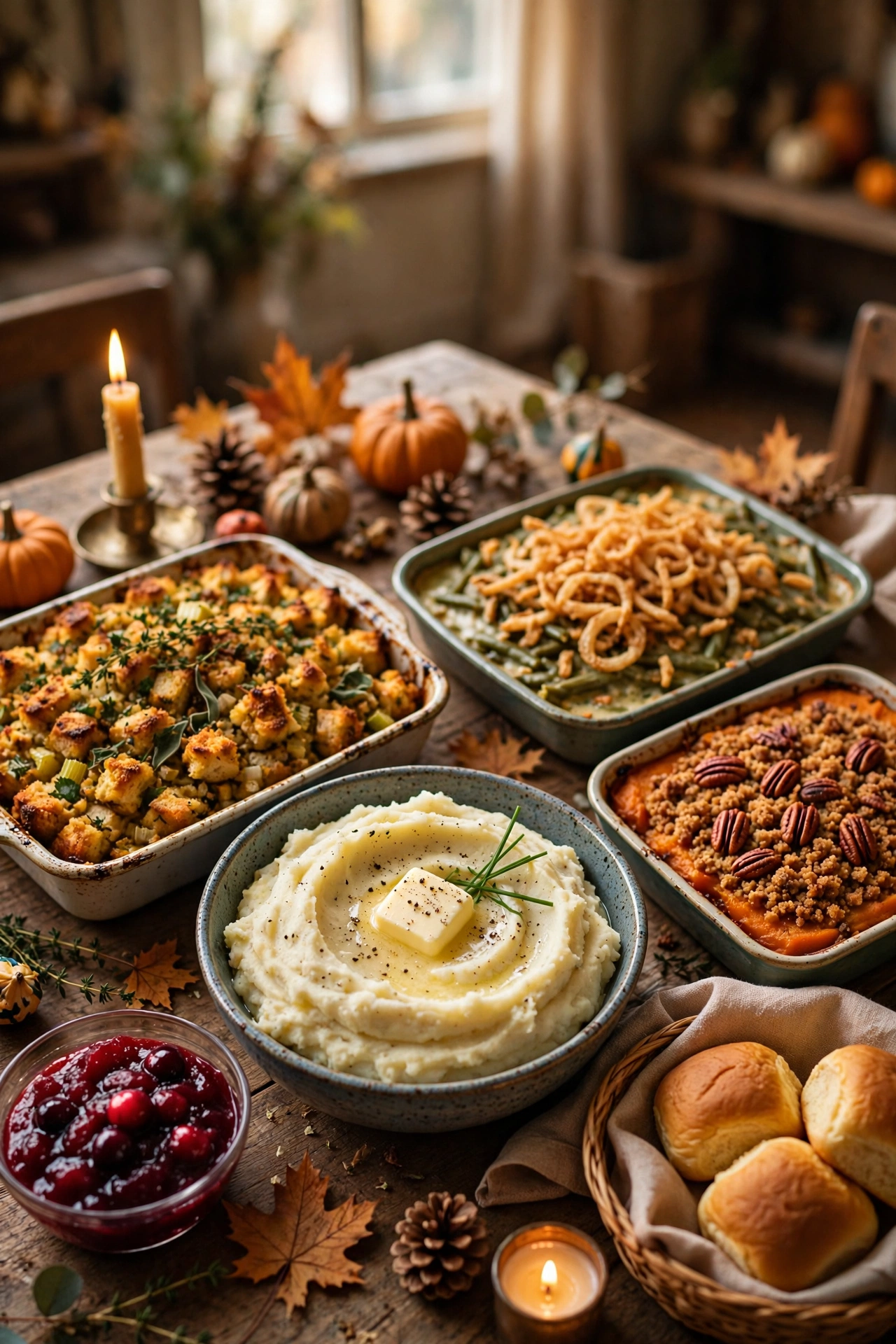
Thanksgiving Side Dish Ideas That Complete the Feast
Side dishes decide whether a Thanksgiving table feels generous or thin. Turkey gets the photograph, yet guests go back for seconds of the potatoes, the stuffing and the casserole nobody expected to love. Planning the sides with the same care as the bird turns a good dinner into the meal people talk about until Christmas.
Balance matters more than volume at this meal. Rich dishes like mac and cheese sit happily beside sharp cranberry sauce, green vegetables cut through the butter, and one fresh salad keeps plates from feeling heavy. Choosing sides as a set, rather than as fifteen separate favourites, keeps flavours and colours working together.
Gathered here are fifteen thanksgiving side dish ideas covering the classics everyone expects and the quieter dishes that rescue the menu. Each one comes with planning notes, serving guidance and the mistake that most often lets it down. Ideas and menus only, so every family can cook each dish in their own way.
How Many Side Dishes Does a Thanksgiving Dinner Need?
Four to six side dishes suit most tables of eight to twelve people. Fewer than four makes the plate look sparse, while more than seven splits your oven time, your budget and your attention into pieces too small to manage well. One potato dish, one stuffing, two vegetables, cranberry and bread cover the classic shape.
Scale the number to the guest list rather than to your ambition. Small tables of two to four people do better with three generous sides, while crowds above sixteen eat happily from five or six dishes made in larger quantities. Guests remember abundance on the plate, not the count of bowls on the sideboard.
Plan roughly 200 to 250 grams of each side per person when you serve five or six sides, and a little more of the two dishes everyone fights over. Potatoes and stuffing always vanish first, so make those in the biggest dishes you own and let the quieter vegetables stay modest.
Classic Bread Stuffing with Herbs
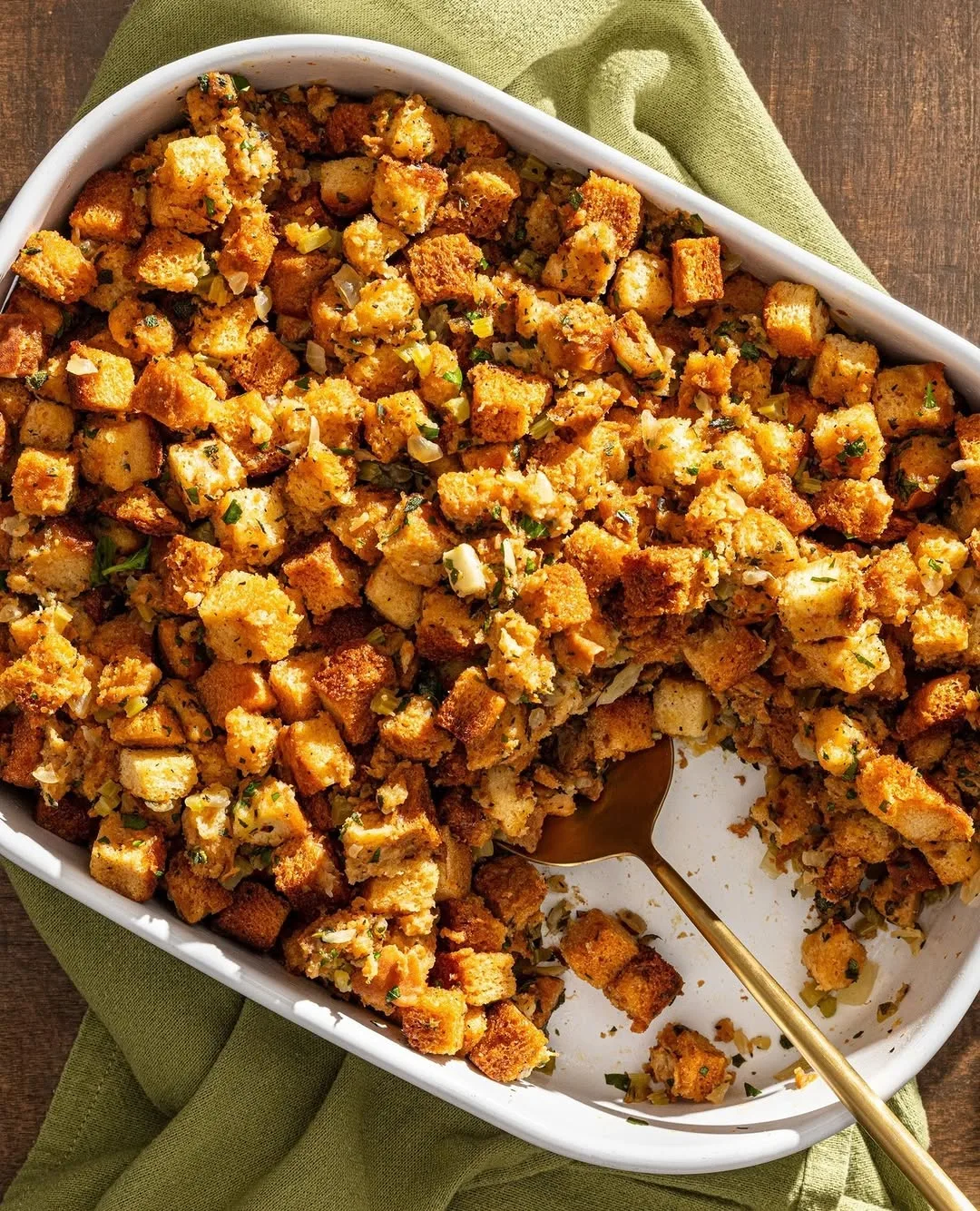
Bread cubes soaked with stock, onion, celery and plenty of sage and thyme make the dish many guests quietly call the real main event. Stuffing carries the flavours of the whole meal in one spoonful, and a crisp top over a soft centre gives the plate texture nothing else provides.
Serve stuffing in the baking dish it cooked in, straight onto the table or the buffet, with a big spoon standing in it. Plan one generous cup per person, then make one extra dish worth, because stuffing sandwiches the next day are half the point.
Traditional families and anyone hosting older relatives will find this dish non negotiable. Guests who claim they only came for the turkey usually take two helpings, and children who refuse most vegetables rarely refuse stuffing.
One household keeps a note on the recipe card recording who ate the corner pieces each year, because the crisp corners start arguments. Drying the bread cubes the night before, spread on trays around the kitchen, is the quiet step that keeps the texture right.
Packing stuffing into the dish too firmly is the mistake behind dense, heavy results. Spoon it in loosely, let the top stay rough and craggy, and it bakes up light with plenty of crisp edges.
Creamy Mashed Potatoes with Garlic
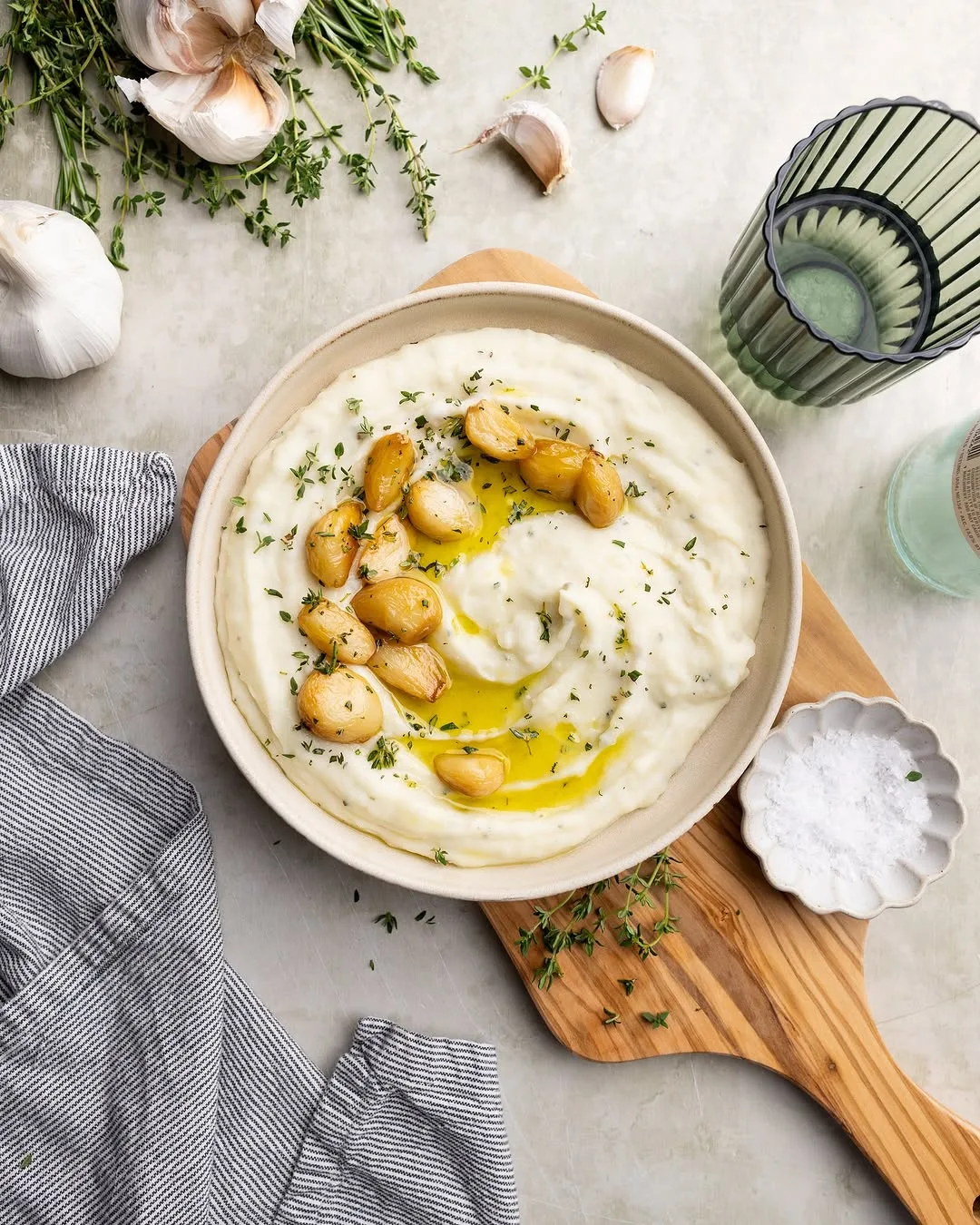
Smooth potatoes whipped with butter, warm milk and a gentle hit of garlic are the peacemaker of the plate, catching gravy and sitting kindly beside everything else. Mashed potatoes are also the side most guests eat without thinking, which makes them the anchor of the whole spread.
Hold mashed potatoes warm in a slow cooker or a covered dish over a pan of hot water, and stir through a knob of butter just before serving. Plan about 250 grams of raw potatoes per person, because peeling and trimming always eat into the pile.
Everyone suits this dish, from toddlers to grandparents, and picky eaters who dodge the rest of the table will still fill half a plate here. Households cooking for a crowd lean on it hardest, since potatoes stretch further per coin than any other side.
Garlic added gently wins over garlic added boldly, so one careful family roasts the cloves first after a year when raw garlic bullied the whole plate. Mashed potatoes done well belong on every list of thanksgiving side dish ideas because they make the turkey taste better too.
Overworking the potatoes is the mistake that turns them gluey and sad. Mash while hot, add the liquid warm, and stop the moment the spoon stands up in the bowl.
Sweet Potato Casserole with Pecan Topping
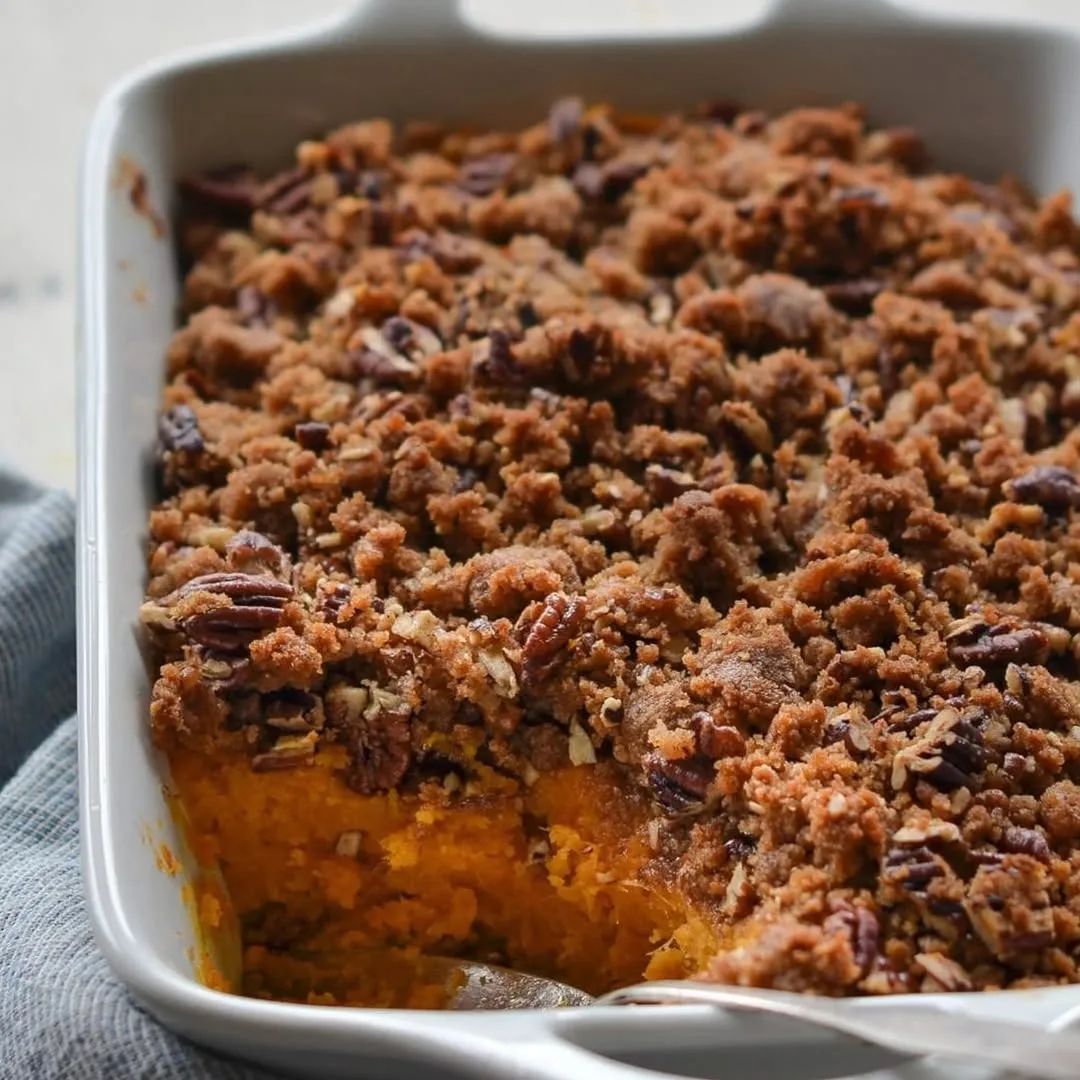
Mashed sweet potatoes under a crunchy pecan and brown sugar topping blur the line between side dish and dessert, and most tables are happier for it. Colour alone earns its place, since the deep orange lifts a plate full of beige and green.
Serve the casserole in a wide shallow dish so every spoonful gets some topping, and expect it to feed more people than planned because portions run small and rich. Sweet potato casserole also travels well, which makes it a kind gift for a guest to bring.
Southern leaning tables and families with a sweet tooth treat this casserole as essential. Households whose menu leans savoury often serve it as the single sweet note, and it balances salty ham beautifully at mixed meat tables.
Making the topping ahead and keeping it in a jar in the fridge saves real time on the day. One host doubles the topping batch every year after learning that guests pick at the crust while the turkey rests.
Burning the pecan topping is the mistake that ruins an otherwise simple dish. Sugar goes from golden to bitter fast, so watch the casserole closely in its final minutes and pull it out early rather than late.
Green Bean Casserole with Crispy Onions
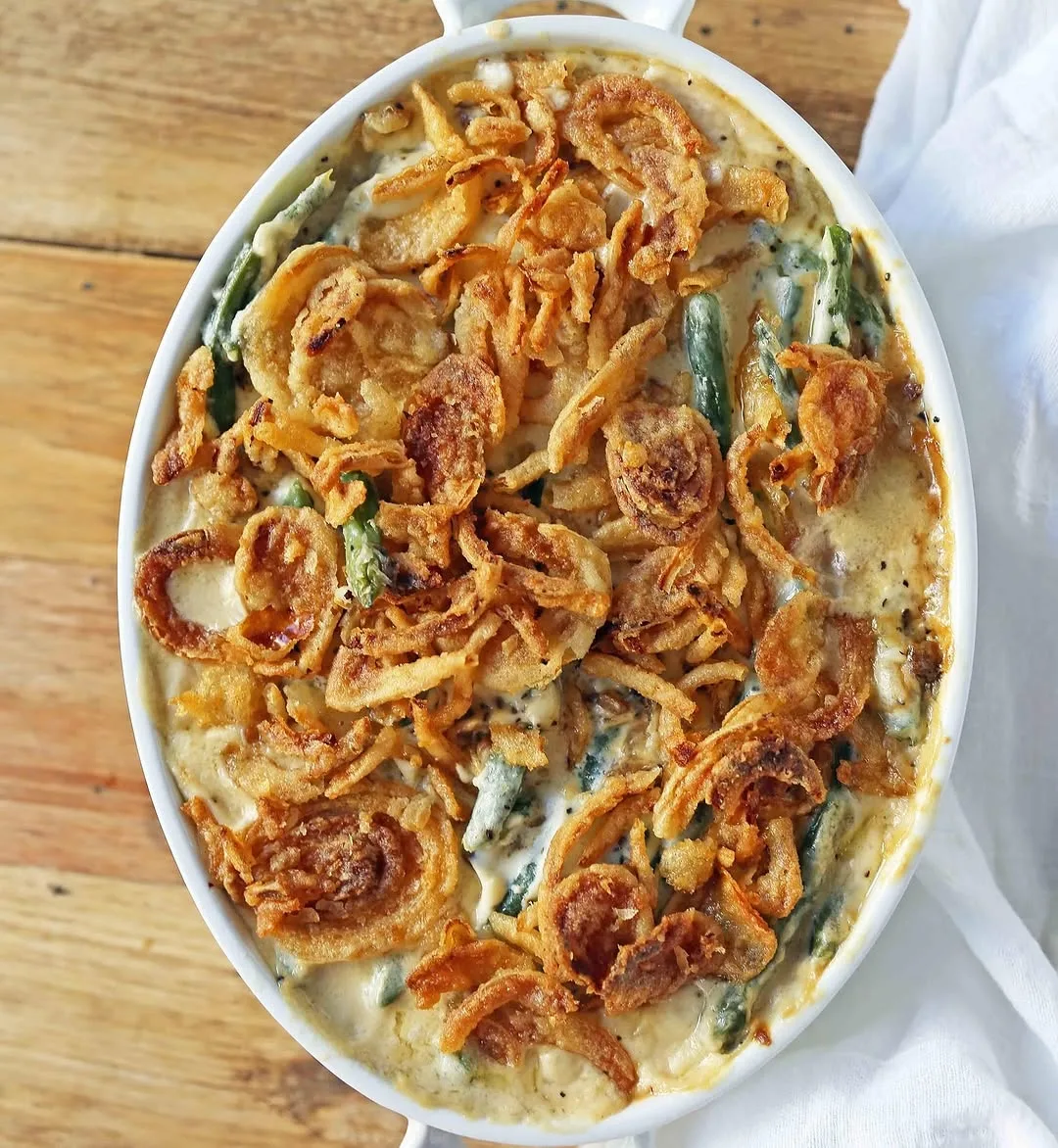
Tender green beans in a creamy sauce under a blanket of crisp fried onions bring the casserole most American tables grew up with. Familiarity is its strength, because guests spot it from the doorway and relax, knowing the menu kept at least one promise.
Assemble the casserole the day before and keep it covered in the fridge, adding the onion topping only at serving time so it stays crisp. Wide dishes serve a crowd better than deep ones, since the topping covers more of the surface.
Nostalgic families and first time hosts suit this dish best, because it forgives timing errors and reheats without complaint. Children often eat it as their token green vegetable, which settles that negotiation early.
Frozen green beans serve busy households well and cost far less than fresh beans in late November. Several experienced hosts blanch fresh beans instead when the market price stays fair, and both versions disappear at the same speed.
Adding the crispy onions too early is the mistake behind the soggy versions people remember unkindly. Keep the topping separate until the last possible moment, scatter it thickly, and serve within minutes.
Honey Glazed Roasted Carrots
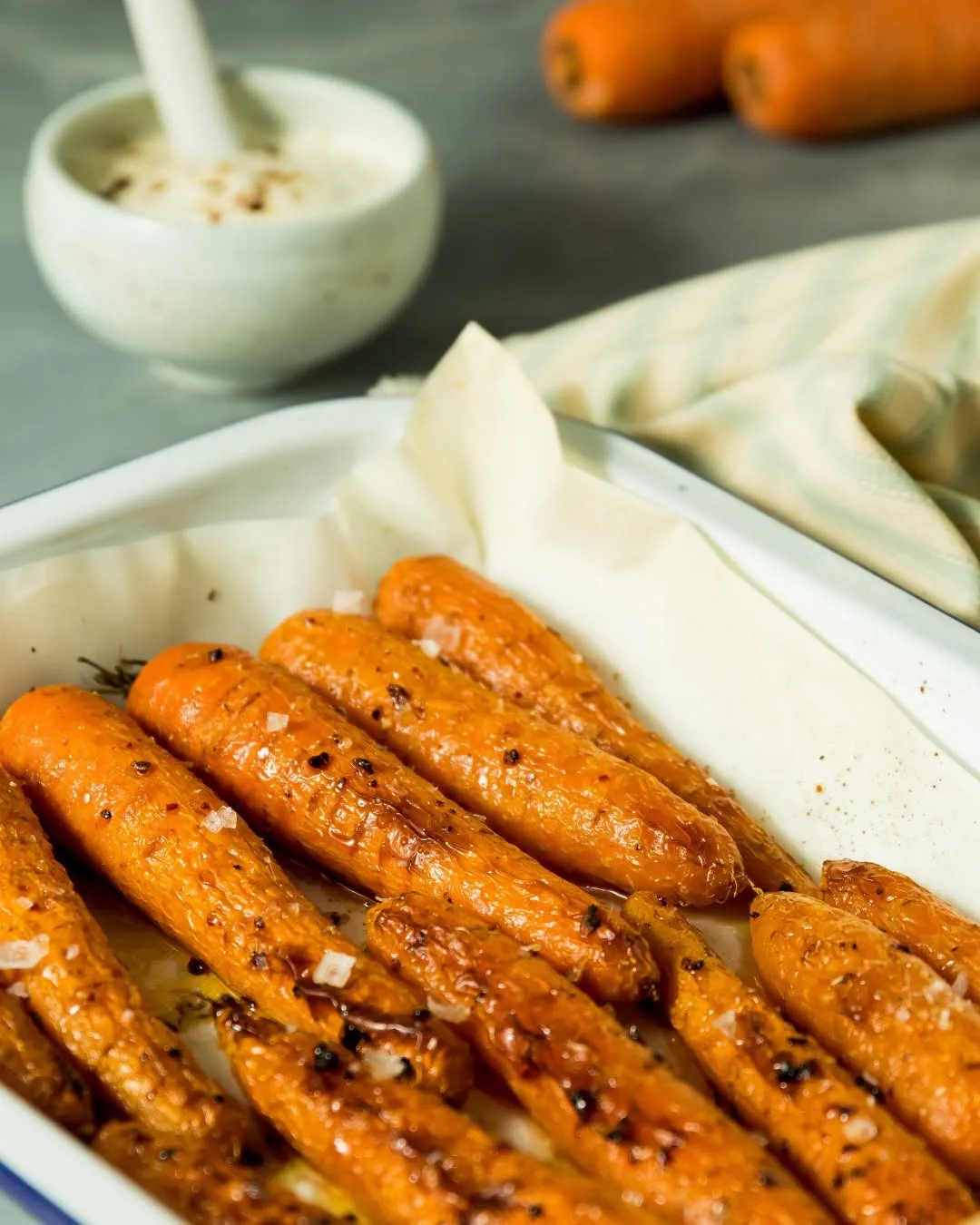
Whole carrots roasted until sweet and glossy with honey bring colour and a gentle sweetness that needs no cream or cheese to work. Carrots also cook in the gaps of the oven schedule, sliding in beside bigger dishes without demanding their own hour.
Serve them piled on a warm platter in a single layer where the glaze can shine, with a few thyme sprigs if you have them. Plan three or four whole carrots per person, because roasting shrinks them and guests take more than expected.
Health conscious guests and anyone feeding vegetarian friends will reach for these first. Carrots suit smaller budgets too, since few vegetables feed so many people for so little money.
One household serves the carrots on the same platter every year, a long white dish bought at a market in their first married winter. Glazed carrots keep showing up in collections of thanksgiving side dishes because they ask almost nothing of the cook and give back colour, sweetness and calm.
Cutting carrots into uneven chunks is the mistake that leaves half burnt and half hard. Keep pieces close in size, or roast whole carrots of similar thickness, and everything finishes together.
Brussels Sprouts with Bacon and Maple
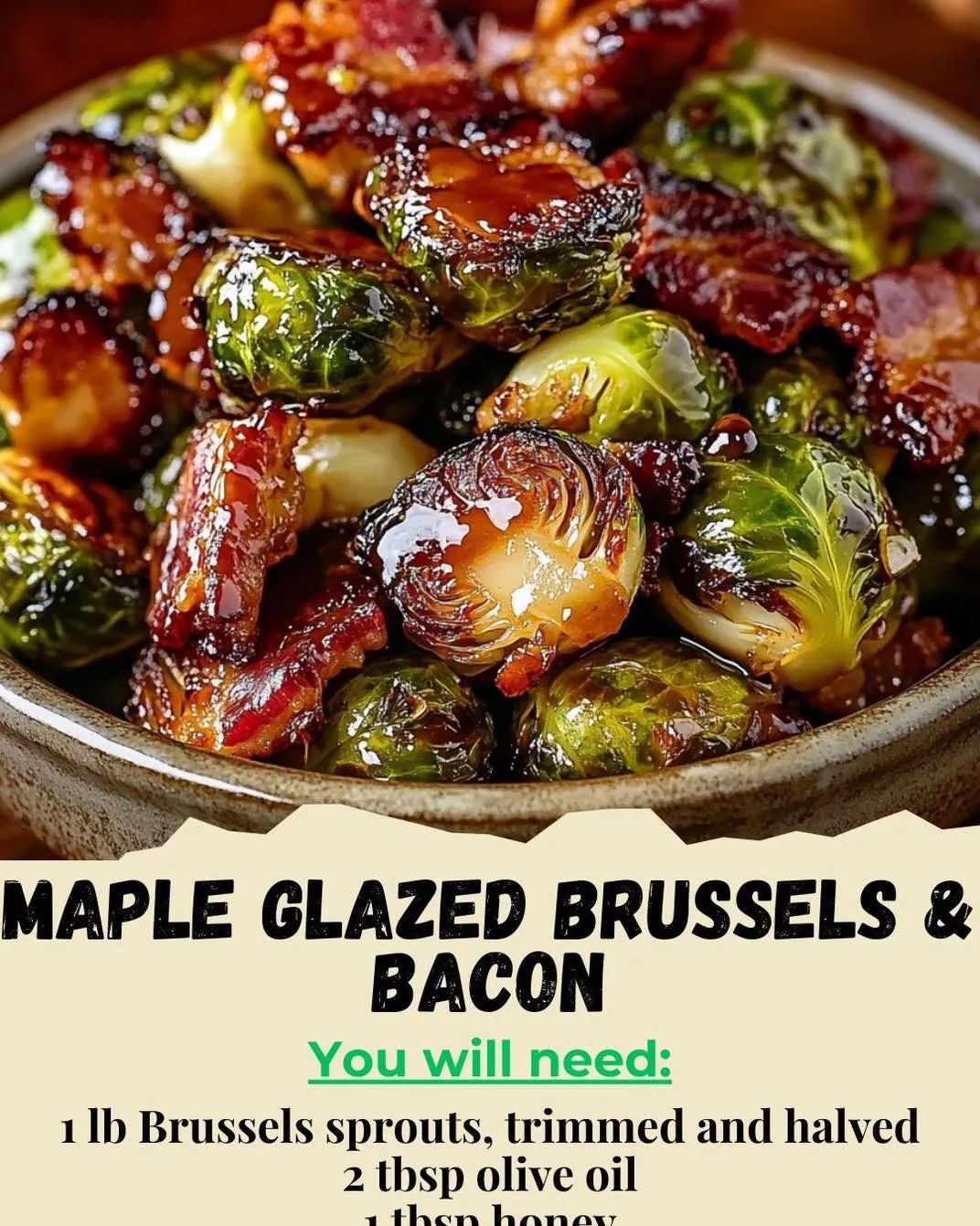
Halved Brussels sprouts roasted until the edges char, tossed with crisp bacon and a whisper of maple, convert people who swore they hated sprouts. Salty, sweet and bitter in one bite, the dish wakes up a plate of soft comfort food.
Serve sprouts straight from the roasting tray or a warm shallow bowl, because they cool quickly and lose their crisp edges in a deep dish. Plan about 150 grams per person, since roasting concentrates them and seconds are common.
Adventurous eaters and younger guests tend to claim this dish, while traditional tables serve it as the modern counterweight to the casseroles. Households full of bacon lovers need no convincing at all.
Buying sprouts still on the stalk amuses children and keeps the sprouts fresher for days in a cool spot. One family lets the youngest guest pull the sprouts off the stalk at the kitchen counter, and the vegetable arrives at the table already popular.
Crowding the tray is the mistake that steams sprouts instead of roasting them. Spread them in one layer with the cut sides down and space around each one, even if it means using two trays.
Cranberry Orange Sauce
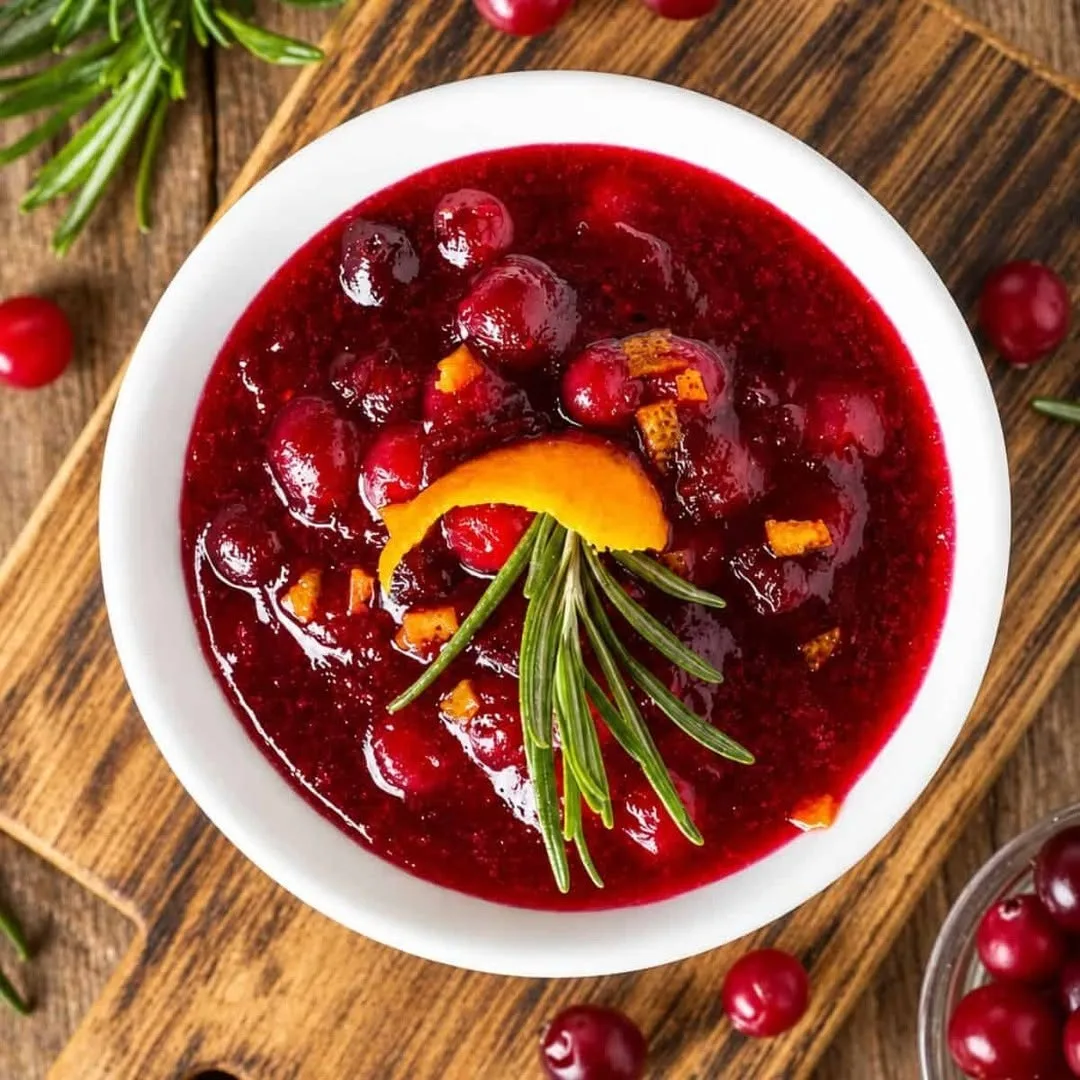
Bright cranberry sauce sharpened with orange acts as the reset button of the plate, cutting through butter, cream and gravy so the next bite tastes new again. Small spoonfuls do more work per gram than anything else on the table.
Make the sauce several days ahead and serve it in your smallest pretty bowl, at room temperature or lightly chilled. One standard batch covers a table of ten, and leftovers keep for a week in the fridge.
Every table suits cranberry sauce, but hosts serving rich menus need it most. Guests who eat lightly often build their whole plate around turkey, potato and a generous ribbon of sauce.
Stirring through orange zest at the end keeps the flavour bright after days in the fridge. Several households freeze a small extra pot in November and feel smug in December when it reappears beside cold turkey.
Serving sauce straight from the fridge in a solid block is the mistake that makes it taste harsh and dull. Take it out an hour early, stir it well, and the texture turns spoonable and glossy.
Buttery Dinner Rolls
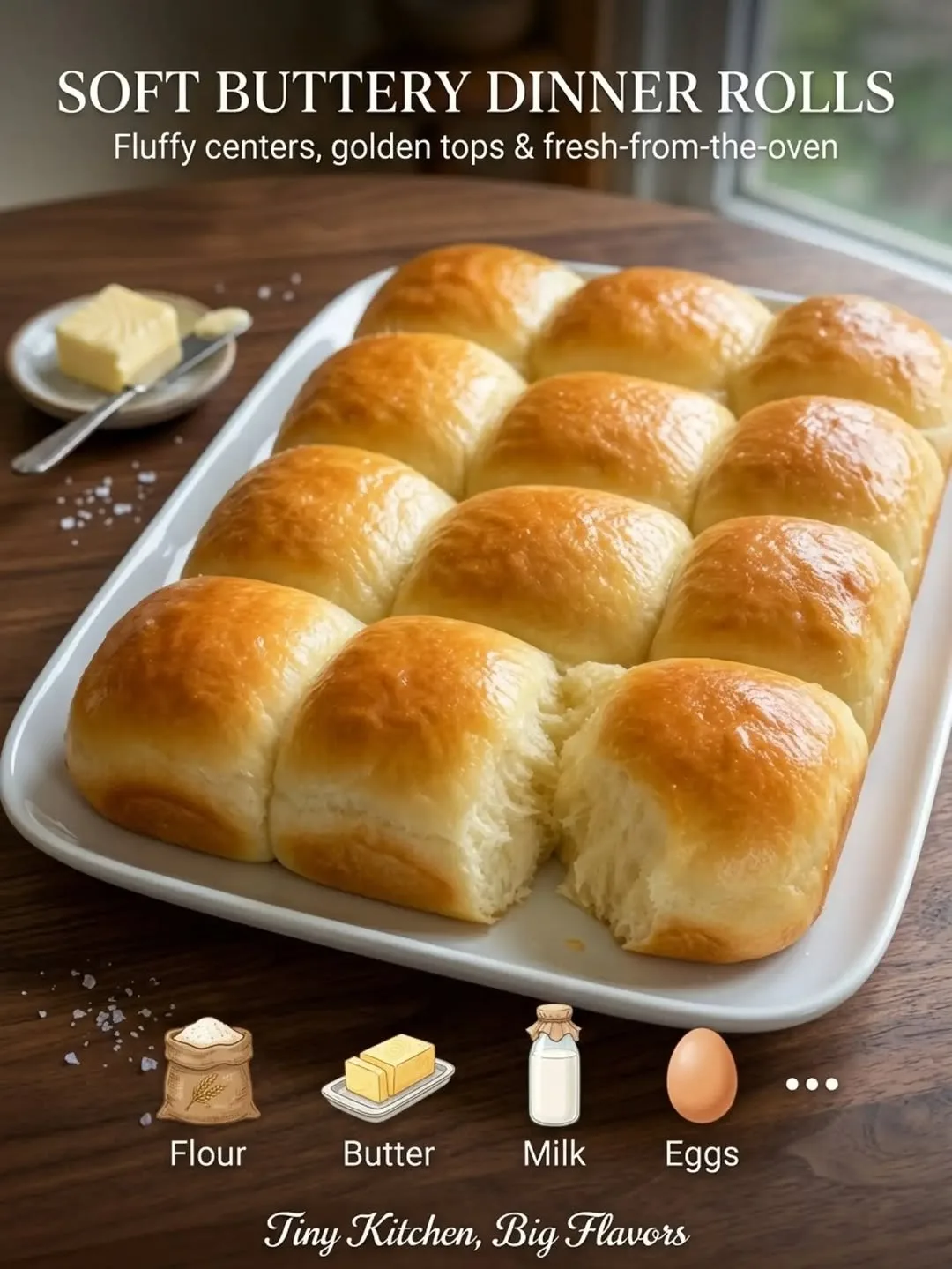
Soft warm rolls with butter do the quiet work of the table: mopping plates, filling gaps for hungry teenagers, and giving nervous guests something to do with their hands. Bread also buys the cook time, because a basket of rolls makes a late turkey feel less late.
Serve rolls in a cloth lined basket so they hold their warmth, and warm them while the turkey rests. Plan two rolls per person and a few extra for the known bread eaters of the table, who exist in every family.
Families with children and big appetites rely on rolls more than any other side. Budget minded hosts love them too, since flour and yeast feed a crowd for coins and nobody ever complains about bread.
Bakery rolls bought the day before rescue households whose oven is already full. One host wraps shop rolls in foil with a sprinkle of water before warming, and guests regularly ask for the recipe she does not have.
Putting rolls in the oven and forgetting them is the classic mistake, and the smell announces it to the whole house. Warm bread needs five to eight minutes and a timer you can hear from the dining room.
Creamed Corn Bake
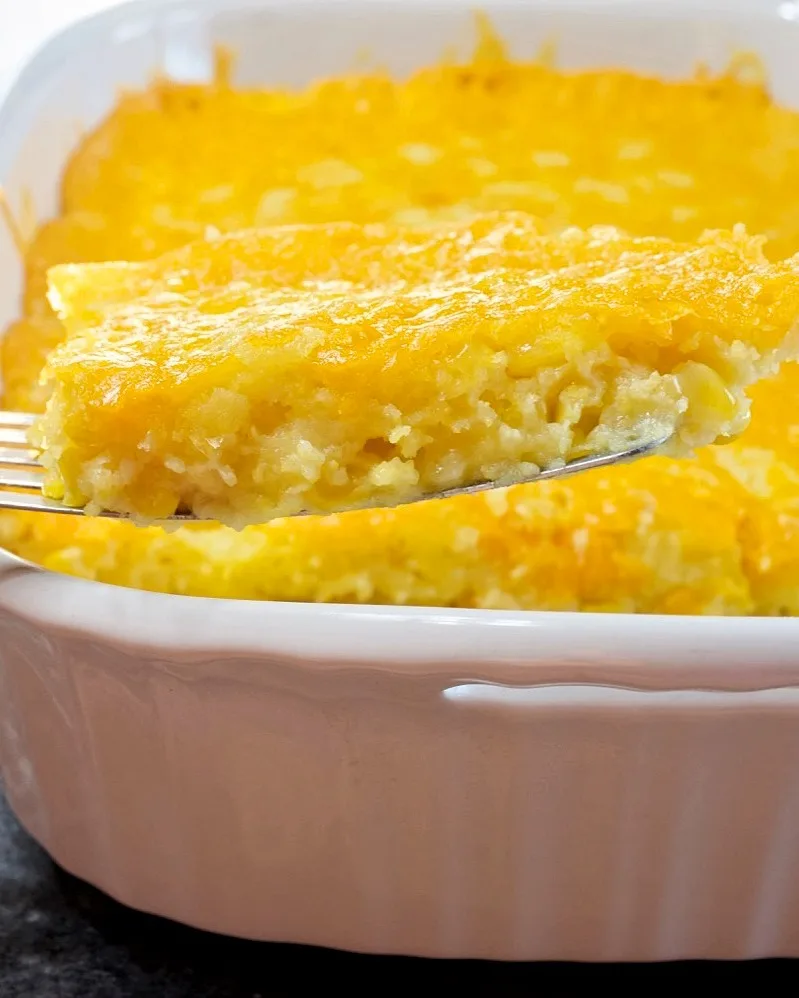
Sweet corn folded through a creamy, gently set bake sits somewhere between a vegetable and a pudding, and children defend it fiercely. Golden and mild, the dish fills the gap for guests who find stronger flavours hard work.
Serve the bake in its oven dish with a spoon, and expect it to serve more people than the recipe promises because it is rich. Corn bake holds its heat well, which makes it a forgiving dish for buffets and delayed starts.
Families with young children and guests who prefer gentle flavours suit this dish best. Midwestern leaning tables treat it as a fixture, and it partners plainly roasted meats without competing.
Frozen corn keeps this bake cheap and consistent all year, and nobody at the table can tell the difference in a creamy dish. Extra pans of it vanish at potluck style dinners faster than the fancy options, year after year.
Baking the corn dish until it dries at the edges is the mistake that turns comfort into stodge. Pull it out while the centre still trembles slightly, and it sets into softness as it rests.
Roasted Root Vegetables with Thyme
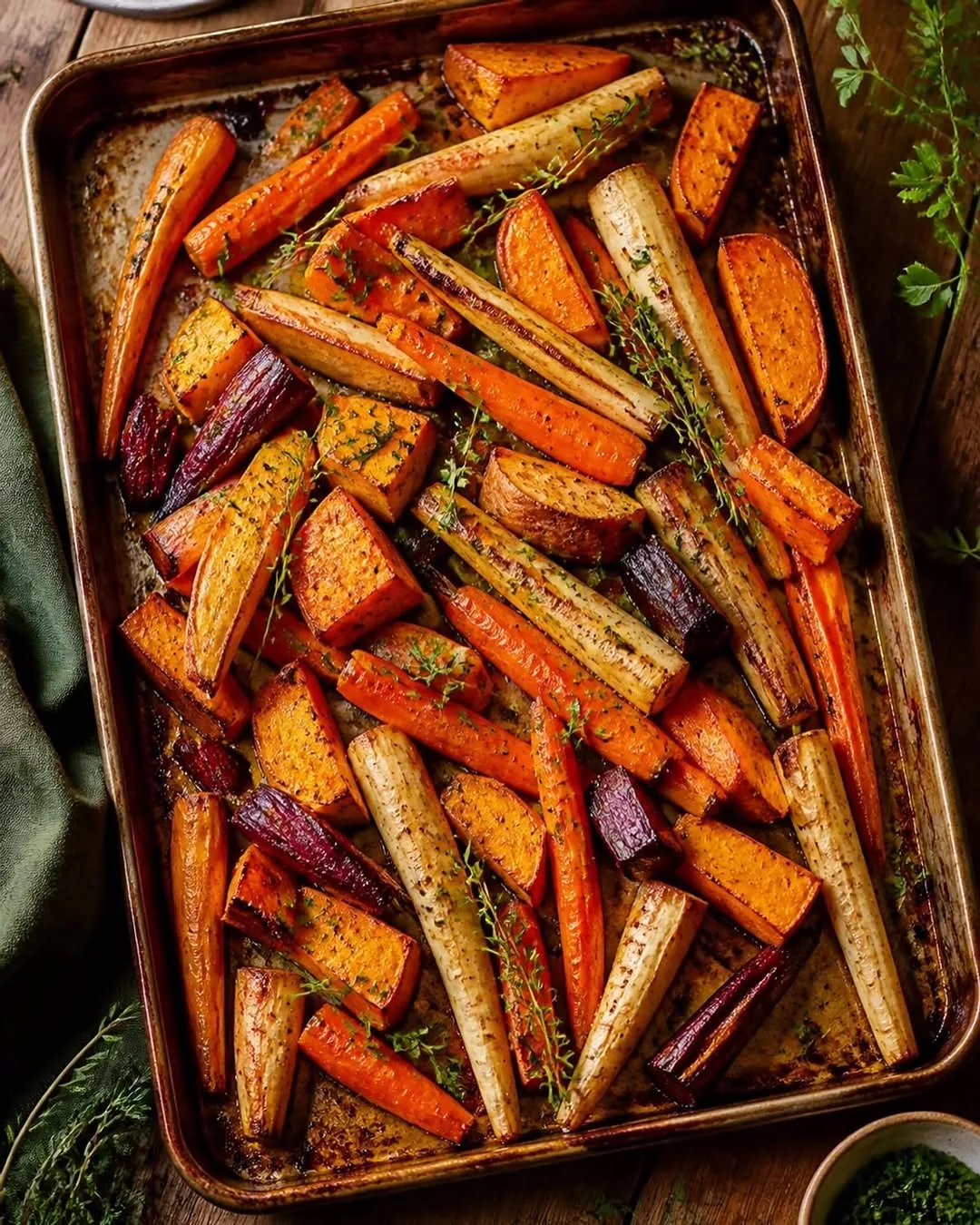
Chunks of parsnip, carrot, swede and red onion roasted with thyme bring the garden to a table that can lean heavily on cream. Earthy and caramelised at the edges, root vegetables give the plate substance without another casserole dish.
Serve them heaped on a big platter rather than in a bowl, so the roasted edges stay crisp instead of steaming. Plan a generous handful of chunks per person and roast an extra tray if the guest list creeps up, because these reheat happily.
Vegetarian guests and anyone feeding a mixed table will lean on this dish, and it doubles as a main course corner for the guest who skips turkey. Rural households with garden roots to use up suit it perfectly.
Cutting everything to a similar size during calm morning prep is the habit that makes this dish reliable. One family roasts the roots on the lowest oven shelf while the turkey rests, using heat that would otherwise go to waste.
Turning the vegetables too often is the mistake that stops them browning. Leave them alone for long stretches, turn once with a wide spatula, and the sugars do the rest.
Mac and Cheese Bake
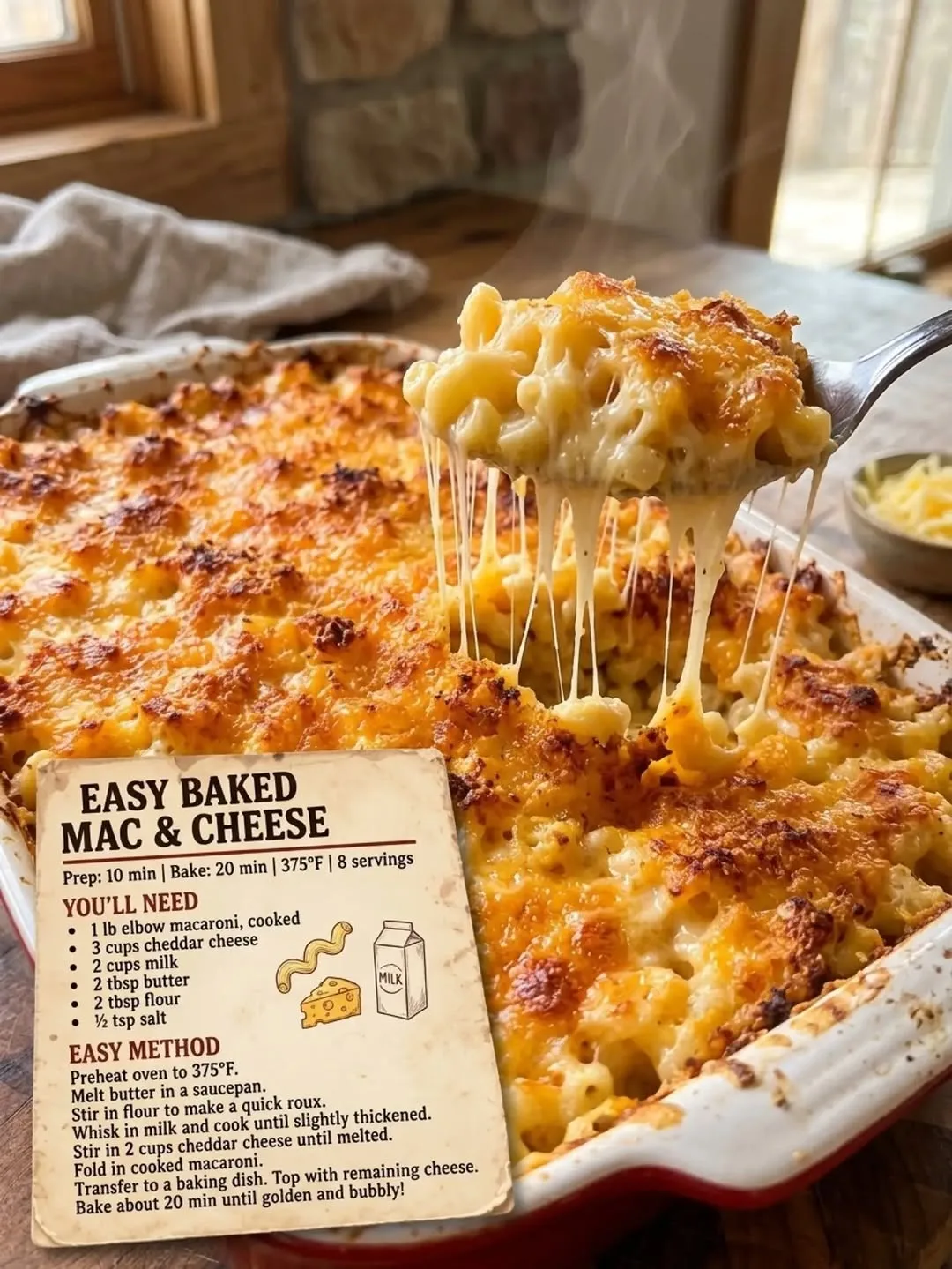
Pasta folded through a sharp cheese sauce under a golden crust is the side that children and most adults would vote onto the table every single year. Mac and cheese also anchors vegetarian plates and steadies guests who approach the rest of the menu with caution.
Serve it in the baking dish with the crust unbroken until the first spoon goes in, because that moment matters to people. Plan a cup per person as a side, and know that teenagers will treat it as a main.
Families with children, blended households meeting over food, and anyone hosting a Friendsgiving crowd will find this the most requested dish on the list. Cooks who want one guaranteed empty dish at the end of the night also love it.
One household bakes two smaller dishes instead of one large, sending the second to the table when the first empties, so the crust stays fresh. Dishes like this explain why mac and cheese leads so many lists of thanksgiving side dish ideas for younger tables.
Using only mild cheese is the mistake behind bland, floury versions. Sharp cheese does the flavour work, so taste the sauce before the pasta goes in and season it until it tastes almost too strong.
Wild Rice Pilaf with Mushrooms
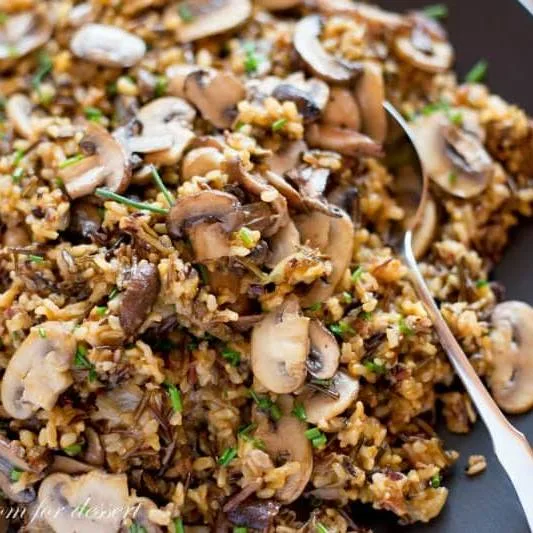
Chewy wild rice with mushrooms, onion and herbs brings a nutty, woodsy flavour that stands apart from the creamy dishes around it. Pilaf also serves the guest who wants something substantial that is neither potato nor bread.
Serve pilaf in a wide bowl with the mushrooms visible on top, and fluff it with a fork just before it goes out. Modest batches stretch surprisingly far, because the grains are filling and guests take spoonfuls rather than mounds.
Guests who eat gluten free and households wanting a lighter grain dish suit this side best. Pilaf also pleases the cook, since it waits warm without spoiling while other dishes finish.
Making pilaf a day ahead deepens its flavour and removes one pan from the day itself. Several careful hosts reheat it with a splash of stock in a covered dish, and it tastes freshly made.
Underseasoning is the mistake that leaves rice pilaf tasting like health food. Mushrooms, onion and enough salt carry the dish, so season in layers and taste before serving.
Cauliflower Gratin
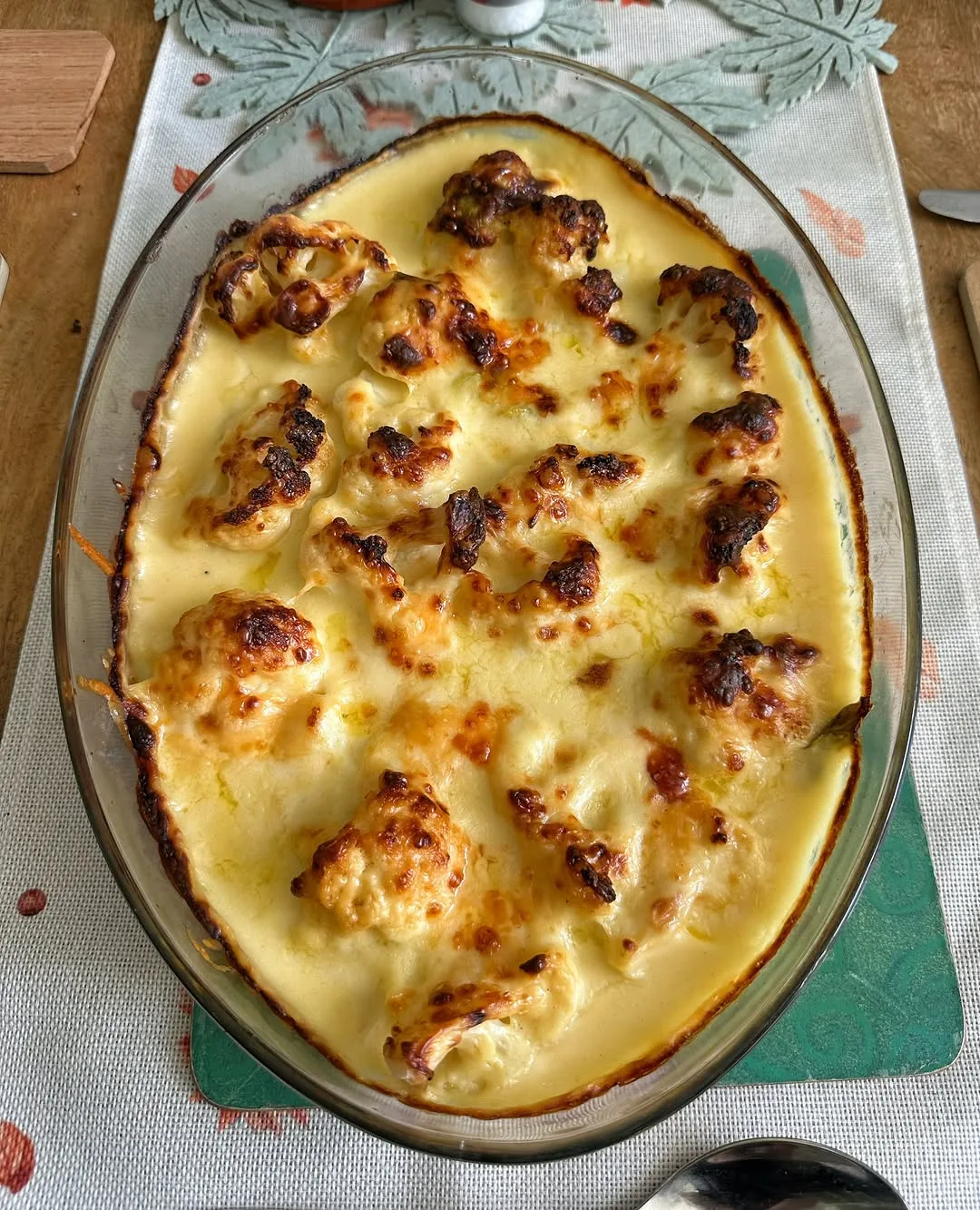
Cauliflower under a cheese sauce and a crisp crumb top gives this vegetable the same treatment potatoes get, and it earns the upgrade. Gentle under its golden lid, the gratin sneaks a second vegetable onto plates that already carry one casserole.
Serve the gratin in a shallow dish so the crumb covers every portion, and let it rest a few minutes so the sauce settles. Small portions satisfy, which makes a single cauliflower feed more people than expected.
Households balancing a heavy menu suit this dish, because it feels rich while eating lighter than mac and cheese. Guests who love cauliflower cheese from Sunday roasts recognise it happily in its holiday clothes.
Steaming the cauliflower until just tender during morning prep keeps the gratin from turning watery later. One host keeps the assembled dish in the fridge and slides it into the oven as the turkey comes out, using the resting time perfectly.
Overcooking the cauliflower before it meets the sauce is the mistake behind soupy gratins. Keep the florets firm, because the oven will finish them, and drain them well before the sauce goes over.
Glazed Pearl Onions
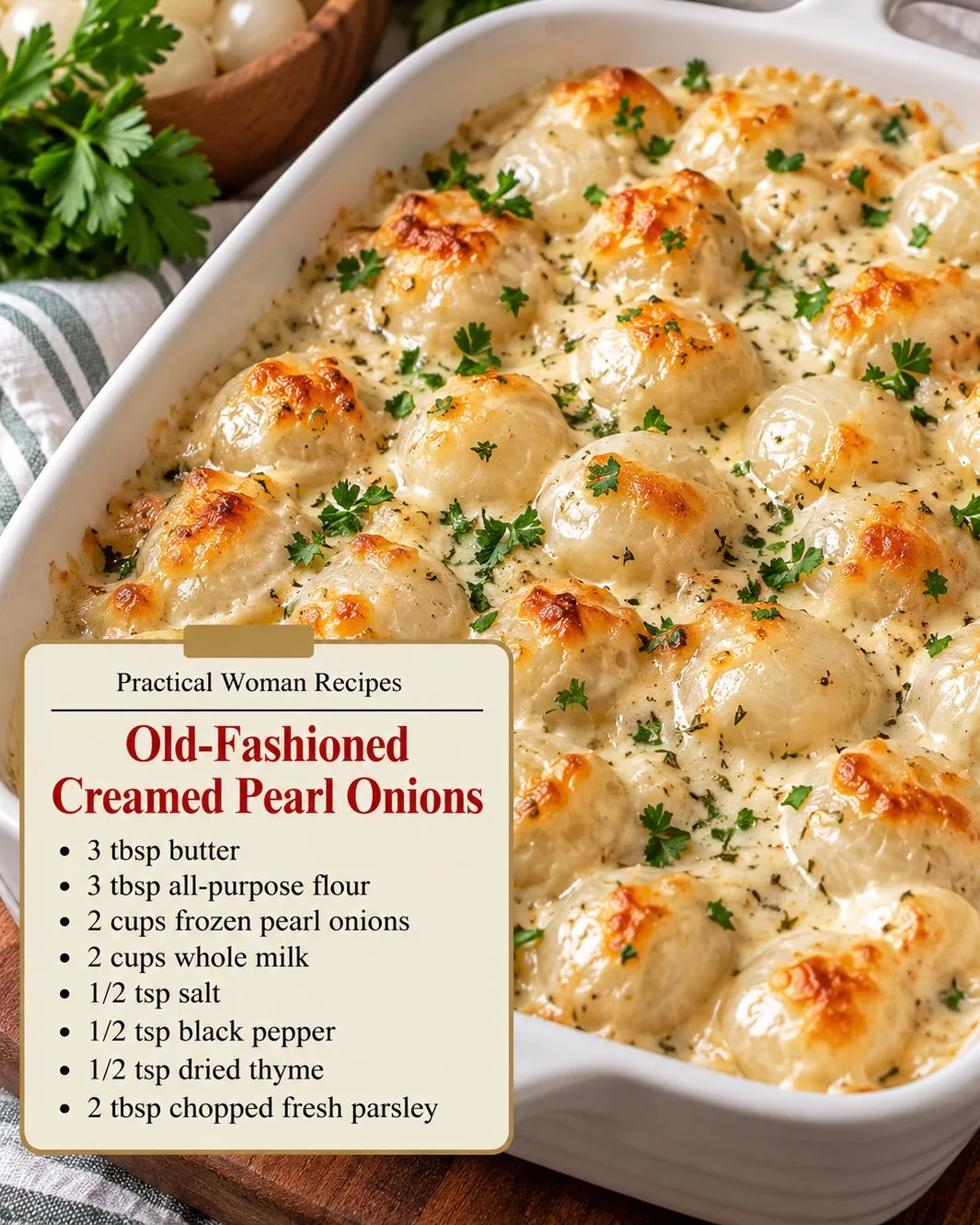
Small pearl onions glazed until golden and sweet are the old fashioned side that makes older guests light up. Tiny and jewel like on the plate, they add a gentle sweetness that works beside both turkey and ham.
Serve onions in a small deep bowl with their glaze spooned over, because a little goes a long way and portions stay modest. One bag of onions covers a full table, which makes this the cheapest elegant dish on the menu.
Traditional tables and cooks who enjoy reviving forgotten dishes suit pearl onions best. They also flatter simple menus, where one small luxurious touch lifts the whole plate.
Peeling pearl onions puts many cooks off, so one family makes it a group job at the kitchen table the night before, with music and hot drinks. Old dishes survive in collections of thanksgiving side dish ideas because a new generation keeps rediscovering how good they are.
Rushing the glaze is the mistake that leaves onions pale and sharp. Gentle heat and patience turn the sugars golden, and the dish cannot be hurried in its final ten minutes.
Fresh Green Salad with Apple and Walnuts
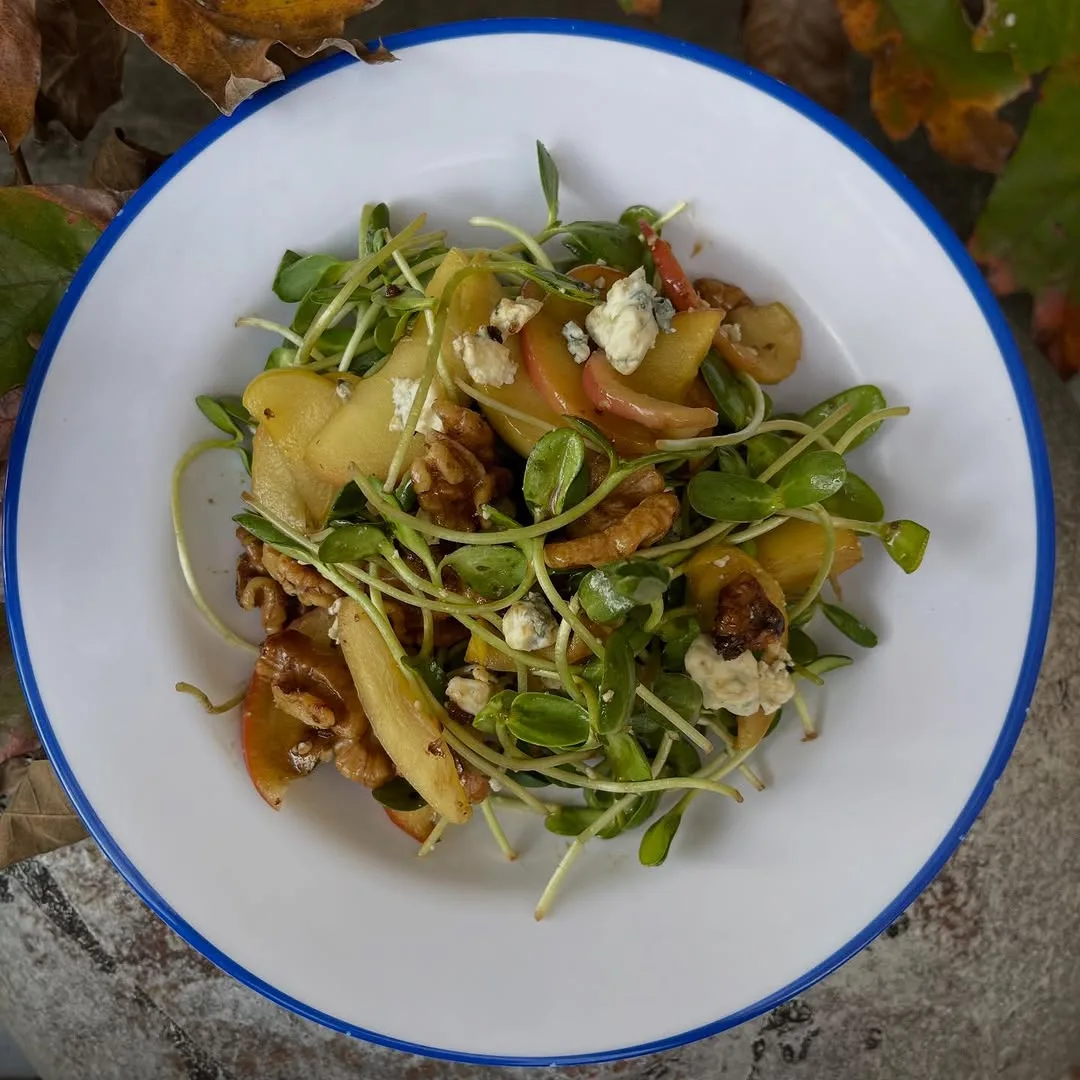
Crisp greens with sliced apple, walnuts and a sharp dressing give the table its only raw crunch, and the plate feels lighter for it. Salad also brings green to a spread that trends brown and gold, which matters more than cooks expect.
Serve salad in your widest bowl with the dressing alongside or tossed at the very last second. Plan a loose handful of leaves per person, because most guests take a small portion beside the hot food.
Health conscious guests, lighter eaters and anyone feeding a table heavy with casseroles will thank you for this bowl. Salad also suits the cook, since it is the one dish that asks nothing of the oven.
Keeping the apple slices in lemon water until serving stops them browning while you work elsewhere. Several hosts put a teenager in charge of the salad entirely, and it arrives at the table with genuine pride behind it.
Dressing the leaves early is the mistake that wilts the whole bowl before anyone sits down. Dress at the table or in the final minute, and the crunch survives to the last plate.
Common Mistakes to Avoid
Planning too many dishes is the mistake behind most thanksgiving side dish ideas that end in tears. Every dish beyond six steals oven space, serving spoons and attention, so cut the list until it fits the kitchen you actually have rather than the kitchen in a magazine.
Sending every dish through the oven at the same heat is the second quiet failure. Casseroles forgive, but roasted vegetables need fierce heat and gratins need gentleness, so stagger the schedule and let some dishes rest while others finish.
Forgetting texture leaves a table of soft food that tires the mouth by the third bite. Counter the casseroles with one crisp salad, one roasted vegetable with edges, and cranberry for sharpness, and the whole meal tastes better.
Seasoning everything at the very end makes blending flavours impossible and usually leaves half the dishes bland. Salt in layers as you cook, taste the sauces before they meet their vegetables, and keep the salt cellar on the table for the cautious.
Leaving serving dishes and spoons until the food is ready causes the last minute scramble everyone recognises. Match every dish to its bowl and spoon the night before, label them with sticky notes if the table is big, and serving becomes simple carrying.
Budget Friendly Thanksgiving Side Dish Ideas
Potatoes, carrots, onions and bread flour carry a Thanksgiving table for very little money. Building the sides around seasonal roots in their cheapest weeks keeps the spread generous while the turkey takes most of the budget where it counts.
Frozen vegetables serve the budget honestly in creamy dishes, where nobody can tell the difference once sauce and topping arrive. Frozen beans, corn and peas bought on promotion in October cut the side dish bill noticeably in many households.
Buying cheese, butter and nuts in bulk during November sales protects the expensive dishes like gratins and casseroles. Store brands perform well in baked dishes, so save the premium labels for the cheese board where guests taste them plain.
Choosing three strong sides instead of seven thin ones is the deepest saving of all, because quantities shrink and nothing gets wasted. Guests eat better from a shorter menu cooked with confidence.
Leftovers planning protects the money after the day itself. Sides that freeze well, like stuffing, mashed potatoes and cranberry sauce, turn one afternoon of cooking into easy meals for the following week, which is where the feast quietly pays for itself.
Tips for Thanksgiving Side Dishes That Run Smoothly
Write the side dish plan on one page with oven times, temperatures and serving bowls, then tape it inside a cupboard door. Helpers can read the plan instead of asking questions, and you can see at a glance which dish needs the oven next.
Set out every serving dish and spoon the night before, each labelled with the dish it will hold. Missing bowls reveal themselves while shops are still open, and the cook who skips this step always discovers the shortage at the worst moment.
Cook in the order of forgiveness: cranberry sauce days ahead, casseroles assembled the day before, potatoes on the morning, and roasted vegetables last. Dishes that wait well should never compete for the final hour with dishes that cannot wait at all.
Keep one clear corner of counter for finished dishes only, lined with trivets and a folded towel. Landing space stops hot dishes wandering around the kitchen and keeps the working area open for the final gravy and carving.
Warm the serving bowls for the hottest dishes with a splash of hot water while the food finishes. Cold bowls steal heat from mashed potatoes and gratins within minutes, and warm bowls quietly double the time food stays pleasant at the table.
Taste everything once before the first dish leaves the kitchen, even if it means one spoon crossing five bowls. Calm hosts treat that final taste as the real secret behind reliable thanksgiving side dish ideas, because a pinch of salt or a squeeze of lemon at that moment rescues more plates than any recipe can.
FAQ
How many side dishes should I serve for ten people?
Five or six sides suit a table of ten comfortably, with two of them made in double quantity. Choose one potato dish, one stuffing, two vegetables, cranberry sauce and rolls, and add a salad if your menu leans rich. Guests take small amounts of everything, so variety pleases more than volume in any single bowl.
Which Thanksgiving side dishes can be made ahead?
Cranberry sauce keeps for a week, stuffing and most casseroles assemble happily the day before, and mashed potatoes hold well when made on the morning and kept warm. Roasted vegetables and anything with a crisp topping should finish on the day, since their texture is the whole point of serving them.
What are good vegetarian side dishes for Thanksgiving?
Roasted root vegetables, wild rice pilaf, fresh salads, glazed carrots and cauliflower gratin all serve vegetarian guests as real food rather than an afterthought. Mac and cheese and creamed corn also qualify on most tables, and a menu built from varied thanksgiving side dish ideas often feeds everyone without a separate menu at all.
How much of each side dish should I plan per person?
Plan about 200 grams of potatoes, 150 grams of vegetables and one cup of stuffing per adult when five or six sides are served. Children eat roughly half, and known favourite dishes deserve an extra quarter batch, because running out of the beloved side is the only shortage anyone remembers.
Can side dishes wait while the turkey rests?
Most sides wait gracefully for the twenty to thirty minutes a turkey needs to rest. Cover casseroles loosely, keep potatoes over gentle heat, and use the resting window to roast quick vegetables or warm the rolls, so everything reaches the table together without a traffic jam at the oven door.
What side dishes suit a very small Thanksgiving?
Three dishes cooked well beat six dishes cooked in miniature. Choose mashed potatoes, one green vegetable and cranberry sauce beside a small turkey or chicken, then add rolls if bread matters to your table. Small menus keep the day feeling like a celebration instead of a scaled down performance of one.
More Ideas to Explore
Planning the rest of the feast gets easier once the sides are settled, so look at our thanksgiving dinner ideas for the full menu shape, then open the thanksgiving appetizer ideas to plan the welcome hour. Sweet endings matter just as much, and the thanksgiving dessert ideas list helps you pick three desserts that suit your table. December hosts can carry the same planning habits into our christmas eve dinner ideas when the next feast comes around.
Conclusion
Great side dishes do not compete with the turkey; they complete the plate around it. Balance rich with fresh, soft with crisp and sweet with sharp, and every guest builds the plate they actually wanted, from the traditionalist to the toddler.
Picking favourites becomes easier once you see the menu as a set rather than a list. One potato, one stuffing, two vegetables, cranberry, bread and one wild card dish cover nearly every table shape in this guide.
Start where your family already agrees, then change one dish a year. Small experiments keep the menu alive without risking the whole meal, and notes taken after dinner tell you which newcomer earned a permanent place.
Keep those notes with your serving dishes, ready for next November. Future you will shop faster, cook calmer and repeat the thanksgiving side dish ideas that already proved themselves at your own table, which is how a good feast becomes a family tradition. Simple thanksgiving side dish ideas, served hot and in good company, are what the day is remembered for.