Air Fryer Mistakes to Avoid for Crisper and Safer Cooking
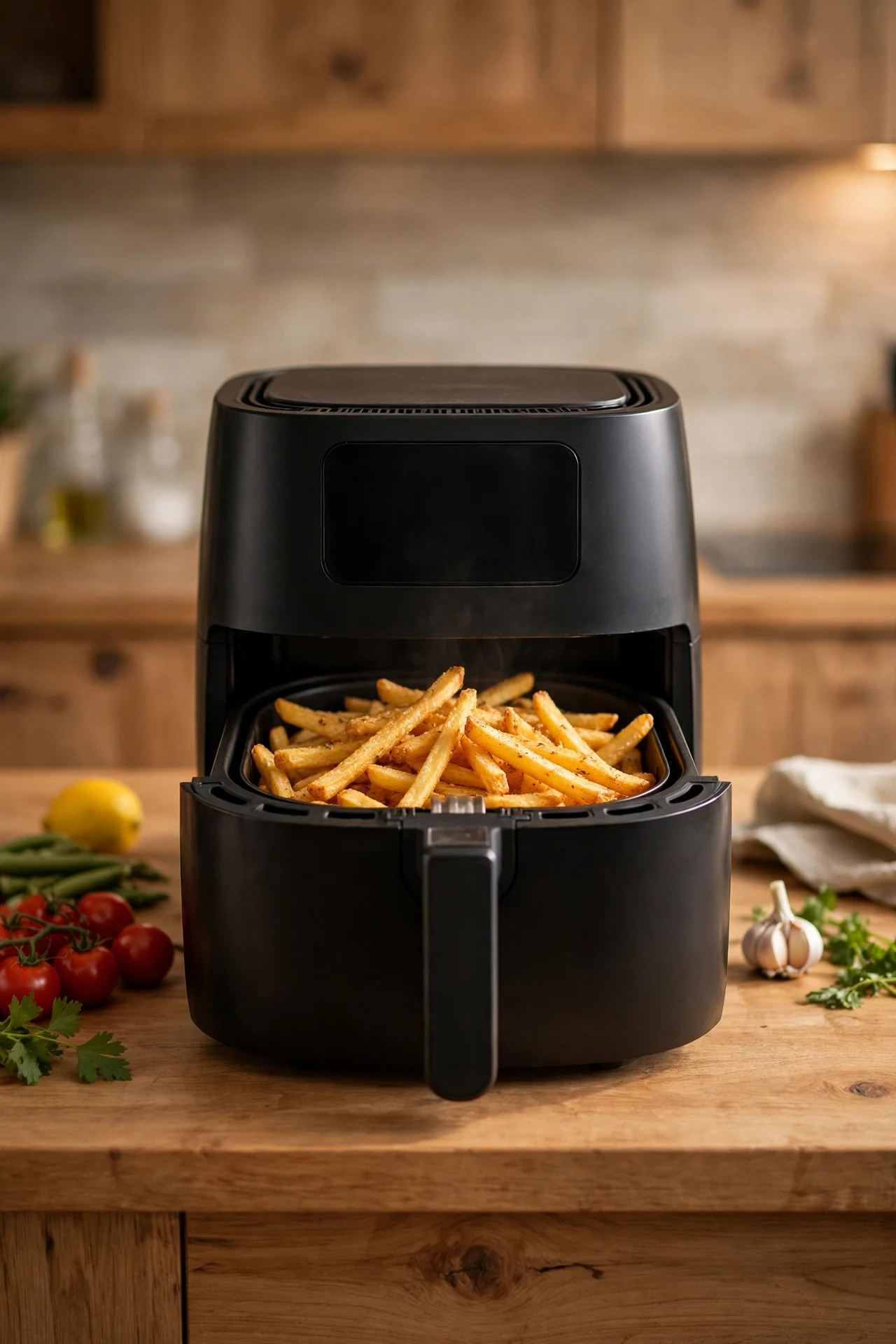
Air fryers promise crisp food with little oil and less fuss than a deep pan or a hot oven. Many owners love the machine for weeknight dinners, snacks, and quick lunches. Yet small habits quietly steal the crunch, stretch cooking times, and leave food uneven from one side to the other.
Most problems come from treating the basket like an oven tray or a frying pan. Hot air needs space to move, food needs room to release steam, and the machine needs simple care between uses. Once you understand how the air flows, most fixes take seconds and cost nothing at all.
Below you will find the most common air fryer mistakes to avoid, plus simple swaps that bring back crisp edges and even cooking. Each mistake comes with a clear fix, a real kitchen example, and one extra warning worth remembering. Small changes add up fast, and dinner improves on the very first try.
What Are the Air Fryer Mistakes to Avoid Every Time You Cook?
Short answer: give food space, let the machine heat up first, use a light touch with oil, and keep the basket clean. Nearly every air fryer problem traces back to crowded food, wet surfaces, or heat that never reaches every side. Fix those basics and most meals turn out crisp and golden.
Keep reading for the full list of air fryer mistakes to avoid, from overcrowding and wrong liners to dirty baskets and blocked vents. Each one sounds minor on its own, yet together they explain soggy fries, pale chicken, and cooking times that never match the packet. Better habits fix all three.
Overcrowding the Basket in One Thick Layer
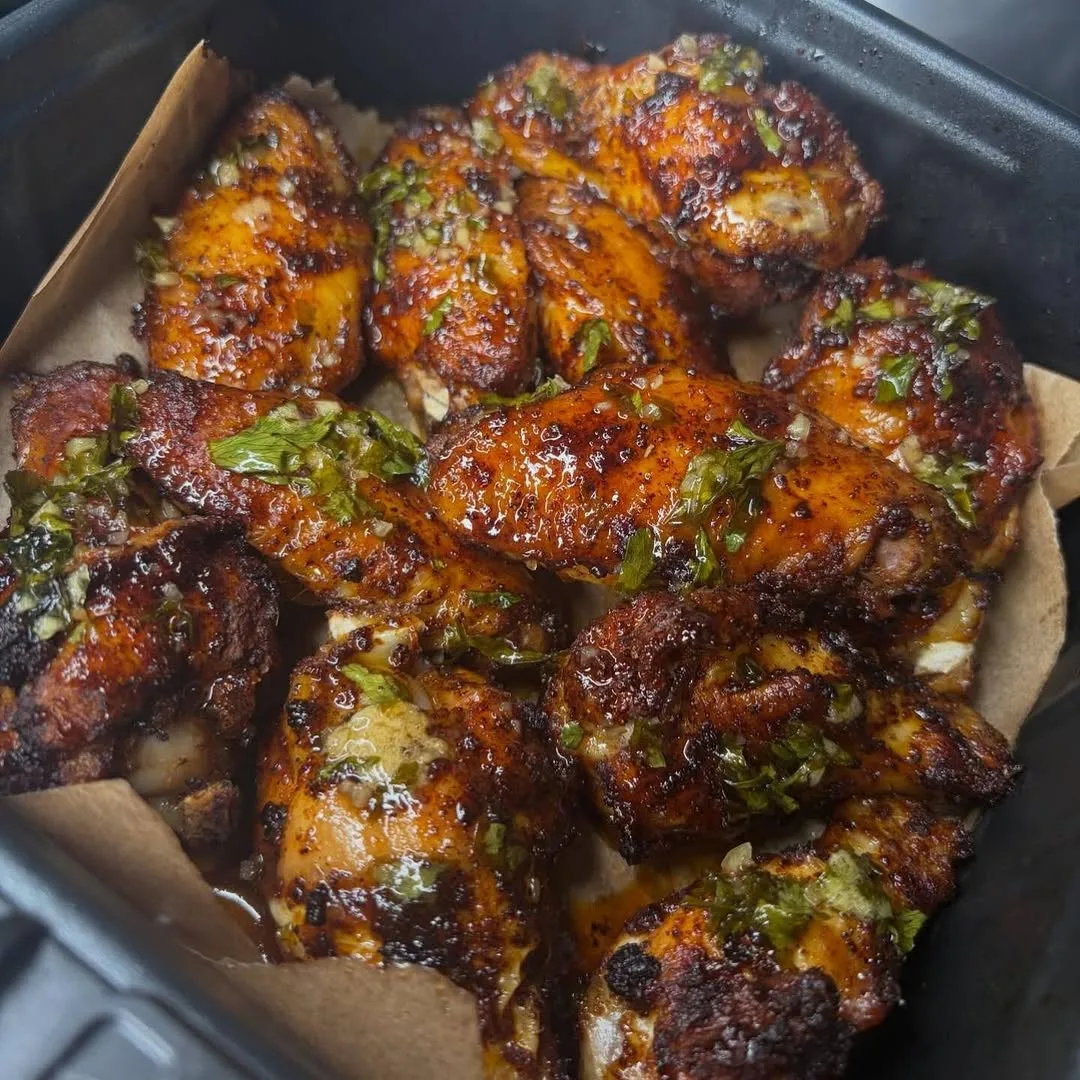
People fill the basket to the top because dinner feels late and cooking in batches feels slow. Frozen fries, wings, and nuggets pour straight from the bag, and the pile looks harmless before the drawer slides shut. Hunger and habit make the mistake easy, especially on busy weeknights.
Packed food traps steam, and steam is the enemy of crisp skin and golden edges. Pieces touching each other stay pale and soft where they meet, while the top layer browns and the bottom layer steams. You end up cooking longer, and longer cooking dries meat out instead of crisping it.
Spread food in one layer with small gaps between pieces, even if that means cooking two smaller loads. Hot air needs a clear path around every side, and gaps let steam escape instead of soaking back into the coating. Two quick batches beat one soggy pile every single time.
Parents cooking for hungry children fall for this one most often, because everyone wants food at the same moment. One father in our street loaded a full bag of fries at once and served a soft heap, then split the next bag into two loads and heard the crunch across the table.
Remember that the first batch stays warm in a low oven while the second batch cooks. Serving everyone together still works, and nobody trades crunch for speed. Warm plates help too, because hot fries cool fast on cold ceramic.
Skipping the Preheat Before Cooking
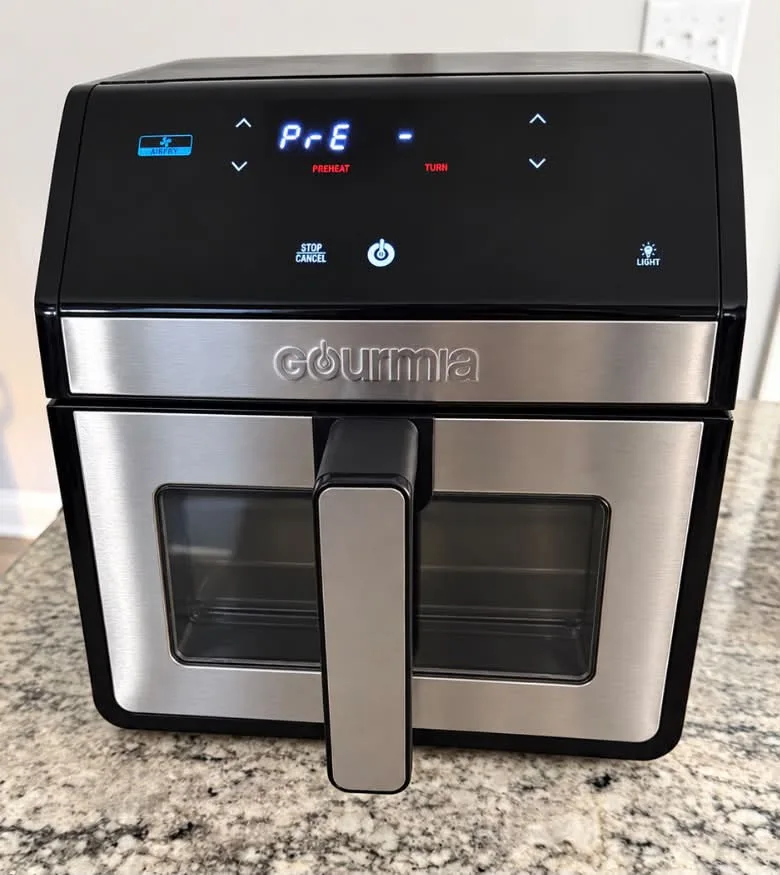
Cold baskets greet food in many kitchens because the machine feels instant and the manual stays unread in a drawer. Owners press start, slide food in, and trust the timer to sort everything out. Skipping the warm up feels like saving time, yet the saving rarely shows up on the plate.
Food hitting a cold basket starts steaming before it starts crisping, and coatings drink up moisture during those first slow minutes. Skin stays rubbery on chicken, fries bend instead of snap, and cooking times drift well past the recipe promise. Uneven browns follow, with pale patches beside darker edges.
Run the empty fryer for three to five minutes at your cooking temperature before the food goes in. Hot metal sears the surface on contact, coatings set quickly, and timers behave the way recipes expect. Treat the warm up like heating a pan on the stove, because the logic is the same.
Students and new owners skip preheating most, since nobody explains why those minutes matter. My neighbour cooked frozen wings from cold for months, then tried one warm up and sent me a photo of skin that finally crackled. She now calls those minutes the cheapest upgrade in her kitchen.
Keep in mind that delicate foods like fish benefit even more from a hot start, because their coatings set before the flesh overcooks. Gentle items forgive less, so give them the head start they need. Your future dinners will thank you quietly.
Using Too Little or Too Much Oil
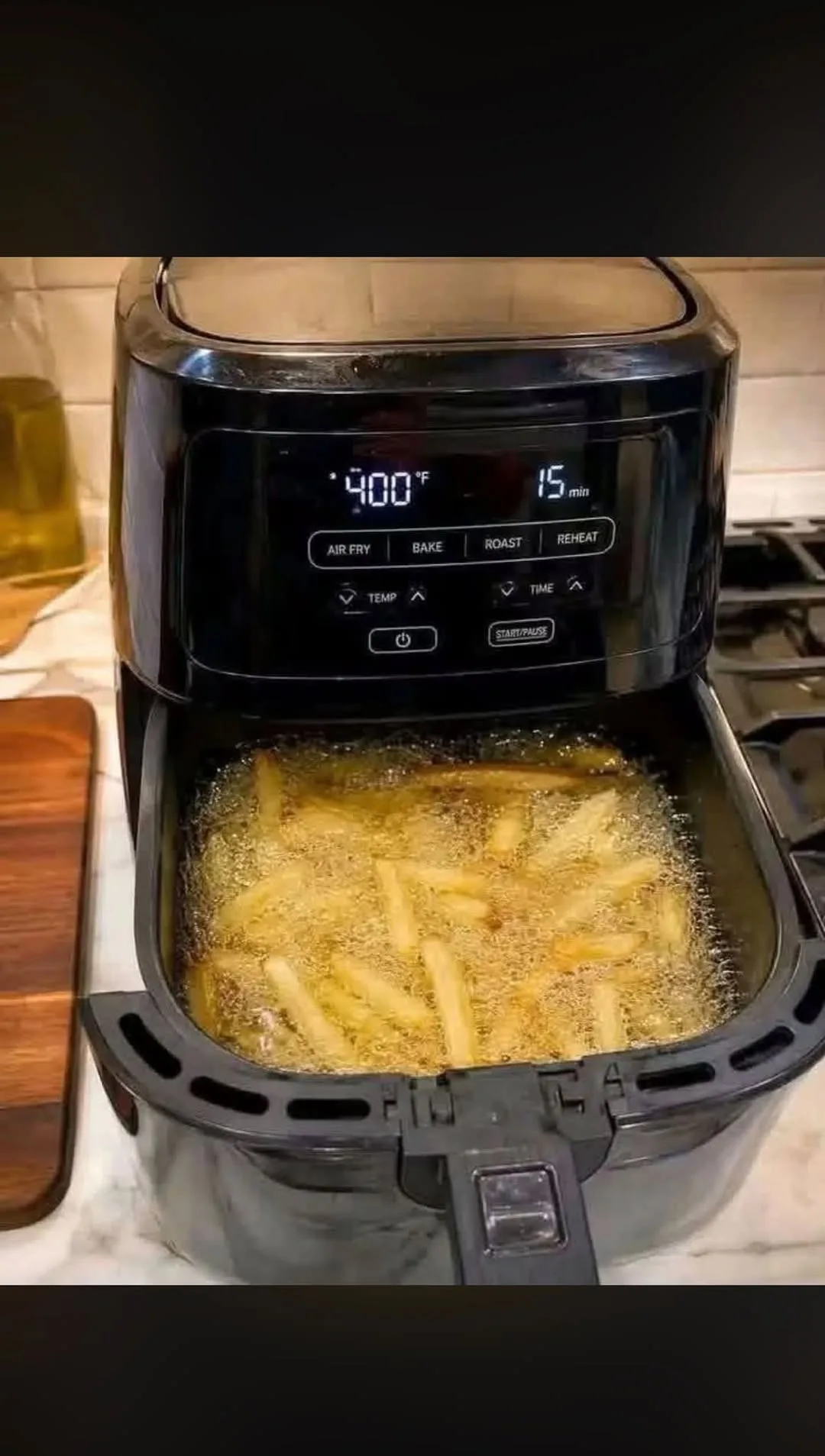
Oil confuses new owners more than any other step, because the machine sells itself on cooking with barely any fat. Some people skip oil completely and wonder why spices taste dusty and dry. Others pour it on like a roast dinner and flood the basket floor.
Dry food with no oil browns slowly and unevenly, and breaded coatings stay pale and floury in patches. Too much oil pools under the food, smokes at high heat, and turns coatings greasy instead of crisp. Both extremes steal the result the machine does best.
Brush or toss food with a small spoon of oil before cooking, just enough to give the surface a light sheen. Fresh vegetables and homemade coatings need that thin coat most, while fatty foods like sausages need none at all. Among all the air fryer mistakes to avoid, oil balance costs the least to fix and changes the most on the plate.
Home cooks copying oven recipes fall into this trap, because oven trays hide extra oil without complaint. One friend drenched potato wedges until they swam, then wondered why they steamed. A single spoon tossed through the bowl fixed her wedges the following night.
Watch fatty foods during the first cook, because thighs, wings, and sausages release their own fat as they heat. Extra oil on top of that only adds smoke and mess. Drain the drawer halfway through if pools start forming.
Trying Wet Batter Coatings in Hot Air
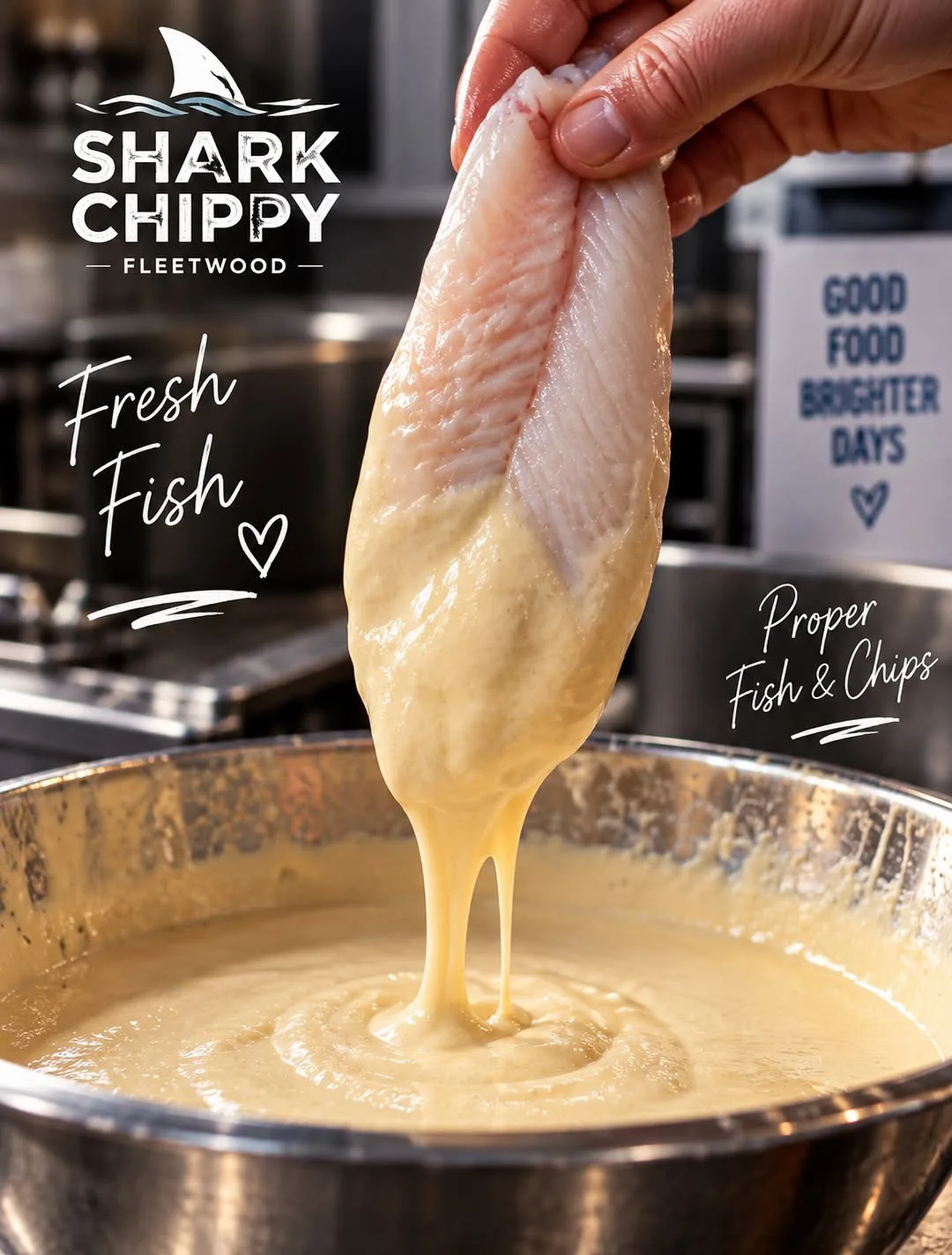
Wet batter belongs in deep oil, where liquid fat seals the coating the second food goes in. People still try beer battered fish or dipped onion rings in the basket, hoping hot air will perform the same trick. Hope does the heavy lifting in that plan, and hope loses.
Loose batter drips through the basket holes, pools on the drawer, and burns into a stubborn crust. What stays on the food slides off in patches, leaving bare spots and a messy machine. Cleanup takes longer than the cooking, and the coating never turns crisp.
Choose dry coatings instead, like seasoned crumbs, flour dredges, or cornmeal pressed firmly onto the food. Press the coating on with your hands and chill the pieces briefly so the crumb holds during cooking. Frozen breaded foods from shops work well because factories set their coatings before packing.
Fans of pub food try this mistake first, dreaming of battered fish on a Friday night. One man I know coated cod in batter, opened the drawer to a puddle, and switched to crumbed fillets the next week. Supper improved, and the sponge stayed in the cupboard.
Save wet batters for the rare deep fry day, and let the air fryer shine with crumbed, seasoned, and marinated foods. Each tool has honest strengths, and dry heat rewards dry coatings. Matching the food to the machine keeps both in good shape.
Never Shaking or Turning the Food
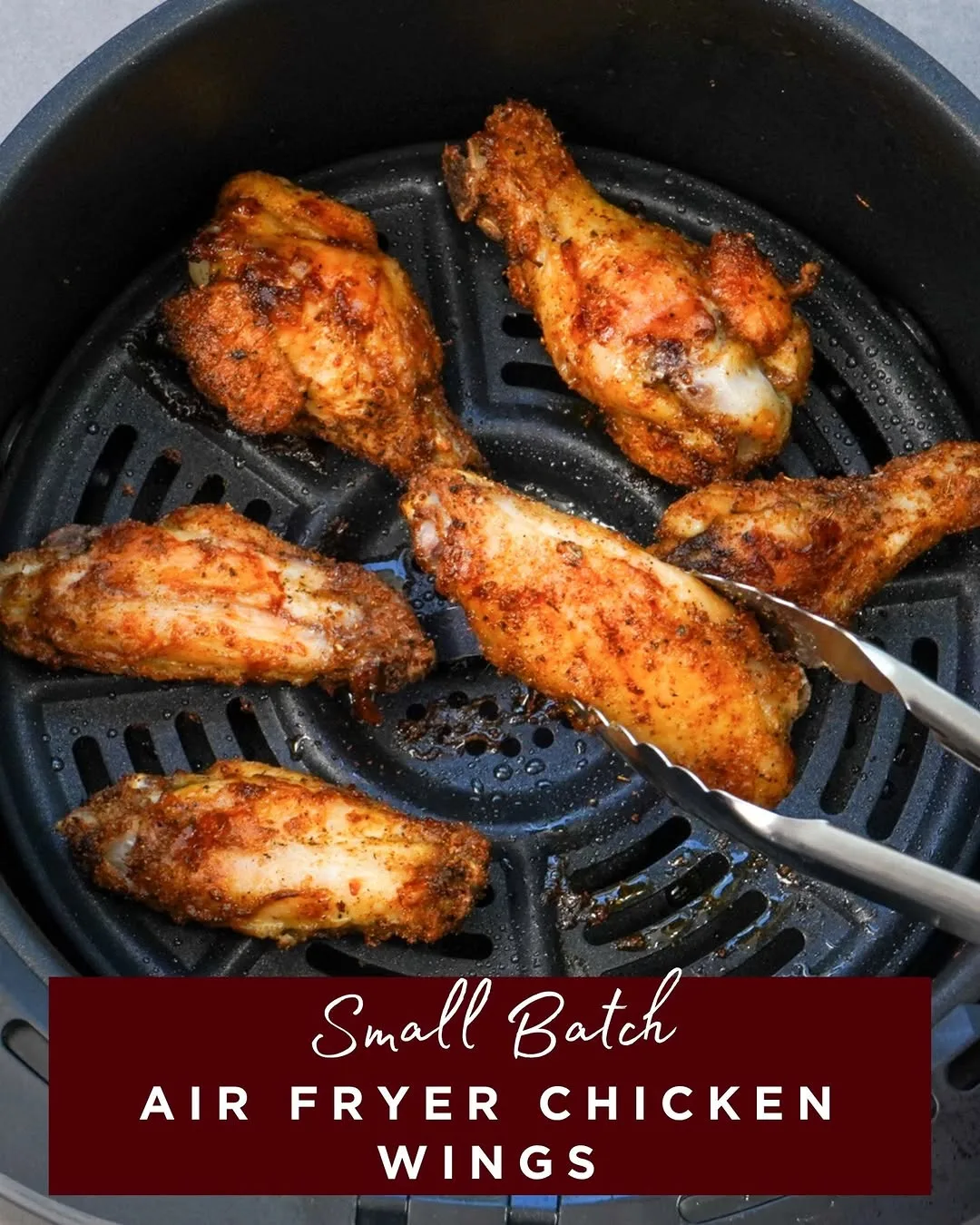
Set and forget cooking tempts everyone, and the closed drawer makes it easy to walk away until the beep. Fries sit untouched, wings rest on one side, and nuggets keep whatever position they landed in. Convenience writes the habit, and nobody notices until the plates come out uneven.
Food touching the basket floor browns on the bottom while the top stays pale, because hot air circles strongest above the food. Pieces that never move cook at different speeds, so small items burn beside larger ones still finishing. Texture suffers most, with crisp tops sitting over soft bases.
Shake the basket or turn each piece halfway through the cooking time, using tongs for larger items. Small foods like fries and chickpeas need a good shake, while chops and fillets need a proper flip. Halfway marks on the timer help you remember without watching the clock.
Busy workers cooking dinner while answering messages forget the shake more than anyone. One colleague set a phone reminder after serving fries that were crisp on top and soft underneath two nights running. That tiny beep fixed her chips for good.
Build the shake into your routine by staying near the kitchen during the middle minutes of cooking. Wipe a counter, wash a pan, or lay the table while you wait. Small presence beats rescue work after the beep.
Choosing the Wrong Temperature for the Food
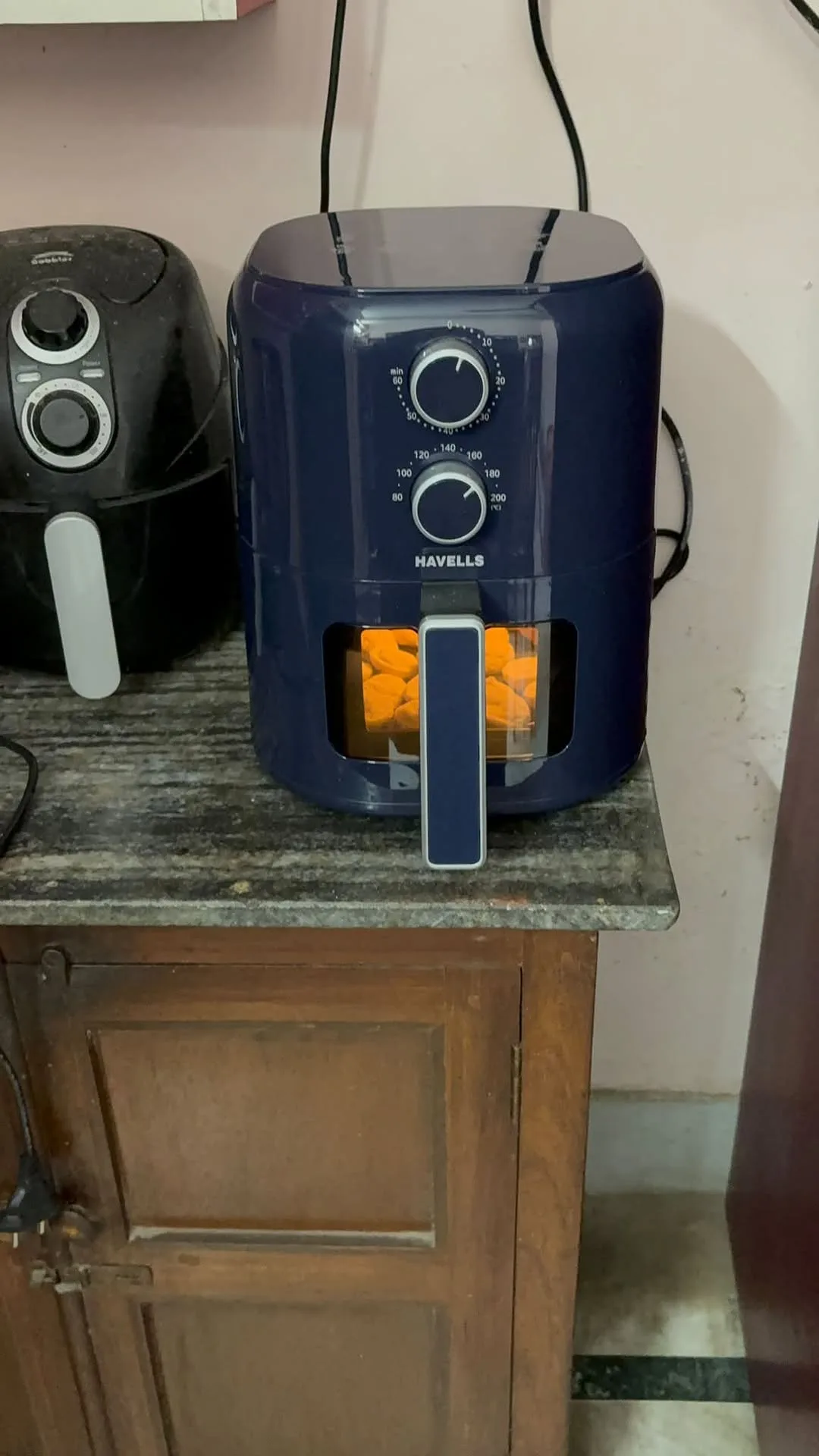
One favourite temperature runs many kitchens, where everything cooks at the same setting no matter what goes in. Owners pick a number that worked for fries and apply it to fish, pastry, and reheated pizza alike. Habit replaces thought, and results swing from burnt to underdone.
Heat that runs too high burns coatings before centres finish cooking, leaving raw middles under dark crusts. Heat that runs too low dries food out slowly, giving pale surfaces and tired texture. Delicate foods suffer fastest, while dense foods punish guesswork with long waits and uneven centres.
Follow the temperature on the packet or recipe as your starting point, then adjust in small steps on the next cook. Write down what worked for your regular foods on a card near the machine. Personal notes beat memory, because every model runs a little hotter or cooler than the dial claims.
Confident cooks who wing everything fall hardest here, trusting instinct over the needs of the food. One uncle of mine cooked salmon at his fry setting and served flakes like chalk. Lower heat and five calmer minutes turned his next fillet silky.
Remember that sugar heavy glazes and cheese toppings brown fast, so drop the heat slightly near the end of cooking. Watching the last two minutes saves more dinners than any gadget. Colour tells the truth faster than timers do.
Blocking the Air Vents Around the Machine
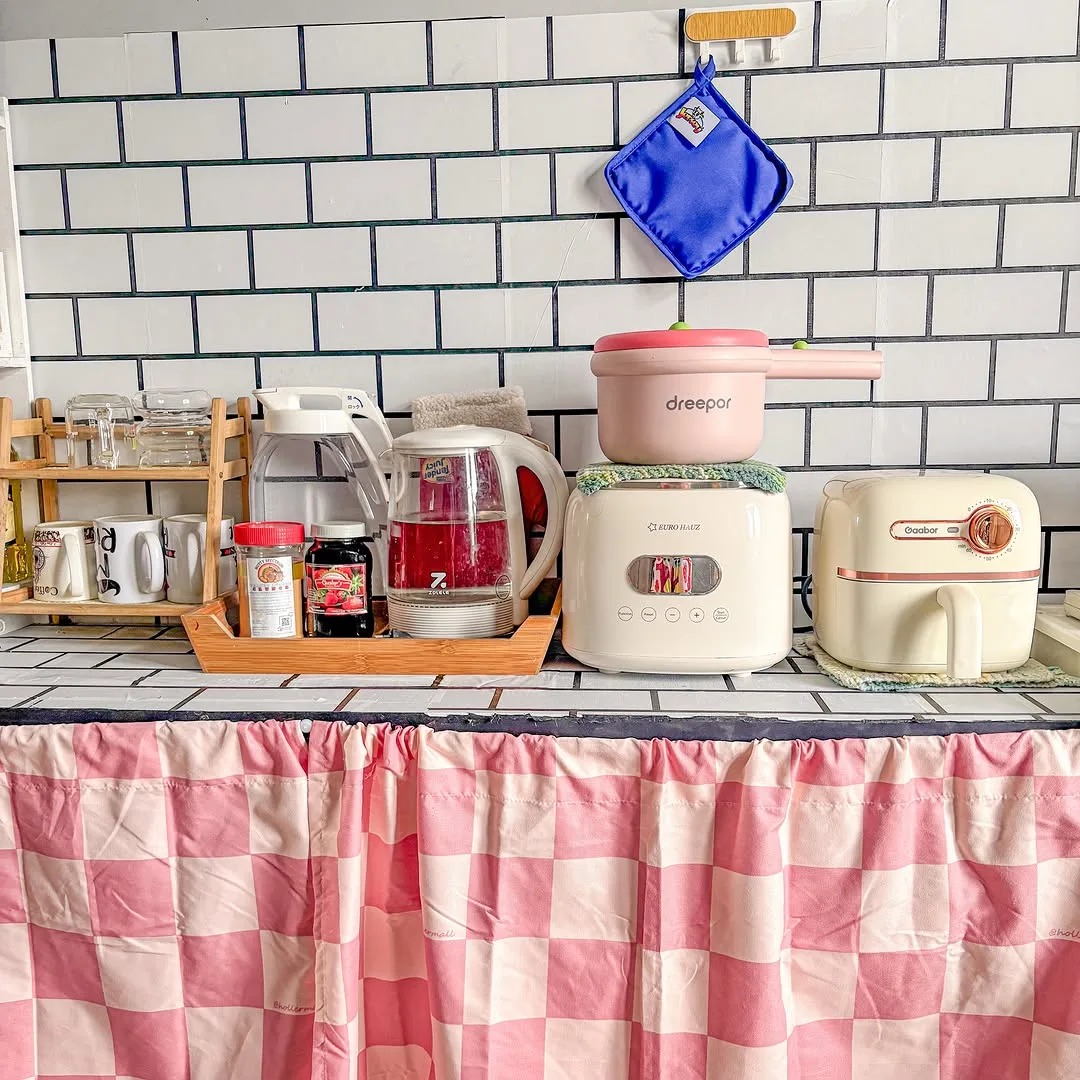
Counters fill up fast, and the fryer often ends up squeezed between the kettle, the bread bin, and a stack of post. Vents sit at the back and top of most models, and clutter creeps over them without anyone noticing. Crowded corners feel harmless because the machine keeps working.
Blocked vents trap hot air around the machine, so the motor works harder and cooking slows down. Heat builds against cupboards and walls, and plastics nearby can warp over time. The machine may also cut out mid cook as a safety step, leaving dinner half done.
Leave a clear hand width of space on every side of the fryer, and more room above it where steam escapes. Pull the machine forward during cooking if your counter runs tight, then slide it back once it cools. Clear space costs nothing and protects both the motor and your cupboards.
People in tiny flats learn this lesson the hard way, because every surface carries three jobs at once. One neighbour parked her fryer under a low cupboard, wondered why the paint above it bubbled, and moved the machine to the open counter for good.
Check the vents whenever you move the machine for cleaning, because crumbs and dust gather there quietly. Clear vents help the fan breathe and keep cooking times honest. Thirty seconds with a dry cloth does the job.
Using Liners That Cover Every Hole
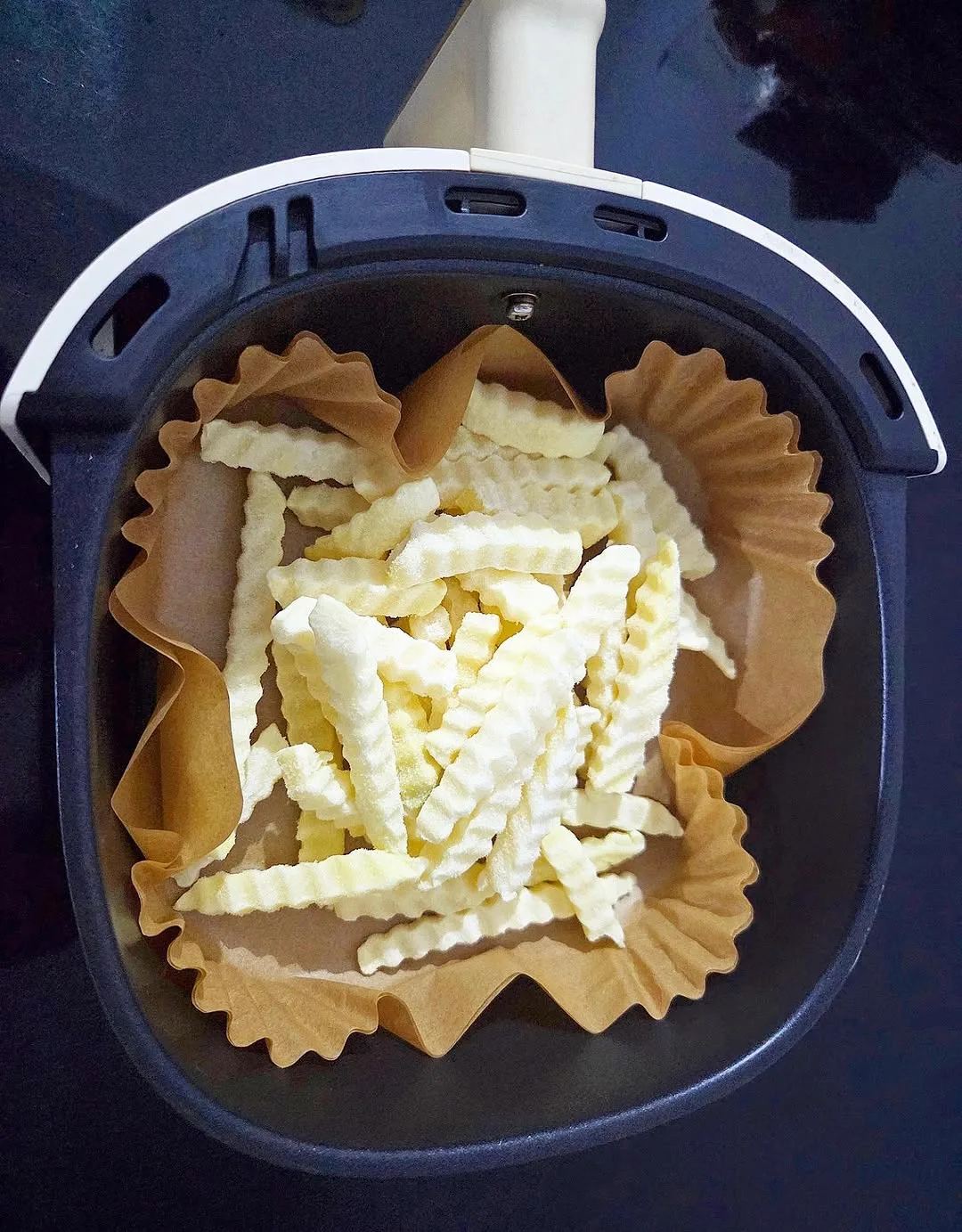
Paper and silicone liners promise easy cleanup, and they truly help when they fit the job. Trouble starts when a liner covers every hole in the basket, because those holes carry the airflow that crisps the bottom of the food. Among common air fryer mistakes to avoid, this one hides behind good intentions.
Covered holes stop hot air reaching the underside, so bases stay soft while tops brown. Loose paper also lifts in the airflow and can touch the heating element, where it scorches. Food then cooks unevenly, and the cleanup saving disappears under burnt paper.
Pick liners made for air fryers, with holes punched through them, and keep them smaller than the basket floor. Weigh the liner down with food before heating, and never warm the machine with an empty liner inside. Perforated sheets protect the basket while letting air do its work.
Bargain hunters using baking paper cut to the wrong shape meet this problem first. One friend folded a big sheet over the whole basket and served fries with steamed bottoms. Proper holed liners fixed her results and still saved the washing up.
Skip liners completely for fatty foods, because pools of fat sit on the paper and turn coatings soggy. Bare baskets drain fat away through the holes, which is the whole point of the design. Save liners for sticky marinades and crumbed items instead.
Cooking Light Foods That Blow Around
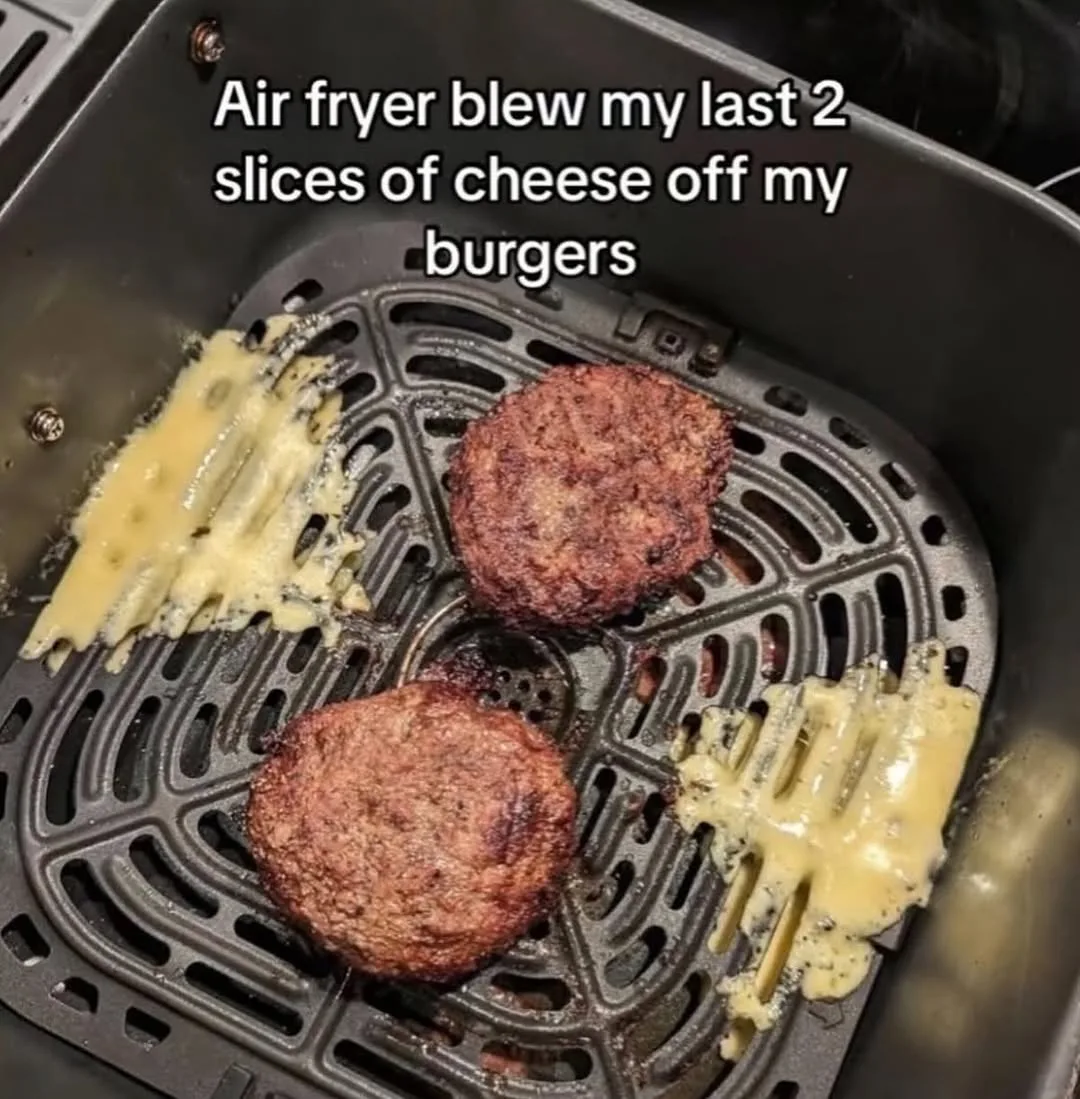
Loose light foods dance inside a running fryer, because the fan moves serious air through a small space. Tortilla wraps, leafy greens, cheese slices, and herbs lift, swirl, and land against the hot element. Owners open the drawer to find toppings gone and crumbs everywhere.
Food that flies cooks unevenly and can burn where it sticks near the heat. Cheese vanishes off burgers, herbs blacken in seconds, and light wraps fold over themselves and stay raw in the folds. Smoke and smells follow when stray pieces sit against the element.
Hold light foods down with a small metal rack, cocktail sticks, or a second piece of food on top. Add cheese in the final minute with the machine off, letting leftover heat melt it gently. Choose sturdy leaves like kale for chips, and pat them very dry first.
Quesadilla fans learn this one by smell, after a wrap corner lifts and toasts against the element. One student I know now pins her wraps with sticks and keeps every filling where it belongs. Lunch stopped setting off her smoke alarm within the week.
Keep loose seasoning on the food by mixing it with a little oil first, because dry spices blow off bare surfaces. Sticky spice coats stay put and flavour every bite. Small tricks like this separate calm cooking from chaos.
Letting the Basket Stay Dirty for Weeks
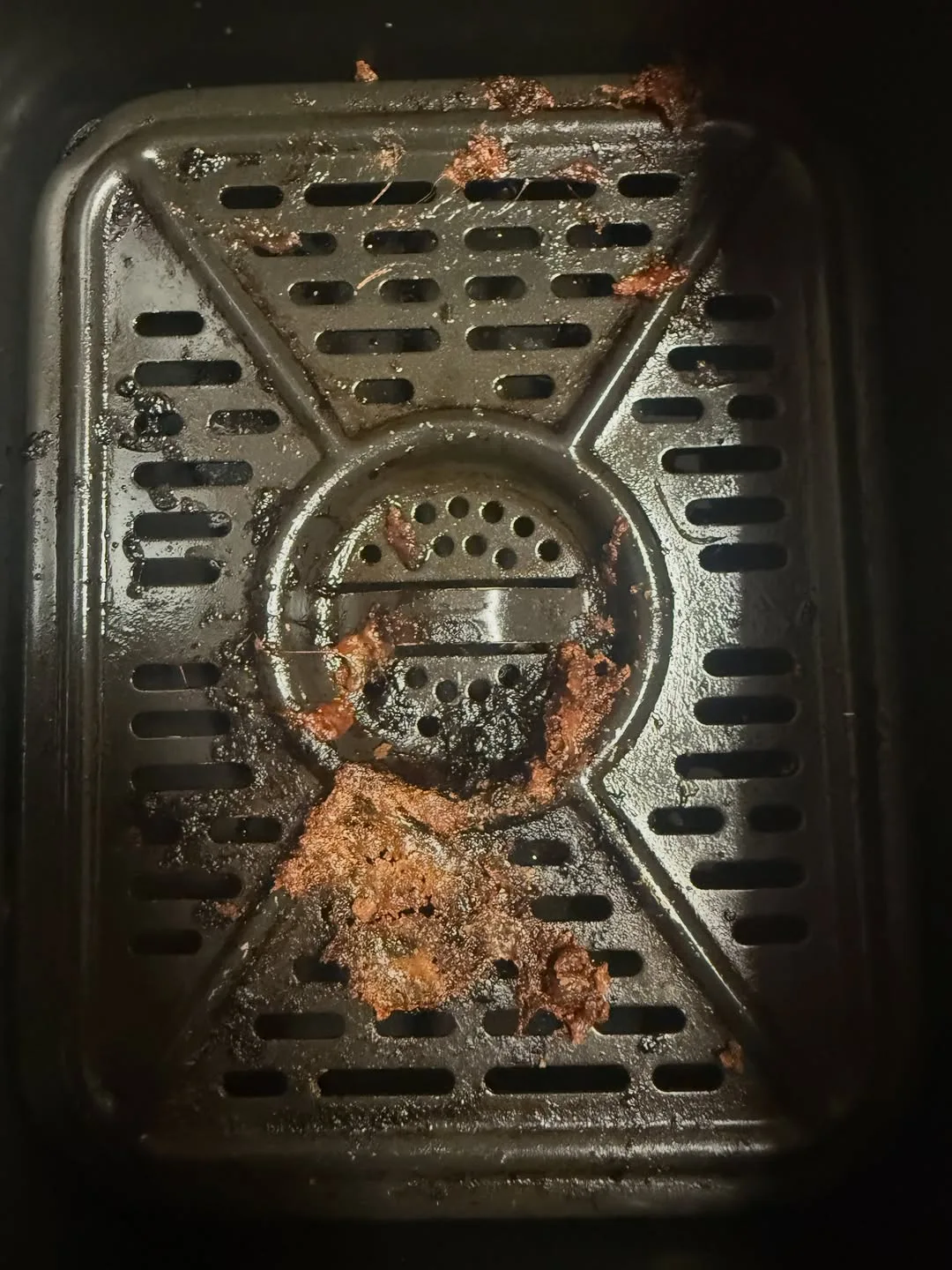
Old grease builds slowly, one cook at a time, until the basket smells stale before anything goes in. Busy owners tell themselves the heat cleans the machine, and the drawer slides back unwashed night after night. Laziness feels free until flavours start crossing between meals.
Burnt residue smokes at high heat, flavours fresh food with the dinner from yesterday, and slowly damages the nonstick coat. Sticky films also block the basket holes, which weakens airflow and softens bottoms. Machines that run dirty age faster, inside and out.
Wash the basket and drawer in warm soapy water after most cooks, or wipe them while still warm when the load was light. Soak stubborn spots instead of scrubbing, and dry every part fully before the next use. Ten calm minutes protects the coating for years.
Families cooking twice a day fall behind fastest, because the machine never gets a quiet moment. One household I know gave the basket a Sunday soak routine, and the mystery smell in their kitchen vanished. Their fries stopped tasting faintly of fish as well.
Never use harsh scouring pads or strong oven sprays on the basket, because the coating scratches and flakes into food over time. Soft cloths, wooden tools, and patience keep the surface sound. Gentle care now beats buying a replacement basket later.
Pushing the Fryer Flat Against the Wall
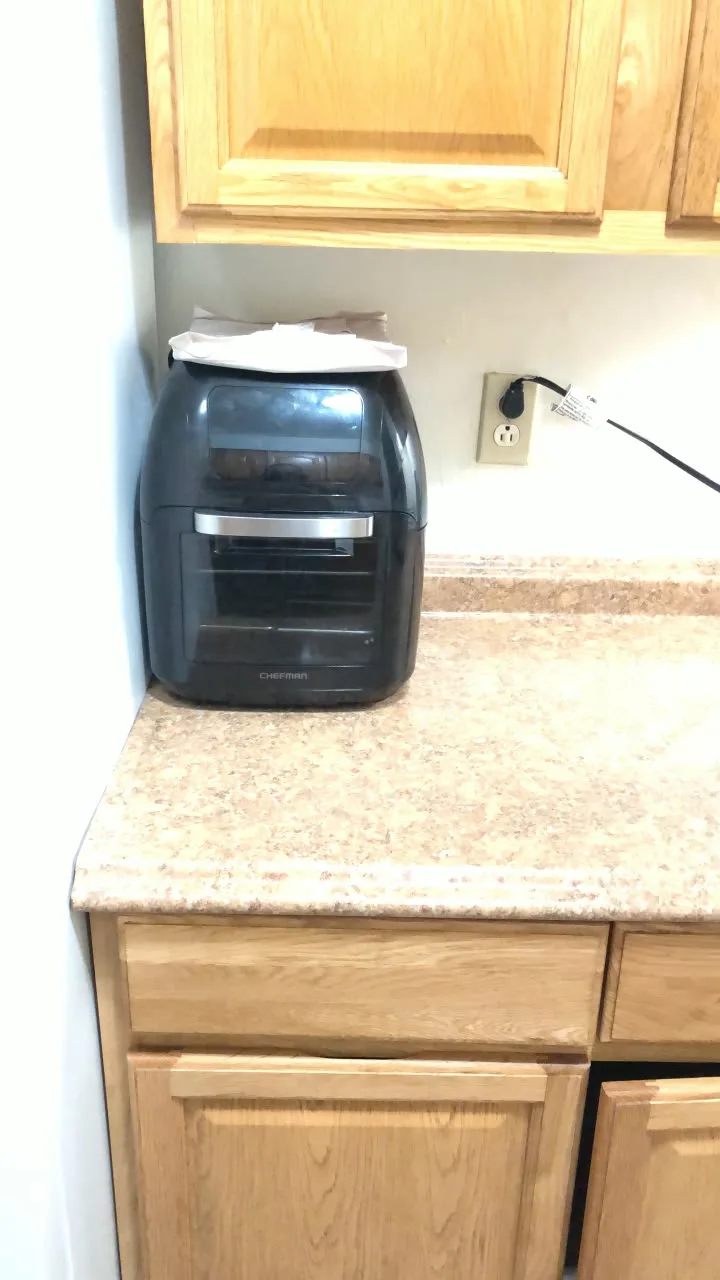
Many owners slide the fryer back against the tiles to win counter space, then forget it lives there. Heat and steam pour from the back of the machine during every cook, straight onto paint, grout, and cupboard doors. The spot looks tidy, yet the wall quietly takes the punishment.
Steam softens paint and swells wooden cupboard edges over months of daily cooking. Grease mist settles on tiles and grout, leaving sticky shadows that scrubbing struggles to shift. Wall sockets behind the machine also gather heat they were never built to handle.
Pull the fryer well forward before you switch it on, with clear space behind and above the vents. Make the move part of your setup, like plugging the machine in. Sliding it back after it cools keeps counters tidy without cooking against the wall.
Owners of freshly painted kitchens learn this fastest, after steam marks bloom behind the machine. One couple repainted a splash zone twice before the penny dropped. Their fryer now lives forward during cooking, and the wall stays clean for months at a time.
Watch wooden worktops under the machine too, because steady heat can dry and mark the surface below. A heat safe mat or board under the fryer spreads warmth and protects the counter. Cheap protection now prevents an expensive repair later.
Spraying Aerosol Oil Inside the Basket
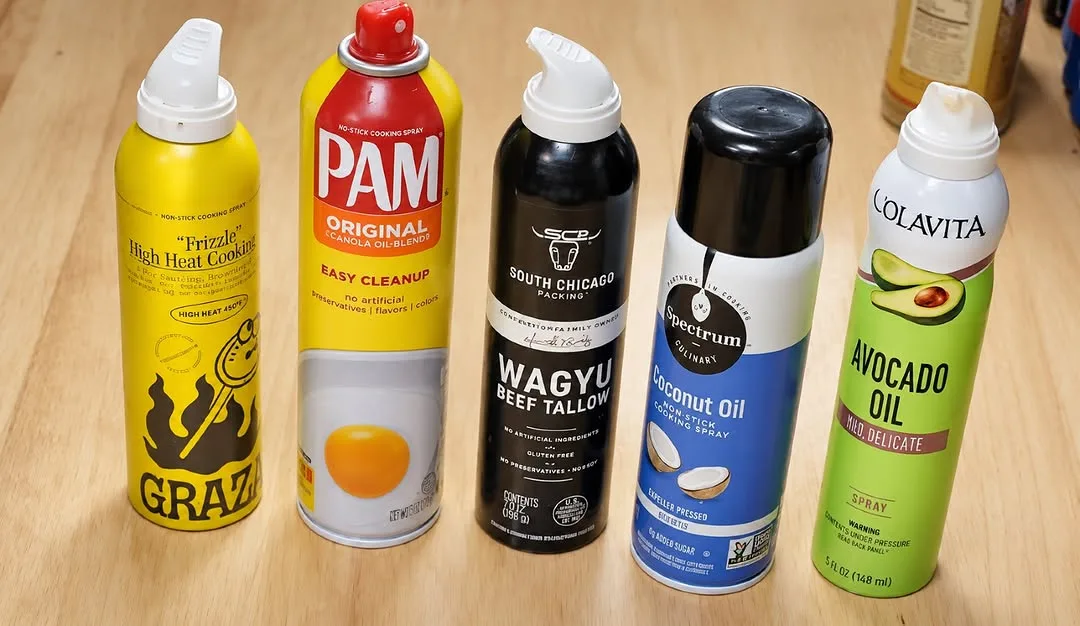
Pump and aerosol sprays feel handy for a quick coat of oil, and many kitchens keep a can beside the machine. Trouble hides in the fine mist, which lands on the basket coating, the element, and the fan as easily as on the food. Convenience carries a slow cost here.
Additives in aerosol sprays bake onto nonstick coatings and build a sticky film that washing struggles to remove. Mist near the element burns and adds off flavours to the next meal. Over weeks, the coating can start flaking where the spray lands most.
Brush oil onto food, toss it in a bowl with a spoon of oil, or use a plain refillable mister with nothing but oil inside. Coating the food instead of the basket keeps spray where it belongs. Your basket stays cleaner, and the oil still does its crisping work.
Meal prep fans who batch cook on Sundays meet this film first, because their baskets get sprayed more than most. One prepper I know switched to a brush after her coating turned tacky, and the sticky layer slowly faded with gentle washing. Her new basket rule now bans aerosol cans nearby.
Read the small print on any spray you still use, and keep propellant sprays away from hot surfaces at all times. Plain oil in a simple bottle outlasts fancy cans and costs less. Simple tools usually win in a working kitchen.
Stacking Food in Tall Piles
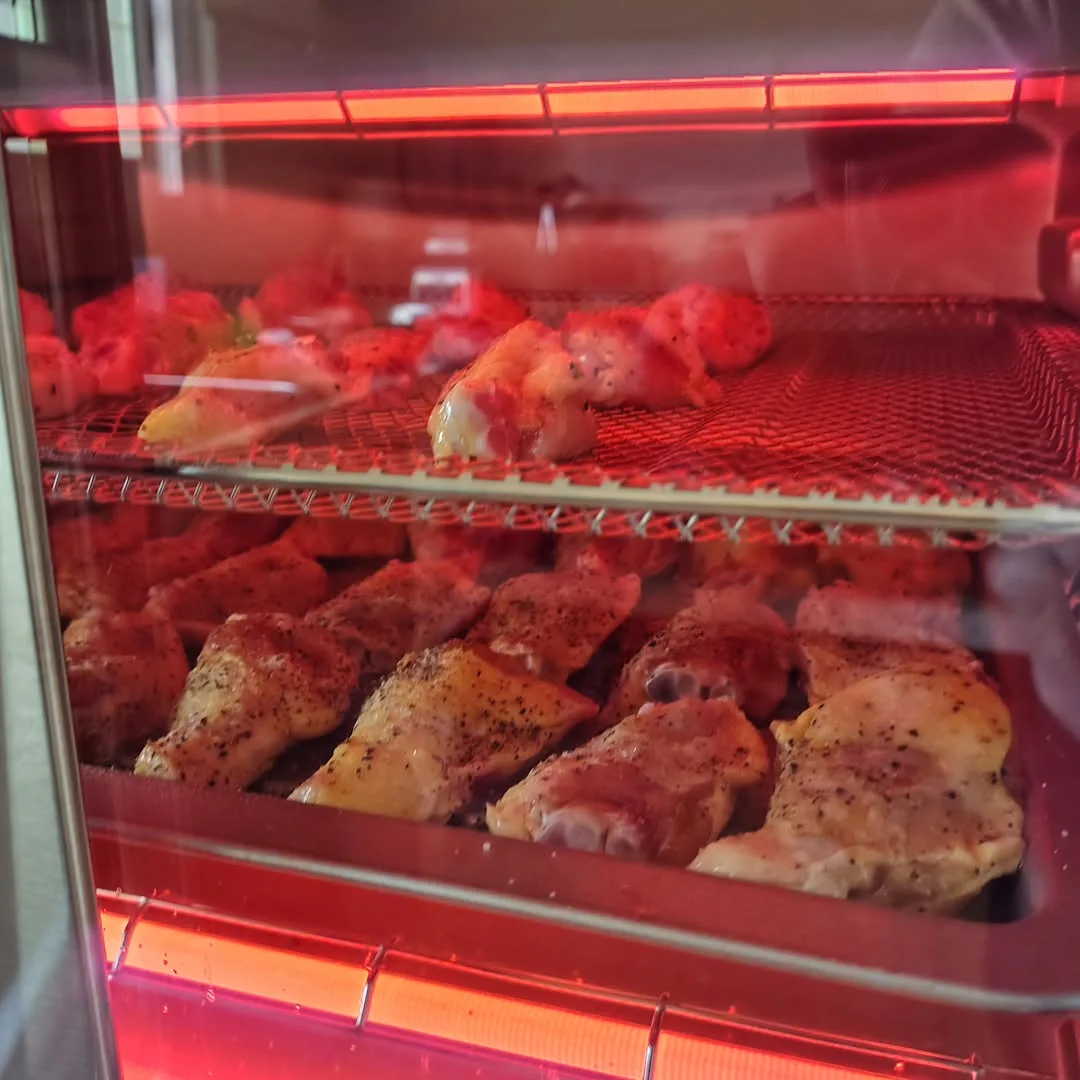
Stacking feels clever when guests arrive and the basket looks too small for the job. Burgers land on burgers, wings climb over wings, and rings pile into a tower. The plan promises one cook for everyone, yet the middle of the pile has other ideas.
Pieces buried in the middle steam in their own juices and cook far slower than the pieces on top. Coatings rub off where food touches, and juices drip down to soak the layers below. Timings fall apart, because the pile behaves like one thick lump instead of separate pieces.
Cook in flatter loads and keep finished food warm in a low oven, or use a rack insert if your model offers one to add a true second layer with airflow between levels. Racks stack food honestly, with gaps the air can travel through. Honest space beats hopeful piles.
Hosts feeding a crowd fall for stacking more than anyone, because timing a party menu feels tight. One host stacked twelve burgers, served raw middles, and now cooks in relaxed batches with a warm oven holding the finished ones. Guests graze happily, and nothing leaves undercooked.
Plan a simple holding habit before guests arrive, with a warm oven, a covered tray, and food resting in the order it finishes. Calm systems rescue busy nights better than bigger piles. Your stress drops along with the stack height.
Putting In Food That Is Wet or Still Frozen
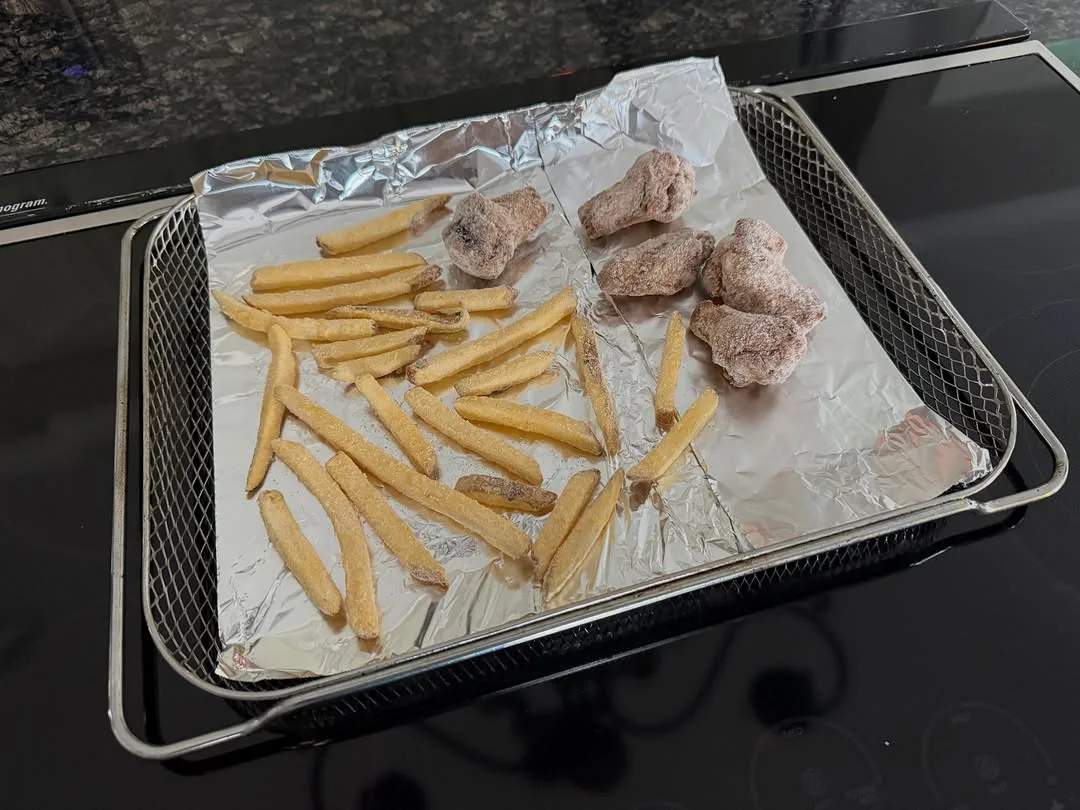
Water is the quiet enemy of crisp food, and it sneaks in on washed vegetables, thawed meat, and marinades. Owners shake food briefly over the sink and load it still damp, or cook meat with an icy centre from a rushed thaw. Both habits feel minor at the drawer.
Surface water turns to steam, which softens coatings and slows browning across the whole load. Frozen centres cook far behind the surface, so edges overcook while middles stay cold. Juices then flood out late and soak food that was nearly crisp.
Pat food dry with a clean towel or kitchen paper before seasoning, and let marinated pieces drain for a few minutes. Thaw meat fully in the fridge overnight, or use lower heat for longer when cooking from frozen on purpose. Dry surfaces and even starting points fix most of the trouble.
Weeknight cooks in a hurry meet this mistake after work, when the fridge holds meat that never quite thawed. One nurse I know now thaws dinner before her morning shift, and her chicken cooks evenly for the first time in months. Ten planning minutes saved her suppers.
Keep frozen convenience foods as the exception, because factories design them to cook from frozen and the packet timings match that plan. Homemade food plays by different rules. Knowing which food you hold prevents most thawing trouble.
Opening the Basket Every Few Minutes
Curiosity pulls the drawer open again and again, especially when new foods go in or guests hover nearby. Each peek feels harmless and takes only seconds. The habit grows because the drawer slides so easily compared with opening an oven door.
Every opening dumps the hot air the machine worked to build, and the element needs time to recover the lost heat. Cooking stretches longer, coatings lose their sizzle, and delicate foods sag. Frequent checks also make timings in recipes meaningless, because the machine never holds steady heat.
Trust the timer and peek once at the halfway shake, then once near the end if the food is new to you. Glass window models exist for keen watchers, yet discipline works on any machine. Write down real timings for your regular foods so guesswork fades.
Parents teaching children to cook open the drawer most, because small helpers love checking progress. One dad gave his daughter the halfway shake as her official job, and the extra peeks stopped within days. She now guards the timer like a referee.
Save your checks for moments that change something, like shaking, turning, or adding cheese near the end. Purposeful openings help cooking, while idle peeks only cool the drawer. Fewer, smarter checks produce better food.
Extra Air Fryer Mistakes to Avoid
Smaller habits matter too, like cooking with the crisper plate missing, which lets food sit in its own fat instead of draining. Forgetting the plate happens after washing, when parts dry on the rack and the drawer goes back incomplete. Check the setup before food goes in, every single time.
Seasoning after cooking causes another quiet miss, because dry spices slide off hot crisp surfaces and land on the plate. Spices mixed with a touch of oil before cooking cling properly and toast gently in the heat. Flavour belongs on the food, not under it.
Cutting pieces in wild sizes belongs on the list as well, since chunks of mixed sizes finish at wildly mixed times. Even cuts cook evenly and spare you the burnt small bits beside raw big ones. Two extra minutes with the knife pays for itself at the table.
Ignoring the manual for your own model rounds out the small habits, because every fryer heats and flows a little differently. Charts in the booklet match your machine better than general advice online. Keep the booklet in the drawer under the counter, close to where you cook.
Budget Friendly Air Fryer Habits
Good habits save money here as surely as they save dinner, because knowing the main air fryer mistakes to avoid stops wasted food, wasted power, and worn out parts. Burnt batches land in the bin, and repeated cooks double the electricity for one meal. Careful cooking quietly protects the weekly food budget.
Batch planning stretches savings further, since cooking vegetables alongside the main dish uses heat you already paid for. Sequence foods by temperature so the drawer rarely runs empty on a busy night. Planning also cuts the temptation of expensive takeaway orders on tired evenings.
Leftover bread, tired vegetables, and small pieces of cheese all find new life in the fryer instead of the bin. Croutons, roasted scraps, and crisped wraps turn scraps into tomorrow's lunch. Saving food you already bought beats hunting bargains on food you never needed.
Simple care protects the machine itself, because baskets and coatings last for years when owners wash gently and store parts dry. Replacing a basket costs real money, while a soft cloth costs almost nothing. Looking after the fryer keeps the whole habit cheap.
Tips for Better Air Fryer Results
Start every cook with dry food, a warm machine, and space around each piece, because those three habits carry most dishes. Master the basics before chasing gadgets and extras. Plain habits, repeated nightly, beat fancy tools used once a month.
Keep a small notebook or phone note with timings for your regular foods, since your machine has its own personality. Notes end the guesswork that ruins repeat meals. Soon you will cook family favourites without looking anything up at all.
Put safety on the same list as flavour when you review your air fryer mistakes to avoid, because clear vents, dry hands, and a stable counter protect every meal. Habits that guard the cook also guard the food. Calm kitchens produce calmer dinners.
Rotate the drawer contents halfway through cooking when pieces sit in a single row, because the back of most baskets runs hotter than the front. Turning the whole tray of food evens the browning. Small moves like this separate good results from great ones.
Let food rest for a few minutes after cooking, the same way you rest meat from an oven. Juices settle, coatings firm up, and steam stops softening the crust. Patience at the end protects all the crisp work before it.
FAQ
Do I Really Need to Preheat the Air Fryer?
Preheating helps almost every food, because a hot basket sets coatings quickly and starts crisping on contact. Three to five minutes is enough for most models. Foods cooked from cold still finish, yet they steam first and rarely match the crunch of a warm start.
How Much Oil Should I Use on Air Fryer Food?
Most foods need only a light coat, about a spoon of oil tossed through a basket load or brushed over pieces. Fatty foods like sausages and thighs need none, because they release their own fat. Dry crumb coatings benefit most from that thin, even coat.
Why Does My Food Cook Unevenly?
Uneven cooking usually comes from crowded baskets, mixed piece sizes, or food that never got shaken or turned. Hot air must reach every surface, and still food hides its underside from the flow. Space, even cuts, and one halfway shake fix nearly every case.
Can I Open the Basket to Check on the Food?
Opening the basket is fine at planned moments, like the halfway shake or a final check near the end. Every opening drops the temperature, so quick looks beat long inspections. Close the drawer promptly and let the machine rebuild its heat.
How Often Should I Clean the Basket and Drawer?
Wash both parts after most cooks, especially after fatty or sauced foods, and wipe them warm after light jobs like reheating bread. Regular washing stops smells, smoke, and sticky films before they build up. Gentle washing also protects the coating for years.
Which Foods Should Stay Out of an Air Fryer?
Wet batters, loose leafy herbs, light wraps without weights, and large roasts that crowd the basket all struggle in hot moving air. Foods with runny coatings or pieces that fly around belong in a pan or an oven instead. Matching food to the machine saves both dinner and cleanup.
Conclusion
Crisp, even, relaxed cooking comes from a handful of habits rather than talent or pricey extras. Space in the basket, dry food, the right heat, and a clean machine carry nearly every meal. Learn the air fryer mistakes to avoid once, and the lessons repeat themselves kindly at every dinner.
Pick one fix at a time if the list feels long, starting with the mistake you make most often. Small wins build confidence faster than a full kitchen overhaul. Your next three meals will show the difference clearly.
Share what works with the people who cook beside you, because shared habits keep results steady across the whole household. Notes on the fridge help everyone, from teenagers reheating snacks to grandparents cooking lunch. Good habits spread just like bad ones did.
Enjoy the machine for what it does best, quick crisp food with little fuss on ordinary nights. Treat it kindly, feed it sensibly, and let simple routines do the heavy lifting. Dinner gets easier, crunchier, and calmer from here on.