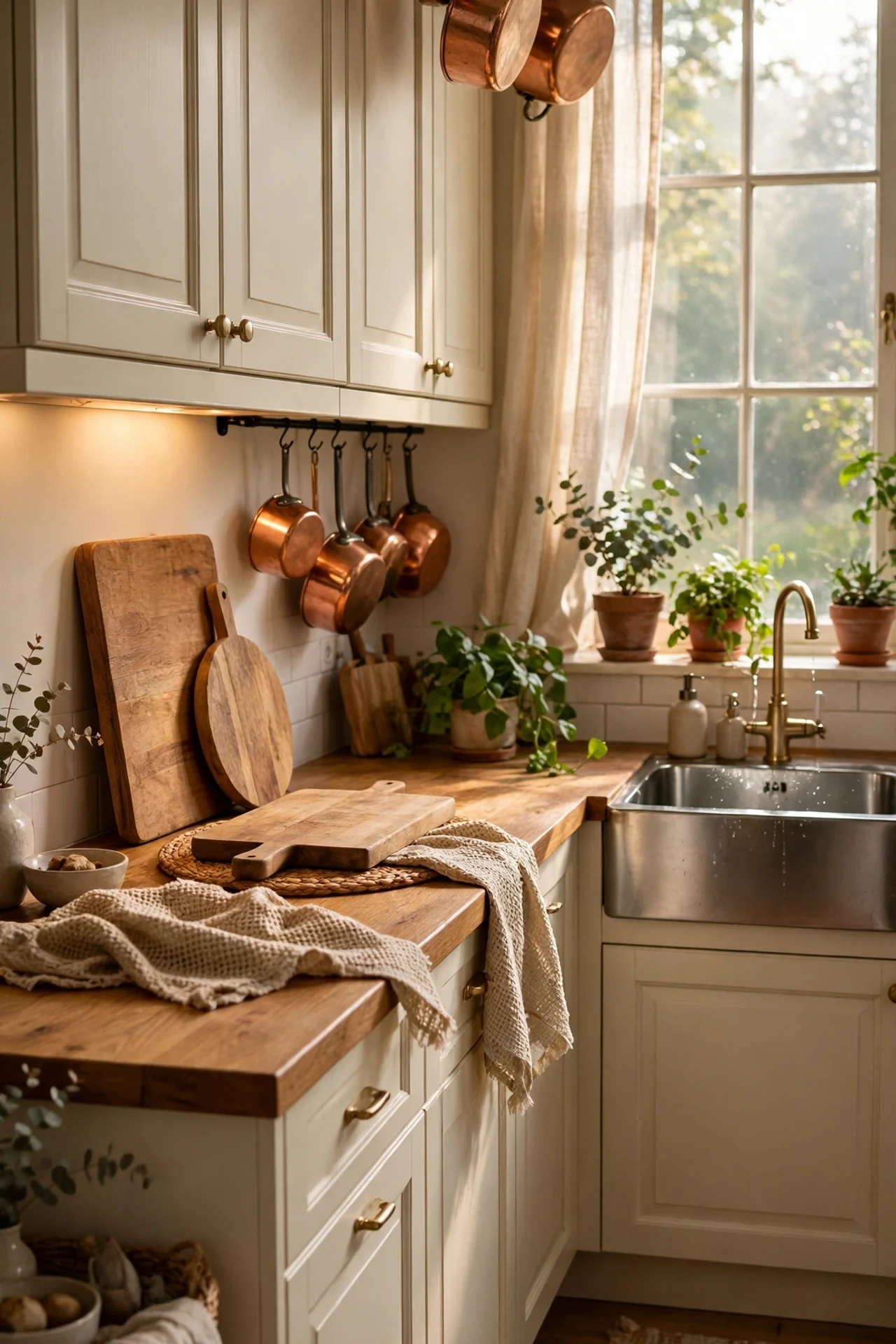
Cozy Kitchen Decor Ideas That Make the Room Feel Warm
Kitchens work hard all day, yet many of them feel cold and plain once the cooking ends. Hard surfaces, bright white light, and bare counters can make even a good kitchen feel like a workspace rather than a room where people want to linger.
Warmth rarely comes from one big purchase. Small layers of wood, cloth, soft light, and color do the work together, and most of them cost very little. You build the feeling slowly, corner by corner, until the room invites people to sit down, stay longer, and talk while supper cooks.
Inside this guide, you will find fifteen practical cozy kitchen decor ideas that suit small flats, family homes, and every size in between. Each idea explains why it works, how to do it well, who it suits best, one real example with people, and one common mistake worth skipping.
What Are the Best Cozy Kitchen Decor Ideas for a Warm Room?
Simple layers matter more than matching sets bought in one trip. Strong cozy kitchen decor ideas combine warm light, natural wood, soft cloth, and a few personal pieces, while leaving counters clear enough for real cooking. Comfort grows when the room looks cared for and still works well on a busy weekday morning.
Picture a plain kitchen on a winter evening. Lamplight glows under the cabinets, a woven runner softens the floor, wooden boards lean near the stove, and a small plant sits by the sink. Nothing in that room cost much, yet everyone drifts in after dinner and chooses to gather there.
Warm Light Under the Cabinets
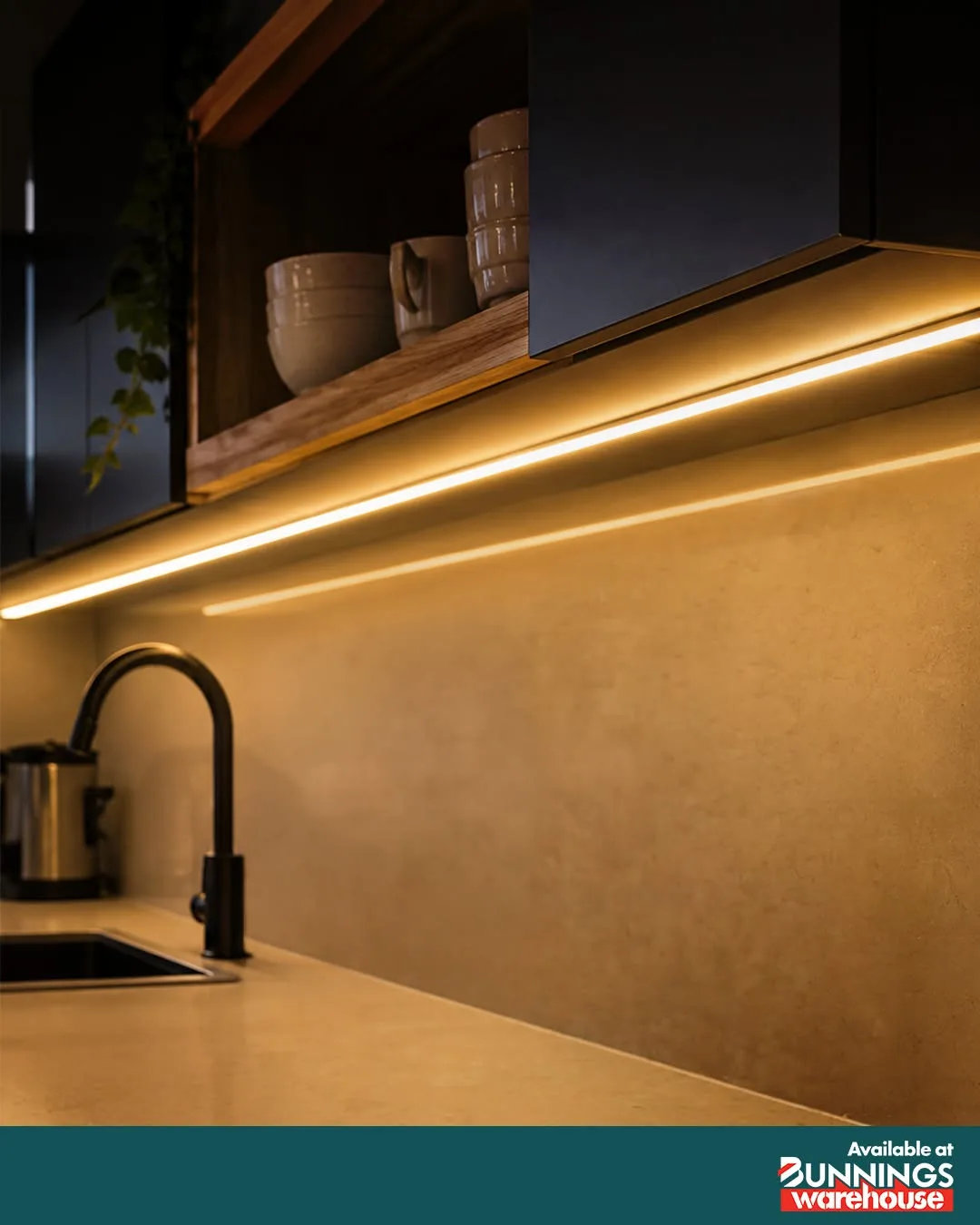
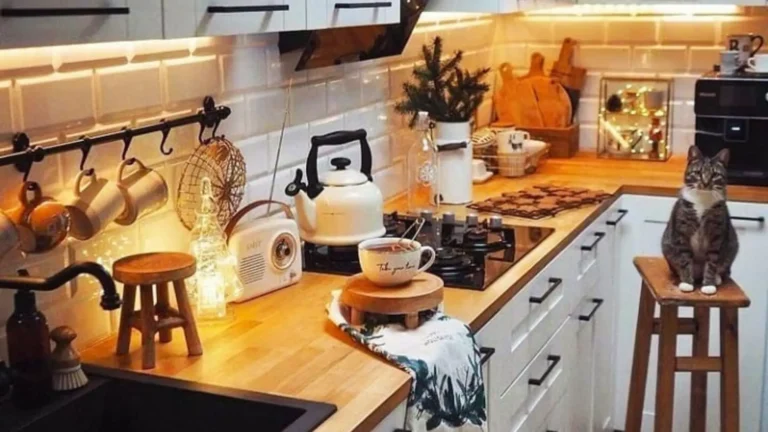
Light shapes how a kitchen feels more than any single object you can buy. Warm light under the cabinets pools gently on the counter and removes the harsh shadows that overhead bulbs create. Faces look softer, wood looks richer, and evening cooking feels calm instead of rushed and bright.
Stick on light strips or small puck lights work well and need no wiring in most cases. Choose a warm tone rather than a blue white tone, and place the lights near the front edge of the cabinet so the glow falls evenly across the whole work surface below.
People who cook after dark or eat late suppers gain the most from softer light at the counter. Small kitchens with one ceiling bulb also change completely, because the room gains layers of gentle light instead of one flat glare shining down from above all evening.
One couple fitted warm strips under their cabinets on a Sunday afternoon and spent less than the cost of a takeaway meal. Within a week, they turned off the main light every evening and cooked by the softer glow, saying the kitchen finally felt like a real room.
Cold white bulbs undo the whole effect and make food look grey and uninviting on the plate. Test one bulb or strip first, match the color across every light in the room, and keep a spare strip in a drawer so a failed light never leaves a dark gap.
Woven Textiles on Chairs and Benches
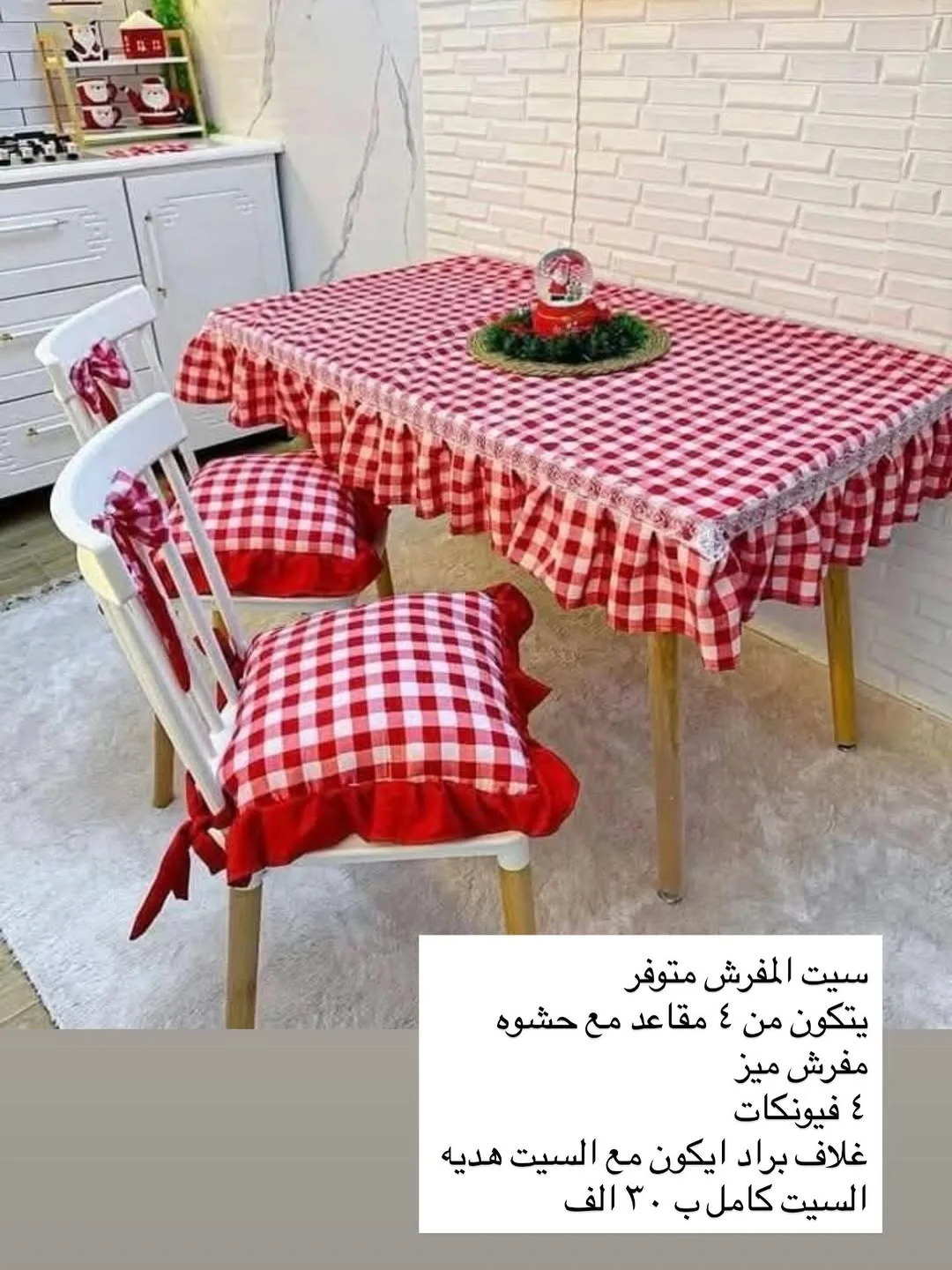
Cloth softens the hard edges that dominate most kitchens. Seat pads, folded throws, and simple cushions bring color and comfort to plain wooden chairs and benches, and they make people sit longer at the table after meals end instead of drifting away to other rooms.
Choose washable fabrics like cotton, linen, and wool blends, because kitchen cloth gathers crumbs and splashes fast. Keep colors in one warm family, such as cream, rust, and soft brown, so mixed pieces look planned together rather than random, and tie pads firmly so they never slide.
Families with long breakfasts and homework sessions at the kitchen table benefit most from padded, forgiving seats. Older relatives also appreciate softer chairs during long Sunday lunches, when hard wood starts to ache after an hour and people begin shifting in their seats.
She bought four cream seat pads at a market stall and tied them to her plain wooden chairs in ten minutes. Guests began staying at the table long after dessert, and her children started doing homework in the kitchen each evening instead of alone in their rooms.
Too many busy patterns fight each other in a small room and look messy within days of arriving. Pick one patterned piece at most, keep the rest plain and calm, and wash the pads often so the softness stays fresh and welcoming rather than grubby and tired.
Wooden Boards Shown on the Counter
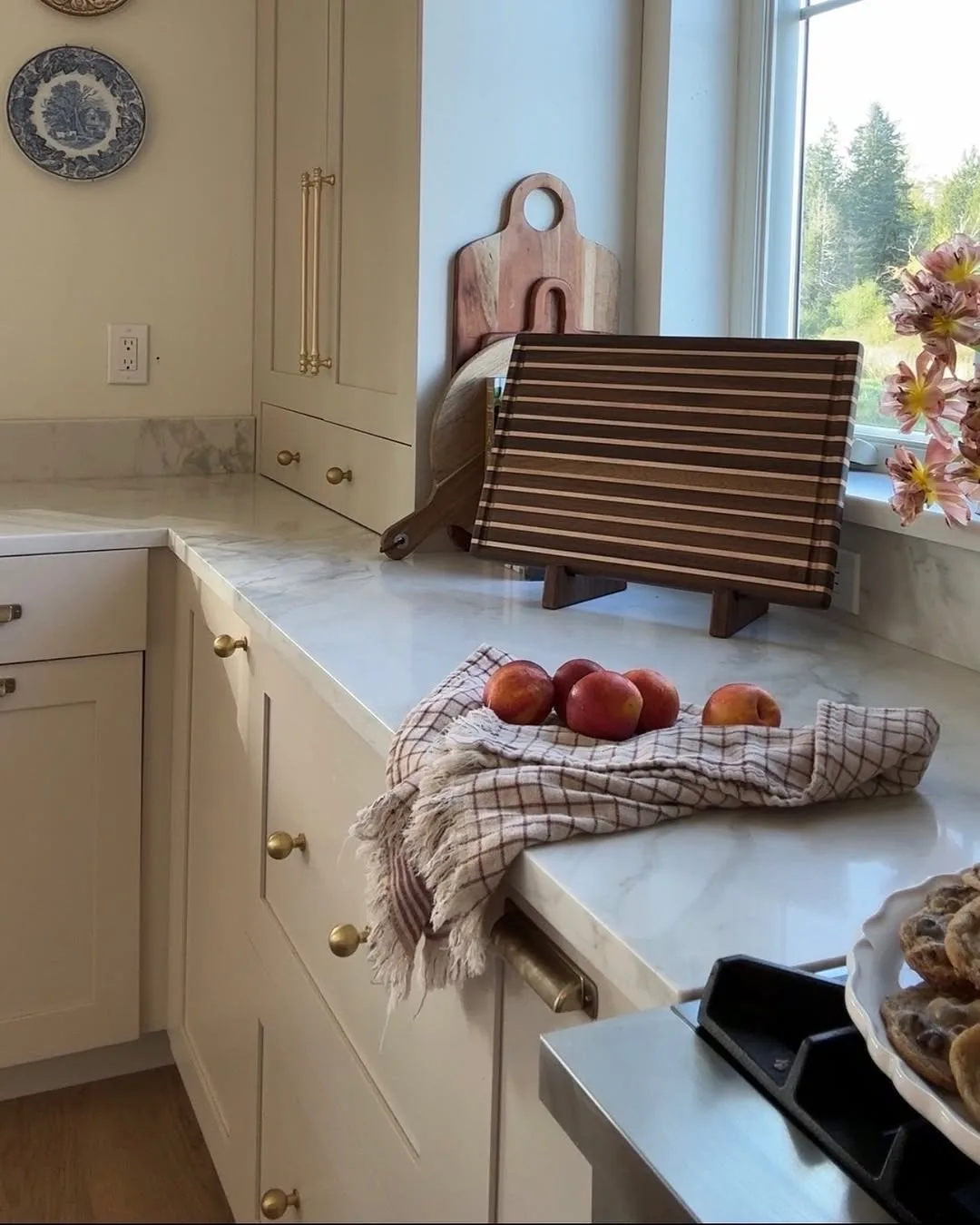
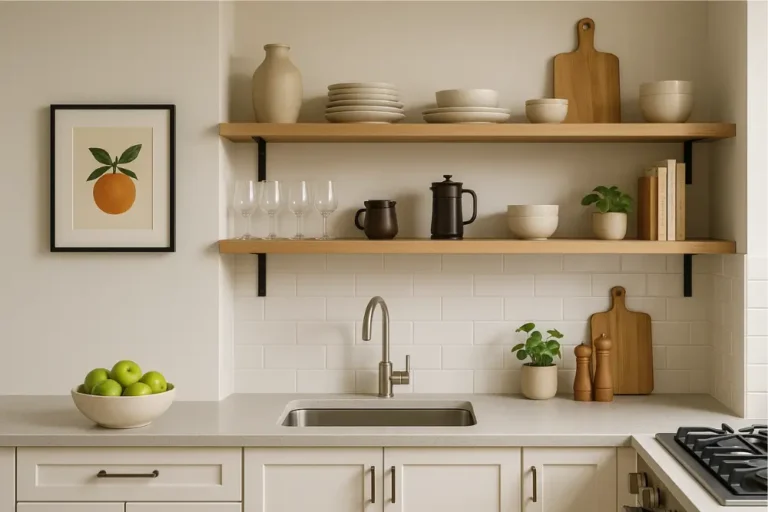
Wood brings instant warmth to counters made of stone, steel, or pale laminate. One group of boards in mixed tones adds shape and grain against a plain wall, and each board stays close at hand for daily chopping, serving bread, and carrying cheese to the table.
Lean the largest board against the wall first, then layer smaller boards in front of it by size. Leave a small space behind the group for air to move, and keep the boards near the prep area so the beauty never slows down real cooking on busy nights.
Cooks who own good boards suit this idea best, because fine wood deserves daylight instead of a dark cupboard. People with pale counters also gain welcome contrast, since honey colored boards break up long stretches of white and give the eye somewhere warm to rest.
His grandfather gave him three worn boards, and he stood them beside the stove instead of hiding them inside a drawer. Friends kept asking where he found such characterful pieces, and the boards slowly became the most loved and talked about corner of his small kitchen.
Wet boards stored while damp turn dark and can split along the grain over time. Dry each board fully after washing, oil the wood every few months to keep it fed, and store the board used for raw meat apart from the display group on the counter.
Copper Pots and Pans on Display
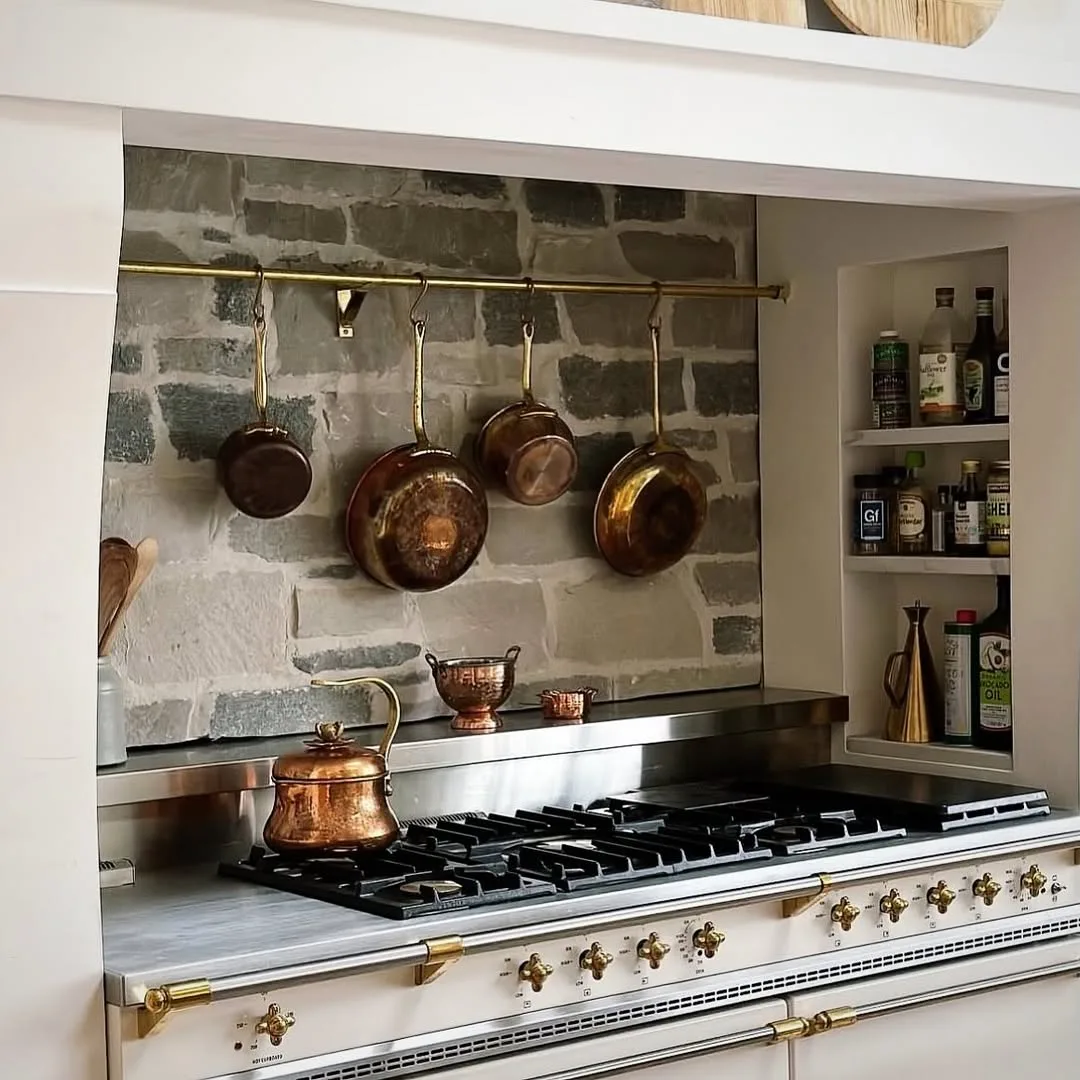
Copper glows in a way few metals can match, and its warm shine suits kitchens that feel too grey or white. Hung pots and pans also free up cupboard space and put heavy cookware within easy reach of the stove, where your hands want them most.
Hang pans from a rail or sturdy hooks above the stove or along an empty section of wall. Mix copper with wood and cream so the shine stays warm rather than flashy, and keep only the pans you use every week on show for everyone to enjoy.
Serious cooks who reach for the same pans daily gain both beauty and speed from open storage near the stove. Small kitchens benefit too, because one simple rail can empty a whole deep cupboard that never worked well and always hid the pan you needed.
During one cold winter, a baker hung her copper pans above the stove and watched the whole room change around them. Lamplight caught the warm metal each evening, and her plain white kitchen began to feel like the small bakeries she loved visiting on holiday.
Polishing every piece every single week turns a pleasure into a chore and puts most people off within a month. Let copper age softly between cleans, wash off cooking splashes promptly, and store rarely used showpieces inside cupboards where dust cannot dull them.
Small Rug Beside the Sink
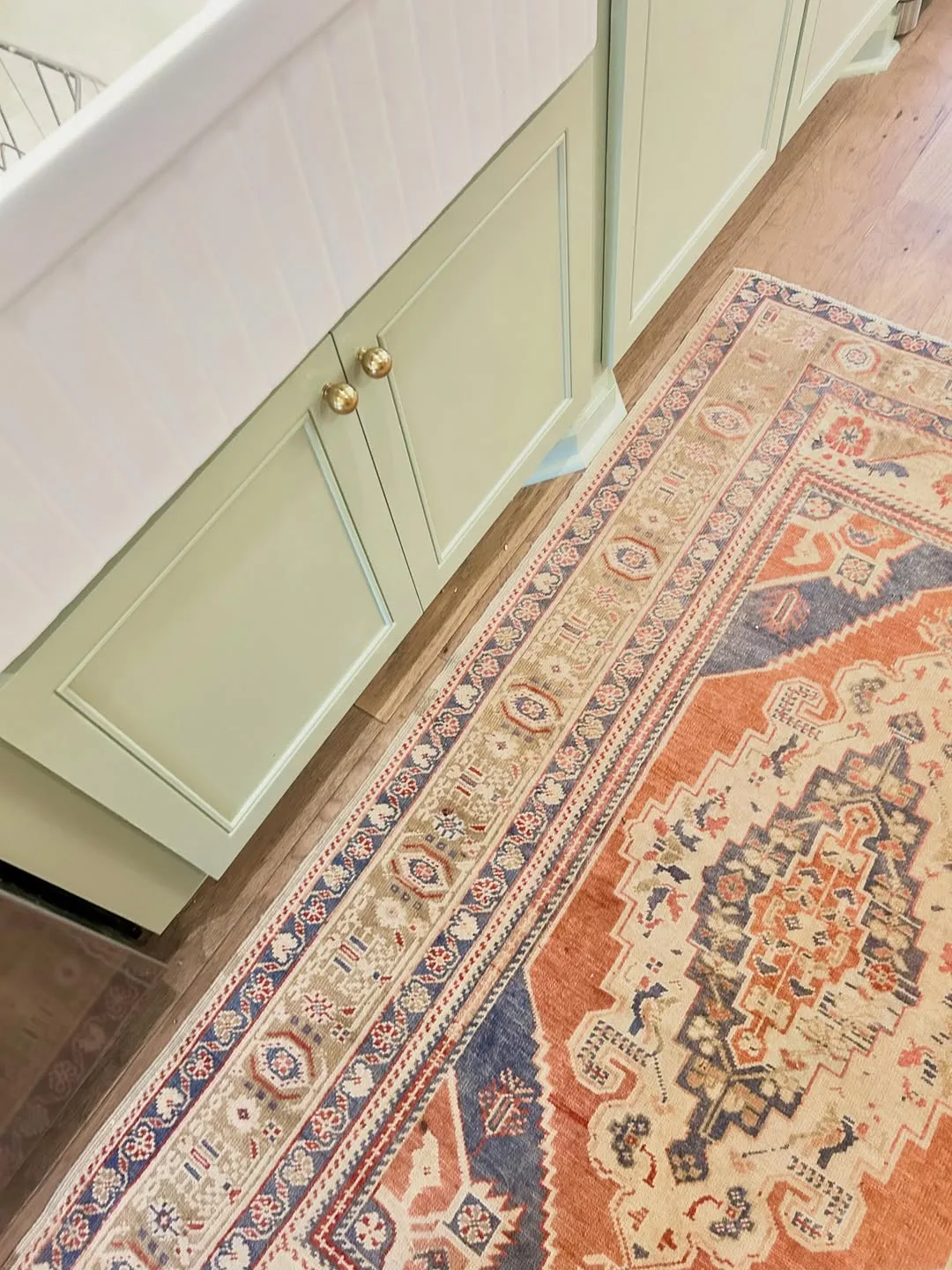
Floors decide how a kitchen feels underfoot, and cold tile can chill a whole room early in the morning. One small rug beside the sink adds color, pattern, and softness at the exact spot where people stand most while washing, chopping, and waiting for the kettle.
Pick a low pile rug that fits the space in front of the sink or stove without catching on cupboard doors. Washable cotton and flat woven styles suit kitchens best, and a simple pad underneath stops the rug sliding across smooth floors during busy cooking.
Early risers who make tea in bare feet on winter mornings feel the gain from a rug first. Long narrow kitchens also suit a runner, because one strip of warm pattern leads the eye along the room and links the far corners together kindly.
Every morning felt kinder after one woman laid a faded red runner in front of her sink at home. Color warmed her white floor, her feet stopped dreading the cold tile, and the whole kitchen gained character for the price of one lucky market find.
Thick plush rugs hold water, trap crumbs deep in the pile, and stay damp in a working kitchen. Keep the pile low, shake the rug outside each week, and wash it often so the softness underfoot stays clean and pleasant rather than stale.
Green Plants on the Windowsill
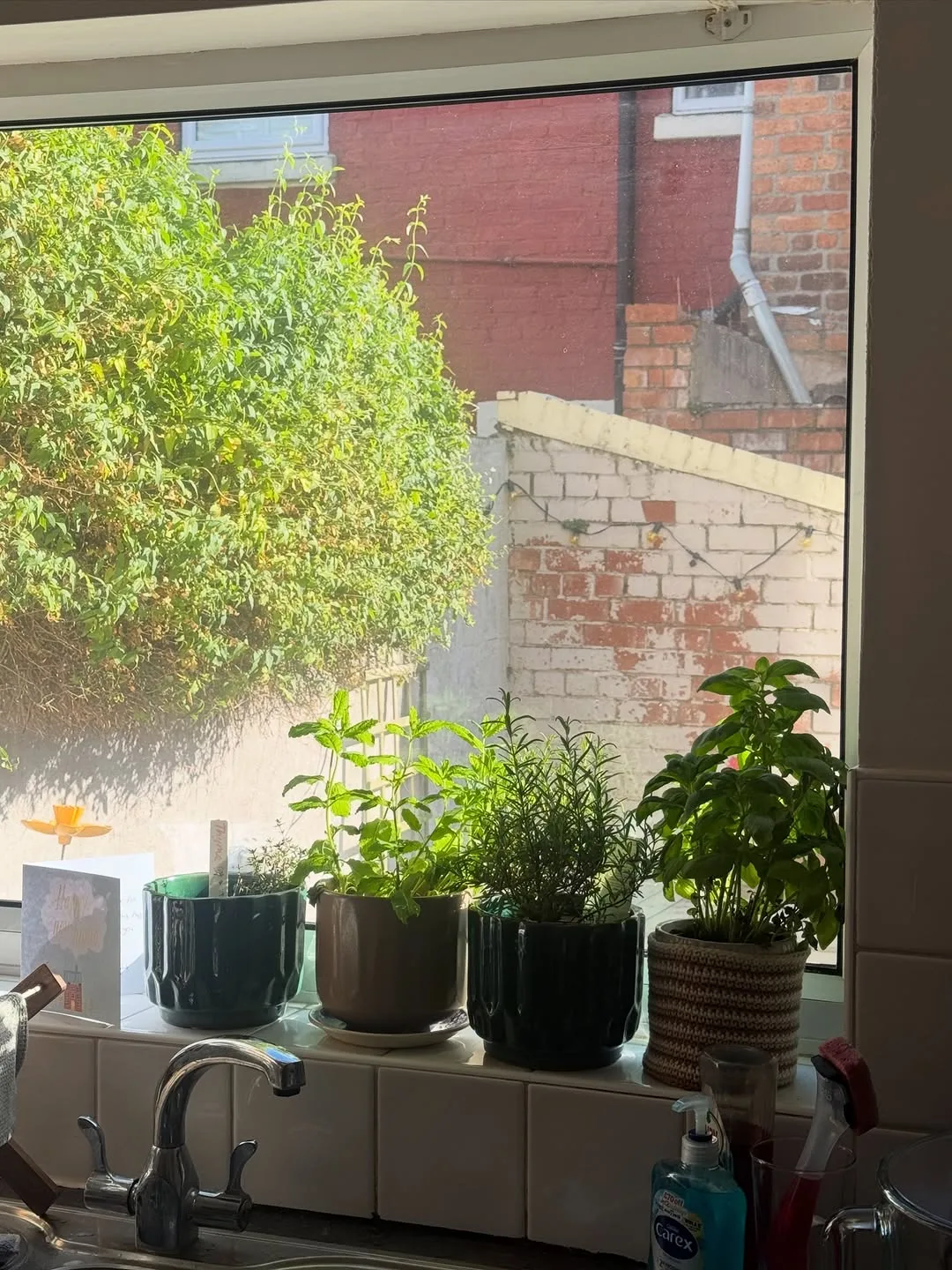
Plants bring life and soft green color into a room built almost entirely from hard surfaces. Leaves catch the light, soften straight lines of tile and glass, and make even a tiny kitchen feel cared for and calm within days of the first pot arriving.
Herbs earn their place twice, once as decor and once as fresh flavor for supper that same evening. Basil, mint, rosemary, and chives grow well on a bright sill, while pothos and small ferns manage happily in softer light away from the glass.
Gardeners enjoy a sill full of pots, yet beginners also do well with one hardy herb at a time. Kitchens with wide sunny sills gain the most, though a small shelf fixed under the window works nearly as well when the sill runs narrow.
One man lined his sill with three terracotta pots of herbs and started snipping them into eggs, soups, and salads. Cooking felt fresher, the window looked alive in every season, and guests always leaned in to smell the basil before sitting down.
Overwatering kills more sill plants than neglect ever will in a busy home. Check the soil with a finger before watering, use pots with drainage holes and saucers, and turn any plant that leans hard toward the glass so it grows straight and full.
Warm Paint on Walls or Cabinets
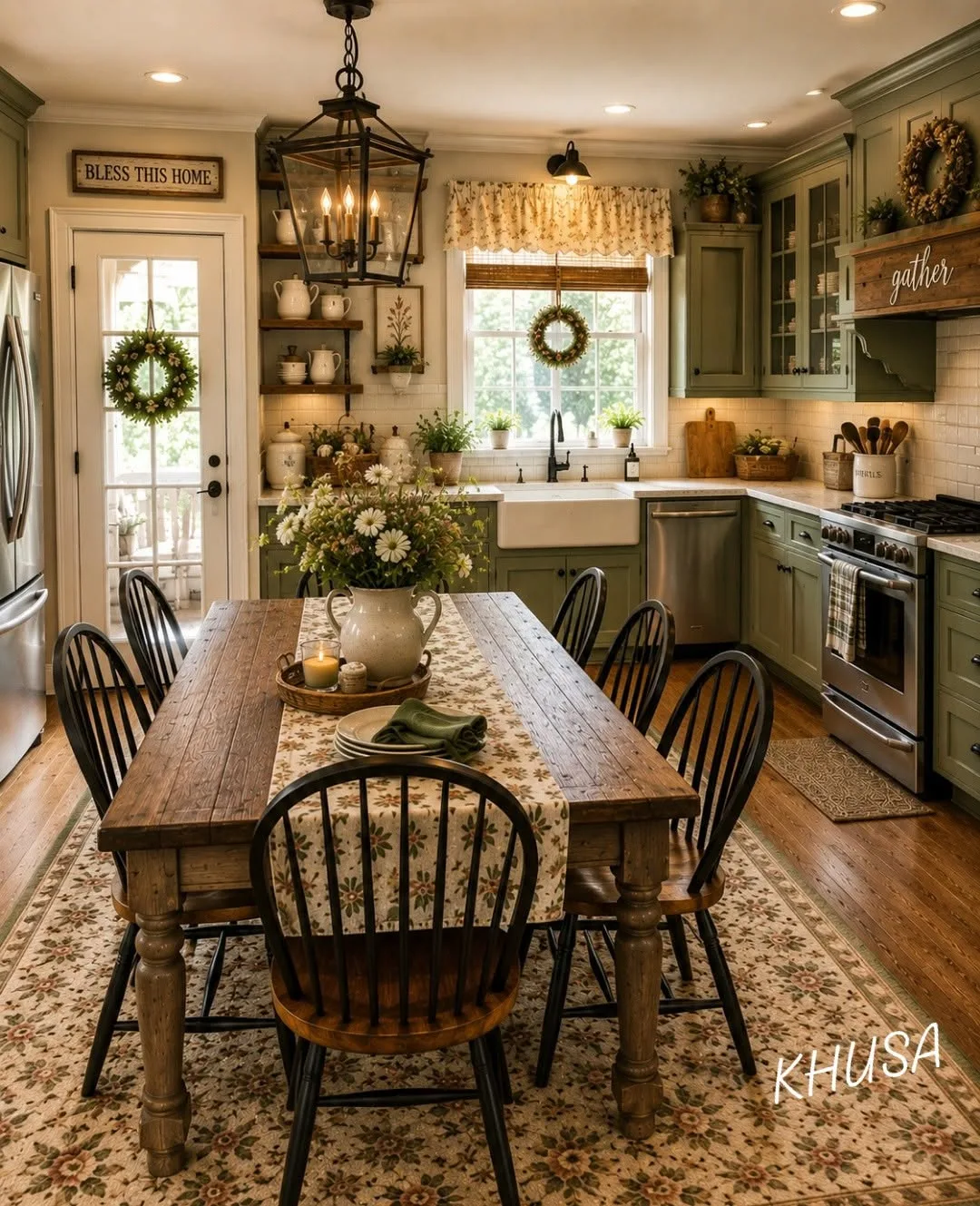
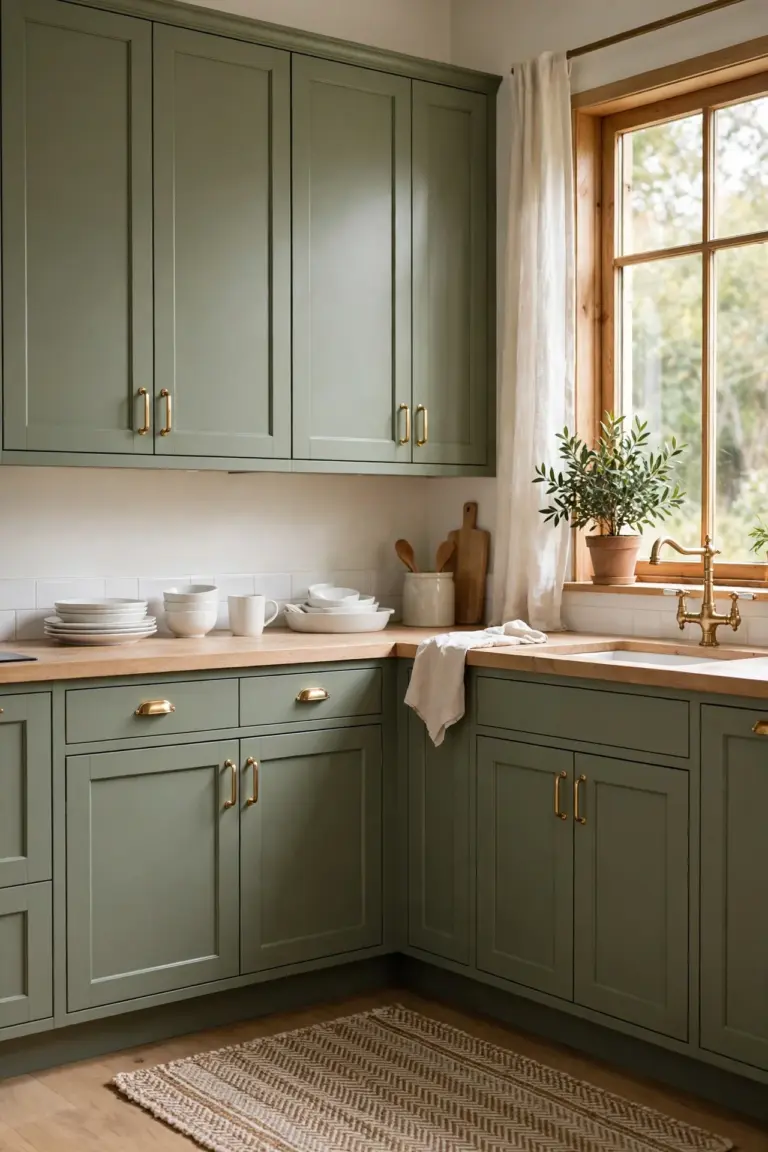
Color changes a kitchen faster than new furniture ever could, and warm paint tones make light feel softer all day long. Cream, clay, soft terracotta, and muted sage all wrap a room in warmth without darkening it or making small spaces feel closed in.
Test two or three colors on large boards and move them around the room before you buy full tins. Watch each shade at breakfast, at noon, and under evening lamps, because warm colors shift more across the day than most people expect at first.
Homes with north facing windows gain the most from warm paint, since cool daylight turns many cooler colors flat and grey. Anyone tired of a plain white box kitchen also finds paint the cheapest honest cure, needing only a brush and one free weekend.
Last spring, one family painted their kitchen a soft clay shade and kept every cabinet, counter, and appliance exactly the same. Friends assumed they had redone the whole room, and evening meals at the table suddenly felt slower, warmer, and more relaxed.
Bright orange and strong yellow walls overwhelm food and faces and tire the eye within a few weeks. Stay muted, borrow tones from natural clay and stone, and paint one wall first if coloring the full room feels like too big a step at once.
Coffee Corner on the Counter
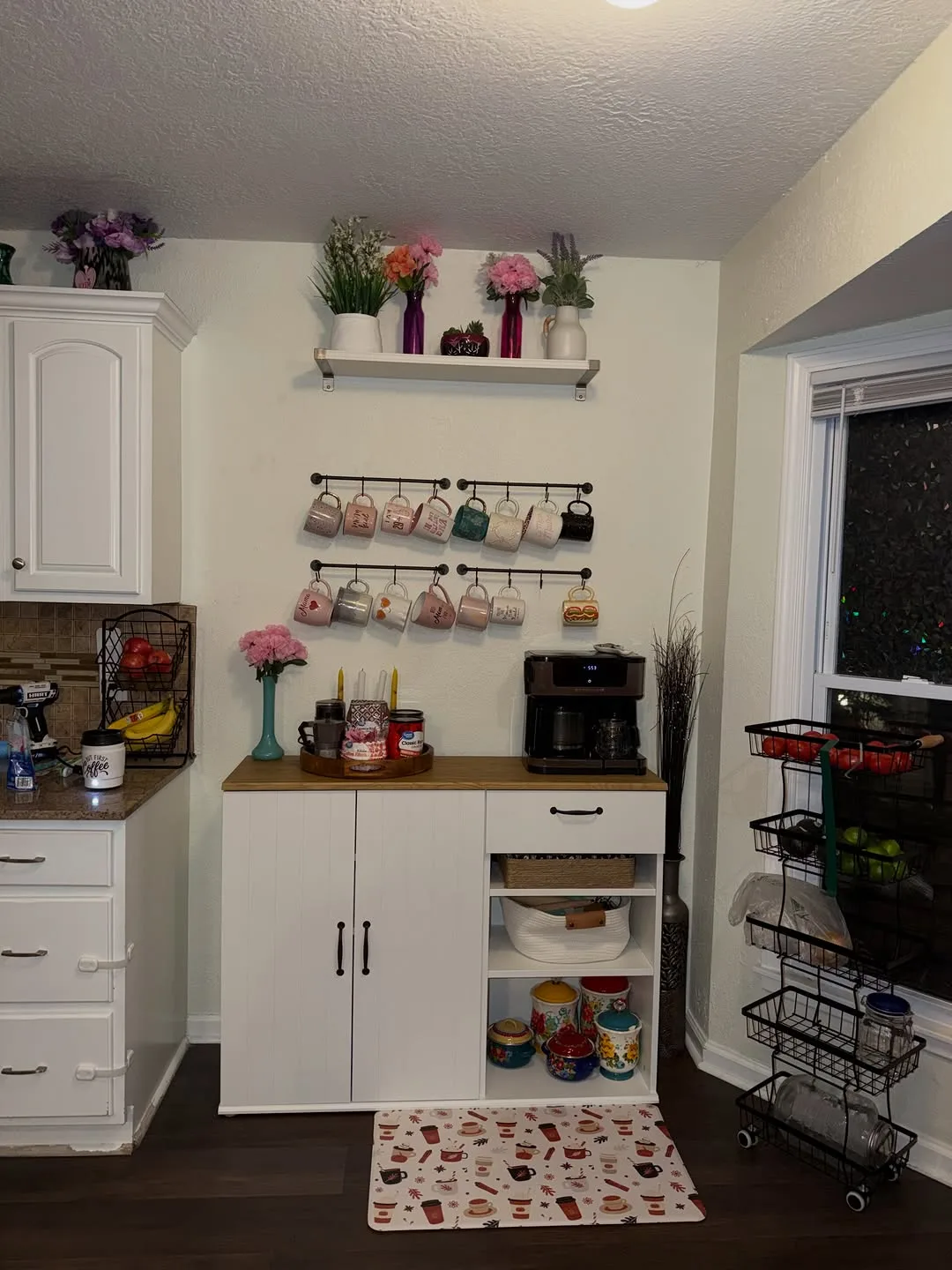
Corners turn unused counter space into a small daily ritual that feels generous and calm each morning. One tray holding a coffee pot, cups, and a small jar gathers everything into one pretty group and leaves the rest of the counter clear for cooking.
Set the corner near a socket and near water, with the maker, cups, and supplies inside easy reach of each other. Wooden tray or a small board under the group catches drips, protects the counter, and marks the zone clearly for everyone at home.
Coffee and tea drinkers who start the day slowly suit a dedicated corner almost perfectly. Guests also help themselves with ease during visits, because every cup, spoon, and jar sits in plain sight instead of hiding inside three separate cupboards around the room.
He arranged a small tray with a French press, two mugs, and a jar of beans beside the kettle one evening. Morning coffee became a quiet ritual instead of a cupboard hunt, and visitors soon called the little corner the heart of his kitchen.
Too many machines crowd a corner until the counter looks like the front of a shop. Keep one maker out on show, store the extras away out of sight, and wipe the tray weekly so coffee dust and drips never spoil the calm you built.
Open Shelves with Everyday Pieces
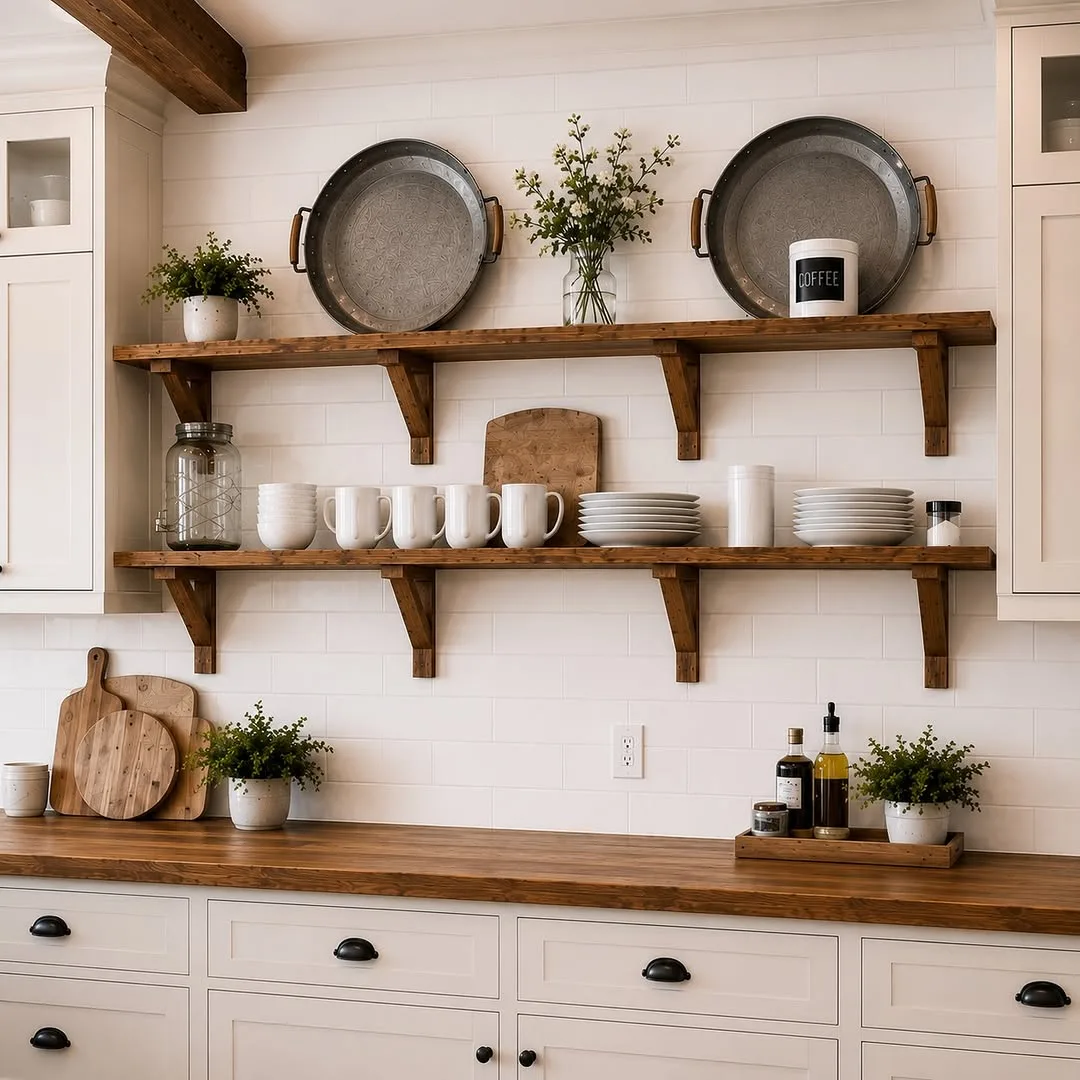
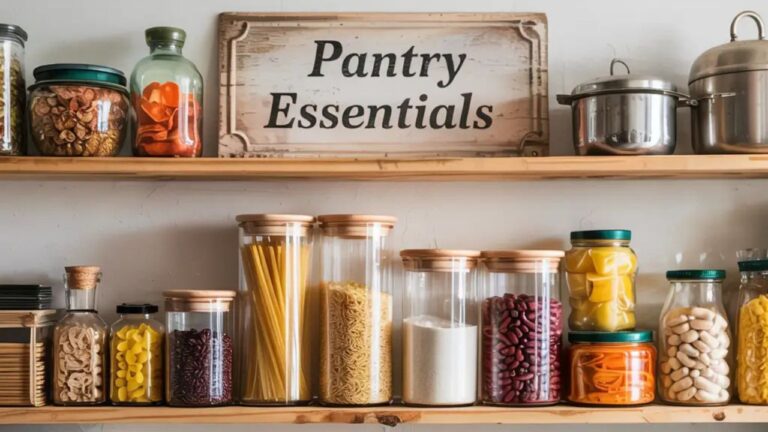
Shelves holding everyday dishes, glasses, and jars make a kitchen feel open, honest, and truly lived in. Seeing the pieces you use daily adds gentle color to the walls, and reaching for a bowl becomes faster than opening and closing cupboard doors all morning.
Group similar pieces together, keep heavy stacks low, and leave real gaps so each group can breathe on the shelf. Put daily items between waist and shoulder height, and save the top shelf for lighter pieces that come down only now and then.
Small kitchens gain storage without the bulk of heavy wall cabinets, so open shelves suit them especially well. Households that love markets and second hand finds also enjoy showing pieces with mixed shapes, soft colors, and the gentle wear of real daily use.
Their old cupboards came down in one weekend and plain pine shelves went up in their place along the wall. Dishes, jars, and a few plants filled the shelves within an hour, and the cramped kitchen suddenly had light, air, and a view.
Dust and cooking grease settle on open shelves week after week, so rarely used pieces turn grubby surprisingly fast. Keep only daily items on show, wipe the shelves each week, and close cupboard doors on special pieces that deserve better protection from the air.
Soft Curtains at the Window
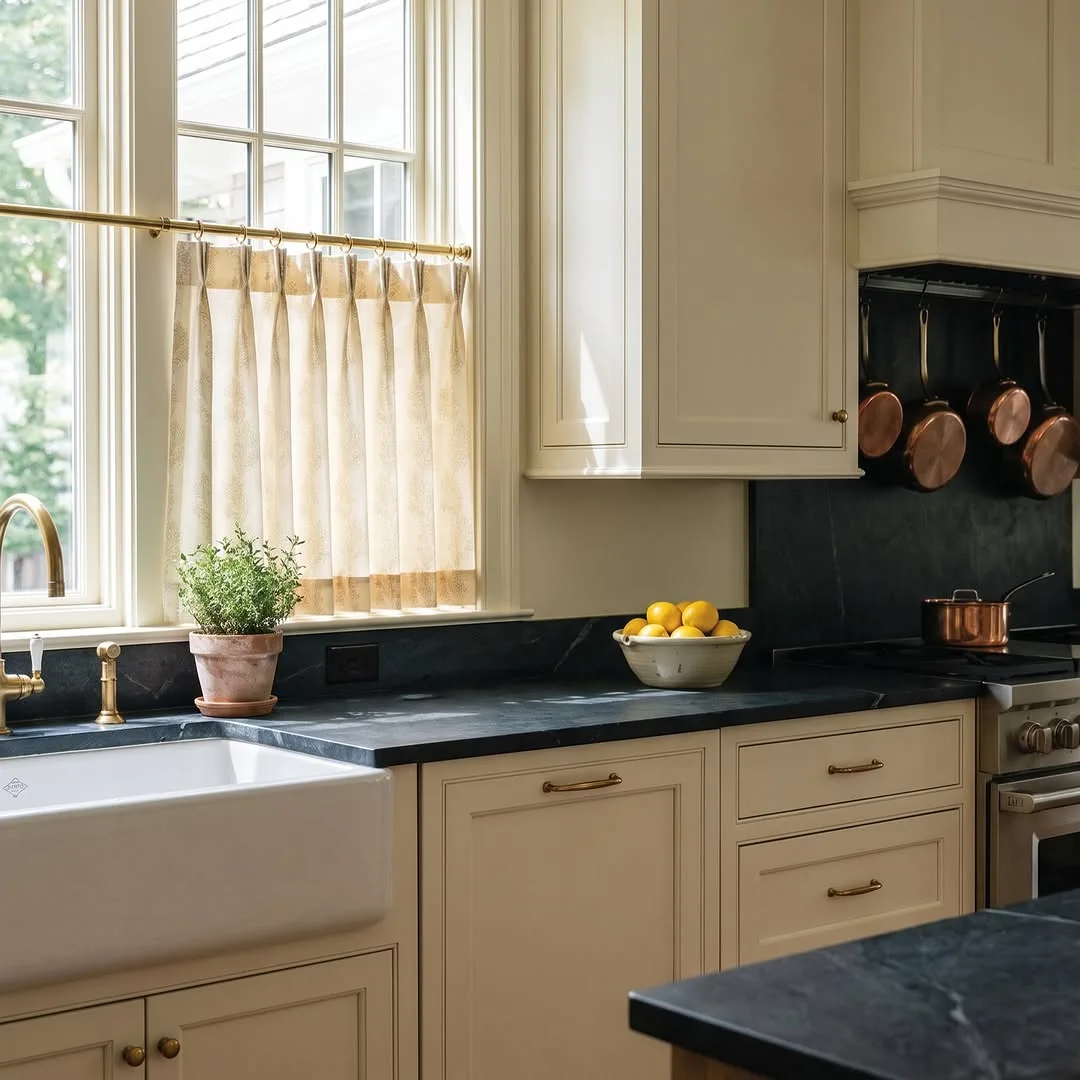
Fabric at the window softens the hardest lines in the kitchen and filters daylight into a gentle, flattering glow. Even short curtains change the mood of a room, adding color and pattern where glass and tile offer none at all through the day.
Linen and cotton let light pass through while giving privacy, and both fabrics wash easily after cooking splashes. Hang curtains high and wide where space allows, or fit simple cafe style panels across the lower half of the window for a softer look.
Street facing kitchens gain privacy without losing precious light, so curtains suit them particularly well. Anyone with a plain view of fences or bins also wins, because soft fabric turns the window into a feature of the room instead of a flaw to hide.
By autumn, one cook had hung cream linen panels at her kitchen window and noticed supper felt calmer at once. Light fell softer across the table, the glass lost its bare look, and the room finally matched the warmth of the rest of her home.
Heavy drapes gather grease, block precious light, and swing dangerously near hobs and open flames during cooking. Keep fabric light, tie panels back while you cook, and wash them often so they stay fresh and pleasant rather than stale smelling and dull.
Candles and Low Light in the Evening
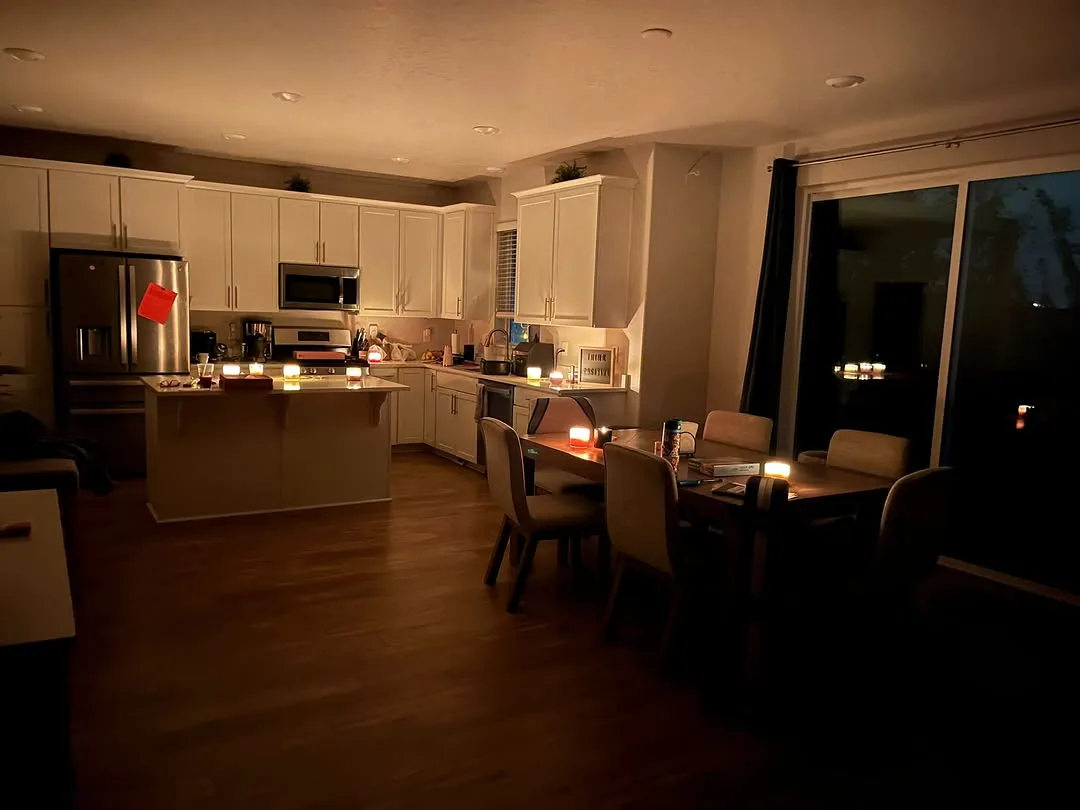
Evening light decides whether a kitchen feels like a canteen or a place to unwind after a long day. Candles on the table or counter lower the mood in a good way, softening faces and making simple weekday suppers feel like small occasions.
Place candles inside glass holders on the table, a shelf, or the windowsill, well away from curtains and paper. Battery candles with a warm flicker suit homes with small children or curious pets and still give much of the same gentle evening glow.
People who eat in the kitchen most nights gain the most from candlelight glowing at the table each evening. Anyone who works late also finds one lit candle a kind signal that the working day has ended and rest can finally begin at home.
After supper one winter, a family began lighting two candles and turning off the main light while they cleared up together. Talk slowed down, phones stayed in pockets, and even washing up stopped feeling like a chore nobody wanted to do each night.
Scented candles can fight with food smells and overwhelm a small room while dinner cooks on the stove. Keep scents gentle or save fragrance for after the meal, blow candles out before leaving the room, and never leave flames burning near towels.
Woven Baskets for Storage and Texture
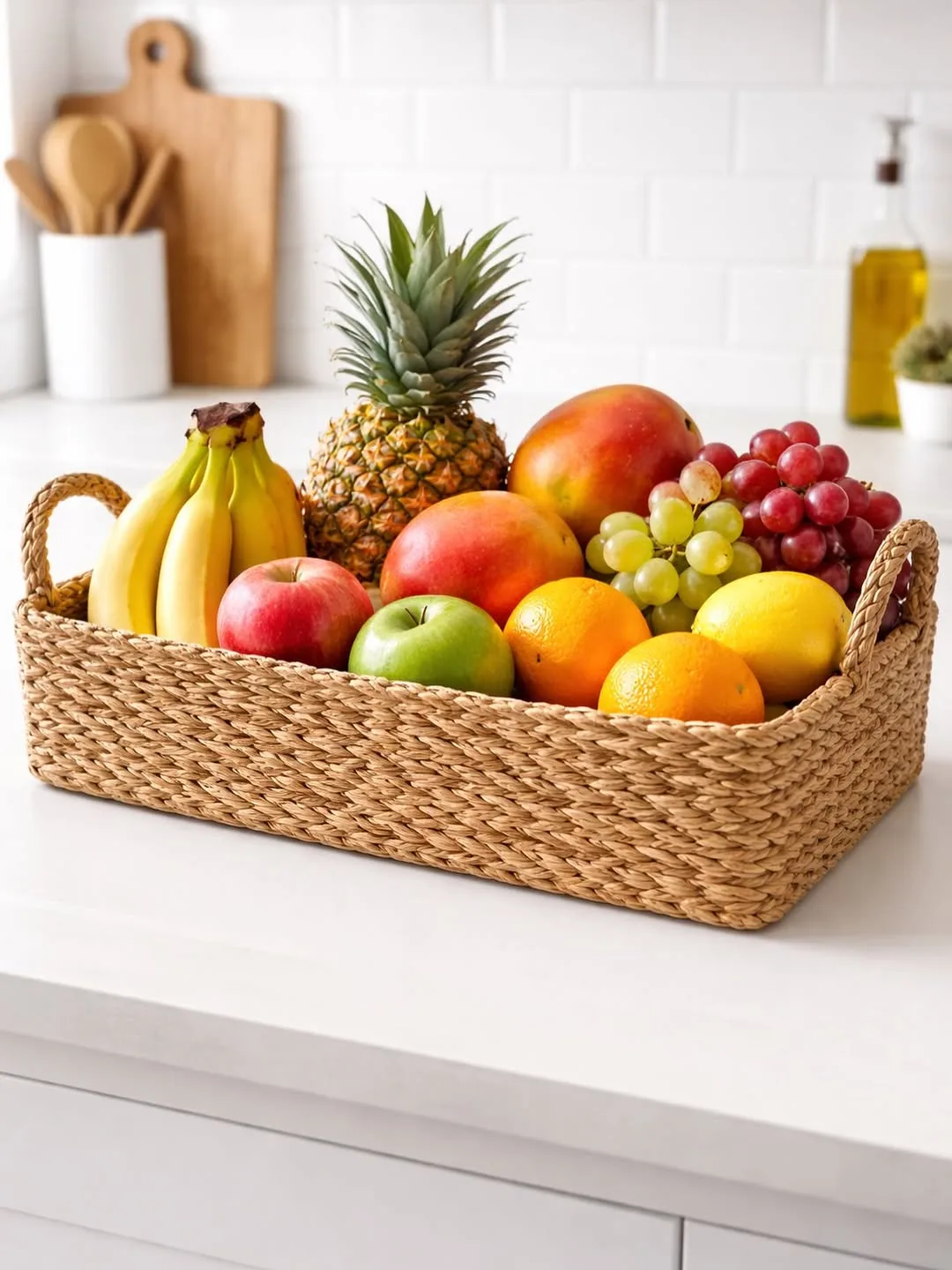
Baskets hide everyday clutter while adding the woven texture that smooth kitchens often lack on their shelves. Fruit, bread, cloths, and cooking odds all sit neatly inside, and the natural fibers warm any counter, shelf, or floor corner they happen to touch.
Use one basket for fruit on the counter, one for bread near the toaster, and smaller ones inside shelves for packets and jars. Choose sizes that fit the space fully and neatly rather than leaving awkward gaps around them on every side.
Busy households suit baskets best, because daily mess gathers faster than tidying in most family homes. People who love farmers markets also enjoy showing fresh produce in baskets instead of leaving plastic bags spread across the counter for days at a time.
Three baskets changed the counters in one small flat within a single afternoon of sorting and tidying. Fruit, bread, and tea supplies each gained a clear home, the surfaces cleared at last, and the kitchen looked styled even though nothing decorative had been bought.
Deep baskets swallow small items until nobody knows what hides at the bottom under everything else. Pick shallow shapes you can see into at a glance, empty each basket once a month, and line bread baskets with a clean cloth to catch crumbs.
Vintage Pieces with a Story
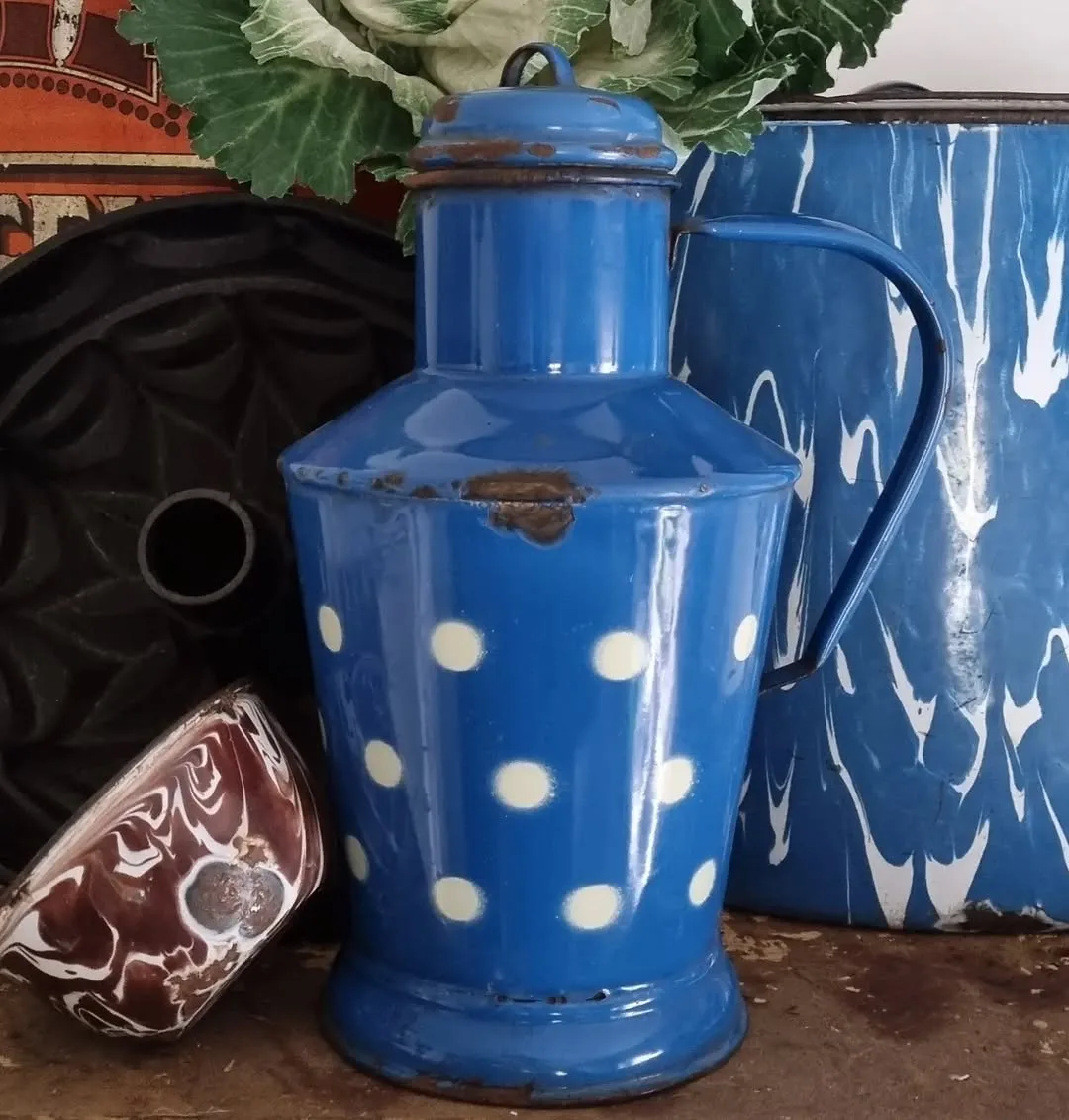
Old pieces carry the marks of real use, and that gentle wear makes new kitchens feel settled rather than showroom perfect. One enamel jug, a worn scale, or a beloved bowl from a grandmother can warm a whole wall of plain modern cabinets nearby.
Hunt slowly at markets, charity shops, and family cupboards for pieces that still work hard every day of the week. Wash finds well, check for cracks and loose handles, and use older items for dry goods, fruit, or flowers where safety matters most.
Collectors suit this idea naturally, because loved pieces finally live in the open instead of in boxes in a cupboard. Small budgets also gain a great deal, since one strong market find often costs less than new decor bought from a big store.
On her shelf, one woman keeps the chipped blue jug her mother used for garden flowers every summer for years. Fresh stems fill it weekly, the color anchors her white shelves, and every visitor who asks about it hears the story behind it.
Fragile treasures suffer when pressed into daily service beside heavy pans and busy hands in a working kitchen. Use sturdy old pieces for daily jobs, keep delicate finds safe on a high shelf, and photograph precious items so memories survive even if china breaks.
Cushioned Nook for Slow Breakfasts
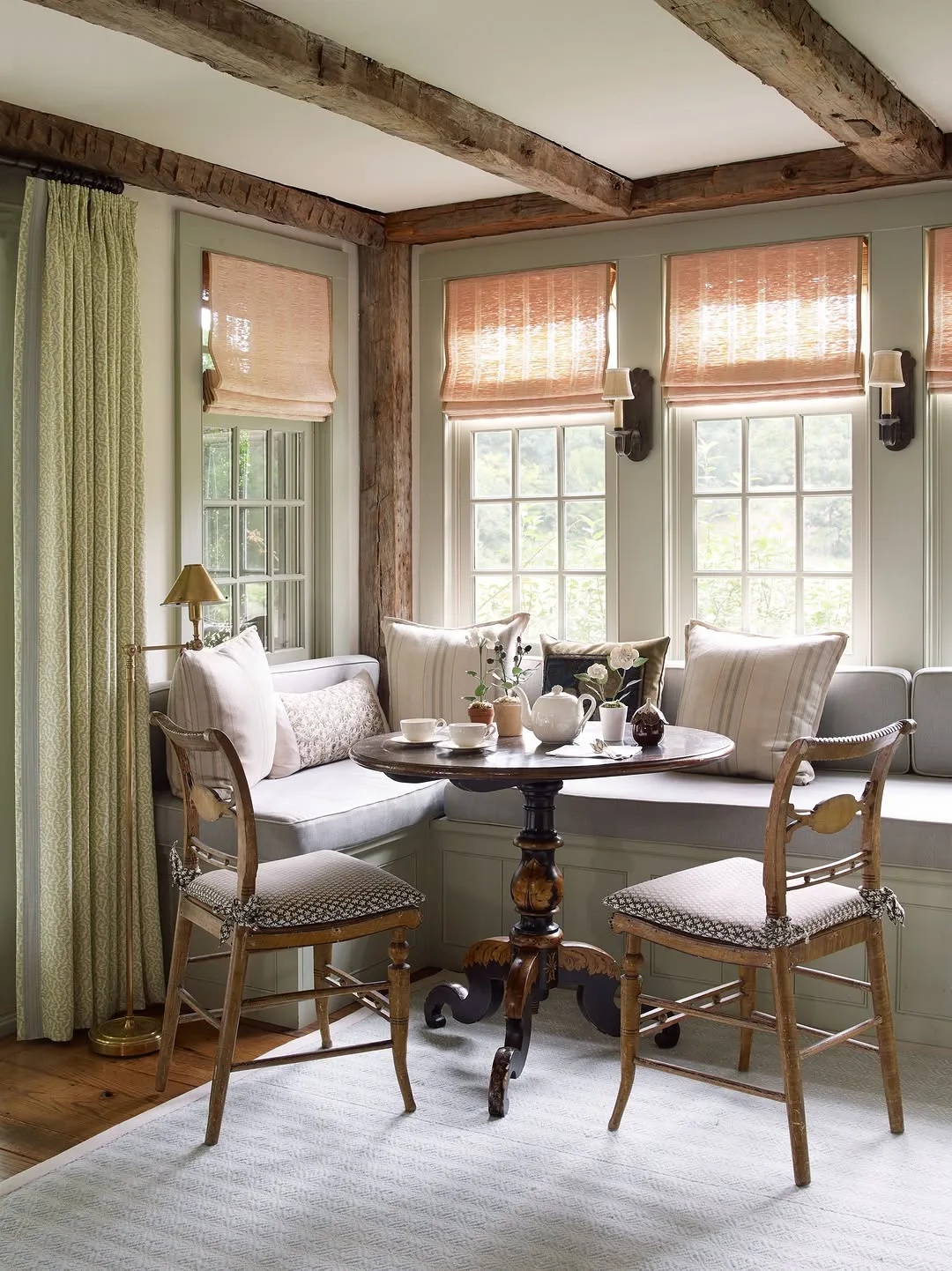
Seating in a spare corner turns unused floor space into the most loved spot in the whole house. One bench or two chairs with cushions beside a small table invites slow breakfasts, long talks, quiet morning reading, and cups of tea that never rush.
Build the nook near a window where morning light lands softly across the table. Keep the table small enough to leave walking room around it, and add thick seat cushions, one back pillow per person, and a folded throw for cooler days.
Window corners in kitchens of any size suit a nook well, because the space often holds nothing but a bin or a lonely plant stand. Couples and small families gain a daily ritual spot without giving up any real storage in the room.
Two chairs and a tiny round table filled the empty corner of one kitchen in a single morning of moving furniture. Breakfast moved there the next day, weekend papers soon followed, and the nook quickly began hosting every phone call and cup of tea.
Oversized tables squeeze a nook until nobody can slide into the seats with any comfort at all. Measure carefully before you buy, leave clear space to pull the chairs out, and keep the table surface mostly empty so the spot always looks ready.
Soft Metal Finishes in Brass and Bronze
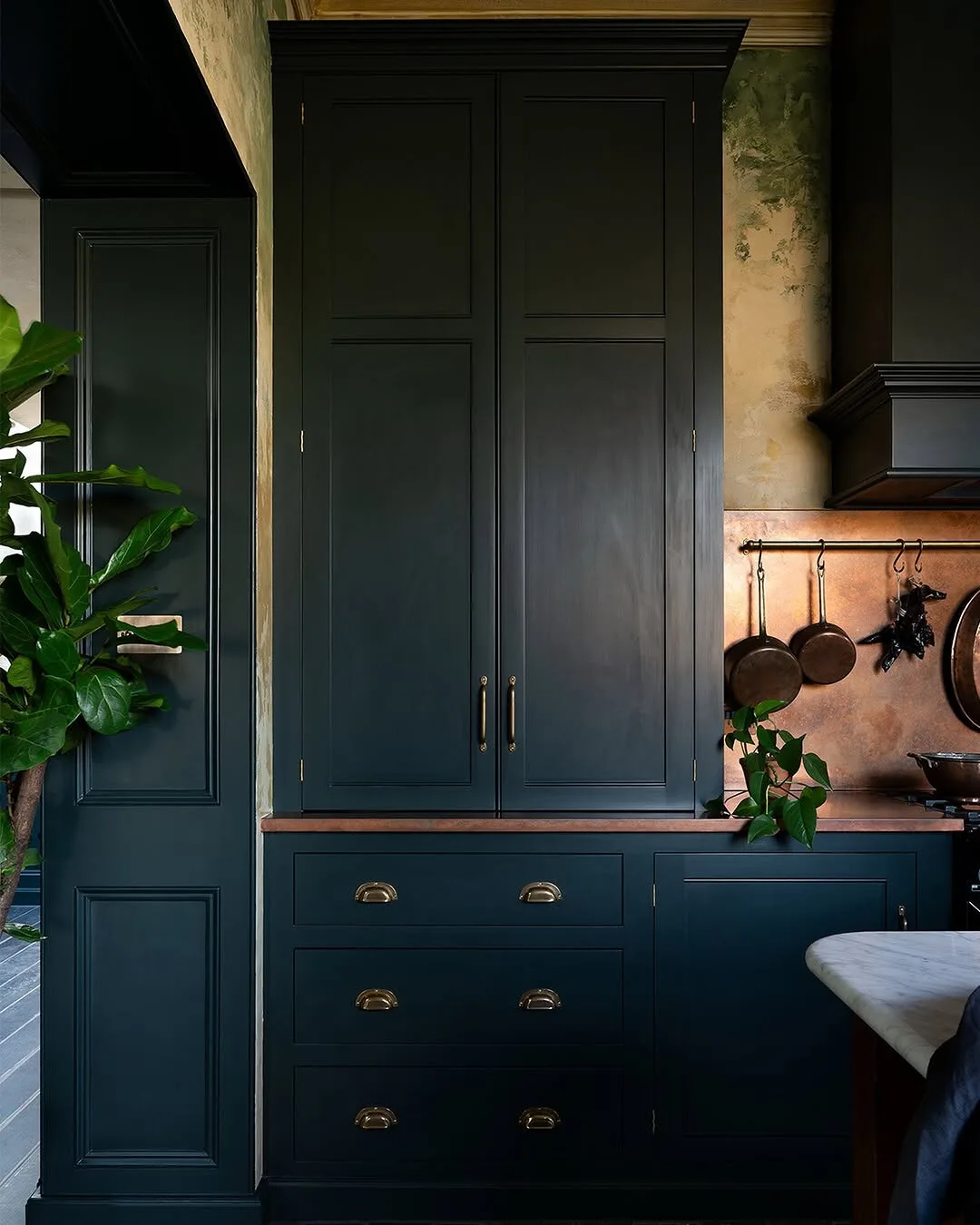
Metals set the temperature of a kitchen more quietly than most people expect when they plan a room. Brass, bronze, and warm copper toned finishes glow beside wood and cream, while shiny chrome can push the same room toward a colder, harder feel.
Swap handles, taps, or light fittings first, because small metal changes get touched every day and cost far less than new units. Keep one finish running across the whole room so the pieces read as one planned set rather than gathered accidents.
Plain white and grey kitchens gain the most from warm metals, since one row of brass handles can lift a whole wall of flat doors. Traditional rooms also carry bronze and brass with natural ease alongside wood, stone, and painted cabinets.
Her kitchen felt cold for years until she changed twelve handles and one tap to brushed brass in a single afternoon. Wood looked richer, cream walls looked warmer under the lamps, and the room finally felt finished after a long time waiting.
Mixing three or four shiny finishes makes even a tidy kitchen look accidental and restless to the eye. Count your metals before you shop, pick one warm finish, and polish it gently so the glow stays soft and calm rather than mirror bright.
Common Mistakes to Avoid
Filling every surface with decor undoes the calm that cozy rooms promise to everyone who enters. Counters crowded with ornaments leave no room for real cooking, and the kitchen starts to feel like storage. Keep each surface mostly clear and let a few good pieces do the work.
Cold light and cold colors shrink a kitchen faster than small size ever will on its own. Blue toned bulbs, grey walls, and steel everywhere can make the room feel clinical and unwelcoming. Balance them with warm light, natural wood, soft cloth, and one kind color repeated gently.
Buying everything in one weekend trip leads to matching sets with no history and no real comfort. Rooms end up looking furnished rather than gathered over time, and early mistakes cost more to fix later. Add pieces slowly from markets, gifts, and your own cupboards upstairs.
Ignoring daily mess makes even pretty kitchens feel uninviting within a week of normal family life. Crumbs under baskets, grease on shelves, and dead leaves in pots quietly spoil the mood for everyone. Small daily habits protect the cozy feeling far better than rare deep cleans.
Budget Friendly Cozy Kitchen Decor Ideas
Start with what your kitchen already holds, because spare cloth, spare boards, and a plant moved from another room can warm the space for nothing. Walk your home with fresh eyes and open every cupboard before any money leaves your pocket this month.
Paint and light give the biggest change for the least money, and honest budget friendly cozy kitchen decor ideas lean on both long before new furniture enters the picture. One tin covers a wall or a set of doors, and warm bulbs cost little yet change every single evening.
Second hand shops and market stalls overflow with baskets, boards, jugs, and sturdy chairs at low prices. Solid older pieces often outlast cheap new imports and carry more warmth into the room. Buy slowly, wash finds well at home, and let each piece earn its place over time.
Spend first where hands and eyes land daily, such as lighting, seating, and the spot beside the sink. Save on small ornaments and extra matching sets, where looks matter more than lasting quality. Small savings repeated weekly free money for the one piece everyone touches every day.
Tips for Making a Kitchen Feel Cozy
Keep counters nearly clear, holding one tray group, one plant, and only the tools you use daily. Clear space reads as calm to everyone who walks in, and the kitchen becomes easier and faster to cook in at the same time.
Repeat one warm color in three places, such as a rug, seat pads, and a jug on the shelf. Small echoes tie separate corners into one plan, which is why lasting cozy kitchen decor ideas rely on quiet repetition more than on bold single pieces bought in a hurry.
Light the room in layers instead of relying on one harsh ceiling bulb above everything. Under cabinet strips, one small lamp, or candles in the evening each add a gentle layer, and the whole room softens as the layers build through the day.
Add texture wherever hands land during the day, such as woven baskets, ribbed cotton cloths, and rough wooden boards. Hard and shiny rooms need soft and grainy pieces nearby to feel balanced, welcoming, and kind to spend time in every day.
Change one small thing with each new season instead of restyling everything in the room at once. Fresh herbs in spring, a deeper rug color in winter, and new candle scents in between keep the kitchen feeling cared for without fresh spending or stress.
FAQ
How Can I Make a Small Kitchen Feel Cozy Without Clutter?
Fewer and better pieces answer most of the problem in a small space. One plant, one warm light source, and one piece of soft cloth can change a small kitchen fully, as long as counters stay clear and every stored item has a proper home.
What Colors Make a Kitchen Feel Warmest?
Warm whites, cream, clay, soft terracotta, and muted sage all warm a kitchen gently without darkening it. Borrow your tones from wood, stone, and baked earth, and always test large samples in your own light at home before you commit to a full tin.
How Do I Add Warmth When I Cannot Paint?
Light, cloth, and natural wood do the whole job without touching a single wall in the room. Warm bulbs, a washable rug, seat pads, wooden boards, and plants on the sill can transform a plain cold kitchen within one weekend of small moves.
Which Lights Suit a Cozy Kitchen Best?
Warm toned bulbs near the soft color of candlelight flatter food, wood, and faces better than any cold white light. Layer under cabinet lights with one softer lamp or candles so no single harsh source rules the room during meals and evenings.
How Much Should I Spend to Make a Kitchen Cozy?
Very little money is needed if you shop your own home first and buy slowly afterwards. Most cozy kitchen decor ideas cost less than one family takeaway when you choose paint, warm bulbs, and second hand pieces instead of brand new furniture.
Where Should I Start If My Kitchen Feels Cold?
Begin with the light, because warm bulbs change the whole room tonight with almost no effort or cost. Add one plant and one piece of cloth next, live with the change for a full week, and then choose your third move with fresh eyes.
Conclusion
Cozy kitchens grow from simple layers rather than large budgets spent in one go. Warm light, natural wood, soft cloth, and a few loved pieces turn a plain workroom into a place where people gather, linger, and happily end the day together.
Choose two or three cozy kitchen decor ideas from this guide and set them up properly before adding anything more. Small finished changes settle far better than a whole room attempted in one rushed weekend, and daily life soon shows which ideas truly earn their keep.
Comfort stays alive through small habits, such as wiping shelves, washing cloths, and watering plants before they begin to fade. Rooms stay warm because someone keeps noticing them week after week, and honest attention costs nothing but a little time.
Enjoy the room you are building slowly, one corner at a time, with patience. Pour the coffee, light the candle, and let supper take its time, because the best cozy kitchen decor ideas simply support the good life already happening around your table.