
Winter Wreath Ideas
Cold January light can make a front door look plain once the Christmas garlands and bright baubles come down, and fresh winter wreath ideas solve that problem without bringing back the full festive look. Pinecones, eucalyptus, dried fruit, and soft neutral ribbon keep the entrance feeling warm and welcoming.
Swapping a Christmas wreath for a winter one also stretches your decorating budget, because many pieces move straight from one season into the next. Greenery, grapevine bases, and plain ribbon all carry over, so a small refresh often costs very little and still looks completely new.
Indoor walls deserve the same attention, since a wreath above a mantel, mirror, or console table softens a room through the darkest weeks of the year. Each idea below suits doors, hallways, kitchens, and living rooms, with notes on cost, effort, and the homes it suits best.
What Are the Best Winter Wreath Ideas for a January Door?
For most homes, the best January wreath uses natural materials in calm colours, with one clear focal point and a simple bow or none at all. Pinecone, eucalyptus, and white berry styles lead the list because they read as winter rather than Christmas and suit almost every door colour.
Natural texture does most of the work in winter wreath ideas for the quieter months, so choose one main material and repeat it generously around the ring. Cotton stems, birch twigs, dried oranges, and frosted pine all photograph well and hold up through weeks of cold weather.
Size matters more than decoration, and a wreath that fills roughly two thirds of the door width looks balanced from the street. Measure before you buy or build, keep the depth modest so the door still opens freely, and hang the centre at eye level.
Pinecone Wreath With a Linen Bow
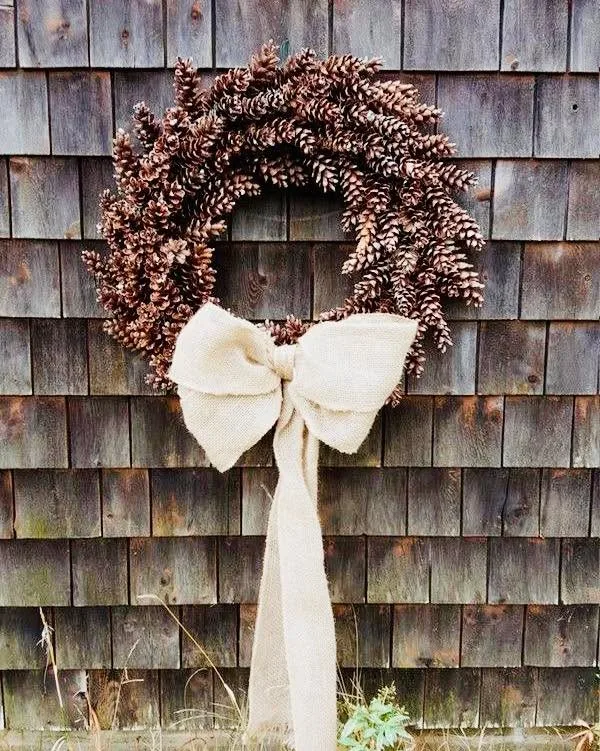
Pinecones in mixed sizes cover a grapevine or foam ring from edge to edge, and a plain linen bow sits at the top or lower side. Warm brown tones against natural linen give the door a calm woodland feel that suits the whole winter season.
Collecting cones from the garden or a park walk keeps the cost near zero, and a hot glue gun fixes each cone in overlapping rows. Bake collected cones briefly at a low heat to open them and remove moisture, then wire or glue the bow on last.
Brick, stone, and painted timber doors all carry this style well, and cottages gain the most from its rustic texture. Households that prefer natural materials over glitter will reach for this one again every January, because it never looks tired or dated.
Try dusting the cone tips with white paint on a dry brush for a frosted finish that lifts the whole wreath on grey days. Paint only the outer edges, keep the centres brown, and step back often to check the frost looks light and even.
Skipping the cleaning step leads to sticky sap on the door and tiny insects moving indoors as the cones warm up. Shake each cone outside, bake or freeze them before use, and let the finished wreath rest in a shed for a day before hanging.
Eucalyptus and Cotton Stem Wreath

Silver green eucalyptus leaves mix with fluffy white cotton stems on a slim grapevine base, giving a soft and airy look. Gentle colour suits pale doors and bright hallways, and the wreath feels fresh rather than festive, which makes it perfect for the weeks after Christmas.
Fresh eucalyptus dries in place and keeps its shape for weeks, while faux stems last for years and need no care at all. Tuck stems into the grapevine at an angle, work in one direction around the ring, and cluster the cotton in small groups of three.
Lovers of calm, neutral interiors will suit this wreath best, especially in homes with white walls, pale wood, and linen fabrics. Scandi style rooms gain texture from the round leaves, and the soft palette never fights with existing furniture or artwork.
Hang the wreath slightly higher than usual on a tall door so the airy stems frame the upper panel and catch the light. Inside, the same wreath works above a bed or over a mirror, where the pale leaves reflect daylight around the room.
Overloading the ring with too many cotton stems turns a light design into a heavy white blob that hides the eucalyptus. Keep cotton to about a third of the surface, spread the clusters evenly, and leave some grapevine showing for contrast and depth.
Dried Orange and Cinnamon Wreath

Slices of dried orange glow like stained glass against dark green fir, and cinnamon sticks tied in small bundles add warmth and a gentle scent. Golden fruit tones brighten a dull January doorway and nod to tradition without looking like a Christmas leftover.
Drying orange slices slowly in a low oven takes a few hours, and the slices must feel firm and leathery before wiring. Thread the slices on florist wire, tie cinnamon bundles with twine, and fix everything to a fir or grapevine base with hot glue.
Kitchen doors, farmhouse porches, and country cottages suit this wreath best, since the fruit and spice theme echoes cooking and baking. Homes that host Sunday lunches and slow winter gatherings will enjoy the welcoming scent each time the door opens.
Whole star anise and a few bay leaves tucked between the oranges deepen the scent and fill small gaps neatly. Keep the additions in the same warm colour family, and refresh tired slices with a drop of orange oil before guests arrive.
Hanging this wreath in damp weather ruins it quickly, because dried fruit absorbs moisture and can turn mouldy within days. Keep it under a porch roof or indoors on a kitchen wall, and store it in a dry box with tissue between the slices.
White Berry Winter Wreath

Clusters of white berries cover a ring of frosted greenery or sit alone on bare twigs for a clean, snowy effect. Pure white against a dark door looks striking from the street, and the simple palette carries the home from January into early spring.
Faux berry stems bend easily and survive rain, frost, and years of storage, so they suit this design better than fresh berries. Cut the stems short, push them into a foam or grapevine ring in even clusters, and angle some berries outward for a natural spread.
Dark painted doors in navy, charcoal, or deep green gain the most from the contrast, and modern homes suit the clean lines well. Minimal interiors also welcome the wreath indoors, where it adds texture to a plain wall without adding colour.
Pair the wreath with a plain white or silver ribbon, or skip ribbon completely and let the berries carry the design. Outdoors, matching white planters or a lantern beside the door repeat the snowy theme and make the entrance look planned rather than random.
Choosing berries that look too glossy makes the whole wreath read as plastic from a distance, which spoils the calm effect. Pick matte finishes, mix two berry sizes for realism, and dust the greenery lightly so nothing shines under porch lights.
Plaid Ribbon Farmhouse Wreath

Generous loops of plaid ribbon in red, cream, and soft green weave through plain greenery on a grapevine base. Checked fabric brings farmhouse warmth to the door, and the pattern adds interest without needing baubles, berries, or any extra decoration at all.
Wired ribbon holds its loops best, so choose a roll with wired edges in a width that suits your door. Form each loop by hand, pinch and wire the centre, then fix the loops in groups around the ring with greenery tucked between them.
Farmhouse and country style homes suit this wreath naturally, especially porches with timber benches, boots by the door, and woven baskets nearby. Families who decorate early and keep things up through winter will find the plaid pattern works for both Christmas and January.
Swap the bow position each year, top one season and lower side the next, and the same wreath feels new again. Store the ribbon loops stuffed with tissue so they keep their shape, and steam out any creases before hanging the wreath again.
Mixing two different plaids in one wreath creates a busy clash that fights with the greenery and looks untidy. Stick to one pattern, repeat its colours in a doormat or cushion if you like, and keep every other element plain and simple.
Birch Twig Wreath With Fresh Greenery

Pale birch twigs form a loose, sculptural ring, and fresh greenery threads through the gaps in soft green trails. Bare twigs show the structure proudly, which gives the wreath an honest, gathered feel that suits the quiet middle of winter.
Bending fresh birch or willow twigs into a circle works best just after cutting, when the wood still flexes without snapping. Overlap the ends, bind them with thin wire in several places, then weave in fir, ivy, or eucalyptus sprigs while the base sets.
Gardeners and anyone who enjoys making things from found materials will love this project, since most of it comes from pruning waste. Woodland homes and cabins suit the rough texture, and the wreath also hangs beautifully on a garden gate or shed door.
Refresh the greenery every few weeks by sliding out tired sprigs and pushing in fresh ones, and the wreath lasts all season. Mist fresh foliage lightly on dry indoor days, and keep the wreath away from radiators so the leaves stay green longer.
Forcing dry, brittle twigs into a tight circle snaps them and leaves the ring uneven and weak at the joins. Soak stubborn twigs in water overnight, bend them gently in stages, and accept a slightly loose shape as part of the handmade charm.
Snowy Flocked Pine Wreath

Thick flocking dusts every pine branch with soft white, turning a plain green wreath into a small snow scene for the door. Snowy finishes lead plenty of winter wreath ideas this season, since one coating changes plain greenery completely and pairs with silver ribbon or white berries.
Buying a ready flocked wreath saves mess, though flocking spray on a plain wreath costs less and covers just as well outdoors. Spray in light passes, let each coat dry, and shake the wreath outside so loose flock falls away before hanging.
Families who miss a white Christmas will enjoy this snowy look through January, and children love its storybook feel. North facing doors that get little sun keep the flocking bright longest, and the white finish flatters red brick and dark paint alike.
Keep decorations minimal, because the flocking already provides texture, colour, and a clear theme on its own. One silver bow or a short string of warm white lights is plenty, and plain styling keeps the snowy branches as the star of the door.
Bringing a flocked wreath straight indoors sheds white dust over floors and furniture for days, which quickly becomes annoying. Hang it outside first, brush it down after a week of weather, and store it in a bag so the flock stays on the branches.
Herb Wreath With Rosemary and Bay

Fragrant rosemary sprigs and glossy bay leaves cover a small ring with deep green texture and a clean, savoury scent. Herbs dry beautifully in place, so the wreath keeps its shape and colour for months while perfuming the hallway or kitchen softly.
Cutting herbs in the morning gives the strongest scent and the firmest stems for wiring into small bunches. Overlap the bunches around a wire or vine ring, tie each one tightly, and work quickly before the leaves wilt and lose their neat edges.
Cooks and keen gardeners suit this wreath best, and it belongs in a kitchen as much as on a front door. Small rings also make thoughtful gifts for neighbours, especially with a handwritten note suggesting the leaves can season winter soups and roasts.
Hang the wreath where air moves gently, such as beside a window or above a stove at a safe distance, so the scent spreads. Snip a sprig whenever a recipe needs rosemary, and the wreath earns its place as decoration and ingredient together.
Washing the herbs before wiring traps moisture inside the bunches and invites mould as the wreath dries indoors. Shake sprigs clean instead, remove any damaged leaves, and let the finished wreath dry flat for two days before hanging it on the wall.
Minimal Hoop Wreath With Fir Sprigs

One slim metal or wooden hoop carries a short sweep of fir sprigs tied to the lower third, leaving most of the ring bare. Negative space does the styling here, and the simple shape suits doors and walls that already have plenty going on.
Gold, black, and natural wood hoops all work, so pick a finish that echoes your door handle, house numbers, or picture frames. Wrap the sprigs with thin wire or twine at the base of the sweep, cover the binding with ribbon, and hang from a single hook.
Modern and minimalist homes suit this wreath best, since the clean circle echoes simple furniture and uncluttered rooms. Small flats gain a seasonal touch without visual weight, and the hoop also looks smart above a desk or in a narrow hallway.
Group three hoops of different sizes on one wall for a calm display that fills a large space without fuss. Keep the greenery sweep in the same position on each hoop, and the set looks deliberate, balanced, and quietly stylish all winter.
Placing the greenery at the top of the hoop makes the wreath look top heavy and oddly like a clock without hands. Anchor the sweep at the lower third instead, let one or two sprigs trail slightly, and check the balance from across the room.
Burlap and Lace Rustic Wreath
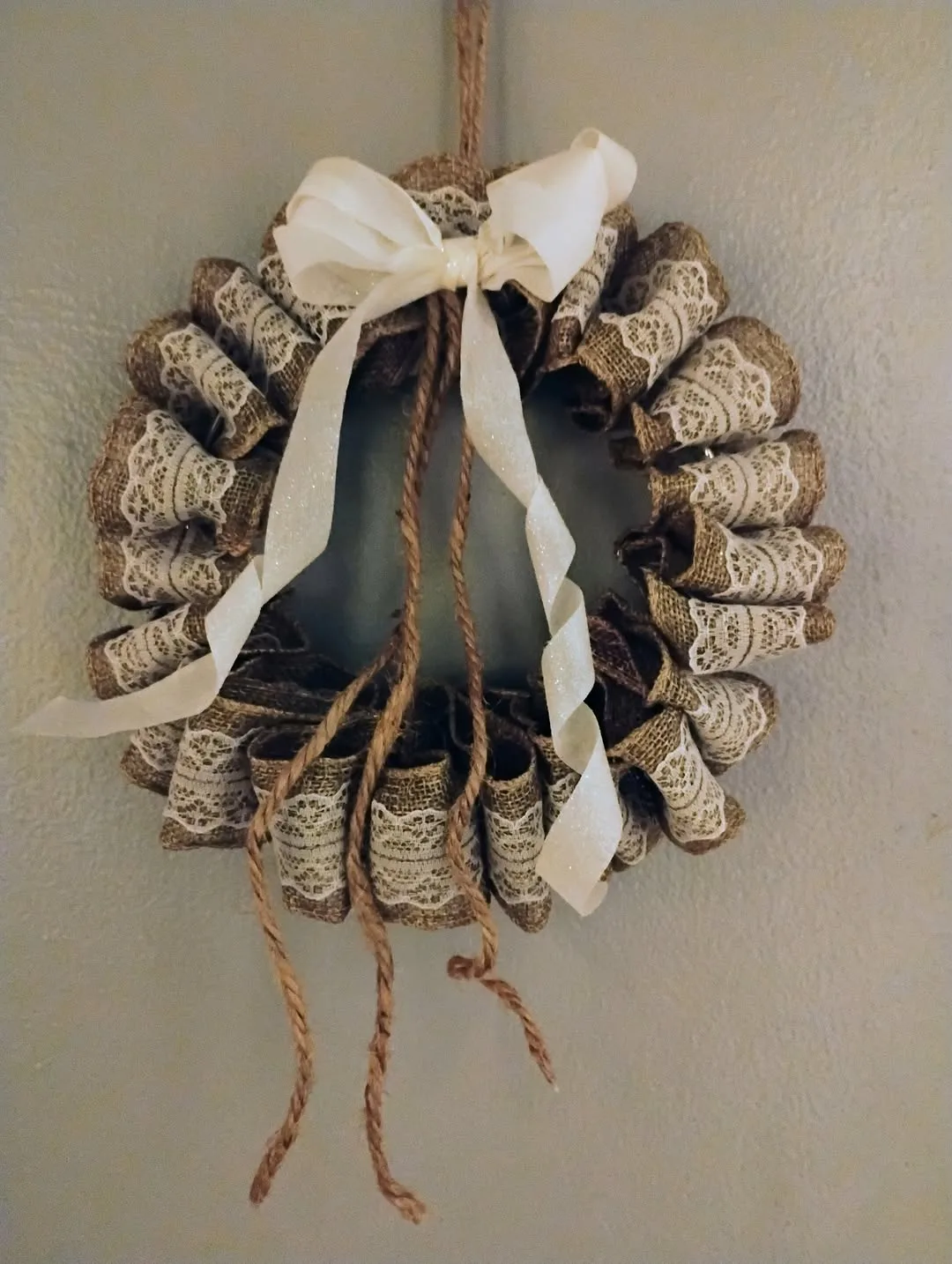
Rough burlap loops form the body of this wreath, and strips of cream lace soften the edges with a gentle contrast. Rustic texture meets a delicate finish, which suits winter weddings, country doors, and anyone who finds plain burlap a little too plain.
Looping burlap ribbon through a wire frame creates the full, ruffled body, and no sewing or glue is needed for the base. Weave lace strips through every few loops, knot the ends at the back, and finish with a small bow where the two fabrics meet.
Crafters with a fabric stash will suit this project, since offcuts of lace and leftover burlap both find a use here. Shabby chic and vintage style homes carry the soft look well, and the neutral colours blend with almost any door paint.
Press the finished wreath gently under a book overnight so the loops sit evenly and the lace lies flat. Fluff each loop by hand before hanging, and add one small wooden heart or initial if the centre of the wreath feels empty.
Leaving burlap edges raw and untrimmed sheds fibres over the doorstep and makes the wreath look tired within weeks. Choose woven ribbon with finished edges, trim stray threads before hanging, and keep the wreath under cover so rain cannot soak the fabric.
Silver and Blue Winter Wreath

Cool silver leaves, dusty blue berries, and frosted pinecones give this wreath an icy evening feel. Blue and silver echo January skies and early dusk, offering a calm change from the reds and golds that dominated the December decorating in most homes.
Start with a frosted or plain green base, then add silver eucalyptus, blue berries, and a few metallic baubles in odd numbered groups. Step back after each addition, because cool colours build quietly and the wreath can tip into looking cold rather than frosty.
Homes with grey, blue, or white colour schemes suit this wreath indoors and out, since the palette already lives in their rooms. Coastal homes also carry the icy tones well, and the design bridges winter into early spring without any changes.
Warm the scheme with one cream ribbon or a string of warm white lights so the blue never feels chilly on the door. Small touches of warmth keep the frosty idea welcoming, especially on doors that face away from the sun all day.
Using every shiny item you own at once turns the wreath into a disco ball that fights with the door. Limit metallic pieces to about a third of the surface, mix in matte berries and plain greenery, and let some base show through.
Woodland Wreath With Tiny Toadstools

Tiny red and cream toadstools peek from moss, pinecones, and twisted twigs on a storybook woodland wreath. Playful details reward a closer look, so this design suits doors where guests pause, such as porches with a bench or a sheltered step.
Moss glued over a foam or vine base creates the forest floor, and the toadstools push in on short wires wherever gaps appear. Add acorns, small cones, and a bird or two if you like, keeping the scale small so the scene stays believable.
Children and grandparents alike enjoy spotting the hidden details, which makes this wreath a sweet choice for family homes. Nature lovers will also suit the theme, and the wreath starts conversations with visitors before they even knock on the door.
Build the scene in one direction, with toadstools clustered like real fungi at the base of the twigs rather than spread evenly. Odd clusters look natural, even spacing looks planted, and a light dusting of white paint on the moss suggests frost.
Placing a woodland wreath in full weather fades the moss and rots the details within a single wet month. Keep it under a porch roof or hang it indoors on a playroom or hallway wall, where the small scene stays dry and visible.
Grapevine Wreath With Dried Flowers

Dried flowers in rust, cream, and faded gold tuck into a bare grapevine ring for a wreath that lasts the whole season. Strawflowers, grasses, and seed heads bring gentle colour to January, when fresh flowers cost more and fade within days.
Insert the stems directly into the grapevine twists, angling each one in the same direction so the arrangement flows around the ring. Group flowers in clusters of three or five, fill gaps with grasses, and fix any loose stems with a dot of glue.
Boho and relaxed country interiors suit this wreath indoors, where dried petals stay safe from wind and rain. Anyone who dries summer garden flowers will enjoy using their own bunches, and the result carries a little of the garden through winter.
Store spare dried stems in a paper bag so you can repair the wreath whenever a head snaps or fades. Replacing a few pieces each month keeps the colours balanced, and the wreath can return next autumn with a fresh set of flowers.
Hanging dried flowers on an exposed door invites wind damage, and brittle heads shatter against the frame with every gust. Choose a sheltered spot, keep the wreath indoors if storms are forecast, and never hang it where the door slams shut behind visitors.
Knitted Yarn Wreath in Cream
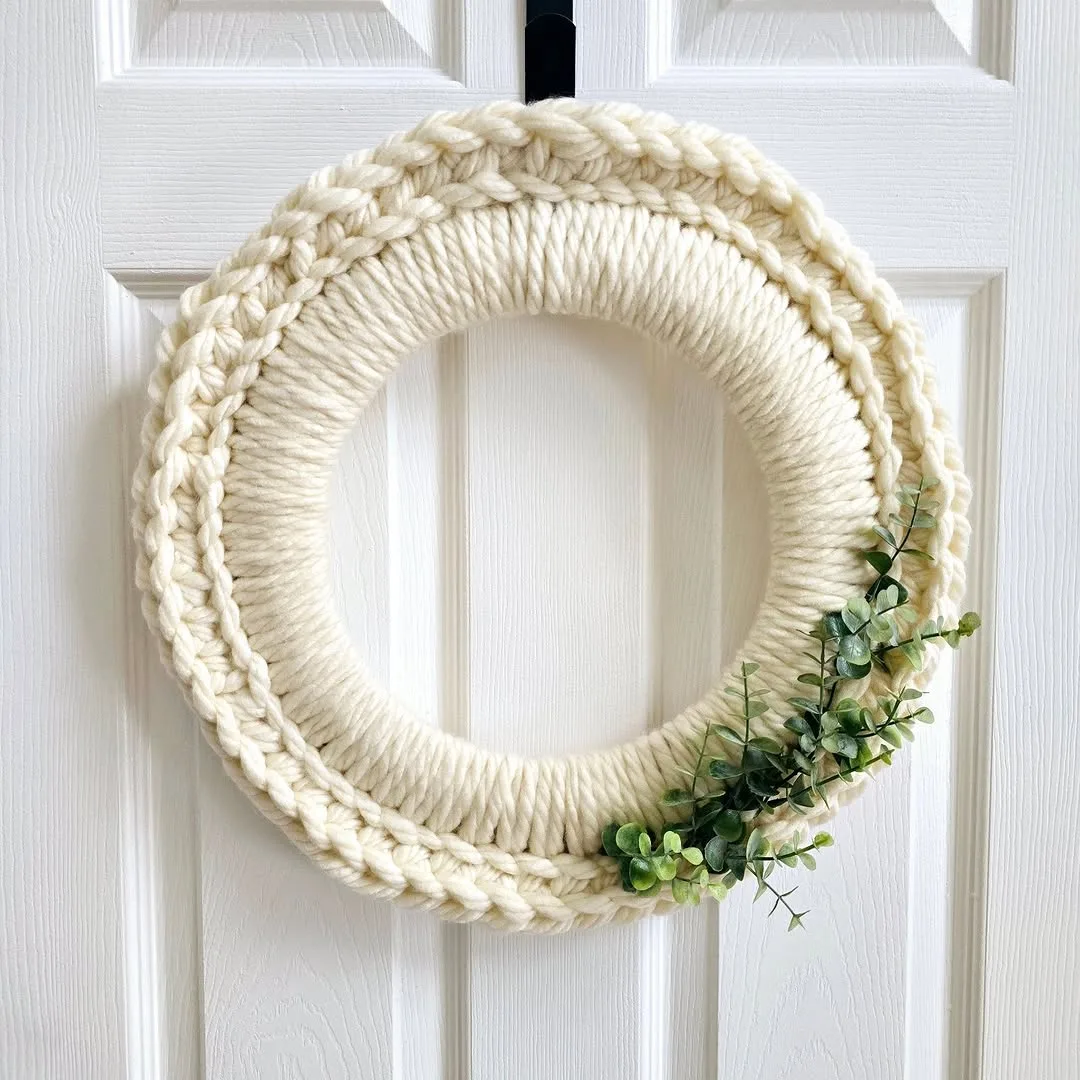
Soft cream yarn wraps a foam ring in neat rows, and a knitted bow or small felt flowers finish the cosy look. Woolly texture suits the coldest weeks of the year and makes the door feel dressed for winter rather than decorated for a holiday.
Wrapping takes patience more than skill, and a film or podcast makes the steady work pass quickly and pleasantly. Keep each row tight against the last, glue the ends at the back, and cover any thin patches with a second pass of yarn.
Beginners suit this project perfectly, because the materials cost little and mistakes hide easily under the soft fibres. Cosy homes with knit throws, cushions, and candles will carry the theme indoors too, especially on a bedroom or nursery door.
Choose chunky yarn for a bold, modern finish or fine yarn for a smoother and more delicate surface. Mixing two cream shades in alternating sections adds quiet depth, and a grey or sage bow gives the wreath a gentle lift.
Skipping the inner rows and wrapping only the front face leaves the foam showing from the side, which spoils the finish. Cover the full ring, check the wreath from several angles, and store it flat so the yarn keeps its neat shape.
Lantern Centrepiece Wreath With a Candle

Instead of hanging, this wreath lies flat around a lantern or a large candle as a table centrepiece for winter meals. Greenery, cones, and berries circle the glass, and candlelight through the leaves turns an ordinary supper into a small occasion.
Build the ring slightly wider than the lantern base so heat and glass stay clear of the greenery at all times. Battery candles give the same glow with no flame near the foliage, which makes them the safer choice for busy family tables.
Hosts who love winter gatherings suit this idea best, since the centrepiece works for Sunday roasts, birthdays, and quiet dinners alike. Small tables gain decoration without losing serving space, because the wreath sits flat and the lantern lifts the light upward.
Move the same wreath to a hallway console or hearth between meals, and one piece decorates three spots across the season. Changing the candle colour or adding fresh sprigs each week keeps the display feeling new without buying anything else.
Lighting a real candle inside dry greenery and walking away is a genuine fire risk, however pretty the table looks. Keep flames attended, trim foliage well back from the glass, or choose a good battery candle and enjoy the glow without worry.
Common Mistakes
Keeping the Christmas wreath up all winter is the most common slip, because tinsel, baubles, and Santa figures date the door the moment January begins. Swap in plain winter wreath ideas instead, store the festive pieces properly, and the entrance feels current rather than forgotten.
Wrong sizing ruins more wreaths than poor styling, since a small ring looks lost on a wide door and a huge one blocks the letterbox. Measure the door, aim for two thirds of its width, and check the depth against the storm door if you have one.
Weak fixings cause the saddest damage, because a falling wreath breaks on the step and can scratch paint or glass on the way down. Use a proper door hanger or strong ribbon over the top of the door, and test the hold with a firm tug.
Fresh greenery hung above a hot radiator dries, browns, and sheds needles across the floor within two weeks. Keep living foliage on outside doors or cool walls, mist it lightly, and accept that indoor fresh wreaths have a shorter and tidier life.
Buying every decoration in matching sets makes a door look like a shop display instead of a home that someone loves. Mix one bought piece with gathered, handmade, or leftover items, and the wreath gains the character that sets always lack.
Budget Friendly Winter Wreath Ideas for Every Home
Garden gatherings cost nothing, and pinecones, twigs, ivy, and seed heads build a handsome wreath with only wire and time. Walk after windy weather for the best pickings, clean everything before use, and let the natural shapes guide the design.
One grapevine or foam base reused across the year carries most winter wreath ideas for a few pounds or dollars at a time. Strip the base after each season, store it flat, and only the decorations change, which keeps every new wreath cheap.
Ribbon bought in end of season sales transforms plain greenery for very little money, and one roll often dresses two wreaths. Choose classic plaid, linen, or velvet in colours that suit several seasons, and store rolls in a dry box away from sunlight.
Faux stems cost more at first but pay for themselves after two or three winters of use without fading. Mix a few good faux pieces with free gathered materials, and the wreath looks generous while the yearly cost stays close to zero.
Sharing materials with a friend or neighbour halves the cost of oranges, cinnamon, and craft supplies bought in bulk packs. Spend one afternoon making wreaths together, swap leftover pieces, and both doors gain a handmade finish for less than one shop bought wreath.
Tips for Hanging and Caring for Your Wreath
Measure the hanging height with the door open and closed, because a wreath that sits perfectly at rest may knock against the frame. Eye level for the centre usually works, and a small felt pad behind the ring protects paint from rubbing.
Outdoor wreaths last longest under a porch roof or deep overhang, where rain runs off instead of soaking into the base. Check after storms, shake off standing water, and turn the wreath a quarter turn each week so weather fades it evenly.
Colour choices work harder in winter light, so test ribbon and berries against the door on a grey day before committing. Pale colours vanish against pale doors, deep colours disappear on dark paint, and contrast matters more than the exact shade.
Lighting a wreath with a small battery pack tucked behind the greenery adds evening welcome for very little effort. Choose warm white bulbs, set a timer if the pack has one, and keep the battery box somewhere dry and easy to reach.
Indoor wreaths gather dust quickly above doors and mantels, so a gentle shake outside every few weeks keeps them fresh. Soft brush strokes lift dust from berries and cones, and a quick check for loose pieces prevents small parts falling later.
Storage decides whether winter wreath ideas return next year or end up crushed beyond repair in a crowded cupboard. Hang each wreath on a hook in a bag, or lay it flat in a box with tissue, and label the box before it disappears into storage.
FAQ
How long does a fresh winter wreath last outdoors?
Most fresh greenery wreaths last four to six weeks outdoors in cold weather, and frost actually helps by keeping the foliage firm. Mist the back of the ring on milder days, keep the wreath out of direct sun, and remove it once the needles drop freely.
Can a winter wreath stay up after Christmas?
Yes, plain greenery, pinecone, berry, and neutral ribbon styles suit the whole winter season and never look out of place in January or February. Remove anything clearly festive, such as baubles or Santa figures, and the remaining wreath reads as winter rather than Christmas.
What size wreath suits a standard front door?
Doors of standard width suit a wreath between forty five and sixty centimetres across, which fills the middle panel without crowding the edges. Wider doors take larger rings happily, and double doors often look best with one modest wreath on each side.
How can a wreath hang without damaging the door?
Over door hangers in metal or clear plastic hold most wreaths without a single nail, screw, or sticky mark. Ribbon looped over the top of the door and fixed inside also works, and magnetic hooks suit metal doors where drilling is not an option.
Which materials survive rain and frost best?
Faux berries, cones, twigs, and grapevine bases survive rain and frost best, and they return each year without losing shape or colour. Dried fruit, fabric, and yarn suffer outdoors, so keep those wreaths under a porch roof or hang them inside instead.
Where else can a wreath hang besides the front door?
Mirrors, mantels, kitchen walls, bedroom doors, and the back of dining chairs all carry a wreath happily through winter. Smaller rings suit indoor spots best, and a flat wreath around a candle or lantern turns the same piece into a table centrepiece.
More Ideas to Explore
Door and porch styling pairs well with more seasonal guides from the site. Begin at the entrance with christmas front door decor ideas, continue outside with christmas porch decor ideas for steps and railings, style small outdoor spaces using christmas balcony decor ideas, and bring gentle light indoors with winter candle decor ideas for hall tables.
Conclusion
January doors and walls deserve better than bare paint, and winter wreath ideas prove that a ring of gathered greenery, cones, or berries can carry a home through the coldest weeks. Choose one material you love, keep the colours calm, and let texture do the talking.
Start with the wreath that matches your door, your budget, and the time you honestly have for making or maintaining it. Gathered and handmade styles cost least and carry the most character, while good faux pieces repay their price across many winters.
Small habits keep each wreath looking its best, from measuring before buying to storing the ring flat and dry in summer. Refresh greenery when it tires, repair loose pieces early, and your winter display will never look neglected or forgotten.
Pick one idea from this list, gather the materials this week, and hang the finished wreath while the season still has weeks to run. Doors greet every visitor and every homecoming, and a thoughtful wreath makes both feel warmer all winter long. Keep these winter wreath ideas in mind when the door looks bare in January, and let one green circle lift the whole front of the house.