Snow Day Activity Ideas
Snow day activity ideas turn an unexpected day away from school into a day the whole family remembers. Heavy snow closes roads, pauses routines and gives everyone rare time together at home. With a little planning, that time feels fun rather than long and restless.
Good snow days balance lively time outside with warm, restful breaks indoors. Children burn off energy in the cold air, then come inside for hot drinks, dry clothes and calm activities. Rotating between the two keeps moods steady and stops anyone getting too cold or too bored.
Most ideas in this guide use things already at home, like old gloves, kitchen basics and craft scraps. Safety runs through every suggestion, from layering clothes properly to keeping clear of icy roads. Pick a few favourites, spread them across the day and let children help choose.
What Are the Best Snow Day Activity Ideas?
The best snow days mix outdoor play, creative projects and cosy indoor time in roughly equal parts. Start outside while energy is high and the snow is fresh, then move indoors for crafts, games and warm food. Finish with something calm, like stories or a family film.
Simple snow day activity ideas work best because nobody has time to shop or prepare complicated equipment. Sledging, snow painting and fort building need almost nothing beyond warm clothing. Indoors, a craft table, a puzzle and a baking bowl can fill hours without screens or spending.
Planning the day in loose blocks helps everyone relax. Outdoor fun before lunch, creative time in the afternoon and a calm evening activity suits most families. Build in hot drink breaks every hour or so, because cold children quickly become grumpy children.
Build a Snowman Together
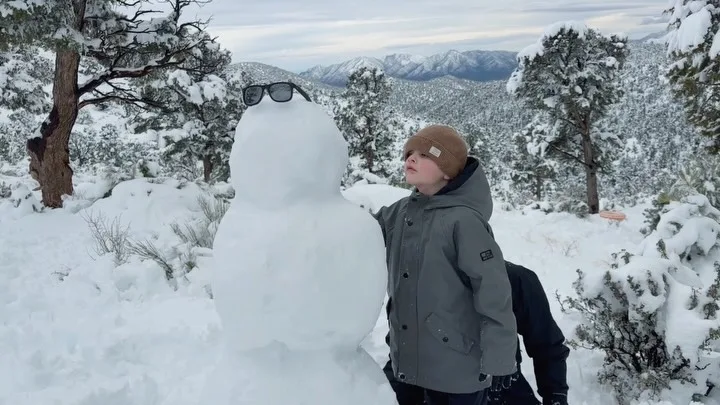
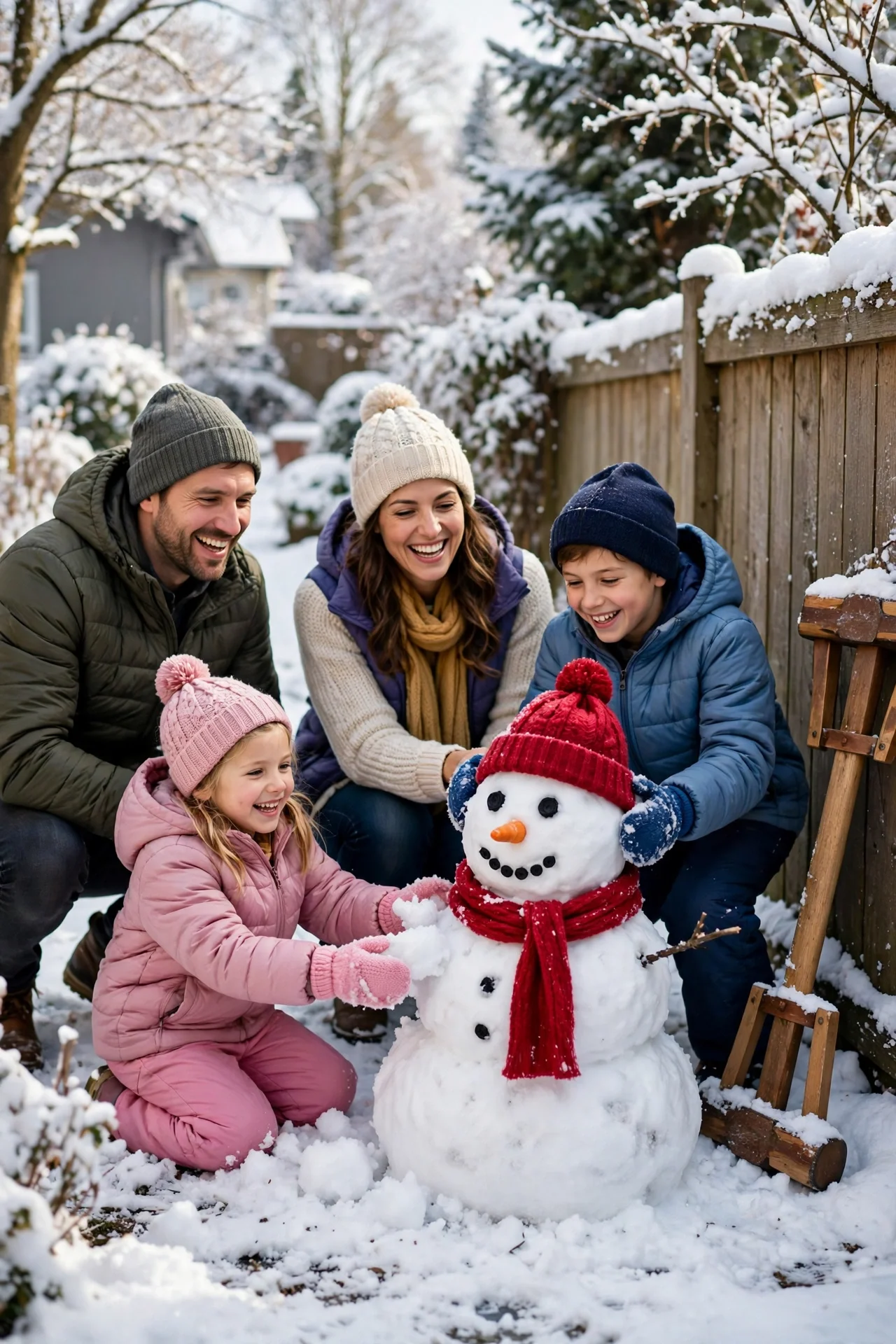
Rolling three big snowballs and stacking them into a friendly snowman is the classic snow day scene. Carrot noses, scarf wrapped necks and pebble eyes give the snowman real character. Families often photograph the finished figure before it melts into the garden.
Choose a flat patch of snow away from roads and parked cars, then roll the base ball until it feels firm and wide. Pack extra snow around the joins so the stack stands steady. Wet snow packs best, while powdery snow needs patience and gentle pressing.
Younger children love rolling the smallest ball and choosing the scarf, while older children enjoy the challenge of lifting heavier sections safely together. Toddlers can pat snow into place and hand over pebbles. Everyone gets a job, so nobody stands around getting cold and bored.
Try building a whole snow family, with one figure for each person and even one for the family pet. Hats and gloves from the dressing up box add colour and laughs. Photograph everyone beside their snowy twin before heading inside for hot drinks.
Building close to a road or driveway is the mistake to avoid, because drivers may not see children through falling snow. Pick a spot well inside the garden or park instead. Deep snow near fences can also hide sharp edges, so check the area first.
Snow Painting With Coloured Water
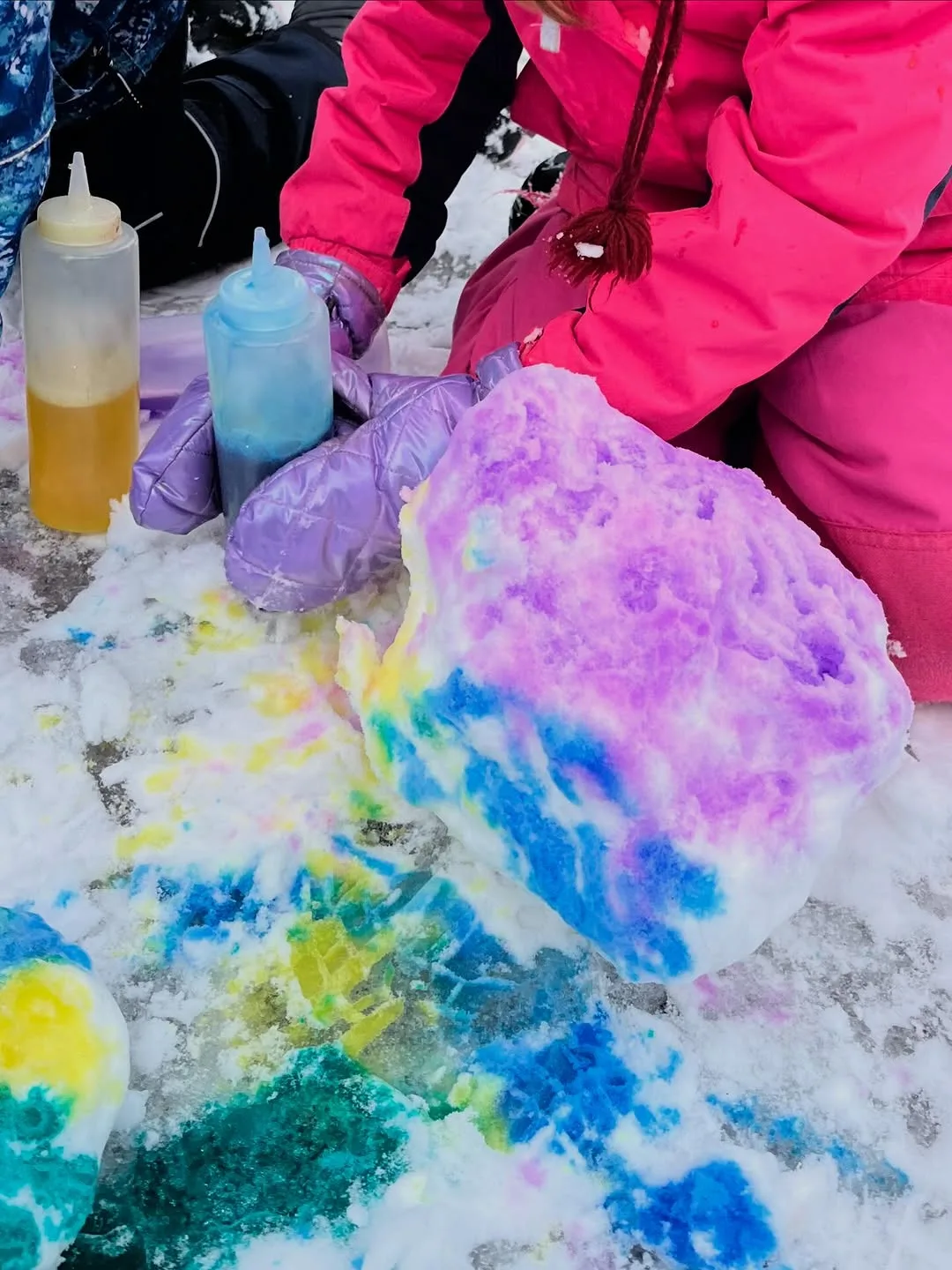
Filling spray bottles and squeezy bottles with water and food colouring turns plain white snow into a giant outdoor canvas. Children spray patterns, write their names and draw huge pictures across the garden. Colours show up brightly against fresh snow and wash away as it melts.
Mix the coloured water indoors at the sink, using warm water so little hands stay comfortable while bottles are filled. Strong colours work best, so add colouring generously. Old towels under the filling area catch drips and protect floors from stains.
Children aged three and up enjoy squeezing bottles, and the activity builds hand strength while they play. Older children plan bigger designs, like rainbows, flags or football pitches marked out in colour. Even reluctant artists usually join in once they see the first bright splashes.
Set a friendly challenge, like painting the longest rainbow or the funniest snow face on a mound. Photograph finished artwork from an upstairs window for the best view. Leftover coloured water freezes into bright ice shapes if poured into trays overnight.
Forgetting gloves is the common mistake here, because wet hands turn numb quickly while spraying. Dress children in waterproof gloves or spare woollen pairs they can swap when soaked. Dark colours near doorsteps can stain pale paving, so keep artwork on grass or deeper snow.
Sledging on a Gentle Hill
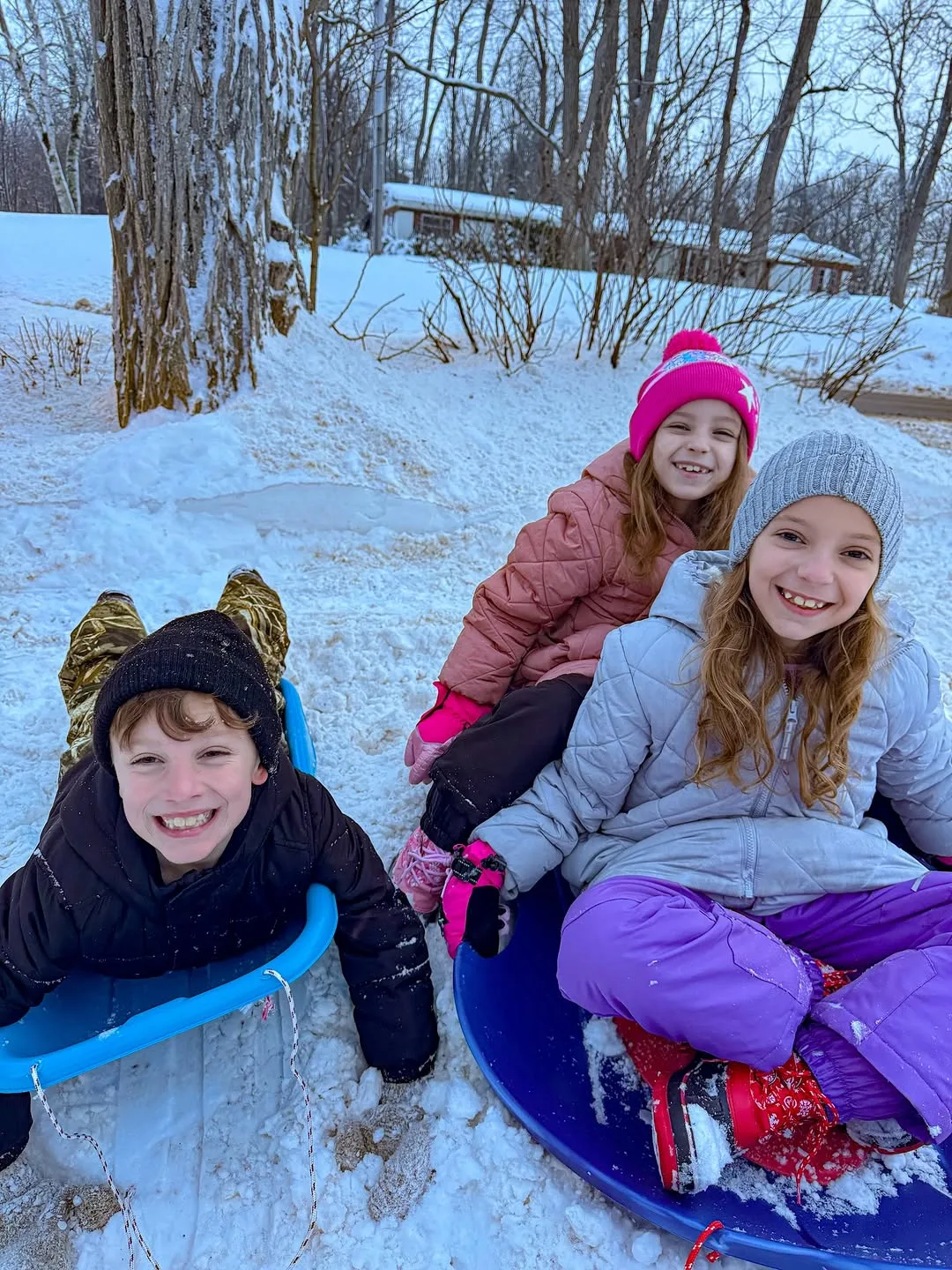
Sliding down a snowy slope on a sledge brings the biggest laughs of the day for most families. Gentle hills in parks or gardens give enough speed to thrill without real danger. Children race back up for another turn, getting plenty of exercise without noticing.
Walk the slope first and check for hidden stones, tree roots, ice patches and bumps under the snow. Choose a run that ends on flat ground well away from roads, fences and water. One adult at the top and one at the bottom keeps things organised.
Confident older children enjoy steeper runs and friendly races, while younger ones prefer short gentle slopes with an adult riding along. Nervous children can start by sledging across flat snow while someone pulls them. Everyone should take turns so the hill stays fair and calm.
Take a flask of hot squash or soup for the top of the hill, because sledging builds a real appetite. Short breaks between runs stop children overheating under their layers. Marking a finish line with sticks gives races a clear and cheerful ending point.
Letting children sledge toward a road or frozen pond is the serious mistake to avoid at all costs. Speed builds quickly and steering a sledge is harder than it looks. End every session while everyone is still happy, rather than waiting for tears or an accident.
Snow Fort and Igloo Building
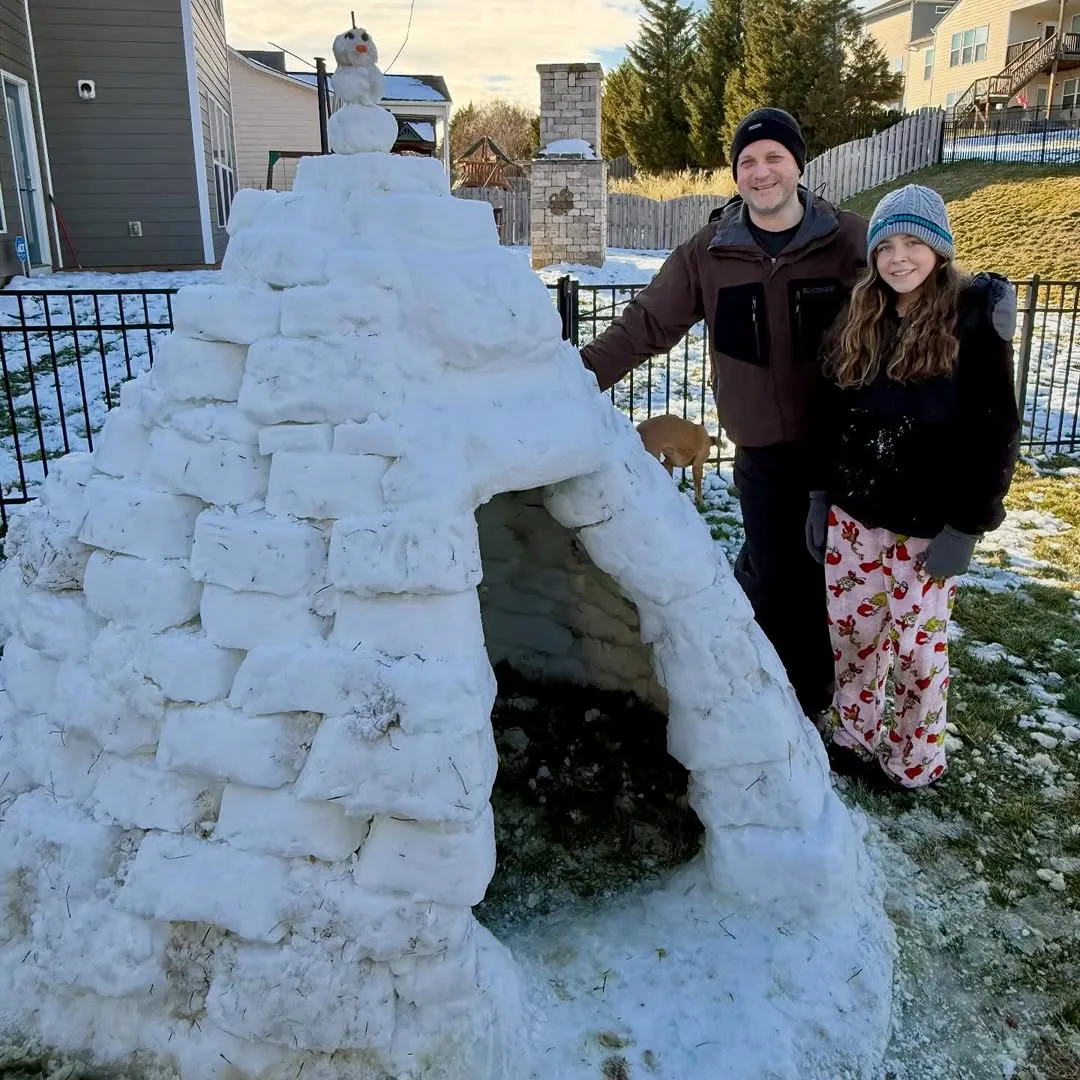
Packing snow into blocks and stacking them into walls creates forts, dens and small igloos that last for days. Children defend their fort, host pretend shops inside or simply enjoy a sheltered spot out of the wind. Building together teaches patience, planning and teamwork.
Use a plastic storage box or bucket as a mould, filling it with snow and tipping out neat blocks in rows. Leave a gap for the doorway and build walls in a curve for strength. Spraying the finished walls with water overnight freezes them solid.
Builders of all ages enjoy this project, from toddlers stacking single blocks to teenagers engineering arched doorways. Patient children who like construction toys usually stay happily busy for hours. Roles suit everyone, since some can mould blocks while others carry, stack and decorate.
Add a flag made from an old scarf on a stick, and the fort becomes a castle worth defending. Windows cut carefully into thick walls let in light and look impressive from outside. Cushions and a blanket inside turn the fort into a reading den.
Tunnelling through deep snow banks or building heavy roofs is dangerous and should never be part of the fun. Snow collapses without warning and can trap a child quickly. Keep structures low, open and easy to climb out of, with an adult watching nearby.
Winter Scavenger Hunt
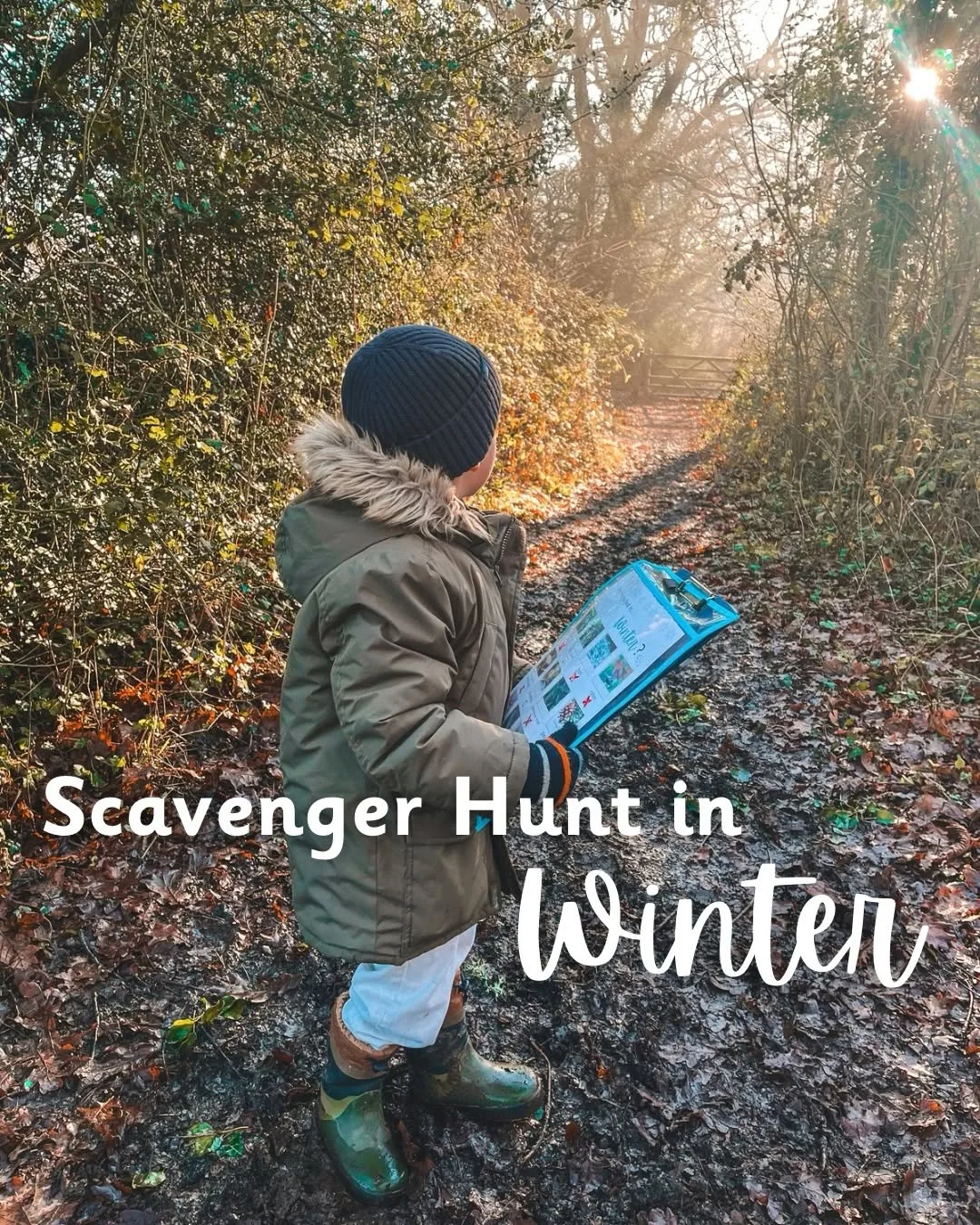
Handing each child a list of winter things to find turns a simple walk into an exciting mission. Icicles, animal tracks, a red door and something sparkly all hide in plain sight on snowy streets. Tick lists and small prizes keep everyone moving and looking closely.
Write the list together before leaving, mixing easy finds for younger children with trickier ones for older hunters. Ten to fifteen items fill a good walk without dragging on too long. Carry pencils rather than pens, because ink often stops working in the cold.
Families with mixed ages can hunt in pairs, teaming a younger child with an older one for fairness. Children who dislike long walks often forget the distance while searching for the next item. Indoor versions work too, using winter objects hidden around the house.
Offer a small prize for the silliest find or the best photograph, not only for finishing first. Challenges like finding something beginning with each letter of a name stretch the game further. Hot drinks and biscuits waiting at home make a perfect finishing line.
Wandering off alone or crossing icy roads without looking is the mistake that spoils a hunt. Set clear boundaries before starting and keep the group within sight of an adult. Phones and gloves get dropped in snow, so zip pockets and check belongings at every stop.
Baking Cosy Treats Indoors
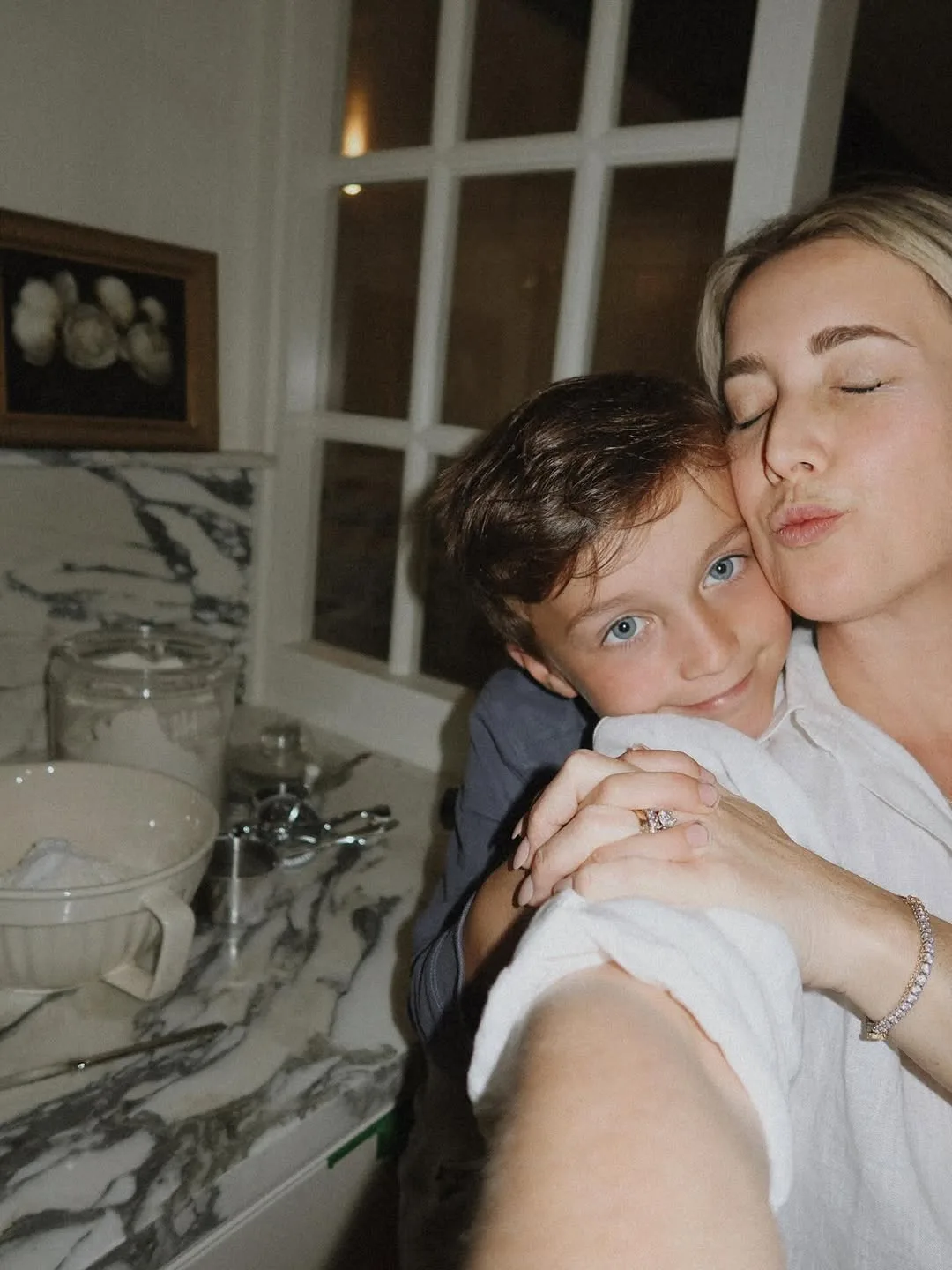
Rolling out biscuit dough while snow falls outside the kitchen window feels like the heart of a snow day. Warm ovens, sweet smells and shared tasting make the kitchen the happiest room in the house. Simple bakes suit snow days because cupboards hold the basics already.
Pick one or two easy bakes, like plain biscuits, flapjack style bars or simple sponge cakes, rather than attempting anything fancy. Read the instructions through first and lay out ingredients before children start helping. Jobs like stirring, cutting shapes and decorating keep small hands busy.
Little bakers love cutting shapes and adding sprinkles, while older children can weigh ingredients and watch timings with supervision. Anyone who dislikes the cold gets a warm, useful role indoors. Tasting the results together afterwards is half the pleasure of the whole activity.
Decorate biscuits as snowmen, snowflakes and penguins with white icing and dark chocolate drops for eyes. A baking box given to grandparents or neighbours spreads the snow day cheer further. Photograph the best creations before eager hands eat the evidence.
Leaving children unsupervised near a hot oven is the mistake that matters most in the kitchen. Adults handle trays, oven doors and hot tins every single time. Flour and icing sugar spread everywhere during baking, so aprons and a quick tidy as you go help.
Snow Day Craft Table
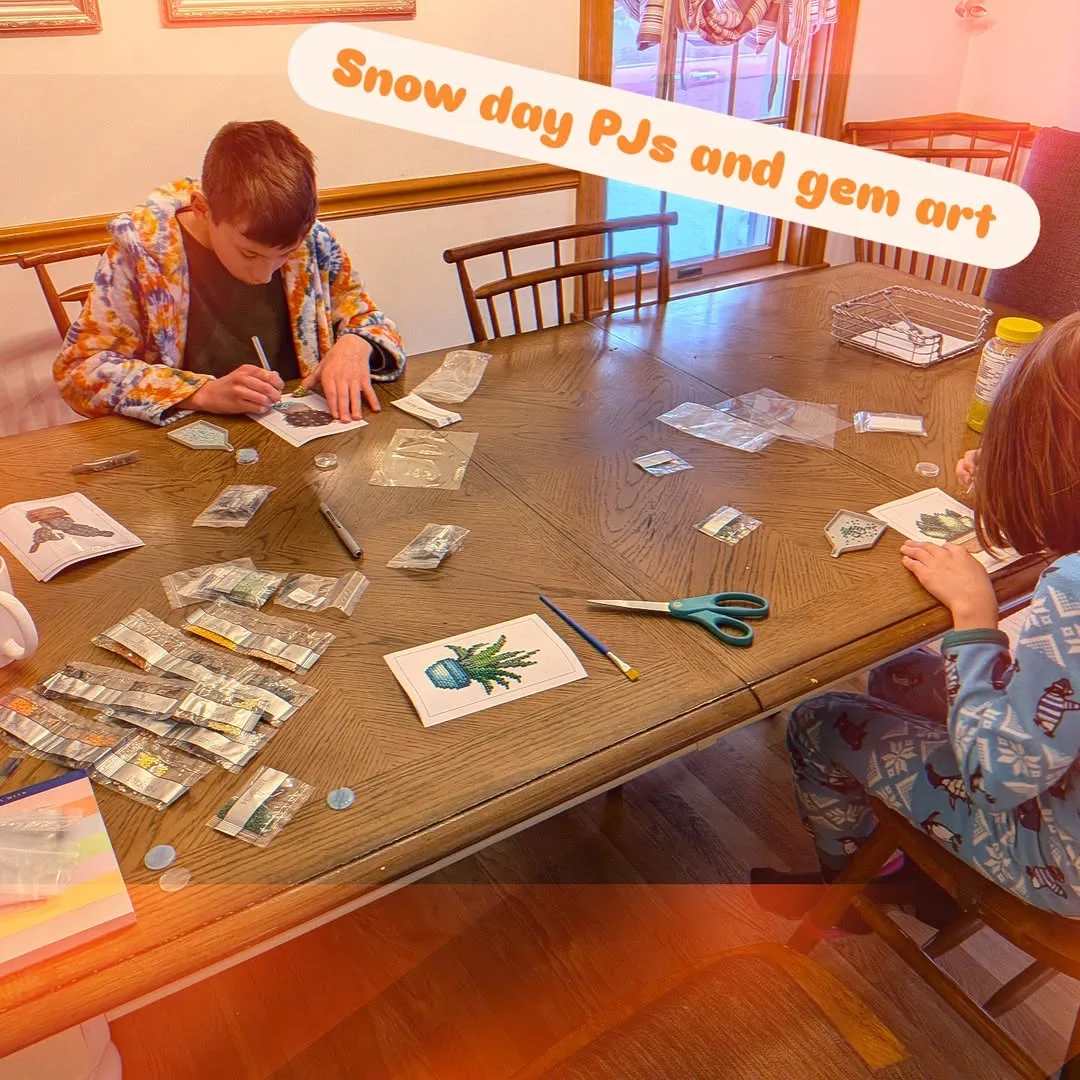
Covering the kitchen table with paper and laying out craft basics turns a grey afternoon into a busy workshop. Paper snowflakes, painted pinecones, cards and collages appear quickly once materials sit within reach. Children drift back to the table between other snow day activity ideas all day long.
Gather supplies the night before or during breakfast, using scraps, old cards, buttons, ribbons and leftover wrapping paper. Glue, safe scissors, pencils and paints form the basic kit most projects need. A tray or box for each child keeps their work separate and tidy.
Crafty children settle happily for hours, while less confident ones enjoy simple projects like paper chains and snowflake cutting. Grandparents often shine here, teaching skills and telling stories while hands stay busy. Displaying finished work on the fridge or windows rewards every effort kindly.
Hang paper snowflakes at the windows with thread, and the whole room feels like a winter grotto by teatime. Cutting folded paper into lacy patterns never gets old, whatever a child's age. A family craft competition with silly categories adds laughter to the afternoon.
Spreading glue and glitter across good furniture is the mistake that causes the most sighs from adults. Cover surfaces properly, keep wipes nearby and set glitter over a tray only. Craft time straight after lunch often works better than late evening, when tired hands spill more.
Board Games and Puzzle Marathon
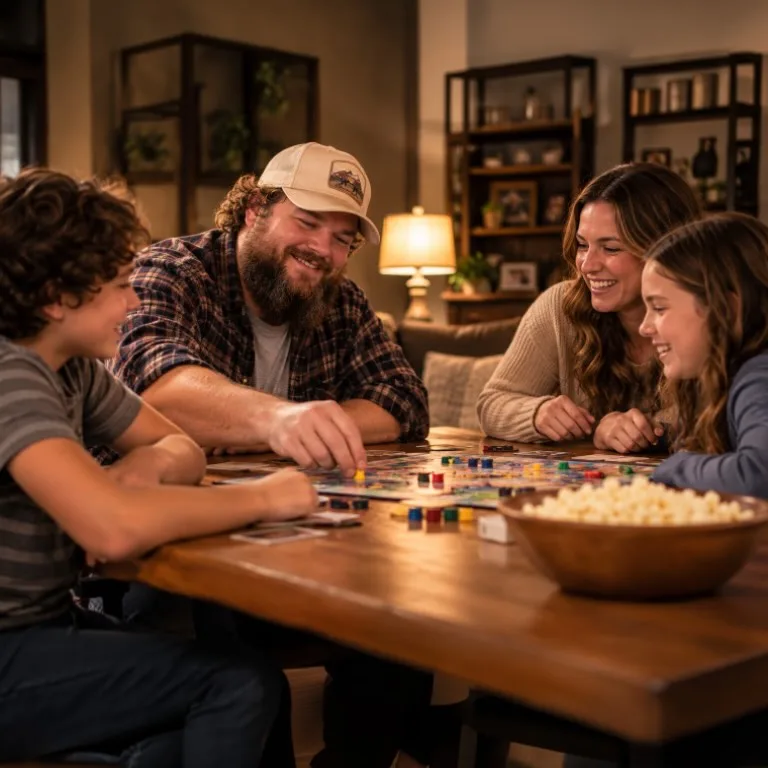
Laying out board games and a big shared puzzle gives the day a friendly competitive heart. Old favourites come down from cupboards, rules get argued about cheerfully and rematches fill quiet gaps. Warm drinks and snacks at the table complete the cosy picture.
Start with short games everyone knows, then move to a longer game or a thousand piece puzzle after lunch. Teams balance strong players with younger ones so nobody feels outclassed. A running scoreboard across the day adds gentle excitement to every round.
Competitive teenagers enjoy tournaments and card games, while younger children prefer simple matching and counting games with quick turns. Quiet children often love puzzles most, working steadily while chatter flows around them. Mixing game types across the day keeps every age group interested.
Create a family championship with homemade medals, a silly trophy and titles like champion of the day. Photograph the winner holding the trophy for the family album. Losing gracefully deserves praise too, so celebrate good sports as loudly as the winners.
Choosing games that drag on for hours or leave younger children waiting is the mistake that causes arguments. Pick games with short rounds and let children sit out a round without fuss. Sore losing settles faster when the next fun thing starts quickly.
Indoor Den and Movie Afternoon
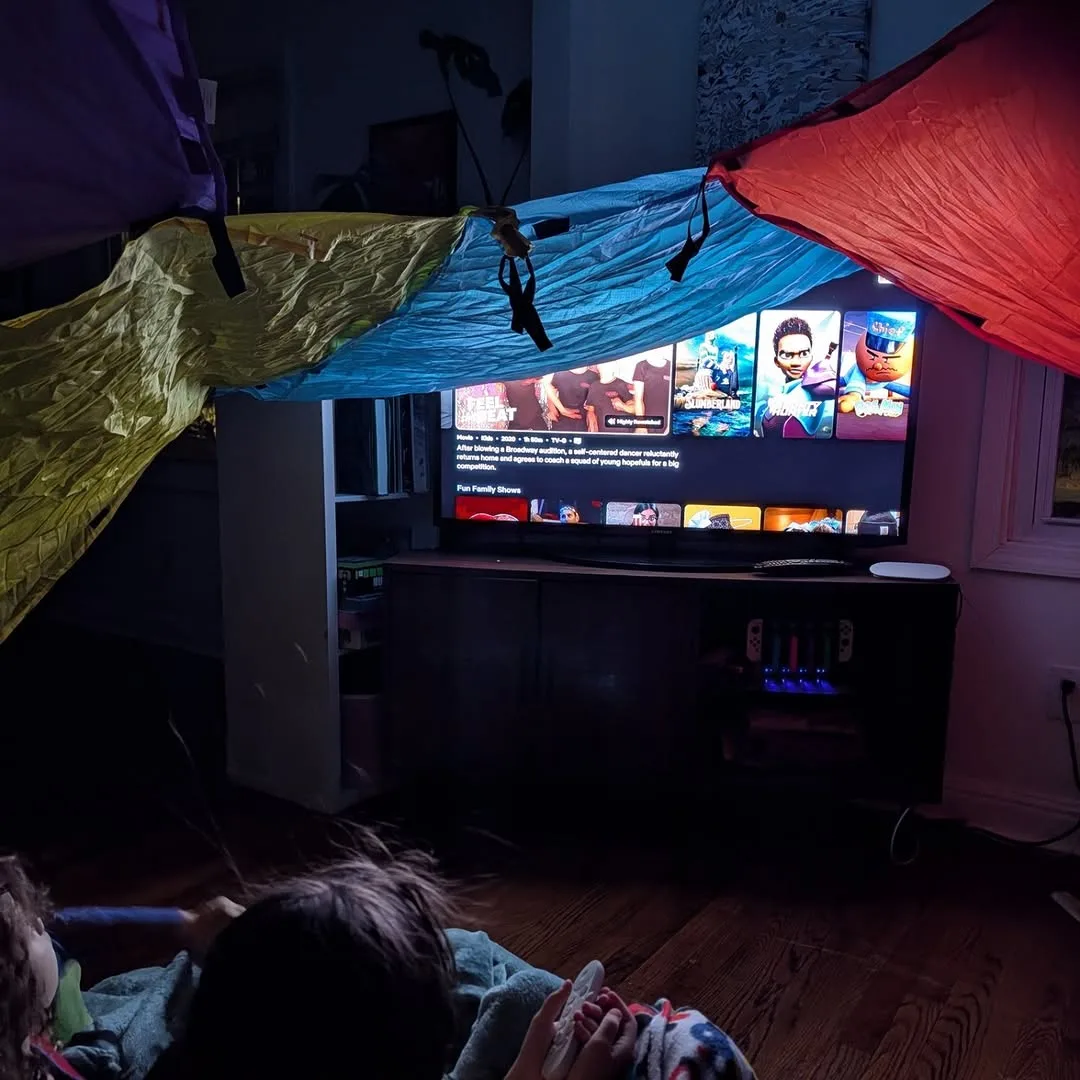
Draping blankets over chairs and sofas builds a den that feels like a secret world in the middle of the house. Cushions, torches and favourite toys move in within minutes. Once the den stands, a family film with snacks turns the afternoon properly cosy.
Build the den where it blocks nothing important, like doorways or heaters, and let children lead the design. Pegs and cushions hold blankets in place better than tape on walls. Battery torches give safe light inside, and a small gap keeps air flowing comfortably.
Film fans of every age enjoy this one, from toddlers watching short cartoons to grandparents enjoying old favourites. Children who struggle to sit through whole films can dip in and out of the den happily. Quiet siblings often claim the den later for reading and drawing.
Serve popcorn, warm milk or hot chocolate in the den like a tiny home cinema with tickets made from card. Choosing the film by family vote avoids long arguments about taste. Intermission breaks for the toilet and more snacks keep small viewers comfortable.
Blocking a heater or covering vents with den blankets is the mistake that creates a real safety risk. Keep fabric well away from anything warm and never leave candles anywhere near the den. Adults should check the den setup before children settle inside it.
Snowball Target Practice
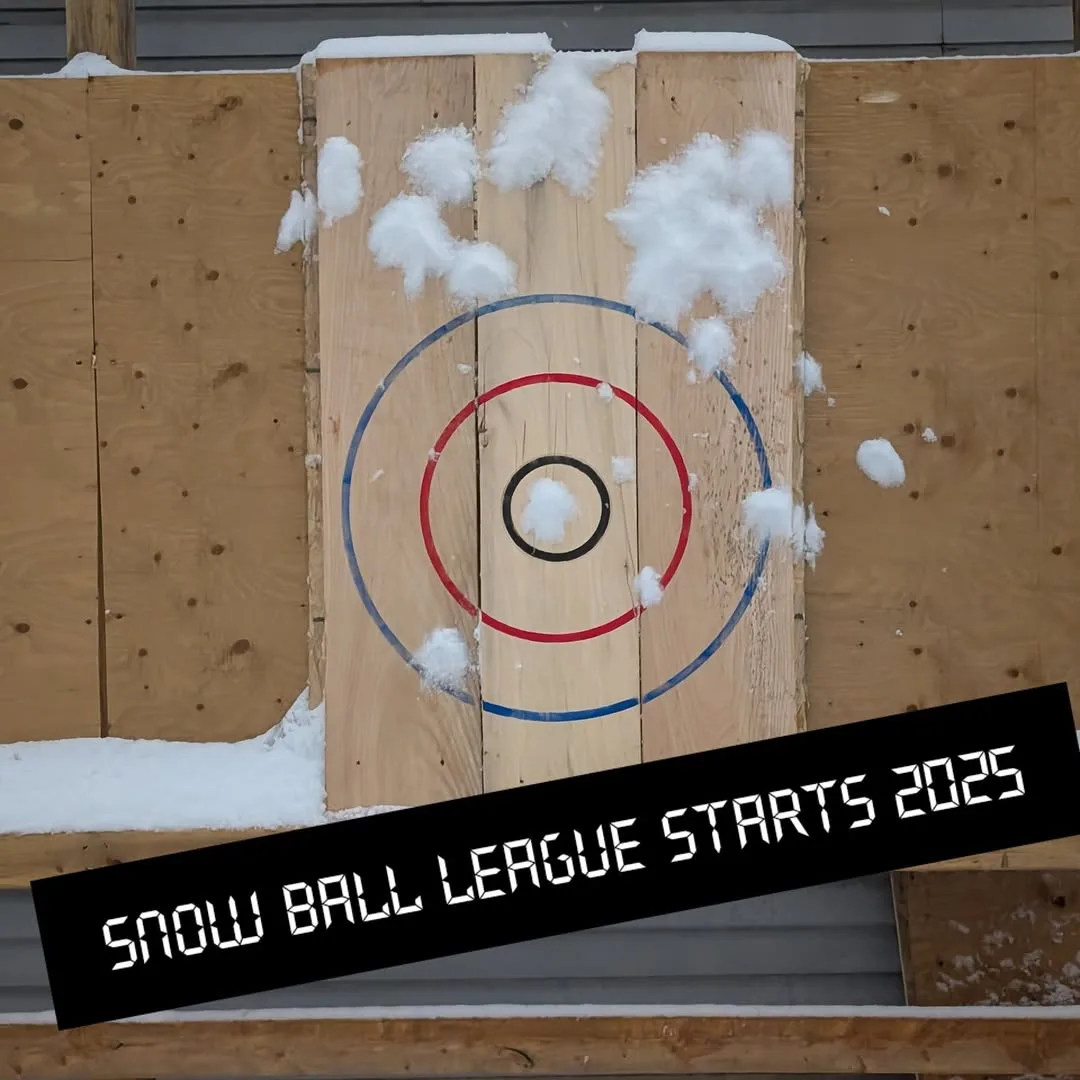
Lining up empty tins, buckets or cardboard boxes as targets turns snowball throwing into a proper game with points. Children throw from marked lines and cheer every hit loudly. Soft fresh snow makes safe balls that crumble on impact without hurting anyone.
Set targets against a fence or wall so stray throws hit nothing fragile, and mark throwing lines with sticks. Younger children stand closer, older ones further back, keeping scores fair across ages. Count hits out of ten throws each for simple scoring.
Energetic children who need to burn off steam love this game, especially between calmer indoor activities. Quieter children often surprise everyone with careful aim and steady hands. Spectators enjoy keeping score and resetting targets, so nobody feels left out of the fun.
Draw a big target face on cardboard and prop it against the fence for bonus points in the middle circle. Snowman targets that lose their heads when hit cause the biggest cheers. Warm up throwing arms first with a few gentle practice throws.
Throwing snowballs at people, windows, cars or passing strangers is the mistake that ends the game badly. Icy or gritty snow hides stones and hurts, so check handfuls before throwing near targets. Clear rules agreed before starting keep the game friendly for everyone.
Winter Nature Walk and Bird Spotting
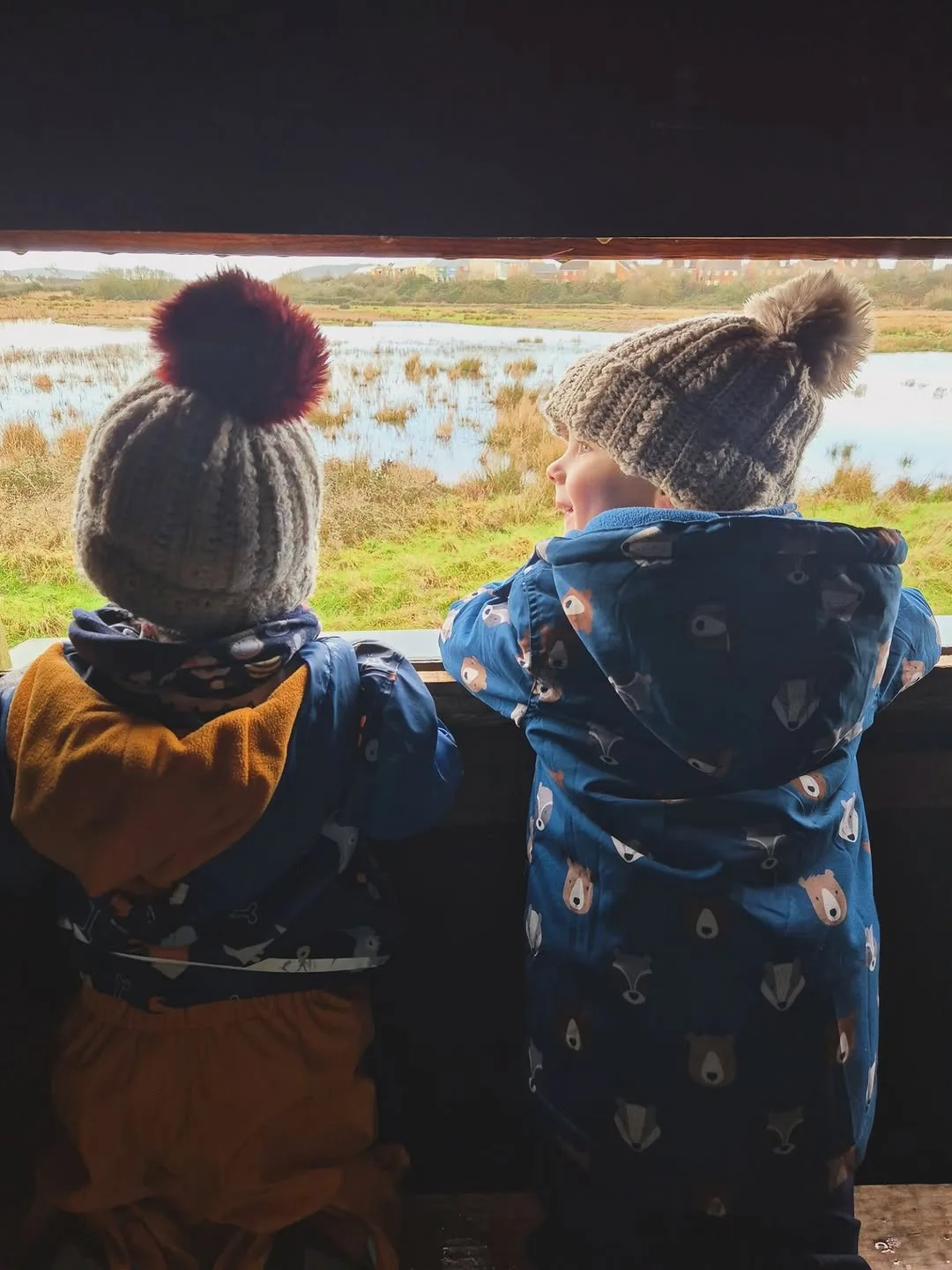
Wrapping up warmly and walking slowly through snowy streets reveals a quieter, prettier version of the neighbourhood. Birds search for food, animal tracks cross gardens and frozen puddles crackle under boots. Cameras and notebooks turn the walk into a gentle nature study.
Plan a short circular route on pavements that others have already walked, avoiding untreated icy slopes and busy roads. Tell someone at home the route and expected return time. Boots with good grip, spare gloves and a warm hat each make the walk comfortable.
Curious children enjoy spotting tracks and guessing which animal passed in the night. Older walkers can photograph winter scenes or record birdsong on a phone for later listening. Anyone who loves quiet time outdoors finds this walk restful rather than tiring.
Hang a simple feeder made from a pinecone coated in seeds before the walk, then watch from the window afterwards. Birds visit quickly once they trust a new feeding spot. Listing every bird spotted during the day gives the walk a satisfying score.
Walking on frozen ponds, lakes or rivers is the mistake that must never happen, however solid the ice looks. Ice thickness varies and cold water is deeply dangerous. Keep to paths and banks, hold young children's hands near any water and turn back if paths feel unsafe.
Story Writing and Snow Day Journals
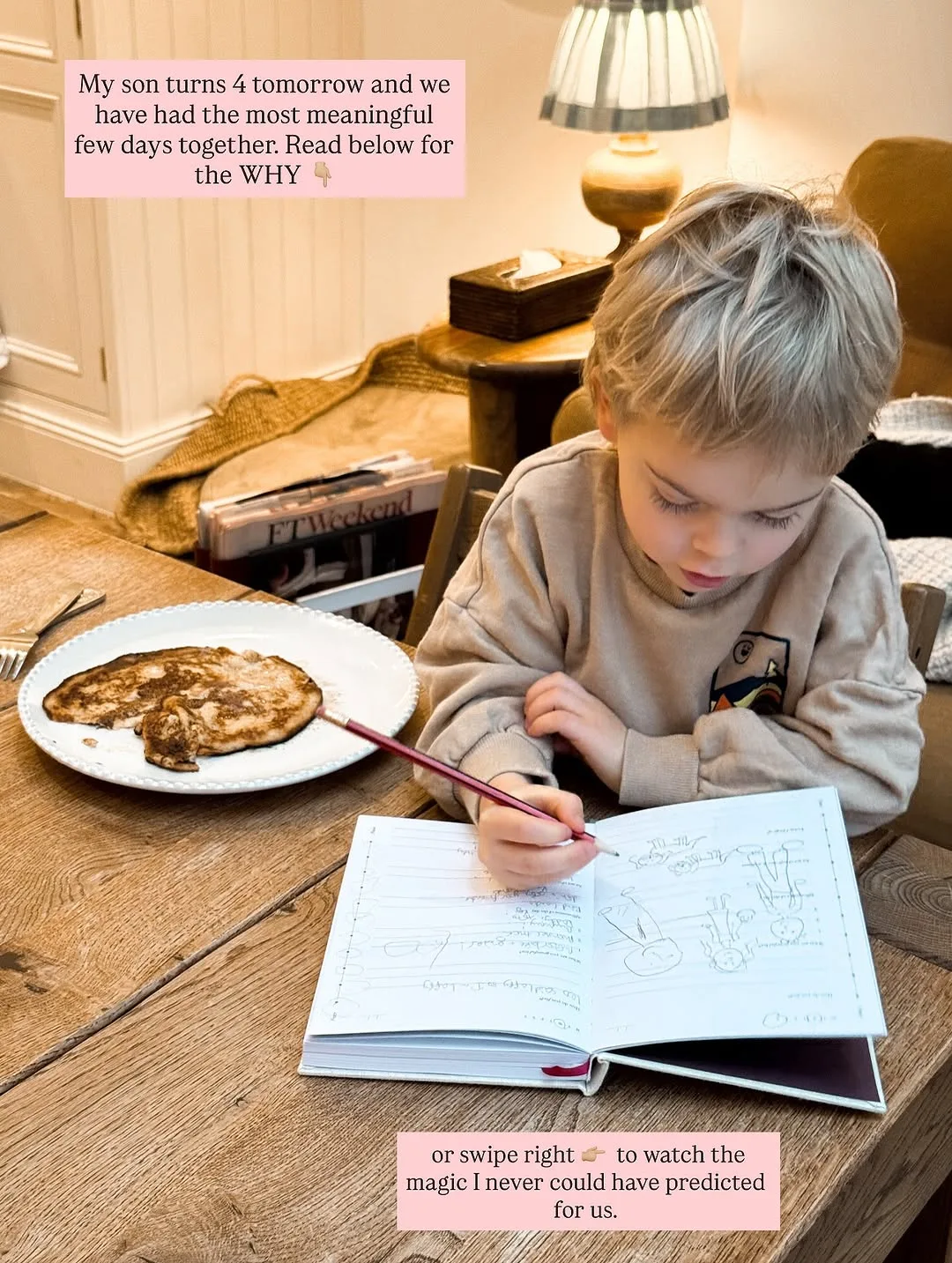
Opening a notebook and writing about the snow day while it happens gives children a keepsake worth rereading for years. Stories, poems, drawings and diary entries all capture the fun of a day that feels special compared with ordinary school days. Story writing earns its place among the calmest snow day activity ideas because it settles excited energy.
Give each child a notebook or folded paper booklet, pencils and a prompt to start them off, like describing the view from their window. Younger children can draw the day and dictate captions to an adult. A cosy corner with cushions makes writing feel special.
Keen writers dive straight in, while reluctant ones often prefer comic strips, lists of favourite moments or silly snow poems. Teenagers might enjoy writing a news report about the great snow day for younger siblings. Sharing entries aloud at teatime turns private writing into family entertainment.
Start a family story chain, where each person writes a few lines and folds the paper before passing it on. Reading the finished nonsense story aloud usually causes helpless laughter. Keeping journals from several snow days shows how writing and drawings improve over the years.
Forcing children to write long neat essays is the mistake that turns a fun journal into homework. Short entries, drawings and messy first attempts all count as proper journal keeping. Praise ideas and funny details rather than spelling, and the notebooks stay enjoyable.
Helping Neighbours Clear Their Paths
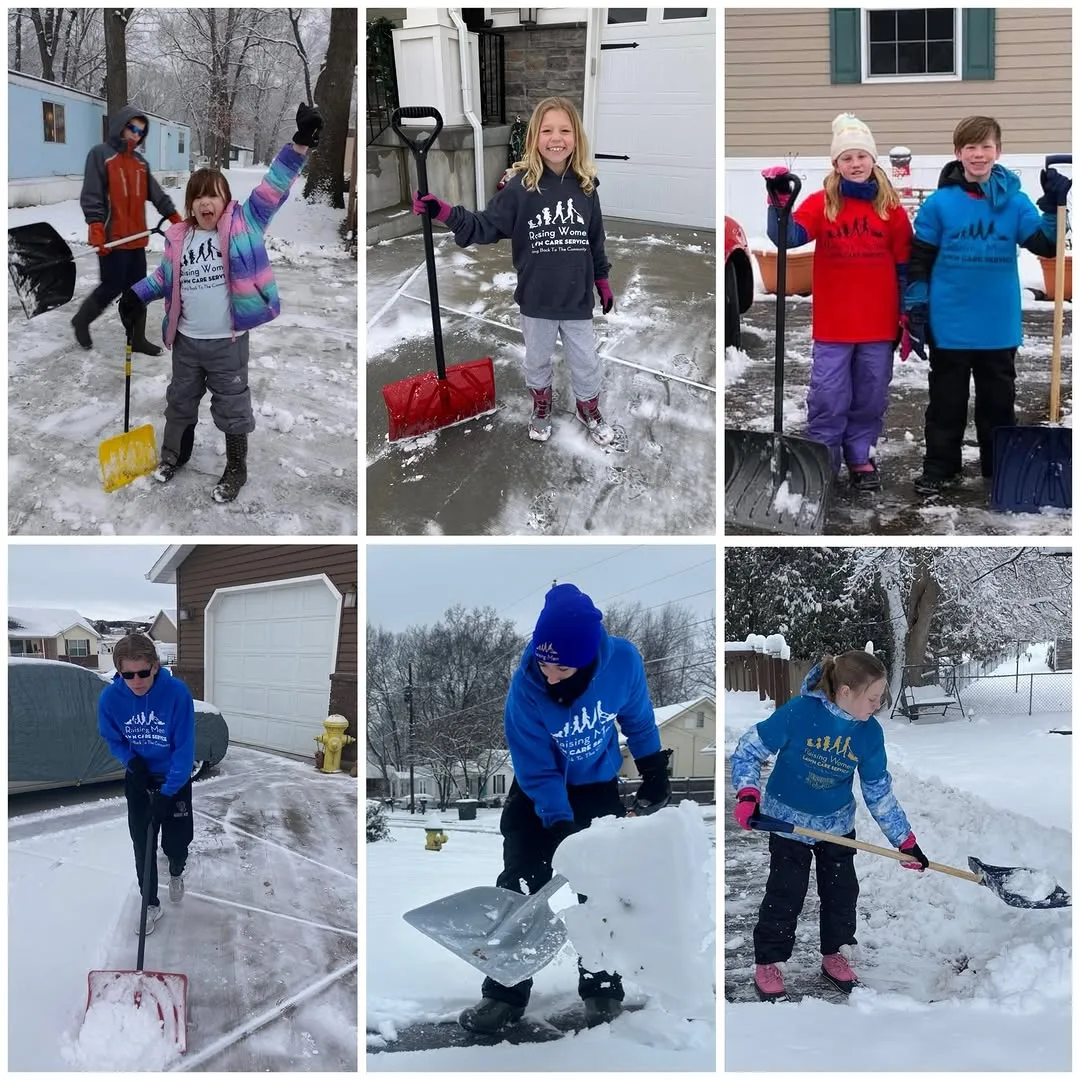
Clearing snow from a neighbour's path or doorstep turns spare energy into kindness the whole street appreciates. Elderly neighbours and busy parents often struggle with heavy snow and icy steps. Children feel proud seeing their work make someone's day safer and easier.
Ask neighbours first, then clear a wide path from their door to the gate using shovels, stiff brushes or plastic trays. Salt or grit from home supplies helps stop cleared paths freezing again quickly. Work in short bursts with breaks, because shovelling snow is hard exercise.
Strong older children and teenagers suit the heavier clearing, while younger ones can brush steps, carry grit and knock politely on doors. Kind neighbours often respond with thanks, biscuits or hot drinks for the team. Everyone learns that snow days can help others, not only themselves.
Turn the job into a street challenge, seeing how many paths the family team can clear before lunch. A photo of the cleared street makes a satisfying record of the morning's work. Neighbours watching from windows often wave and cheer the team along.
Piling cleared snow across driveways, drains or the road edge is the mistake that creates fresh problems for others. Stack snow on verges or garden edges where it blocks nothing and melts safely. Check on elderly neighbours again later, since paths can freeze again by evening.
Ice Ornaments and Frozen Suncatchers

Filling shallow trays and lids with water, leaves, berries and string loops creates ornaments that freeze into sparkling ice overnight. Hung from branches in the morning, they catch the light and glitter like glass. Watching them melt slowly through the day fascinates younger children.
Lay string loops in the water before freezing so each ornament hangs properly once solid. Natural finds like pine needles, small cones and orange slices look prettiest inside the ice. Freezing trays on a flat windowsill or doorstep speeds things up on very cold days.
Patient children enjoy checking the ice through the day, while artistic ones arrange colours and shapes carefully before freezing. Little ones can drop leaves and berries into trays with close supervision near cold water. Everyone enjoys the morning reveal when ornaments come out of their moulds.
Hang finished ornaments along a fence or washing line where morning sun shines through them for photographs. Coloured water frozen in layers makes rainbow stripes inside the ice. Leftover ornaments look lovely hanging over a snow fort entrance or beside the front door.
Using glass dishes or good bowls for freezing is the mistake that risks cracks and breakages as ice expands. Stick to plastic tubs, foil trays and silicone moulds that flex safely. Bring ornaments down before strong sunshine melts them onto paths and makes slippery patches.
Family Talent Show Evening

Ending the snow day with a family talent show gives everyone something fun to prepare for during the afternoon. Songs, jokes, magic tricks, dances and silly sketches all count as acts. Cushions in a row, a blanket curtain and eager applause complete the theatre feeling.
Plan the running order after tea, giving each person a few minutes and mixing acts so the show flows well. Rehearsal time in bedrooms lets shy performers practise privately first. Homemade tickets and a programme written on card make the evening feel properly special.
Shy children can perform with a sibling, read a poem or show a craft instead of singing alone. Confident performers love hosting, announcing acts and leading the applause between turns. Grandparents joining by video call make wonderful judges and widen the audience kindly.
Film the show on a phone so absent family members can enjoy the acts later. Silly awards for everyone, like funniest joke or bravest singer, end the evening with shared pride. Hot chocolate during the interval keeps the audience happy and warm.
Forcing a reluctant child to perform alone is the mistake that turns a happy evening sour. Let everyone choose their comfort level, from performing to working the curtain or handing out snacks. Kind applause for every act matters more than polished performances.
Common Mistakes
Rushing outside without proper layers is where snow day activity ideas most often go wrong for families. Cold seeps in quickly through thin gloves, cotton socks and unzipped coats. Dressing carefully at the door saves the whole outing from early tears and numb fingers.
Staying out too long in one stretch leaves children cold, hungry and suddenly miserable. Short outdoor sessions with warm breaks indoors work far better for young children. Watch for shivering, red cheeks turning pale and complaints about hands or feet, then head inside promptly.
Ignoring ice on paths, steps and driveways causes most snow day accidents at home. Clear and grit the routes the family uses before play begins in earnest. Frozen ponds, icy slopes near roads and uncleared roofs above play areas all deserve a wide berth.
Planning every minute of the day leaves no room for the lazy, cosy parts that make snow days special. Children also need time to invent their own games and simply watch the snow fall. A loose plan with gaps beats a strict timetable every time.
Letting wet clothes pile up in a cold hallway means nothing dries before the next outing. Hang gloves, socks and scarves near warmth as soon as everyone comes inside. Dry spares ready by the door make the second trip outside quick and cheerful.
Budget Friendly Snow Day Activity Ideas for Every Family
Nearly every activity in this guide costs nothing beyond things already at home. Snow itself is the main material, and it arrives free and plentiful on the day. Paper, pencils, blankets, board games and kitchen basics cover almost everything else on the list.
Borrowing sledges, shovels and craft supplies from neighbours saves buying equipment for a day that may come once a year. Swapping toys and games with nearby families refreshes indoor fun at no cost. Returning borrowed things clean and promptly keeps those swaps welcome next time.
Homemade hot drinks and simple bakes cost far less than shop bought treats and taste better shared warm. Popcorn, toast and fruit from the cupboard make perfectly good snow day snacks. Saving fancy ingredients for one special bake keeps the day feeling generous without overspending.
Libraries lend books, puzzles and games free of charge, and stocking up before forecast snow is a smart move. Old clothes from the back of wardrobes serve perfectly well as snow layers. Charity shop gloves and hats bought in autumn sales prepare the family cheaply.
Setting a small spending limit before the day starts keeps any little extras under calm control. Children enjoy choosing one small treat each rather than endless requests all day. Most families find the best memories come from time together, not from anything bought.
Helpful Tips for a Happy Snow Day
Keep a short list of snow day activity ideas on the fridge, ready for the next surprise snowfall. Choosing from a ready list stops the morning drifting while children ask what happens next. Update the list after each snow day with new family favourites.
Dress children in layers that can come off indoors, starting with warm socks, then trousers, jumpers and waterproof outer layers. Hats and gloves matter most, because heads and hands chill fastest outside. Spares by the door prevent a soaked pair ending the fun early.
Rotate outdoor and indoor activities through the day so energy, warmth and moods stay balanced for everyone. Loud games work well before lunch, crafts suit the afternoon and calm stories fit the evening. Following the children's energy rather than the clock keeps the day relaxed.
Prepare snacks and drinks in batches, because cold hungry children ask for food constantly between activities. A slow morning bake, a flask of soup and fruit on the table cover most requests. Warm drinks after every outdoor session become a cosy ritual everyone expects.
Involve children in choosing and planning the day, because chosen activities hold attention far longer than imposed ones. A quick family vote at breakfast settles the running order fairly. Even small jobs, like laying out gloves or writing the hunt list, build happy ownership.
End the day with something calm and warm, like stories, a bath and early pyjamas after all that cold air. Tired children sleep deeply after active snow days, which feels like a bonus for parents. Talking over favourite moments at bedtime rounds the day off sweetly.
Frequently Asked Questions
How long should children play outside in the snow?
Most children manage thirty to sixty minutes outside at a time, depending on temperature, wind and how warmly they dressed. Warm breaks indoors between sessions let them stay out happily across the whole day. Shivering, pale skin and complaints mean the break is overdue.
What should children wear for snow play?
Layers work best, starting with warm socks and comfortable base clothes, then jumpers and waterproof trousers and coats on top. Hats, scarves and waterproof gloves protect the parts that chill fastest. Wellies or boots with good grip stop slips on icy patches.
How can families fill a snow day without screens?
Crafts, baking, board games, den building and story writing fill hours happily without any screens at all. Rotating activities every hour or so stops boredom building in any one spot. Saving one favourite film for the evening gives the day a treat to build towards.
What can toddlers do safely on a snow day?
Toddlers enjoy patting snow into small balls, being pulled on a sledge across flat ground and watching snowflakes fall. Short outdoor sessions suit them best, with warm breaks and dry clothes ready often. Indoors, large paper, chunky crayons and simple baking jobs keep them happily busy.
How do families keep snow days safe near roads?
Choosing play areas well away from traffic is the single most important safety step on a snow day. Falling snow and early dusk make children harder for drivers to spot near roads. Bright coloured coats help, and an adult should always supervise play near any street.
What are easy snow day activities for older children?
Older children enjoy fort building, sledging challenges, photography walks, baking projects and helping neighbours clear their paths. Responsibility suits them, so give real jobs like keeping score, leading a hunt or running the talent show. Their energy also makes them brilliant playmates for younger siblings.
More Ideas to Explore
Keep little hands busy with thoughtful christmas gift ideas for kids, start a sweet tradition with christmas eve box ideas, gather everyone round for new years eve party games, and warm up afterwards with winter hot drink ideas for the whole family.
Conclusion
Snow day activity ideas turn a surprise day at home into one of the happiest memories of the winter. Outdoor adventures, cosy crafts, warm baking and kind deeds for neighbours all play their part. None of it needs much money, only warm clothes and willing company.
Balancing lively outdoor sessions with calm indoor breaks keeps children warm, fed and cheerful from morning to bedtime. Safety habits, like dressing in layers and avoiding roads and ice, quietly protect every activity. With those basics handled, the fun takes care of itself.
Every family finds its own favourite mix after a snow day or two, and the list on the fridge grows each winter. Children remember these days long after ordinary weekends fade from memory. Snowfall that closes schools can open something far better at home.
So wrap up warmly, step outside together and let the snow set the day's agenda for once. Between the snowmen, forts, games and hot drinks, your family will find plenty to love. Here is hoping the next snowfall brings your street a whole day of happy chaos. Keep these snow day activity ideas close for the next white morning, when the schools close and the garden turns into a playground.