

Cozy Winter Bedroom Decor Ideas That Make Nights Feel Warm
Cold evenings change what a bedroom needs to do, because the room must warm you up, calm you down, and help you sleep well all at once. Simple cozy winter bedroom decor ideas rely on layered fabrics, soft light, and blocked drafts rather than expensive furniture or a full makeover.
Bedrooms often feel coldest at the edges, near windows, bare floors, and thin bedding that looked fine in summer. Winter exposes every weak spot, from a drafty frame to a lamp that throws harsh white light across the bed. Fixing those weak spots one by one makes the whole room feel kinder.
Inside this guide you will find fifteen practical ways to make a bedroom warmer and more welcoming for winter. Each idea explains why it works, how to set it up well, who it suits best, one real example, and one common mistake. Pick two or three and your nights will feel warmer within a week.
What Makes a Bedroom Feel Cozy in Winter?
Short answer first: warmth in a bedroom comes from layers on the bed, gentle light at low level, and no cold air sneaking in. Most cozy winter bedroom decor ideas combine those three things, because thick bedding alone cannot fix a draft, and soft lamps cannot warm cold feet.
Picture a room where the bed carries a duvet plus a folded quilt, a rug waits under your feet, and one warm lamp glows beside a small stack of books. Nothing in that picture costs much or takes long to arrange. Small comforts added together change how the whole room feels at night.
Layered Duvet and Quilt Bedding

Layers trap warm air between them, and trapped air is what actually keeps a sleeper warm through the night. One thick duvet often feels heavy yet still lets cold spots form at the edges. Two lighter layers adjust easily, so you can peel one back on milder nights without losing comfort.
Start with a warm duvet as the base, then fold a quilt or a second blanket across the lower half of the bed where feet get coldest. Tuck the sides in loosely so air can circulate a little and the bed still looks soft. Cotton or wool layers breathe better than shiny synthetic fabrics.
Cold sleepers gain the most from layered bedding, because feet and shoulders stay covered even when they turn in the night. Couples who like different warmth levels also benefit, since each side of the bed can carry its own extra layer. Guest rooms feel instantly more welcoming with a folded spare quilt in view.
When my brother swapped his single thin duvet for a duvet plus a wool quilt, he stopped waking at three in the morning with cold feet. Guests who stayed in his spare room mentioned the bed before anything else in the house. One extra layer changed the room more than new paint had.
Piling on every blanket you own makes the bed look bulky and traps too much heat by midnight. Layers should add warmth without weight pressing down on your legs. Choose two or three good layers, store the rest, and shake each layer out weekly so the loft stays full and light.
Chunky Knit Throw at the Foot of the Bed

Texture makes a bed look warm before you even touch it, and a chunky knit throw adds that softness in one move. Loose open stitches in wool or cotton give the eye something gentle to rest on. Folded across the foot of the bed, a throw also waits ready for reading or an afternoon nap.
Choose a throw wide enough to stretch across the bed with a little hanging over each side, and pick a color that echoes your curtains or rug. Natural fibres feel warmer and last longer than acrylic knits that pill within one season. Keep one throw on the bed and store others so the look stays calm.
Anyone who reads in bed suits a foot of bed throw, because it pulls up over legs without disturbing the whole bed. People who feel the cold while watching a film in bed gain the same benefit. Small bedrooms also win, since one throw adds color and pattern without new furniture.
Last winter my neighbour folded a cream knit throw over her grey bedding, and the plain bed suddenly looked like a magazine photo. Visitors asked where she bought it, though it came from a charity shop for very little money. She now keeps it washed and ready from October onward.
Draping a throw so it trails onto the floor collects dust and invites trips in the dark. Keep the throw fully on the bed, folded once or twice so it stays put when you turn over. Shake it outside weekly, because open knits hold dust more than flat woven blankets do.
Warm White Bedside Lamps
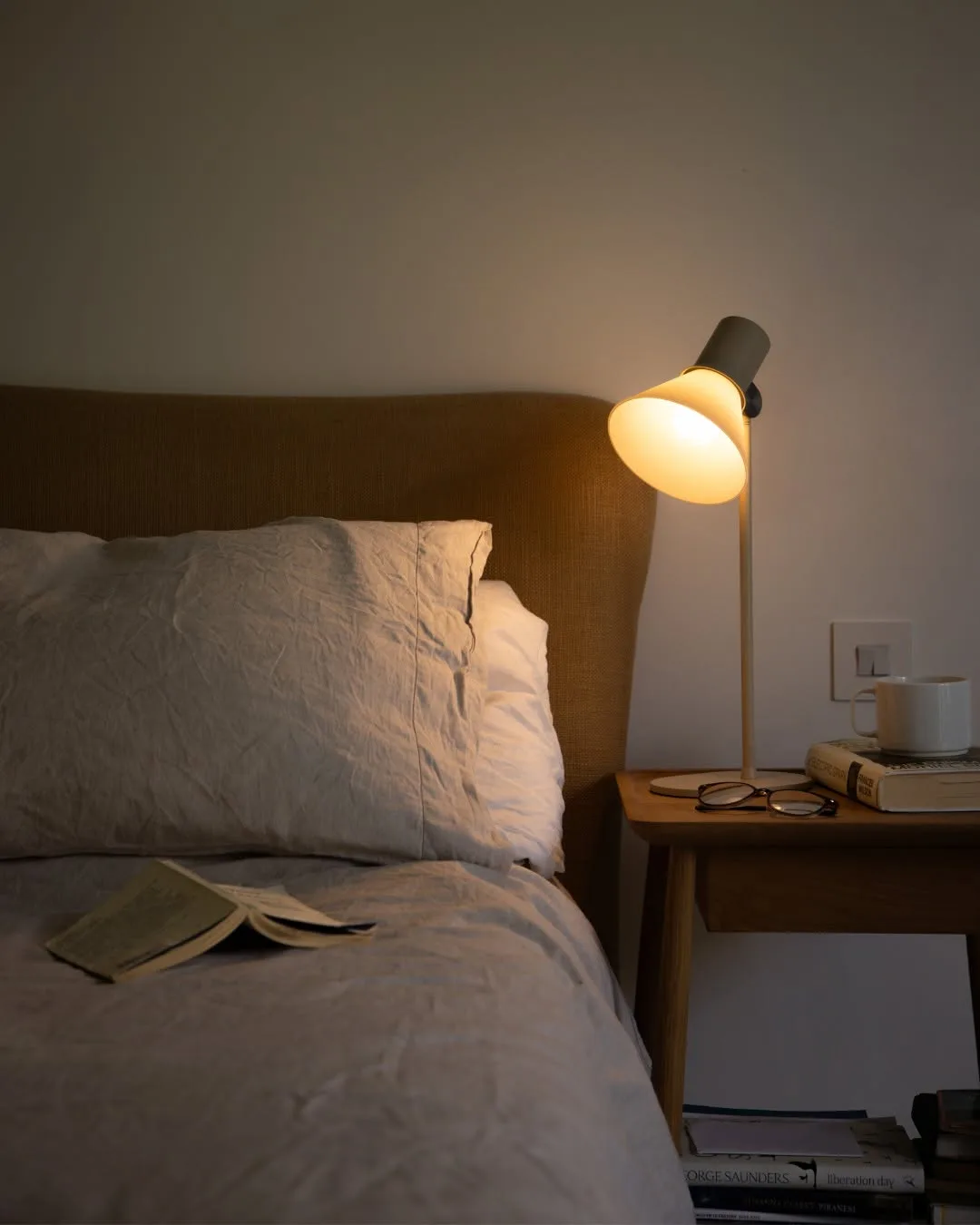
Light sets the mood of a winter bedroom more than any other single choice, and warm white light makes skin, wood, and bedding look softer at night. Strong cozy winter bedroom decor ideas always fix lighting early, because a harsh ceiling bulb can undo every warm layer you add to the bed.
Pick bulbs in the warm range, often marked soft white or warm white on the box, and use shades that spread light downward and outward rather than glaring. Matching lamps on both sides of the bed balance the room and stop arguments about one bright side. Low wattage suits bedtime reading without waking a partner.
People who read before sleep gain the most from proper bedside lamps, because warm light is kinder to tired eyes than a phone screen or ceiling light. Light sleepers also benefit, since a dim lamp avoids the shock of a bright room at bedtime. Small rooms feel larger when light sits low and warm.
During one power cut, a friend lit her bedroom with a single warm lamp on a battery pack and realised how calm the room felt. She replaced her cool white bulbs the next week and kept the softer setup all winter. Evenings in that room now feel slower in the best way.
Placing one very bright lamp beside the bed ruins the calm for the person on the other side. Match bulb strength on both sides, angle shades away from pillows, and test the light while lying down. If you squint or shield your eyes, the bulb is too strong for bedtime.
Thick Curtains in a Deep Warm Tone

Bare windows lose heat all night and make a bedroom feel exposed, while thick curtains close the room in like a soft wall. Deep tones such as rust, olive, warm grey, or dark cream absorb evening light and look richer in winter. Heavy fabric also muffles outside noise, which helps light sleepers.
Measure the window and choose curtains wide enough to gather in soft folds even when closed, since flat stretched fabric looks thin and blocks less cold. Hang the rod a little above the frame so curtains cover the edges where drafts slip in. Lined curtains hold warmth best, and a simple lining can be clipped behind existing fabric.
Rooms with large windows or north facing glass gain the most from thick curtains, because those windows pour cold air into the room all night. Street facing bedrooms also benefit from the extra privacy and quiet. Anyone who wakes early in summer gains darkness as a bonus from the same curtains.
My sister replaced thin white curtains with heavy rust ones in her front bedroom, and the room stopped feeling chilly near the window within days. She also slept later on bright mornings for the first time in years. The deep color made her plain white walls look warmer without any paint.
Hanging curtains that pool heavily on the floor near a radiator traps heat behind the fabric and wastes it. Curtains should end just below the sill or clear of any heat source. Check the length before buying, and keep fabric away from radiators and heaters at all times.
Soft Rug Beside the Bed
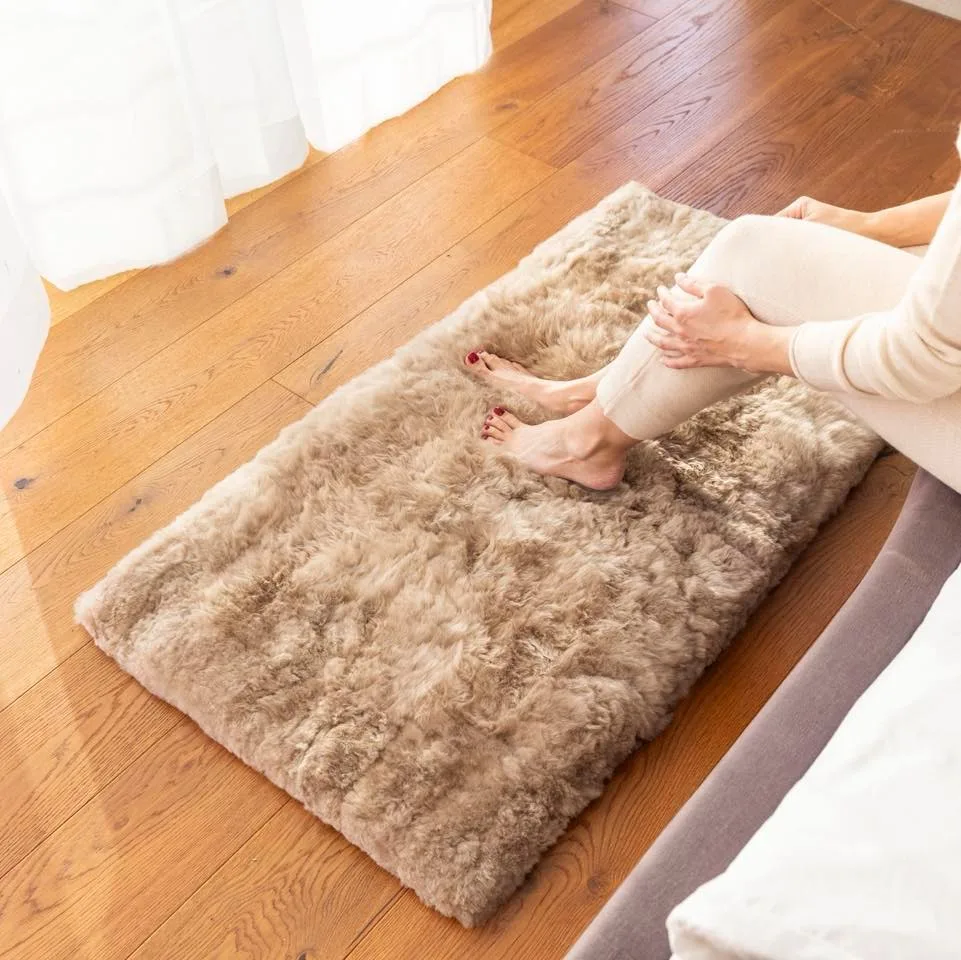
Floors decide how a winter morning starts, because bare boards or cold tile shock your feet the moment you stand up. One soft rug beside the bed catches that first step and makes getting up feel far less harsh. Wool or thick cotton rugs hold warmth better than thin flat weaves.
Place the rug so it runs along the side of the bed where you step out, with enough of it under the bed frame to stop it sliding. Choose a low pile that doors can swing over and that a vacuum can clean easily. A rug pad underneath adds grip and a little extra softness at no great cost.
Early risers feel the benefit most, since the first cold step often decides whether the day starts well. Homes with wooden or tiled bedroom floors gain warmth and quiet, because rugs also soften footsteps at night. Children who play on the floor before bed enjoy the same soft patch.
On cold mornings, one father I know places his slippers on the rug beside the bed so the whole routine stays warm from bed to bathroom. His children copied him within a week and now fight over the softest spot. Small rituals like that make winter mornings easier for everyone.
Choosing a rug that is too small leaves it looking like a bath mat lost in a big room. Measure the side of the bed first and go wider than you first think, because a generous rug reads as part of the room. Keep colors close to your bedding so the rug settles in quietly.
Flannel Sheets in a Soft Check Pattern

Fabric touches your skin all night, so the sheet matters more than almost anything decorative in a winter bedroom. Flannel feels warm the second you climb in, unlike smooth cotton that starts cold and takes time to heat up. One soft check pattern also adds gentle color without new cushions or art.
Good cozy winter bedroom decor ideas start with what touches the skin, and flannel earns its place every single night. Brush both sides when you wash the sheets to keep the surface soft, and rotate two sets so one can dry fully between uses. Slightly loose fits stay comfortable, because flannel shrinks a little in early washes.
People who climb into bed with cold hands and feet suit flannel best, because the fabric never gives that first icy shock. Older sleepers also gain, since warm sheets help muscles relax faster at bedtime. Spare beds dressed in flannel make winter guests feel cared for straight away.
Every November, a friend of mine swaps her plain sheets for red check flannel, and her children treat the change like the start of the season. Bedtime complaints dropped in her house that first winter and never came back. She buys one new set in the sales each year to replace the oldest.
Washing flannel in very hot water or drying it on high heat ruins the soft surface within a few months. Use warm water, gentle soap, and moderate drying heat so the fibres stay brushed and thick. Skip fabric softener, because it coats the fibres and flattens the warmth you bought the sheets for.
Reading Corner with a Cushioned Chair
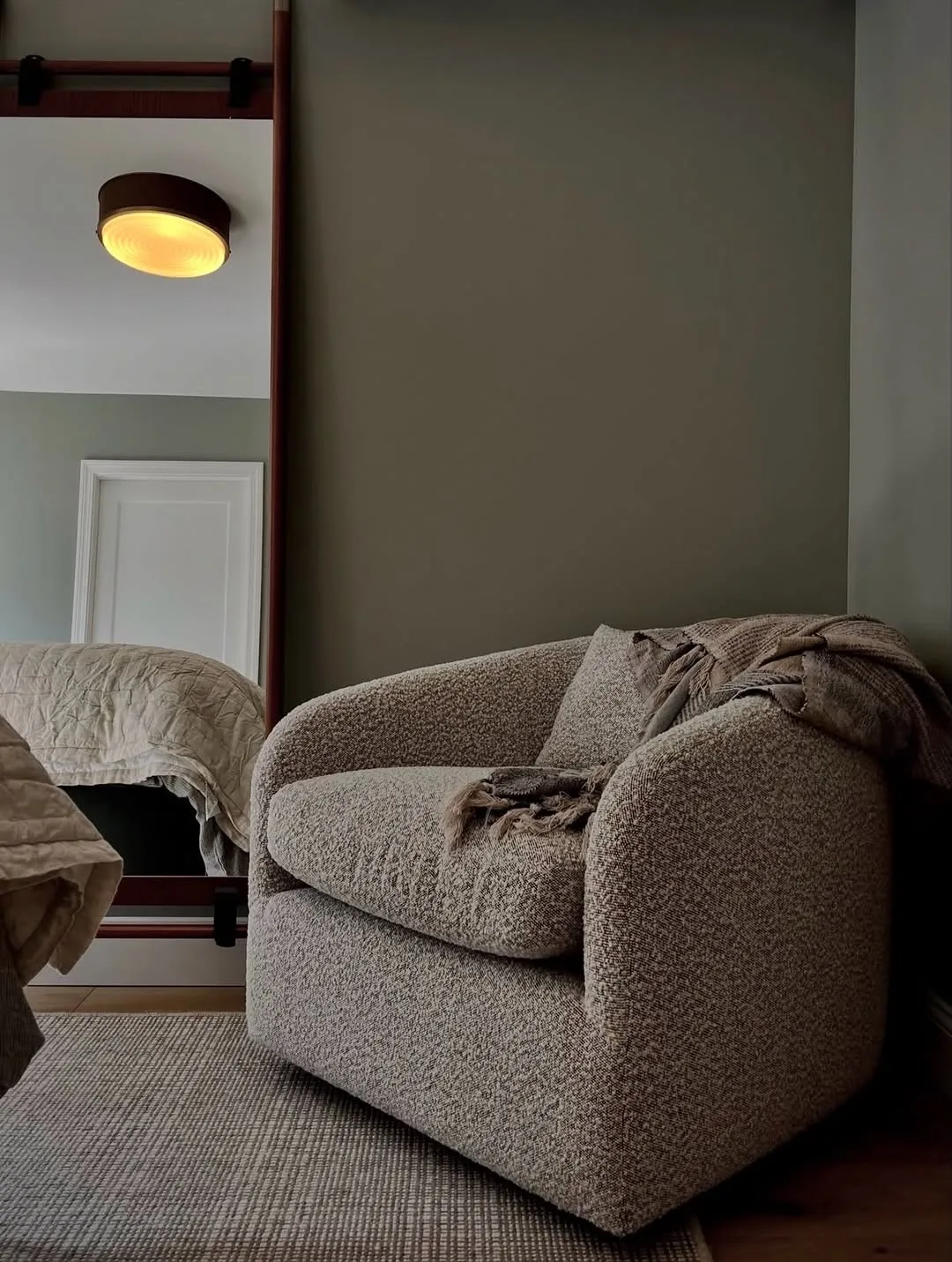
Corners often sit empty in bedrooms while the bed does all the work, yet one cushioned chair turns dead space into the warmest seat in the house. Reading in a chair before bed also keeps the bed itself for sleep, which helps restless sleepers. One cushion, one throw, and one small light complete the corner.
Set the chair at an angle near a window or in the corner beside the wardrobe, with a small table or stool for a book and a warm drink. Add a cushion behind your back and a folded throw over one arm. Keep the chair clear of the radiator so fabric stays safe and air can move.
Readers suit a bedroom chair corner best, because a set place makes the habit easy to keep every night. People who work from home also gain a quiet seat away from screens in the evening. Small bedrooms can swap the chair for a floor cushion and still get the same calm corner effect.
Beside one tall window, a retired teacher placed her old armchair, a lamp, and a basket of novels, and now spends an hour there every winter evening. Her sleep improved once the bed stopped being her reading place too. Guests always choose that chair when they come to chat.
Cramming a chair so large into the room that doors and drawers no longer open properly helps nobody. Measure the corner first, leave clear walking space around the bed, and pick a chair with a small footprint. Comfort matters more than size, so test the seat with a cushion before you commit.
Bedside Tray Styled for Slow Evenings
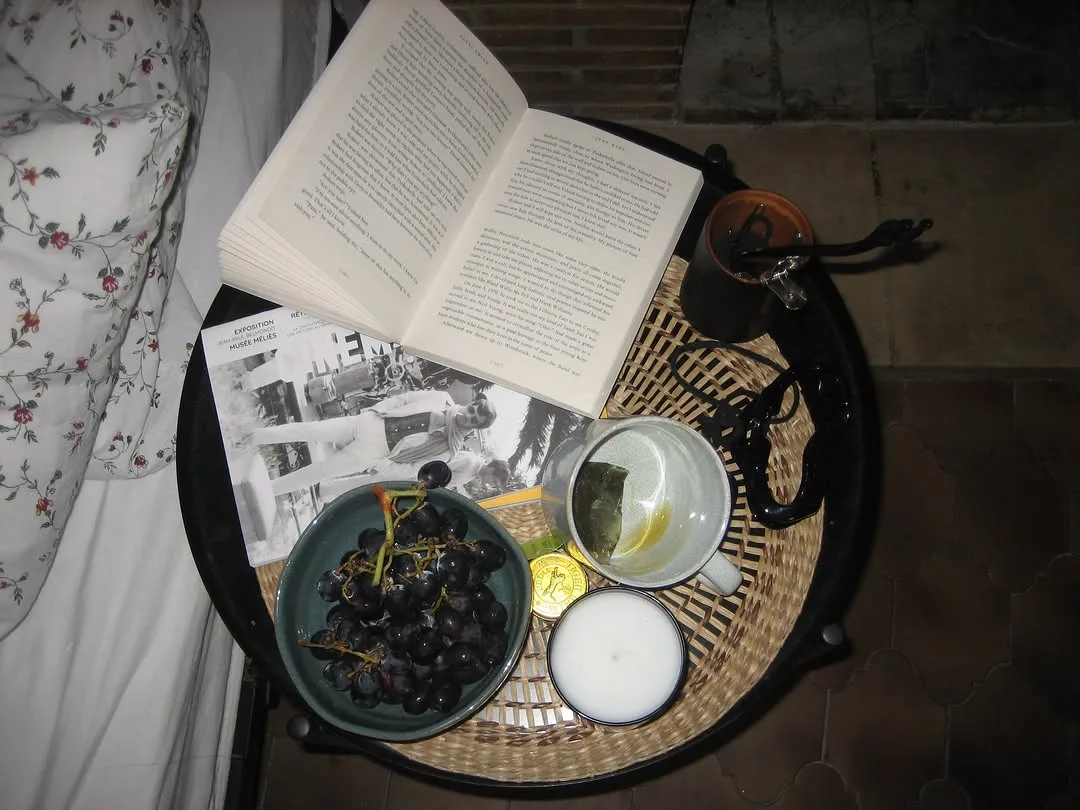
Trays gather the small things of the evening into one calm group, so the bedside table looks styled instead of scattered. One tray can hold a water glass, a book, a small clock, and a hand cream without any of it spreading. Groups of objects in one boundary always look tidier than the same objects loose.
Keep the tray small enough to leave room for a lamp base and a phone, and choose wood, woven, or metal to match your furniture. Place daily items on the tray and move everything else into a drawer, because the tray only works when it holds few things. Wipe it weekly, since bedside dust gathers fast.
Couples suit a tray each, because two matching trays give both sides of the bed the same calm order. People who take a warm drink to bed gain a safe flat place for the mug. Guest rooms also look cared for when the bedside holds one tidy tray instead of random objects.
Near one bed, a host keeps a wooden tray with a carafe of water, a glass, and a tiny vase with dried grasses. Winter guests in that room mentioned feeling looked after, though the whole setup cost almost nothing. She refreshes the dried stems each season and wipes the tray on wash day.
Loading a tray with every cream, book, and gadget you own turns it into a small clutter shelf. Edit the tray down to four or five items and move the rest out of sight. If the tray needs stacking to fit everything, it has already failed at its one simple job.
Scented Candle Grouping on the Dresser
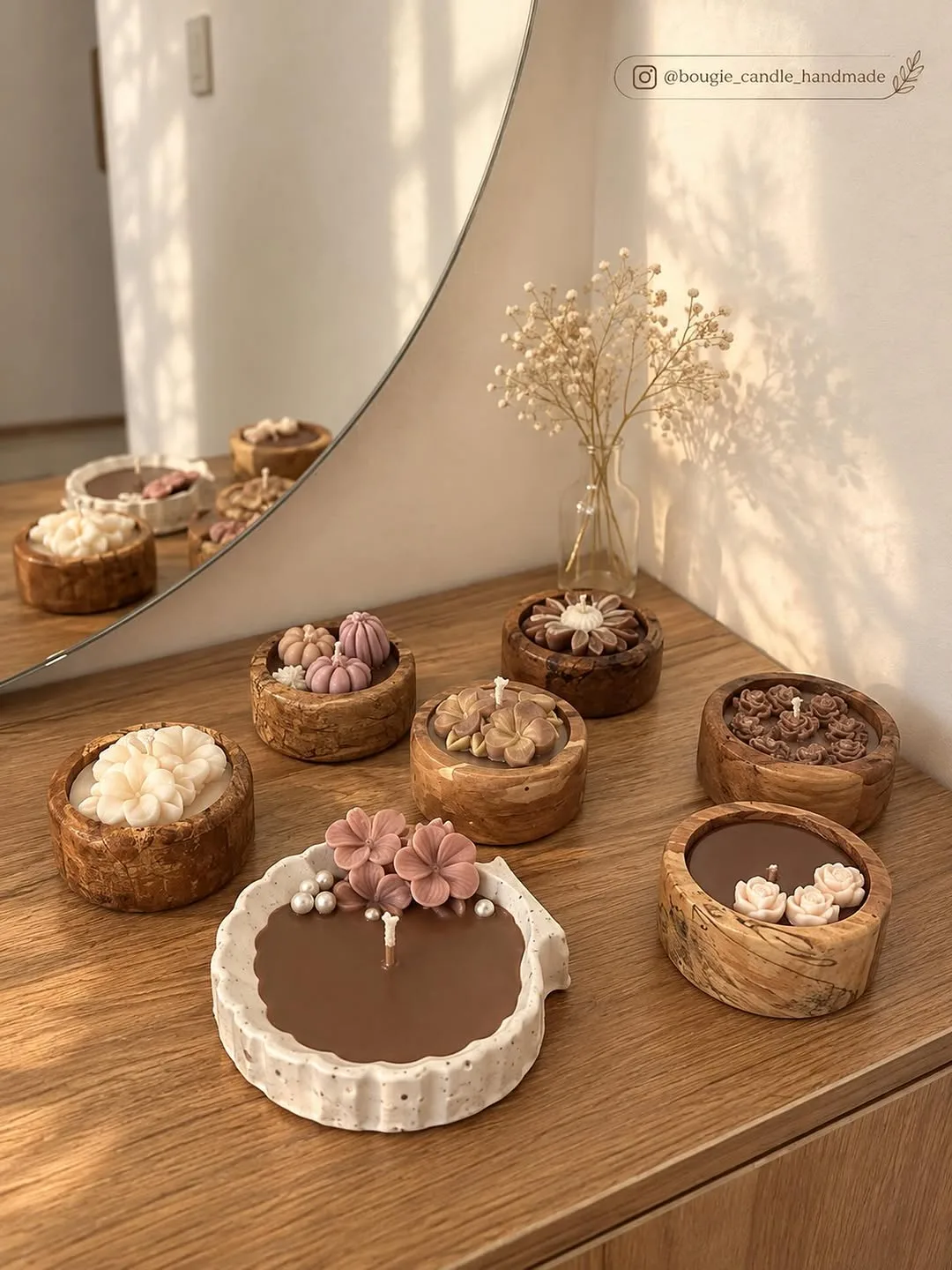
Scent reaches memory faster than sight, and one gentle candle can make a whole bedroom feel like winter in a good way. Warm cozy winter bedroom decor ideas often use scent as the finishing layer, with cedar, vanilla, or spiced orange suiting cold months best. Grouped candles also give the dresser a soft focal point at night.
Group two or three candles of different heights on a small plate or tray, away from curtains, bedding, and paper. Burn one at a time in the evening rather than all together, because one flame scents a bedroom well. Trim the wick short before each lighting so the flame burns clean and the jar stays clear.
Evening routines suit candles best, because lighting one can mark the change from busy day to rest time. People who find plain rooms a little dull gain warmth without buying furniture. Anyone who enjoys a bath before bed can carry the same scent through both rooms for a calm link.
One evening a week, a friend lights a cedar candle while she folds laundry in her bedroom, and the chore now feels like part of her rest instead of work. Her plain dresser looks styled with almost no effort. She keeps the candle on a ceramic plate that also catches any drips.
Leaving a candle burning while you sleep or while you are out of the room risks real harm for a small pleasure. Blow candles out before bed every time, keep them far from fabric, and never place them on a wobbly surface. Battery candles give a similar glow for anyone who worries about flames.
Extra Pillows in Mixed Textures

Pillows build the soft look of a winter bed faster than any other change, and mixed textures stop a stack of pillows from looking flat. Linen, wool, brushed cotton, and one knitted cover give the eye layers to enjoy. Sitting up to read also feels far better against a deep pile than one thin pillow.
Mix two sleeping pillows with two larger square cushions and one smaller pillow in front, keeping colors within one calm family. Place the largest at the back against the headboard and the smallest at the front. Store the extra cushions in one basket at night if moving them to the floor bothers you.
Most sleepers suit extra pillows, because almost everyone reads, talks, or drinks tea propped up in bed during winter. People with sore backs gain real support from one firm cushion behind them. Plain bedding looks dressed within minutes once texture arrives on top of it.
At one small guest house, the owner piles five pillows in cream, wool grey, and soft rust on every bed, and guests photograph the beds before unpacking. Her laundry routine stays simple because every cover comes off for washing. She says the pillows do more for bookings than her new curtains did.
Stacking so many pillows that making the bed takes ten minutes guarantees the bed stays unmade by Thursday. Keep the pile to what you can move in under a minute each morning. If a pillow has no job for sleep, reading, or looks, it belongs in another room.
Wooden Bench Holding Folded Blankets
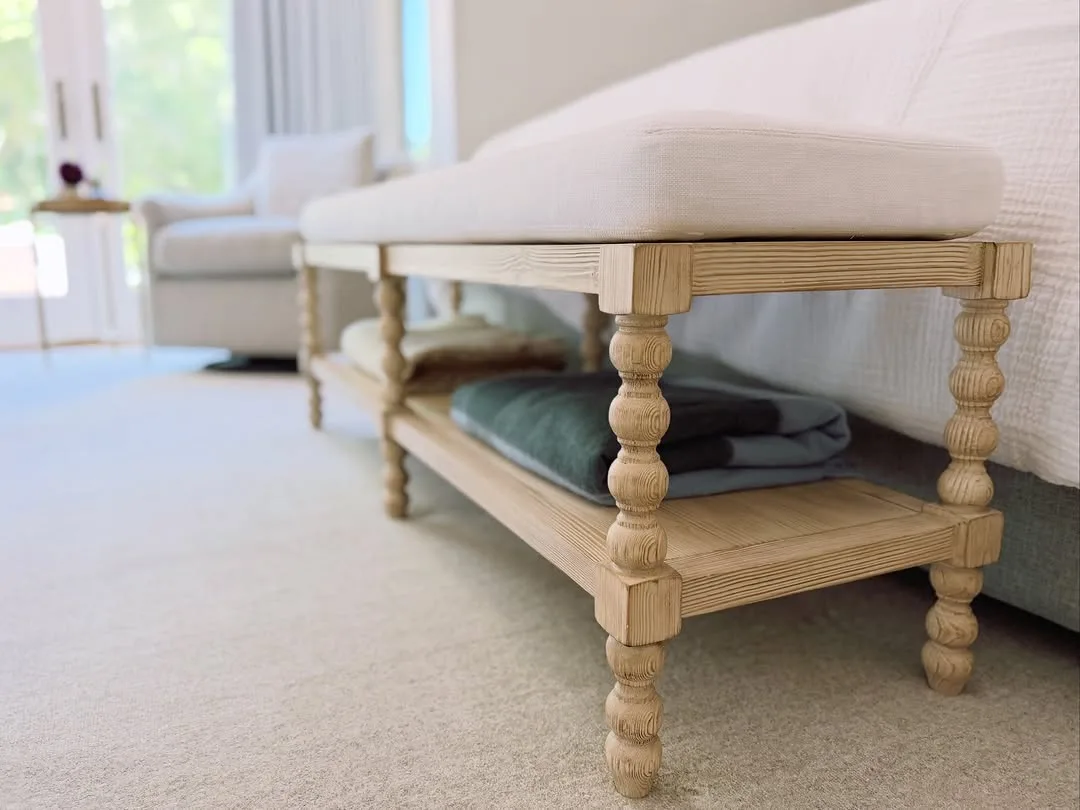
Benches give a bedroom useful storage that also looks good, especially at the foot of the bed where space often goes to waste. Folded blankets on a bench stay visible, tidy, and easy to grab on the coldest nights. Wood adds warmth against soft bedding and suits most room styles without effort.
Fold blankets into matching widths and stack no more than three, with the thickest at the bottom. Leave part of the bench clear for sitting while you dress or put on shoes, because a bench should still work as a seat. Choose a bench slightly narrower than the bed so the room keeps a clear path.
Families suit a blanket bench best, because spare warmth sits ready for children, guests, and cold nights without opening cupboards. People who dress while sitting gain a firm seat at a kind height. Rooms with plain footboards or none at all gain a finished look at the bed end.
Along one wall of a farmhouse bedroom, a simple bench holds two wool blankets and a pair of slippers underneath, and the whole room feels planned. The owner built the bench from leftover wood in one weekend. Winter visitors use the blankets every night and fold them back each morning.
Stuffing the bench with every spare blanket, bag, and box in the room turns storage into a junk pile. Keep the bench for bedding and one or two daily items only. If you cannot see the wood at all, the bench has stopped being furniture and become a shelf for clutter.
Warm Neutral Wall Color Behind the Bed

Color changes how warm a room feels even before the heating comes on, because warm tones reflect lamplight in a softer way than bright white or blue grey. Painting only the wall behind the bed gives the effect without the cost of a whole room. Warm cream, soft clay, pale caramel, and muted olive all suit winter light.
Test two or three sample pots on the wall and live with them for two days, checking morning and evening light before you choose. Paint in straight lines with the bed pulled forward, and keep the other walls pale so the room stays balanced. One coat of good paint often covers well on a single wall.
Among cozy winter bedroom decor ideas, paint gives the largest change for a single weekend of work, so it suits anyone planning one bigger step. Rooms that feel cold and plain gain the most, because color adds warmth that objects alone cannot. Homeowners can treat it as a lasting base for softer layers that stays useful through every winter of the year.
Last autumn, a friend painted the wall behind her bed a soft clay color and kept every other thing the same. Her white bedding looked warmer at once, and the room felt calmer in the evenings. She spent less on that wall than on one new rug the year before.
Covering every wall in a deep dark color can shrink a small bedroom and swallow the light you need on winter mornings. Keep dark or strong tones to one wall unless the room is large and bright. Always test first, because colors deepen once they cover a full wall.
Woven Basket for Books and Slippers

Baskets hide the small mess of a bedroom inside something warm and natural, and woven texture softens hard furniture lines. One basket beside the bed can hold current books, slippers, a phone charger, and a hand cream without a drawer. Everything stays close yet out of sight, which keeps the room calm.
Line the basket with a cloth or choose a tightly woven one so small items cannot slip through the sides. Pick a size that fits the gap beside your bed without blocking the path to the door. Keep the heaviest items at the bottom and the book you are reading on top.
Book lovers suit a bedside basket best, because bedtime reading piles up fast on the floor and table. People in small bedrooms gain storage without buying a bigger bedside table. Children also use a basket well, since tidying means dropping things in rather than arranging them.
By her bed, one woman keeps a tall basket with two novels, her slippers, and a small blanket for her shoulders, and her side of the room always looks tidy. Her partner copied the idea within a month. Morning searches for lost slippers ended in that house for good.
Overfilling a basket until items spill over the rim makes it look like storage overflow instead of styling. Choose a basket with room to spare and clear it out each month. If you have not touched an item in the basket for weeks, it belongs somewhere else in the house.
Draft Stoppers for Doors and Windows

Warmth leaves a bedroom through gaps you can barely see, and sealing those gaps often warms a room more than extra blankets do. Cold air pooling near the floor creeps toward the bed all night. One long fabric draft stopper along the door and simple seals on window frames stop most of it cheaply.
Run your hand slowly around window frames and under the door on a windy evening, and note every spot where cold air moves. Fit foam or brush seals to the worst frames first, and place a weighted fabric stopper behind the bedroom door. Check radiators are clear nearby so warm air spreads into the room instead of hiding behind furniture.
Older homes suit draft work best, because their frames and doors often carry the largest gaps. Rooms above garages or on outside corners also lose heat faster and gain the most from sealing. Anyone whose heating bills climb in winter should check drafts before buying thicker bedding.
In one old house, the owner sealed two window frames and added a door stopper in a single afternoon, and the bedroom stopped feeling chilly near the glass that same night. Her heating ran less often through the rest of winter. She now checks every frame each autumn as part of her routine.
Ignoring a strong draft while adding more and more layers treats the symptom and wastes money all winter. Find the gap first, seal it, and only then judge whether you still need extra bedding. Cold air at floor level will defeat even the thickest duvet by morning.
Upholstered Headboard in a Soft Fabric
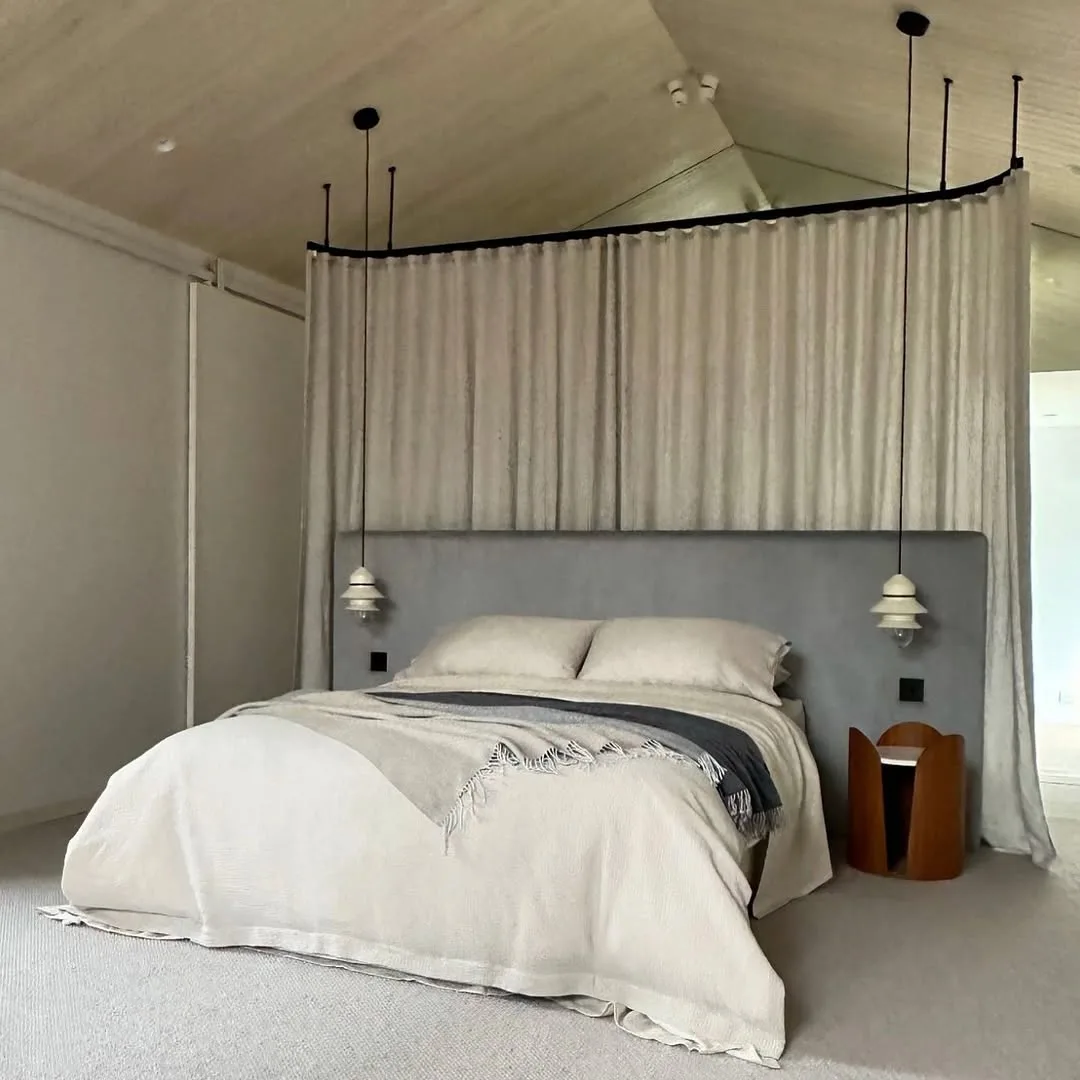
Fabric behind the bed changes both the look and the feel of the room, because a soft headboard invites you to sit up, read, and linger. Bare walls and hard wooden boards feel cold in winter even when the bed itself is warm. Padded fabric also softens sound a little, which suits light sleepers.
Choose a headboard in a plain warm neutral or a deep tone that matches your curtains, with a washable or brushable fabric if possible. Fix it firmly to the wall or bed frame so it never rattles when you lean back. Keep the height modest in small rooms, because a very tall headboard can crowd the wall.
People who read or work in bed suit an upholstered headboard best, because leaning back stays comfortable for long stretches. Rooms with plain walls gain a ready made focal point without art or shelves. Cold sleepers also notice the difference, since fabric feels warmer against a pillow than bare wall does.
When Sara swapped a plain wooden headboard for a padded one in soft oatmeal fabric, her whole bed corner felt like a small hotel. She reads longer in comfort now and wakes less from small night noises. The headboard cost less than the new bedding she had planned to buy first.
Buying a headboard in a pale fabric without checking how it cleans leads to visible marks within a year. Test a hidden corner with a damp cloth before you buy, and brush the fabric monthly to lift dust. Darker or textured fabrics forgive daily use far better in busy homes.
Common Mistakes to Avoid
Blocking a radiator with the bed, a bench, or thick curtains wastes the heat you pay for and leaves the rest of the room cold. Warm air needs a clear path into the room, so keep furniture a hand span away from heat sources. Rooms often feel cold for this one simple reason alone.
Buying every winter item in one rushed trip usually leads to clashing colors, wrong sizes, and bedding that fights itself by midnight. Shops push matching sets that may not suit your room, your bed size, or your warmth level. Slow choices made one layer at a time almost always work better and cost less in the end.
Forgetting to wash and air bedding through winter lets dust and stale smells build up in the very place you breathe all night. Heavy layers still need regular washing, and quilts benefit from an hour of airing on a dry day. Fresh bedding feels warmer simply because clean fibres loft better than flat dusty ones.
Overheating the room at night ruins sleep even in a beautifully styled bedroom, because most people rest best in air that feels slightly cool while the bed itself stays warm. Put the effort into layers you can adjust rather than turning the heating up high. Warm bed, cool room, better sleep.
Budget Friendly Cozy Winter Bedroom Decor Ideas
Second hand shops and market stalls overflow with wool blankets, wooden benches, trays, and baskets at a fraction of new prices. Solid older pieces often outlast cheap new versions and bring real texture into the room. Wash fabrics well at home, check wooden items for wobbles, and buy one good piece at a time.
Shop your own home before spending anything, because spare blankets, cushions, and lamps often sit unused in other rooms all winter. Moving a rug from a hallway or a chair from a spare room can finish a bedroom at zero cost. Swapping items between rooms also shows which gaps truly need money spent on them.
Simple cozy winter bedroom decor ideas often begin with washing, rotating, and restyling what you already own before buying a single thing. Freshly washed flannel, a shaken quilt, and a moved lamp can change a room in one afternoon. Save your budget for the one weak spot that restyling cannot fix, such as a thin duvet or a broken blind.
Spend first where warmth touches you directly, such as sheets, one good blanket, and slippers for cold floors. Save on purely decorative extras, where looks matter more than lasting quality. Small savings on cushions and candles free money for bedding that improves every single night of the season.
Tips for Decorating a Cozy Winter Bedroom
Measure the bed, the window, and the floor space beside the bed before buying anything large for the room. Numbers written in your phone stop the classic mistakes of a rug that is too small or curtains that end above the sill. Planning with measurements saves returns, money, and frustration in the middle of winter.
Keep the floor as clear as you can, because clear floors make a bedroom feel calmer and safer during dark mornings. Baskets, benches, and bedside trays give every small item a home off the floor. One clear path from bed to door matters more than one extra decoration.
Test colors and fabrics in the room before committing, using sample pots, borrowed cushions, or one pillow cover in the shade you fancy. Living with a test for two days shows how winter light changes the choice from morning to night. Small tests cost little and prevent expensive regrets.
Rotate one small thing each month through the season, such as the throw, the candle scent, or the books beside the bed. Small changes keep the room feeling cared for without any big restyle. Winter is long, and tiny refreshes help the bedroom stay pleasant until spring.
Edit kindly but firmly when the room starts to feel crowded, because cozy and cluttered sit very close together. Keep the layers that earn their place through warmth or daily use, and store or pass on the rest. Calm rooms sleep better, and every item left should have a clear reason to stay.
FAQ
How can I make a cold bedroom feel warmer without turning the heating up?
Layer the bed with a warm duvet plus one extra blanket, seal drafts around windows and the door, and place a rug where your feet land in the morning. Warm lamps and thick curtains also change how warm the room feels. Most cold bedrooms improve a lot from those four steps alone.
What colors make a bedroom feel cozy in winter?
Warm neutrals such as cream, soft clay, pale caramel, and warm grey make lamplight look gentle and suit most bedding. Deep rust, olive, and dark red work well on one wall, curtains, or a throw. Keep the overall scheme calm so the room still feels restful at bedtime.
How many layers should a winter bed have?
Three layers suit most beds well: a warm sheet, a duvet, and one quilt or blanket folded across the foot. Cold sleepers can add one more thin layer rather than one very heavy one. Adjustable layers beat a single thick cover, because winter nights vary a lot from week to week.
What lighting is best for a winter bedroom?
Warm white bulbs in shaded bedside lamps suit a winter bedroom best, because they soften colors and feel gentle on tired eyes. Keep the main ceiling light for dressing and cleaning only. Two matched lamps, one on each side of the bed, give the most balanced and restful glow.
How do I keep a cozy bedroom from feeling cluttered?
Give every small item a set home in a basket, tray, drawer, or bench, and keep the floor path from bed to door fully clear. Limit the bed to layers you actually use each week. One quick tidy each evening stops clutter before it settles in for the season.
When should I set up my winter bedroom?
Late autumn suits most homes, giving you warm layers, sealed drafts, and soft light ready before the coldest nights arrive. Start with the bed and the windows, then add smaller comforts as the weeks cool down. Setting up early also spreads the cost instead of landing in one expensive weekend.
More Ideas to Explore
Give the bedroom the same festive treatment with our christmas bedroom decor ideas, then carry the layered look into the main room with our cozy winter living room decor ideas and our christmas living room decor ideas for the tree and mantel. When the season passes, a fresh start is easy with our bedroom refresh ideas for a lighter look.
Conclusion
Bedrooms earn their keep in winter, and honest cozy winter bedroom decor ideas rely on layers, soft light, and sealed gaps rather than big spending. Warmth you can adjust through the night beats any single expensive purchase. Small comforts, added with care, change how the whole season feels at home.
Pick two or three ideas from this guide and set them up properly before adding more. One layered bed, one warm lamp, and one sealed window can transform a cold room in a single weekend. Living with a small change first shows you exactly what the room still needs, if anything.
Small habits keep the room cozy long after the decorating weekend ends for the household. Shaking out the quilt, wiping the lamps, and folding the spare blanket back onto the bench take minutes. Care repeated quietly protects the calm you worked to build at the start of the season.
Enjoy slower evenings and warmer mornings in a room that welcomes you back every night. Clear floors, gentle light, and bedding you love turn an ordinary bedroom into the best place in the house all winter. Start with the bed tonight and let the rest follow at its own pace.