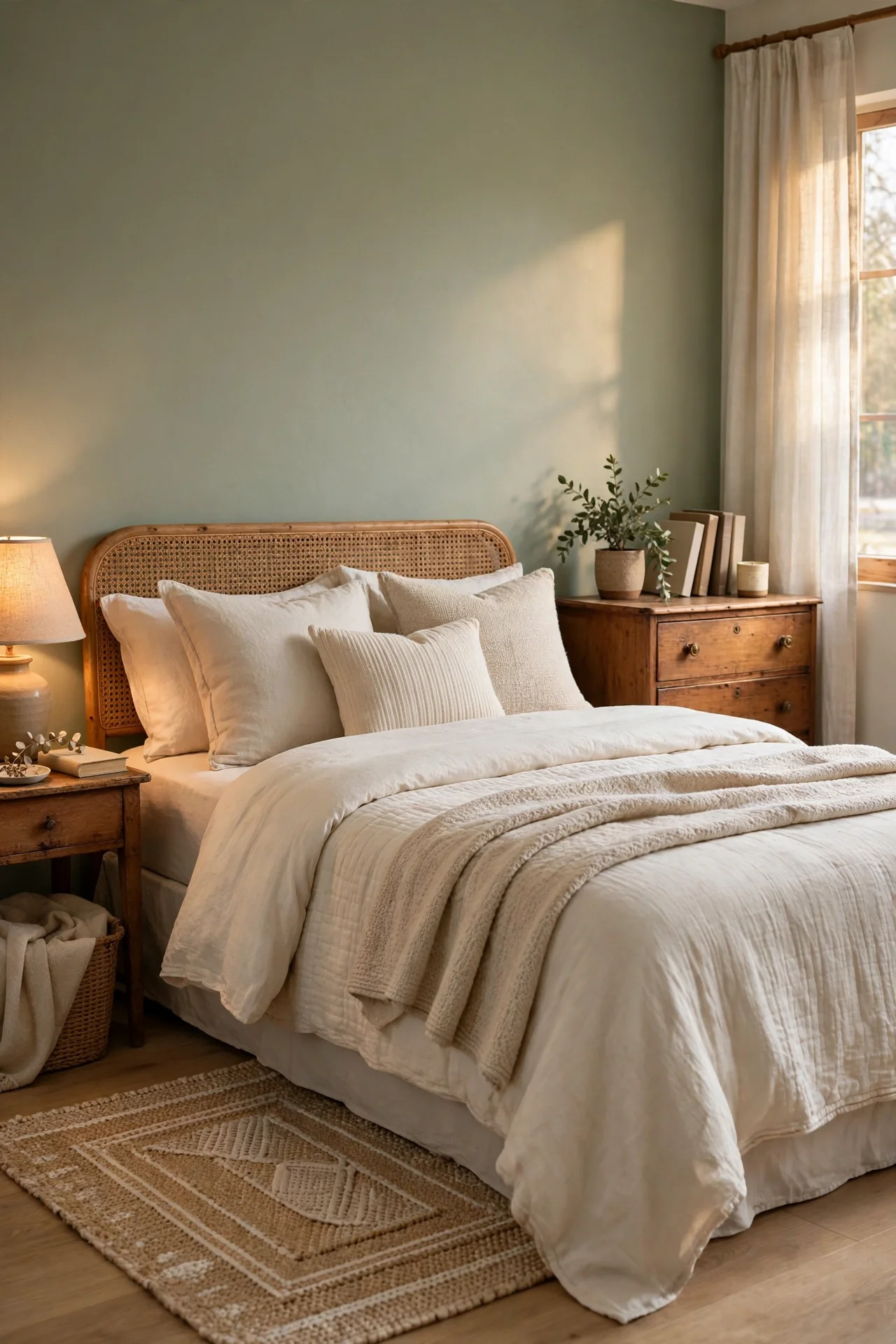
Bedroom Makeover Ideas on a Budget That Feel Fresh and Calm
Bedrooms collect tired furniture, faded bedding, and corners that nobody has styled in years. You fall asleep looking at the same plain walls and wake up in a room that feels dull rather than restful. Most people assume a nicer bedroom needs new furniture and a big spend, so the room stays exactly as it is.
Good news is that bedrooms respond quickly to small, cheap changes. Fresh bedding, one painted wall, warmer light, and tidier surfaces can shift the whole mood for the cost of a single piece of furniture. You do the work in stages, one corner at a time, and the room improves within a weekend.
Inside this guide, you will find fifteen simple changes that suit small bedrooms, spare rooms, and main bedrooms in family homes. Each idea explains why it works, gives practical details, notes who it suits best, shares one real example, and names one mistake worth avoiding. Pick three ideas to start, finish them fully, and let the rest follow when time and money allow.
What Are the Best Bedroom Makeover Ideas on a Budget?
Strong bedroom makeover ideas on a budget share one habit: they change how the room feels before they change what the room holds. Paint, fabric, light, and tidier storage do more for mood than one expensive chair ever will. You spend on surfaces and softness first, and you keep furniture you already own wherever it still works.
Picture a plain bedroom on a Friday evening. By Sunday, the bed wears fresh white and sage bedding, the wall behind it glows in a soft warm grey, and two thrifted lamps give the room a calm evening light. Nothing structural changed, yet the room feels like a different place to sleep.
Fresh Bedding in a New Color Story
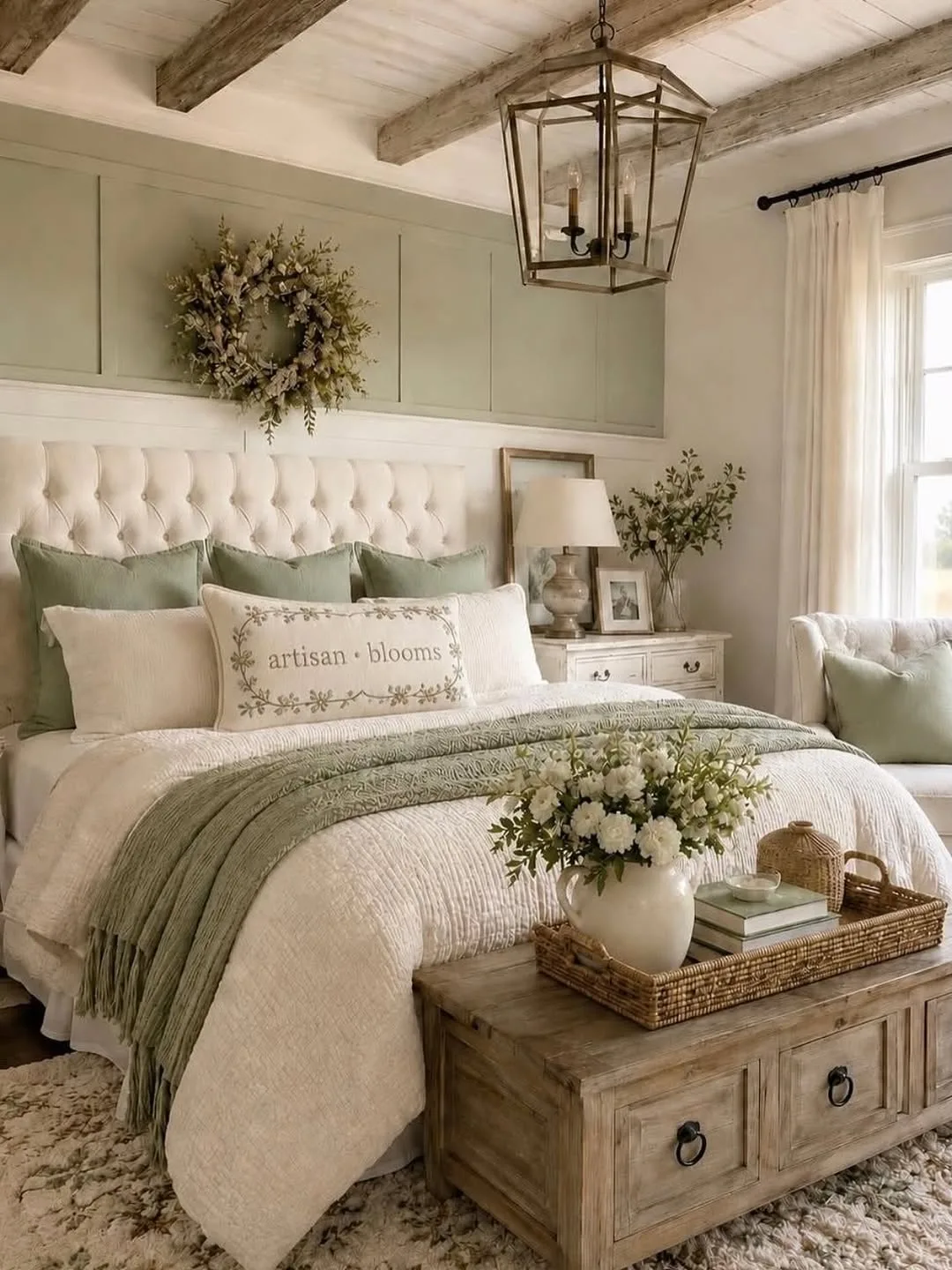
Bedding covers the largest surface in the room, so fresh bedding changes the bedroom faster than any other single buy. One new duvet set in a calm color can make old furniture look deliberate and the whole room feel cleaner. Color does the heavy work here, because the bed sits at the center of nearly every view.
Choose one main color and one softer partner color, then keep every layer inside that pair. Cotton and linen blends wash well and soften over time, while plain weaves look calmer than busy prints in small rooms. Buy the duvet set first, then match cushions and a throw to it later if money allows.
Anyone sleeping under faded or mismatched sheets suits fresh bedding best, especially people who host guests in a spare room. One woman replaced a tired floral set with plain white bedding and a sage throw from a sale rack, and her plain box room suddenly looked like the guest rooms she saved in photos online.
Prints cause the common mistake in bedding buys. Loud patterns fight with curtains, rugs, and art, and they date within a season or two. Keep prints small and limited to one cushion, and let the big pieces stay plain so the room stays flexible when you change accessories later.
Painted Accent Wall Behind the Bed
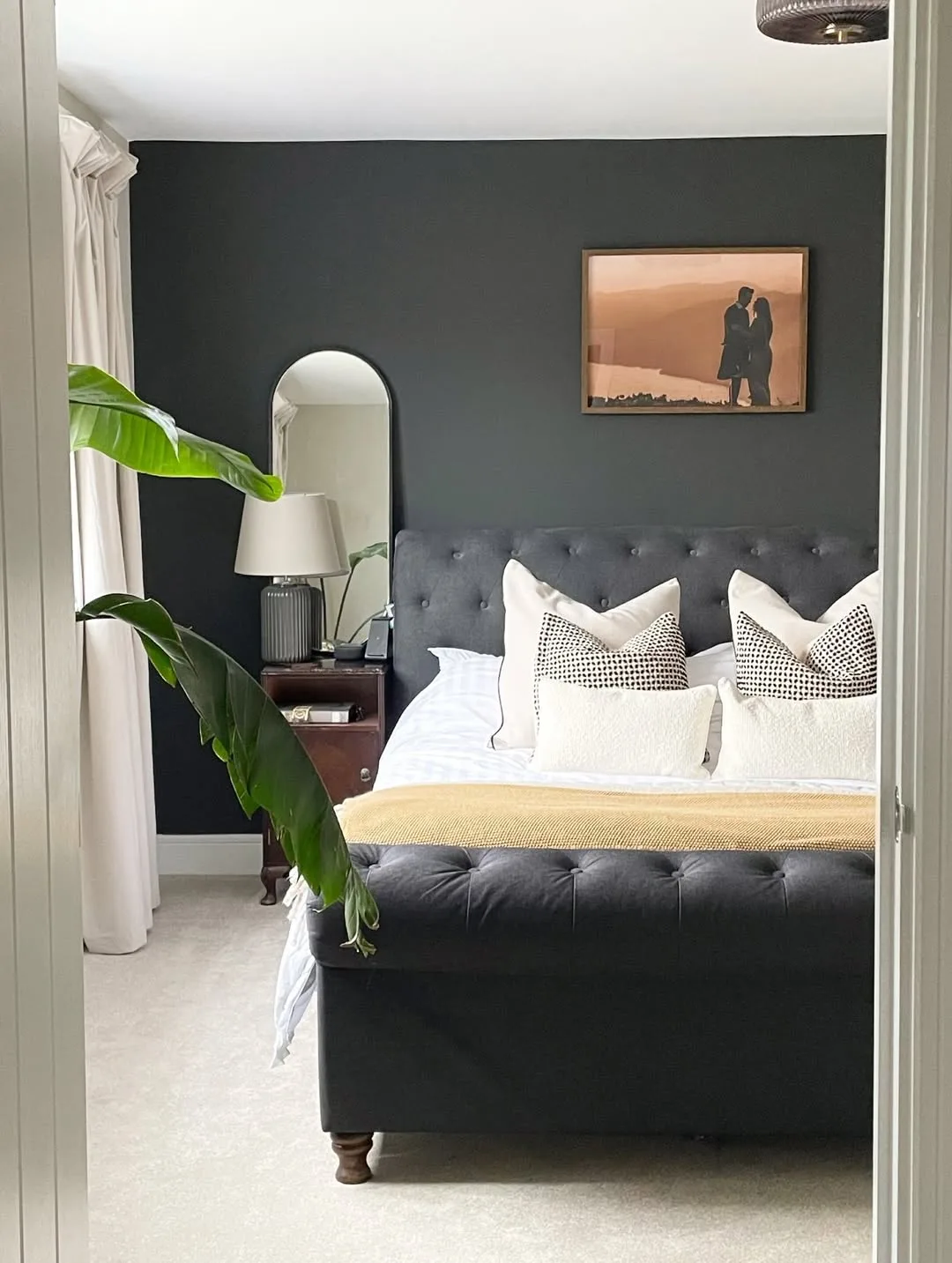
Paint gives you the biggest visual change for the smallest money in any bedroom. One wall in a deeper or warmer shade turns a plain bed into a focal point and makes pale bedding glow against it. Short winter days and lamplight suit these colors, because soft light deepens them in a kind way.
Pick the wall the headboard touches, since your eye lands there first when you enter. Test two or three sample pots on large patches and watch them in morning light, midday light, and lamplight before you commit. Warm whites on the remaining walls keep balance, and satin or eggshell finishes wipe clean near pillows.
Couples who disagree about bold color suit one accent wall well, because the compromise stays behind the bed where you see it least while lying down. One couple painted their wall a deep olive in a single afternoon, kept the other walls warm white, and said the room finally felt finished after two years of putting it off.
Dark shades show every roller line and every scuff from furniture. Prepare the wall properly, fill small holes, and plan on two full coats for an even finish. Keep leftover paint in a labeled jar for touch ups, because bed frames and vacuum cleaners will mark the wall sooner than you expect.
Layered Throws and Cushions on the Bed
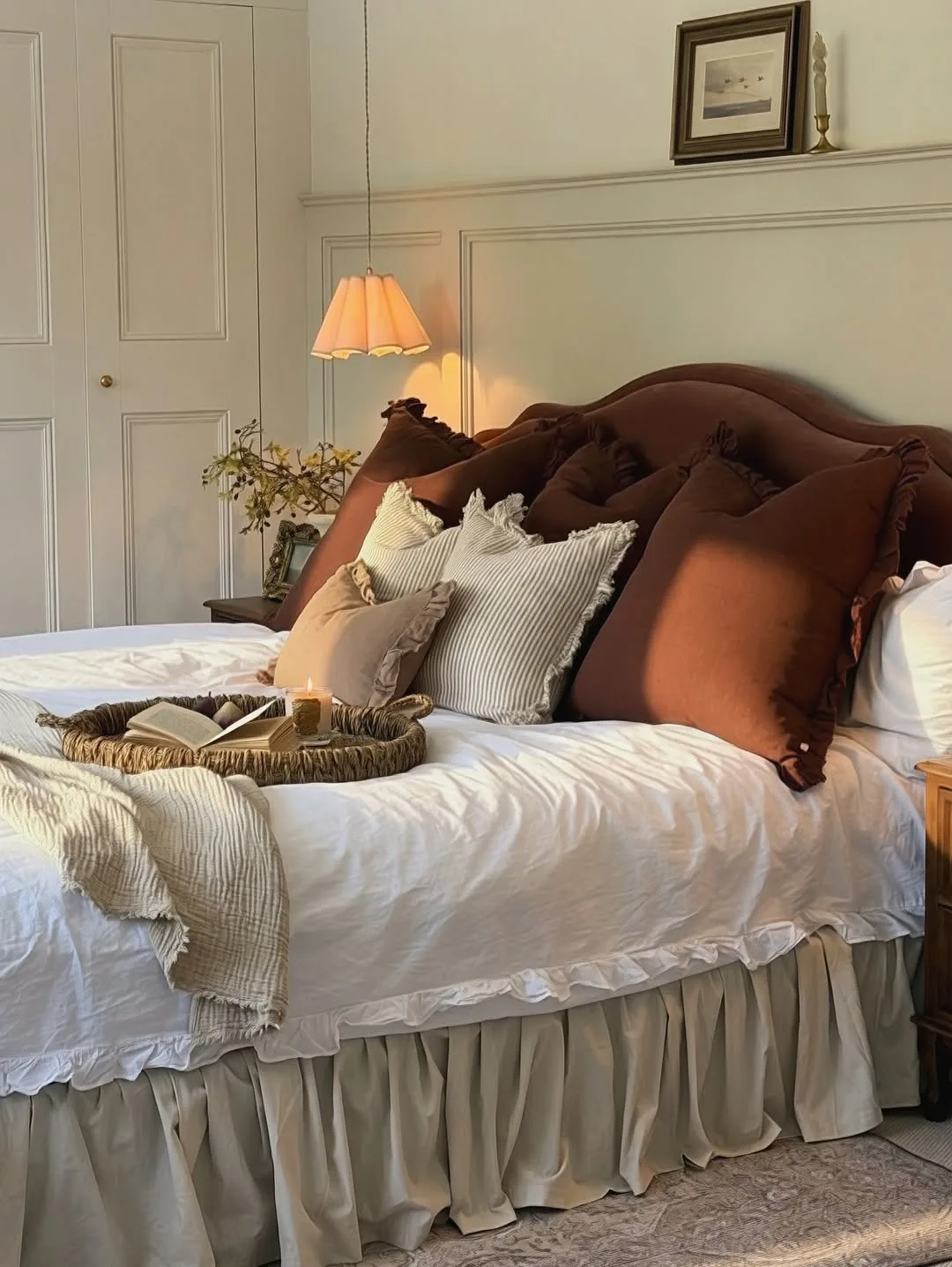
Layers of fabric make a bed look generous and feel warm before you even climb in. One folded throw across the foot of the bed and two or three cushions in front of the pillows give the room a settled, cared for look. Texture matters as much as color, because plain bedding can look flat without it.
Start with what you already own before buying anything. Pull spare blankets from cupboards, try them across the bed, and keep only the combinations that sit calmly with your bedding colors. Knit, woven cotton, and brushed wool all mix well, and odd numbers of cushions arrange more easily than even numbers.
Among all the bedroom makeover ideas on a budget in this guide, layering costs the least because it mostly reuses fabric you own. Guest rooms and spare beds suit it especially well. One host folded a cream knit throw over plain guest bedding, added two cushions from her living room sofa, and guests began asking where she bought the set.
Too many cushions push sleepers out of their own bed. Piles that look rich in photos end up on the floor every night and gather dust and pet hair. Keep cushions to a number you can move in ten seconds, and store spare covers folded in a drawer rather than buying more inserts.
Second Hand Dresser Given a New Finish
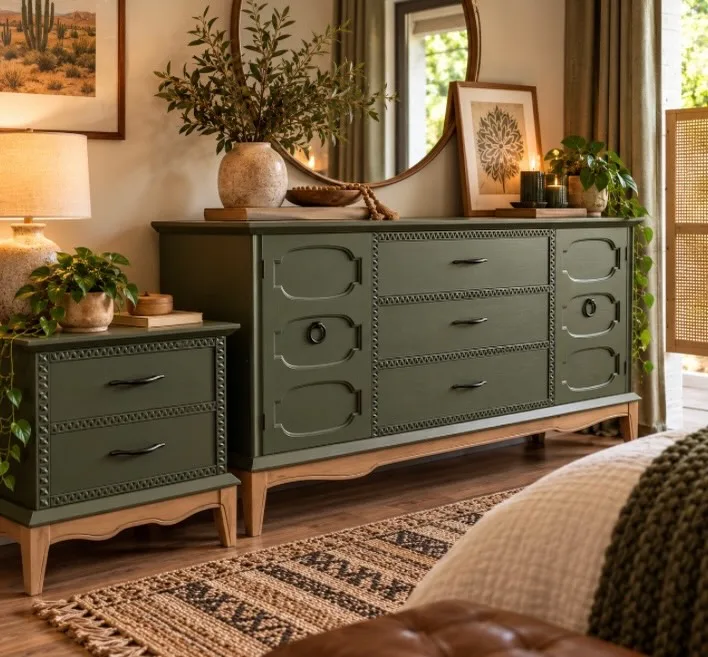
Solid old dressers hide under ugly varnish in nearly every second hand shop, priced far below new flat pack furniture. Wood drawers glide better, last longer, and take paint or oil beautifully. One revived dresser can anchor a whole wall and hold every folded item you own.
Look for dovetail joints, drawers that slide without sticking, and a body free of wobble when you push it sideways. Sand the top back to bare wood, wipe dust away with a damp cloth, and finish with hardwax oil or two coats of satin paint. New handles in black, brass, or wood complete the change for very little money.
Patient bargain hunters suit this idea best, because the right dresser may take two or three weekends of looking. One man found a heavy pine dresser with a stained top at a house clearance, sanded it in his yard on a Saturday, and oiled it by Sunday evening. Friends assumed he had bought it new from an expensive shop.
Water damage causes the failure nobody spots in the shop. Swollen drawer bases, lifting veneer, and musty smells inside drawers all signal damp storage. Open every drawer, smell inside, and check the back panel before you pay, because repairs to a warped frame cost more than the dresser itself.
Warm Bedside Lamps with Soft Bulbs
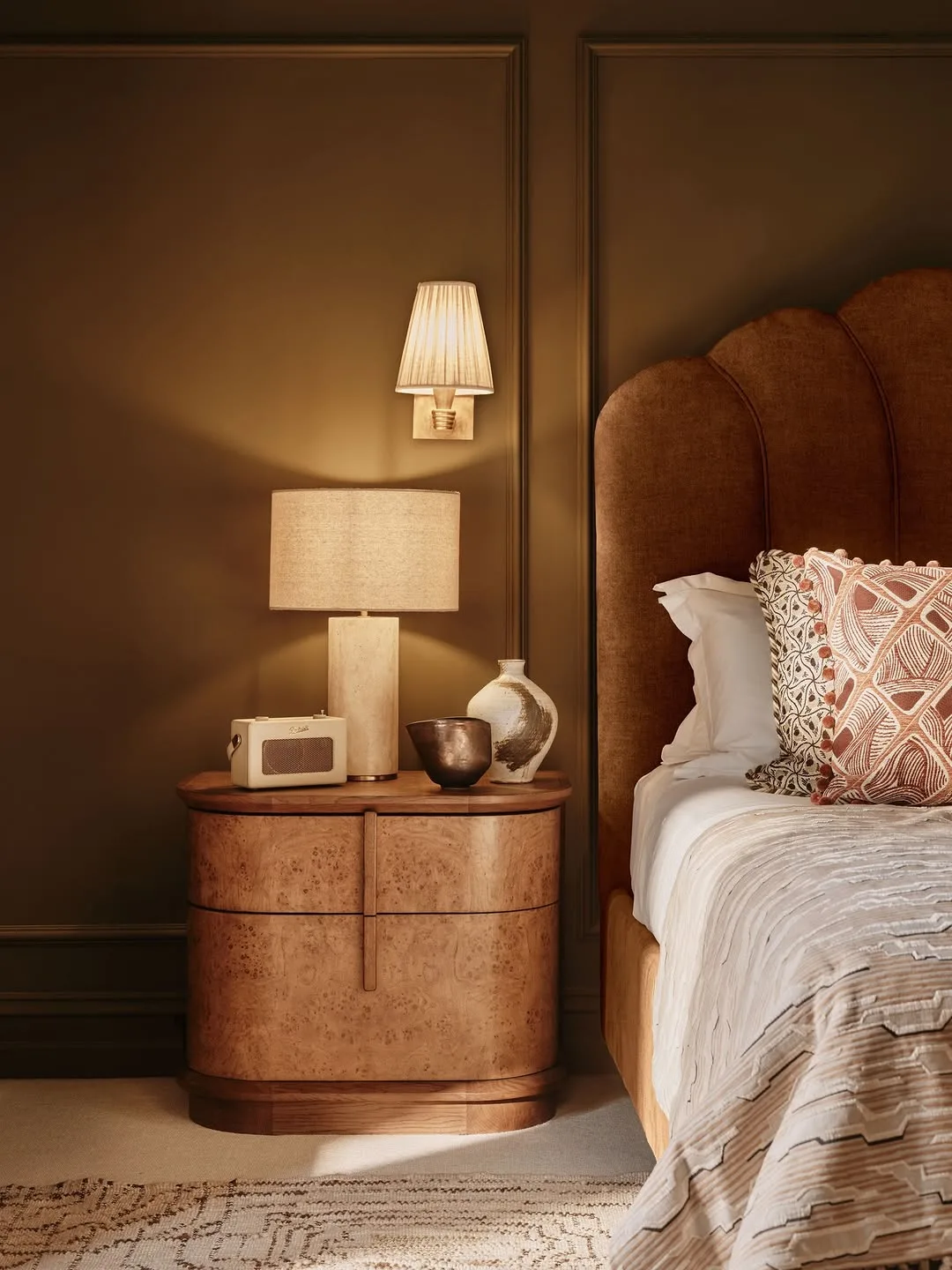
Light decides whether a bedroom feels calm or harsh more than any furniture choice. Ceiling lights flatten everything and shine straight into tired eyes at night. Two small lamps at bed height pool warm light where you read, talk, and wind down, and the room softens at once.
Choose lamps with shades that throw light down and out rather than bare bulbs that glare. Warm bulbs around the color of candlelight flatter skin and bedding, and matching pairs look calm even when the lamps themselves come from different shops. Put switches where your hand falls from the pillow.
Readers and anyone who wakes early suit warm bedside lamps best. One woman swapped two cold white bulbs for warm ones in her existing lamps, spent less than a takeaway coffee, and found she read in bed twice as long each night because her eyes stopped aching.
Mismatched heights make pairs of lamps look accidental. One tall lamp and one short lamp pull the eye sideways and unbalance the bed wall. Keep shade tops roughly level on both sides, raise a short lamp on a stack of books if needed, and hide cords behind the nightstands.
Curtains Hung High and Wide
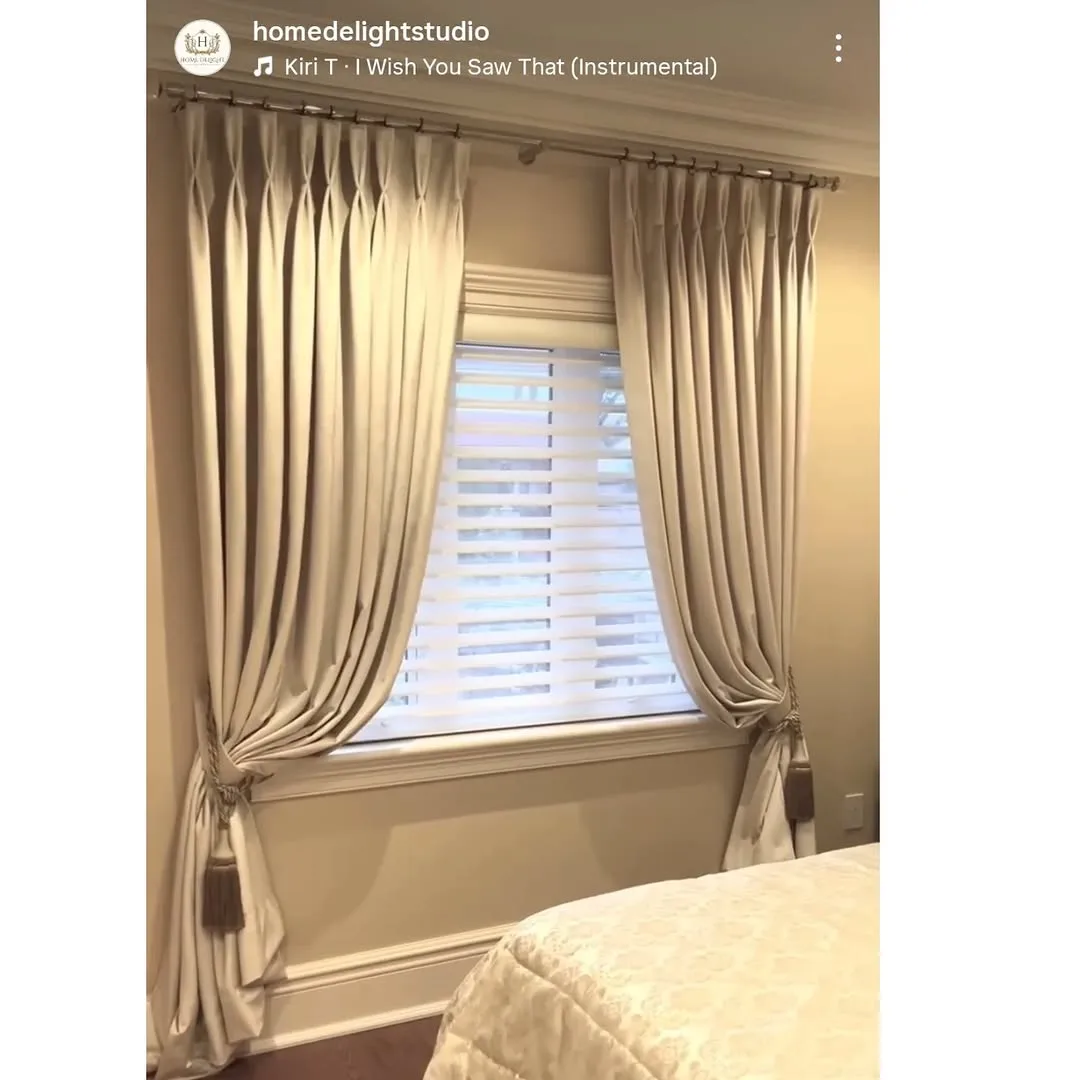
Curtains hung just above a window make ceilings look low and rooms feel boxed in. Panels hung near the ceiling and wider than the frame make the window look bigger and the wall taller. Fabric also softens the hard lines of window frames and warms the bed wall when the bed sits beneath the window.
Measure from near the ceiling to the floor, then add a little so fabric just touches the ground or hovers slightly above it. Extend the rod beyond each side of the frame so open panels stack on the wall and leave the glass fully clear. Plain linen look fabric in warm white or soft stone suits most bedrooms.
Small bedrooms with low ceilings gain the most from high curtains, because vertical lines stretch the room in the only direction available. One homeowner in a compact flat hung ceiling height curtains in her small bedroom, and visitors began guessing the ceiling was higher than the identical room next door.
Short curtains cause the classic curtain mistake. Panels ending at the sill or floating halfway down the wall chop the room visually and look like a measuring error. When fabric is limited, let plain panels fall to the floor in one bedroom only, and use simple blinds in spare rooms rather than short curtains everywhere.
Large Mirror That Bounces Light
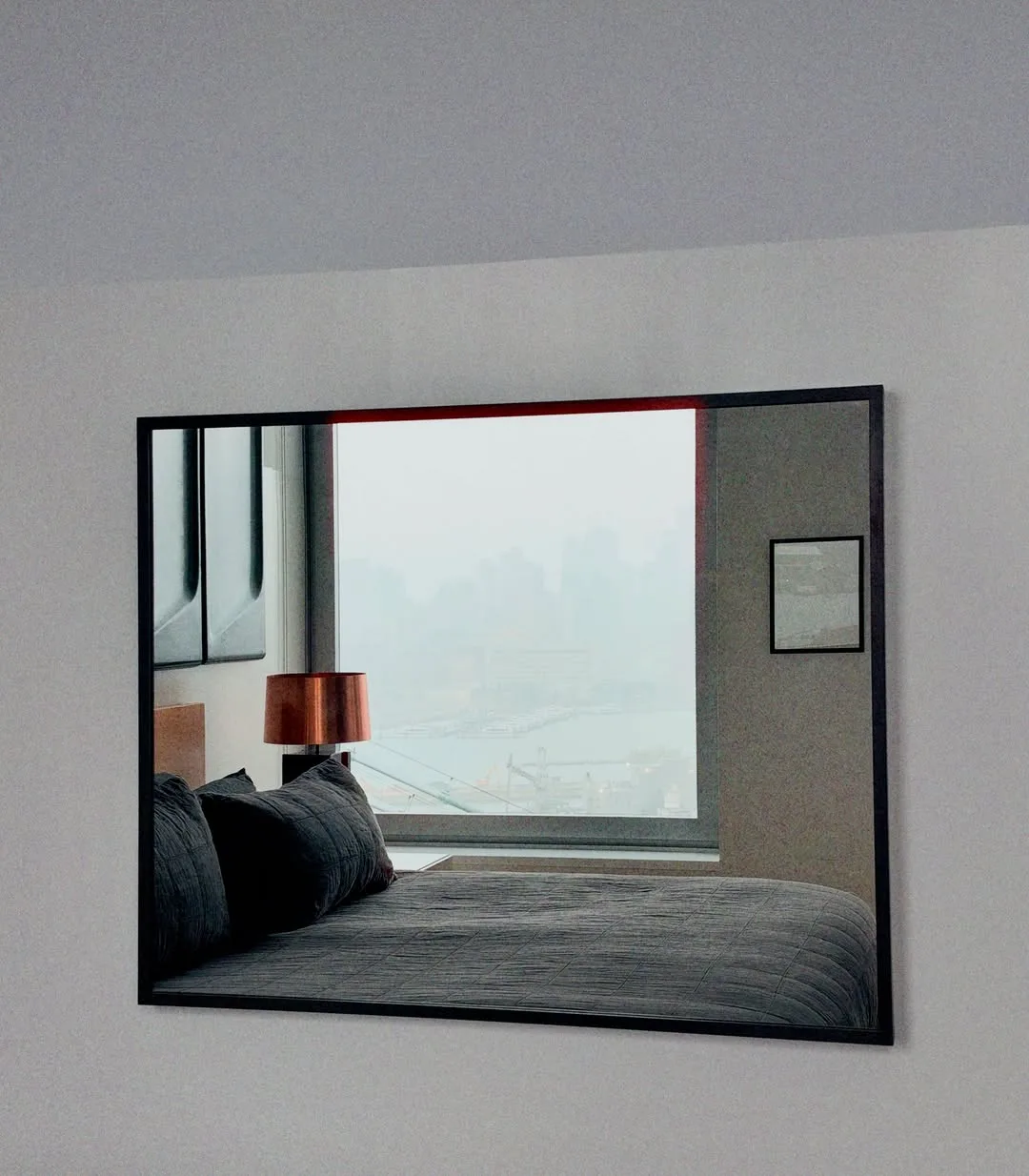
Mirrors return daylight and lamplight into the corners windows never reach. One large mirror opposite or beside a window doubles the light in that part of the room and gives you a full view while dressing. Frames in wood, black, or brass also add a finished piece to a bare wall.
Hang the mirror where it reflects something pleasant, like the window, a plant, or the made bed, rather than a cluttered corner. Leaning a large mirror on a dresser works well and avoids drilling, as long as it cannot slide. Round mirrors soften straight furniture lines, while tall rectangular shapes suit dressing areas near wardrobes.
North facing bedrooms and rooms with one small window suit a large mirror best, because they live with the least natural light. Some of the smartest bedroom makeover ideas on a budget simply move light around a room instead of buying more of it. One woman leaned a thrifted mirror opposite her only window, and the far corner of her bedroom stayed bright until evening for the first time.
Glare ruins a mirror placed without testing. Facing a window head on can bounce harsh light into your eyes each morning, and a mirror facing the bed unsettles some sleepers. Rest the mirror in place for two days before fixing it, check it at different hours, and shift it until the reflection helps rather than bothers.
Rug Layered Over Worn Flooring
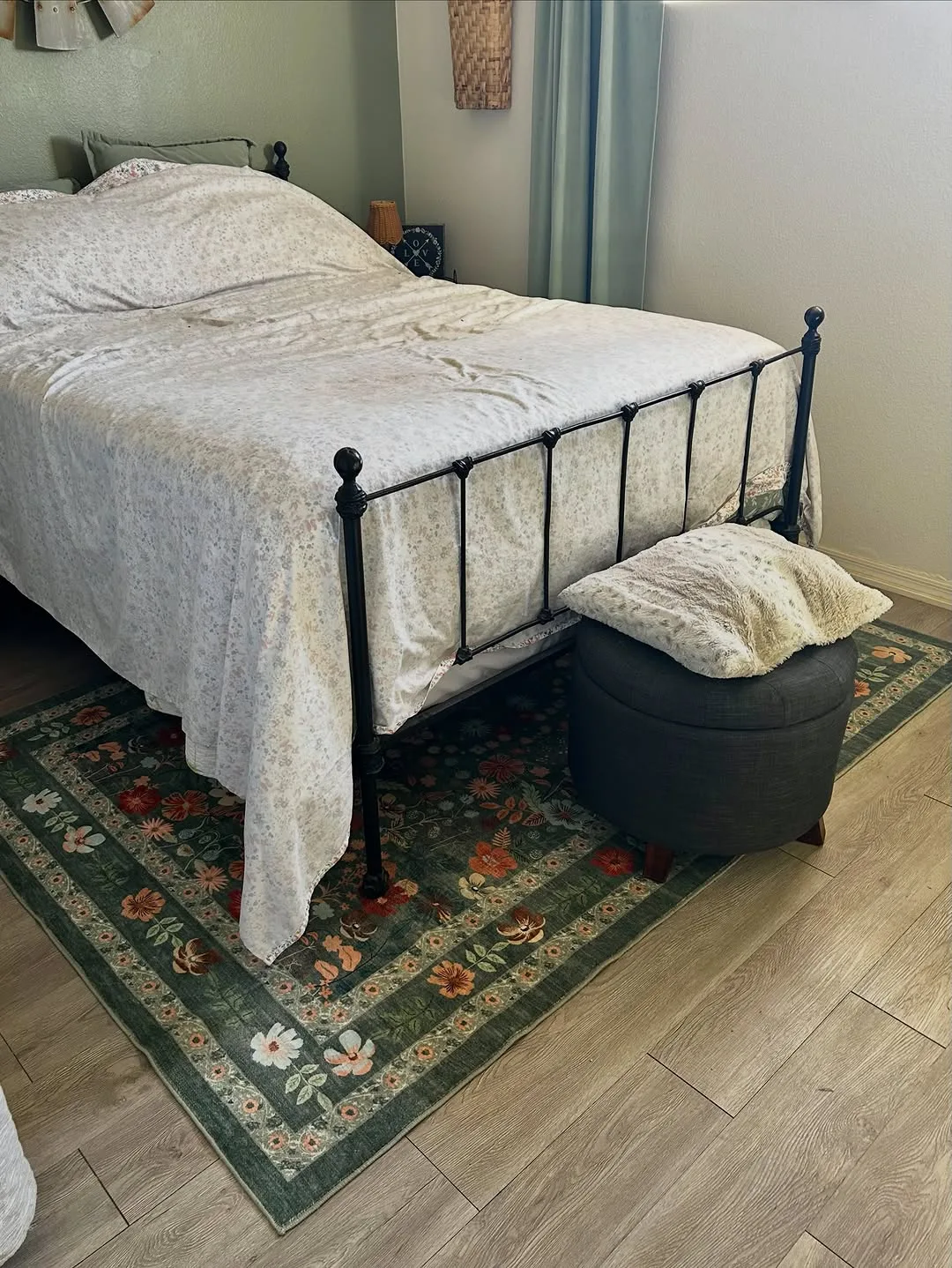
Floors set the temperature of a bedroom before anything else. Cold boards and worn carpet make the whole room feel tired, even when the bed looks lovely. One good rug beside and under the bed warms bare feet at the exact moment you step out each morning.
Place the rug so it extends well beyond both sides of the bed and past the foot, giving your feet a soft landing in every direction. Layering a patterned rug over plain carpet hides stains and wear you cannot afford to replace yet. Natural fibers like wool and jute wear well, and a grippy pad underneath stops corners from sliding.
Homes with old floorboards or thin carpet suit a layered rug best, because the rug covers flaws and cuts drafts at floor level. One family laid a faded Persian style rug bought at an estate sale over their worn bedroom carpet, and the room felt warmer and looked richer the same day.
Thin rugs curl at the corners and slide on smooth floors, tripping sleepy people in the dark. Tape corners down with rug tape, choose low pile where doors swing over the edge, and vacuum underneath monthly because grit collects fast and grinds into the floor below.
Gallery Wall of Prints Above the Dresser
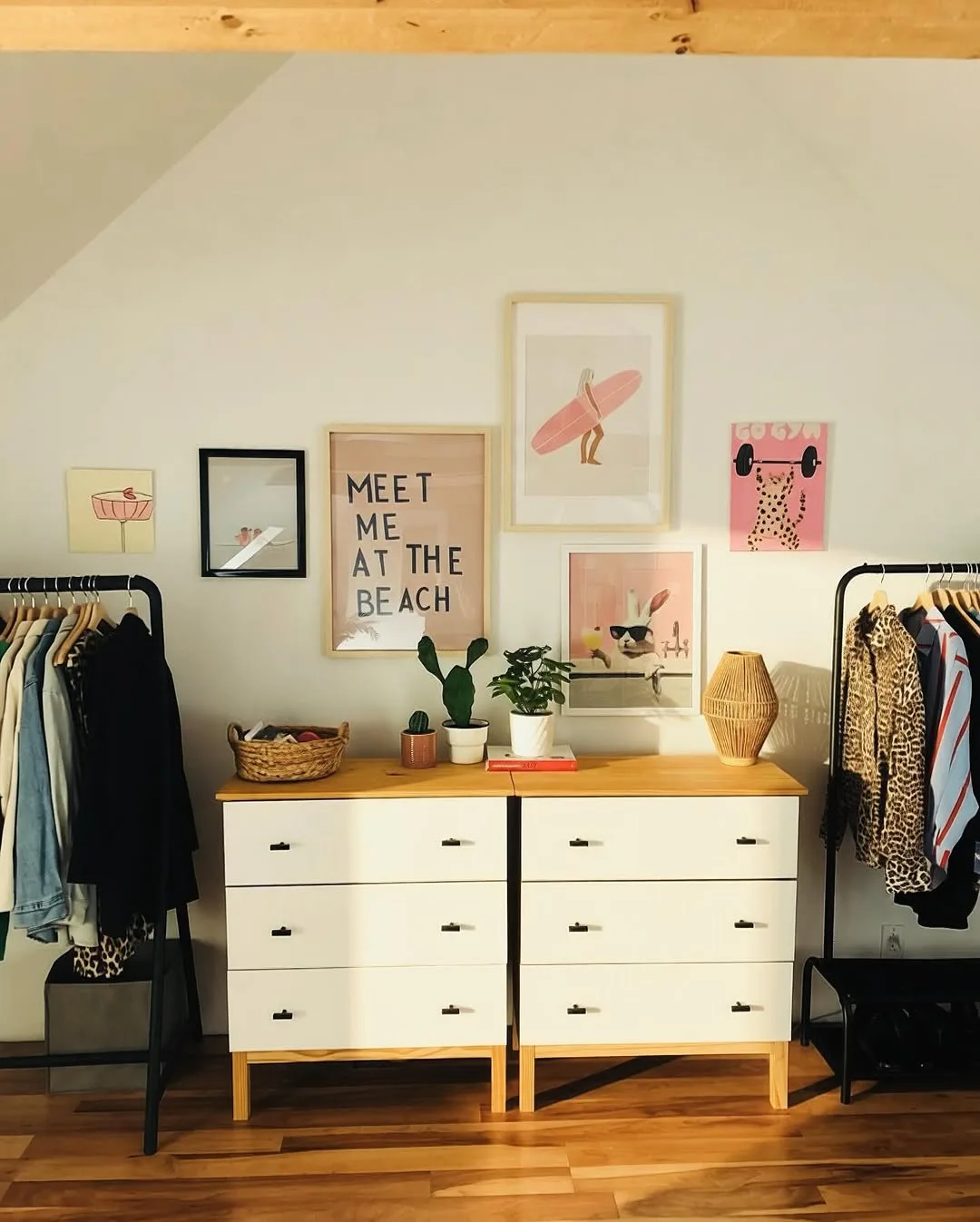
Bare walls make bedrooms feel unfinished even when everything else works. One grouped wall of framed prints above the dresser adds personality, color, and a sense of care for almost no money. Frames unify pictures that would look random on their own.
Plan the layout on the floor or with paper templates taped to the wall before you drill anything. Keep the whole group inside one rectangle, use frames in two finishes at most, and repeat two or three colors across the prints. Postcards, calendar pages, fabric scraps, and your own photos all work beautifully when the frames match.
Collectors of postcards, tickets, and small prints suit a gallery wall best, because the wall turns stored memories into daily decoration. One couple framed six prints from trips they had taken together, hung them above the dresser in two neat rows, and now dress each morning facing ten years of good days.
Scattered spacing makes small walls look chaotic within a week. Frames hung too high float away from the furniture they belong with, and crooked rows draw the eye for the wrong reasons. Hang the center of the group at eye level, keep gaps near five centimeters, and rest the lowest frames close above the dresser top.
Plants on the Dresser and Windowsill
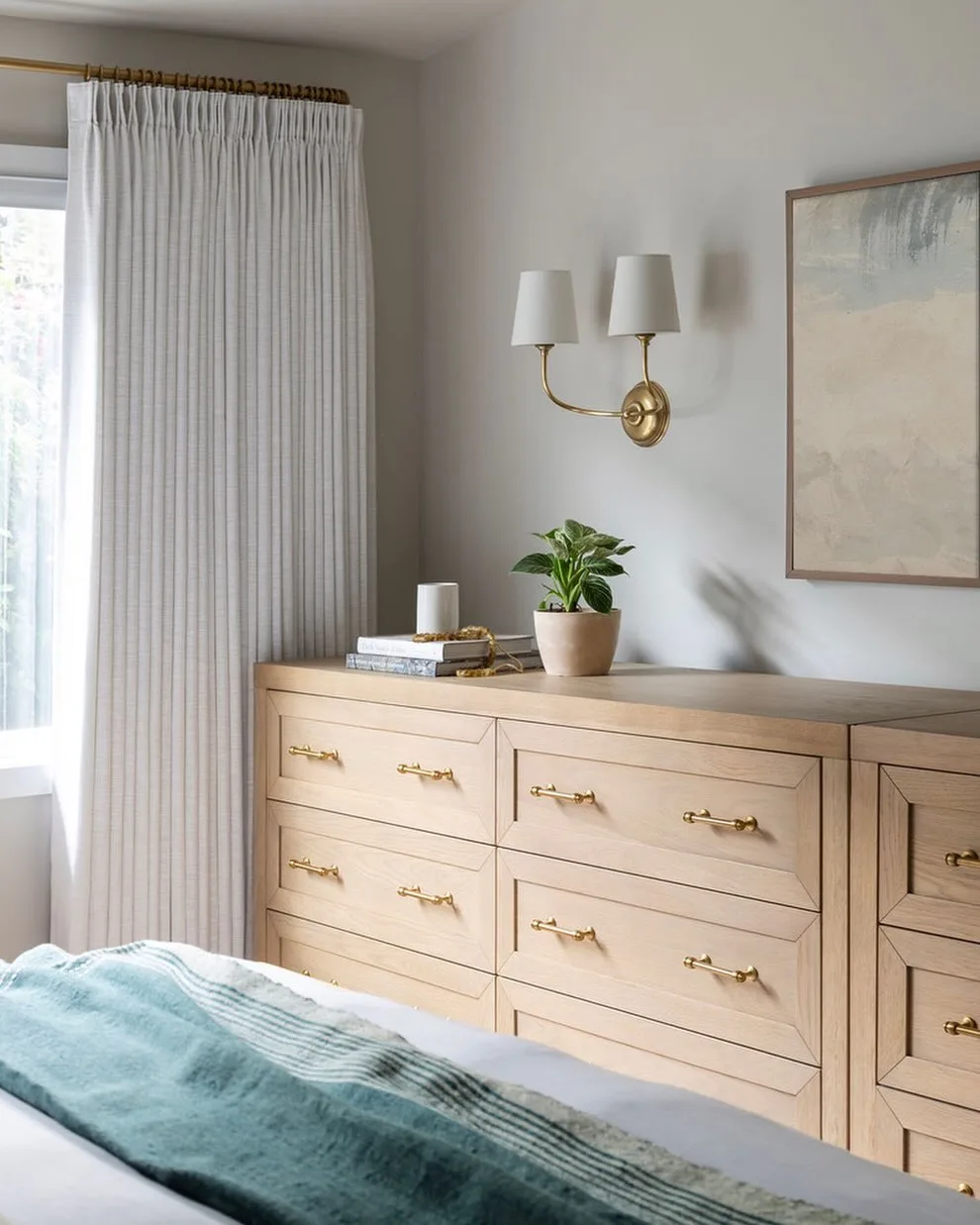
Plants bring living shape and color to a bedroom for the price of a coffee or two. Green leaves soften hard furniture edges, fill empty corners on a dresser, and make the air in the room feel fresher. Even one plant changes a dresser from storage into a styled surface.
Begin with forgiving plants that tolerate missed waterings, like pothos, snake plants, and ZZ plants. Group one tall plant with one trailing plant and one small pot for a calm mix of heights. Keep pots in one family of materials, like terracotta or plain white ceramic, so the group looks planned.
Gardeners and plant lovers suit this idea best, but beginners do well with one hardy plant at a time. One woman placed a trailing pothos on her dresser and a small snake plant on her sill, and the two plants softened her plain white bedroom more than the new cushions she had bought the month before.
Overwatering kills more bedroom plants than neglect. Pots without drainage holes drown roots, and water rings stain dresser tops within days. Set every pot on a saucer or tray, water only when the soil feels dry a finger deep, and move thirsty plants to the bathroom where humidity helps them.
Matching Baskets That Hide Clutter
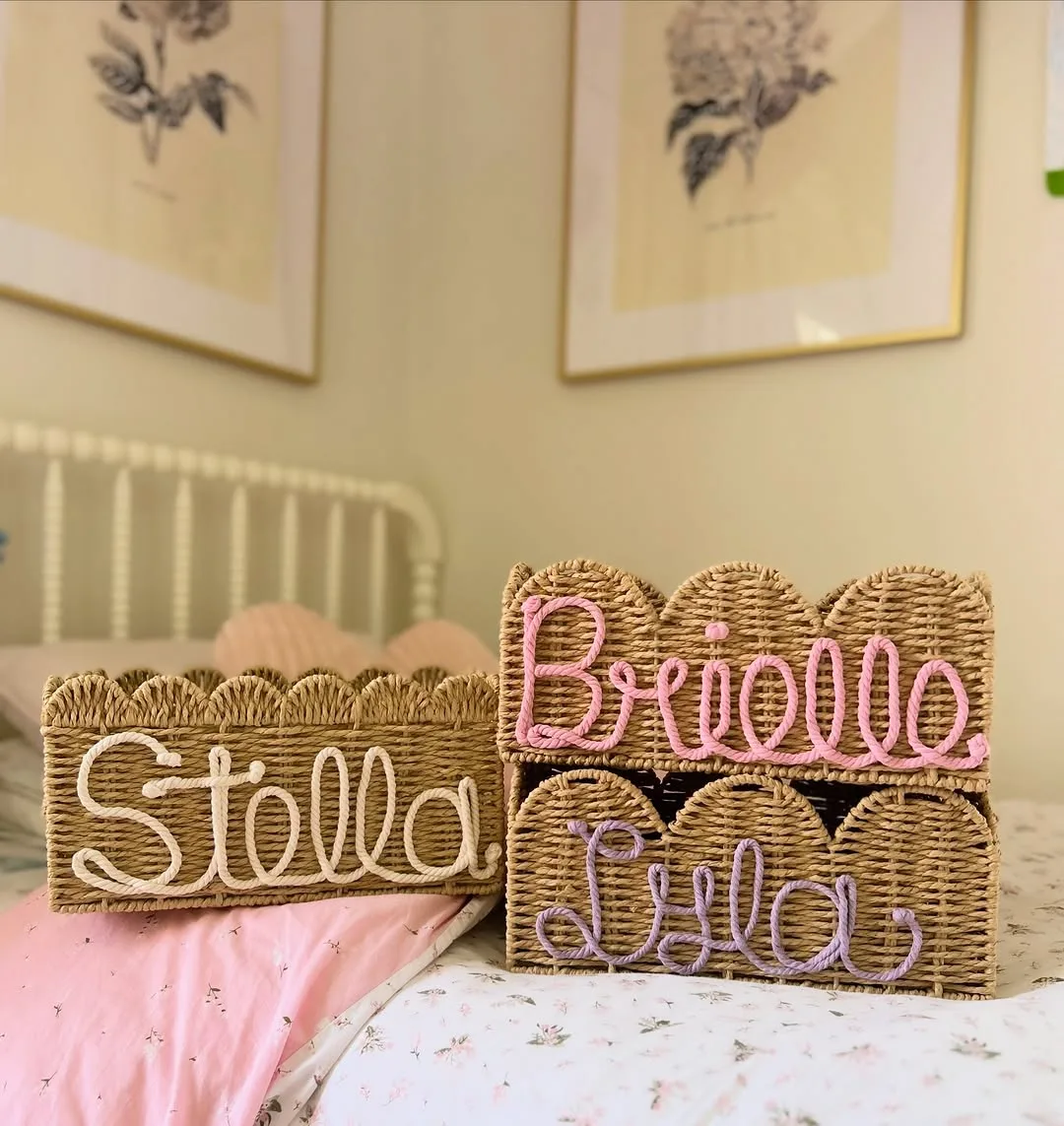
Clutter shrinks a bedroom faster than small size does. Chargers, books, hand cream, spare blankets, and yesterday clothes spread across surfaces and make the room feel restless. Baskets swallow all of it in seconds and return calm, empty surfaces to the room.
Give each basket one job: one for blankets, one for books and chargers by the bed, one for laundry waiting to move. Match the material across the room, seagrass, cotton rope, or woven water hyacinth, and repeat each size in at least two places. Lidded baskets beside the dresser hide the messiest items completely.
Busy households and anyone who tidies in a hurry suit baskets best. Order plays a quiet role in bedroom makeover ideas on a budget, because a tidy room looks cared for even when nothing new has been bought. One parent assigned three baskets to three jobs in the main bedroom, and morning tidying dropped from twenty minutes to five.
Oversized baskets become junk collectors with lids. Everything homeless lands inside, and finding one item means emptying the whole basket onto the bed. Keep baskets small enough to see the bottom, review contents monthly, and let one basket per zone be the honest limit.
Headboard Made from Simple Materials
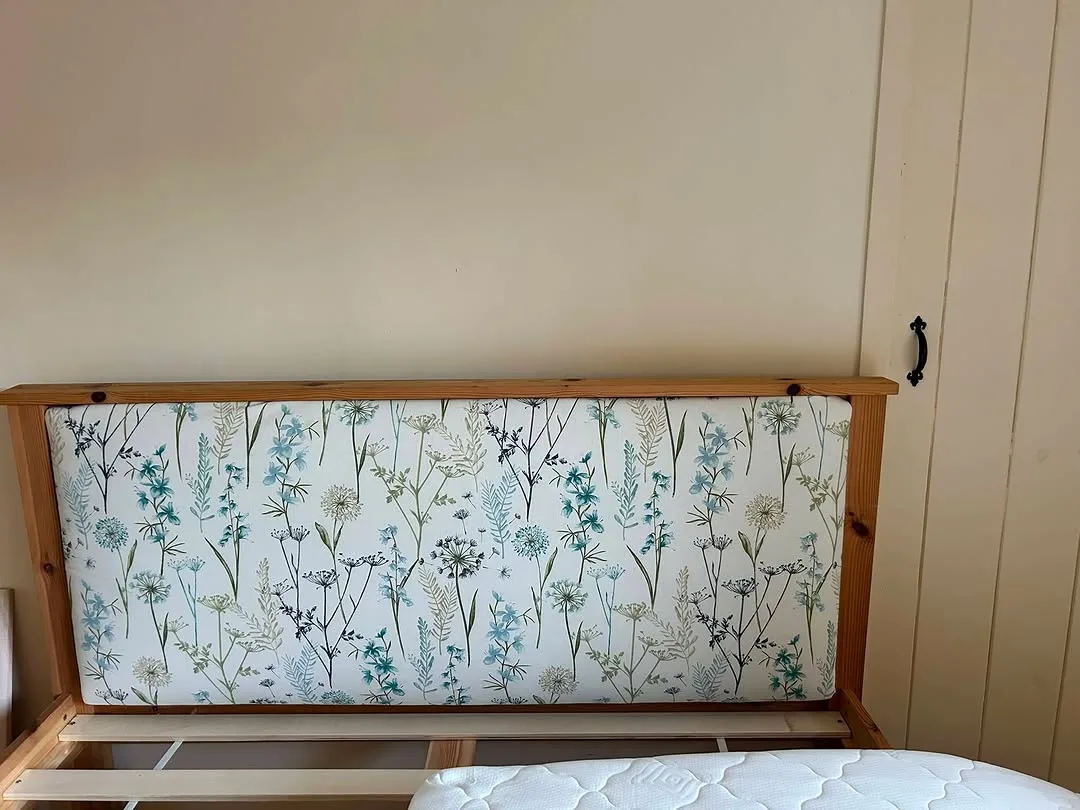
Beds without headboards look unfinished against a bare wall, and pillows slide into the gap at night. One simple headboard anchors the bed, protects the wall from marks, and gives the whole room a clear center. Simple versions cost little and need only basic tools.
Build a flat panel from plywood or an old door, sand it smooth, and cover it with foam and fabric stapled tight at the back for a soft upholstered look. Plain wooden slats stained to match other furniture suit country and simple modern rooms. Fix the panel firmly to the wall or bed frame so it never knocks when you sit up to read.
Handy beginners suit this project best, because measuring, sanding, and stapling are forgiving skills. One man turned a plain internal door from a salvage yard into a headboard over one weekend, painted it deep green, and gave his spare bed the finished look guests kept complimenting.
Loose panels cause the headboard headache everyone hates. Panels fixed only by leaning against the wall rattle at every movement and mark the paint. Screw through into studs or bolt the panel to the frame, pad any contact points, and check the fixings after the first week of use.
Bedside Styling with Books and a Tray
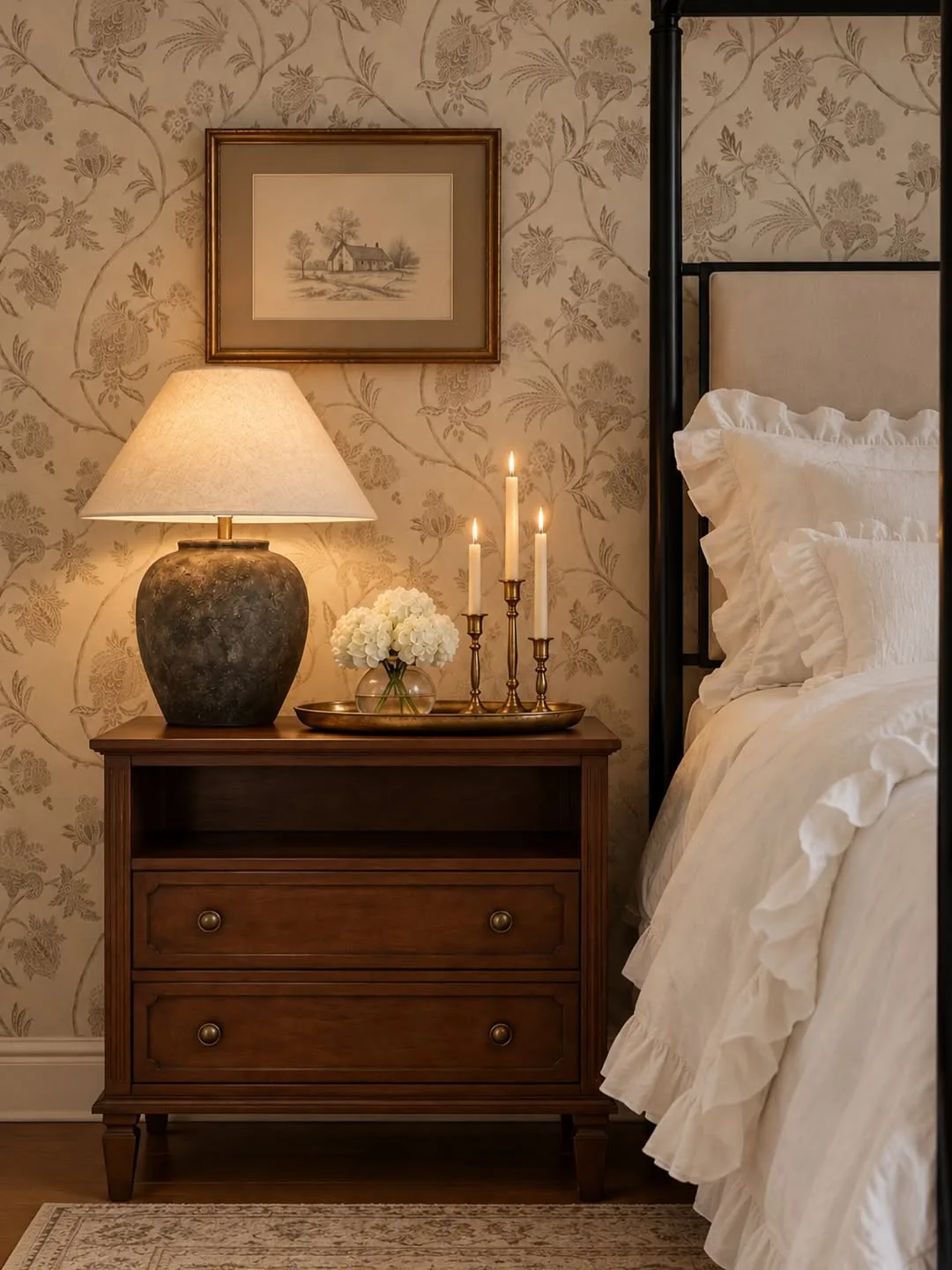
Nightstands collect clutter because they sit within reach of a sleepy hand. Styling them with intention turns two small surfaces into the prettiest detail in the room. One tray, a small stack of books, and the lamp give every bedside item a boundary.
Set a small tray or shallow dish on each nightstand to hold glasses, a watch, and hand cream in one place. Stack two or three books with calm colored spines, rest a small plant or candle on top, and leave the front half of the surface empty. Empty space makes the styled half look deliberate.
Hosts preparing a guest room suit bedside styling best, because guests judge a room by the bedside first. One host placed a tray with water carafe, two books, and a small plant beside her guest bed, and visitors began describing the plain room as boutique within one stay.
Crowded nightstands make mornings clumsy. Water glasses knock against book towers, alarms hide behind plants, and chargers tangle around lamp bases. Keep the alarm and water within easy reach at the front, push decor to the back, and clear the whole surface weekly so the system survives real life.
Painted Nightstands in a Fresh Color
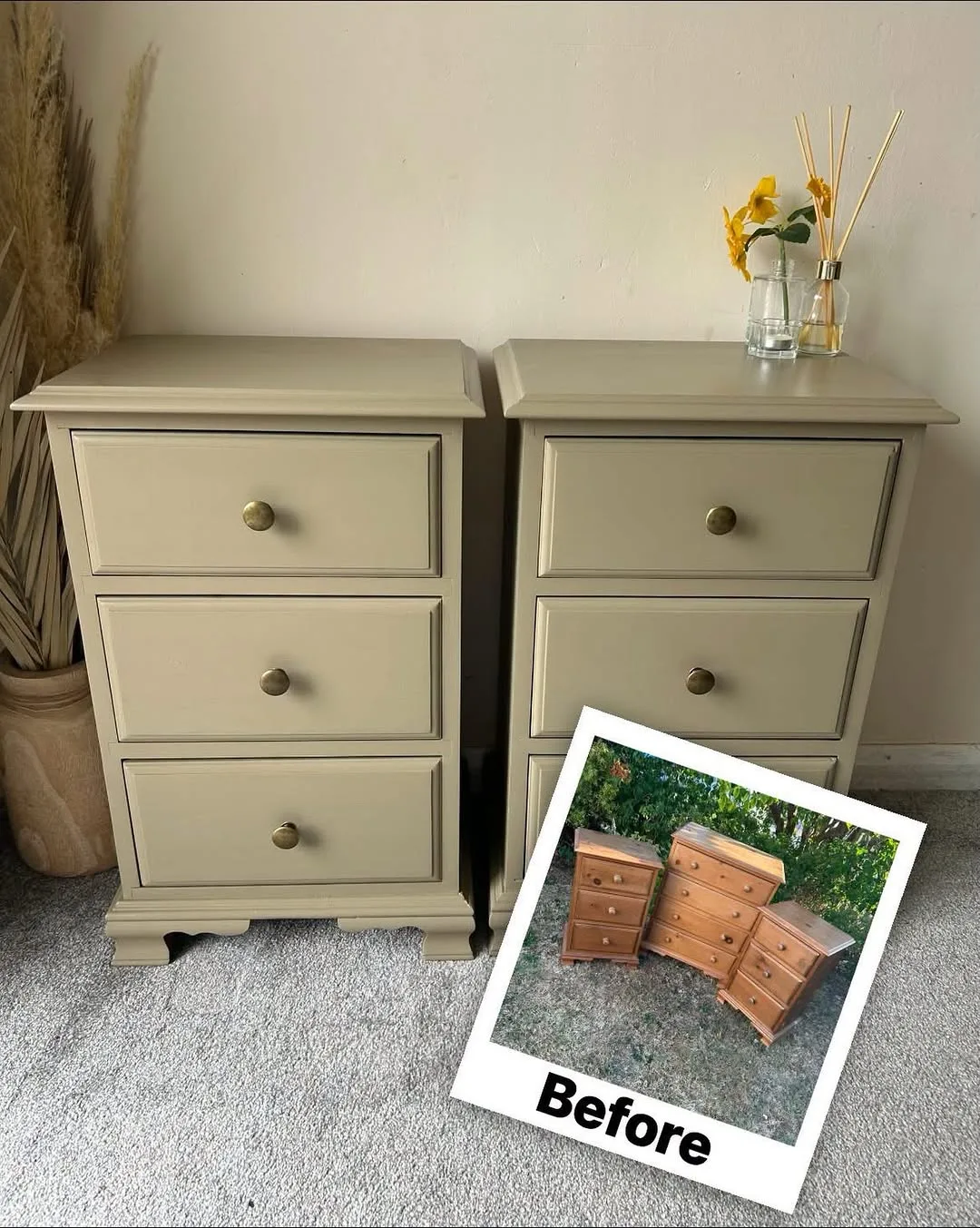
Mismatched nightstands in tired finishes make the bed wall look accidental, even when each piece is solid and useful. Paint pulls a mixed pair into one scheme in a single afternoon. Color on small pieces also lets you test a bold shade without committing a whole wall to it.
Sand each nightstand lightly, wipe away dust, and prime any glossy or dark finish before color goes on. Two thin coats of satin paint beat one thick coat, which drips and chips at the edges. Matching handles in one finish complete the pair, and a day of drying before use keeps the surface hard.
Second hand pairs suit painted nightstands best because paint forgives different woods and slightly different heights. One woman painted two mismatched market finds in the same soft sage, added matching black handles, and guests assumed the pair had always belonged together beside her bed.
Skipping primer causes the peeling that gives painted furniture a bad name. Paint slides off glossy varnish in sheets within months, especially on drawer edges your hands touch daily. Prime properly, let each coat dry fully, and keep a small jar of leftover paint for the chips that busy life will bring.
Scent and Soft Lighting for Evening Calm

Evenings decide how restful a bedroom really feels. Harsh light and stale air keep the body alert when it should be slowing down. Gentle scent and low, warm light tell your senses the day has ended, and the room starts working for your sleep instead of against it.
Keep scent light and natural: an open window for ten minutes, clean bedding, a small bowl of dried lavender on the dresser, or one candle lit while you read and blown out before sleep. Dim the main light an hour before bed, rely on bedside lamps, and keep screens and chargers across the room where you can.
Poor sleepers suit this idea best, because the routine matters as much as the objects. One man began opening his window each evening, lighting one candle while he read, and switching to lamps only after nine. Within two weeks he fell asleep faster in the same room with the same bed, simply because evenings felt calmer.
Strong synthetic scents cause headaches and cling to bedding for days. Plug in fragrances near the pillow overwhelm a small room by midnight. Choose one gentle scent at a time, air the room daily, and wash bedding often enough that the room smells clean first and scented second.
Common Mistakes to Avoid
Buying everything at once leads to regret and a room full of almost right pieces. Sales push people into bedding, paint, and furniture chosen in one rushed weekend, with no chance to live with each change. Add one layer at a time, sleep in the room between changes, and let each decision teach you what the room needs next.
Matching every item to one color flattens a bedroom within weeks. Rooms in a single shade lose the contrasts that make texture visible, and the bed melts into the walls. Keep at least three tones in play, one deep, one pale, and one natural material like wood or woven fiber repeated around the room.
Ignoring light ruins more makeovers than wrong colors do. People paint, style, and photograph the room at noon, then live in it under one harsh ceiling bulb every evening. Test every change at night as well, because lamplight is the light your bedroom wears for most of its real life.
Forgetting storage undoes pretty styling within a month. New bedding and fresh paint cannot hide chargers, laundry, and clutter piled on every surface. Give daily items a basket, a drawer, or a tray before you style anything, and protect clear surfaces like they are part of the design, because they are.
Budget Friendly Bedroom Makeover Ideas
Spending wisely matters more than spending little. Most bedroom makeover ideas on a budget work because they put money into the surfaces you touch and see daily, like bedding, light, and paint, and save on everything decorative. Walk your home first and gather cushions, throws, frames, and lamps from other rooms before you buy a single thing.
Second hand shops, house clearances, and online marketplaces reward patient looking. Dressers, mirrors, lamps, and wooden nightstands sell for a fraction of new prices, and solid older pieces often outlast cheap new ones. Check drawers, joints, and smells before you pay, wash everything well, and let paint unify pieces that began life in different homes.
Paint remains the cheapest deep change you can make, and honest bedroom makeover ideas on a budget nearly always start with a tin and a brush. One wall, one dresser, or two nightstands can carry a whole new color story for the price of a modest dinner out. Sample pots prevent the expensive mistake of repainting a color you hate.
Save on items your skin never touches and your eye barely rests on: frames, baskets, trays, and small decor. Spend first on bedding you sleep in, bulbs you read by, and one rug your feet meet each morning. Small savings across many small items free money for the one piece that shapes every night.
Tips for a Bedroom Makeover on a Budget
Start with the bed and work outward. Bedding, the wall behind the bed, and bedside light change the room more than anything in the corners, so finish the center before you touch the edges.
Keep one small notebook of measurements on your phone: bed size, wall lengths, window width, and the dresser footprint. Honest bedroom makeover ideas on a budget grow from real numbers, and the notebook stops the costly habit of buying pieces that nearly fit.
Change one thing each week rather than everything in one weekend. Small weekly wins keep motivation high, spread the cost across paydays, and show you how each layer settles before the next arrives.
Borrow from other rooms before you buy. Living room throws, spare lamps, hallway art, and kitchen plants all work in a bedroom, and rotating pieces between rooms refreshes two spaces for free.
Trust your own rest over photos online. Sit in the room at night, feel the light, touch the bedding, and adjust until your body relaxes. One room that truly helps you sleep beats a room that only looks right in pictures.
FAQ
How Much Should a Budget Bedroom Makeover Cost?
Most bedrooms change noticeably for the cost of bedding, one tin of paint, and two warm bulbs. Plenty of people spend less by shopping second hand and moving pieces between rooms. Set a figure you can afford, spend it on the bed first, and pause whenever the money runs out, because the room improves in stages.
Where Should I Start When Money Is Tight?
Begin at the bed, because you see and touch it more than anything else in the room. Fresh bedding and a calmer wall color behind the headboard carry the whole room while you save for the next step. Tidying surfaces and adding baskets costs almost nothing and buys time.
Can I Make Over a Bedroom in One Weekend?
Weekends suit painting, bedding swaps, curtain hanging, and styling very well. Paint on Saturday morning, hang curtains while coats dry, dress the bed on Sunday, and style surfaces last with pieces you already own. Bigger projects like refinishing a dresser deserve their own weekend so nothing feels rushed.
What Colors Make a Small Bedroom Feel Bigger?
Pale walls in warm white, soft cream, or pale stone reflect light and push the walls outward in your mind. Depth belongs on one wall or in bedding, where deep color adds calm without closing the room in. Mirrors and light curtains multiply whatever daylight the room receives.
How Do I Make a Bedroom Feel Cozy Without Clutter?
Texture adds coziness without adding objects. Layered bedding, one folded throw, a soft rug, and warm lamplight make a room feel held without filling shelves. Keep surfaces mostly empty, give daily items a basket or drawer, and let the bed carry the decoration almost alone.
Which Purchases Are Worth the Money?
Bedding you sleep in every night, bulbs you read by, and a rug under your morning feet repay their cost daily. Paint follows close behind because one tin changes walls, doors, and furniture alike. Decorative objects come last, bought slowly, and only when the working pieces already serve you well.
More Ideas to Explore
A bedroom refresh pairs well with seasonal dressing, so try our christmas bedroom decor ideas when winter arrives. The next room most homes tackle is covered by our bathroom decor ideas, while shared spaces benefit from our small living room decor ideas and the walk between rooms from our hallway decor ideas.
Conclusion
Bedrooms ask for rest more than they ask for style points, and honest bedroom makeover ideas on a budget keep those two in the right order. Soft layers, calmer color, warm light, and tidy surfaces answer the real need without draining savings. Comfort grows from small, well chosen changes far more than from one expensive sweep.
Choose two or three ideas from this guide and finish them fully before starting more. Fresh bedding, one painted surface, and baskets that end the clutter can carry a room for months while you plan the next stage at your own pace.
Keep checking the room by living in it. Read in the lamplight, notice cold floors, watch where clutter gathers, and fix one small thing at a time. Rooms stay restful because someone keeps paying gentle attention, not because someone finished them once.
Settle into the room you have made. Make the bed each morning, open the curtains wide, and let the evening light and scent slow you down. One calm bedroom changes how whole days begin and end, and yours is closer than you think.