
New Year Resolution Ideas
January arrives with a clean page feeling that few other months can match, and thoughtful new year resolution ideas can turn that fresh energy into lasting change. Small promises kept daily matter far more than grand plans that quietly fade before February ends.
Most people start the year full of hope and then lose heart when the first difficult week arrives. Work gets busy, the weather turns cold, and old habits creep back in. Planning for those wobbles from the start makes them far easier to ride out calmly.
Every idea in this guide stays simple, gentle and realistic for ordinary busy lives. None of them needs special equipment, rare talent or a large budget. Pick the few that fit your life right now, and let the rest wait for another season.
What Are the Best New Year Resolution Ideas?
Short answer: the best new year resolution ideas are small, specific and tied closely to daily life. One clear action repeated often beats ten vague wishes. Choose goals you can picture yourself doing on an ordinary tired Tuesday, not only on your best days.
Variety helps a list stay balanced and kind. Mix one health goal with one money goal, one home goal and one goal that is purely for joy. Balanced lists survive busy months because when one area stalls, another area still moves forward and keeps hope alive.
Gentle goals also respect the life you already have. Work, family, health and rest all deserve space in the plan. A resolution that fights your real schedule will fail, while one that fits around it can quietly grow stronger month after month.
Walk Every Morning for Better Energy

Fresh air and gentle movement first thing in the day can lift mood, clear the head and loosen stiff joints. A morning walk asks for no membership, no special clothes and no skill beyond putting one foot in front of the other.
Begin with ten minutes at an easy pace and add a little distance each week. Walk the same simple route at first, so the habit feels automatic. Keep a warm layer and comfortable shoes ready the night before to remove every excuse.
Busy parents, office workers and anyone who sits for long hours all gain from this one. People who wake feeling sluggish often find that daylight and movement do more for their energy than an extra cup of strong coffee ever could.
Lay your shoes, coat and keys by the door before bed, and the morning almost starts itself. Walking with a friend, a neighbour or the family dog adds company and makes skipping a day feel much harder than going.
Avoid turning the walk into a race against the clock or a test of willpower. Fast, tense walking on sore legs leads to skipped days. Slow and regular beats fast and rare, and gentle consistency is what builds a habit that lasts.
Cook More Meals at Home

Home cooking saves money, cuts waste and usually tastes better than food grabbed in a hurry. Cooking at home also gives you control over salt, sugar and portion size, which quietly supports almost every health goal on your list this year.
Pick two or three simple meals you already enjoy and cook them on rotation each week. Write a short shopping list from those meals and keep basic store cupboard items topped up. Confidence grows quickly when the same dishes return often.
Families with tight budgets feel the benefit first, because home meals cost far less per plate. New cooks also suit this goal well, since simple repeated meals teach basic skills without stress. Older children can help and learn useful skills too.
Double the recipe whenever you cook soup, stew or sauce, and freeze the extra portions flat in labelled bags. Future busy evenings then solve themselves. A stocked freezer turns a tired night into a home cooked meal in minutes.
Buying exotic ingredients for complicated dishes is the fastest way to quit by February. Cabinets fill with costly jars used once, and cooking starts to feel like a chore. Simple food cooked well will always beat fancy food cooked resentfully.
Read Ten Pages Every Night

Books offer a calm door out of a noisy day, and reading earns a high place among new year resolution ideas because it costs little and gives so much. Ten pages a night quietly adds up to many finished books across a year.
Keep the book on your pillow or beside the kettle, where you will see it at the right moment. Read at the same time each evening so the habit links itself to an existing routine. Even ten slow pages count fully.
People who struggle to switch off at night often find reading kinder than a glowing screen. Students, parents and shift workers can all fit ten pages into odd corners of the day. Borrowed books from friends or the library keep it free.
Leave a simple bookmark where you stopped and note one line about what you read in a small notebook. Looking back over those notes at the end of the year shows how far ten quiet pages each night can carry you.
Choosing a huge famous classic as your first book back can stall the habit within a week. Heavy books feel like homework after a long break from reading. Start with something light and gripping, and save the giants for later confidence.
Save a Small Amount Every Week

Saving a little every week builds a safety cushion that turns surprises into mere inconveniences. Even tiny amounts change how safe money feels. Watching a balance grow slowly also builds pride and patience, two feelings that support every other goal.
Move a fixed small amount into a separate savings place on the same day each week, ideally right after payday. Treat that move like a bill that must be paid. Small and automatic beats large and occasional every single time.
Workers on modest wages suit this goal well because the amount can start truly tiny. Anyone who has faced an unexpected car repair or broken appliance without savings knows the stress it prevents. Young adults building first habits benefit for decades.
Pay yourself first and spend what remains, rather than saving whatever is left over. Leftovers rarely exist. Giving the savings a clear purpose, like a holiday or an emergency cushion, also makes the weekly habit much easier to protect.
Setting the amount far too high is the classic early mistake. A painful weekly sum gets skipped, then abandoned, then quietly forgotten. Choose an amount so small it feels almost silly, and raise it later only when life allows comfortably.
Drink More Water Through the Day

Plain water supports energy, skin, digestion and clear thinking, yet many people drink far less than their body wants. Mild tiredness and headaches often trace back to simple thirst. Carrying water within reach makes drinking it almost automatic all day.
Fill a bottle in the morning and keep it where you work, travel or cook. Drink a glass with each meal and another whenever you pass the kitchen sink. Refilling the bottle twice across the day covers most people well.
Office workers, drivers, teachers and anyone on their feet all day often forget to drink until thirst shouts. Older adults benefit too, because thirst signals grow weaker with age. Children copy what they see, so visible bottles help whole families.
Pair every cup of tea or coffee with a small glass of water beside it. Linking the new habit to an old one removes the need to remember. Adding a slice of lemon or cucumber keeps plain water interesting on warm days.
Waiting until you feel very thirsty means the body has been short of water for hours. Thirst is a late signal, not an early one. Sipping steadily through the day works far better than drinking a huge amount all at once.
Keep a Simple Morning Routine

Calm mornings set a steady tone that carries into work, school and family life. A simple repeatable routine removes rushed decisions about clothes, food and keys. Even fifteen unhurried minutes can change how the whole day feels from the start.
Choose three small steps only, such as making the bed, washing your face and eating a proper breakfast. Do them in the same order each day until they feel automatic. Add nothing new until those three steps feel truly easy.
Both early risers and reluctant starters gain from a routine, because it removes thinking from the hardest hour. Parents juggling school runs find mornings calmer, and people who work from home gain a clear line between rest and work.
Prepare the night before wherever you can, laying out clothes, packing bags and setting the breakfast table. Morning you will thank evening you every single day. Five quiet minutes at night can save twenty frantic minutes before dawn.
Copying a long routine from someone with a completely different life sets you up to fail by Friday. Routines must fit your home, your hours and your energy. Borrow single ideas if you like, but build the shape yourself.
Learn One New Skill This Year

Learning something new keeps the mind lively and confidence growing at any age. One skill chosen for the whole year allows slow, enjoyable progress without pressure. Cooking, drawing, sewing, a language or basic repairs all reward steady small practice.
Break the skill into tiny weekly steps and practise two or three times a week for twenty minutes. Use free lessons at the library, community classes or borrowed books. Small regular sessions beat one long monthly effort almost always.
Curious adults who feel stuck in a rut gain the most from this goal. Retired people enjoy the structure learning brings, and young workers gain skills that can grow into new chances. Children watching adults learn absorb a powerful lesson.
Schedule practice like an appointment and protect that short slot from errands and visitors. Telling a friend what you are learning adds gentle accountability. Showing your progress to someone kind every month keeps motivation warm through slow patches.
Expecting quick mastery leads to embarrassment and quitting when progress feels slow. Every skilled person once stood exactly where you stand now. Awkward early attempts are not failure; they are the normal price of learning anything worth knowing. Patience turns beginners into capable people.
Declutter One Room at a Time

Clear surfaces and tidy corners calm the mind in a way few changes can, and decluttering earns its place among practical new year resolution ideas because progress stays visible. One finished room gives proof that change is truly possible.
Start with one drawer or one shelf, not the whole house. Sort items into keep, give away and throw away piles, and finish that small area fully before moving on. Short sessions of twenty minutes keep the task friendly.
Households that feel crowded or chaotic benefit most from steady decluttering. Families moving home, welcoming a baby or sharing small spaces all gain breathing room. Anyone who dreads opening a certain cupboard already knows where to begin.
Use three boxes or bags for sorting and take the give away pile out of the house the same day. Items that linger by the door tend to wander back inside. A charity collection or a friend in need finishes the job kindly.
Pulling everything out of a room at once creates a mess so big it invites surrender. Half sorted piles then sit for weeks and gather dust. One small finished corner always beats one large unfinished disaster area.
Call Family and Friends More Often

Strong relationships protect health and happiness as reliably as food and sleep do. Regular calls keep far away family close and old friendships warm. Many people say they wish they had called more, and almost nobody regrets calling too often.
Set two regular call times each week and treat them like small appointments with people you love. A Sunday call to a parent or a Friday chat with an old friend soon becomes a rhythm everyone looks forward to sharing.
Grown children living far from home gain comfort from regular calls, and so do the parents waiting to hear their voices. Old friends separated by work or moves also suit this goal. Shy people often find calls easier than visits.
Tie calls to moments that already exist, like washing dishes, folding laundry or an evening walk. Chores pass faster with a loved voice in your ear. Keeping a short list of people to call removes the blank moment of deciding.
Letting months pass while waiting for the perfect long conversation means the call never happens. Short warm calls beat rare perfect ones every time. Five kind minutes today matter more than an hour promised for some distant someday.
Write in a Journal Each Evening

Writing a few honest lines each evening empties a busy mind before sleep. Worries parked on paper lose much of their power to circle all night. Looking back over old pages also shows growth that daily life hides from view.
Sit with a plain notebook at the same time each evening and write for five minutes only. Note what went well, what felt hard and one thing you hope for tomorrow. Grammar, spelling and neatness matter not at all here.
Stressed workers, worried students and new parents often find journaling steadies the mind fastest. Anyone carrying a decision or a grief can think more clearly on paper. People who dislike talking about feelings may prefer writing them privately.
Date every entry and end with one small gratitude, even on hard days. Gratitude trains the eye to notice good things that stress hides. On the worst evenings, one line still counts, because keeping the chain matters most.
Judging your own writing kills the habit faster than almost anything else. A journal is a private notebook, not a school essay or a public performance. Messy honest pages help far more than beautiful empty ones ever will.
Spend Less Time on Your Phone

Phones steal hours in small silent handfuls, and many people feel shocked when they first see their weekly screen totals. Winning back even one hour a day returns time for sleep, family, hobbies and rest. Attention is precious and worth guarding.
Turn off every notification that is not from a real person, and keep the phone in another room during meals. Charge it outside the bedroom overnight if you can. Fewer pings and more distance quickly loosen the phone grip.
Students, parents and office workers all report the same relief when screen time drops. Teenagers may resist at first, yet many admit they sleep better with limits. Anyone who reaches for the phone without thinking gains from this goal.
Charge the phone in the kitchen each evening and use a simple alarm clock beside the bed instead. Mornings then begin with your own thoughts rather than headlines and the demands of strangers. That one swap protects both ends of the day.
Relying on willpower alone while the phone sits glowing beside you rarely works for long. Willpower tires by evening, while simple barriers work all day without effort. Change the setting and the room first, and let habits follow quietly. Environment beats effort almost every time.
Plan Your Week Every Sunday
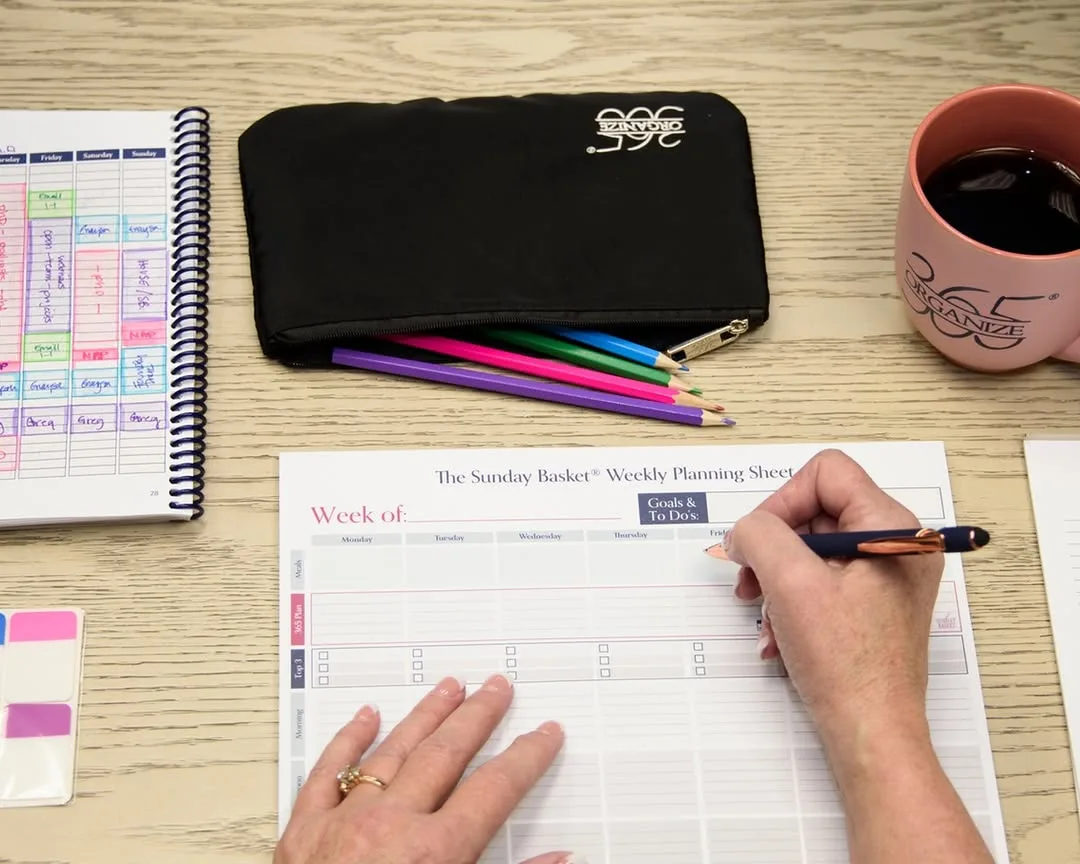
Sunday planning turns a vague week into a calm map you can actually follow. Twenty quiet minutes with a notebook shows where time goes and where it leaks away. Weeks feel shorter and kinder when they begin with a plan.
List the fixed events first, then add three priorities you most want finished by Friday. Leave real gaps between tasks for travel, rest and surprises. A plan with breathing space survives contact with real life far better.
Juggling work, home, children and caring duties leaves many people feeling permanently behind. Planners gain most because the week becomes visible instead of foggy. Students with deadlines and anyone running a small business also benefit from this habit.
Review the plan briefly each morning while the kettle boils, and adjust without guilt when life changes. Plans are guides, not chains. Moving one task kindly to tomorrow beats abandoning the whole week in frustration by Wednesday. Flexibility keeps the habit alive for years.
Filling every hour with tasks guarantees failure, because real days contain delays, tiredness and surprises. Overfull plans collapse by Tuesday and leave guilt behind. Plan for the week you actually have, not the week you wish you had. Space is part of the plan.
Grow a Small Herb Garden
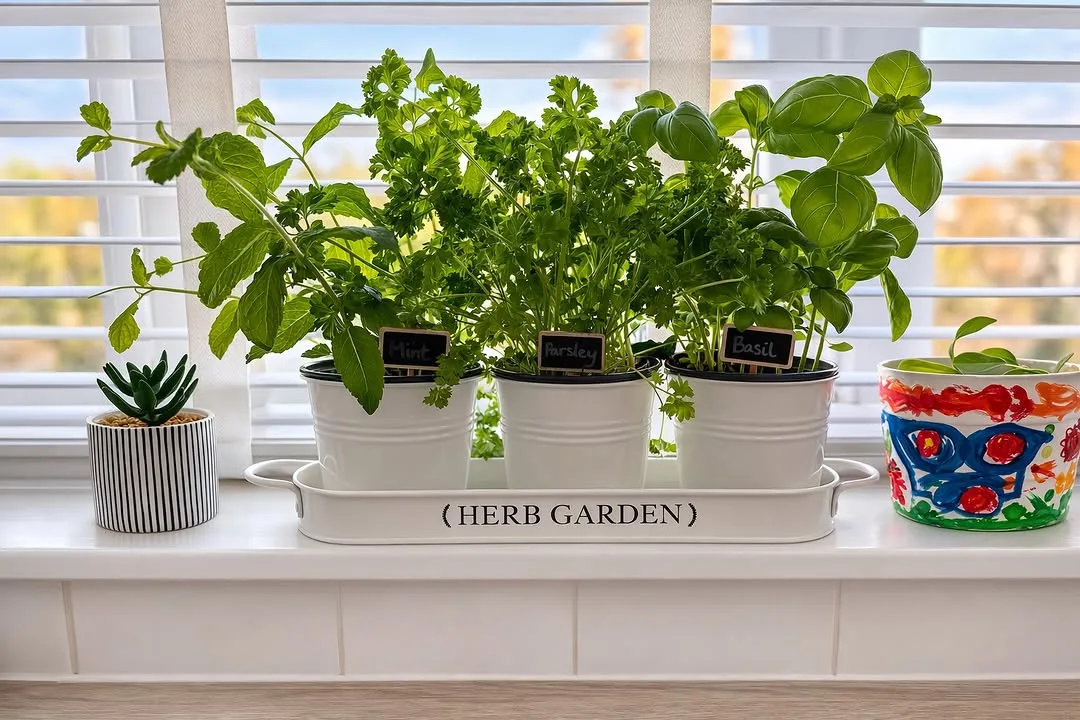
Herbs on a sunny windowsill bring fresh flavour, gentle scent and a small daily pleasure to any kitchen. Watching green shoots grow rewards patience in a quiet, visible way. Even two or three pots count as a real garden.
Place pots where they catch morning light and stand near the sink for easy watering. Start with forgiving herbs like mint, parsley or chives, which grow happily for beginners. Water little and often rather than drowning them weekly.
Cooks who enjoy fresh flavours gain the most obvious pleasure from a herb garden. Children love watching seeds sprout and watering their own small pot. Anyone in a small flat can join in, since windowsills need no garden at all.
Water in the morning and snip leaves often, because regular trimming encourages bushy new growth. Use the clippings the same day in salads, soups or sandwiches so nothing is wasted. Sharing spare cuttings with neighbours spreads the pleasure further.
Planting twelve different herbs at once overwhelms beginners and leaves most pots neglected. Crowded sills become a chore instead of a pleasure within weeks. Two happy pots beat twelve dying ones, and success invites one more pot later.
Be Kinder to Yourself Each Day

Self kindness sounds soft, yet it quietly powers every other change on this list. People who speak gently to themselves recover from setbacks faster and keep going longer. Harsh inner talk drains the energy that good habits need. Kindness is a practical tool, not a luxury.
Speak to yourself as you would speak to a good friend facing the same problem. Notice one thing you did well each day and say it plainly, even silently. Rest without guilt when the body asks, because rest is work too.
Perfectionists gain the most from this goal, because their standards often punish every small slip. Tired parents, busy carers and anyone recovering from a hard year also need this gentleness. High achievers quietly burn out without it. Gentleness protects long term health and hope.
Rest before you are completely exhausted, not after collapse forces the issue. Short pauses through the day refill patience and temper. Treating yourself to one small pleasure daily, like a favourite song or a quiet cup of tea, also counts.
Comparing your slow progress with the polished highlights of other people poisons motivation quickly. You see their results, never their struggles, false starts or help. Your only fair comparison is with yourself last month, and that one usually encourages.
Try One New Hobby Each Season

New hobbies bring play back into adult life, and play is not a waste of time. A fresh interest gives the week something to look forward to beyond work and chores. Trying without pressure to excel keeps the joy alive.
Borrow equipment, swap with friends or use library and community resources before buying anything. Give each hobby one honest month of gentle tries before judging it. Seasons give a natural rhythm: four chances a year to discover something lovely.
Couples looking for shared fun suit this goal well, and so do single people wanting new company. Retired adults gain structure and interest, while busy workers gain a reason to leave work on time. Everyone needs something purely enjoyable. Joy deserves a place in the week.
Invite a friend to try the hobby with you, because shared laughter doubles the pleasure and keeps you showing up. Local clubs and classes welcome beginners warmly in most towns. Trying together also halves the cost of many activities.
Spending heavily on gear for a hobby you have tried twice is the classic trap. Expensive equipment creates pressure, and pressure kills play. Borrow and improvise until the hobby proves it has earned a place in your life. Enthusiasm should come before equipment always.
Common Mistakes
Even the strongest new year resolution ideas can fail when a few common traps go unnoticed. Most failures share the same handful of causes, which is good news. Causes you can name are causes you can fix before they grow.
Big lists are the first trap, because twelve goals split attention into crumbs. Energy spread everywhere changes nothing anywhere. Two or three goals carried all year will always beat twelve goals abandoned by the middle of February. Focus is a form of kindness.
Vague wishes fail quietly because nobody can tell whether they happened or not. Be healthier and do better cannot be ticked off on any day. Clear small actions can, and each ticked day builds trust in your own word. Clarity turns wishes into plans.
Keeping every goal secret removes the gentle support that friends and family happily give. Shared goals gain encouragement, company and honest reminders on hard days. Choose one trusted person and tell them what you are working toward this year. Support makes hard weeks survivable.
One bad week ends many resolutions because people treat a slip as total failure. A missed day is weather, not climate. The habit that returns after a slip grows stronger than the habit that never faced a test. Begin again at the very next chance.
Budget Friendly New Year Resolution Ideas for Every Home
Money worries stop many good intentions before they start, yet most lasting changes cost almost nothing. Walking, reading borrowed books, cooking at home and calling friends are all free. A small budget is no barrier to a genuinely fresh start.
Free resources hide everywhere once you start looking for them. Libraries lend books, instruments in some towns, and local knowledge through classes and clubs. Parks, riversides and public gardens offer space for exercise, picnics and quiet thinking without any charge.
Borrowing and swapping stretch a tiny budget a very long way. Swap books, tools, seeds and skills with neighbours and friends, and everyone gains without spending. Many communities run sharing shelves and repair mornings where broken things get fixed free.
Simple home changes often replace paid ones completely. Cooking one extra meal at home each week can fund a small treat or savings goal by itself. Walking to nearby errands saves fuel money while quietly adding exercise to ordinary days.
Local groups offer company and structure that private efforts often lack. Walking clubs, gardening groups, choirs and craft circles usually welcome beginners for little or no cost. Company makes habits stick, and shared interests quickly grow into real friendships. Belonging is a reward in itself.
Helpful Tips for Keeping Your Resolutions All Year
Sticking with new year resolution ideas through all twelve months depends less on willpower and more on kind daily systems. Small steps, visible progress and gentle restarts carry ordinary people much further than bursts of strict effort ever can. Design your days kindly.
Track progress somewhere visible, like a calendar on the fridge with a simple cross for each day done. Chains of crosses motivate surprisingly strongly, because nobody wants to break a good run. Paper tracking works even when phones fail. Seeing progress feeds the wish to continue.
Tell one trusted person what you are aiming for and ask them to check in kindly each week. Gentle accountability turns private wishes into shared projects. Choose someone encouraging rather than harsh, because kindness keeps people honest for longer. Share setbacks as openly as successes.
Reward milestones with treats that support the goal rather than fight it. A new book rewards reading, a plant rewards gardening, and a special outing rewards saving. Small celebrations mark progress and remind you why the effort matters. Celebrated progress tends to continue.
When a day goes wrong, shrink the goal instead of skipping it completely. Two pages still count, one glass of water still counts, and five minutes still count. Tiny versions keep the chain alive until normal days return again. Small is always better than nothing.
Monthly reviews keep goals fitted to real life as seasons and duties change. Sit down at each month end, notice what worked, and adjust what did not without blame. Goals are allowed to evolve; only giving up counts as failure.
Frequently Asked Questions
How many resolutions should I choose?
Two or three new year resolution ideas are plenty for most people, because each goal needs time and attention every week. One health goal, one home or money goal and one joyful goal make a balanced set. More goals can join later in spring.
What if I break a resolution in the first month?
Missing days in January is normal and says nothing about your character or your future. Restart at the very next chance, shrink the goal if it feels heavy, and keep going. Most successful people restart many times before habits settle.
How long does a new habit take to feel normal?
Habits grow at different speeds for different people, and simple habits settle faster than complex ones. Many people feel a real shift after a few steady weeks of practice. Judge progress by months rather than days, and keep the steps small.
Should I share my resolutions with other people?
Sharing with one trusted person usually helps, because encouragement and gentle check ins keep motivation warm. Choose someone kind who will ask with interest rather than judgement. Large public announcements suit some people, but quiet support works for most.
What is a good resolution for someone who feels too busy?
Tiny goals suit busy lives best, because they fit into gaps that already exist in the day. Ten pages, one glass of extra water or five minutes of tidying all count fully. Small wins build confidence that bigger changes are possible.
How do I stay motivated after January ends?
Motivation naturally rises and falls, so steady people build systems that carry them through flat weeks. Visible tracking, kind company and regular small rewards all help. Reviewing why you started, on a quiet evening each month, renews the original spark.
More Ideas to Explore
Welcome the year in style with new years eve party ideas for a joyful countdown at home, keep guests laughing with new years eve party games for every age, plan a relaxed menu from new years eve dinner ideas, and finish sweetly with new years eve dessert ideas everyone will remember.
Conclusion
Small promises kept kindly will change a year far more surely than grand promises made loudly in January. Choose two or three goals that fit your real life, start tiny, and let steady weeks do the heavy lifting for you.
Pick the first small step for tomorrow morning, not for some perfect future Monday. Lay out the shoes, fill the bottle, place the book or write the list tonight. Beginnings made easy tend to happen, and happened beginnings grow.
Progress will wobble, pause and restart, and none of that erases the good already done. Treat slips as information, adjust the plan kindly, and return at the next chance. A year is long, and gentle persistence uses that length well.
May your year grow steadier, kinder and more organised one small kept promise at a time. Share your goals with someone kind, celebrate the small wins, and begin again whenever you need to. The next twelve months are full of chances. Keep these new year resolution ideas close when January feels long, and let each small promise carry you gently into spring.