Kitchen Coffee Bar Ideas That Make Mornings Feel Special
Mornings feel rushed in most homes, and the coffee corner often makes things worse. Machine, mugs, jars, filters, and spoons spread across the counter in no clear order, so the first drink of the day starts with hunting for things in half light.
Coffee gear needs one clear home, not a whole new kitchen. Group the machine with the items you touch every morning, give each thing a set place, and even a small stretch of counter starts to feel calm, quick, and pleasant to use.
Inside this guide, you will find fifteen practical kitchen coffee bar ideas for small counters, family kitchens, and quiet corners alike. Each idea explains why it works, how to set it up well, who it suits best, one real example, and one common mistake worth skipping.
What Are the Best Kitchen Coffee Bar Ideas for a Small Counter?
Strong kitchen coffee bar ideas rest on one clear zone. Keep the machine, your daily mugs, beans, and a spoon rest within one short reach, and store everything else somewhere near but out of the way. Space matters far less than order, because a tidy corner of sixty centimeters beats a messy counter twice the size.
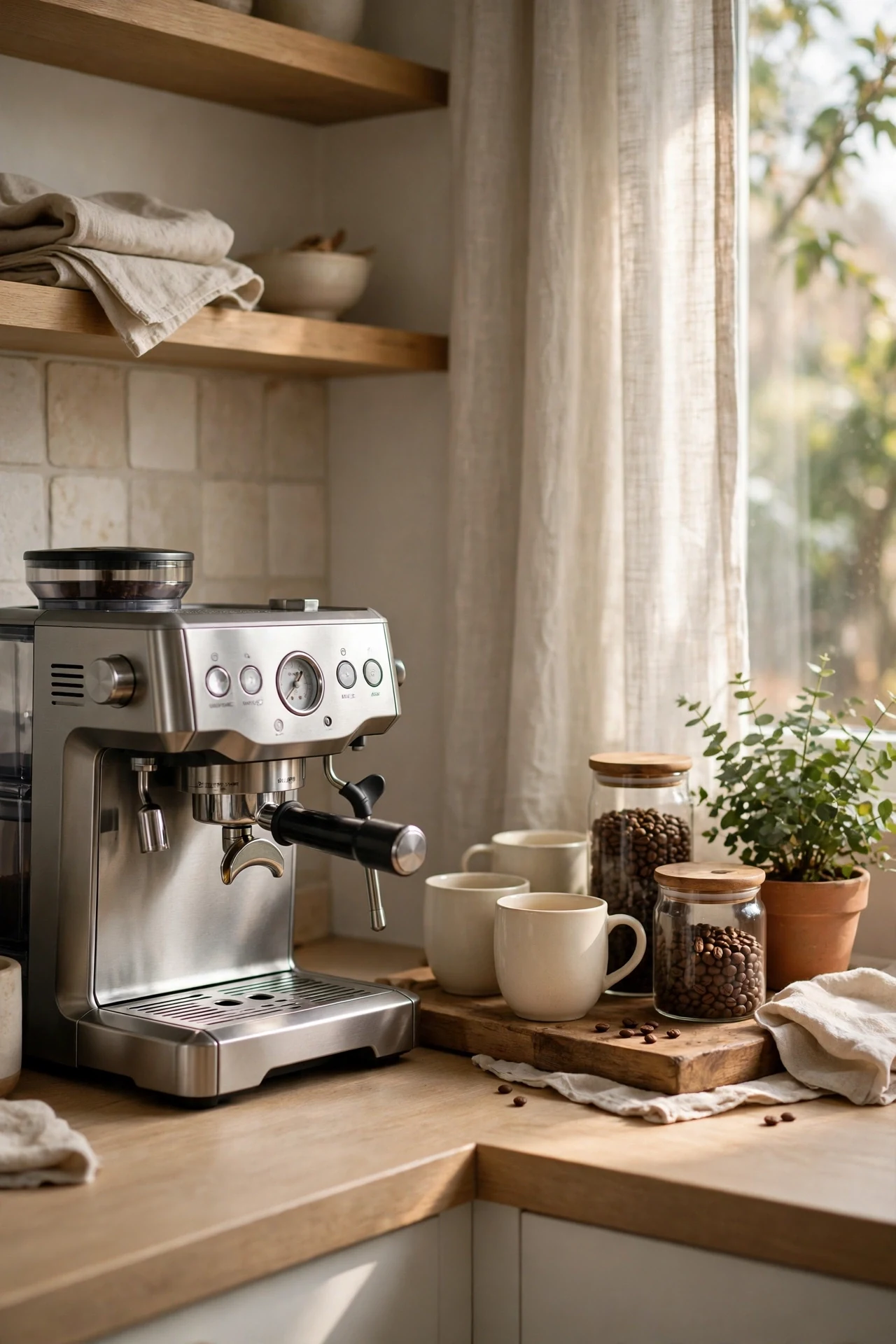
Picture one plain counter on a dark morning. Machine sits on a tray beside two mugs, beans wait in a glass jar, and a small plant softens the corner. Nothing there cost much, yet the whole routine feels slower, warmer, and far more pleasant than the rush from before.
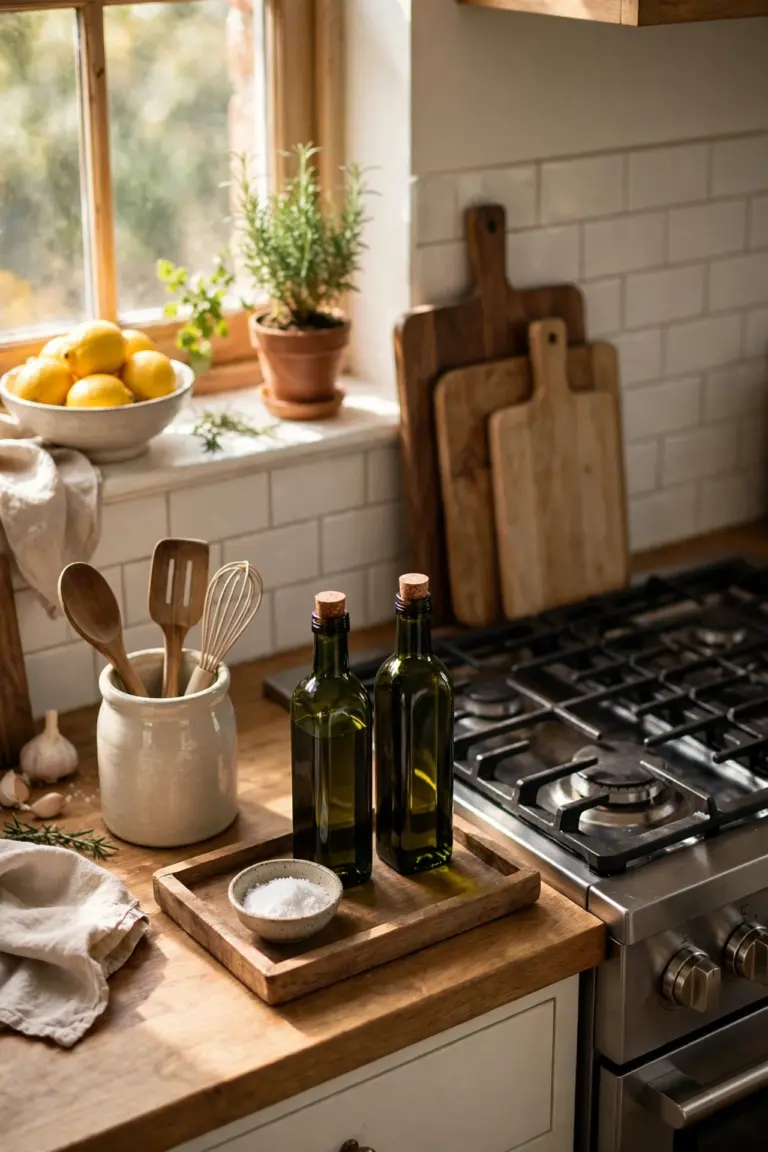
Tray That Holds the Whole Coffee Setup
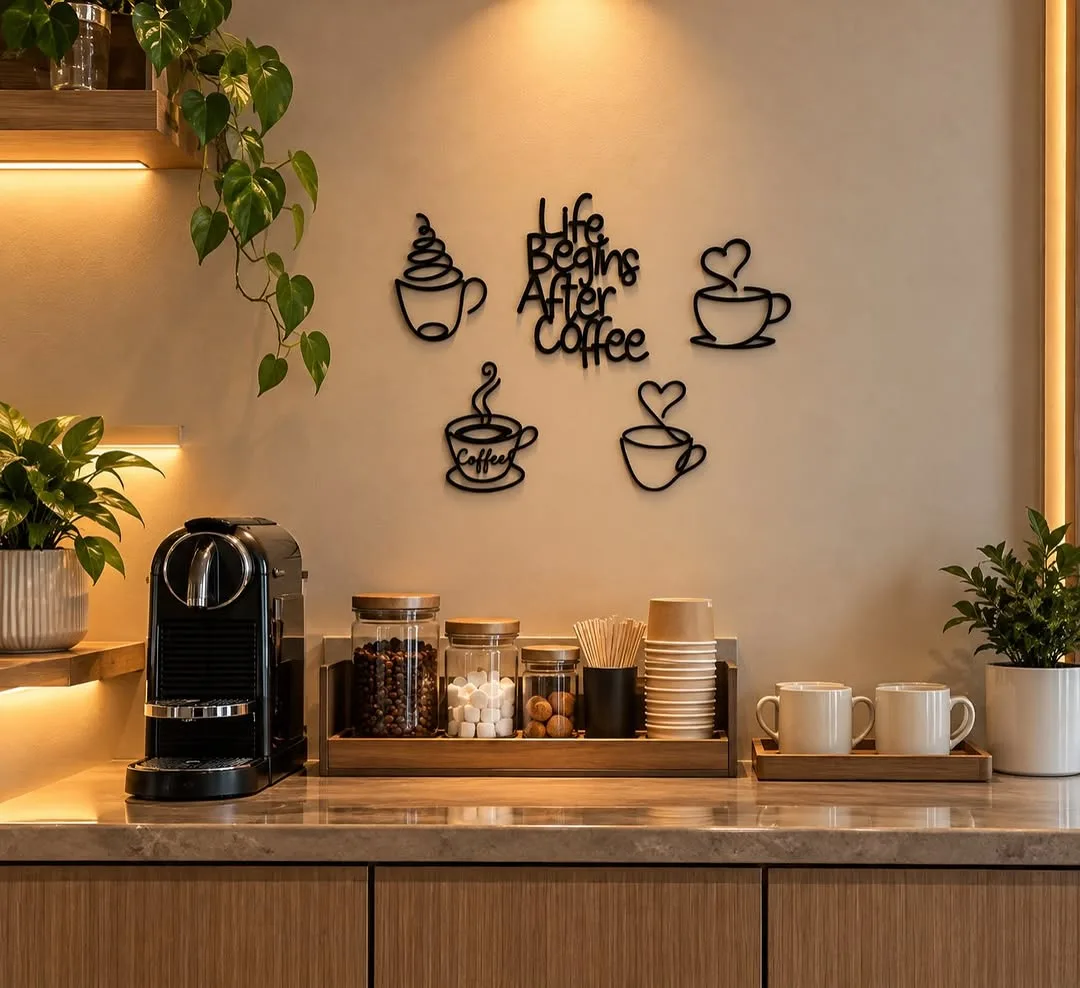
Trays turn scattered gear into one clear station, and simple kitchen coffee bar ideas usually begin with this single move. Machine, beans, sugar, and a spoon rest all sit inside one edge, so the group reads as one tidy piece instead of five loose items fighting for attention.
Choose a tray with a low rim and room for the machine plus two or three daily items beside it. Wood, metal, and woven trays all work, and a washable surface matters because drips and grounds land there daily. Measure the counter depth first, since a tray that hangs over the edge helps nobody.
Small kitchens suit a tray best, because one defined square of counter keeps the rest free for cooking. People who share the counter with school bags, post, and lunch boxes gain even more, since the tray quietly defends its ground without any argument each morning.
When Mina moved her machine onto a wooden tray with her beans and two mugs, her whole routine shrank to one corner of the counter. Guests now spot the coffee spot at once and help themselves, and she wipes under everything by lifting a single tray.
Loose items around the tray undo the whole point within a week. Extra mugs, mail, and gadgets creep back until the station spreads again across the counter. Keep the rule simple: only daily coffee items live on the tray, and everything else finds a home somewhere else.
Mugs on Wall Hooks Above the Counter
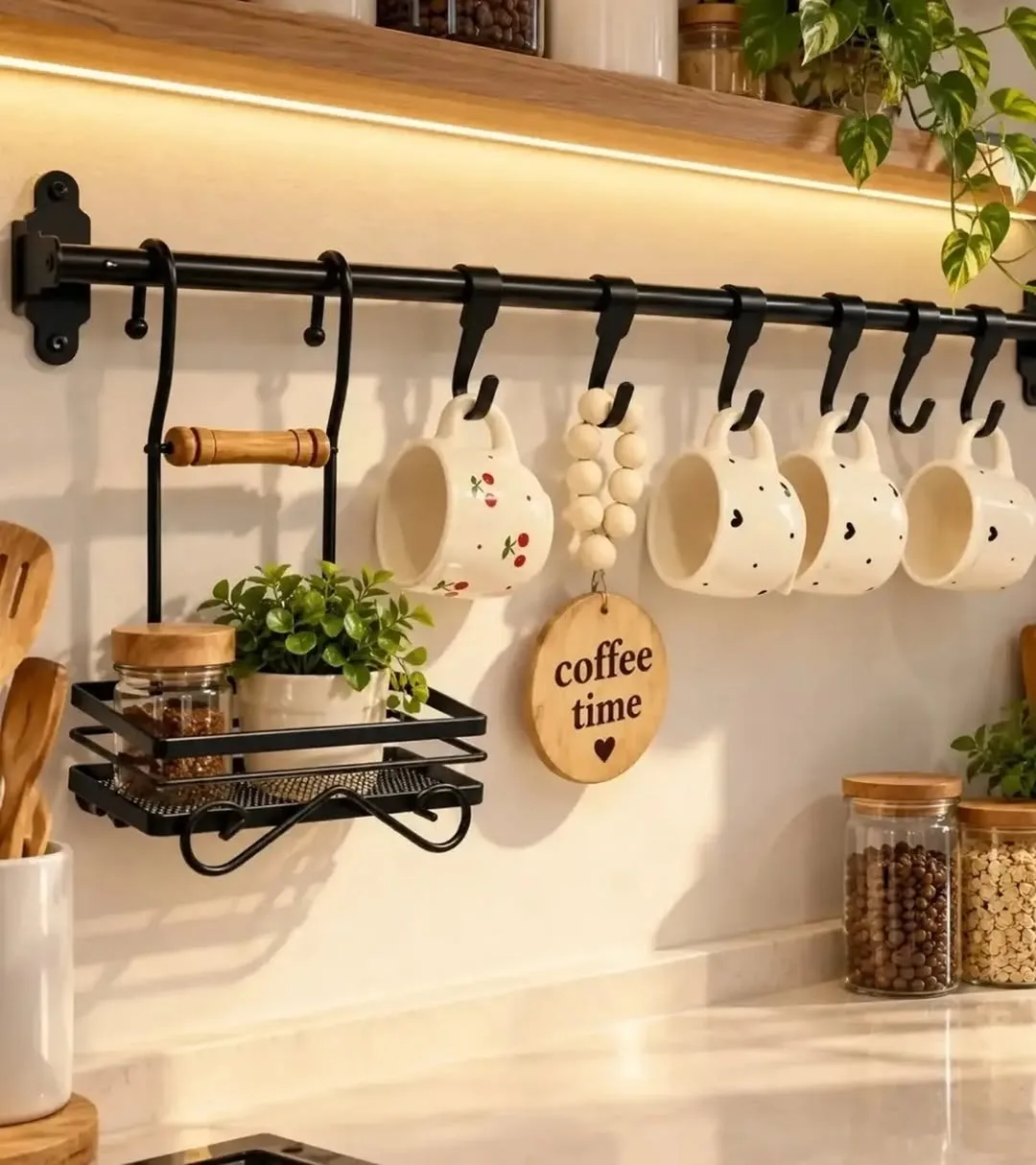
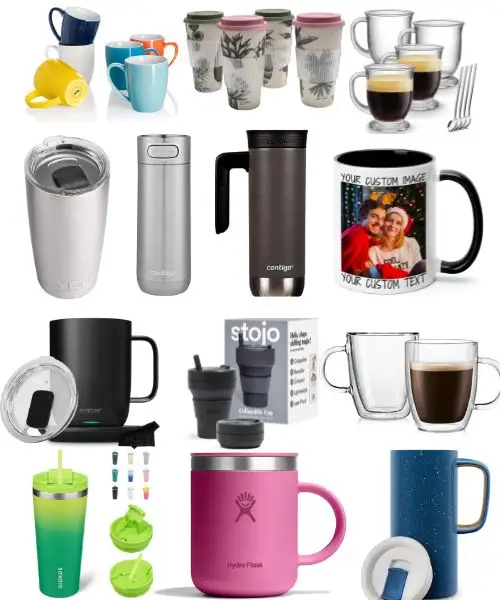
Hooks lift mugs off the counter and turn them into part of the decor at the same time. Cups hang in one neat row where hands reach them easily, and the counter below stays clear for the machine, the kettle, and actual drink making every single morning.
Fit a rail or a row of single hooks into studs or solid wall anchors, because full mugs carry real weight. Space hooks wide enough that cups hang without clinking, and keep the row at a height everyone in the home can reach safely. Four to six mugs cover most homes well.
Homes with narrow counters suit hooks best, since wall space usually sits empty while counters overflow. Mug collectors gain too, because favorite cups finally show instead of hiding in a dark cupboard. Anyone tired of cupboard doors banging during the morning rush feels the difference fast.
After Tom fitted a short rail above his machine, his four daily mugs moved out of the cupboard for good. Mornings run quieter now, guests choose their own cup from the row, and the freed cupboard shelf holds the board games that never had a home before.
Heavy mugs on weak hooks cause the classic failure with this idea. Cups slide, knock together, and sometimes fall into the sink below. Test each hook with a full mug before trusting the row, choose hooks rated for the weight, and keep fragile cups somewhere safer.
Glass Jars for Beans Sugar and Tea
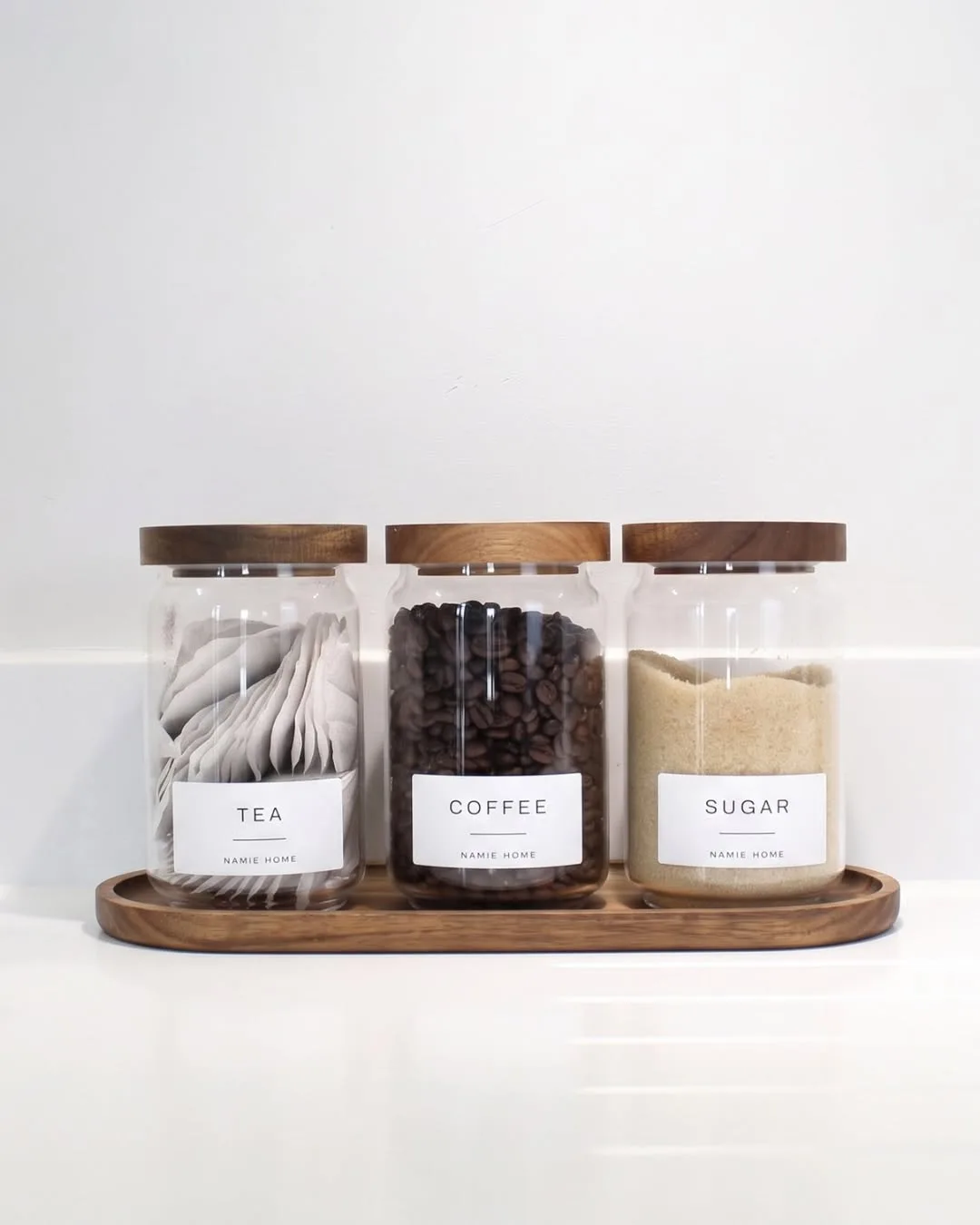
Glass jars keep beans, sugar, and tea visible, fresh, and easy to grab without opening three different packets. Clear sides show when supplies run low, and matching jars make even basic ingredients look calm and planned on the counter or a nearby shelf.
Pick jars with wide mouths that fit a scoop and lids that seal firmly against air and moisture. One jar for beans, one for sugar, and one for tea covers most homes, and smaller jars suit sweeteners or loose spices you add often. Wash and dry jars fully before refilling them.
People who buy beans in bags suit jars best, because decanting stops the daily wrestling with folded packets and clips. Tea drinkers who share the corner gain as well, since their supplies sit beside the coffee gear in one fair system. Visual people enjoy seeing exactly what they hold.
On her narrow counter, Lena keeps beans, sugar, and two teas in three glass jars lined against the wall. Morning drinks take half the time they once did, and visitors keep asking where she bought the set, though each jar came from a different shop over two years.
Sunlight ruins stored beans faster than most owners expect, and clear jars on a sunny counter fade flavor within weeks. Keep jars in shade or choose a spot away from the window, and buy beans in amounts you finish within a month so nothing sits long enough to go stale.
Small Shelf That Lifts Supplies Off the Counter
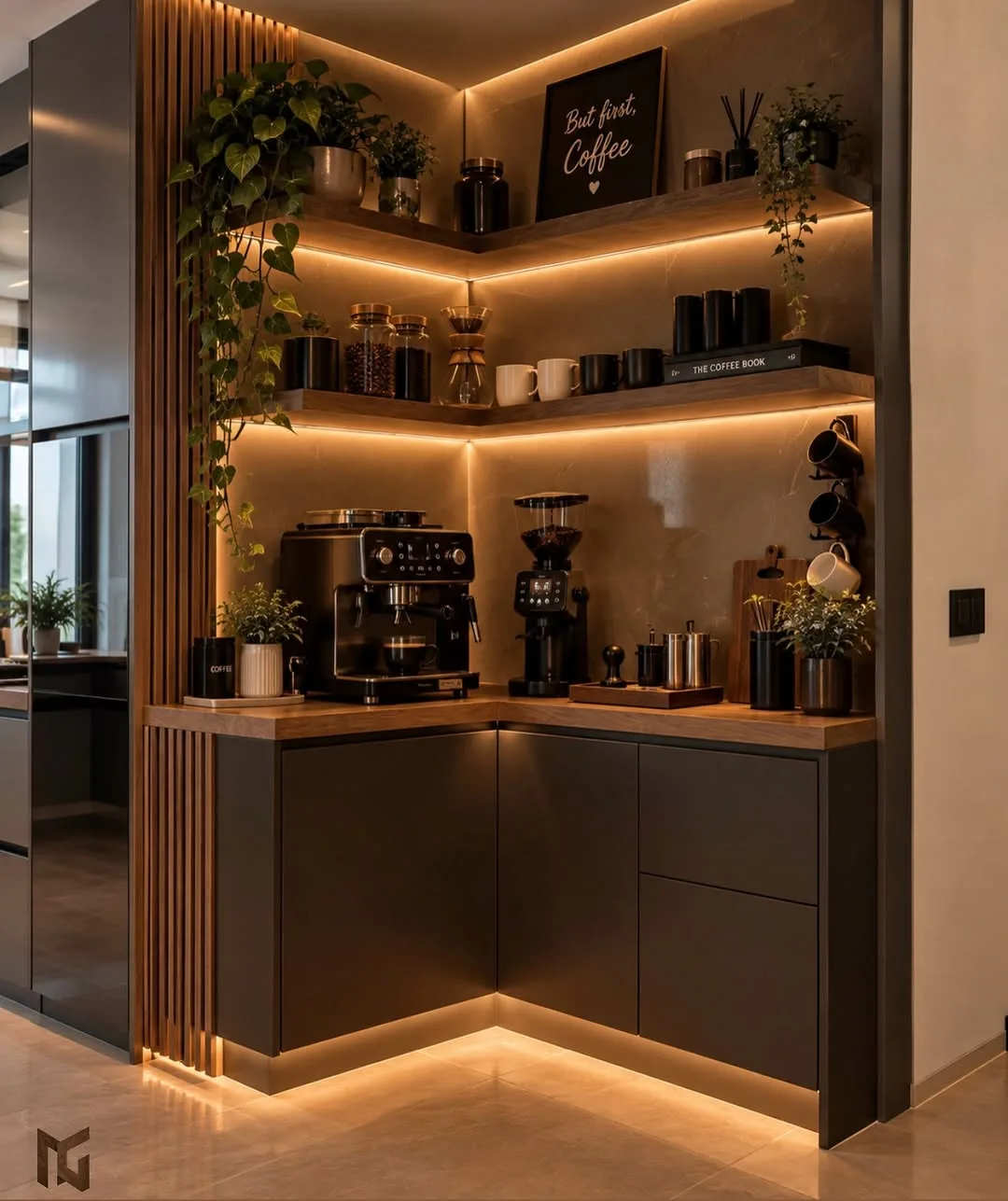
Shelves use the empty wall above the counter, which most kitchens waste completely. One small shelf holds jars, spare mugs, and filters at eye level, while the counter below keeps only the machine and the mug you are filling. Vertical space doubles the bar without touching the work surface.
Mount the shelf into studs or use anchors rated for the load, because jars of beans weigh more than they look. Keep the shelf shallow, around the depth of a mug, so nothing hides behind anything else. Place daily items on the counter level and slower supplies on the shelf above.
Busy family kitchens suit a shelf best, because several people make drinks at different hours and everyone needs the same gear within reach. Small flats gain most of all, since one shelf can replace a whole cupboard of coffee supplies. Orderly cooks enjoy the clear view of everything they own.
One couple added a single oak shelf above their machine and moved jars, filters, and spare cups up in one afternoon. Counter space doubled for cooking that same evening, and the shelf became the spot guests admire most in their small kitchen, which still surprises them both.
Overloading shelves ruins the calm effect and adds real risk above a work area. Rows packed edge to edge look like storage, rattle when doors close, and drop items during busy mornings. Leave gaps between groups, keep heavy jars low, and move rarely used pieces to a cupboard instead.
Rolling Cart That Moves Where You Need It
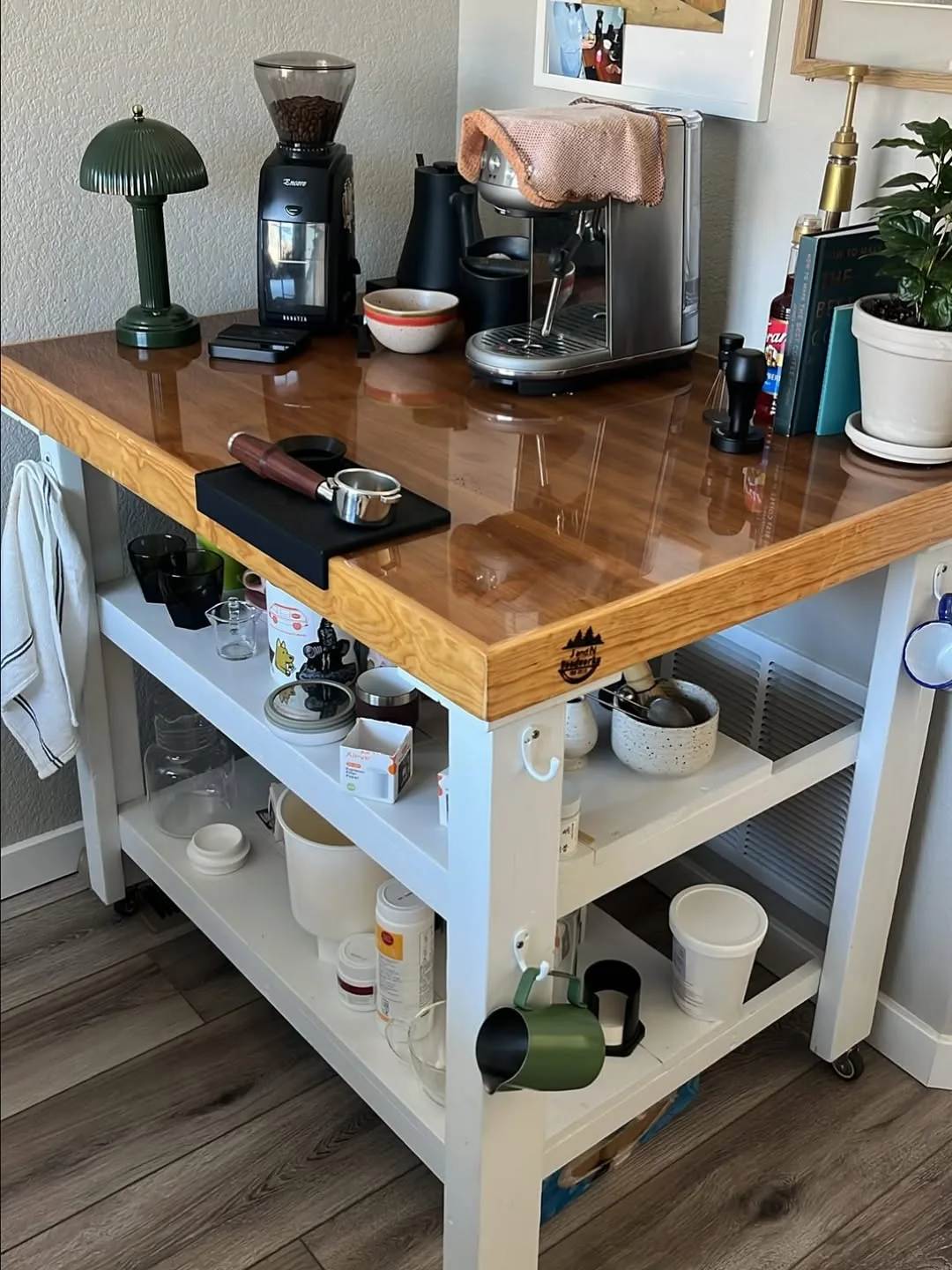
Carts give a coffee bar a home even where no counter space exists at all. Wheels let the whole station roll beside a table for guests, park in a corner during the week, and slide out of the way when the kitchen needs room for big cooking days.
Load the top level with the machine and daily cups, the middle with beans, filters, and towels, and the bottom with spare supplies and a small bin. Choose a cart with locking wheels and a handle, and check that the machine cord reaches a socket from the parking spot you plan.
Anyone with zero spare counter suits a cart best, especially people in studio flats and shared homes. Hosts gain too, because the bar rolls to wherever guests gather instead of pulling everyone into the kitchen. Flexible people who rearrange rooms often will use the wheels weekly.
During the holidays, Omar rolls his cart next to the dining table and lets guests build their own drinks after dinner. Rest of the year the cart parks beside the fridge, and his tiny kitchen keeps every centimeter of counter free for cooking big family meals.
Wobbly wheels and tall loads cause trouble on carts more than any other mistake. Machines shake while brewing, hot drinks spill during moves, and heavy jars on the top level strain the frame. Lock the wheels before brewing, keep heavy items low, and never move the cart with full cups on board.
Chalkboard Menu Sign for Guests
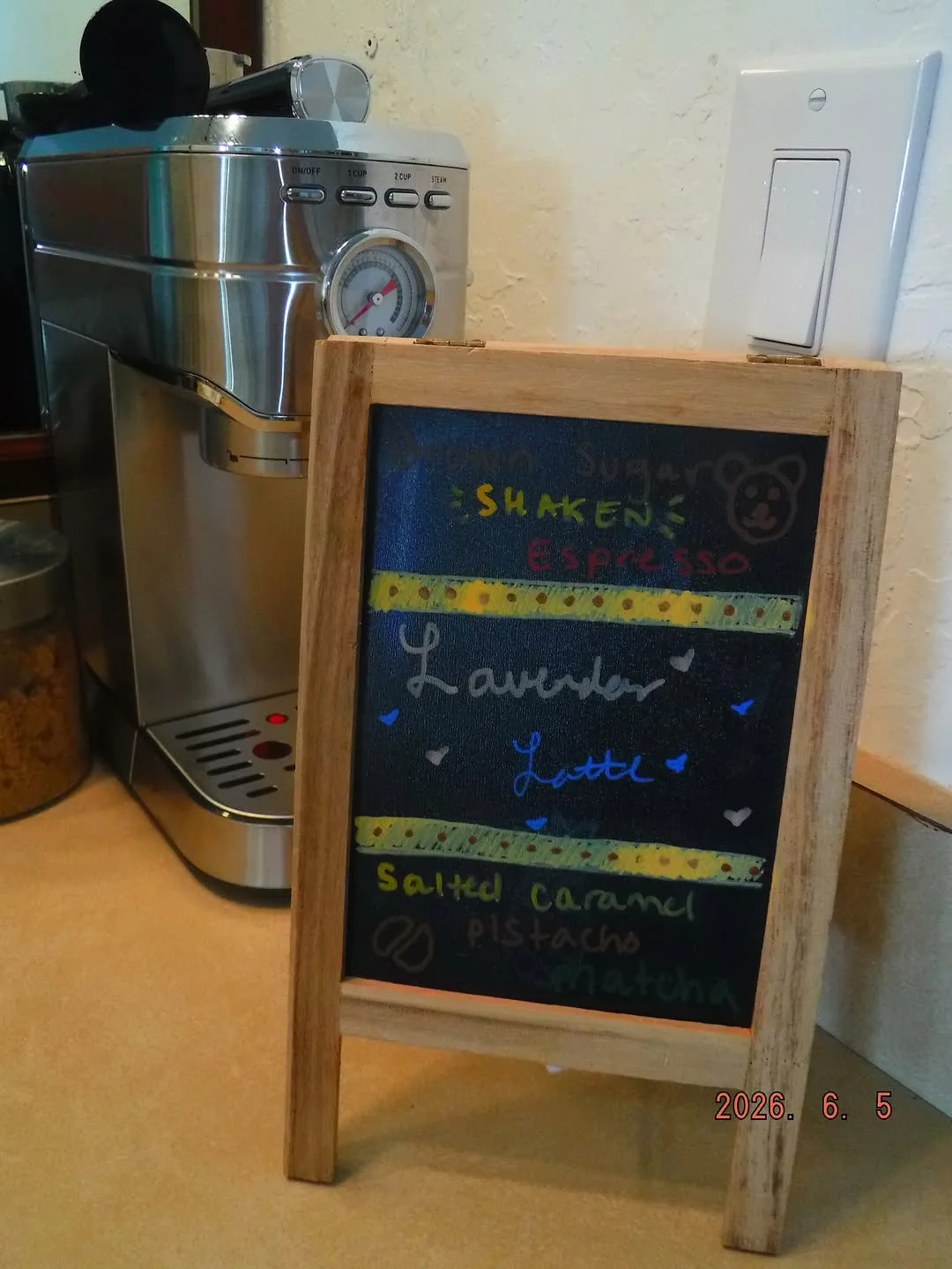
Chalkboards bring the cafe feeling home in one cheap step and tell guests what is on offer without any questions. One board leaning behind the machine lists drinks, syrups, and the day special, and the handwriting itself adds warmth that printed signs never quite manage.
Write the menu in plain large letters with a chalk pen, which smudges far less than real chalk near food and drinks. Keep the list short: coffee, tea, hot chocolate, and two or three extras you truly stock. Wipe and rewrite the board when seasons or supplies change at home.
Hosts suit a menu board best, because guests read the board and serve themselves with confidence. Families with children enjoy it too, since young helpers love writing the special of the day. Anyone who hosts brunches or holiday mornings gains a small piece of theater for almost no money.
For one family brunch, Hana wrote the drinks list on a small board and added her grandfather hot chocolate recipe as the special. Guests ordered from the board like a real cafe, her children played waiter with great pride, and the simple sign became the talking point of the morning.
Smudged boards with tiny handwriting help nobody and quietly look messy beside clean jars and cups. Guests squint, guess wrong, and ask the host anyway, which defeats the purpose. Write large, keep lines few, refresh the board before guests arrive, and stand it where light falls on the words.
Syrups and Flavors in One Neat Row

Syrups belong in one row where every flavor shows at once, like a small cafe counter at home. Vanilla, caramel, and hazelnut in matching bottles turn plain coffee into a choice guests enjoy, and one tidy line looks planned instead of cluttered beside the machine.
Group bottles on a narrow tray or a small stand so drips land in one washable place. Keep daily flavors at the front and slower ones behind, and label plain bottles clearly if you decant syrups from large shop bottles. Two to four flavors cover most tastes without waste.
Fans of flavored drinks suit a syrup row best, because variety is the whole point of their coffee corner. Guest heavy homes gain as well, since visitors enjoy picking a flavor and feel cared for. Sweet tooth households should still keep plain sugar and honey nearby for simpler tastes.
Beside her machine, Rosa keeps three small bottles on a brass tray with a tiny spoon resting across them. Friends now ask for their usual flavor by name when they visit, and her plain morning coffee feels like a treat she chooses rather than a habit she repeats.
Sticky rings form fast under syrup bottles and draw ants in warm weather if nobody wipes the spot. Pumps also clog when syrup dries between uses. Wipe the tray weekly, rinse pumps in warm water after heavy use, and store backup bottles in a cupboard rather than crowding the row.
Dedicated Drawer Below the Machine
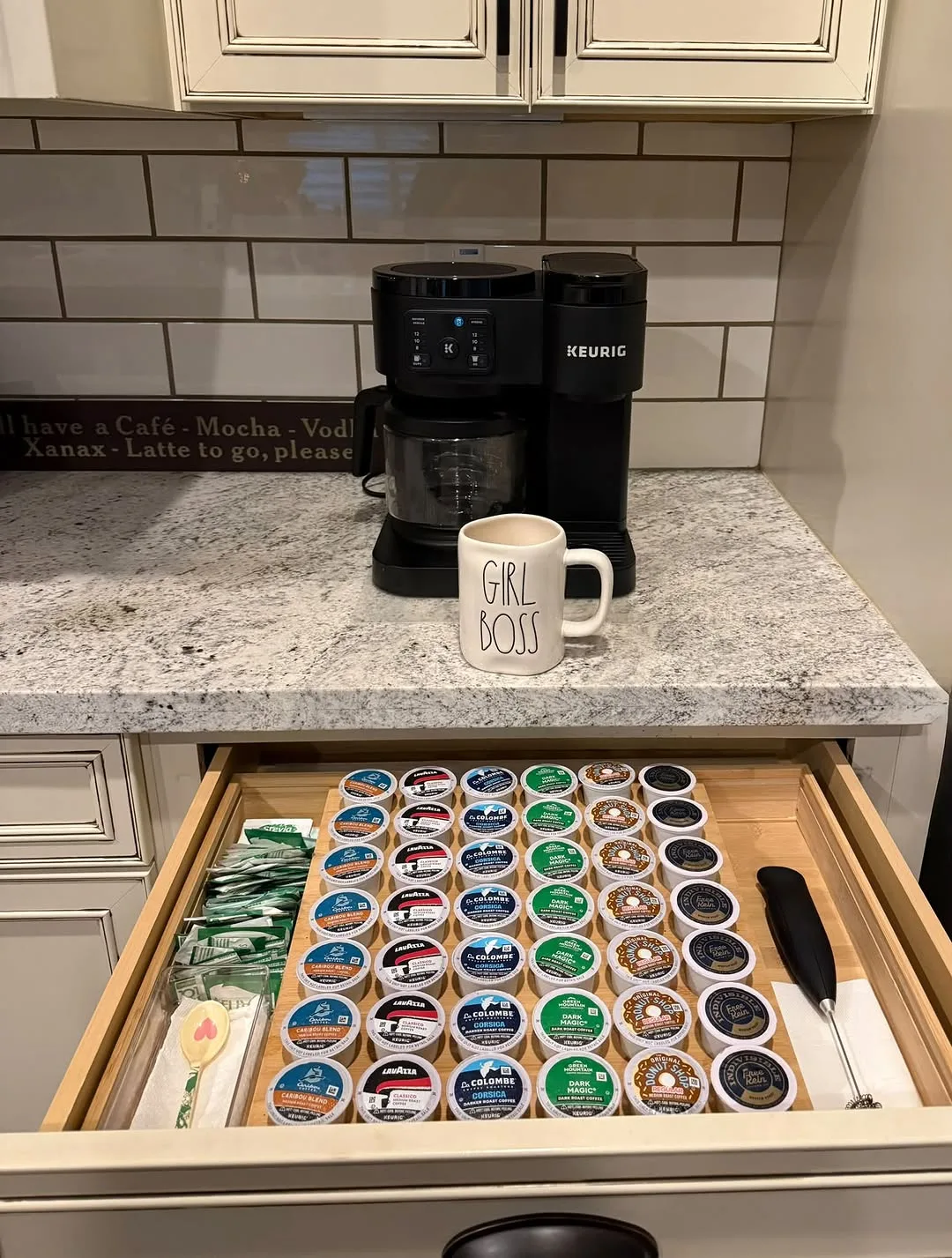
Drawers hide the working parts of a coffee bar, and many tidy kitchen coffee bar ideas rely on one drawer below the machine. Filters, pods, spoons, and spare parts vanish from sight, while the counter above holds only the machine and a mug or two in use.
Line the drawer with a simple divider tray so small items stop sliding into one mixed heap. Give pods and filters the front section, spoons and the tamper the middle, and cleaning cloths the back. Measure the drawer depth before buying dividers, since coffee tools come in awkward lengths.
People who like clear counters suit a drawer best, because hidden storage keeps the bar looking calm even on busy days. Pod machine owners gain most, since pods pile up fast and look messy in bowls. Small kitchens with one free drawer near the machine should grab the chance.
In his small flat, Ben gave the top drawer under the counter to coffee gear and nothing else. Pods stand in rows, filters sit flat, and his morning routine takes one drawer opening instead of three cupboard searches. Guests never guess where everything hides when they see the clear counter.
Deep drawers swallow small items and turn tidy plans into junk storage within a month. Spoons sink, pods scatter, and the one filter you need hides at the bottom. Choose shallow drawers when you can, use dividers from day one, and clear the drawer out each season before clutter settles in.
Basket for Filters and Pods
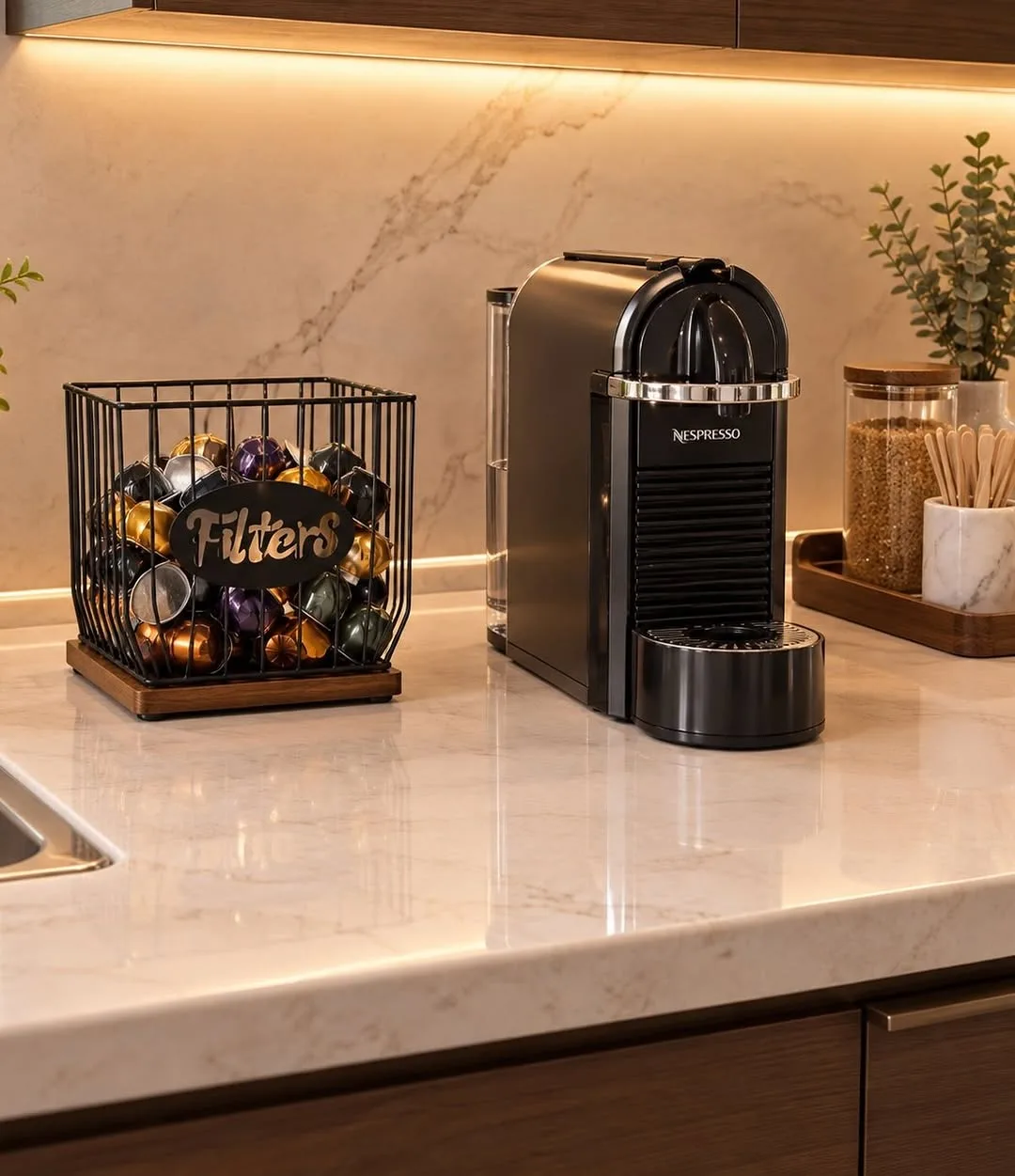
Baskets soften the hard lines of machines and jars while holding the supplies that never sit neatly anywhere else. Filters, pods, sugar packets, and spare spoons gather inside one warm shape, and the whole group lifts away in one hand when you clean the counter.
Choose a basket with a firm base near the size of your filter stack, and add a small cloth liner if paper filters bend or catch on rough weave. Keep pods loose only when you use them fast, since long storage in open air dulls flavor. One basket per supply type works best.
Families suit a basket best, because supplies vanish quickly in busy homes and simple storage wins over pretty systems nobody maintains. Paper filter users gain most, since flat stacks slide around counters and drawers. Anyone short on drawers near the machine finds a basket the easiest answer.
Near the machine in one busy home, a woven basket holds filters, a pod box, and a bundle of wooden stirrers. Morning clean up takes seconds because the whole supply corner lifts away as one piece, and the children know exactly where filters live when the basket needs refilling.
Damp filters stored in a closed basket near steam grow stale and pick up smells from the kitchen air. Pods left open for months taste flat as well. Store the basket away from the kettle steam path, keep only a week or two of supplies inside, and refill from sealed packs kept in a cupboard.
Plant and Candle for a Cafe Feel
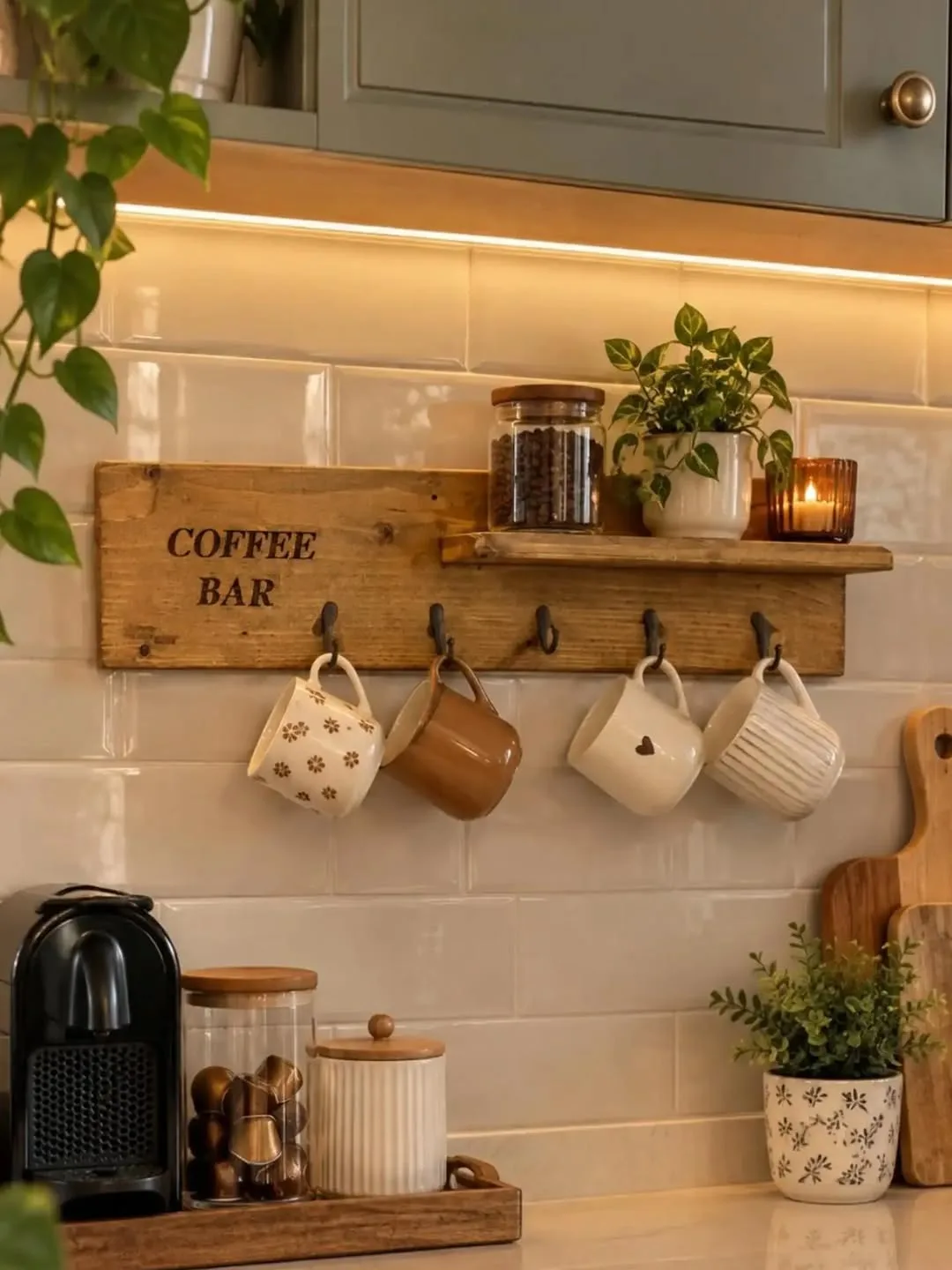
Plants bring life to a corner full of machines, jars, and hard surfaces, and green leaves soften the whole bar at once. One small plant plus a candle in a glass holder gives the soft light and gentle scent people link with their favorite cafe visits.
Set the plant where daylight reaches it without crowding the machine, and keep the candle inside glass, away from paper filters and wooden handles. Herbs like mint or a small fern suit kitchen light well. Battery candles work fine where real flames worry you or children reach the counter.
Slow morning people suit this idea best, because the small ritual of light and green changes how the first drink feels. Anyone whose kitchen feels plain or cold gains warmth for very little money. Plant lovers enjoy one more spot to tend, and guests read the corner as cared for.
Each morning, Sofia lights the small candle beside her machine while the coffee brews and waters the fern on Sundays. Friends say her tiny counter feels like a cafe table for one, and she credits the plant more than the machine for how calm her mornings have become lately.
Open flames near paper filters, wooden stirrers, and hanging towels cause the real danger here, not the plant. Candles also drip wax onto trays and jars when they stand too close to daily work. Keep flames inside tall glass, well away from supplies, and blow them out before the kitchen gets busy.
Matching Canisters in One Color Family
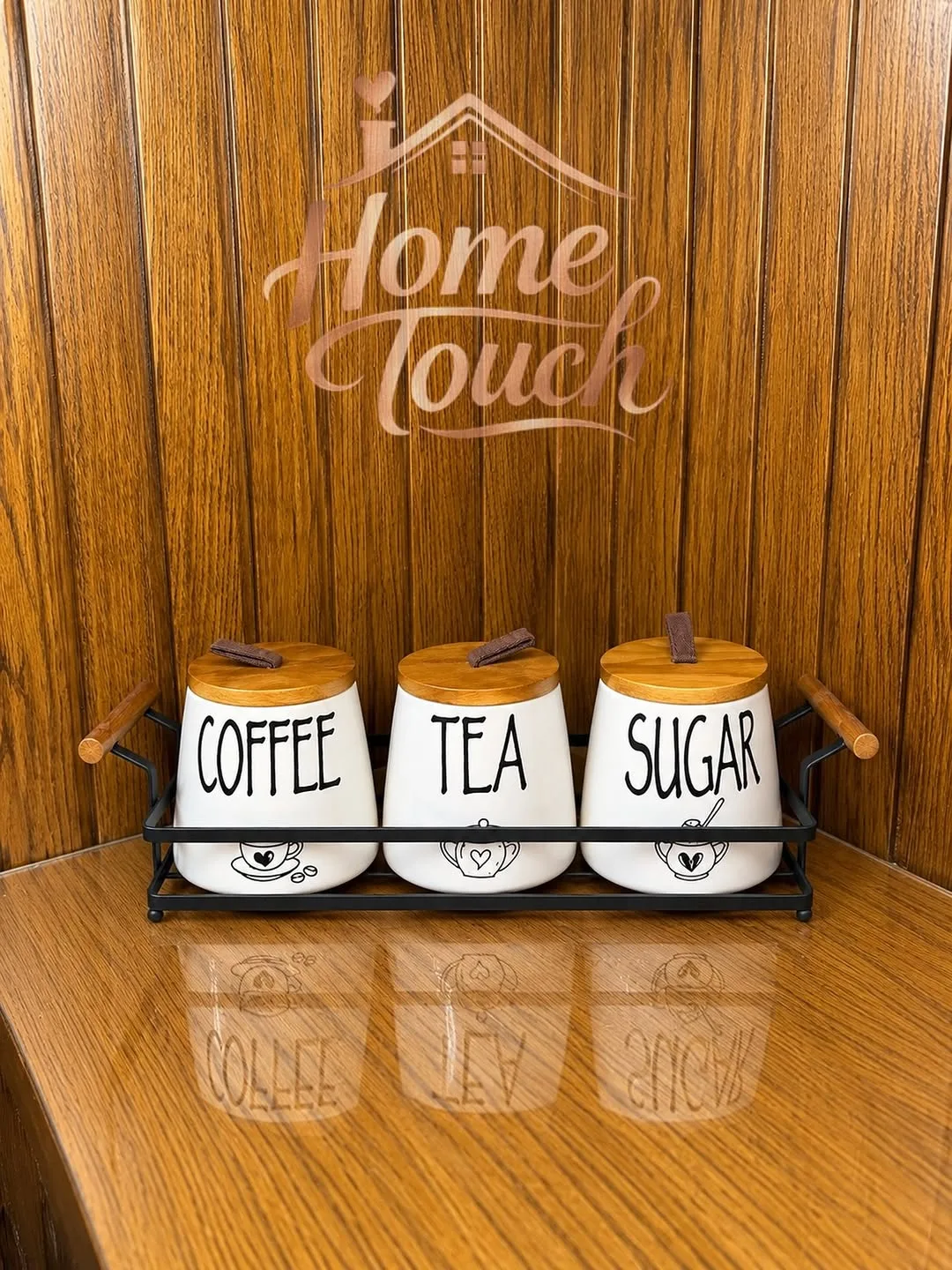
Matching canisters calm a busy corner fast, because beans, sugar, and flour for weekend pancakes suddenly speak the same visual language. One color family, like white stoneware or warm wood lids, ties supplies together even when the jars came from different shops at different times.
Buy canisters in two or three sizes with lids that seal well, and keep the set to what you truly store at the bar. Coffee, sugar, and tea cover most homes, and a fourth small one suits sweeteners or cocoa. Handle each lid before buying, since daily opening with sleepy hands tests weak seals fast.
People who love a tidy, planned look suit canisters best, because the calm rhythm pleases them every morning. Open shelf kitchens gain most, since stored food stays on show all day. Anyone replacing worn packets and tubs one piece at a time can build the set slowly without waste.
Grace lined up three white canisters with wood lids along the back of her counter and moved beans, sugar, and tea out of torn packets the same day. Her coffee corner suddenly looked styled rather than stored, and two friends copied the exact setup within a month of visiting her home.
Identical jars with no labels cause daily confusion, and sugar in the coffee happens to someone eventually. Lids also swap between sizes in sleepy homes, which breaks seals and stales the contents. Add small labels or one clear marker per jar, and keep each lid with its own canister always.
Mug Tree for Daily Favorites
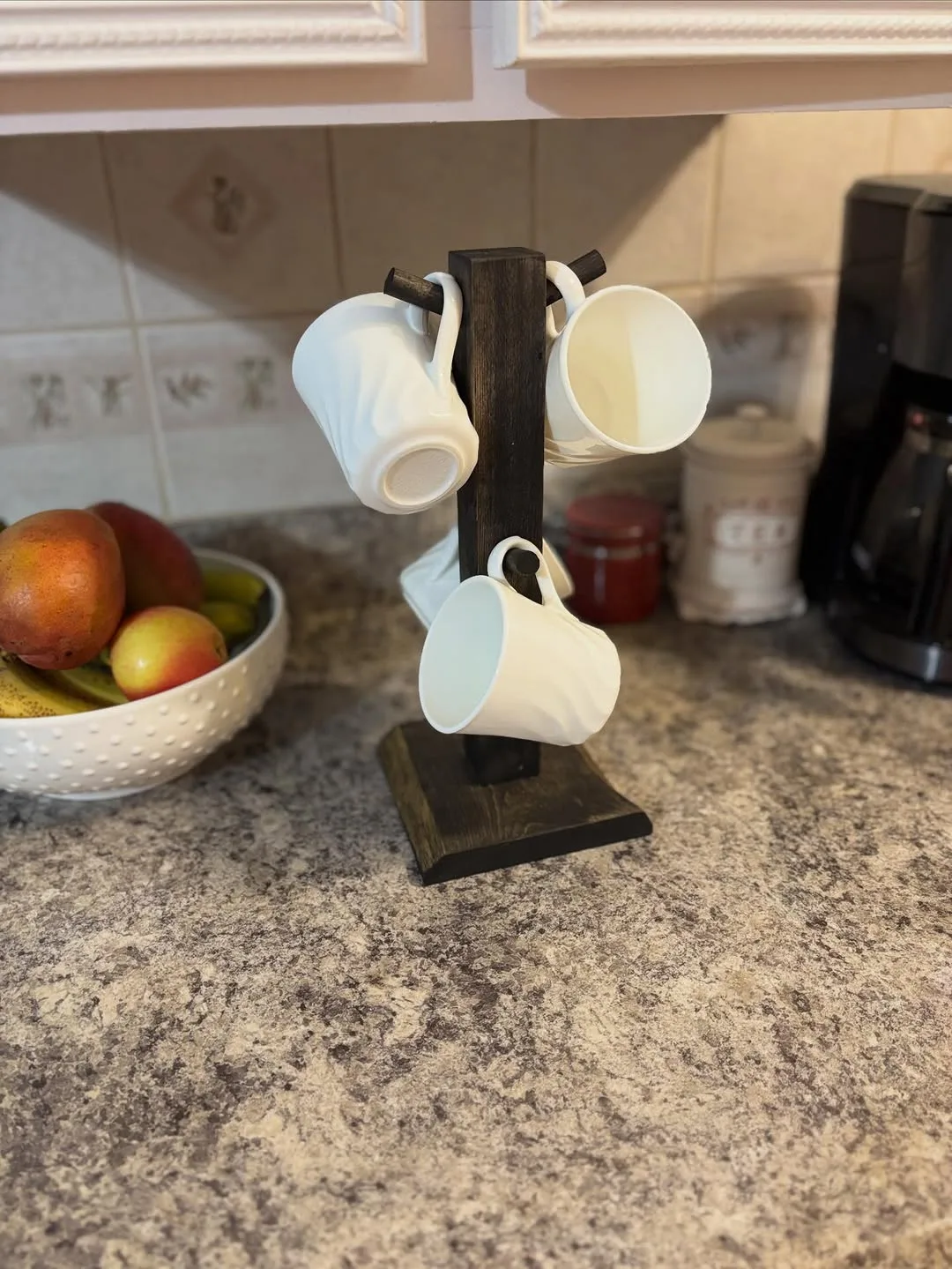
Mug trees hold daily favorites in one small footprint and keep cups dry, visible, and ready without any cupboard opening. Branches spread the weight across a single stand, and the shape itself looks friendly on the counter beside the machine, like a tiny tree dressed in cups.
Place the tree on a stable spot away from the counter edge, and hang mugs by size with the heaviest cups on the lowest branches. Four to six mugs suit most stands, and rotating favorites weekly keeps the display fresh. Wash the stand base often, since drips gather under hanging cups after washing.
Households where everyone owns a favorite mug suit a tree best, because each person spots their cup at once. Small counters gain too, since the stand uses vertical space instead of a long row. Guest friendly homes enjoy handing visitors a mug straight from the tree without cupboard tours.
Jae keeps a wooden tree beside the kettle with one mug each for himself, his partner, and their two regular weekend guests. Everyone heads straight for their own cup in the morning, arguments over the good mug ended, and the stand earns compliments from new visitors every single time.
Loading one side of the tree heavily tips lighter stands and chips the cups that swing together. Cheap thin stands also bend slowly under daily weight until mugs slide. Balance cups on all sides, choose a stand with a wide heavy base, and keep the most fragile mugs in a cupboard instead.
Breakfast Corner with the Kettle Beside the Machine
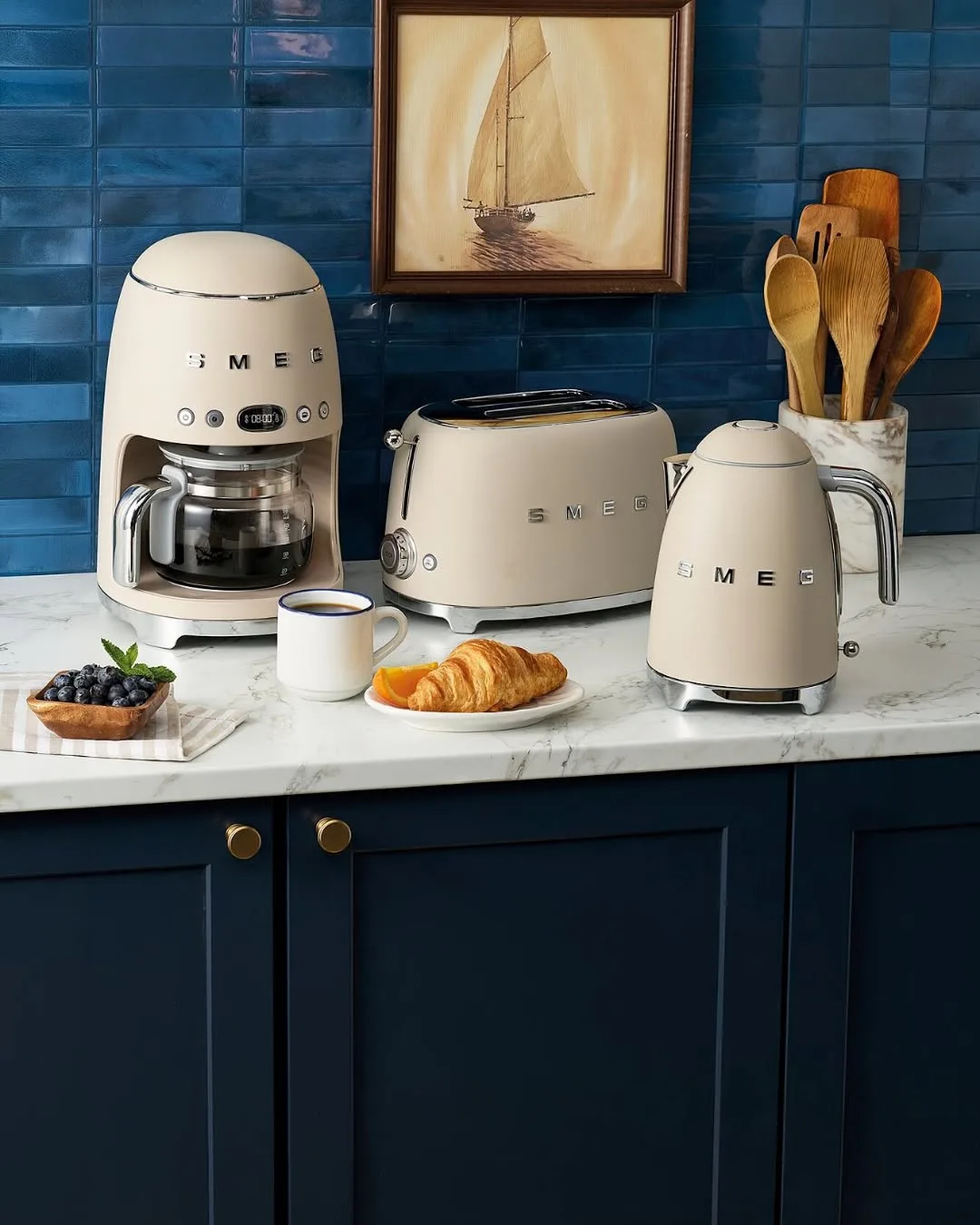
Pairing the kettle with the coffee machine builds one true drinks station where every hot drink starts and ends. Tea drinkers, coffee drinkers, and children wanting hot chocolate all use the same corner, so supplies stop spreading between two ends of the kitchen during busy mornings.
Keep machine and kettle on one heat safe surface with mugs, tea, coffee, and honey within one step. Leave a clear patch of counter in front for filling cups and wiping drips, and run both cords neatly to sockets behind. One tray under the kettle catches the drips that always escape.
Early risers suit a breakfast corner best, because one station speeds the whole routine before school and work. Mixed homes where one person drinks tea and another drinks coffee gain the most peace. Anyone hosting overnight guests will love pointing at one corner and saying everything lives there.
Before school each day, the Ahmed family lines up at one corner where the kettle, machine, mugs, and tea all wait together. Breakfast drinks take five calm minutes instead of a kitchen wide search, and weekend guests help themselves without a single question about where anything lives.
Crowded corners slow busy mornings when elbows, cords, and steam all fight in one small patch. Two machines squeezed onto a tiny tray also overheat the space and stain the surface below. Give the station real room, keep the front edge clear, and move anything unrelated out of the zone for good.
Seasonal Mugs Swapped Through the Year
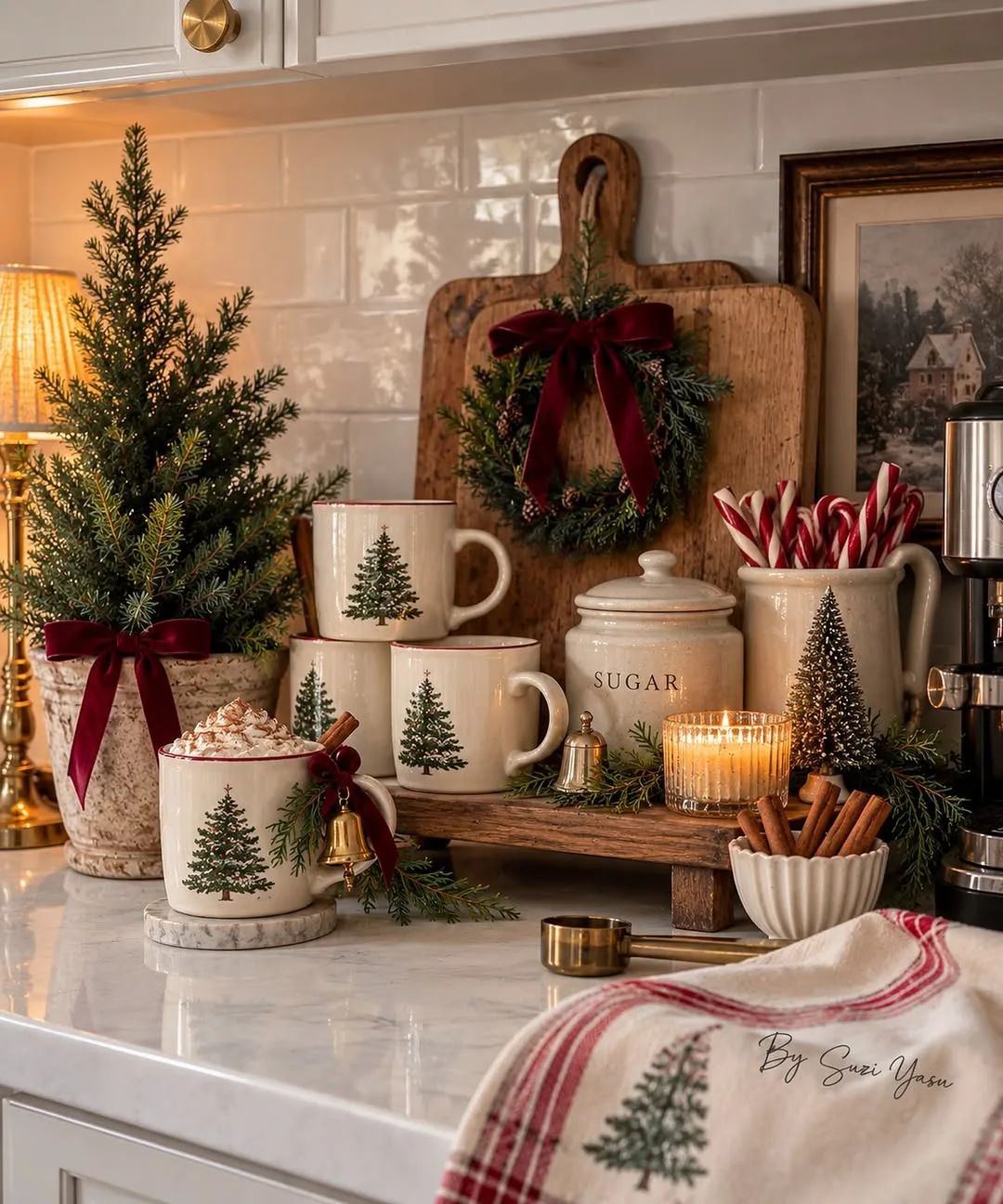
Seasonal mugs refresh the coffee bar four times a year without buying decor or moving a single jar. Heavy stoneware in winter, pale colors in spring, and one holiday set in December make the same corner feel new, and the swap itself becomes a small ritual people enjoy.
Store off season mugs in one labeled box in a cupboard or on a high shelf, with tissue between stacked cups to stop chips. Keep the current set to four or six mugs at the bar, matching the hooks or tree you already use. Wash stored mugs before their first use each season.
Collectors of mugs suit seasonal swaps best, because their shelves finally rotate instead of gathering dust. Families with children enjoy the ritual too, since small hands love unpacking the winter set each year. Anyone bored by a fixed display gains gentle change while the rest of the bar stays settled.
Every December, Nina brings out red mugs her grandmother gave her and packs the plain white ones away until January. Her children mark the season by that swap more than by any decoration in the house, and guests drinking from the red set always hear the story behind them.
Buying new mugs for every season fills cupboards fast and drains money on cups used three weeks a year. Novelty sets also clash with the bar calm color plan when too many patterns mix at once. Limit each season to a few mugs you truly love, pass spare sets to friends, and let the swap stay small.
Coffee Bar Hidden Inside a Cabinet
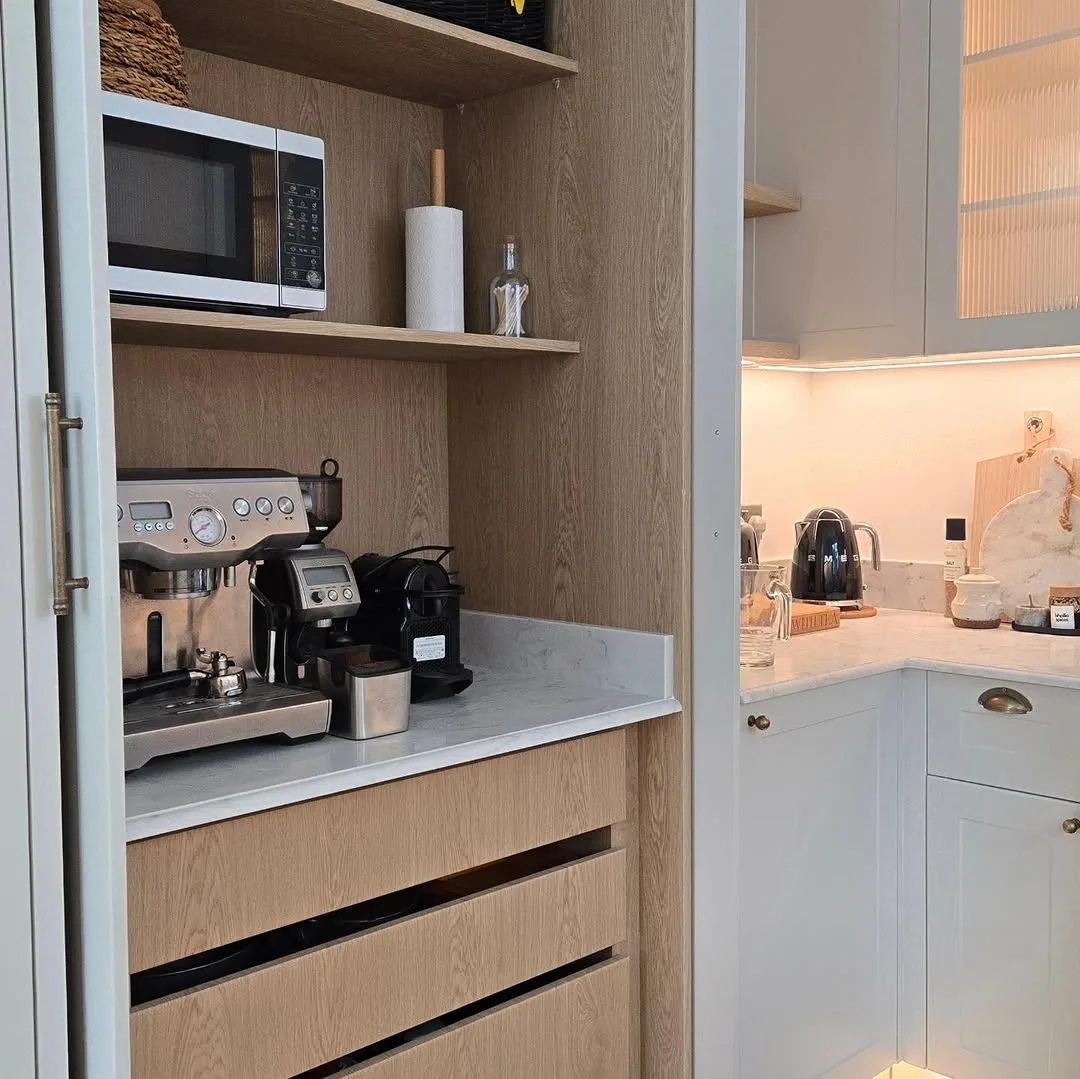
Cabinets hide a whole coffee bar behind one door, which suits kitchens where counter space stays precious all day. Machine, mugs, and supplies live inside a tall cabinet or a deep counter cupboard, the door closes, and the kitchen looks clear while the bar waits ready for morning.
Add a pull out shelf or a sturdy board inside the cabinet so the machine slides forward for filling and cleaning. Check the cabinet depth against the machine size before moving anything, and leave space above the machine for steam to escape while brewing. Small hooks inside the door hold spare spoons well.
Minimalists suit a hidden bar best, because clear counters please them more than any display could. Small kitchens where the counter doubles as the only work space gain the most room. Anyone who dislikes visual clutter but loves the morning ritual finds the perfect balance behind one door.
Inside one tall cabinet, Paul keeps his machine on a sliding board with mugs on a shelf above and beans in a jar beside it. Doors close after breakfast and his small kitchen looks empty and calm, yet guests who open the cabinet always laugh at the complete cafe hiding inside.
Heat and steam build inside closed cabinets and damage wood, seals, and the machine itself over time. Brewing with the door shut traps moisture exactly where it harms most. Always brew with the door open, let the inside dry before closing up, and check the cabinet top monthly for soft spots or marks.
Common Mistakes to Avoid
Blocking the machine with decor causes daily frustration, because ornaments squeezed around the coffee maker leave no room to fill water, empty grounds, or wipe drips. Pretty corners that fight the routine get dismantled within weeks. Leave working space around the machine first, then decorate whatever room remains.
Letting supplies spread across every counter undoes the whole idea of a coffee bar. Jars near the sink, mugs beside the stove, and filters in a far drawer mean the station exists nowhere in real life. Gather everything into one zone, even a small one, and defend that zone from unrelated clutter.
Buying machines and gadgets before fixing storage wastes money in the wrong order. New gear lands on the same messy counter and mornings feel no better than before. Sort the corner, the mugs, and the supplies first, live with the tidy setup for a month, and only then judge what gear truly needs replacing.
Forgetting daily cleaning spoils the calm faster than any styling mistake. Old grounds smell, milk splashes sour, and sticky rings spread across trays and jars. Wipe the machine area each morning, rinse the drip tray weekly, and wash mugs the same day, because a clean bar always looks better than a styled dirty one.
Budget Friendly Kitchen Coffee Bar Ideas
Start with what your kitchen already holds, because spare trays, jars, baskets, and mugs in cupboards can build the whole bar today. Walk through your shelves with the corner in mind before any money leaves your pocket. Most homes own a full coffee bar already, just scattered across four different cupboards.
Second hand shops and market stalls overflow with trays, canisters, stands, and sturdy mugs for very little money. Solid older pieces often outlast cheap new sets and carry more character into the corner. Buy one piece at a time, wash finds well, and let the bar grow slowly instead of arriving in one costly trip.
Most budget friendly kitchen coffee bar ideas rely on grouping, cleaning, and clearing rather than buying anything new at all. One tray, one row of jars, and one honest clear out change the corner more than a new machine does. Spend saved money on better beans instead, which improves every cup you drink.
Spend first where hands land daily: a tray that fits, jars that seal, and mugs you love holding each morning. Save on signs, extra flavors, and matching sets, where looks matter more than lasting quality. Small savings repeated monthly also build a fund for the one bigger piece you truly want later.
Tips for Setting Up a Coffee Bar
Give the bar one clear home and keep every coffee item inside it without exception. Spoons, filters, beans, and sweeteners all live together, so mornings run on habit instead of searching. Boundaries keep the station tidy long after the first enthusiastic clean up fades from memory.
Group everything you use daily within one easy reach, because practical kitchen coffee bar ideas fail when the spoon lives two steps from the machine. Stand at the machine and test the reach for mugs, beans, water, and a bin. Move anything outside that circle before calling the setup finished.
Refill jars, filters, and the water tank during one calm evening moment instead of mid rush each morning. Full supplies waiting at dawn remove the small delays that make mornings feel frantic. Ten quiet minutes at night buy a smooth start for everyone who uses the bar next day.
Clean as you go with one cloth kept at the bar for drips, rings, and scattered grounds. Small messes wiped in seconds never build into the deep clean nobody wants to face. Hang the cloth on a hook inside the zone so the habit stays easy on sleepy mornings too.
Change one small thing with each season, like the mugs, a plant, or the flavor row, and leave the working layout alone. Gentle refresh keeps the corner feeling cared for without fresh spending or a full restyle. Steady order plus tiny change is the mix that keeps a coffee bar loved for years.
FAQ
How much counter space does a coffee bar need?
Roughly sixty centimeters of counter width handles a machine, a tray of supplies, and two mugs for most homes. Depth matters more than width, since machines open upward and need room for filling. Carts and cabinets also work well when no counter space exists at all in the kitchen.
What should a basic coffee bar hold?
Everyday basics cover nearly every home: the machine, beans or pods, sugar, daily mugs, spoons, filters, and one cloth for drips. Tea, honey, and a flavor or two join when the household drinks them often. Anything used less than weekly belongs in a cupboard nearby rather than on the counter.
How do I build a coffee bar with no spare counter?
Walls, carts, and cabinets solve the no counter problem in most kitchens. Hooks and one shelf lift mugs and jars upward, a rolling cart parks in any corner, and a deep cabinet hides the whole station behind a door. Start with whichever option your kitchen already makes easy today.
How often should the machine and jars be cleaned?
Daily habits carry most of the work: wipe drips, empty the drip tray, and rinse milk parts after each use. Wash jars fully before refilling them, and give the machine a deeper clean each month following the maker guidance. Clean supplies also protect flavor, since old oils turn beans stale fast.
Can a coffee bar work in a very small kitchen?
Yes, small kitchens often gain the most from a coffee bar, because one tidy station frees the rest of the counter for cooking. One tray, two mugs on hooks, and one jar of beans already count as a complete setup. Order matters far more than size when space runs tight at home.
What do guests need at a coffee bar?
Guests need clear choices, spare mugs, sugar, milk or an alternative, spoons, and a small bin within sight. One short note or a menu board answers the questions visitors feel shy about asking. Set the guest items out before people arrive so nobody hunts through your cupboards during the visit.
Conclusion
Good kitchen coffee bar ideas turn one daily habit into a small pleasure instead of a rushed chore. One clear zone, supplies grouped within reach, and mugs you love using carry most of the change. Order does the heavy lifting, and the prettiest machine in the world cannot replace it.
Pick two or three ideas from this guide and set them up properly before adding anything more. One tray, one row of jars, and hooks for your daily mugs can transform the corner in a single afternoon. Small finished changes settle far better than a whole kitchen attempted in one weekend rush.
Small habits keep the bar lovely once the setup ends: refill at night, wipe drips at once, and clear anything unrelated out of the zone the same day. Ten calm minutes a week protect the whole corner. Care repeated quietly beats any big restyle done once and forgotten by spring.
Enjoy slower mornings in the corner you built, one honest cup at a time. Pour the coffee, stand in the quiet kitchen, and let the day start gently for once. Simple order, warm light, and a favorite mug already hold everything a good morning really needs at home.