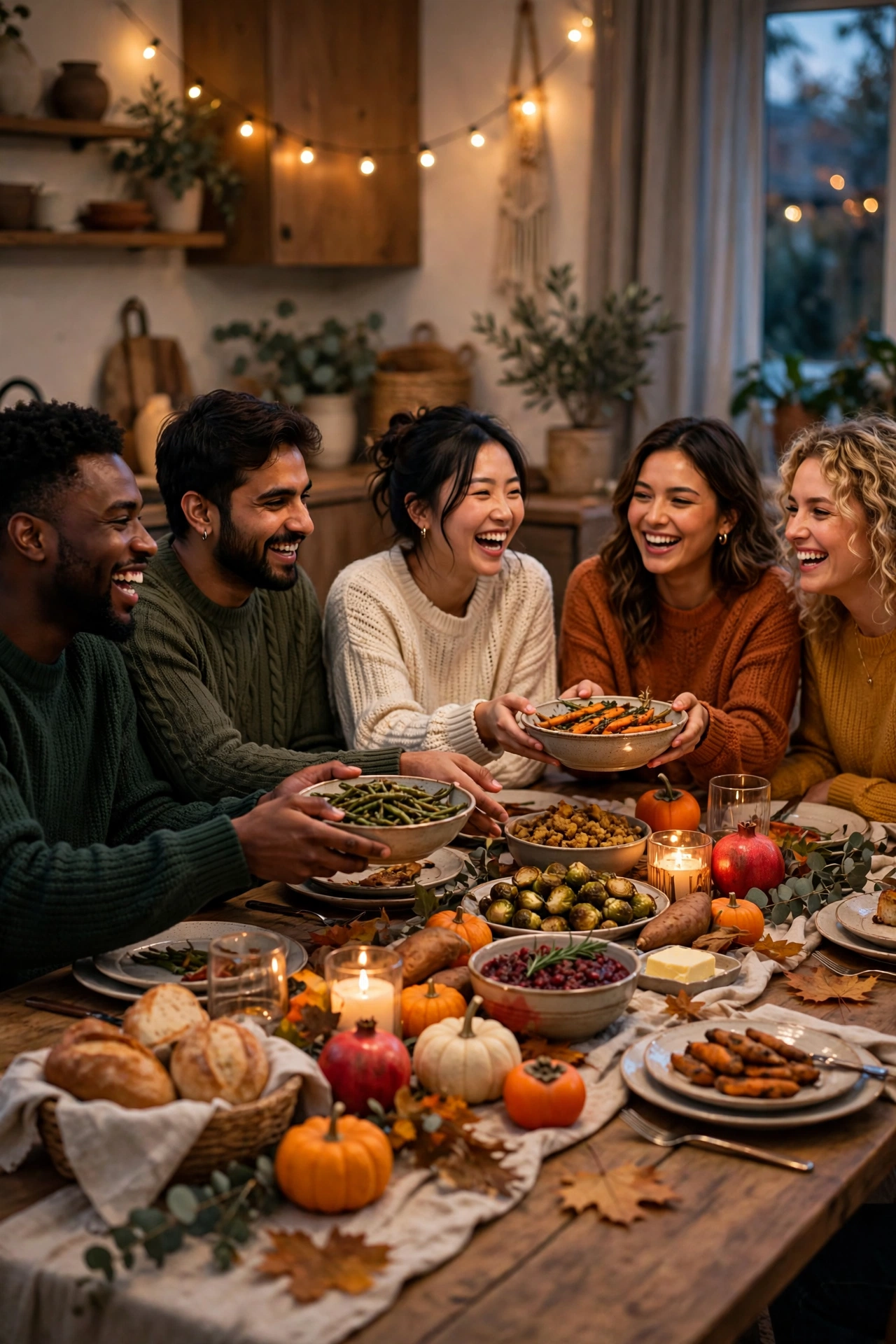
Friendsgiving Party Ideas for a Warm Night with Your Favorite People
Friendsgiving sounds simple until you start planning one. You invite the people who feel like family, promise a relaxed dinner, and then face real questions about seats, dishes, timing, and money. Many hosts end the night tired, stuck in the kitchen, and wondering why a casual party felt so much like work.
Good news is that Friendsgiving rewards simple planning more than fancy cooking. Friends come for time together, familiar food, and a table where nobody has to perform. One clear plan for food, one comfortable place to sit and eat, and one small activity after dinner will carry the whole evening without strain.
Inside this guide, you will find friendsgiving party ideas for big groups, tiny apartments, tight budgets, and friends who love games, movies, or long talks. Each idea comes with practical details, a note on who it suits best, one worked example, and one mistake worth avoiding. Pick one main idea, borrow one or two small touches from the others, and let the night stay easy.
What Are the Best Friendsgiving Party Ideas for a Small Group?
Shared food and simple comfort win in almost every friend group. Let guests bring dishes through a shared sign up list, keep seating low and relaxed, and plan one gentle activity for after dinner. Strong friendsgiving party ideas protect the host from doing everything alone, because a host who cooks all day rarely enjoys the party at all.
Picture eight friends in one small living room. Four people bring sides, one brings pies, one brings drinks, and the host handles the turkey and the table. Cushions fill the floor around a low coffee table, candles stay in safe jars, and a gratitude toast opens the meal. Nobody spends much, nobody works alone, and the room feels full in the best way.
Potluck Dinner Party with a Shared Sign Up List
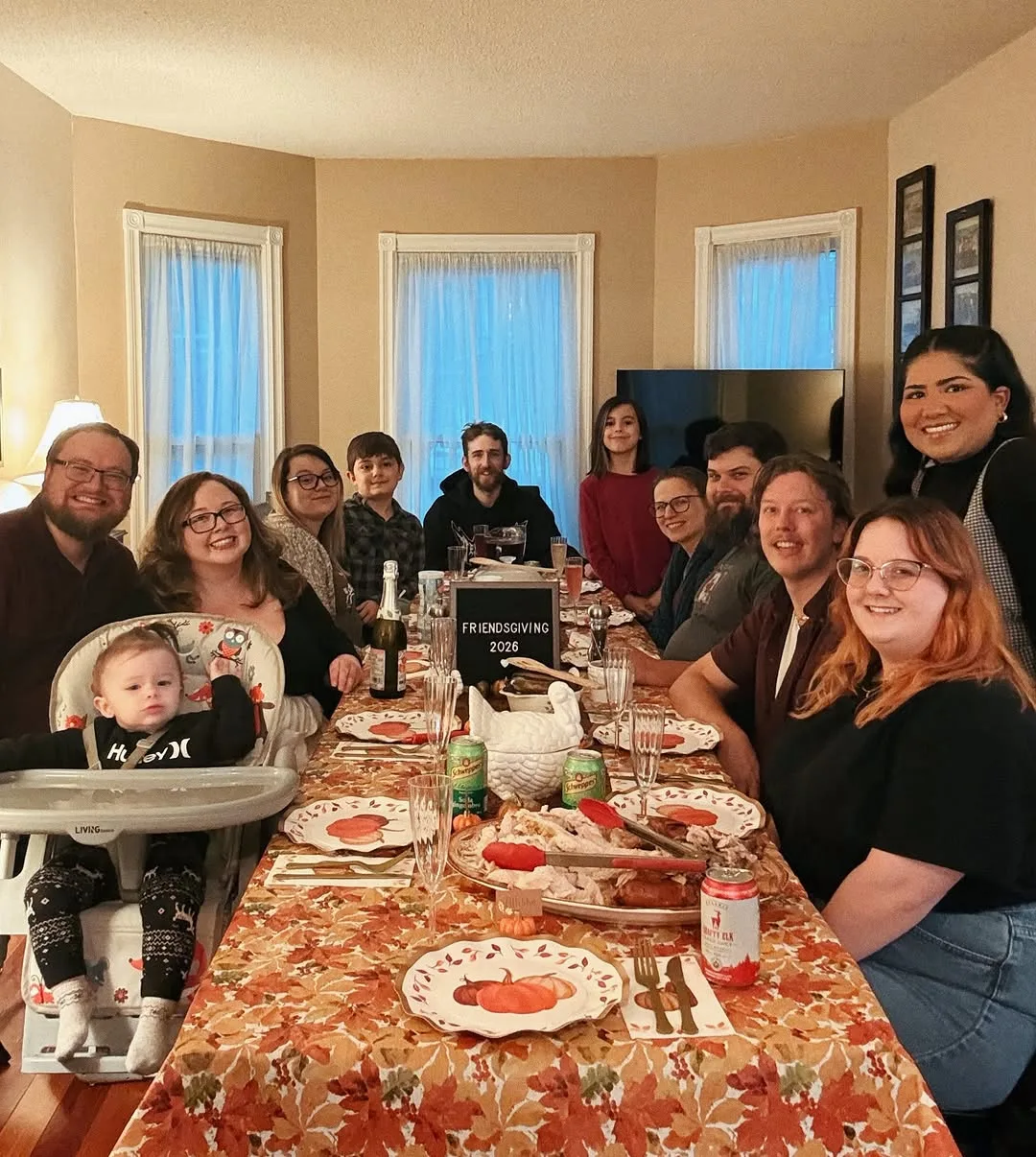
Sharing the menu is the heart of most successful friendsgiving party ideas because it spreads cost, work, and pride across the whole group. Every guest arrives carrying something they chose and want others to taste. Dinner becomes a group project instead of one person performing in the kitchen for six hours.
Send one simple sign up list about ten days ahead with clear slots for mains, sides, bread, salads, desserts, and drinks. Note oven space, serving dish needs, and any allergies right on the same list so guests plan safely. Ask each person to bring their dish ready to serve, with its own spoon, and to label anything that contains nuts or dairy.
Groups of eight to twenty suit potluck style best because variety grows with every extra guest. One host with twelve friends assigned two potato dishes by accident one year, so she added a quick note the next year asking people to claim slots in the comments. Dinner stayed balanced, and the duplicate dish problem never came back.
Keep an eye on timing, because late dishes can stall the whole meal. Ask guests to arrive within the same thirty minute window and to choose food that travels well and reheats gently. Cold salads, sturdy sides, and desserts forgive delays far better than delicate dishes that need last minute cooking in your crowded kitchen.
Cozy Living Room Friendsgiving with Floor Cushions
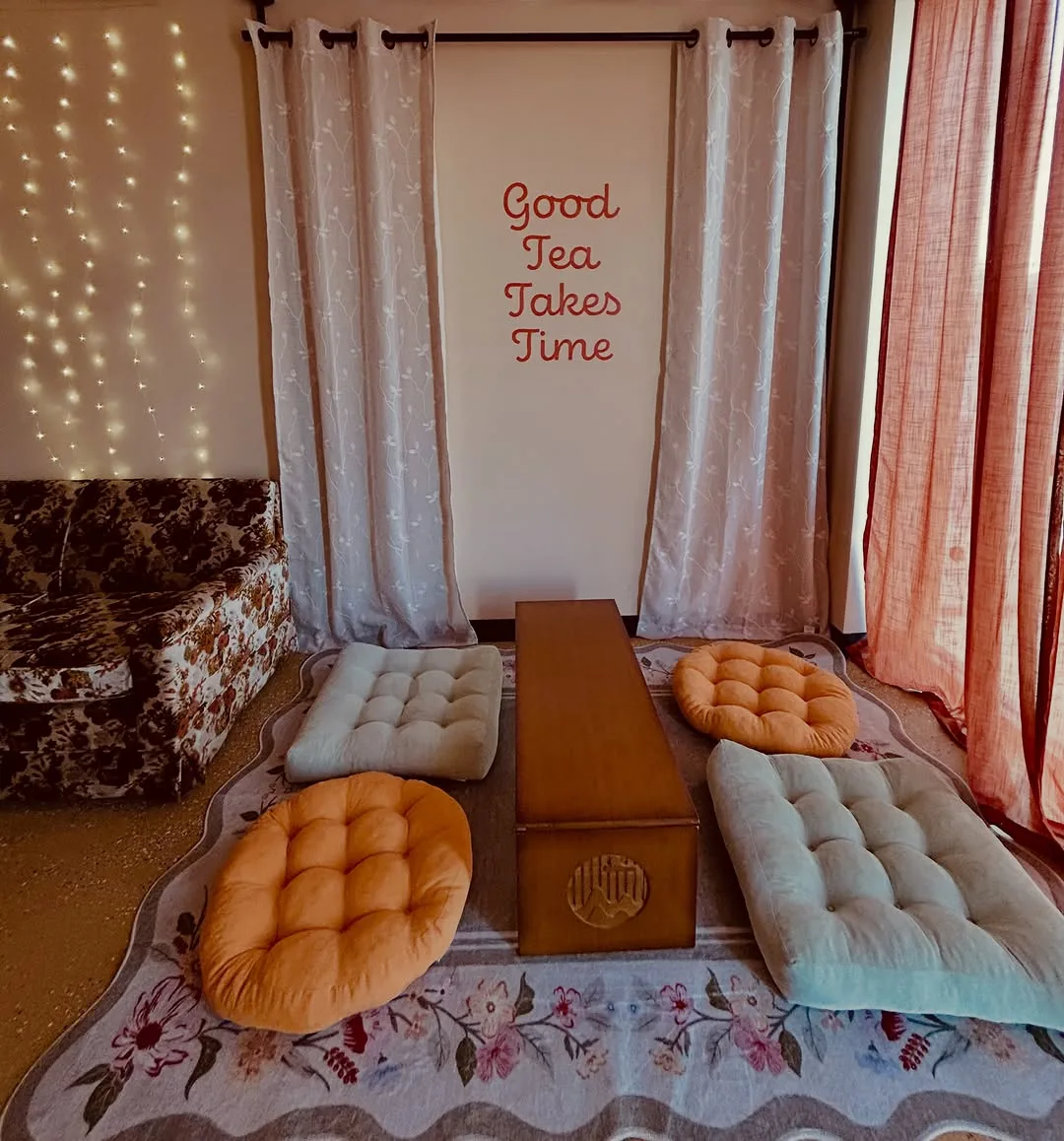
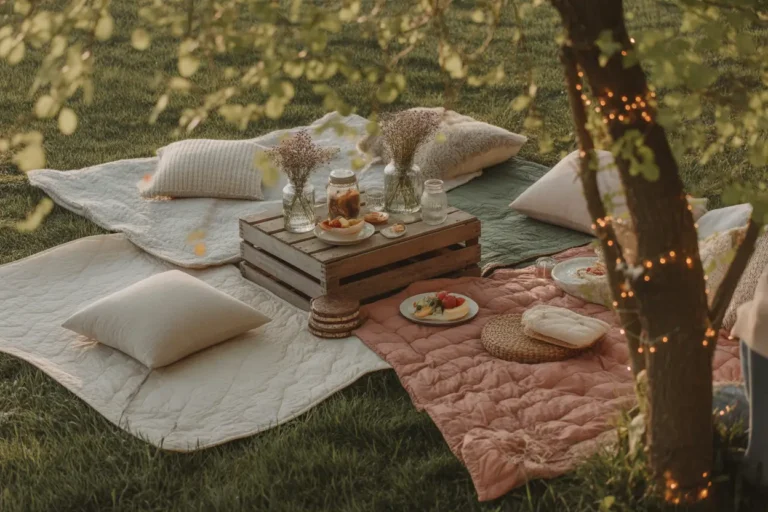
Floor seating turns an ordinary living room into a warm and friendly dining space. Low tables, soft cushions, and close conversation make guests settle in fast. Friends often stay longer at floor level because the setup feels like a shared blanket fort built for grown ups.
Pull a low coffee table or two small side tables into the center of the room and surround them with floor cushions, folded blankets, and sturdy pillows. Keep plates on trays or large flat boards so food stays stable on laps. Place candles inside glass jars, keep drinks on a side shelf, and leave clear walking paths to the kitchen and bathroom.
Young friend groups and anyone short on dining chairs suit this style beautifully. One host seated ten friends around a coffee table covered with a plain cloth, using couch cushions and borrowed pillows. Dinner felt close and cheerful, and dessert moved straight into card games without anyone changing rooms or hunting for seats.
Comfort fades fast when cushions go flat or space gets tight. Test the setup yourself before guests arrive and sit in the worst spot for five minutes. Add one firm pillow behind each seat, keep the table low enough for easy reaching, and hold two spare chairs nearby for anyone whose knees or back dislike the floor.
Backyard Friendsgiving Under String Lights
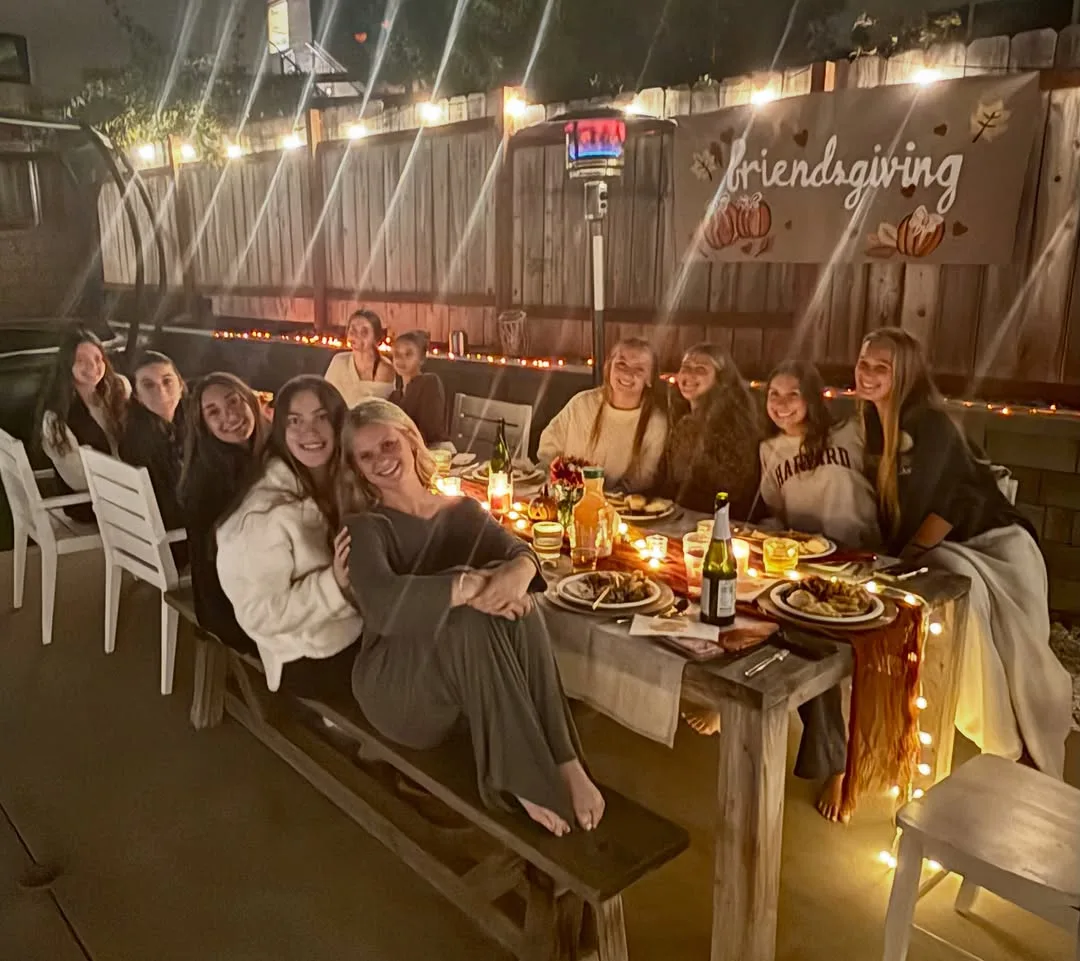
Evening light does most of the decorating for an outdoor Friendsgiving. String lights overhead, a long table, and cool autumn air give the night a gentle glow that indoor rooms struggle to copy. Guests also gain room to spread out, talk in small groups, and take breaks from the table.
Hang string lights in simple lines above the table and add lanterns or jar candles along the edges for steady light at plate level. Keep food covered until serving time, set drinks in one cooler at the end of the table, and stack folded blankets on a chair so guests can grab warmth without asking. Music at low volume fills gaps without covering voices.
Warm climate hosts and groups who love long outdoor evenings suit this idea best. One backyard dinner for fourteen used two folding tables under one long row of lights, with blankets ready before sunset. Guests stayed outside for hours because nobody felt rushed back indoors, and cleanup stayed simple with one straight path to the kitchen.
Wind and cold deserve respect in every outdoor plan. Napkins fly, candles lean, and food cools fast once the sun drops. Secure light items under plates, choose covered dishes, and tell guests to bring warm layers in the invite itself. Check the forecast two days ahead and keep an indoor backup plan ready without shame.
Friendsgiving Dessert Bar with Pies and Cookies
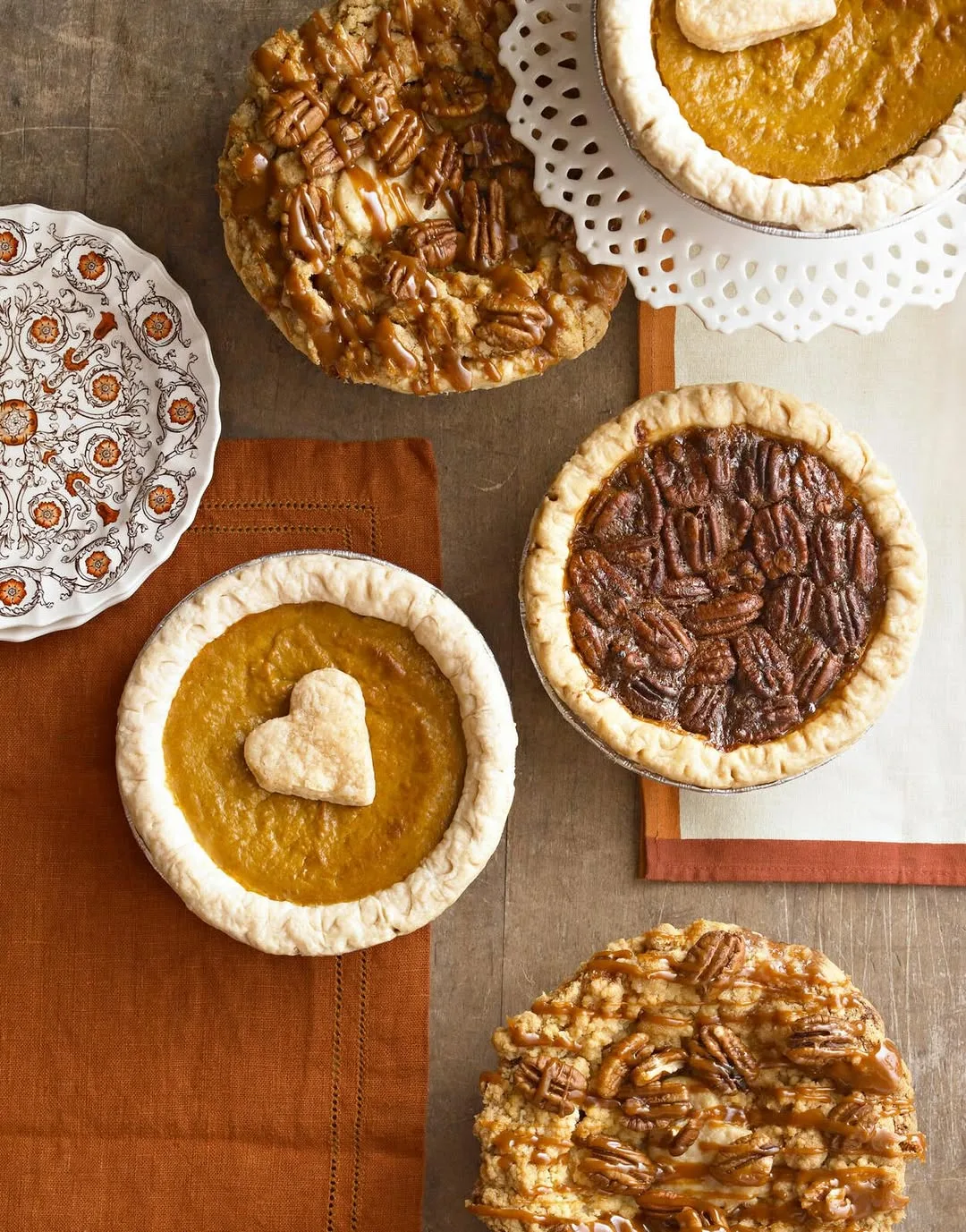
Dessert bars give Friendsgiving a sweet second act after a heavy meal. Guests drift toward pies, cookies, and coffee at their own pace, which restarts conversation when the table starts to feel sleepy. Sweet food also photographs well, so the bar becomes a small decoration all by itself.
Set one side table or counter with two or three pies, a plate of cookies, whipped cream, and small bowls of nuts or fruit. Use cake stands, stacked books under a cloth, or wooden boards to give desserts different heights. Add small plates, forks, napkins, and a pot of coffee or tea within easy reach so guests serve themselves without crowding the host.
Groups with several confident bakers suit a dessert bar especially well. One host asked three friends to bring one pie each, bought cookies from a bakery, and added store bought ice cream at serving time. Guests compared slices, swapped compliments, and lingered happily while dinner dishes soaked quietly in the sink.
Portion control is the quiet risk with generous dessert bars. Rich food after a rich meal can leave plates of untouched sweets and guests feeling sluggish. Cut small slices, offer take home boxes early, and keep water and coffee flowing beside the sugar. Sweet endings feel better when nobody has to overdo it.
Gratitude Toast Circle Before Dinner

One short circle of thanks gives Friendsgiving meaning without turning dinner into a formal ceremony. Friends often share apartments, jobs, heartbreaks, and small wins all year, yet rarely say out loud what the group means to them. Sixty honest seconds from each person can change the mood of the whole night.
Gather everyone before plates are filled, glasses in hand, and invite each guest to name one thing they feel grateful for this year. Keep turns short and warm, and let shy guests pass or share something small. Hosts can open with their own thanks to set a relaxed tone that others can follow easily.
Close friend groups suit this moment best, especially friends who have supported each other through a hard year. One circle of nine friends kept every toast under one minute, laughed twice, cried once, and sat down to dinner feeling closer than when they arrived. Simple words did what no decoration could.
Pressure ruins gratitude fast, so keep the circle gentle and voluntary. Long speeches make hungry guests restless and shy friends anxious. Start while food is still covered, keep drinks small, and move to dinner as soon as the last person speaks. Warmth works best when it stays brief and sincere.
Friendsgiving Photo Booth Corner with Props
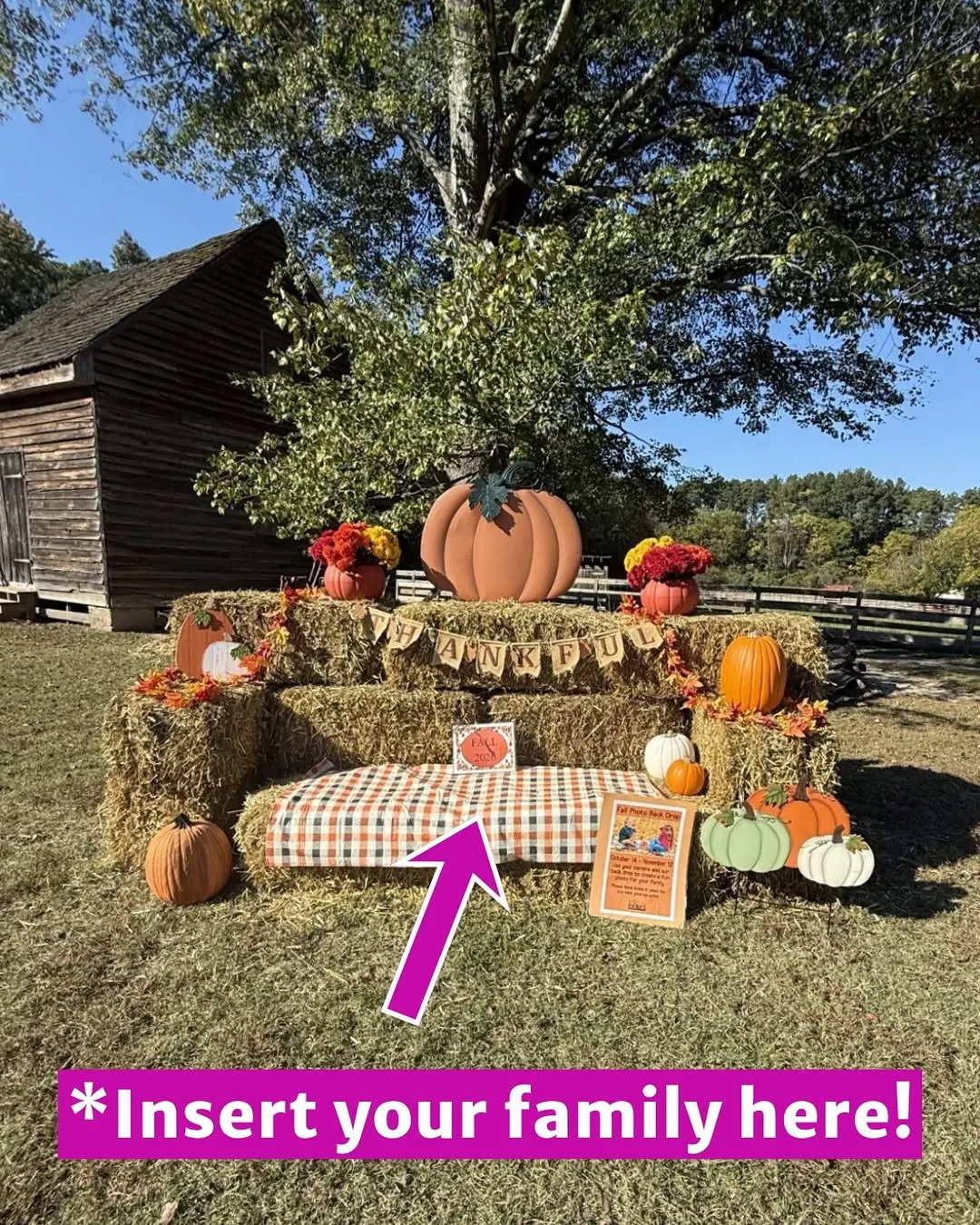
Photos give friends a way to keep the night after the food is gone. One small corner with good light and silly props invites people to pose between courses, during dessert, and before coats come out. Groups that rarely take pictures together often treasure these the most.
Choose one wall or corner near natural light or a bright lamp, then hang a plain cloth, a string of paper leaves, or a simple banner behind the spot. Fill a small basket with props like paper turkey hats, speech bubble signs, scarves, and funny glasses. Place one phone tripod or a steady shelf at standing height so whole groups fit in frame.
Playful groups and friends who live far apart suit a photo corner well. One host set a tripod beside the dessert bar and printed favorite shots later as small gifts. Guests used the corner all night because it sat near the food, and nobody needed to ask the host to take pictures.
Lighting decides whether photo corners get used or ignored. Dark corners produce grainy shots that nobody shares, and cluttered backgrounds steal attention from faces. Test three photos before guests arrive, clear the area behind the spot, and keep the prop basket small enough that people can grab and go.
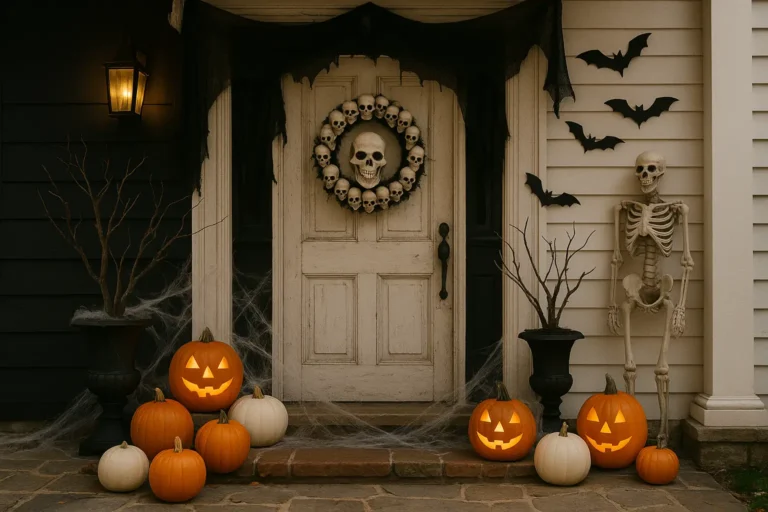
Fall Themed Friendsgiving with Pumpkin Decor
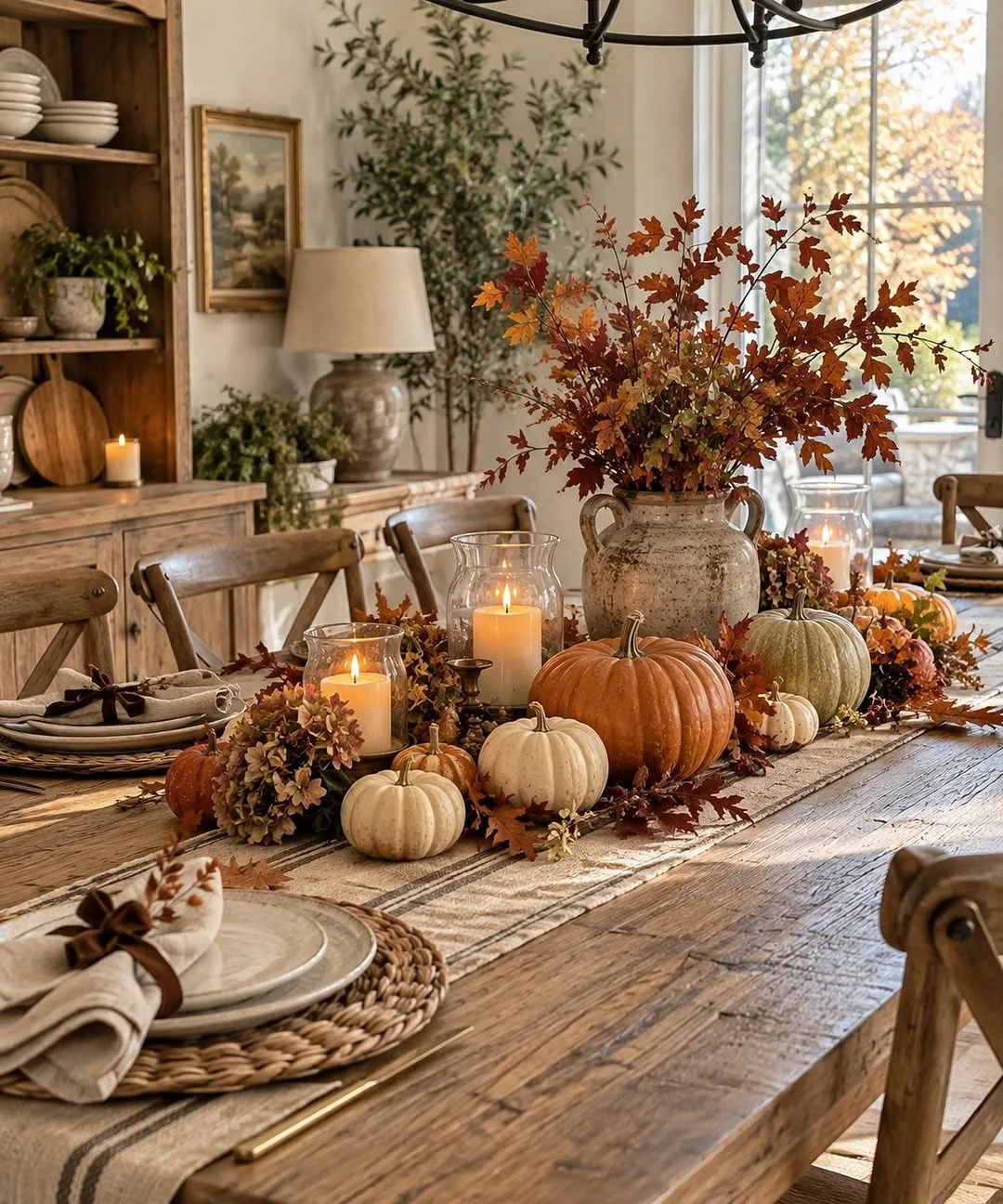
Pumpkins and autumn color give Friendsgiving a clear theme with almost no effort. Grocery stores and porches overflow with gourds, leaves, and warm tones in November, so decor nearly shops for itself. Friends also read the season instantly, which makes a plain room feel festive fast.
Build the center of the table from small pumpkins, pinecones, dried leaves, and candles in amber or clear glass. Repeat rust, cream, and soft orange across napkins, a runner, and one banner or wreath on the wall. Keep plates plain so the seasonal pieces carry the color, and use one wooden board or tray to hold the grouping together.
Hosts who love decorating suit this theme best, and so do groups who enjoy photos. One host gathered pumpkins from three porches, added yard leaves and candles she already owned, and spent nothing on new decor. Guests assumed the table came from a magazine shoot, though every item had a borrowed or gathered story.
Restraint keeps autumn decor charming instead of cluttered. Pumpkins at every seat, on every shelf, and across every surface leave no room for food or elbows. Edit the table after decorating by removing three items on purpose. Space around serving dishes always looks calmer and more generous than one more cute gourd.
Friendsgiving Movie Night After Dinner
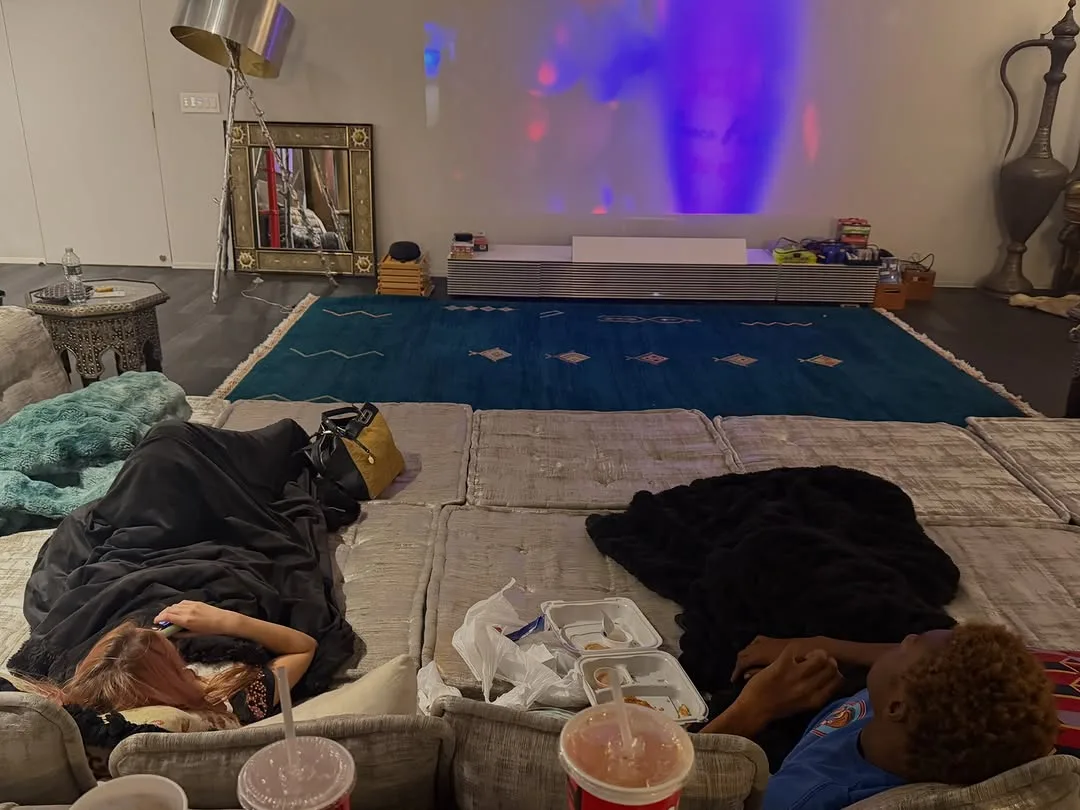
Movies give full and happy guests a soft landing after a big meal. Nobody has to invent conversation, nobody has to leave early from boredom, and the group still shares one experience together. Picking the film becomes part of the fun when friends vote during dessert.
Choose one crowd pleasing comedy or one beloved classic and keep the running time under two hours. Set the screen up before dinner so nobody fumbles with cables while carrying pie. Offer blankets, floor cushions, and one small snack station with popcorn, leftover pie, and hot drinks so people can graze without returning to the table.
Tired hosts and groups with mixed ages suit movie nights well because energy stays low and pleasant. One group of eleven watched a favorite comedy with quilts over every lap, and two guests who had planned to leave early stayed until the credits. Shared laughter after dinner often becomes the memory people mention first.
Screen problems can drain the mood faster than any cooking mishap. Test the film, the sound, and the seating view earlier in the day, and keep subtitle settings ready for anyone who hears poorly. Charge remotes, clear sight lines from every cushion, and keep one lamp on low so nobody trips over bags and shoes.
Board Games and Card Games Friendsgiving Night
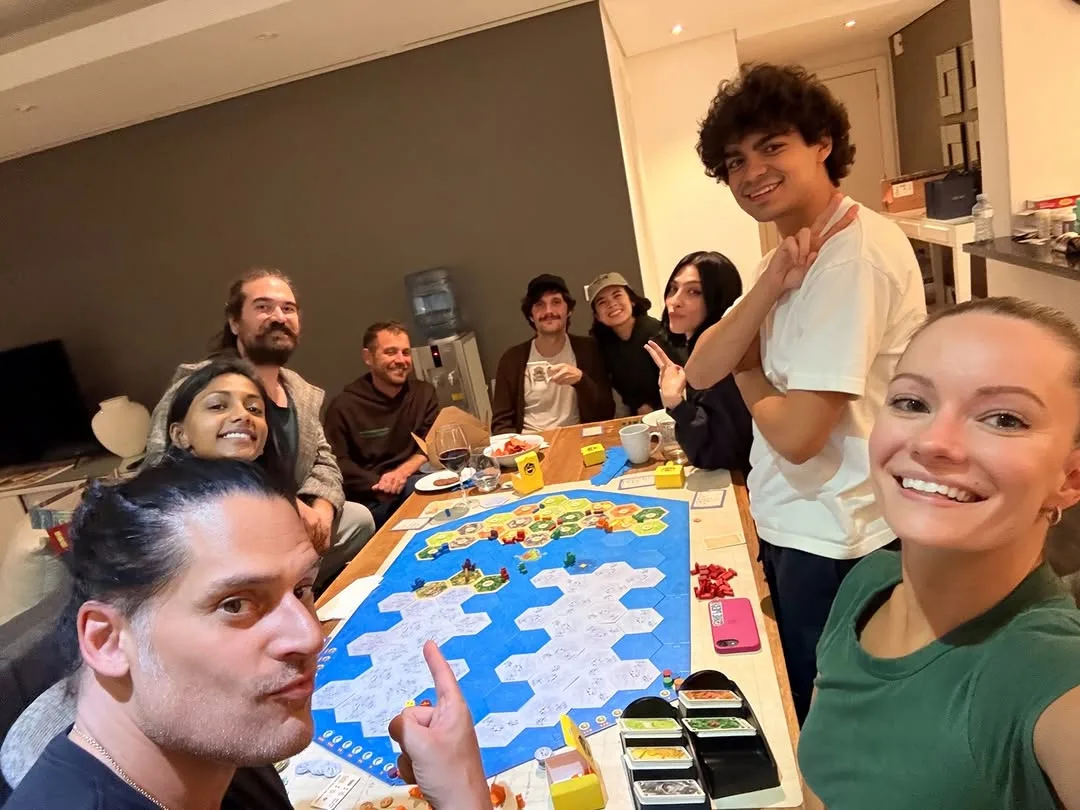
Games turn food heavy quiet into laughter within minutes. Friendly competition gives shy guests an easy role, gives loud guests a healthy outlet, and keeps the group together after plates are cleared. Simple rules matter more than fancy boxes, because nobody wants a lecture after turkey and pie.
Pick three or four games with quick rounds and rules you can explain in two minutes. Card games, drawing games, and team guessing games suit full stomachs and noisy rooms. Clear one table for play, keep score with one pencil and scrap paper, and form mixed teams so couples and close pairs split across the group.
Competitive friend groups suit game nights best, and so do groups where not everyone knows each other well. One host ran a simple trivia game about the friend group itself, with questions about jobs, trips, and old jokes. New partners joined in easily, and the game produced stories that carried the rest of the night.
Game choice can quietly exclude people when rules run long or groups run large. Avoid games that seat only four when twelve guests want in, and skip anything that eliminates players early. Rotate short games, let people sit out a round with dessert in hand, and keep prizes tiny and silly rather than costly.
Friendsgiving Cocktail and Mocktail Station
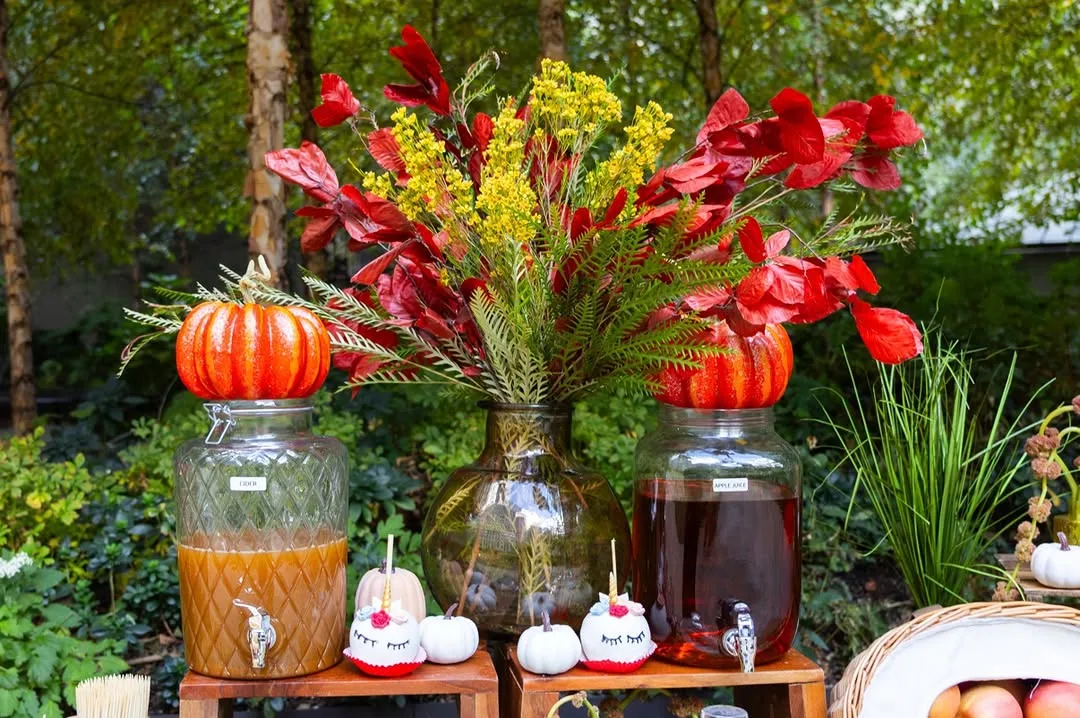
One self serve drink station frees the host from playing bartender all night. Guests mix drinks to their own taste, try seasonal flavors, and gather around the station in small groups between courses. Including mocktails with equal care makes every guest feel considered, not just the ones who drink alcohol.
Set the station on a side table away from the cooking zone, with one or two base drinks, sparkling water, cider, citrus slices, cranberries, and plenty of ice. Print two or three simple drink ideas on small cards, keep glasses in one neat row, and place a towel and small bin nearby for spills and peels. Refill ice once during dinner and let guests handle the rest.
Adult groups who enjoy tasting and experimenting suit a drink station well. One host offered one cider based cocktail, one cranberry mocktail, and plain sparkling water with fruit, and every option got used. Guests praised the mocktail most, because it looked and tasted like part of the celebration rather than an afterthought.
Alcohol needs honest pacing at any long dinner party. Keep water glasses filled on the table, serve food before strong drinks, and plan one firm end time for the station. Know which guests are driving, keep coffee and food available late, and close the station without debate if anyone seems unsteady.
Small Apartment Friendsgiving for Close Friends
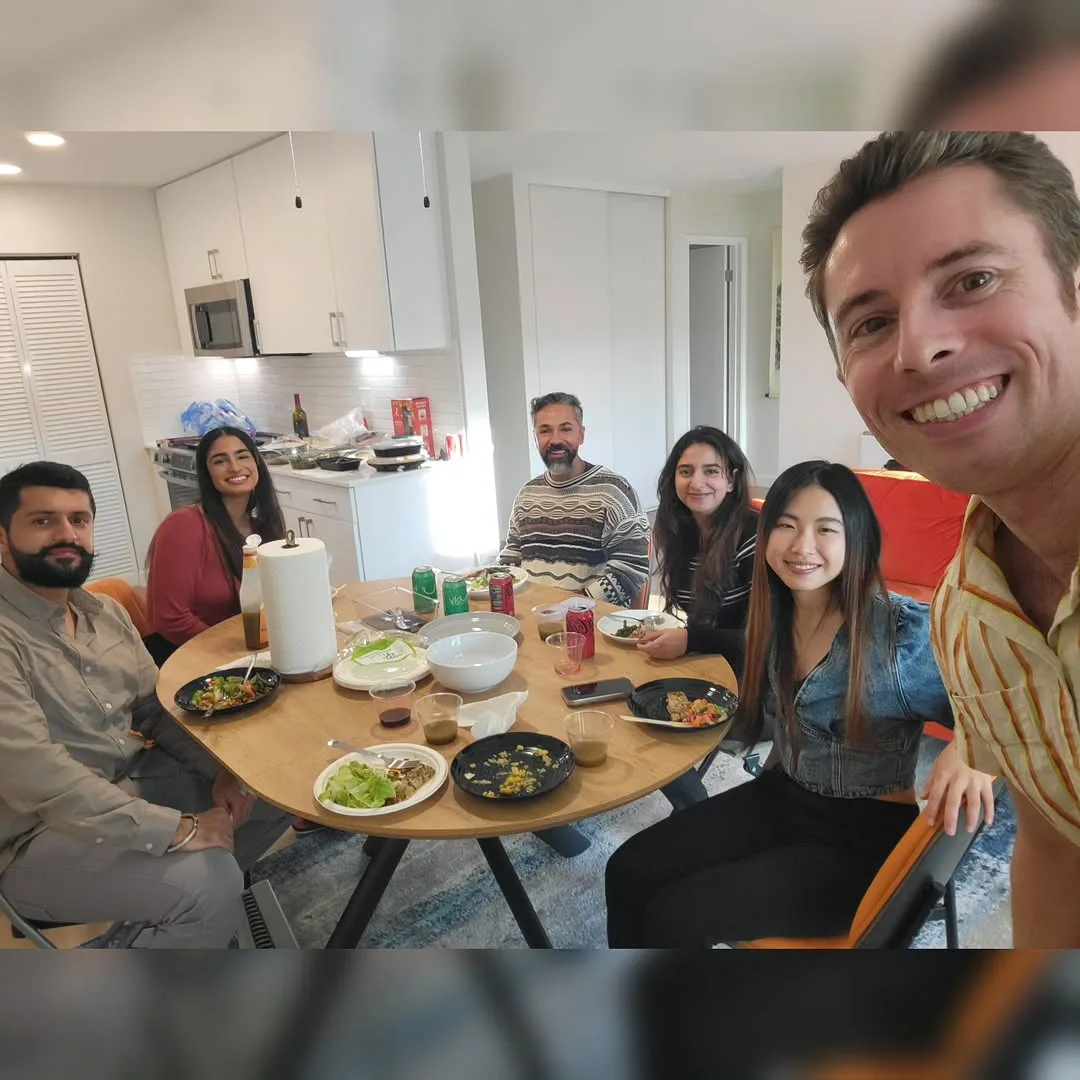
Small apartments can host deep and happy Friendsgivings when hosts plan for space instead of fighting it. Fewer guests means real conversation with everyone, less food waste, and a bill that stays gentle. Intimacy is a feature here, not a compromise to apologize for.
Cap the guest list at the number of seats you truly own, counting couch arms and sturdy stools honestly. Serve food buffet style from the kitchen counter, keep bags and coats in the bedroom, and use one folding table or coffee table as the dining surface. Ask guests to bring dishes in containers that can go straight onto the counter without extra platters.
Hosts in studios and one bedroom flats suit this scale perfectly. One host fed six friends in a tiny apartment with counter service, floor cushions, and a dessert run to the balcony for fresh air. Guests called the night the warmest of the season because everyone talked to everyone and nobody shouted across a long table.
Overinviting is the mistake that hurts small spaces most. Two extra guests can block the kitchen, crowd the bathroom line, and leave someone eating from a wobbly corner. Hold the list firm with kindness, and suggest a second smaller gathering or a dessert night for friends who did not fit this round.
Budget Friendsgiving with Dollar Store Decor
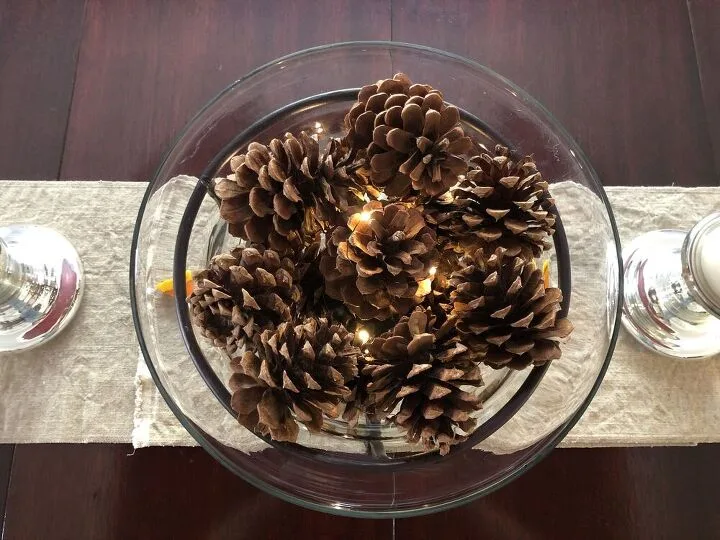
Tight budgets still buy a table that looks planned and generous. Dollar stores in November stock candles, glass holders, plain chargers, paper goods, and simple garlands that carry a theme for very little money. Smart hosts spend on light and seats first, because guests feel those more than any centerpiece.
Choose one palette before shopping and buy only items inside it, such as cream and gold or rust and brown. Spend first on candles, holders, and napkins near each guest, then fill the center with free leaves, pinecones, and grocery store mini pumpkins. Borrow extra chairs, glasses, and one large platter from a friend instead of buying pieces you will store all year.
Students, first time hosts, and anyone saving for the holidays suit this approach well. One host decorated for ten guests with dollar store candles and chargers, yard leaves, and borrowed chairs, and kept decor spending near fifteen dollars. Guests praised the warm light and full table, and nobody guessed how little the room had cost.
Impulse buys break budgets and palettes at the same time. Glitter novelties, cartoon turkeys, and random bright pieces sneak into carts when no list exists. Write the list at home, carry it into the store, and leave unlisted items behind without debate. One clear theme at home beats five bargains fighting each other on the table.
Friendsgiving Leftover Station with Take Home Boxes
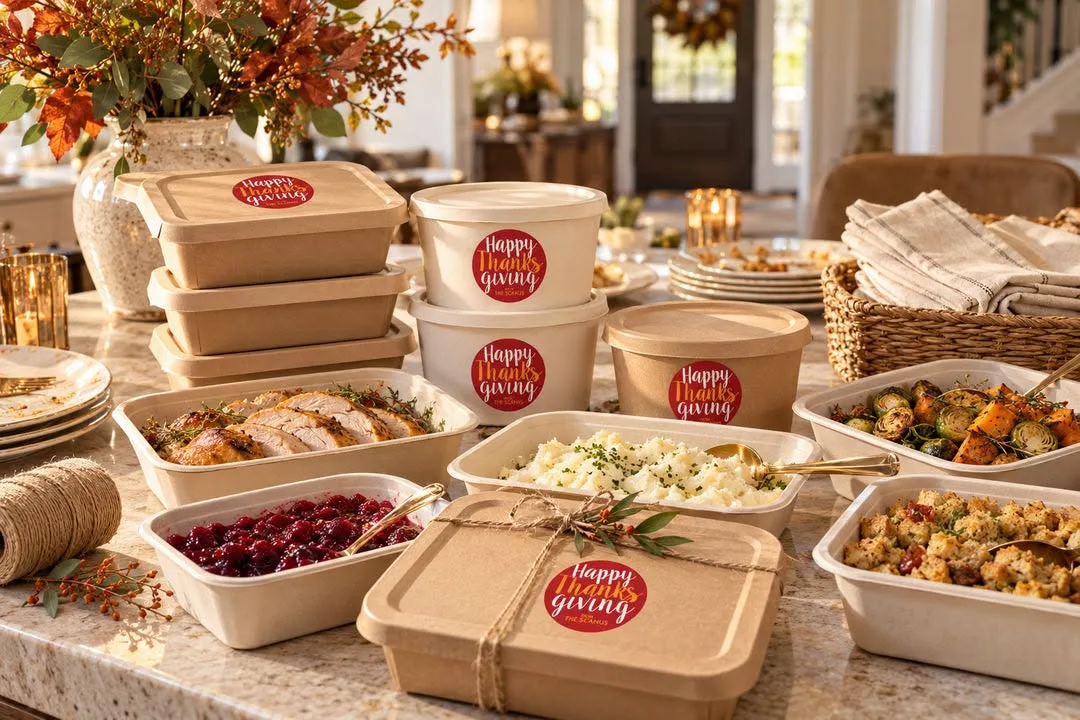
Leftovers are part of the joy of Friendsgiving, and a planned station turns them into gifts instead of kitchen chaos. Guests leave with tomorrow lunch packed, the host fridge stays manageable, and good food avoids the bin. Packing boxes together also gives the night a gentle and useful final activity.
Set out plain take home boxes or containers, labels, and a marker on one clear counter before dessert ends. Move dishes to the station in order, starting with turkey and sides, then bread, then desserts in separate boxes so flavors stay clean. Keep plastic wrap and bags nearby, remind guests to chill food quickly at home, and send one group message later with simple reheating guidance.
Generous cooks and groups who travel home by car suit a leftover station best. One host packed twelve boxes in fifteen minutes because containers and labels were ready before dinner even started. Guests texted photos of their leftover lunches the next day, and the host opened a fridge with space to spare.
Food safety needs firm attention once dinner ends. Perishable food should not sit out all evening while games and movies run. Move leftovers into the fridge within two hours, pack boxes from chilled food, and keep one cooler with ice ready for guests with long drives. Kindness includes sending friends home with food that stays safe to eat.
Friendsgiving Brunch with Waffles and Cider
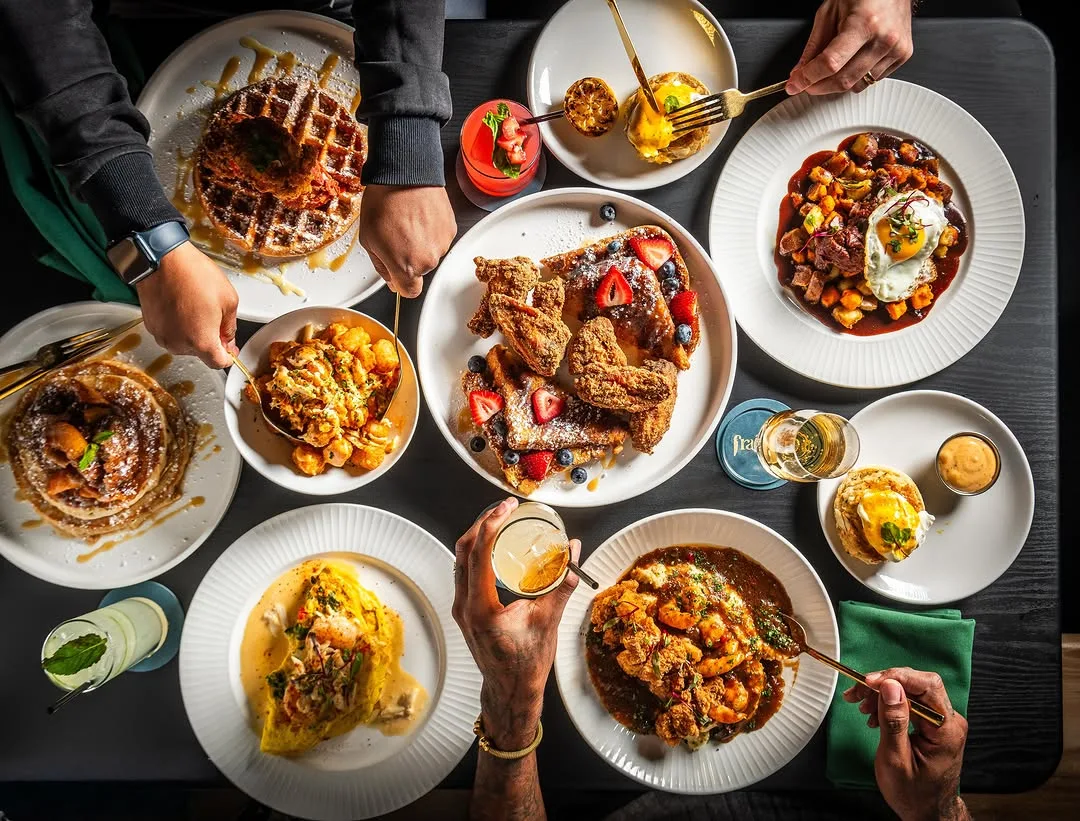
Brunch changes Friendsgiving from one heavy evening into a bright and easy gathering. Morning light flatters simple food, waffles please nearly everyone, and guests keep their evenings free for family plans. Hosts often feel fresher too, because brunch food cooks fast and forgives casual timing.
Plan a waffle bar with batter ready in advance, plus toppings like berries, whipped cream, nuts, and warm maple syrup. Add eggs, bacon or a simple breakfast casserole, fruit salad, coffee, and hot cider so savory eaters feel covered. Set toppings in small bowls along one counter, keep plates warm in a low oven, and let guests build plates in a natural line.
Friends with small children and groups spread across a city suit brunch timing best. One host served nine friends at eleven in the morning, finished cleanup by mid afternoon, and still had energy for an evening walk. Guests with babies headed home for nap time without missing the celebration at all.
Waffle irons create bottlenecks when one machine serves a hungry crowd. Borrow a second iron, bake one batch of waffles in the oven on a sheet pan as backup, or alternate waffle rounds with toast and pastries. Keep the first guests fed with fruit and coffee while waffles cook, and nobody minds the short wait.
Outdoor Bonfire Friendsgiving with Blankets and S'mores
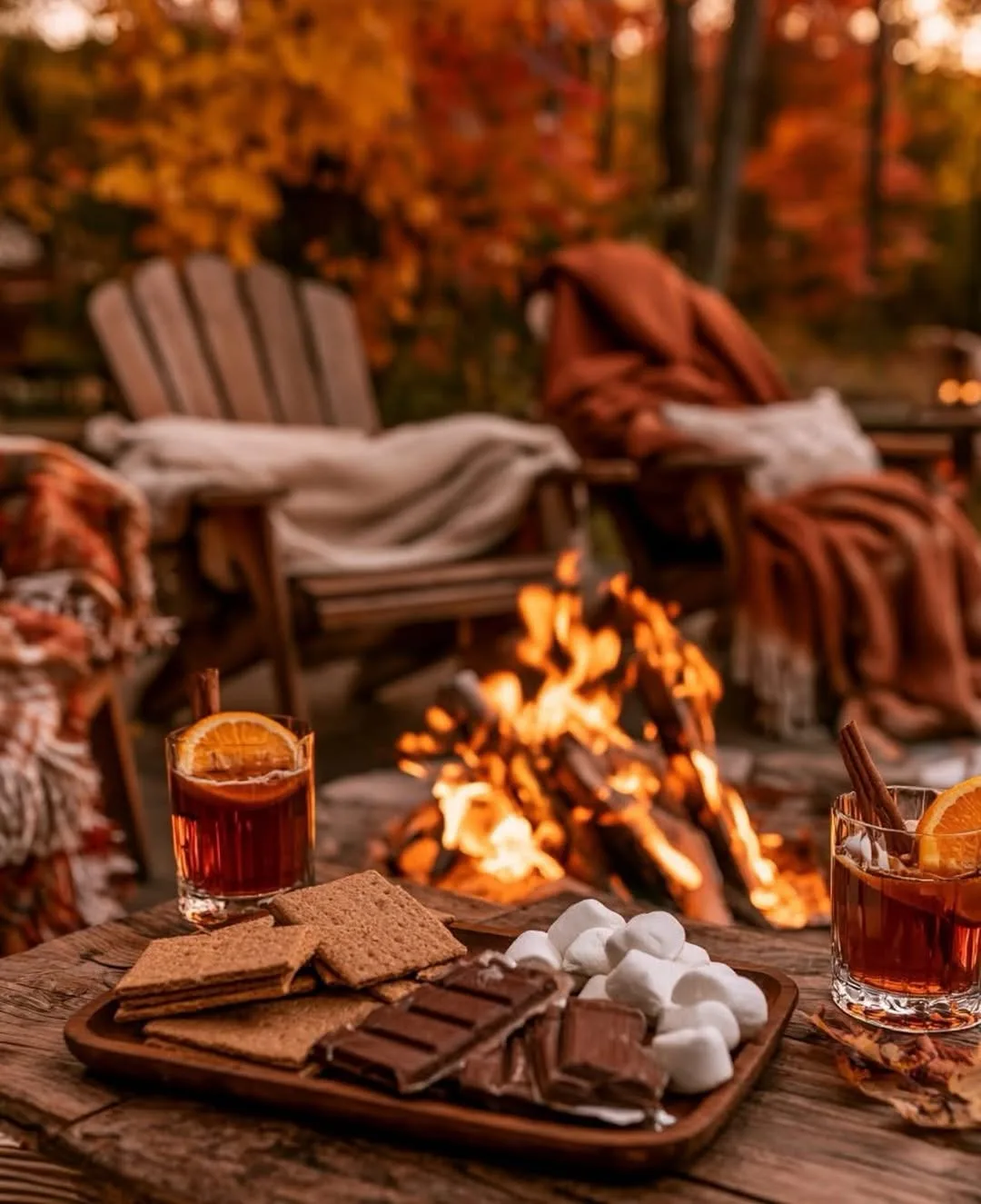
Firelight gives Friendsgiving a calm and memorable ending. Blankets, warm drinks, and toasted marshmallows slow the night down after a big meal, and conversation around a fire tends to run deep. Outdoor air also refreshes guests who feel sleepy indoors.
Check local fire rules first and use one proper fire pit on a clear, flat surface away from decks, fences, and dry leaves. Set chairs in one loose circle, stack blankets and cushions within reach, and place s'mores supplies on one tray with chocolate, graham crackers, marshmallows, and long roasting sticks. Keep one bucket of water and one flashlight nearby, and assign one sober adult to watch the fire.
Rural hosts, suburban groups with yards, and friends who love the outdoors suit bonfire endings best. One group of ten ate dinner inside, then moved out with cider and blankets for two hours of stories by the fire. Guests named the bonfire as the part they wanted repeated every single year.
Fire safety and weather decide whether this idea delights or worries. Wind, dry ground, and loose sleeves near flames all raise real risk, and rain can end the plan in minutes. Watch the forecast, keep the fire small, tie back hair and scarves, and move indoors without arguing when conditions feel wrong.
Common Mistakes to Avoid
Hosts often try to cook every dish alone, even when friends happily offer help. Pride produces exhaustion, uneven timing, and a host who sees more of the oven than the guests. Most friendsgiving party ideas work better with shared food, shared costs, and shared cleanup, so accept offers early and assign them clearly before pride makes decisions for you.
Guest lists grow by accident when partners, roommates, and visiting cousins join without a head count. Extra people strain seats, plates, and food in ways hosts discover too late. Confirm who is actually coming three days ahead, count chairs and glasses against that number, and keep two spare settings ready without inviting beyond your space.
Timing slips quietly at parties where food, games, and toasts all compete. Dinner that starts an hour late pushes dessert past midnight and leaves drivers tired. Set one gentle schedule with arrival, dinner, activity, and dessert times, share it in the group chat, and let the plan bend a little without breaking completely.
Cleanup delayed until morning turns warm memories sour fast. Grease hardens, leftovers sit out, and one tired host faces the whole mess alone. Wash serving dishes during natural pauses, pack leftovers right after dessert, and accept every offer of dish help. Ten shared minutes at night save one miserable hour the next day.
Budget Friendly Friendsgiving Party Ideas
Potluck planning is the strongest budget tool a host owns, because shared dishes spread the food bill across the whole group. Under strong budget friendly planning, the host buys the turkey, drinks basics, and a few gaps, while friends bring the sides and sweets they enjoy making. Everyone spends a little, nobody spends a lot, and the table still looks abundant.
Decor costs drop when hosts shop home and yard before any store. Candles from other rooms, jars as holders, leaves and pinecones from outside, and one borrowed cloth build most of a theme for free. Grocery store pumpkins cost little in mid November and keep working as porch decor or soup after the party ends.
Hosts building friendsgiving party ideas on a budget keep drink spending sane with one signature cocktail, one mocktail, water, and coffee instead of a full bar. Guests who want something specific can bring a bottle to share, which most friends offer anyway. Ice, citrus, and cranberries cost little and make simple drinks feel seasonal, so spend there rather than on many half used bottles.
Paper goods deserve honest thought rather than automatic guilt. Washing dishes for fourteen can cost a host the whole evening, while plain compostable plates keep cleanup short and spirits high. Balance money, time, and waste with clear eyes. Reusable pieces suit small groups, and simpler goods can be the kind choice for very large ones.
Tips for Hosting a Friendsgiving Party
Send invitations three weeks early with the date, start time, address, and parking notes in one message. Early clarity lets friends book travel, claim dishes, and arrange childcare without chasing the host for details. Follow with one reminder a week before the party and one on the morning itself.
Build your friendsgiving party ideas around one anchor, not five competing themes. One strong plan for food, seating, and a single after dinner activity gives the night shape. Extra touches can support the anchor quietly, but too many features leave guests unsure where to be and hosts running between stations all evening.
Create one group chat and keep every update inside it. Menu claims, arrival changes, allergy notes, and photo sharing all stay in one place where nobody misses news. Pin the sign up list at the top so late joiners can see open slots without asking the host to repeat everything.
Plan the first thirty minutes as carefully as dinner itself. Music on, drinks ready, one snack on the table, and the host out of the kitchen make arrivals feel welcome instead of awkward. Early comfort sets the tone, and guests who relax fast tend to help, mingle, and stay late.
End the night on purpose with dessert, a group photo, and packed leftovers. Clear endings help drivers leave safely and give the host a natural moment to thank everyone. Many guests remember the goodbye as warmly as the meal, especially when they leave carrying good food and one good photo.
FAQ
How Early Should I Start Planning a Friendsgiving Party?
Start planning about three weeks before the date. Send invitations first, open the dish sign up list next, and confirm numbers three days ahead. Early planning spreads shopping and cooking across calm weekends instead of one stressful rush.
How Much Food Does a Friendsgiving Group Need?
Plan on hearty portions, because guests tend to taste everything on a shared table. One turkey or main dish, four to six sides, bread, and two desserts cover most groups of ten to twelve. Leftovers shrink the risk, since extra food packs up easily for guests to carry home.
What Should Guests Bring to a Friendsgiving Dinner?
Guests bring dishes that travel well and serve easily, like sturdy sides, salads, bread, pies, or drinks. Every dish should arrive ready to serve with its own spoon and a clear label. Hosts help by listing open slots so nobody duplicates dishes or forgets basics like ice and butter.
How Can I Host Friendsgiving in a Very Small Space?
Keep the guest list at the number of real seats you own and serve food from the kitchen counter. Floor cushions, one folding table, and buffet style serving keep movement easy. Small groups often enjoy deeper conversation anyway, so treat the size as a strength rather than a problem.
When Should a Friendsgiving Party Start?
Late afternoon starts work well for dinner parties, with guests arriving around four or five and dinner near six. Brunch gatherings suit an eleven o clock start instead. Share the meal time in the invitation so guests plan snacks, travel, and childcare with confidence.
Conclusion
Friendsgiving works because friends ask for time together, not perfection. Warm food, enough seats, one plan for sharing the work, and one small moment of thanks will carry almost any gathering, and honest friendsgiving party ideas keep that simple order straight. Decor and games add sparkle, but the people at the table always provide the real warmth.
Keep your plans inside this guide simple enough to repeat next year. Traditions grow when hosts survive the night happily and guests leave already asking about the next one. One shared menu, one comfortable room, and one group photo can become the ritual your friends protect every November.
Start with the idea that fits your space, your budget, and your people, then let everything else stay modest. Buy only what the plan truly needs, accept help when friends offer it, and leave room in the evening for unplanned laughter. Simple hosting done with care beats elaborate hosting done with stress.
End by thanking your friends out loud for showing up, cooking, driving, and caring all year. Words like those cost nothing and echo for months. Set the date early next year, save the sign up list, and let this years easy lessons make the next gathering even warmer.